Archives December 2025

Vivekanand Education Society and University of Mumbai Signing MoU

Vivekanand Education Society and University of Mumbai Sign MoU for Centre of Excellence in Sindhi Language, Heritage and Culture Studies

mou

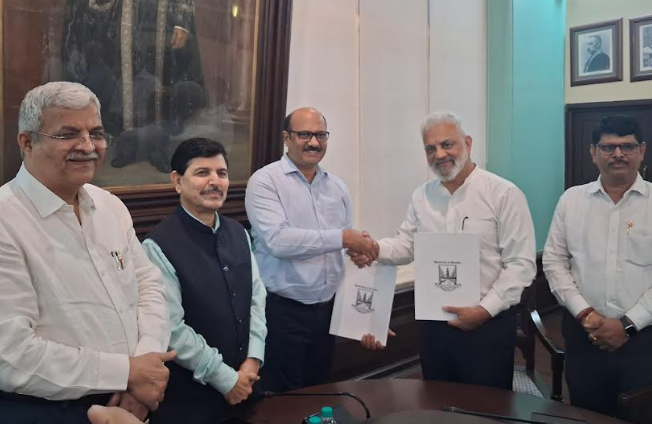
Mumbai, Dec 11: Vivekanand Education Society (VES) has announced the signing of a Memorandum of Understanding (MoU) with the University of Mumbai to establish a Centre of Excellence in Sindhi Language, Heritage, and Cultural Studies, which will include a dedicated Vivekanand Education Society Sindhi Research and Development Centre (SRDC). The MoU was signed at the University of Mumbai by Advocate Shri Rajesh Gehani, Secretary, VES, and Registrar Dr. Prasad Karande in the presence of Dr. Shri Ravindra Kulkarni, Vice Chancellor, University of Mumbai, and Pro Vice Chancellor Dr. Ajay Bhamare.

The initiative aims to preserve and promote the Sindhi language, culture, and heritage while strengthening institutional collaboration between VES and the University of Mumbai. The proposed Centre will be housed in a 12,000 sq. ft. facility in a new building at the University of Mumbai and is aligned with the Government of India’s broader mission to advance Sindhi languages. Through academic programmes, research initiatives, and community engagement, the Centre will work toward expanding access to heritage language education and scholarship.

This is a historic milestone for Sindhi’s and a long-awaited opportunity for them to take concrete steps to preserve their language and literature,” said Advocate Shri Rajesh Gehani, Secretary, Vivekanand Education Society. “The centre will enable linguistic analysis and study, digitisation of manuscripts, conversion and transliteration of Sindhi texts into digital formats in Arabic and Devanagari, audio rendering of Sindhi books into audio books, creation of audio-visual educational and research materials, as well as the recording and preservation of oral traditions. It will also support documentation of Sindhi culture, traditions and heritage; archival and preservation activities; academic conferences, seminars and workshops; along with educational and training programs. This model can be replicated in all other states in India, as Sindhi’s are present across the country.”

Vice-Chancellor, Mumbai University, Prof. Ravindra Kulkarni noted that “the Sindhi language carries a rich cultural legacy and heritage that must reach newer generations with due academic and research support. This initiative is not just an infrastructural expansion but a firm step towards the conservation of linguistic heritage,” he said, expressing confidence that the Department will evolve into a national and international hub for research and cultural outreach. “

This landmark collaboration between the University of Mumbai and Vivekanand Education Society (VES), through the establishment of the Centre of Excellence in Sindhi Languages, Heritage and Cultural Studies; along with the dedicated Vivekanand Education Society Sindhi Research and Development Centre (SRDC); marks a significant step forward in elevating, preserving, and advancing the Sindhi language and its rich cultural legacy.

Covestro and XRG commence strategic partnership: Transaction successfully closed

Covestro AG today announced the successful closing of its strategic partnership with XRG P.J.S.C. (formerly ADNOC International Limited, together with its subsidiaries in the following “XRG”). The agreed capital increase of EUR 1.17 billion was carried out as planned, providing Covestro with additional resources to support the implementation of its “Sustainable Future” strategy. 

Dr. Markus Steilemann, CEO of Covestro, said:

“With today’s closing of the transaction, we can now begin our joint journey with XRG. Together with XRG as a strong and long-term partner, we are well positioned to drive Covestro’s transformation and create long-term value for our customers, employees, and stakeholders worldwide.” 

The closing of the transaction marks the official start of the partnership, building on all underlying agreements and prior regulatory clearances. 

Fortis Nagarbhavi Unveils Next-Gen Mako Robotic Knee Replacement Technology

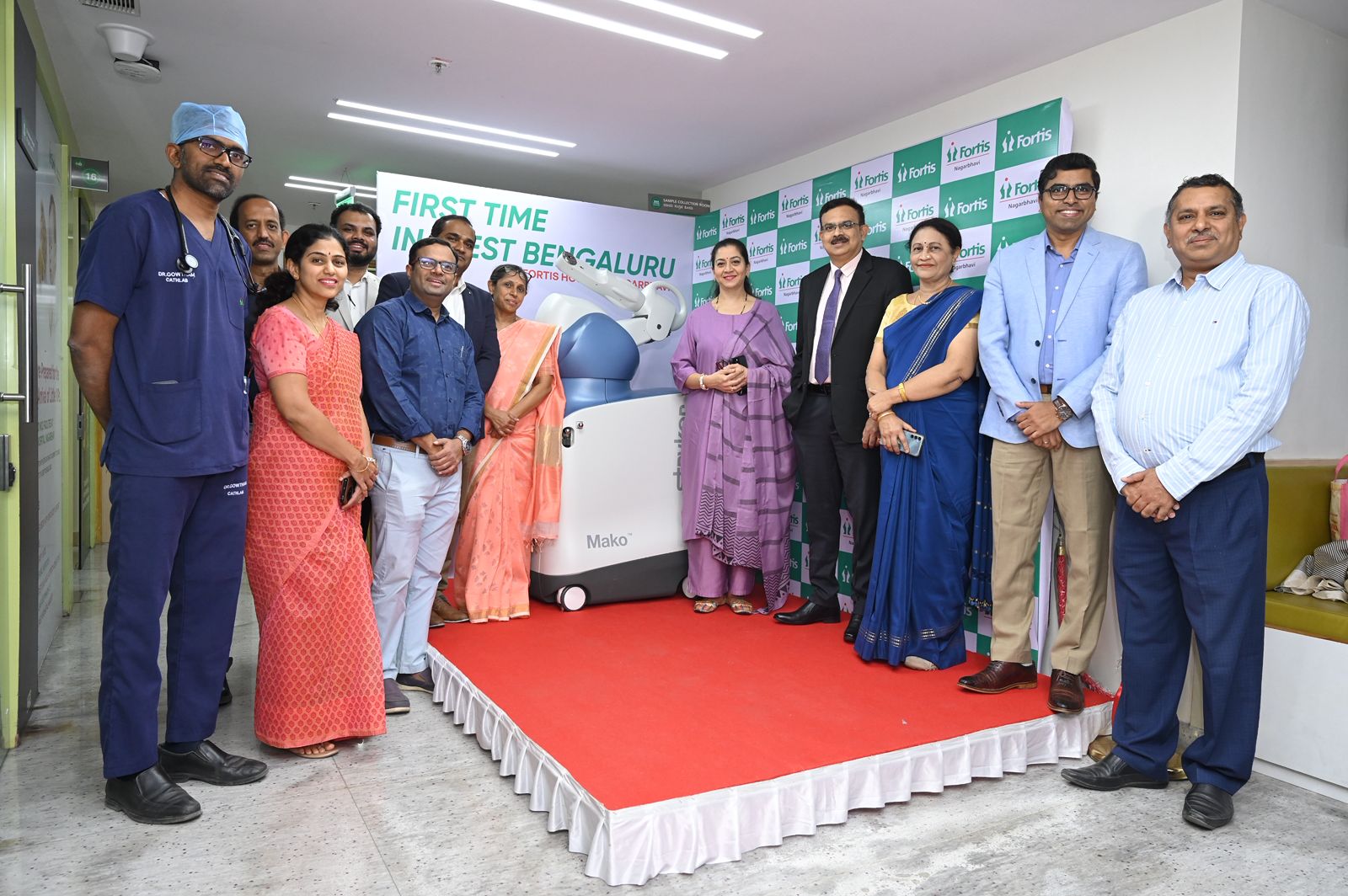
Fortis Nagarbhavi Launches Next Generation Mako Robotic Technology for Knee Joint Replacements; Inaugurated by South Indian Actress Sudha Rani

Bengaluru, Dec 11: Fortis Hospital, Nagarbhavi today announced the launch of the Next Generation Mako Robotic System (Mako TKA 2.0), marking a transformative leap in knee joint replacement surgery in Karnataka.  The Mako Robotic System represents the latest frontier in robot-assisted knee replacement surgery, integrating CT-based 3D modellingAI-enabled surgical planning and haptic-guided robotic-arm assistance.

MAKO Robot Launch Image 1

Designed to achieve sub-millimeter accuracy, the Mako system enables superior implant positioning while preserving healthy bone and soft tissue. This precision translates into reduced post-operative pain, faster recovery, improved functional outcomes, and long-term joint stability, significantly enhancing the patient experience.

Speaking at the launch, Ms. Sudha Rani, renowned South Indian actress said,

It’s heartening to see world-class medical technology is now accessible in our city. The MAKO Robotic‑Arm Assisted Surgery System represents a major leap forward for patients, offering safer surgeries and faster recovery than ever before. My heartfelt congratulations to the entire team at Fortis Hospital Nagarbhavi for bringing such advanced care to the community.”

Dr. Manjunath Kodihalli, Senior Consultant Orthopedic Surgery, Fortis Hospital, Nagarbhavi, said,

Our initial experience with the Mako system has been exceptionally promising. Unlike other robotic platforms, Mako uniquely combines CT-based 3D planning with real-time robotic guidance, allowing us to personalize the surgery to each patient’s anatomy with sub-millimetre accuracy. This level of predictability and precision is what influenced our decision to opt for Mako for our patients. The platform’s precision, consistency and tissue-sparing capabilities are significantly elevating the quality of knee replacement surgery. We are seeing patients regain mobility faster, experience less post-operative discomfort and achieve more stable joint function early in their recovery. Mako represents a transformative step in how we approach joint replacements, enabling outcomes that are more predictable and personalized than ever before.”

Among the early beneficiaries of the Mako robotic system was 60-year-old Mrs. Shailaja (name changed), who was suffering from severe left knee osteoarthritis for 3 years that restricted her daily mobility. The personalized surgical planning enabled by Mako resulted in precise implant alignment and minimal soft-tissue damage. The patient experienced reduced post-operative pain, early mobilisation, and was discharged with marked functional improvement

Another patient, a 54-year-old Mrs. Zeenath (name changed), who had been suffering from left knee osteoarthritis for 5 years, underwent Mako-guided knee replacement using the platform’s haptic precision. The robot-assisted approach ensured balanced joint alignment and optimal bone preservation. Her post-operative recovery remained smooth, and she was discharged with excellent early mobility outcomes.

With the installation of the Mako TKA 2.0 platform, Fortis Hospital, Nagarbhavi further strengthens its position as a regional hub for advanced orthopedic, robot-assisted joint replacement and trauma care, ensuring patients across Karnataka gain access to cutting-edge, precision-driven surgical solutions.

Mr. Ratheef Naik, Facility Director, Fortis Hospital, Nagarbhavi, said,

“Introducing the Mako Robotic System represents a major leap in our commitment to advanced, technology-driven healthcare. Robot-assisted surgery ensures consistency, accuracy and better predictability of outcomes, improving both patient safety and satisfaction. By offering this globally benchmarked platform, Fortis Hospital Nagarbhavi is ensuring that patients in our community have access to the same advanced orthopedic care available at leading international centres.”

Zydus launches biosimilar Denosumab 120 mg SC – protecting bone health in cancer patients

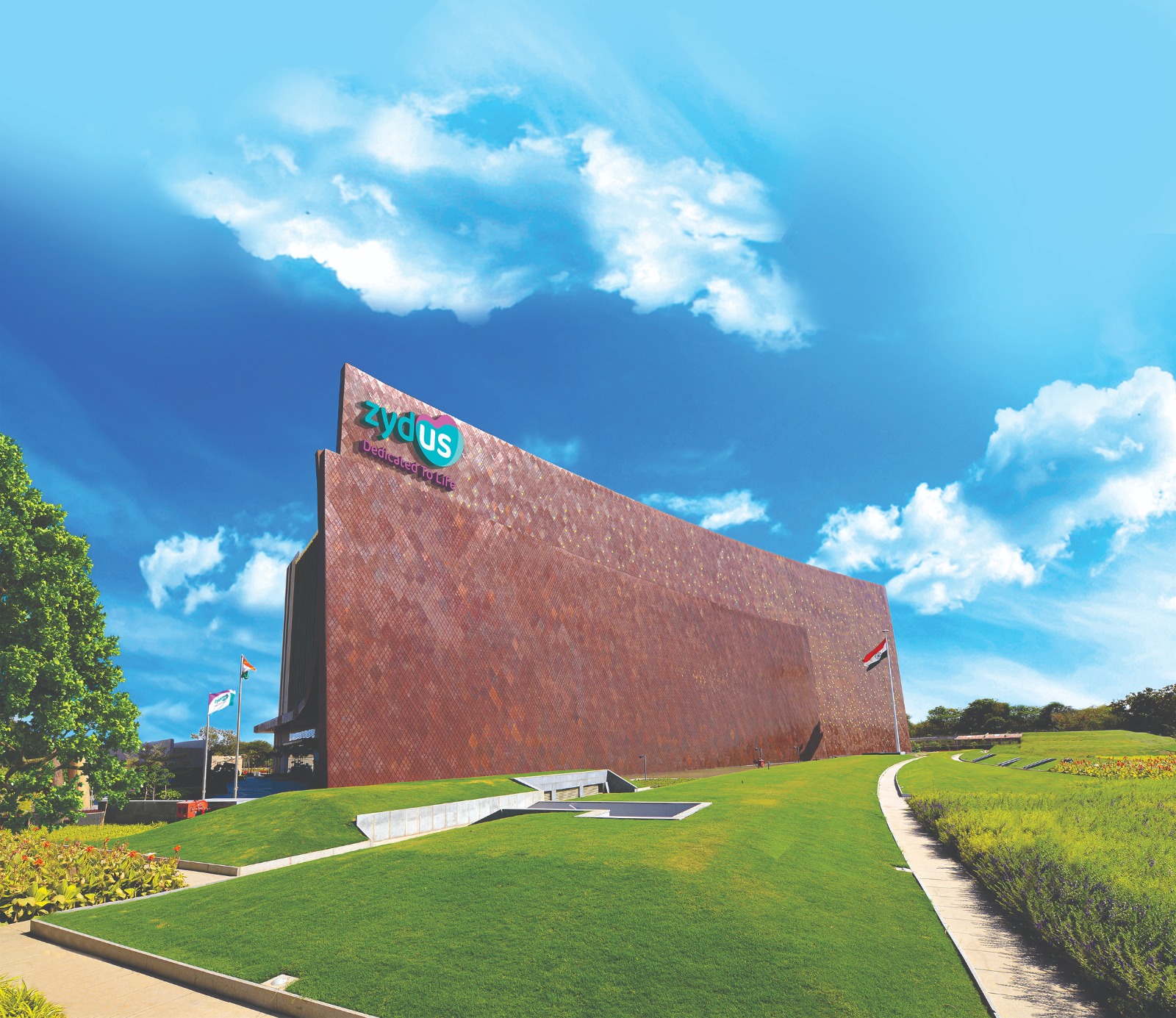
Ahmedabad, Dec 11: Zydus Lifesciences Ltd., an innovation-led healthcare company, with an international presence has launched ‘Zyrifa’, a Denosumab biosimilar. Denosumab is a monoclonal antibody with several indications related to bone health, primarily in the treatment of osteoporosis and the prevention of skeletal complications in cancer patients. This will provide access and treat patients with bone metastases due to breast, prostate, lung, myeloma, kidney, thyroid, head & neck, and other solid tumours. Metastases, is when the cancer spreads to the bones and other organs in the body indicating an advanced stage of cancer. ‘Zyrifa’ is priced at MRP of Rs 12,495.

Zydus

Bone metastases are a serious complication across multiple cancers, significantly impacting patient quality of life. Patients experience pain, fractures, spinal cord compression, reduced mobility, and loss of independence, often impacting their dignity and increasing mortality risk. The condition most commonly affects the axial skeleton (spine, pelvis, ribs), leading to severe complications.

Speaking on this launch, Dr. Sharvil P. Patel, Managing Director, Zydus Lifesciences Limited., said

“With Denosumab 120 mg SC, we aim to bring access, affordability of medication in cancer patients needing critical care. This will help patients to retain mobility, and support them in their fight against cancer”

Population scale analyses and registry studies consistently show high bone involvement rates in advanced disease; in advanced breast or prostate cancer, bone involvement affects 50 -70% of patients, whereas 15-40% of lung, kidney, thyroid, and melanoma cases also develop skeletal metastases over time.

Zydus Lifesciences Limited has been launching a wide range of biosimilars to treat various cancers ranging from breast cancer to prostate cancer, various other solid tumours and blood cancer. The company has also partnered with diagnostic companies.

MICA’s MarTech Programme Empowers Marketing Leaders in $500B Industry

Dec 11: As the global MarTech industry surpasses $500 billion, marketing and business leaders face a critical need to adapt. The fusion of marketing and technology is no longer optional; it is the foundation of modern brand success.

Recognising the growing demand for professionals who can bridge creativity, data, and technology, MICA has launched the Executive Programme in MarTech and AI. The goal is to empower marketers, CMOs, and business strategists with the knowledge to lead data-driven, AI-powered marketing transformations.

“The future of marketing isn’t just digital, it’s intelligent,” says a spokesperson from MICA. “This programme helps leaders use AI not just as a buzzword but as a strategic advantage.”

What Makes This Programme a Game Changer for Marketing Leaders

  • Learn to Harness AI Across the Marketing Funnel: Understand how to apply Generative and Agentic AI at every stage, from strategy and planning to campaign optimisation, to drive measurable business outcomes.

  • Build a Cohesive MarTech Ecosystem: Develop the ability to design and manage AI-powered MarTech stacks that integrate data, automation, and analytics to boost efficiency and customer engagement.

  • Master Practical AI Applications in Marketing: Learn to use AI for ad automation, analytics, and content generation to enhance decision-making and scale personalised marketing.

  • Make Confident Tech Investment Decisions: Gain clarity on evaluating and selecting the right tools that align with your business goals and deliver strong ROI.

  • Lead the AI-Driven Transformation: Develop the leadership mindset to manage change, guide teams through AI adoption, and ensure ethical, scalable integration.

As companies rush to integrate AI into their marketing ecosystems, professionals who understand both technology and strategy are in short supply. From designing personalised customer journeys to leveraging predictive analytics and automation, MarTech proficiency is quickly becoming one of the most valuable skills in marketing leadership.

“AI in marketing is no longer optional,” says the programme lead. “This programme ensures that leaders can confidently combine creativity, analytics, and technology to stay relevant and drive results.”

MICA’s programme bridges this talent gap by combining academic expertise with industry relevance, empowering learners to make informed, data-driven marketing decisions.

Unlike short-term AI bootcamps or marketing tutorials, MICA’s Executive Programme in MarTech and AI focuses on strategic application. Participants learn to design AI-powered marketing stacks, align technology with business goals, and lead teams through digital transformation.

The curriculum covers Generative and Agentic AI, data integration, automation, content optimisation, and ethical AI usage. It prepares marketers not only to understand AI but also to deploy it effectively.

As part of the programme, participants will get to explore a wide array of industry-standard tools to further expand their knowledge. Some of these include:

Live demos on ChatGPT, Mailchimp, Canva AI and Zapier.

Conceptual coverages of Meta Ads Manager, Google Analytics 4 and Google Ads Creative Studio.Programme Details

  • Duration: 26 Weeks

  • Mode: 100% Online

  • Fee: INR 1,26,500 + GST

  • Start Date: December 28, 2025

For marketers ready to stay ahead in a fast-changing landscape, MICA’s Executive Programme in MarTech and AI offers the clarity, capability, and credibility needed to lead with confidence.

In the age of intelligent marketing, the leaders who understand AI will define the future of brands.

Arth by Emcure and Jai Vakeel Foundation host one-of-a-kind event honouring contributors to disability inclusion, with Aamir Khan as Chief Guest

Mumbai, Dec 11: Arth by Emcure, in collaboration with Jai Vakeel Foundation, hosted “Inclusion Ke Sitaare” at JW Marriott Mumbai Juhu to recognise individuals and organisations supporting inclusion through education, employment, representation and community participation for neurodivergent and intellectually disabled individuals.

Arth by Emcure,

 Actor Aamir Khan attended as Chief Guest and spoke about the role of families, caregivers and educators in building acceptance, encouraging more people to support inclusion in everyday life. The event was led by Namita Thapar, Executive Director of Emcure Pharmaceuticals and founder of Arth by Emcure, and Archana Chandra, CEO of Jai Vakeel Foundation, who emphasised that true inclusion comes when every person feels valued, accepted and able to participate equally in society.

Awards were presented to contributors from across India who have taken meaningful steps to remove barriers and build inclusive environments. The honours included recognition for Akshar School for inclusive education, Sol’s Arc for expanding inclusive employment opportunities, Astha for enabling accessible public services, and Buddy Up Network for responsible and positive media representation. Dr. Smita Mahobia was also acknowledged for her individual efforts in guiding families and creating supportive pathways.

IMG_3609

The awardees were selected by a jury comprising Dr. Justice D. Y. Chandrachud, former Chief Justice of India, Shilpi Kapoor, Founder of BarrierBreak, Arman Ali, former Director of the National Centre for Promotion of Employment for Disabled People, Kanchan Pamnani, Advocate and Solicitor, and R. S. Prasanna, Film Director. The jury reviewed eligible nominations and deliberated to identify those advancing meaningful inclusion in their communities.

A performance by a children’s group that included children with intellectual disabilities opened the evening, reflecting the confidence and joy that participation brings.


Arth by Emcure

According to a 2022 systematic review published in the Journal of Neurosciences in Rural Practice, the estimated prevalence of intellectual disability in India is around 2 percent, indicating that millions of individuals require sustained inclusion and support across education and community environments (Source: PMC National Library of Medicine). A 2024 workforce inclusion report by the United Nations Development Programme (UNDP) notes that persons with disabilities in India have a labour force participation rate of approximately 36 percent, much lower than the general population.

Organisers said such gaps highlight why recognition of inclusive practices can encourage more schools, workplaces and civic systems to support people with intellectual disabilities in everyday life.

Speaking at the event, Ms. Thapar said, “Inclusion is meaningful when every child and adult can participate with confidence and support”. Ms. Chandra added that, “acknowledging supporters and advocates helps families feel encouraged and recognised in their efforts”.

Families, educators and supporters attended the ceremony, united in the belief that every person deserves the right to belong and be included in society.

Lightrun ‘Runtime Context’ Empowers AI Coding Agents to Build Software That Works in the Real World

New york, Dec 11: Lightrun, a leader in software reliability, today launched its new Model Context Protocol (MCP) solution, enabling the industry’s first fully integrated Runtime Context for AI coding agents. This new capability is a step change in autonomous code writing that gives tools like Cursor and GitHub Copilot full visibility into how code behaves after deployment, filling a missing piece of the AI development ecosystem for enterprises.

AI assistants can generate code rapidly, but studies from Stanford and Google have shown that it fails at high rates once exposed to real-world traffic, dependencies, and workloads. Furthermore, once the code leaves the Integrated Development Environment (IDE),  AI cannot see what takes place in staging, pre-production, or production. As a result, teams report spending up to 17 hours a week debugging and refactoring bad code and 60–70% of teams’ time spent debugging and a 41% rise in bug rates.

Lightrun’s Runtime Context directly addresses this problem by bridging the gap between the IDE, the AI assistant, and runtime, providing crucial context to the agent and the developer behind it. Developers can now ask their coding assistant to check environment traffic before writing a module, investigate a production failure, or add the instrumentation needed to validate behavior. Lightrun’s MCP acts as the secure bridge, enabling the AI agents to add logs and traces in real time, capture snapshots, investigate issues safely, and even suggest fixes, all without requiring engineers to manually reproduce issues. Runtime context enriches every AI-generated line of code with inline runtime context and observability. This extends across the SDLC and into production, helping engineers move faster while ensuring code remains reliable under real-world conditions

“AI has taken over much of the creative part of coding,” said Ilan Peleg, CEO and co-founder of Lightrun. “However, debugging across environments has remained painfully manual. With Runtime Context, AI can finally participate in the full lifecycle by writing code, validating and debugging it, and remediating issues based on real-world behavior. This is the next evolution of autonomous software development.”

The Runtime Context model enables AI agents to:

  • Trigger remote debugging sessions inside staging, pre-production, or production

  • Access production-grade telemetry in real time

  • Propose fixes based on actual runtime behavior

  • Deliver code that is reliable, stable, and deployment-ready

Lightrun customers can now expect faster debugging cycles, higher deployment reliability, and AI-generated code that better withstands real traffic and dependencies.

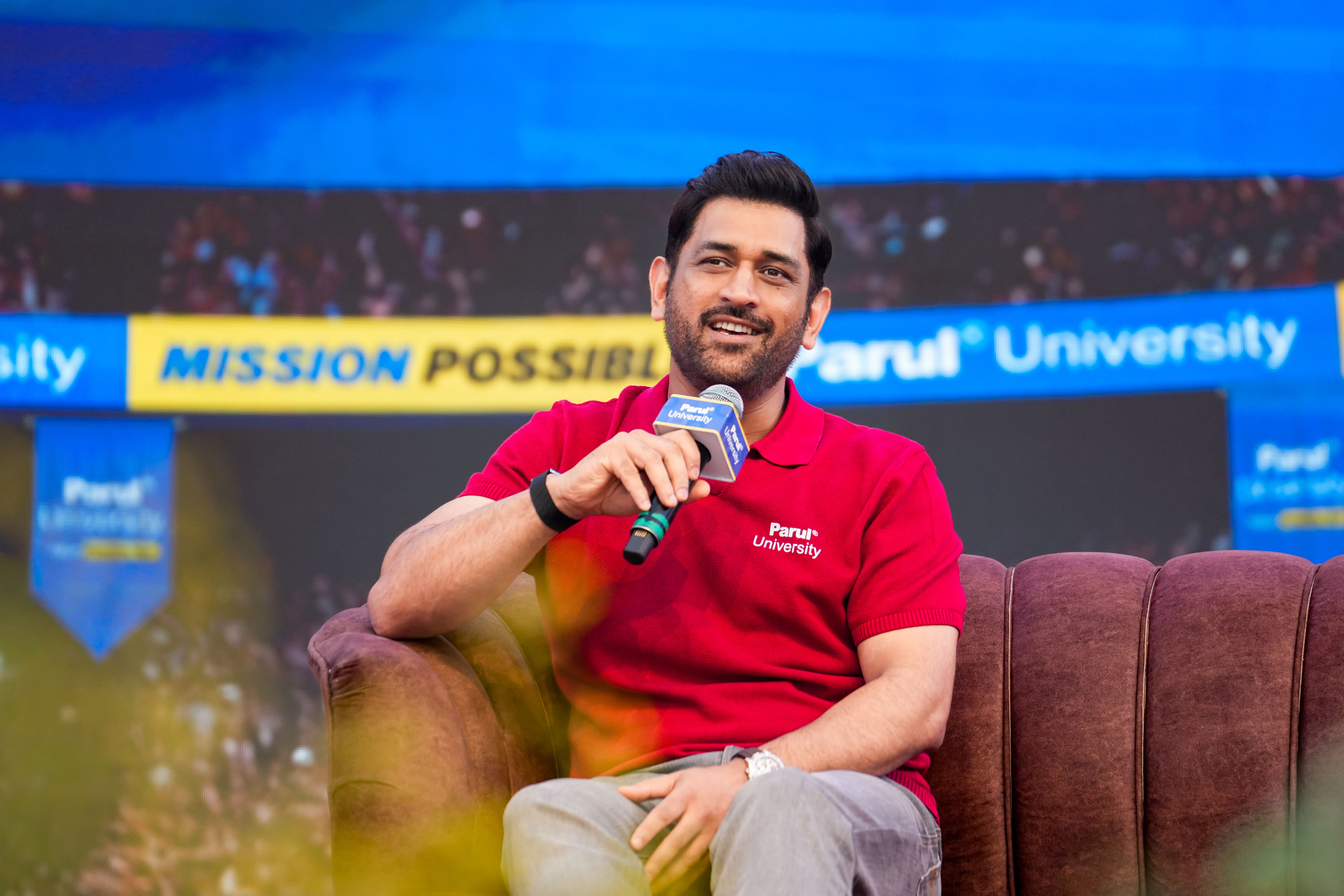
MS Dhoni Engages with Students at Parul University’s Mission Possible 2025

MS Dhoni changed the atmosphere of Mission Possible from the moment he arrived on the campus of Vadodara-based Parul University creating a sense of excitement and optimism within the student body. By speaking about his perspectives on how success is achieved by making mundane day to day choices that eventually lead to larger achievements, he provided the students with extremely helpful and clear explanations. Finally, Dhoni described the importance of keeping your thoughts steady by focusing on maintaining consistency towards an ultimate goal through the changes that continue to take place in our environments.

Dhoni x PU (7)

In discussing the subject of motivation, MS Dhoni described,

 “How many people are now motivated by the attention and recognition that they receive and therefore, how important it is to identify the areas that you want to give your time and energy to, since this will allow you to remain focused on your goals.” His thoughts on ambition stayed clear: purpose matters just as much as effort and clarity often creates its own sense of direction.

MS Dhoni elaborated,

“When it comes to motivation, everyone has a different source for it and his motivation has been representing the country. Habits, preparation, relaxation and discipline give me confidence and having a routine is usually the most supportive aspect of your life in those difficult moments of life.”

A thoughtful moment came when MS Dhoni appreciated Parul University students who secured placements in respected organizations across various fields. He highlighted, 

“The persistent labor that goes into achieving results, including projects, interviews, internships and the gradual development of professional preparation.” He also highlighted, “The type of preparation culture in which many students at PU actively participate throughout the year.”

MS Dhoni also spoke about responsibility in a straightforward manner. He pointed out, “How personal awareness and discipline influence results, whether in academics, professional situations or everyday decisions.”

Toward the conclusion, MS Dhoni shared a thought that shaped the tone of the session:

“Life moves through the choices a person makes. He said, “The growth can be seen in small improvements that gradually become noticeable, especially when someone stays committed to steady progress.”

Mission Possible at Parul University carried a sense of clarity and direction. The comments made by MS Dhoni were all simple, practical, and relatable. Because of this, the learning environment that PU is creating fits in with Dhoni’s words and approach to life. The conversations also provided a steady hand of support at a significant moment. The learning environment also created a strong atmosphere for reflection, laser-focused learning and renewed purpose.

Cloudera Forecasts Data-Driven AI Growth for Indian Enterprises in 2026

2026 will be all about Intelligent, Data-Powered Growth for Indian Enterprises Cloudera predicts a re-assessment of data-driven AI adoption methods in these key areas: AI silos, AI agents, Private AI, AI talent, and AI investment strategies

 Bengaluru, Dec 11: Cloudera, the only company bringing AI to data anywhere, announced its 2026 predictions, highlighting the need for organizations to reevaluate and strengthen their data foundations in the year ahead.

“2026 will be a defining year for Indian enterprises as AI moves from pilots to full scale production. Organizations of all sizes are realising that the success of AI depends on having a strong data foundation. The rise of AI silos is already demonstrating that isolated experimentations cannot deliver consistency, governance, or control required to scale. Real progress will come from unifying data environments and enabling AI agents to operate in real-time, governed information, making automation context-aware, explainable, and secure. As regulations evolve and cyber threats intensify, Private AI will become indispensable, especially for sectors where trust and compliance are paramount. But technology alone is not enough. Building AI-literate, ethically grounded teams will be critical to sustaining trust and reducing risk. With economic pressures sharpening the focus on ROI, enterprises must invest where AI meaningfully advances outcomes. Organizations that embed AI deeply into their data fabric with strong governance will lead India’s digital future.” said Mayank Baid, Regional Vice President, India and South Asia.

Here are five predictions that will shape how companies approach AI strategies in the year ahead:

  1.     AI silos will emerge as the latest enterprise challenge

When a new technology trend emerges, organizations often rush to adopt it. When GenAI was introduced, everyone wanted to experiment with it, and now that Agentic AI is gaining traction, the same pattern is repeating.

The challenge is that many organizations are doing this in isolation. Different departments choose their own tools, run their own POCs, and deploy solutions independently. Much like the early days of Business Intelligence (BI), we’re beginning to see AI silos forming within enterprises.

This fragmentation makes it difficult to maintain consistency, governance, and control across the organization. Forward-looking enterprises, such as OCBC, have standardized on unified data and AI platforms, ensuring that innovation happens securely and collaboratively, and not in disconnected pockets. Axis Bank, for instance, has built a centralized data foundation that supports personalization across channels, improves operational efficiency, and ensures compliance while enabling innovation to scale securely and collaboratively rather than in disconnected pockets.

  1.    More real-world use cases for AI agents are on the horizon

After a year of pilots and prototypes, 2026 will mark the tipping point where AI agents start driving tangible business outcomes. Enterprises are moving beyond experimentation to full-scale adoption, especially in the financial services sector where use cases span everything from Source-of-Weath assistants to intelligent fraud prevention systems.

According to a recent report from Finextra Research, 97% of financial services firms now have at least one AI/ML use case in production, signaling that AI has moved from emerging trend to business essential. Yet, nearly half remain stuck in the “middle stage” of maturity, where scaling, governance, and cost control become key barriers.

The next frontier lies in operationalizing AI agents at scale. This means connecting them to real-time, governed data, and integrating them across business workflows. Enterprises that get this right will unlock automation that is not just intelligent, but context-aware, traceable, and secure.

  1.   Private AI will be the next big enterprise priority

As India’s regulations evolve and data sovereignty concerns grow, Private AI will rise as the next major enterprise priority. Highly regulated industries such as financial services, healthcare, and the public sector will accelerate the adoption of Private AI architectures to harness the power of generative and agentic AI without risking sensitive data.

This shift is critical as cybersecurity continues to be a top enterprise priority. Microsoft’s Digital Defense Report 2025 revealed a 32% surge in identity-based attacks in the first half of the year, underscoring how AI is being weaponized for more sophisticated cyber threats.  Private AI frameworks will play a pivotal role here, enabling organizations to deploy models in controlled environments, detect anomalies faster, and minimize exposure to public cloud vulnerabilities. The enterprises that invest in secure, compliant AI now will be the ones to innovate with confidence later.

  1. 4.       Companies need to close the AI talent and responsibility gap

As AI becomes mainstream, a new divide is emerging: not between those who use AI and those who don’t, but between those who use it responsibly and effectively, and those who struggle to scale it sustainably.

In 2026, talent development will be a key differentiator . Enterprises that overlook  AI literacy, technical upskilling, and ethical awareness risk operational inefficiencies, inconsistent outputs, and compliance lapses. Employees must not only understand how AI works, but when and how to trust its output.

Organizations that embed responsible AI principles into training, governance, and workflow design will build a more confident and capable workforce. This combination of human skill and structured guardrails can innovate faster, reduce risk, and ensure every AI decision aligns with enterprise ethics and data governance standards.

  1.  Companies will need to scrutinize their AI investment strategies

In 2026, economic headwinds will push organizations to shift from “AI for innovation” to “AI for impact.” The next phase of enterprise AI will be defined by a sharper focus on return on investment, efficiency, and purpose-built deployment.

CIOs and CTOs will need to build a strong business case for every AI initiative and recognize not every workload needs high-end GPUs or complex models.Just as only a high-stakes race demands a high-performance machine, only select use cases require advanced AI. Organizations should invest according to their objectives, not the trend. This value-driven mindset is already taking shape. The Future of Enterprise AI Agents report states that 84% of Indian organizations have implemented AI agents within the past two years, with 36% having started in just the last year.

In 2026, AI will separate the builders from the believers. Ultimately, the winners will be those that integrate AI seamlessly into their data fabric, supported by strong data foundations, standardized metrics, and sustainable governance.
Western Sydney University and GNIDA formalise partnership to establish Noida Campus.

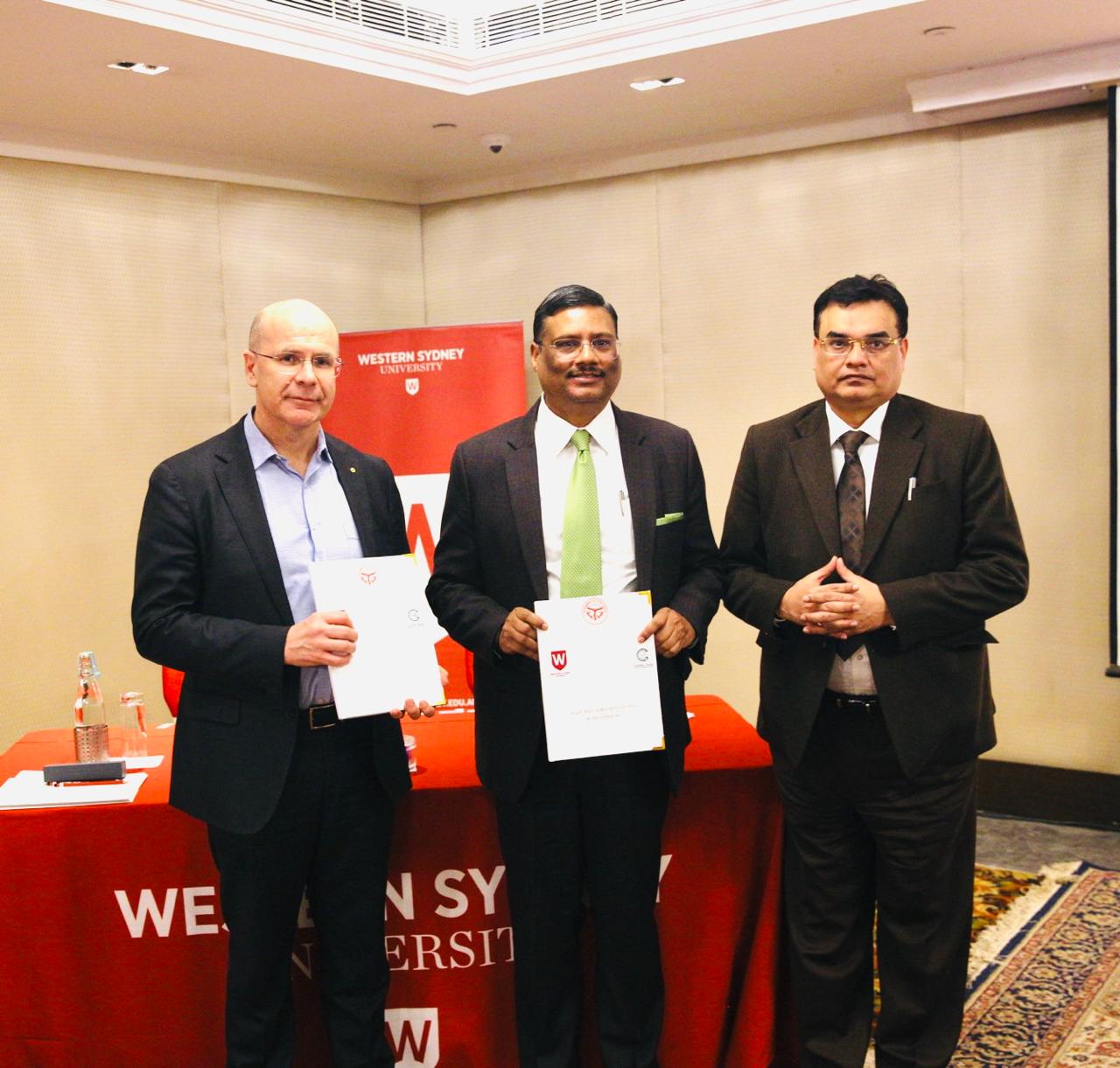
New Delhi, Dec 11The Greater Noida Industrial Development Authority (GNIDA) today formalised its partnership with Western Sydney University (WSU) to establish Uttar Pradesh’s first foreign university campus in Noida. The agreement marks a significant step in GNIDA’s efforts to position the region as a global education and innovation hub, aligning with Chief Minister Yogi Adityanath’s vision to advance Uttar Pradesh as a leading destination for international institutions. The signing materialized at ITC Maurya, New Delhi, in the august presence of senior leaders from the Government of Australia, the Government of Uttar Pradesh, and India’s higher-education community.

Prominent attendees included Shri Awanish Awasthi, Advisor to the Chief Minister of Uttar Pradesh, Shri Alok Kumar, Additional Chief Secretary, Infrastructure and Industrial Development, Shri MP Agarwal, Principal Secretary Higher Education, Government of Uttar Pradesh, Professor George Williams, Vice Chancellor and Vice President, Western Sydney University, Professor Deborah Sweeney, Provost, Western Sydney University, Arvind Gupta, Director, Deloitte, and Saumya Srivastav, ACEO, Greater Noida Authority. They were joined by The Honourable Jason Clare MP, Minister for Education, Government of Australia, Dr Vineet Joshi, Chairman, University Grants Commission (UGC), and academic leaders from VNMKV, IIT Ropar, and Haryana Agricultural University.

The partnership supports the establishment of WSU’s new campus within the Greater Noida Authority complex and will strengthen access to global teaching, research, and industry-linked learning in fields such as sustainability, water management, agriculture, artificial intelligence, and business innovation. As part of its phased launch, the university plans to offer programs in Business Analytics, Marketing, Data Science, Sustainable Water Future, and Agriculture in the first year, followed by MBA programs in Innovation, Entrepreneurship, and Supply Chain Management in the second year.

Speaking at the event, Shri Awanish Awasthi, Advisor to the Chief Minister of Uttar Pradesh, said,

“Uttar Pradesh is growing rapidly in both education and infrastructure, and partnerships like this reflect the confidence that the world now places in our state’s development agenda. The arrival of a leading Australian university is not just symbolic; it opens a new horizon of opportunities for our young people, particularly girls, who are achieving extraordinary milestones. This campus will help them pursue ambitions once difficult to access within the state. As Uttar Pradesh moves steadily toward becoming a trillion-dollar economy, such collaborations will assay a crucial role in creating skilled, future-ready talent that contributes meaningfully to India’s growth story.”

Reflecting on the collaboration, Shri Alok Kumar, Additional Chief Secretary, Infrastructure and Industrial Development, said,

“This collaboration represents a significant step toward narrowing the gap between the aspirations of our youth and the opportunities available to them within the state. Uttar Pradesh houses one of the youngest populations in the country, and Greater Noida has already established itself as a thriving hub for technology, manufacturing, and innovation. I am confident that Western Sydney University’s presence will further strengthen this ecosystem by bringing global expertise in artificial intelligence, machine learning, data sciences, and emerging fields. We are pleased that GNIDA has leased approximately forty thousand square feet for the new campus, reaffirming Greater Noida’s growing reputation as a preferred destination for global institutions and forward-looking educational initiatives. With the region evolving as a centre for technology, manufacturing, and innovation, the presence of a leading international university will enrich our academic landscape and create opportunities for deeper collaboration in research, skill development, and industry integration. This strategic partnership reinforces our commitment to creating high-quality academic pathways and industry-aligned skills that prepare students for addressing the demands of tomorrow’s economy.”

Representing Australia, Jason Clare MP, Minister for Education, Government of Australia, said,

“This partnership gloriously demonstrates the shared commitment between Australia and India to support young people in gaining the skills they need for a sustainable and globally competitive future. Western Sydney University is one of Australia’s leading institutions, and its presence in India marks an important milestone in our educational cooperation. I am proud to see this next chapter unfold, because it represents more than an academic partnership, it reflects trust, respect, and a collective vision for empowering the next generation.”

Sharing WSU’s vision for the new campus, Professor George Williams, Vice Chancellor and Vice President, Western Sydney University, said, “Greater Noida emerged as the natural choice for our first campus in India because it aligns perfectly with Western Sydney University’s mission and growth ambitions. From its planned infrastructure to its strong connectivity and expanding innovation ecosystem, the region provides the ideal foundation for high-quality global education. Our goal is to bring deep expertise in sustainability, water management, agriculture, technology, and industry-integrated learning to support India’s priorities in these domains. We are committed to building a campus that delivers world-class academic experiences, robust industry partnerships, and transformative opportunities for students across India and beyond.”

Professor Deborah Sweeney, Provost, Western Sydney University, closed the ceremony by acknowledging the commitment of all partners and highlighting the potential of the new campus to empower India’s next generation of learners and innovators.

The event concluded with a formal document exchange between Western Sydney University and GNIDA, marking the beginning of a long-term collaboration shaped around education, research, and future-ready skills.