Archives December 2025

From INR 15 Lakh Gold Purchases to 1 Kg Silver Bricks, Metros and Tier-II Cities Embrace Instant Gold Shopping in 2025

Dec 24: Instamart’s fifth annual trends report, How India Instamarted 2025, reveals how Indians increasingly turned to quick commerce to purchase precious metals, especially during the festive season. In 2025, gold and silver emerged as one of the most compelling non-grocery categories on Instamart, signalling a decisive shift in how Indians buy precious metals digitally, instantly, and alongside everyday essentials.

Traditionally reserved for jewellery stores and festive outings, 24K gold coins and silver bars are now finding their way into 10-minute delivery carts, particularly during occasions such as Dhanteras and Akshaya Tritiya, as well as large-scale sale events like the Quick India Movement. On Dhanteras alone, Instamart witnessed a surge of over 400% growth in gold orders compared to the previous year. From metros to Tier-II cities, consumers demonstrated growing confidence in purchasing high-value assets through quick commerce platforms.

Several cities stood out for their scale and intent. Mumbai recorded one of the highest single-user gold purchases of the year, while Delhi emerged as a major hub with the highest number of gold orders placed. In Pune and Kolkata, customers added dozens of gold coins to a single cart, highlighting gifting and investment-led behaviour rather than impulse buying.

Southern cities also showed strong traction. Bengaluru consistently featured high-value gold and silver purchases, including multiple 24K gold coin orders and even a 1-kg silver bar, often paired with premium electronics. Hyderabad witnessed one of the largest carts of the year, combining aspirational tech purchases with gold coins reinforcing the trend of blending investment and lifestyle shopping in a single transaction.

Tier-II markets mirrored this confidence. Coimbatore’s top high-value orders were dominated by 24K gold coins, while Vizag recorded its highest-value purchase in gold, underscoring how precious metal buying has expanded well beyond metropolitan centres.

India’s Biggest Gold & Silver Moments on Instamart

  • One Mumbai user recorded one of the highest individual gold purchases on the platform

  • A customer combined premium smartphone purchases with 24K gold coins in a single cart

  • Certified 24K gold coins (1g, 5g, and 10g variants) were heavily purchased in Bengaluru

  • A Pune resident ordered dozens of 24K gold coins for Dhanteras in a single transaction

  • In Coimbatore, the top high-value orders of the year were dominated by 24K gold coins

The rise of gold and silver on Instamart reflects a broader evolution in consumer trust and behaviour. Precious metals are no longer viewed as offline-only or occasion-bound purchases; they are now part of the same convenience-driven ecosystem as groceries, gadgets, and gifts. In 2025, India didn’t just shop for gold it added it to its cart and got it delivered in minutes.

Fewer Than Half of Indian Business Families Have Formal Succession Plans

Bangalore, Dec 24:- As India enters one of the largest intergenerational wealth transfers in its history, fewer than 50% of Indian business-owning families have a formally documented succession plan in place, according to insights from Entrust Family Office, a multi-family office advising several of India’s leading business families.

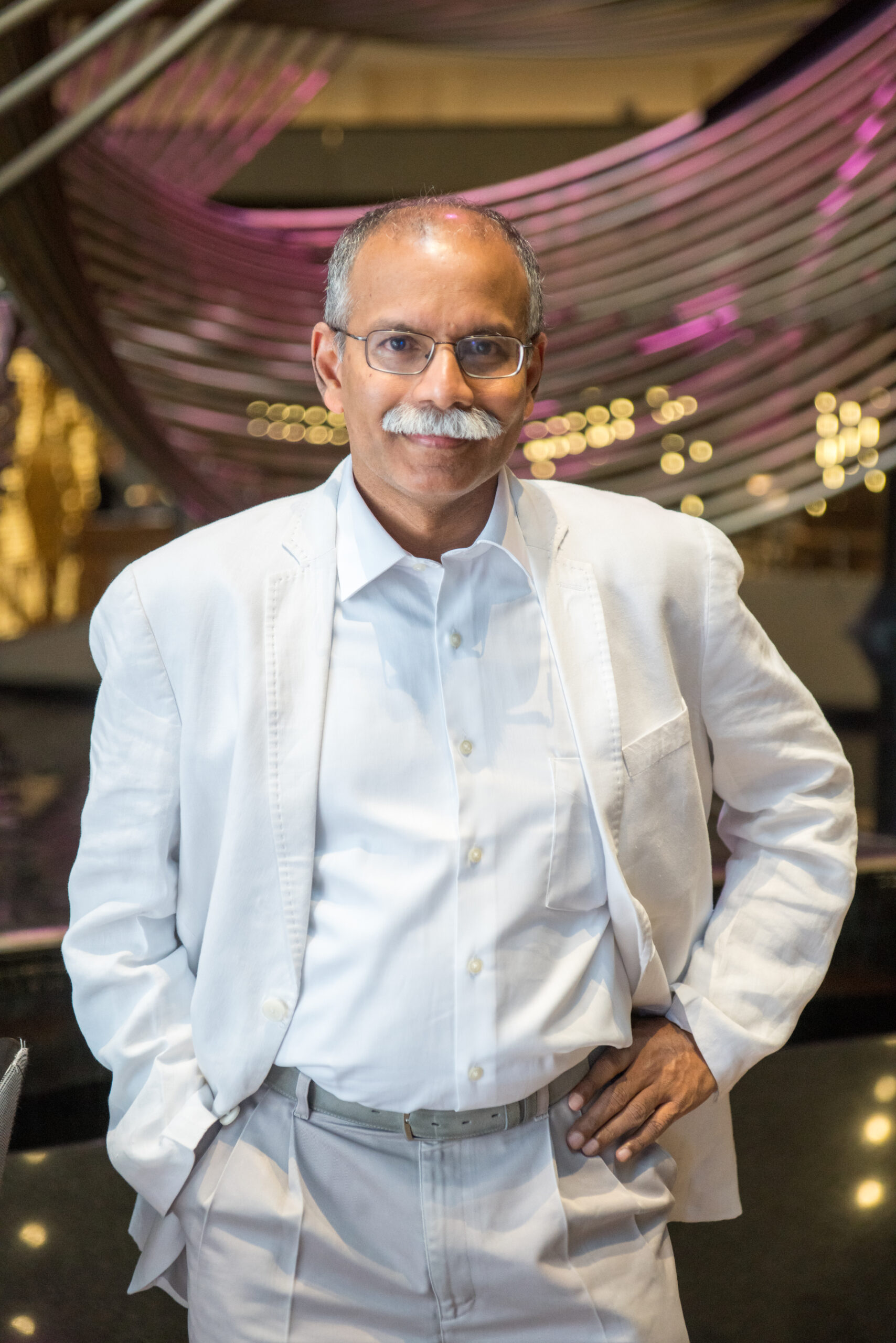
Rajmohan Krishnan

“Most families recognise the importance of succession planning, and many are now beginning to translate that intent into formal structures,” said Rajmohan Krishnan, Principal Founder and Managing Director of Entrust Family Office. “The real challenge lies in starting these conversations early and giving families and heirs the right structure. As India’s wealth transitions across generations, long-term success will be shaped not just by how wealth is created but by how thoughtfully it is governed and transferred.”

Despite rapid wealth creation over the past decade, succession and estate planning have not kept pace. Entrust Family Office observes that even among families with formal succession plans, clearly defined timelines for leadership transition remain uncommon. Leadership changes in India are still largely reactive, often triggered by age-related incapacity or unforeseen events rather than planned, phased handovers.

Delays are driven by emotional reluctance to relinquish control, uncertainty around the next generation’s readiness, and lack of clarity on leadership choices. In the absence of structured planning, families face risks such as ownership fragmentation, governance disputes, and erosion of enterprise value, with profitable businesses sometimes diluted or sold due to unresolved internal transitions.

At the same time, Indian business families are undergoing a structural shift, increasingly separating ownership from management. Families are choosing to remain long-term custodians of capital while professional management teams run day-to-day operations. The next generation, meanwhile, is focused on diversification, transformation, and building new ventures alongside legacy businesses, with nearly 80–90% seeking exposure beyond the core enterprise.

Once families adopt structured investment frameworks, diversification becomes central to long-term wealth preservation, with alternative assets playing a critical role. Gold continues to hold significance as a legacy asset, valued for continuity across generations rather than short-term liquidity.

Philanthropy is also becoming more intentional, with families increasingly earmarking 5–15 percent of their overall estate towards charitable causes as part of legacy planning. Participation of women in succession and governance processes is rising, with families prioritising capability and willingness over tradition.

Entrust Family Office notes that formal governance structures and estate planning tools such as wills and trusts are now integral to documented succession plans. A notable contrast is emerging with startup founders, who tend to engage in succession and estate planning earlier, particularly ahead of private equity investments or public listings.

Redcliffe Labs Launches India’s First Annual Health Report Card to Promote Preventive Care Ahead of 2026

India,  Dec 24: Redcliffe Labs, India’s leading omnichannel diagnostics provider, has launched the ‘Before the Year Ends…’ campaign, encouraging families to reflect on their health as 2025 comes to a close. Redcliffe Labs introduces a first-of-its-kind Annual Health Report Card, offering a comprehensive view of health trends, key vitals, yearly health summaries, and personalized recommendations. By presenting these insights in an accessible format, the initiative enables early risk recognition and supports proactive health management.

Through this initiative, Redcliffe Labs aims to shift healthcare from reactive responses to a preventive approach, helping individuals step into 2026 with awareness, clarity, and a renewed commitment for better health.

The Health Report Card offers a consolidated view of key health parameters tracked throughout the year. Unlike conventional diagnostic reports that focus on isolated test results, it brings together health scores, overall body performance indicators, and trends over time across vital markers such as immunity, heart health, blood sugar levels, liver function, and more. The report card also highlights areas requiring attention, flags early risk indicators, and provides a doctor-recommended improvement plan that covers lifestyle guidance, nutritional focus areas, and recommendations for timely follow-up tests.

The Annual Health Report Card will be delivered digitally to all customers, with hard copies provided for a more personalized experience to select customers. This initiative by Redcliffe labs is part of a larger effort to make preventive healthcare a habit for families across India. By helping people track key health parameters, recognize early risk indicators, and take timely action, it aims to combat the rising burden of non-communicable diseases (NCDs) and reduce long-term treatment costs. Through such initiatives, diagnostics are evolving from reactive intervention to preventive empowerment.

Speaking about the initiative, Mr. Aditya Kandoi, CEO & Founder, Redcliffe Labs, said,

“Year after year, we spend our lives planning, achieving, and setting goals, yet rarely pause to truly understand our health. The Annual Health Report Card is designed to change that. It gives families clarity on where they stand today and the insight to shape a healthier tomorrow. We aim to help people understand their health before it demands attention, because prevention begins with awareness, not symptoms.”

Driven by its mission to make high-quality diagnostics accessible to every household, Redcliffe Labs strengthens its commitment towards preventive care through its 80+ advanced laboratories and 2,000 collection centers across 220 cities. The Year-End Health Report Card, which will be distributed to its customer base of 7 million, underscores the brand’s efforts towards supporting families, guiding them with empathy, and inspiring India to make preventive health a priority today and for the years ahead.

WeSchool Hosts Annual Alumni Meet 2025 Celebrating Legacy, Leadership, and Lifelong Bonds

Mumbai, Dec 24:- Prin. L. N. Welingkar Institute of Management Development & Research Mumbai brought together its illustrious alumni, faculty members, students, and leaders from across generations at the Annual Alumni Meet 2025, an evening that celebrated shared memories, leadership journeys, and the enduring bond between the institute and its alumni.

One of the most evocative moments of the evening was the recreation of the iconic “Ambika Sheraton,” a small chai tapri located just outside the erstwhile Sion campus of Welingkar Institute, fondly remembered by former students and faculty alike. Known for its endless cups of chai and conversations that shaped friendships and ideas, the Ambika Sheraton was recreated in the WeSchool foyer, creating a wave of nostalgia and reaffirming the institution’s belief that some of the strongest institutional bonds are also reinforced outside classrooms, over conversations and connections.

The celebrations began with a special “Match of Legends” cricket match. The friendly match brought together alumni, faculty, and students, symbolising teamwork, sportsmanship, and the vibrant spirit that continues to define the WeSchool community.

A key highlight of the evening was the Power Hour Fireside Chat with distinguished Alumni and an inspiring talk by Captain Raghu Raman, who addressed alumni and students on leadership, organisational culture, and the challenges of scaling institutions. Drawing from his experience across the armed forces and the corporate world, Captain Raman emphasised the role of people, behaviour, and example-driven leadership. 

Captain Raghu Raman, leadership consultant, Adani Group, said,

Institutions are not built by funds; they are built by people. You should never ever ask someone to do something that you cannot demonstrate physically. Troops will not do what you tell them to do. Troops will do what you do. Layer after layer of governance and bureaucracy slows organisations down, and very often 50% to 60% percent of our energy goes into battling internal issues rather than external challenges. If organisations want to scale, leaders must create a shared reality where people know each other as human beings and not just as designations, because leadership is about behaviour, example, and the stories people choose to follow.”

Addressing the gathering, Prof. Dr. Uday Salunkhe, Group Director, Prin. L. N. Welingkar Institute of Management Development & Research said,

“ WeSchool’s growth did not happen by default but by design, driven by co-creation, co-production, and the belief that we may be constrained by land, but we are never constrained by mind.” He attributed WeSchool’s success in a big way to the WeSchool alumni who have stood like pillars of strength. He also fondly acknowledged alumni associated with and working at WeSchool as well as the global alumni present for the alumni meet.

The evening also featured student performances, Alumni awards, alumni networking, and a rooftop celebration with music and dinner, bringing the formal celebrations to a warm and energetic close while reinforcing the institution’s commitment to lifelong alumni engagement.

The Annual Alumni Meet 2025 culminated with the Pride of Welingkar Awards, recognising alumni who have demonstrated excellence, leadership, entrepreneurship, social impact, and sustained contribution across industries and geographies.

The Corporate Excellence Award recipients included Nitin Nabar Shriram Balasubramaniam, Amit Kapur Mayuresh Kore Avishek Purkayastha Kedar Rele Shreyas Dukle  Shekhar Joshi Sharad Sadadekar  Bhushan Soman Abhijit Kulkarni Siddhi Shah Rahul Dedhia and Nilesh Rathod

The Women Leader Award was presented to Vaishali Srivastava  Tina Kabra Shiksha Sethia  Sonali Puri  Renuka Gowda Swapna Sundaram Iyer and Rohini Remje

The Entrepreneurial Success Award winners included Gaurav Kumar Dr. Nishant S. Mehta Aasim Merchant  Avanti UbhayakarNinad Thakre Rishabh Nagwekkar and Siddhant Khare 

The Social Entrepreneurship Award was conferred on Tanul Mohod while the Super Achievers’ Award was presented to Dr. Sanjay Salunkhe 

When Fathers and Daughters Step in Front of the Camera, Education Gets a Boost

Proud Fathers For Daughters Campaign Connects Family Portraits with Girls’ Empowerment

Between November 28 and December 14, 2025, something meaningful unfolded across Mumbai. Father-daughter duos arrived for professional photoshoots, but left having contributed to something larger than a family portrait.

Project Nanhi Kali’s annual “Proud Fathers For Daughters” campaign, founded by Anand Mahindra and photographer Atul Kasbekar, has a straightforward model: families participate in photoshoots with top photographers, and the fees go directly toward educating underprivileged girls across India. Simple in concept, significant in impact.

The Frame Within the Frame

There’s a reason this works. The campaign taps into the father-daughter relationship at its best: supportive, encouraging, proud. By calling fathers “Her First Coach,” PFFD acknowledges the mentorship role many fathers play, while gently nudging those conversations into the broader arena of girls’ education and empowerment.

Over the campaign period, Mumbai families responded to the call through social media and registrations, participating in a two-day event where professional photographers captured genuine moments. Each session became a small act of advocacy, connecting individual families to the education of thousands of girls through Project Nanhi Kali.

The funds don’t just cover school fees. They support comprehensive programs including educational resources, physical education, and life skills, giving underprivileged girls the foundation to imagine different futures. Project Nanhi Kali works to break cycles of poverty through education, and PFFD provides the fuel for that work.

What makes the initiative resonate is its honest exchange: families get something meaningful (a professionally captured moment with their daughters), while contributing to educational access for girls who need it most. No one’s asking for charity. They’re offering participation in change.

Listening Before Leading: TED-Ed Student Talks December 2025 at Symbiosis Ishanya Bhavan

Dec 24:- Symbiosis Ishanya Bhavan became a space where young voices were not coached to impress but encouraged to think. The TED-Ed Student Talks  December 2025 Edition, guided by VSPEAK Institute, unfolded as a quiet yet powerful reminder that the future does not shout it reflects, questions, and speaks with intention.

WhatsApp Image 2025-12-24 at 1.40.41 PM

More than a student event, the programme stood as an example of what happens when education prioritises expression as a life skill rather than an extracurricular activity.

From Ideas to Insight: The TED-Ed Approach

The TED-Ed Student Talks programme follows a 13-module experiential journey for students aged 8 to 18. Instead of beginning with stage presence or delivery techniques, students start with curiosity.

They explore questions drawn from personal experiences, social observations, and emotional understanding. Through research, writing, peer feedback, and mentoring, these ideas evolve into talks that are thoughtful rather than rehearsed.

At Symbiosis Ishanya Bhavan, this process was evident. The stage felt calm, the audience attentive, and the ideas sincere. Students spoke to be understood not applauded.

A Two-Half Format That Honoured Every Voice

The December 2025 edition was presented across two halves, allowing space for depth and reflection. This structure avoided overload and ensured that each idea received the attention it deserved.

The result was an environment defined by listening rather than performance where silence carried as much weight as words.

First Half: Values, Wellbeing, and Conscious Growth

The first half of the event was led by Chief Guest Mrs. Nanditha Chauhan, model, speaker, and nutritionist, crowned Mrs. Maharashtra 2024 and First Runner-Up, Mrs. India 2025. Her journey of discipline, balance, and self-growth resonated strongly with the student speakers, reinforcing the importance of wellbeing alongside ambition.

She was joined by Guests of Honour Ms. Venicia Reneesh, Dr. Pratik Mungekar, Dr. Selvakumari Sankaranarayanan, and Ms. Desiree Dhami, whose presence reflected the values of holistic education, creativity, leadership, and global perspective.

Second Half: Resilience in Real Time

The second half featured Chief Guest Ms. Prisha Tapre, whose journey embodied courage and consistency.

At just 16 years old, she completed a solo swim across the English Channel in 11 hours and 48 minutes an achievement shaped by years of training, mental strength, and belief. Beyond the physical milestone, she used her success to support child nutrition initiatives, reminding students that achievement gains meaning when it serves a larger purpose.

Her story left a lasting impression, especially on young girls in the audience, as a reminder that preparation and patience build extraordinary outcomes.

The Students Who Carried the Conversation

At the heart of the event were 27 student speakers, each bringing a unique perspective to the stage:

  • Aarav Shah – Why Failure Is the First Step to Growth
  • Ananya Kulkarni – The Power of Listening in a Noisy World
  • Rohan Deshpande – Redefining Success Beyond Marks and Medals
  • Siya Mehta – Social Media: Connection or Comparison?
  • Advait Joshi – Curiosity as the Engine of Learning
  • Kavya Nair – Emotional Intelligence: A Life Skill
  • Reyansh Patil – Small Habits That Shape Big Futures
  • Isha Malhotra – Self-Worth in the Age of Validation
  • Arjun Kulkarni – Technology with Responsibility
  • Nandini Rao – The Courage to Be Yourself
  • Vedant Gokhale – Discipline Over Motivation
  • Aditi Banerjee – Mental Health Is Not a Taboo
  • Mihir Kulkarni – Financial Awareness Starts Early
  • Tanvi Deshpande – Kindness as a Leadership Strength
  • Kunal Sharma – Learning Beyond Textbooks
  • Riya Shetty – Confidence Is Built, Not Born
  • Yash Agrawal – Decision-Making in Everyday Life
  • Pihu Jain – The Impact of Words on Young Minds
  • Omkar Bhosale – Resilience Through Change
  • Shreya Sengupta – Why Empathy Matters More Than Ever
  • Atharva Kulkarni – Purpose Over Pressure
  • Meher Kapadia – Creativity as a Problem-Solving Tool
  • Sarthak Mishra – Facing Fear with Preparation
  • Diya Iyer – Balancing Ambition and Wellbeing
  • Pranav Kulkarni – Responsibility as Young Citizens
  • Alisha Fernandes – Finding Your Voice Early in Life
  • Siddharth Chavan – Hope as a Conscious Choice

Together, these talks explored mental health, empathy, leadership, financial literacy, technology, identity, and resilience revealing a generation both aware and articulate.

The Mentors and Institutions Behind the Stage

Committed mentors and institutions shaped the programme.

Mr. Virendra Nirmalkar, TED-Ed Mentor and Founder of VSPEAK Institute, guided students with a focus on clarity, authenticity, and responsibility.

Ms. Puja Talesara Bhandari, Founder of Leadership Demystified, introduced conscious leadership principles rooted in Swabhava honouring individual strengths.

Ms. Ira Ghosh, Director of Research and Learning and Primary School Principal at Victorious Kidss Educares, reinforced the importance of safe, non-judgemental spaces for expression.

Support from Victorious Kidss Educares, RHYTHM Music Academy, Design Mediaa, and Stay Featured ensured a well-rounded TED-Ed experience.

Why This Moment Matters

The TED-Ed Student Talks   December 2025 Edition did not attempt to define the future. It allowed it to speak calmly, clearly, and with intent.

At Symbiosis Ishanya Bhavan, students were not evaluated or ranked. They were heard.

And sometimes, that is where Real education goes beyond textbooks; it’s about developing critical thinking, practical skills, and character. Focus on inspiring curiosity and lifelong learning begins.

Up to 25 Crore Indians May Be Living with Balance Disorders Amid Scarcity of Specialized Clinics

New Delhi, Dec 24:- India is currently facing a silent epidemic of Balance Disorders, affecting 25-30% of the population, including 250 million sufferers and 30.8% of high-schoolers, yet only 70-80 specialized clinics exist. Vertigo impacts 40% of adults and 54% of dizziness cases, driving 5-10% of primary visits and 30% of neurology/ENT consultations. Prevalence scales with age: 30%  35% and 50%  Despite a 22.9% annual dizziness rate, the lack of specialized vestibular clinics forces irrelevant tests and symptom-suppressing drugs, leaving patients and doctors in mutual bewilderment.

Dr Anirban Biswas Pic

Addressing this critical gap, Dr Anirban Biswasone of India’s leading neurotology and balance disorder experts, highlighted the systemic failure in vertigo care while delivering the keynote address at the HEAL OneHealth Connect Series organised by Pacific OneHealth at the India Habitat Centre. He asserted, “Most balance disorder patients consult four to seven specialists and undergo expensive scans that are often irrelevant to their condition. What they receive in the end is symptom-suppressing medication, not a diagnosis or cure. This is not patient care as it should be.”

Balance disorders are complex, involving not just the inner ear but also neurological, cardiovascular, psychological and musculoskeletal systems. However, India’s healthcare system lacks structured training in neurotology, and most hospitals do not offer multidisciplinary balance clinics. As a result, patients undergo repeated MRIs, CT scans and blood tests, while critical assessments of proprioception, cognition and functional balance are often ignored.

Dr Biswas further noted;

Only about 27% of patients presenting with vertigo actually have inner-ear pathology, yet most investigations and treatments continue to focus solely on the vestibular labyrinth. This narrow approach explains why patients remain symptomatic for years and why there is a widespread belief that vertigo cannot be cured.”

Beyond physical symptoms, untreated balance disorders are strongly linked to anxiety, depression, cognitive impairment and fear of falling, compounding their impact on quality of life. With India’s ageing population and a large working-age group affected, specialists warn that balance disorders represent a silent but significant public health challenge.

Experts are now calling for dedicated balance and vestibular clinics, better training, and policy recognition of balance disorders as a multidisciplinary condition steps they say are essential to prevent long-term disability and improve patient outcomes.

The dialogue made it clear that neglecting specialized vestibular infrastructure will leave India’s aging population vulnerable to rising fall-related injuries and dementia. Organized by Pacific OneHealth in partnership with the HEAL Foundation, the keynote address under the HEAL OneHealth Connect Series serves as a definitive call to action. It challenges the medical community to embrace the vision of ‘Healthcare As It Should Be’ moving away from generic treatments toward specialized, life-saving balance disorders expertise.

Celebrities Unite for a Conscious Christmas Supporting Youth Empowerment

Christmas with a Conscience: Rozlyn Khan, Natasha Fernandez, Shaily Priya & Gargi Kundu Support Preeti B Choksi’s Vision for Youth

In a powerful display of compassion, the Angel Express Foundation hosted an unforgettable Christmas gala at Bandstand to empower and uplift underprivileged children. Under the leadership of dedicated social activist Preeti B Choksi and Nikhil M Ruparel, the iconic venue was transformed into a sea of festive joy and community spirit.

Shali Priya, Gargi Kundu and Natasha Fernandez

The event aimed to provide a magical holiday experience for children who often miss out on such celebrations. Beyond the music and gifts, the day served as a call to action, reminding the city of the collective responsibility to support Mumbai’s marginalized communities.

The initiative was bolstered by the presence of prominent political leaders, including MP Varsha Gaikwad, MLA Aslam Shaikh, Tulip Miranda (President, Mumbai Mahila Congress), and corporators Akhilesh Yadav and Virendra Choudry, all of whom extended their full support to Preeti B Choksi.

The glamour of the entertainment industry further amplified the cause. Influencer and PETA model Rozlyn Khan was seen actively engaging with the children, joined by Jolly LLB 3 actress Natasha Fernandez, TV and OTT star Shaily Priya, and reality television personality Gargi Kundu.

These stars went beyond mere appearances, fully immersing themselves in the day’s activities by leading dance routines and hosting interactive sessions. A particularly moving moment featured the celebrities personally distributing Christmas gifts and sharing stories with their young guests.

Reflecting on the mission, Preeti B Choksi remarked,

“Our goal was to create lasting memories and a true sense of belonging. We are committed to bridging the gap between the city’s glamour and its deep social responsibilities”.

The afternoon concluded with a shared promise from all attendees to continue working toward the growth, hope, and empowerment of the city’s underprivileged youth.

World Saree Day Celebrates India’s Living Handloom Heritage as Women Embrace Heirloom Silks and Artisan Craftsmanship

WORLD SAREE DAY QUOTE

By Mr. Darshan Dudhoria, CEO, Indian Silk House Agencies

Mumbai, Dec 24: “World Saree Day is a moment to honour a garment that carries India’s history, culture, and womanhood in every fold. The saree is not just timeless, it is living heritage shaped by regions, communities, and generations of artisans. At Indian Silk House Agencies, we see women rediscovering the power of meaningful fashion every day. They are choosing handwoven, heirloom-worthy silks that tell stories and endure beyond trends.

From Banarasi and Kanjivaram to Baluchari, Tussar, Uppada, Kantha, Tissue, and contemporary drapes, we bring together India’s finest regional weaves on one national platform. Built on partnerships with over 15,000 artisans across 62 weaving clusters, our focus is on making authentic handlooms accessible across metros and emerging cities alike, while ensuring dignity and continuity for the hands that weave them.

Every time a woman wears a saree, she becomes part of a much larger story involving weavers, villages, and traditions carried forward across generations. For us, every saree is a bridge between craft and the modern Indian woman, celebrating not just the drape but the people, the provenance, and the legacy behind it. World Saree Day reminds us that choosing a handloom saree is choosing to keep these traditions alive. That choice matters more than we often realize.”

Psychological Immersion Experience Focuses on Building Minds, Cultures, and Global Connections

Jaipur, Dec 24:- Jaipuria Institute of Management, Jaipur, successfully hosted the Malaysia Immersion Program 2025, a flagship international initiative aimed at fostering psychological immersion and cross-cultural collaboration among future global leaders. Conducted in partnership with University Teknologi PETRONAS (UTP), Malaysia, the program offered students a rich blend of academic rigor, cultural exchange, and experiential learning from December 18 to 24, 2025.

Anchored in the theme “Foundation of Happiness,” the immersion program moved beyond conventional classroom learning by integrating mindfulness, cultural intelligence, and global perspectives. The journey began with yoga and Art of Living sessions, setting a strong foundation for holistic development and emotional well-being. Academic sessions led by distinguished faculty explored topics such as consumer happiness, mindfulness, neuromarketing, and leadership psychology, helping participants understand how cultural contexts influence human behavior and decision-making.

A key highlight of the program was the meaningful intercultural engagement between Indian and Malaysian students. Collaborative discussions, presentations, and shared experiences fostered empathy, adaptability, and mutual respect. Cultural immersion activities, including visits to Jaipur’s heritage sites, further enriched participants’ understanding of India’s traditions and social fabric.

The program was meticulously coordinated by the International Relations Committee  underscoring Jaipuria Institute of Management’s strong commitment to global exposure and experiential education. The immersive journey concluded with reflective sessions and a heartfelt farewell, reinforcing the institute’s vision of nurturing globally aware, psychologically resilient, and culturally sensitive professionals. Jaipuria Institute of Management continues to strengthen its global academic ecosystem, positioning itself as a hub for transformative international learning.

A thought-provoking session on happiness was conducted by Dr. Prabhat Pankaj, renowned Happiness Guru and Director of Academics, Jaipuria Campus, emphasizing well-being and self-awareness. The program was led by Dr. Daneshwar Sharma, Director  Dr. Varun Chotia, Dean  Academics; Dr. Aparna Mendiratta, Chairperson  International Relations Committee; Dr. Oum Kumari R, Co-Chair  International Relations Committee; and Dr. Navin Kumar, Assistant Professor  Marketing. Together, they highlighted the importance of holistic education, cross-cultural learning, and global leadership development.

The proceedings were seamlessly coordinated under the guidance of Mr. Avinash Kumar, Assistant Manager  International Relations Committee, along with the IRC Junior Coordinators, ensuring the smooth execution of all academic and cultural engagements.