Archives 2025

Hyatt Place Butwal Rings in 2026 With Open Sky Poolside Celebration

Hyatt Place Butwal to Welcome 2026 With the Spectacular Open Sky Poolside Celebration With Unlimited Beverages

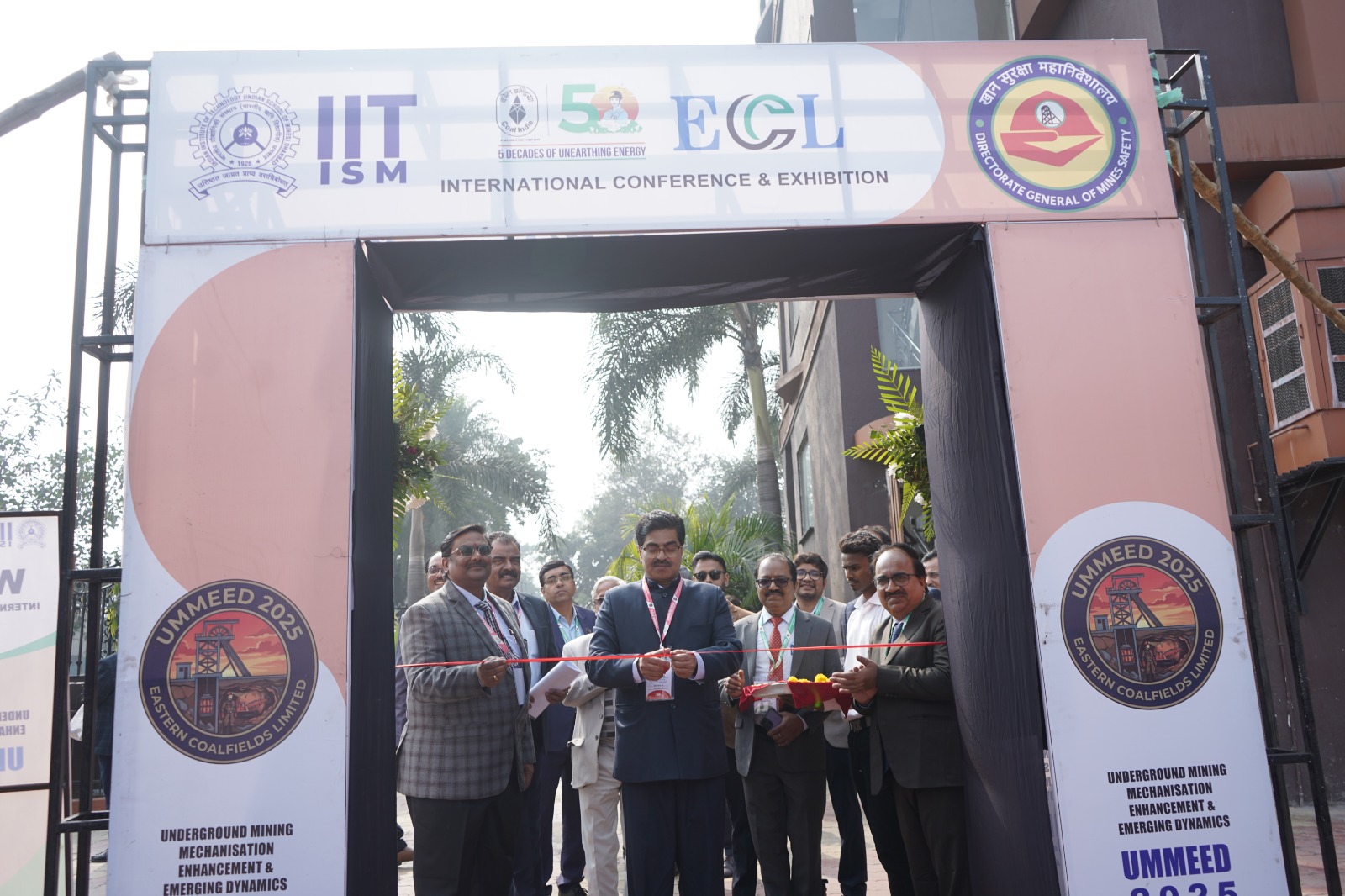
Rupandehi, Butwal, Dec 20: Hyatt Place Butwal is all set to welcome 2026 with an unforgettable open-air poolside celebration at its signature New Year’s Eve event, “New Year’s Eve Under the Stars.” Set against the night sky, the celebration promises high-energy entertainment, unlimited beverages, and a spectacular midnight countdown by the pool.

Lobby (1)

The evening will feature performances by celebrity DJ Subuhii Joshii, live local bands, high-energy DJ sets, captivating belly and item dance acts, and a live barbeque experience (Badel), creating a vibrant and festive atmosphere from start to finish.

Guests can choose from exclusive party packages, including options for couples and stay-and-party experiences, ensuring a complete and memorable New Year celebration.

Tushar Nagar, General Manager of Hyatt Place Butwal, shared his vision for the event:

“Our aim this New Year is to create an experience that feels open, energetic, and unforgettable. The Open Sky Poolside Celebration—celebrated under the stars with the beautiful view of the hills and the energy of live music—brings a sense of freedom and joy. It captures perfectly how we want our guests to step into 2026—with vibrancy and style.”

With limited tables available, this glamorous poolside celebration promises an extraordinary way for guests to welcome the New Year in style and high spirits.

MUFG Bank to Invest INR 39,618 Crore in Shriram Finance via Preferential Equity Issuance

New Delhi, Dec 20: The Board of Directors of Shriram Finance Limited  at their meeting held today approved entering into definitive agreements with MUFG Bank Ltd.  for an investment of INR 39,618 crore  in SFL through a preferential issuance of equity shares. This investment will result in MUFG Bank acquiring a 20.0 % stake on a fully diluted basis.
This landmark transaction underscores SFL’s status as India’s second largest retail Non- Banking Financial Company in terms of assets under management and represents a significant milestone for the Indian financial services industry on account of :
  • Being the largest FDI in a financial services company in India
     
  • Reinforcing confidence in India’s lending and financial services sector fundamentals and future growth potential
  • Strengthening SFL’s capital base and accelerating its growth trajectory 
The proposed minority investment by MUFG Bank is subject to shareholder approval, regulatory clearances and customary closing conditions.
This collabaration combines SFL’s established domestic franchise and extensive distribution network with MUFG Banks’s global expertise and financial strength. The fund infusion will significantly enhance SFL’s capital adequacy, strengthen its balance sheet, and provide long- term growth capital. This collabaration is further expected to unlock synergies in technology, innovation, and customer engagement, driving sustainable growth. It will improve access to low-cost liabilities and potentially strengthen SFL’s credit ratings while aligning governance and operational practices with global best standards.
This investment reflects MUFG Bank’s confidence in India’s dynamic financial services sector. Mitsubishi UFJ Financial Group  MUFG Bank’s parent entity, has a legacy of over 130 years in India, contributing USD 1.7 billion in investments and creating jobs approximately 5,000 people. The investment in SFL will be MUFG’s largest investment in India, reinforcing its commitment to financial inclusion and sustainable growth.
Umesh  Revankar,  Executive  Vice  Chairman,  Shriram  Finance  Limited,  said:
 “This transaction marks a defining moment in our growth journey. MUFG is one of the largest financial institution, with an extensive international network and strong values rooted in substantial growth and financial inclusion. The entry of MUFG as a key investor reinforces global confidence in India’s financial services sector and our role as a leader within it. Together, we aim to strengthen our capabilities, drive economic progress, and create meaningful impact across communities, building a future-ready institution anchored in trust and good governance.”
Hironori Kamezawa, Group Chief Executive Officer, Mitsubishi UFJ Financial Group stated,
 “MUFG is proud to enter into this transaction and become a strategic partner of Shriram Finance, one of India’s most respected financial institutions. MUFG and Shriram Finance share a common vision and aligned values for the future. Leveraging our global capabilities, MUFG is committed to supporting Shriram Finance’s growth and contributing to economic development, communities, and society in India.”
 
Transaction Advisors
  • MUFG Bank: KPMG India Corporate Finance (Lead Financial Advisor),                                                                                                       J.P. Morgan (Financial Advisor), AZB & Partners (Legal Advisor), Nishimura & Asahi (Gaikokuho Kyodo Jigyo) (Legal Advisor)
  • Shriram Finance: Wadia Ghandy & Co. (Legal Advisor)

How to Choose the Best Hotel in Rishikesh for Your Family Trip

By Sandeep Singh, Founder, Rubystone Hospitality

Planning a family trip to Rishikesh can be an exciting yet overwhelming experience. Known for its serene landscapes, spiritual vibes, and adventure activities, Rishikesh attracts tourists from across the world. However, choosing the best hotel in Rishikesh for a family can make or break your vacation experience. Here’s a guide to help you pick the perfect stay for your family.

  1. Look for Family-Friendly Amenities
    When searching for family hotels in Rishikesh, focus on amenities that cater to all age groups. Comfortable beds, clean rooms, child-friendly facilities, and in-house dining options are essential. Many family-friendly resorts in Rishikesh also provide indoor play areas, games, and activities to keep children engaged.
  2. Check for a Swimming Pool
    A swimming pool can be a huge bonus, especially for families with kids. Rishikesh hotels with swimming pools offer not just fun but also relaxation for adults. Make sure the pool area is safe, well-maintained, and monitored so everyone in the family can enjoy it without worries.
  3. Prioritize Location and Accessibility
    Consider how close the hotel is to popular attractions, adventure spots, and the city centre. Resorts in Rishikesh for family vacations should ideally be located near the Ganges or amidst natural settings, allowing you to enjoy scenic views while reducing travel time with kids.
  4. Read Reviews and Experiences
    Customer reviews provide valuable insights into a hotel’s service, cleanliness, and family-friendliness. Look for feedback from families who have stayed in premium family resorts in Rishikesh to understand what to expect in terms of comfort and convenience.
  5. Compare Packages and Inclusions
    Many hotels offer inclusive packages for families, covering meals, activities, and sightseeing tours. Choose the best family stay in Rishikesh that offers good value without compromising on quality. Packages can save time and money while enhancing the overall experience.
  6. Safety and Hygiene Standards
    For a family trip, safety and hygiene are non-negotiable. Ensure the hotel follows proper cleanliness protocols, provides secure accommodations, and has emergency facilities. This is especially important for hotels catering to families with young children.
  7. Check for Special Services
    Some family-friendly resorts in Rishikesh offer services like babysitting, guided treks, yoga sessions, or bonfire nights. These small touches can elevate the experience, making your stay more enjoyable and memorable.

 Choosing the best hotel in Rishikesh for a family involves more than just booking a room—it’s about ensuring comfort, safety, and fun for every family member. From Rishikesh hotels with swimming pools to premium family resorts in Rishikesh, there are options to suit every need and budget. Keep these tips in mind, and your Rishikesh family trip will be a perfect blend of relaxation, adventure, and unforgettable memories.

Sheaffer Launches the Emily in Paris Collection Inspired by Parisian Chic

Infused with the romance of Paris and the precision of Sheaffer, the Emily in Paris Collection invites you to live—and write—with a touch more beauty, whimsy, and delight. Every element in this collection captures the essence of the City of Love: its artistic soul, its vibrant energy, and its effortless flair for style.

fashion

Each writing instrument is crafted to reflect a sense of wonder and charm, harmoniously balanced with the timeless elegance that defines Sheaffer. The pens glide with a softness that feels like poetry in motion, transforming every word into an experience. Complementing them are the stylish leather accessories and thoughtfully curated gift sets—each adorned with accents inspired by Parisian charm.

Whether you’re penning a love letter, documenting your day, signing something meaningful, or simply catching a fleeting moment of inspiration, this collection is designed for the modern muse—someone who seeks beauty in the everyday and expression in every detail.

So, pour yourself a café au lait, lay out your favourite stationery, and open your notebook to a fresh page. With Sheaffer x Emily in Paris in hand, let the charm of Paris, the magic of storytelling, and your own joie de vivre guide the next chapter you write.

ArisInfra Explores Entry into India’s INR 35,000 Crore Asphalt Market

Mumbai,  Dec 20:-Arisinfra Solutions Limited,  a leading tech-enabled supply and services network for India’s construction and real estate sectors, today announced that it has signed a strategic Memorandum of Understanding  with JS Infra Solutions to explore a strategic collaboration in the asphalt and road infrastructure materials ecosystem.

India’s asphalt market is anchored by bitumen demand and one of the world’s largest road networks. The Indian bitumen market is currently estimated at approximately USD 4.2 billion with annual consumption of around 9 million tonnes and industry estimates projecting demand to scale to ~31 million tonnes over the coming years. This growth is supported by India’s 6.6-million kilometre road network the largest globally  alongside sustained investments in highways, metro corridors, urban roads, and periodic resurfacing cycles.

While demand remains strong, value creation in the asphalt segment is increasingly execution-led rather than supply-led. The sector continues to be fragmented, with a limited number of operators capable of delivering consistently at scale across complex urban and inter-city infrastructure environments.

JS Infra Solutions operates at this execution layer and is among the top ten asphalt producers in the Mumbai region, with execution experience across arterial roads, metro-linked infrastructure, flyovers, and dense urban corridors, serving leading EPC contractors and infrastructure developers.

Under the MoU, the parties will assess the feasibility of a collaboration, with an initial focus on the Mumbai region one of India’s most demanding infrastructure markets. Any proposed model is intended to be replicable across other infrastructure-intensive regions, subject to feasibility and performance.

The proposed framework seeks to combine JS Infra’s on-ground execution capability with ArisInfra’s operating infrastructure, sourcing capabilities, and technology-enabled coordination systems, with the objective of evaluating an asset-light, partnership-driven approach to the asphalt segment.

Commenting on the development, Ronak Morbia, Chairman & Managing Director of ArisInfra Solutions Limited, said;

Road infrastructure in India is entering a phase where execution quality and operating discipline matter as much as material supply. This MoU allows us to evaluate the asphalt segment through a partnership-led, asset-light approach, aligned with how we build scalable and profitable execution ecosystems.”

Pinal Kothari, Owner, JS Infra Solutions, said;

“We have built strong execution capabilities in some of India’s most complex urban infrastructure environments. Exploring a collaboration with ArisInfra allows us to assess how operating systems, sourcing scale, and execution experience can come together in a structured and scalable manner.”

Any definitive arrangement, including the formation of a joint venture or other partnership structure, will be subject to execution of definitive agreements, approval of the Board of Directors, and receipt of applicable statutory and regulatory approvals. There is no binding obligation or capital commitment on either party at this stage.

India Ranks Third Globally in Research Output, Quality Gap Still Remains

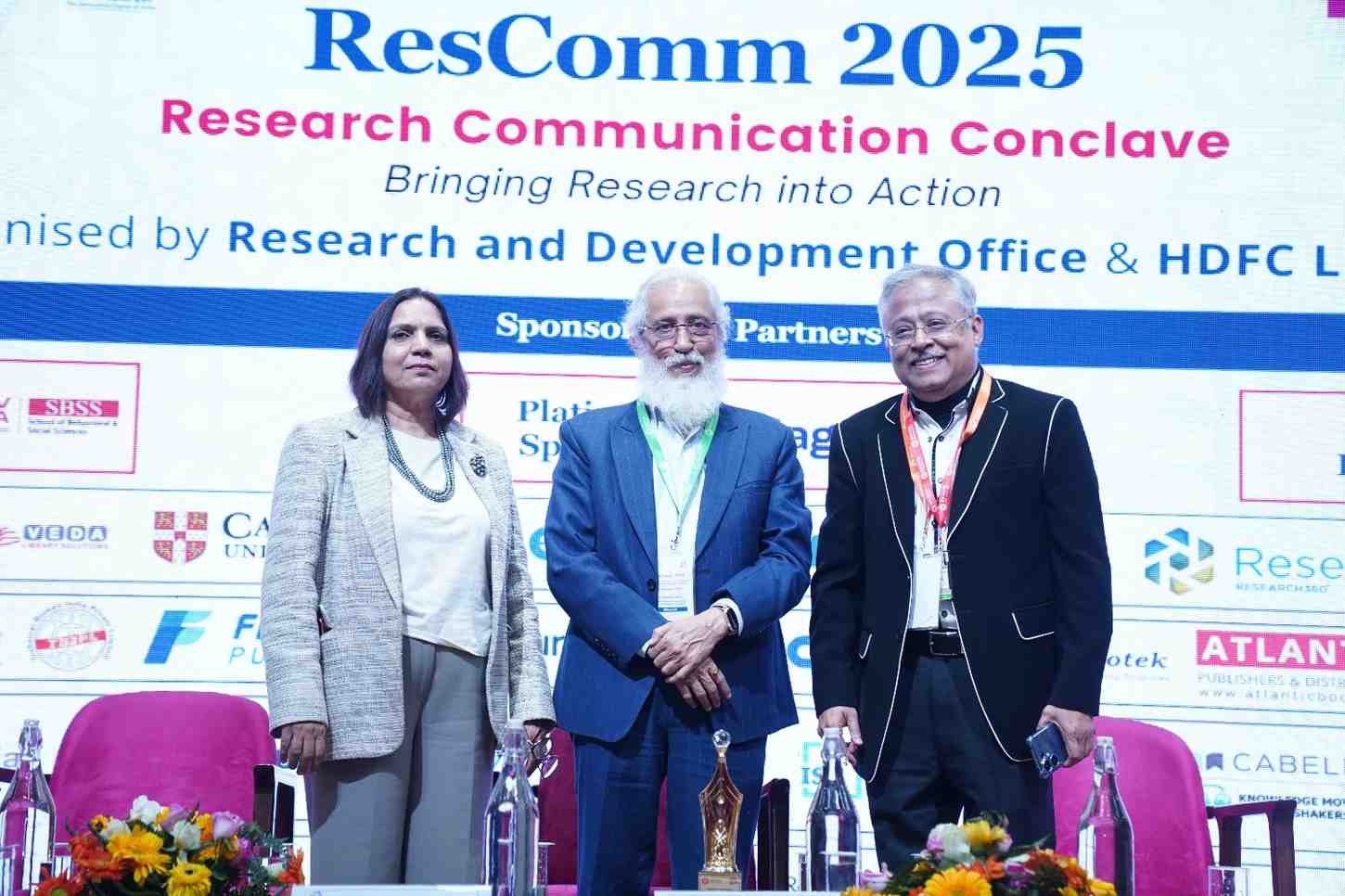
New Delhi,  Dec 20: Ashoka University, India’s premier institution for interdisciplinary higher education and research, hosted the three-day ResComm 2025 Conclave at its campus, with a focus on strengthening interdisciplinary research communication across the sciences and humanities. The conclave opened with a high-profile inaugural day that brought together leading academics, policy advisors, researchers, and communication specialists to engage with the evolving demands of research dissemination, integrity, and public engagement.
picture

The first day saw participation from senior government, policy, and research stakeholders, including Prof. (Dr) Anil Sahasrabudhe, Chairman, Executive Committee of NAAC; and Chairman, National Educational Technology Forum  and National Board of Accreditation Dr Rajnikant Srivastava, Chair (Disease Elimination), ICMR; and Prof. (Dr) K. Vijay Raghavan, Chair, Science Advisory Council, Ashoka University, among others.

The conclave commenced with an opening address from Professor Gautam Menon, Dean, Research and featured key sessions on research communication and public engagement, including a plenary chaired by Dr Rajnikant Srivastava, Chair (Disease Elimination), ICMR, examining the challenges and opportunities in communicating health and biomedical research.

In a talk focused on healthcare communication, Dr Anurag Agrawal, Dean of BioSciences and Health Research at Trivedi School of Biosciences and Head of the Koita Center for Digital Health, Ashoka University emphasised upon the importance of learning to communicate research effectively to diverse audiences and said, “In healthcare, the public in particular is not just looking for information but also for solutions, and effective healthcare research and communication can help bridge that gap.”

Delivering the Distinguished Lecture, Prof. (Dr) Anil Sahasrabudhe, Chairman, Executive Committee, NAAC, spoke about India’s rapid rise in research output and the need to now focus on quality and impact. “Over the last 10 years, India has come a long way. In terms of the number of research publications, we are already number three in the world,” he said.

Prof. Sahasrabudhe underlined that the country has moved from seventh or eighth place to third in research quantity, but he cautioned that quality remains a concern. “Quantity-wise, we have leapfrogged, but in terms of quality, we have a long way to go,” he said, calling for greater emphasis on high-impact research. He also noted that while India’s patent ecosystem has grown rapidly, much of the work remains at early technology readiness levels. To convert research into usable technologies, he emphasised closer collaboration between universities and industry.

Professor Somak Raychaudhury, Vice-Chancellor, Ashoka University, reaffirmed the University’s commitment to nurturing a culture of rigorous research and accessible communication. He shared anecdotes from his on-ground experience of grassroot level communication. He said, “Our ambition at Ashoka is not just to be a leading Research University but to actually contribute actively to the world through global communication, partnering and collaboration.”

Prof. K. Vijay Raghavan, Chair, Science Advisory Council, Ashoka University remarked “We should invest in research that is curiosity-driven, sparks excitement, and challenges the human mind ensuring that the outcomes of such work are accessible to everyone.”

There were sessions on the role of AI and innovation in translating research for policy and public audiences, interactive workshops on Grant Writing, Research Integrity, and Enhancing Research Communication through visuals.

The conclave also witnessed the launch of Productive Failure, authored by Prof. (Dr) Manu Kapur, Professor of Learning Sciences and Higher Education at ETH Zurich, Switzerland, and published by Wiley International. The proceedings were led by Dr Shantanu Ganguly, Director of Library at Ashoka University. The book explores learning through struggle and reflection, aligning closely with the conclave’s emphasis on experimentation and effective communication.

The conclave concluded successfully, advancing the vision of ethical, interdisciplinary, and impactful research communication.

ECL Hosts UMMEED 2025 to Shape the Future of Underground Mining

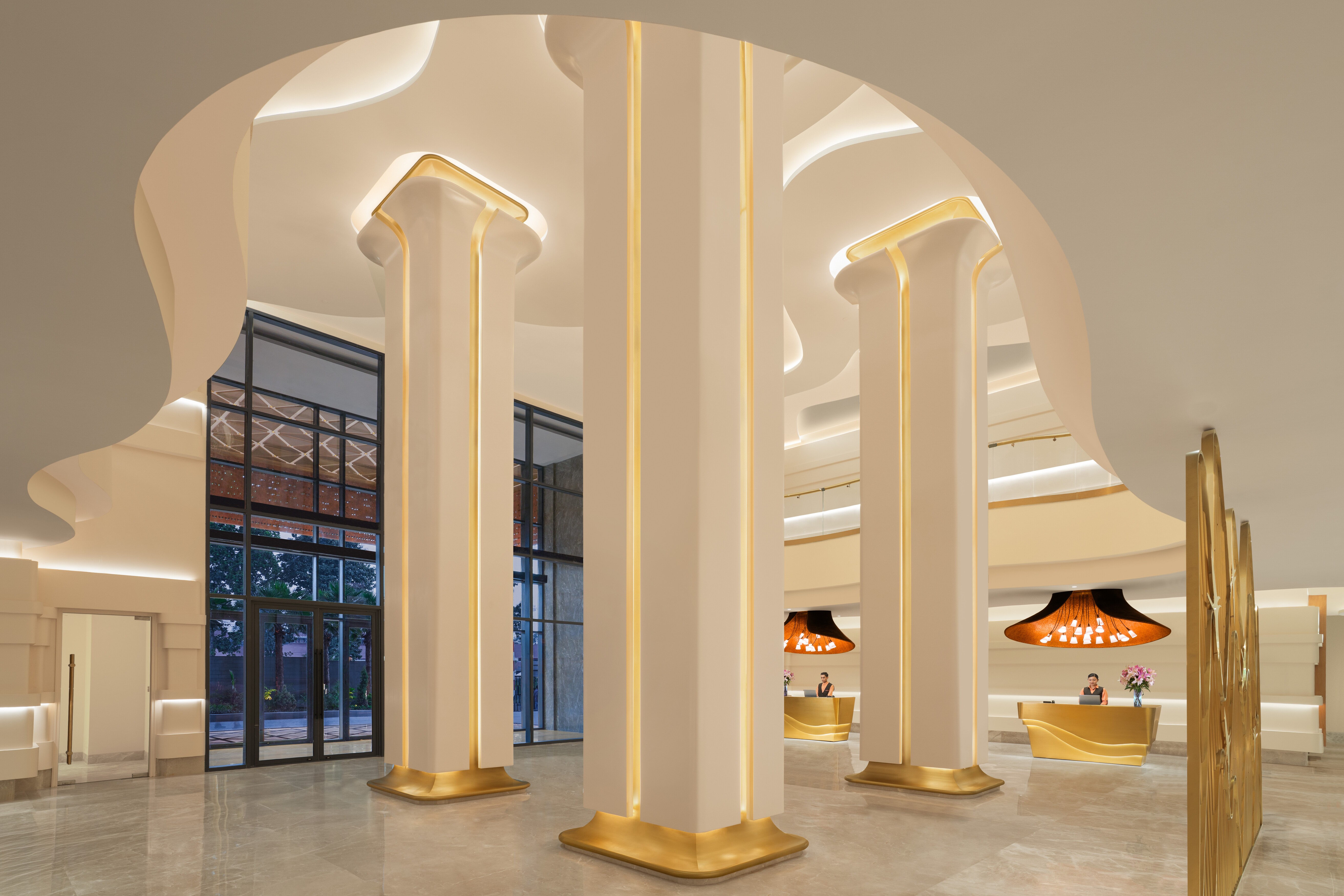
Asansol,  Dec 20: Eastern Coalfields Limited  is organizing UMMEED 2025, an International Conference and Exhibition on Underground Mining Mechanization and Automation, from 19th to 20th December 2025, in collaboration with IIT (ISM) Dhanbad, under the aegis of the Directorate General of Mines Safety
PICTURE
The conference is being held under the esteemed Chief Patronage of Shri Ujjwal Tah, Director General, DGMS; Shri Satish Jha, Chairman-cum-Managing Director, ECL; and Professor Sukumar Mishra, Director, IIT (ISM) Dhanbad.
The welcome address was delivered by Shri Niladri Roy, Director (Technical/OP), ECL, followed by the formal release of the UMMEED 2025 Souvenir. The inaugural session featured addresses by Shri Manoj Kumar Agarwal, CMD, BCCL; Shri Nilendu Kumar Singh, CMD, CCL; and Shri Satish Jha, CMD, ECL & CMD, CMPDIL (Additional Charge). In his address CMD, ECL & CMPDIL, Shri Satish Jha said, this national conference on underground mining has been conceptualised under the guidance of the Director General of Mines Safety, Shri Ujjwal Taha and is being organised by Eastern Coalfields Limited on behalf of Coal India Limited. Safety remains paramount, and technologies such as Continuous Miners and Longwall systems offer inherently safer working environments. Clear long-term planning and communication of equipment requirements are also essential to enable the mining machinery sector to prepare for future demand. I am confident that the deliberations of this conference will result in valuable recommendations that will significantly shape the future of underground coal mining in India.
The session culminated in an eloquent and impactful address by Shri Ujjwal Tah, Director General, DGMS, highlighting the critical role of safety, innovation and regulatory synergy in the future of underground mining.
The exhibition site was subsequently inaugurated by Shri Ujjwal Tah, showcasing cutting-edge underground mining technologies by leading domestic and international companies, alongside working models of underground mines presented by various subsidiaries of Coal India Limited.
The post-lunch technical sessions of Day 01 featured expert deliberations on key thematic areas shaping the underground mining ecosystem. Professor R. M. Bhattacharya, IIT (ISM) Dhanbad, delivered a technical address on “Mass Production Technology”, focusing on productivity enhancement through advanced mechanisation. This was followed by an insightful session on “Economics and Policy Initiatives” by Dr. P. S. Mishra, former CMD, SECL, and Adjunct Professor, IIM Raipur & Professor of Practice, NIT Raipur, who highlighted the economic and policy frameworks critical to the sector’s growth. The day concluded with a focused session on “Safety Challenges in Underground Mining”, addressed by Shri Supriyo Chakraborty, DDG, Eastern Zone, DGMS, emphasizing regulatory perspectives, safety imperatives and best practices for sustainable operations.
UMMEED 2025 has drawn participation from Corporate JCC Members, Corporate Safety Board Members, former CMDs and Directors of Coal India subsidiaries, Area General Managers, Heads of Departments and executives from across ECL, reflecting the conference’s broad industry engagement and strategic relevance.
The inaugural proceedings of Day 01 concluded with a vote of thanks by Shri Bharatendu Kumar, General Manager (Excavation), ECL, expressing gratitude to all dignitaries, speakers and participants for their valuable contributions.
Through high-level deliberations, technology showcases and expert interactions, UMMEED 2025 continues to reinforce its position as a premier platform for knowledge exchange, innovation and collaborative discourse, aimed at shaping a safe, efficient and sustainable future for underground mining.

Sapaad Enters India, Strengthens Digital Backbone of the Organised F&B Sector

Sapaad Forays into India, Strengthening Digital Infrastructure for the Country’s Organised F&B Sector

New Delhi, Dec 20: Sapaad, a bootstrapped, Make-in-India cloud-based restaurant technology company with a strong global footprint, today announced its formal entry into the Indian market. With several thousand customers across more than 40 countries, Sapaad brings over a decade of global operating experience to India at a time when the country’s food services sector is accelerating its adoption of digital, data-led operating models.

Sapaad Logo

As part of its India strategy, Sapaad is focused on the organised and technology-ready segment of the restaurant market, estimated at 5–6 lakh outlets nationwide. This segment includes organised, multi-outlet and growth-oriented F&B brands such as QSR chains, franchise-led brands, cafés and bakeries, cloud kitchen operators and mid-sized restaurant groups. By concentrating on this defined market, Sapaad expects to build a scalable footprint and aims to serve 8–10% of this segment by 2030, translating into a potential nationwide presence across approximately 50,000 restaurant outlets.

For India, the company has introduced localised pricing with monthly subscriptions ranging from INR 5,999 to INR 12,999 per outlet, while offering the same enterprise-grade platform used by customers globally. Sapaad also offers a hybrid pricing model that combines software subscriptions with integrated fintech payments, enabling operators to manage total operating costs through blended payment processing fees. Deployment and onboarding are offered as paid services, reinforcing the company’s focus on implementation quality and long-term customer success. The platform follows a modular pricing approach, allowing restaurants to begin with core capabilities and progressively adopt advanced modules such as inventory automation, kitchen systems, analytics and AI as their operations scale.

Built on a cloud-first architecture, Sapaad’s platform eliminates hardware dependency, delivers high uptime and supports complex, multi-format restaurant operations. Its integrated suite includes cloud-native POS, online ordering, self-ordering kiosks, QR ordering, kitchen display systems, delivery management, CRM, recipe and inventory management, loyalty programmes, analytics and cloud-based printing, all delivered through a unified operational platform.

Announcing the India entry, Vishnu Vardhan Madabhushi, Founder & CEO, Sapaad, said,

“India’s restaurant industry is moving beyond basic digitisation towards systems that can support scale, consistency and data-driven decision-making. While the country has an estimated 10–12 million food outlets, the organised, technology-ready segment presents a clear opportunity for platforms built for operational depth rather than surface-level automation. Having built Sapaad as a bootstrapped company over the last decade, our focus has been on dependable, real-world technology. India is a natural next phase of our journey, and we are committed to building for the long term.”

Commenting on the company’s product and engineering approach, Anup Anthony, Co-Founder & CTO, Sapaad, said,

“Sapaad has been engineered with performance, reliability and scale at its core. Beyond transactional systems, the platform is designed to convert operational data into actionable intelligence, enabling restaurants to improve control, forecasting and decision-making as they grow.”

Sapaad has developed AI-led capabilities across its platform, including Ask Vantage, a conversational analytics layer that enables operators to query business performance in real time, an AI-driven promotion engine, and predictive menu engineering tools that help optimise pricing, demand and margins. These capabilities are designed to move restaurants from static reporting to proactive, data-led operational decisions. The platform is integrated with major Indian fintech payment aggregators, enabling unified payments and operations, real-time order and settlement reconciliation, reduced manual intervention and improved cost management.

With the global food technology market valued at approximately USD 205 billion in 2024 and projected to grow significantly over the next decade, Asia-Pacific accounts for over 30% of this growth, underscoring the strategic importance of markets such as India. Globally, Sapaad powers a wide range of foodservice businesses including boutique and Michelin-star restaurants, bakeries and dessert chains, large Middle Eastern restaurant groups, ice-cream chains, café chains, QSR operators, franchise networks, cloud kitchens and delivery-first concepts, highlighting the platform’s versatility and enterprise-grade reliability across formats.

Technology, Trust and Inclusion to Power the Next Phase of General Insurance Growth in India

Chandigarh, Dec 20: India’s general insurance industry demonstrated steady progress in 2025, with gross premiums reaching INR 3.08 trillion a 6.2% growth. Yet, non-life insurance penetration remains around 1%, far below the global average of 4%, signaling vast untapped potential. Health insurance led the portfolio, contributing over one-third of premiums, driven by rising awareness, post-pandemic financial protection needs, and medical inflation of nearly 12%. These trends underscore the sector’s resilience and adaptability amid economic and regulatory changes said Mr. Rakesh Jain, IndusInd General Insurance.Rakesh Jain, CEO, RGI

Looking ahead, 2026 promises accelerated growth of 8–13%, fueled by increasing insurance awareness, deeper penetration into underserved markets, and sustained demand for health and commercial lines. Technology will remain a defining catalyst, with AI-driven underwriting, telematics-based motor products, and platforms like Bima Sugam transforming accessibility and customer experience. Digital adoption already grew over 30% in 2025, reflecting a clear shift toward convenience and transparency. These innovations will not only improve efficiency but also deliver personalized solutions that strengthen trust and engagement.

Rapid digitalisation has improved convenience but introduced new challenges. Insurance fraud costs the industry nearly INR 50,000 crore annually, with 10% of premiums lost to fraudulent activities. Cybersecurity threats are escalating India saw 2.04 million incidents in 2024, including a breach exposing 31 million records. Phishing attacks in BFSI surged 175%, while deepfake scams jumped 280%. The average cost of a data breach is INR 19.5 crore, underscoring the financial impact. Investments in AI-powered fraud analytics, predictive risk scoring, and robust cybersecurity frameworks are now mission-critical to safeguard trust and ecosystem integrity.

Recent GST reforms, including the removal of GST on select products, are improving affordability and will drive penetration in 2026. Climate risks remain critical, India faced over 240 extreme weather events in 2024, causing economic losses exceeding  USD 10 billion. Innovative solutions like parametric insurance and advanced climate risk modeling are essential for faster payouts and resilience. These products can ensure protection for communities and businesses alike.

As we step into 2026, our focus is clear: strengthen trust, elevate customer experience, and expand inclusive protection. A digital-first approach across distribution, underwriting, and claims will be key to achieving the nation’s vision of ‘Insurance for All’ by 2047. Every process, product, and interaction must be powered by technology to deliver speed, transparency, and convenience. The future is promising, and with collaboration and foresight, we are poised to deliver sustainable growth while safeguarding the interests of millions. Together, we will shape a future where insurance is accessible, affordable, and trusted by all.

Artist Barnali Presents “Namma Bengaluru: Colours of the City.”

Bengaluru, Dec 20: Celebrating the spirit, rhythm, and evolving identity of the city, artist Barnali presents her latest art series titled “Namma Bengaluru: Colours of the City” as part of “Soulful Strokes,” the 6th Annual Art Exhibition organised by the Kalashrishti Group of Artists at Karnataka Chitrakala Parishath, Gallery 2 and 3, Kumara Krupa Road, Bengaluru.

The exhibition will be held from December 17 to December 21, 2025, and will be open to the public daily from 10:00 a.m. to 6:00 p.m. Entry is free.

ajay painting PHOTO-2025-11-12-08-13-40

Through “Namma Bengaluru: Colours of the City,” Barnali offers a heartfelt visual tribute to the city she calls home, moving beyond its image as a technology-driven metropolis to reveal its deeper character shaped by heritage, greenery, memories, and lived experiences. Her artworks depict iconic Bengaluru landmarks such as Cubbon Park, Vidhana Soudha, Lalbagh, KR Market, and Church Street, not as postcard images, but as vibrant spaces filled with emotion and everyday life.

Bengaluru is not just a city I live in. It is a feeling I paint,” says Barnali. Her works reflect the calm, chaos, nostalgia, and rhythm of the city, inviting viewers to pause and observe moments often overlooked in the rush of urban life. “In every Bengaluru street, there is a story waiting to be remembered. From Cubbon Park to KR Market, my art captures the rhythm of everyday Bengaluru,” she adds.

Curated by Bernari RaySoulful Strokes features works by eminent artists Vikram, Archana Shailesh, Haribabu, Chaitanya, Latha, Sanjay Kumar, Manoj Ajay Gurunatha, and Suparna Rajan, along with promising student artists Adrija Chatterjee and Samita Ghosh. The exhibition brings together diverse artistic styles and contemporary themes, highlighting evolving narratives in Indian art while encouraging emerging talent.

Soulful Strokes promises to be a vibrant cultural experience for artists, collectors, critics, and art enthusiasts alike.