

As the advertising and marketing industry prepares to step into 2026, 2025 is being widely seen as a year of reckoning, one that forces brands, agencies, and creators to pause, recalibrate, and rethink how communication truly works in an attention-saturated world.
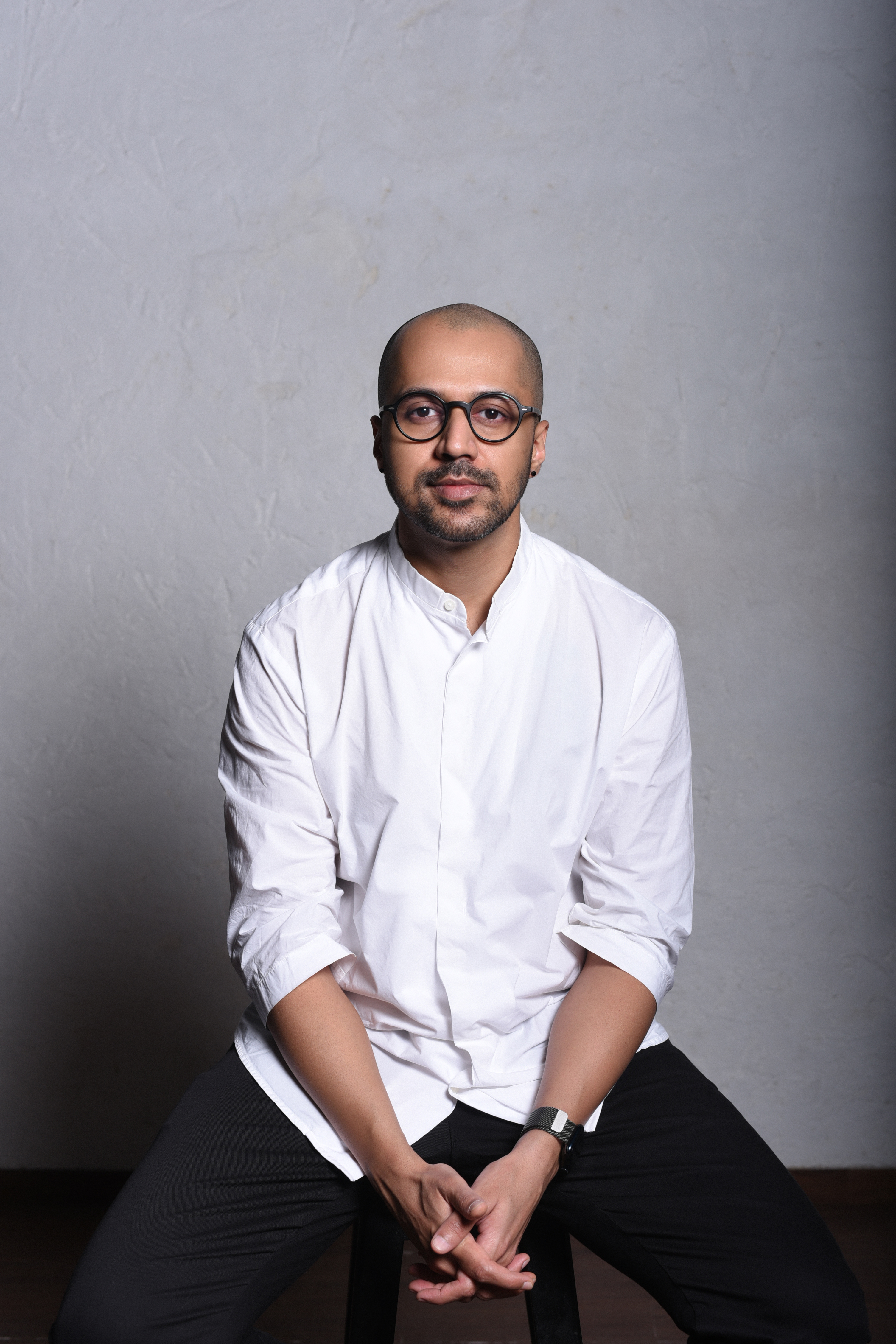
According to Siddharth Jalan, Founder of boutique marketing lab SquidJC, the most significant shift of the year wasn’t driven by a new platform, tool, or format, but by a fundamental change in audience behaviour and selective content consumption.
“2025 was the year audiences stopped tolerating noise,” says Jalan. “People didn’t stop consuming content, but instead became extremely selective about what deserves their time. Brands that kept shouting, blended into the background. Brands that spoke with clarity, context, and intent stood out.”
From Volume to Value
The past year saw an explosion of content fuelled by AI tools, short-form video, and always-on publishing. While output increased, engagement became harder to earn. Public-facing digital behaviour studies released in 2025 consistently pointed to a rise in selective consumption, with users actively avoiding repetitive or low-value content in favour of fewer, more trusted voices.
This shift, Jalan notes, pushed brands away from volume-led strategies and toward more intentional storytelling. “Posting more stopped being the answer,” he explains. “Saying something meaningful and saying it consistently became the only way forward.”
Creativity and Performance Finally Found Common Ground
Another defining change in 2025 was the gradual collapse of the long-standing divide between creativity and performance marketing. Instead of operating in silos, the two disciplines increasingly converged around shared outcomes.
“Performance stopped being about hacks, and creativity stopped being about cleverness for its own sake,” says Jalan. “The work that performed best understood the context. Be it cultural, platform-led, or emotional. That’s where the results came from.” This evolution mirrors broader workplace trends identified in global employment studies released this year, which highlighted hybrid skill sets combining creative thinking, technological fluency, and analytical reasoning as among the fastest-growing across industries.
Pop Culture Reflected the Shift
Interestingly, pop culture in 2025 echoed the same recalibration. From the rise of long-form podcast conversations and stripped-back celebrity interviews to creator-led documentaries and unfiltered social content, audiences gravitated towards material that felt intentional rather than overproduced.
“The popularity of long conversations and behind-the-scenes storytelling revealed something very important,” Jalan adds. “People weren’t chasing polish. They were chasing perspective.”
Brands that embraced this cultural shift opting for simplicity, honesty, and restraint found deeper resonance with audiences.
Systems Over Campaigns
Structurally, one of the most important changes Jalan observed was a move away from campaign-first thinking. Instead of relying on short bursts of visibility, brands began investing in communication systems core narratives and content frameworks designed to work across platforms and over time.
“Consistency became more valuable than virality,” he notes. “Recall mattered more than reach.” As automation and AI continued to reshape workflows, industry-wide conversations increasingly focused on building systems that allow creativity to scale without losing coherence.
What 2026 Will Demand
Looking ahead, Jalan believes 2026 will be less about experimentation and more about consolidation. “The next year will reward brands that know who they are,” he says. “Agility will no longer mean reacting to everything. It will mean knowing what not to react to. ”He expects brands to place greater emphasis on:
• Clear, long-term narratives over trend-hopping
• Tighter integration between creative, tech, and strategy teams
• Trust, consistency, and cultural awareness over short-term visibility
“2025 taught us that attention isn’t free anymore,” Jalan concludes. “2026 will test a brand’s understanding of trust, which can only be earned slowly, through clarity, respect for the audience, and the courage to say less, better.”

