

Industrial water is a critical resource that underpins numerous sectors, supporting manufacturing processes, energy production, food processing, and pharmaceuticals. Its use encompasses fresh water, recycled water, and wastewater, each playing distinct roles in industrial operations. Understanding the significance, management, and sustainability of industrial water is essential for optimizing operations while minimizing environmental impact.
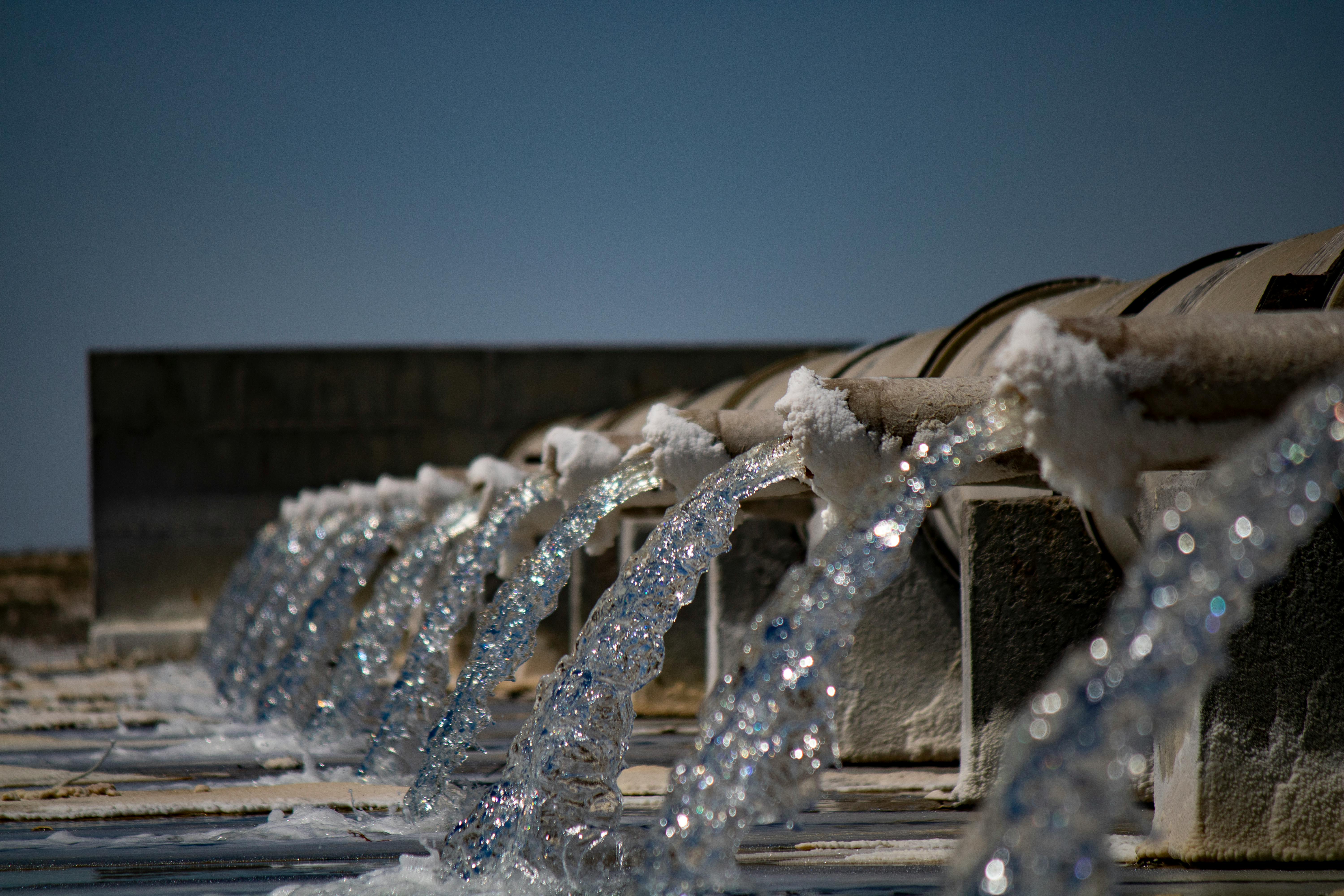
Types and Significance of Industrial Water
Fresh water, typically drawn from rivers, lakes, or aquifers, is crucial in processes requiring high purity. It is widely used for cooling, cleaning, and chemical dilution in manufacturing. Industries such as pharmaceuticals and electronics rely on fresh water to prevent contamination and maintain product integrity. Proper treatment and management of fresh water, which can be monitored at a professional water testing lab in Bhubaneswar, are vital to sustain its availability and meet environmental regulations.”
Recycled water is treated wastewater that has been purified for reuse. It is increasingly adopted in industrial applications to conserve fresh water and reduce wastewater discharge. Recycled water can be used for cooling, irrigation, and certain processing activities. By incorporating recycled water into operations, industries enhance sustainability without compromising efficiency.
Wastewater management is another key aspect of industrial water use. Proper classification, treatment, and disposal are essential to minimize environmental harm. In some cases, treated wastewater can be repurposed, further supporting sustainable water management strategies.
Primary Functions of Industrial Water
Industrial water serves several vital functions:
- Cooling: Industrial operations, especially power generation and chemical production, generate substantial heat. Water absorbs and dissipates this heat, preventing equipment damage and maintaining operational efficiency.
- Cleaning: Water is essential for rinsing, washing, and surface preparation. In food and beverage industries, it ensures hygiene and product safety, while automotive and aerospace sectors use water to clean components before assembly.
- Transportation: Waterways are sometimes used to transport bulk goods, reducing costs and environmental impact.
- Solvent use: Water dissolves solids and facilitates chemical reactions in industries like pharmaceuticals and cosmetics.
These functions underscore water’s indispensable role across industrial sectors.
Water Quality and Treatment
High water quality is crucial for operational efficiency, product integrity, and regulatory compliance. Industries employ multiple treatment processes, including:
- Filtration: Removes solids and impurities using sand, membrane, or screen filters.
- Purification: Techniques like reverse osmosis and distillation eliminate dissolved solids and contaminants.
- Chemical treatment: Coagulants, flocculants, and disinfectants like chlorine or UV treatment ensure microbiological safety.
Industries have specific water quality requirements. Pharmaceuticals demand ultra-pure water for drug formulation, while power generation depends on high-quality water for steam production and efficiency. Maintaining water quality through rigorous treatment protocols is fundamental for both performance and environmental compliance.
Industrial Water Across Sectors
- Manufacturing: Water supports cooling, cleaning, and as a solvent. Textile industries rely on water for dyeing, impacting product quality.
- Power generation: Water is vital for cooling machinery and steam in coal, natural gas, and nuclear plants.
- Food processing: Water is used for washing, cooking, pasteurization, freezing, and packaging, ensuring safety and product longevity.
- Pharmaceuticals: Ultra-pure water is essential for drug formulation, demanding specialized treatment processes.
These applications highlight water’s fundamental role in ensuring operational success across diverse sectors.
Technology in Industrial Water Management
Advanced technologies have transformed industrial water management, enhancing efficiency and sustainability:
- Water recycling: Membrane filtration and other purification technologies enable the reuse of wastewater.
- Smart water systems: IoT sensors monitor usage in real time, detect leaks, optimize flow, and reduce waste.
- Data analytics and AI: Historical consumption patterns and predictive models inform conservation strategies and operational planning.
Technology enables industries to address water scarcity, reduce ecological footprints, and achieve compliance with evolving regulations.
Environmental Considerations and Compliance
Industrial water use carries environmental responsibilities. Unsustainable practices can deplete freshwater sources, contaminate waterways, and disrupt ecosystems. Regulatory frameworks, such as the U.S. Clean Water Act, set standards for water extraction, quality, and discharge.
Sustainable practices include:
- Recycling and reusing wastewater
- Implementing efficient cooling systems
- Adopting advanced treatment technologies
These approaches reduce demand for freshwater, minimize environmental impact, and enhance corporate social responsibility.
Challenges in Industrial Water Usage
Industries face significant challenges related to water usage:
- Water scarcity: Climate change, pollution, and overuse limit availability, affecting production and expansion.
- High treatment costs: Sophisticated treatment systems require substantial investment in equipment, chemicals, and energy.
- Logistical issues: Transporting water to remote facilities can be costly, and compliance with wastewater regulations adds complexity.
Addressing these challenges demands innovation, efficiency, and strategic planning in water management.
Future Trends in Industrial Water Utilization
Emerging trends focus on sustainability and resource efficiency:
- Circular economy models: Emphasize water recycling and reuse, minimizing freshwater demand and wastewater generation.
- Zero liquid discharge (ZLD): Systems recover and recycle water, preventing liquid waste discharge entirely.
- Alternative water sources: Treated wastewater, stormwater, and desalinated seawater provide reliable options amid scarcity.
These trends highlight industries’ increasing commitment to sustainable water management and resilience in the face of environmental challenges.
Conclusion
Industrial water is a cornerstone of modern industry, essential for cooling, cleaning, processing, and product safety. Its quality, management, and sustainable use are critical for operational efficiency, regulatory compliance, and environmental stewardship. As industries navigate challenges like scarcity and high treatment costs, embracing technological innovations, recycling practices, and alternative water sources will define the future of industrial water utilization. Effective water management ensures that industries can meet production goals while contributing to a sustainable and responsible industrial landscape.


