

July 10: India‘s wind sector is crossing a meaningful manufacturing milestone. For years, much of the critical equipment inside turbines – especially converters that stabilize wind‘s variable output for the grid – has been imported. This dependency left Indian wind projects exposed to shipping delays, customs bottlenecks, and currency fluctuations. Local manufacturing changes that equation: shorter lead times, a more resilient supply chain, and pricing less dependent on global shipping disruptions.
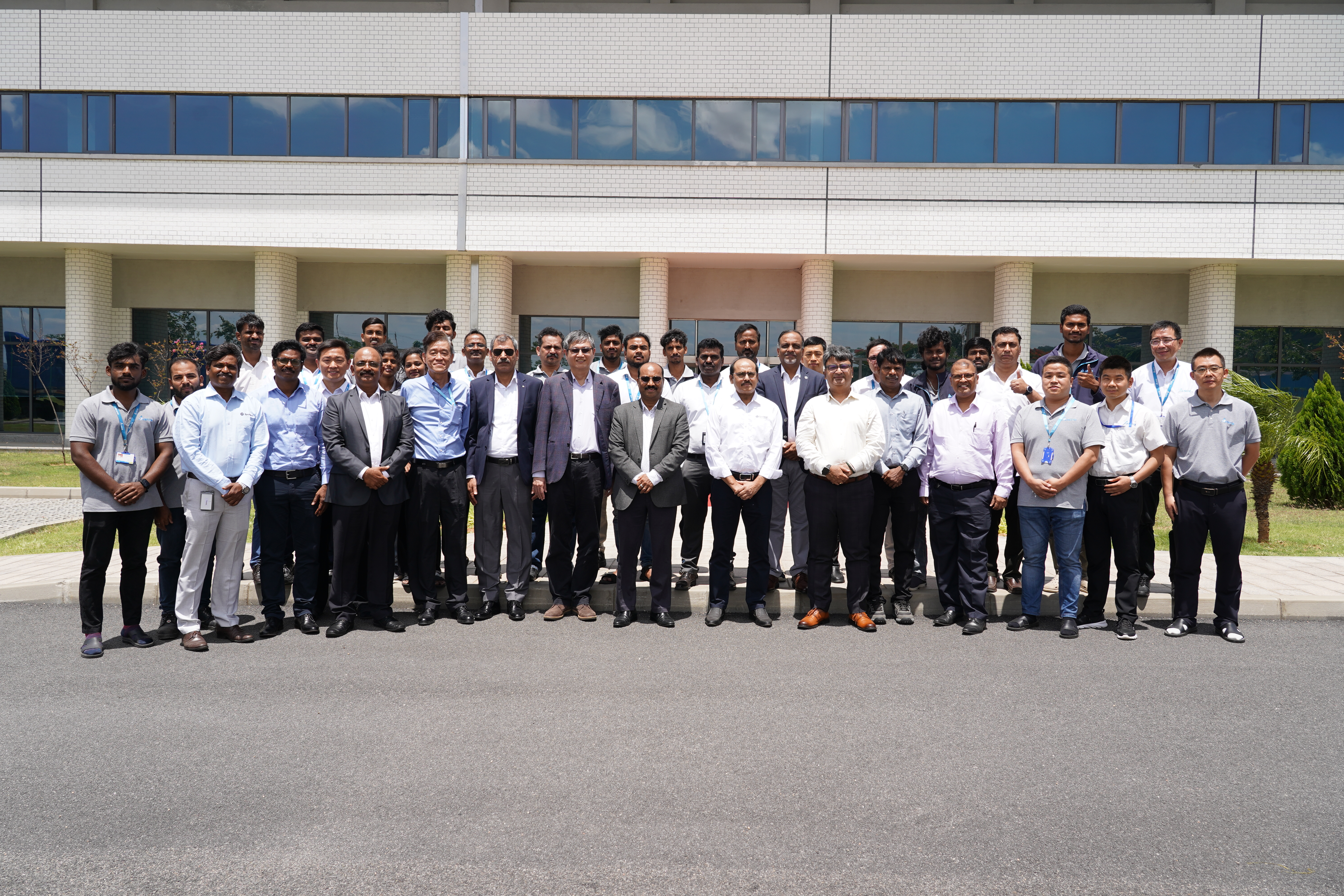
This shift is already underway. Delta Electronics India has officially manufactured and shipped its 1,000th wind power converter to Envision Energy India, demonstrating that Indian engineering teams can now produce equipment meeting global standards once reserved for imported hardware.
Benjamin Lin, President of Delta Electronics India, sees the milestone as validation of a longer-term effort – demonstrating that Indian engineering teams can now produce equipment that meets the same global standards once reserved for imported hardware, reducing the country’s reliance on overseas suppliers in the process.
The timing aligns with India‘s broader energy goals. The government’s target of 500GW of renewable capacity by 2030 depends on domestic manufacturing scaling up to match installation targets, a shift that localization mandates and the Atma Nirbhar Bharat initiative have been steadily encouraging.
RPV Prasad, Managing Director of Envision Energy India, views the partnership with Delta Electronics as more than just an alignment with MNRE localization goals and Atmanirbhar Bharat – it is a strong statement on India‘s domestic manufacturing capabilities to meet the country’s clean energy transition goals. He highlights how India showcases its engineering strength to deliver world-class products that meet global standards at competitive prices and at scale, and to build a robust supply-chain ecosystem that supports India‘s march towards 500GW of renewable energy by 2030.
1,000 units is still a small share of what India‘s wind sector will need in the coming years, and there is considerable ground still to cover. But the milestone reflects a meaningful shift already underway – Indian manufacturers demonstrating the capability to meet global quality standards for critical clean energy infrastructure. As the country works toward its 2030 renewable energy targets, this kind of domestic manufacturing capacity will likely play an increasingly central role in how those goals are met.

