

Mumbai, Sep 1: Maharashtra has completed around 95 per cent of its targeted Kharif sowing, providing a positive start to the agricultural season, but uneven rainfall and emerging drought concerns in Marathwada have put the focus on crop health, farm incomes and rural economic activity.
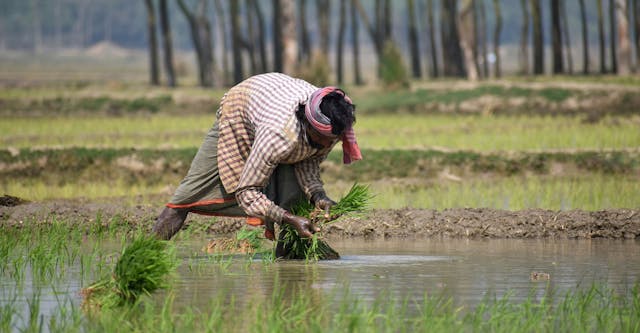
The high level of sowing indicates that farmers across much of the state have been able to complete planting. However, sowing progress alone does not guarantee a good harvest. The availability of adequate moisture during the crop-growth period will be critical for determining yields, particularly in rain-dependent farming areas.
Marathwada remains a key area of concern because of its dependence on the monsoon. Extended dry spells in the region could put crops under moisture stress and increase the risk of lower productivity.
For farmers, inadequate rainfall can translate into higher cultivation costs. Those with access to irrigation may have to spend more on water and power, while farmers dependent mainly on rainfall have fewer options if dry conditions persist.
The impact can extend across the wider rural economy. Farm incomes influence spending on agricultural machinery, fertilisers, seeds, crop-protection products, vehicles, consumer goods and other services. A weaker harvest could therefore reduce rural purchasing power and affect businesses that depend on agricultural demand.
Agricultural input companies could also see mixed effects. Demand for irrigation equipment, water-management solutions and crop-protection products may increase in areas facing moisture stress. At the same time, farmers dealing with lower expected incomes may become more cautious about spending on non-essential inputs.
The performance of major Kharif crops will also be important for commodity markets and processing industries. Any significant decline in the output of crops such as soybean, cotton, pulses or maize could influence procurement, raw material availability and prices for businesses linked to agriculture.
Food-related businesses could also be affected if lower crop production tightens supplies and pushes up commodity prices. Higher raw material costs may increase pressure on food processors, traders and other downstream industries.
On the other hand, timely rainfall during the remaining crop-growth period could improve crop conditions and reduce some of these concerns. A better monsoon finish would support yields, farm incomes and rural demand.
For the state economy, the Kharif season is important not only because of its contribution to agricultural output but also because of its wider impact on rural consumption and employment. Maharashtra’s large farming population means that changes in crop performance can have a significant effect on several related sectors.
With sowing now close to completion, attention is shifting towards rainfall distribution, soil moisture and crop development. The coming weeks will be crucial in determining whether Maharashtra’s strong sowing progress translates into a healthy harvest and stronger farm and rural business activity.
For farmers in drought-prone areas such as Marathwada, efficient water use, timely agricultural advisories and appropriate crop-management measures will remain particularly important as the season progresses.

