

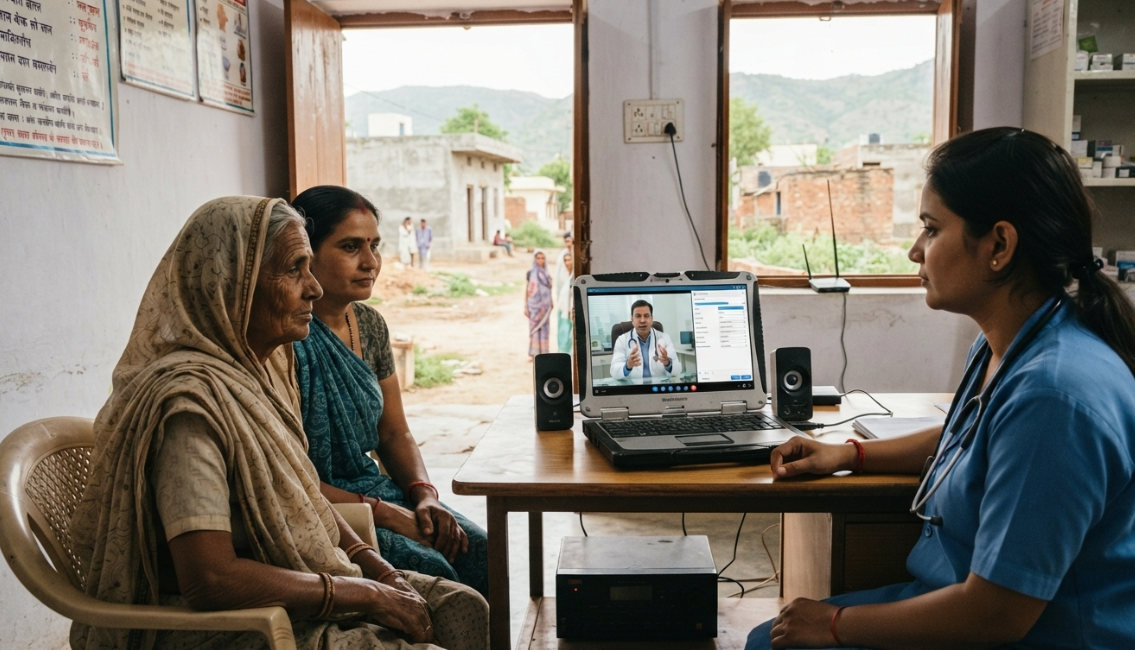
For people living in India’s smaller towns and rural communities, getting medical attention can involve more than booking an appointment. A visit to a specialist may require hours of travel, time away from work and additional expenses for transport and accommodation. When follow-up appointments are needed, these challenges can make continuing treatment even more difficult.
Telemedicine is helping change this experience by connecting patients with doctors through phone and video consultations. Instead of travelling to a major city for every medical review, patients may be able to receive medical advice closer to home. For a country with widely dispersed populations and uneven access to specialist services, digital healthcare offers a practical way to extend the reach of existing medical infrastructure.
However, its value goes beyond convenience. When supported by local health facilities, qualified professionals and reliable referral systems, telemedicine can help patients access care earlier and manage their treatment more effectively.
India’s Telemedicine Growth: What the Latest Report Shows
India’s national telemedicine service, eSanjeevani, illustrates how remote consultations have expanded across the country’s healthcare system.
According to the Ministry of Health and Family Welfare, eSanjeevani crossed 50 crore teleconsultations on September 15, 2026. The government announced the milestone on October 6, 2026, reporting that the platform had reached all 36 states and Union Territories.
The announcement also reported that women accounted for 57.14% of consultations, while people aged 46 and above accounted for 40.15%. These figures offer insight into the service’s reach among different groups, including patients who may benefit from easier access to routine and follow-up care.
eSanjeevani operates through two models. Patients can consult doctors remotely, or they can visit participating health facilities where healthcare workers help connect them with doctors and specialists at larger institutions.
The second model is particularly relevant to rural healthcare. A patient can visit a nearby facility and receive medical guidance without necessarily travelling to a distant hospital for the initial consultation.
The figures demonstrate the scale of digital healthcare delivery in India. They do not, by themselves, establish improvements in health outcomes or show whether every community has equal access. The availability of medicines, diagnostic services and further treatment remains essential.
How Telemedicine Is Bridging the Urban-Rural Healthcare Gap
Specialist medical services are not equally accessible everywhere. Patients in smaller towns may have access to general practitioners but need to travel to larger cities for specialist advice, advanced investigations or complex treatment.
Telemedicine can help bridge part of this gap by connecting local healthcare providers with doctors at specialist hospitals and medical colleges.
For example, a patient who has already undergone testing may be able to discuss the results with a specialist through a remote appointment, provided the case does not require a physical examination. Local doctors can also seek specialist guidance when managing patients whose conditions require additional expertise.
This approach can reduce unnecessary travel and help patients make informed decisions about the next steps in their care. It can also help local facilities coordinate referrals when a patient’s condition requires treatment beyond their capabilities.
Telemedicine does not mean that specialist services are automatically available everywhere. Access depends on participating institutions, available medical specialities, appointment schedules and the supporting infrastructure in each location.
Reducing the Cost and Time of Medical Consultations
The cost of healthcare includes more than the doctor’s fee. For someone travelling from a remote village to a city hospital, transport, food, accommodation and lost wages can add substantially to the expense.
These costs become particularly difficult for patients who require regular appointments or need to accompany an older family member for treatment.
Remote consultations can reduce some of this burden by allowing suitable appointments to take place from home or a nearby health centre. They may be particularly useful for routine follow-ups, medication reviews and discussions about test results.
Publicly supported telemedicine services can also improve affordability, although the costs of medicines, diagnostic tests, internet access and further treatment may remain.
The biggest benefit is not that every medical expense disappears, but that patients may be able to avoid journeys that are not medically necessary.
Making Chronic Disease Management More Convenient
Long-term conditions such as diabetes and high blood pressure often require regular monitoring, adjustments to treatment and ongoing medical advice. For patients living far from hospitals, maintaining this routine can be challenging.
Telemedicine can make follow-up care more convenient when patients have access to relevant test results, medical records and health measurements. Doctors can review progress, discuss symptoms and decide whether additional investigations or an in-person appointment are necessary.
Remote consultations can also support discussions about preventive healthcare, lifestyle changes and recommended screenings.
For this model to work effectively, patients need clear medical instructions, access to prescribed medicines and a reliable way to obtain further care. Telemedicine works best as part of a continuing relationship with healthcare providers, rather than as an isolated online appointment.
Why Local Health Centres Remain Important
Digital healthcare cannot reach every patient through a smartphone alone. Some people have limited internet access, do not own suitable devices or need assistance using online services.
Local healthcare workers can help patients register for consultations, communicate symptoms, share medical records and understand follow-up instructions. Community health facilities can also provide a point of access for people who are uncomfortable navigating digital platforms independently.
India’s Ayushman Arogya Mandir network forms part of this wider primary healthcare approach. The government’s official dashboard can be used to check current figures on functional centres and the services available through the network.
By combining local facilities with remote medical expertise, healthcare providers can make digital consultations more accessible to people who might otherwise face significant barriers.
The Challenges Telemedicine Still Needs to Address
Despite its potential, telemedicine cannot resolve every healthcare access problem.
Connectivity and digital literacy: Poor internet connections, limited access to devices and difficulties using digital platforms can prevent patients from completing consultations.
The need for physical examinations: Some conditions require direct assessment, diagnostic procedures or immediate intervention. Remote consultations must not delay necessary treatment.
Privacy and data security: Medical records and conversations contain sensitive information. Digital services need appropriate safeguards and responsible data-handling practices.
Access to treatment after consultation: Patients may still struggle to obtain medicines, diagnostic tests or specialist referrals. Medical advice is most useful when the next stage of treatment is also accessible.
Trust and communication: Patients need to understand their doctor’s advice and feel comfortable discussing their symptoms. Language support and clear communication are important, particularly for first-time users.
Addressing these challenges requires investment in digital infrastructure, trained healthcare workers, local facilities and effective links between remote consultations and in-person care.
What the Future of Telemedicine Could Look Like in India
Telemedicine could become more closely integrated with primary healthcare centres, district hospitals and specialist institutions as digital infrastructure improves.
Better coordination between these facilities may make referrals easier to manage and help patients avoid repeating consultations or travelling without a clear treatment plan. Digital health records, when available and used with appropriate consent and safeguards, can also help doctors understand a patient’s medical history.
Technology may support administrative work, patient follow-ups and the organisation of clinical information. However, medical decisions must remain the responsibility of qualified professionals, and patients must retain access to physical examinations and emergency care when required.
The World Health Organization’s guidance on digital health interventions emphasises that technology should support functioning healthcare systems rather than be treated as a substitute for them.
For India, the most effective approach is likely to combine remote consultations with accessible local facilities, trained medical staff, diagnostic services and reliable referral pathways.
Telemedicine Can Bring Healthcare Closer to Home
Telemedicine is changing how people access medical advice by reducing the importance of geographical distance for certain types of care. For patients in rural India and smaller cities, it can make routine consultations easier, improve access to specialist guidance and reduce the burden of avoidable travel.
India’s eSanjeevani milestone of 50 crore consultations shows the scale at which digital healthcare can operate. The next priority is ensuring that this reach translates into timely, appropriate and continuous care for patients across different regions.
Hospitals, doctors, nurses, diagnostic facilities and community health centres will remain essential. Telemedicine adds another way to connect these resources with people who may otherwise struggle to reach them.
Ultimately, the success of digital healthcare should not be measured only by the number of online appointments completed. It should also be measured by whether patients receive the right medical advice, can access the treatment they need and experience fewer barriers because of where they live.
