

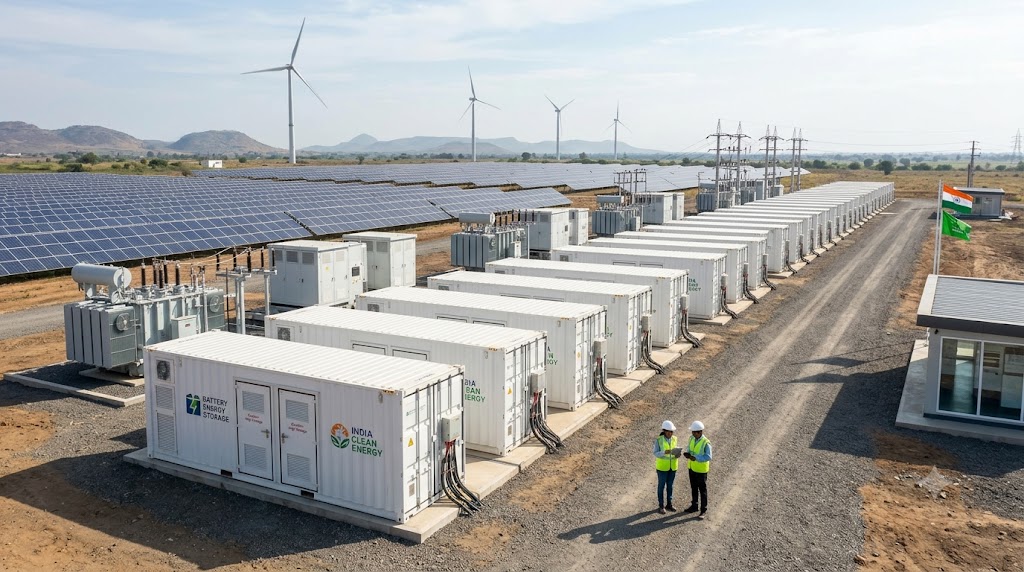
The shift towards clean energy is creating a growing need for reliable and affordable energy storage. Solar panels and wind turbines can generate large amounts of electricity, but their output depends on weather conditions and the time of day. Energy storage helps bridge this gap by saving surplus electricity when production is high and releasing it when demand rises.
For businesses, this shift is opening opportunities beyond traditional battery manufacturing. Emerging companies can develop storage technologies, build energy management software, supply components and provide solutions that help factories, commercial buildings and power networks use electricity more efficiently.
Why Energy Storage Is Becoming Essential
As renewable energy becomes a larger part of the electricity mix, power systems need greater flexibility to balance supply and demand. Battery storage can help manage fluctuations, reduce pressure during peak-demand periods and improve the use of electricity generated from solar and wind projects.
The expansion of data centres, electric vehicles and energy-intensive industries is adding to this demand. Businesses need a dependable power supply to protect operations from interruptions and manage electricity costs. Storage systems can support these needs, although their financial benefits depend on local electricity tariffs, project costs and operating conditions.
Falling battery costs have also improved the commercial potential of storage. However, the overall investment remains influenced by equipment prices, financing, system lifespan, safety requirements and the cost of connecting projects to the grid.
India’s Growing Energy Storage Market
India’s renewable energy expansion is creating a substantial opportunity for energy storage developers. The country needs solutions that can support growing electricity demand while making better use of solar and wind power.
Planning projections from the Central Electricity Authority point to a significant increase in battery energy storage requirements over the coming years. India is also encouraging investment through measures such as viability gap funding for eligible projects and incentives to strengthen domestic battery manufacturing.
These developments could create opportunities for companies involved in battery assembly, power electronics, system integration, software development and equipment maintenance. Local suppliers may also benefit as developers look for reliable components and technical support within India.
For emerging businesses, the opportunity is not limited to large utility-scale projects. Smaller storage systems for factories, offices, commercial buildings and local electricity networks could offer additional routes into the market.
New Technologies Beyond Lithium-Ion Batteries
Lithium-ion batteries remain an important part of the storage industry, but companies are exploring alternatives to meet different cost, safety and performance requirements.
Sodium-ion batteries could offer an alternative for selected applications because sodium is more widely available than lithium. Their commercial suitability will depend on energy density, manufacturing costs and performance in specific operating conditions.
Solid-state batteries are attracting attention for their potential to improve safety and energy density, although large-scale commercialisation still faces technical and manufacturing challenges.
Pumped-hydro storage uses electricity to move water to a higher reservoir and generates power when the water flows back down. It can support large-scale storage, particularly where suitable geography and infrastructure are available.
Thermal energy storage offers another route, storing energy as heat in materials such as sand or other heat-retaining substances. This approach could help industries that require high-temperature heat reduce their dependence on fossil fuels.
Flow batteries and compressed-air storage are also being explored for applications that require longer storage periods. No single technology will suit every project, making cost, duration, location and operational needs central to investment decisions.
Business Opportunities for Emerging Companies
1. Battery Manufacturing and Component Supply
The growth of storage projects creates demand for battery packs, enclosures, thermal management systems, inverters, control units and safety equipment. Emerging companies can focus on specialised components rather than competing directly with large battery manufacturers.
Domestic production and dependable supply chains could become important advantages as India’s storage market develops. Businesses entering this segment will need to meet strict quality, safety and performance requirements.
2. Smart Energy Management Software
Energy storage is increasingly becoming a software-driven business. Digital platforms can help operators forecast electricity demand, monitor battery health and decide when to store or release power.
Startups can develop tools that reduce operating costs, identify maintenance needs and coordinate multiple storage systems. Software that helps commercial users manage electricity consumption during expensive peak periods may also offer a practical business opportunity.
3. Storage for Factories and Commercial Buildings
Factories, warehouses, offices and commercial facilities may use battery storage to manage peak electricity demand, support critical equipment and make better use of rooftop solar power.
Companies can offer installation, financing, monitoring and maintenance services as part of an integrated package. However, customers need clear evidence that the expected savings justify the upfront investment.
4. Battery Recycling and Second-Life Applications
As battery deployment expands, the need to manage ageing and end-of-life batteries will grow. Recycling businesses can recover valuable materials, while specialised companies may assess whether used batteries remain suitable for less demanding storage applications.
This segment could support a more circular battery economy and reduce waste. Success will depend on safe handling, reliable battery testing, collection networks and commercially viable recovery processes.
5. Long-Duration and Industrial Storage
Some businesses need energy for longer periods than conventional battery systems can economically provide. This creates potential opportunities in thermal storage, flow batteries, pumped hydro and other long-duration technologies.
Industrial customers may be particularly interested in solutions that provide reliable heat or electricity while reducing fuel consumption. Emerging companies that demonstrate dependable performance and competitive lifetime costs could find opportunities in this market.
The Challenges Businesses Must Consider
Despite its potential, energy storage is not a risk-free investment. High upfront costs, uncertain project revenues, access to financing and changing regulations can affect profitability. Battery safety, degradation, fire prevention and responsible recycling also require careful planning.
Technology selection is another critical decision. A system designed for short periods of high electricity demand may not be suitable for storing energy over several days. Businesses must assess local grid conditions, customer needs, expected usage and the full cost of operating a system over its lifetime.
For startups, partnerships with utilities, renewable energy developers, equipment manufacturers and industrial customers can help reduce market-entry barriers. Pilot projects and proven performance data may also help build confidence among investors and buyers.
A New Growth Opportunity in Clean Energy
Energy storage is becoming an important part of the clean energy economy, connecting renewable power generation with the changing needs of businesses, households and industries. As India expands its renewable energy infrastructure, demand could grow for reliable storage systems, specialised components, digital services and recycling solutions.
For emerging companies, the strongest opportunities may lie in solving specific problems rather than trying to compete across the entire industry. Businesses that can improve efficiency, control costs, extend equipment life or provide dependable power will be better positioned to build sustainable operations.
The future of clean energy storage will depend not only on better batteries but also on affordable technology, intelligent software and practical business models. Companies that bring these elements together could play an important role in making clean electricity more reliable and commercially viable.

