

Pic Credit: Pexel
For many people living outside India’s major cities, seeing a doctor can involve more than booking an appointment. It may mean travelling long distances, spending money on transport and taking time away from work or family responsibilities. These challenges can make routine check-ups and follow-up consultations difficult, particularly for older adults, people with long-term illnesses and families with limited incomes.
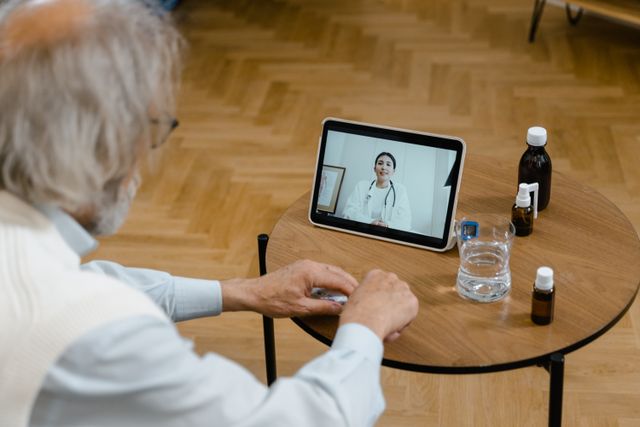
Telemedicine in India is helping change this experience by bringing medical consultations closer to patients through phone calls, video appointments and digital healthcare platforms. While technology cannot replace every hospital visit or physical examination, it offers a practical way to make medical advice more accessible. As healthcare providers increasingly embrace digital services, telemedicine is becoming an important part of the conversation about affordable, convenient and inclusive healthcare.
Making Healthcare More Accessible
The availability of hospitals and specialist doctors varies widely across India. While major cities generally offer a wider range of medical services, people in remote areas may have fewer choices close to home.
Telemedicine helps bridge some of this distance by connecting patients with doctors who may be located in another town or city. Patients can discuss symptoms, seek medical guidance and arrange follow-up consultations without travelling for every appointment.
For families living far from healthcare facilities, this convenience can make a meaningful difference. It can also help local clinics extend their reach by connecting patients with specialists when additional medical advice is needed.
Reducing the Hidden Cost of Treatment
The cost of healthcare is not limited to consultation fees or medicines. Transport, accommodation, missed work and the expense of accompanying family members can add considerably to the overall burden.
Online consultations can reduce some of these indirect costs, especially when patients need routine advice or follow-up care. For daily-wage workers and small business owners, avoiding an unnecessary journey may also mean losing fewer working hours.
However, telemedicine does not automatically make every treatment affordable. Patients may still need diagnostic tests, prescribed medicines or in-person care. Its greatest value comes from helping people access suitable medical advice more conveniently and understand when further treatment is necessary.
Connecting Patients With Specialists
Finding a specialist can be difficult for people living in smaller towns, where certain medical services may not be readily available. Patients may have to travel to larger cities for expert advice, a second opinion or ongoing treatment.
Telemedicine platforms can make these connections easier. A patient may be able to speak with a dermatologist, cardiologist or mental health professional remotely, depending on the service available and the nature of the medical concern.
This can be particularly helpful for follow-up appointments and non-emergency consultations. When a condition requires a physical examination, urgent intervention or specialised testing, an in-person visit remains essential.
Supporting Better Long-Term Care
Managing a chronic condition often requires regular communication with healthcare professionals. Patients with diabetes, high blood pressure and other long-term illnesses may need repeated consultations to review symptoms, discuss medication and monitor their progress.
Telemedicine can make these follow-ups less disruptive. When supported by appropriate monitoring tools and medical supervision, digital services may also help patients share selected health measurements with their doctors between appointments.
Regular contact can encourage patients to stay engaged with their treatment plans. Nevertheless, remote care works best when it complements physical examinations, laboratory tests and other medical services rather than replacing them.
A New Opportunity for Healthcare Businesses
The expansion of digital healthcare is creating new possibilities for hospitals, clinics, diagnostic providers and health technology companies. Instead of relying exclusively on patients visiting a physical facility, providers can use digital platforms to reach people in a wider geographical area.
Opportunities include online consultation services, appointment management, remote monitoring, digital health records and technology support for local healthcare centres. Partnerships between hospitals and community clinics can also help patients access online specialist consultations with assistance when required.
For healthcare startups, the challenge is to develop services that are affordable, easy to use and medically reliable. Long-term success will depend on more than technology alone. Patient trust, qualified professionals, responsible data handling and continuity of care will remain central to sustainable growth.
The Human Side of Digital Healthcare
Despite its promise, telemedicine cannot benefit everyone equally. Some households lack reliable internet access or suitable devices, while others may struggle with digital applications or prefer communicating in their local language.
Older patients and people unfamiliar with online services may need assistance from family members or trained healthcare workers. Privacy is another important consideration, particularly when consultations take place in shared homes or public settings.
A practical approach is to combine digital consultations with accessible local healthcare facilities. Community health centres, trained staff and clear guidance can help patients use telemedicine while ensuring they are referred for physical care whenever necessary.
Building a More Inclusive Healthcare System
The future of telemedicine in India will depend on how effectively digital services are integrated into the wider healthcare system. Better connectivity, affordable platforms, regional-language support and stronger patient awareness can help more people benefit from remote consultations.
Healthcare providers must also establish clear processes for protecting medical information, maintaining professional standards and identifying cases that require urgent or in-person treatment.
When these elements work together, telemedicine can do more than make appointments convenient. It can help connect underserved communities with medical expertise, support continuity of care and give patients more practical ways to seek medical advice.
Conclusion
Telemedicine is reshaping the way healthcare reaches people beyond India’s major cities. By reducing the need for some journeys and connecting patients with medical professionals remotely, it can make routine consultations and follow-up care more convenient for families across different income groups and locations. Yet digital healthcare is most effective when it works alongside hospitals, local clinics and qualified medical professionals. With reliable infrastructure, responsible implementation and a continued focus on patient needs, telemedicine can help make India’s healthcare system more accessible, inclusive and responsive to the realities of everyday life.
