Poland Announced as Focus Country for Habitat International Film Festival 2027


New Delhi, Mar 23: The 2026 edition of the Habitat International Film Festival (HIFF) drew to a resounding close with the screening of the acclaimed Polish biographical film Chopin, Chopin, marking a fitting finale to a vibrant celebration of global cinema.

The closing evening was attended by distinguished guests and cinema enthusiasts, culminating in a deeply moving cinematic experience that resonated strongly with the audience. Chopin, Chopin received a standing ovation, underscoring its powerful impact and the audience’s appreciation for its artistic and emotional depth.

Poland Announced as Focus Country for Habitat International Film Festival 2027

(L to R) H.E. Dr. Piotr Świtalski, Prof (Dr.) K G Suresh, Dr. Mariann Erdo, Ms. Małgorzata Wejsis-Gołębiak

On the occasion, Prof. (Dr.) K G Suresh, Director of the India Habitat Centre, made a significant announcement, declaring Poland as the Focus Country for the 2027 edition of the Habitat International Film Festival. The announcement reflects the growing cultural collaboration between India and Poland and builds upon the success of this year’s Polish showcase, including the Andrzej Wajda centenary retrospective.

As part of the closing ceremony, Prof. Suresh felicitated His Excellency Dr. Piotr Antoni Świtalski, Head of Mission of Poland to India, and Ms. Małgorzata Wejsis-Gołębiak, Director of the Polish Institute, in recognition of their continued efforts in fostering cultural exchange and strengthening Indo-Polish ties.

HIFF 2026 featured a diverse and engaging lineup of films from across the world, along with retrospectives, discussions, and special events that brought together filmmakers, scholars, and audiences in a shared celebration of cinema.

The festival’s successful conclusion reaffirms the India Habitat Centre’s commitment to promoting meaningful cultural dialogue through the medium of film, while setting the stage for an exciting and expanded edition in 2027 with Poland in focus.  

Adyen Expands Partnership with Cathay Pacific, Extends Direct Acquiring to India and Key Global Markets

Singapore, March 23 (BNP): Global financial technology platform Adyen on Monday announced the expansion of its longstanding partnership with Hong Kong-based airline Cathay Pacific, extending direct acquiring services across multiple international markets, including India.

The enhanced collaboration, which builds on a partnership that began in 2014, now covers markets such as Hong Kong, Australia, New Zealand, the United States, Japan, and most recently, India. The development marks a significant milestone in Cathay Pacific’s global commerce strategy, with Adyen playing a central role in streamlining the airline’s payment infrastructure.

Adyen said its direct acquiring capabilities are aimed at improving transaction performance by increasing authorization rates, lowering payment processing costs, and enabling revenue growth across geographies.

In India, where the solution was recently rolled out, Cathay Pacific has reported a 10 per cent increase in authorization rates since implementation, the company said.

Kinto Chan, General Manager, Sales and Distribution at Cathay Pacific, said the partnership supports the airline’s focus on delivering a seamless and secure customer experience while expanding into key markets.

Adyen’s President for Asia Pacific, Warren Hayashi, said the collaboration is designed to simplify global payment complexities and enhance conversion rates, thereby supporting Cathay Pacific’s commercial growth worldwide.

The expanded partnership underscores the growing importance of integrated payment solutions in the aviation sector as airlines seek to optimise digital transactions and improve customer experience across markets.

West Asia Crisis Puts India’s Energy Strategy to the Test, Accelerates Shift to Resilient Supply Chains

New Delhi (BNP Analysis): The ongoing geopolitical tensions in West Asia have once again exposed the vulnerabilities—and emerging strengths—of India’s energy and supply chain architecture. While immediate disruptions have been contained, the situation is fast becoming a stress test for the country’s long-term economic resilience.

At the heart of the government’s response lies a familiar concern: energy security. With the Strait of Hormuz—a critical artery for global oil flows—under strain, India has moved to stabilise domestic fuel availability through high refinery utilisation and adequate stockpiling. For businesses, this has translated into short-term stability in fuel supply, helping avoid the kind of volatility that can ripple across manufacturing, logistics and consumer markets.

West Asia Crisis Puts India’s Energy Strategy to the Test, Accelerates Shift to Resilient Supply Chains

However, the calibrated rationing of natural gas for industrial and commercial users signals an underlying constraint. While priority allocation to households and transport ensures social and economic continuity, industries dependent on gas-based inputs may face cost pressures or supply adjustments if disruptions persist. This could particularly affect sectors such as ceramics, glass, fertilisers and city gas-dependent enterprises.

The pressure on commercial LPG supply further highlights India’s dependence on imports for key energy inputs. The government’s move to increase allocations and prioritise essential sectors—such as hospitality, food services and healthcare—offers temporary relief. Yet, for businesses, especially MSMEs and urban service providers, the episode reinforces the need to diversify energy sources and invest in alternatives like piped natural gas (PNG) and electric systems.

In fact, one of the most notable policy signals emerging from the crisis is the accelerated push towards PNG adoption. By streamlining approvals, incentivising connections and nudging commercial establishments to shift away from LPG, the government appears to be using the disruption as a catalyst for structural transition in urban energy consumption.

West Asia Crisis Puts India’s Energy Strategy to the Test, Accelerates Shift to Resilient Supply Chains

The fallback on kerosene and coal as supplementary fuels, while effective as a short-term buffer, also underscores the trade-offs between sustainability and supply security. For energy-intensive industries, this raises important questions around compliance costs, emissions targets and future regulatory alignment.

Beyond energy, the government’s focus on preventing hoarding and ensuring last-mile supply stability carries direct implications for market confidence. Strong enforcement actions and the activation of monitoring mechanisms across states are critical to avoiding artificial shortages, price distortions and speculative behaviour—factors that can quickly disrupt business operations.

From a logistics standpoint, India’s maritime ecosystem has so far demonstrated resilience. With port operations running smoothly and shipping routes being actively monitored, trade flows have remained largely unaffected. This continuity is particularly crucial for export-import dependent sectors, including petrochemicals, pharmaceuticals and engineering goods.

The aviation and mobility dimension, however, presents a more complex picture. Airspace disruptions in parts of West Asia have necessitated rerouting of flights, potentially increasing operational costs for airlines and travel time for passengers. For businesses with a significant workforce presence in the Gulf, this could translate into logistical challenges and higher travel expenses in the near term.

The large-scale movement of Indian nationals back home also has economic implications. While remittance flows may not see an immediate impact, prolonged instability in the region could affect labour markets and income streams linked to the Gulf economies.

Strategically, the current crisis is likely to accelerate India’s efforts to diversify both energy sources and trade routes. Investments in alternative energy infrastructure, expansion of gas networks, and exploration of new import corridors are expected to gain urgency. At the same time, businesses may increasingly factor geopolitical risk into supply chain planning and procurement strategies.

In the final analysis, while India’s immediate response has ensured stability, the West Asia crisis serves as a reminder that resilience is no longer optional—it is a competitive necessity. For corporate India, the message is clear: agility in energy use, diversification of supply chains and alignment with evolving policy directions will be key to navigating an increasingly uncertain global landscape.

Jitendra Singh Meets Employee Bodies, Assures Action on Service-Related Issues

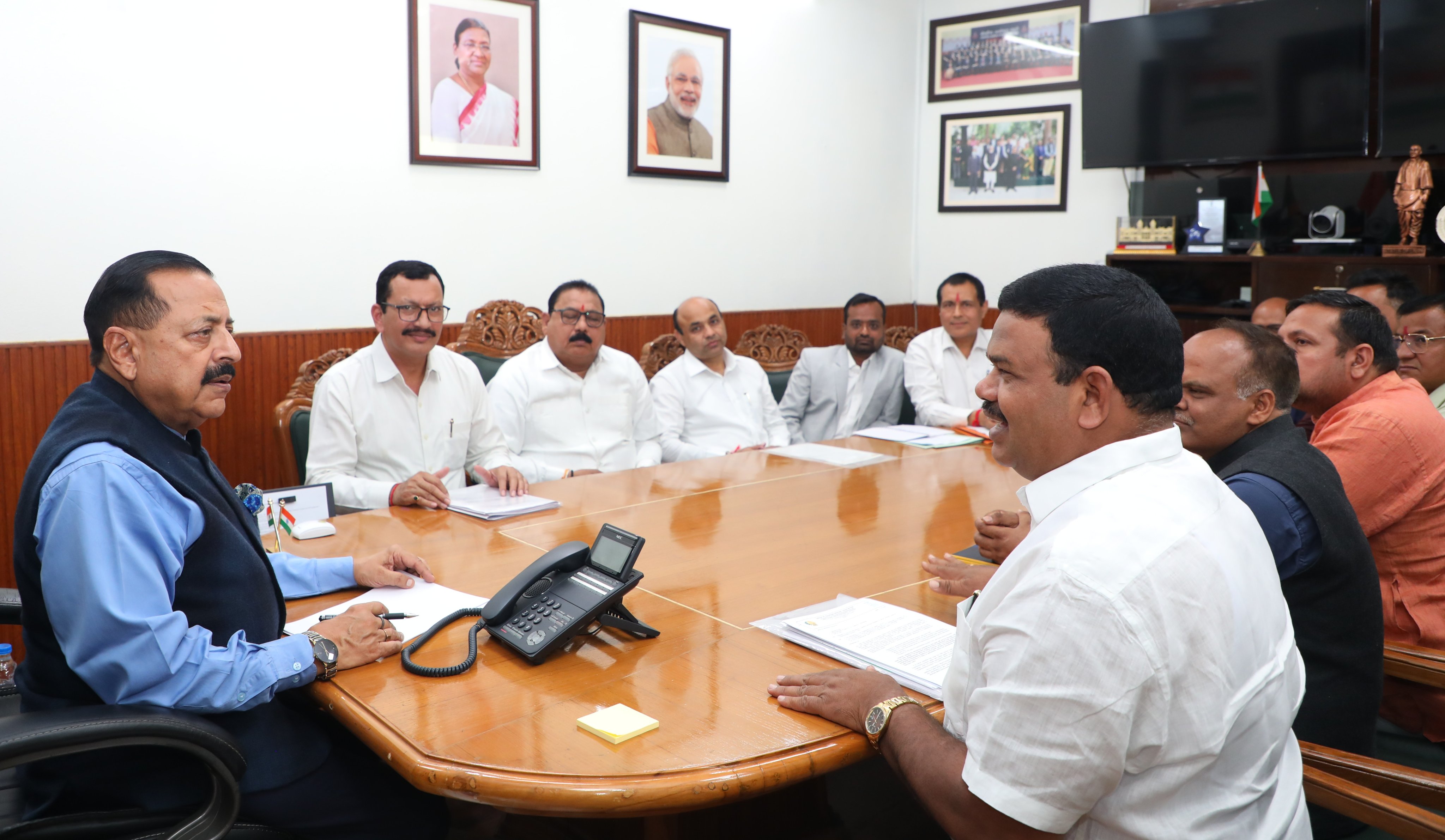
New Delhi, Mar 23 (BNP): Jitendra Singh on Sunday held discussions with representatives of various employee organisations, emphasising the importance of structured dialogue and reforms to address service-related concerns and improve administrative efficiency.

The meeting was attended by delegations from bodies including the Government Employees National Confederation and the Central Secretariat Group-C Employees’ Association, along with representatives from organisations such as the Survey of India, ISRO and India Post.

Jitendra Singh Meets Employee Bodies, Assures Action on Service-Related Issues

During the interaction, key issues related to cadre restructuring, promotions, pay parity, allowances and service conditions were raised by the employee representatives. The minister stressed that continuous engagement with stakeholders is essential to ensure smooth career progression and effective governance.

The delegations appreciated initiatives undertaken under the leadership of Narendra Modi, particularly reforms in cadre management and promotion processes. They highlighted that over 10,000 bulk promotions facilitated in recent years by the Department of Personnel and Training (DoPT) have helped reduce stagnation and improve employee morale.

Employee representatives also acknowledged the positive impact of recent reforms but pointed to certain pending issues, including delays in implementation and lack of uniformity across departments, expressing hope for their early resolution.

Responding to the concerns, Singh assured that the issues raised would be carefully examined in consultation with the concerned departments. He underlined the need for better coordination, timely follow-up and a consultative approach to resolving employee grievances.

The meeting concluded with both sides agreeing to continue dialogue and work collaboratively towards strengthening service conditions and enhancing efficiency across government departments.

Centre to Launch 7th Round of Critical Mineral Auctions to Boost Resource Security

New Delhi, Mar 23 (BNP): G. Kishan Reddy will on Monday launch the seventh tranche of auctions for critical and strategic mineral blocks, in a move aimed at strengthening India’s mineral security and supporting emerging sectors such as clean energy and advanced technologies.

The launch will take place in the presence of Minister of State for Coal and Mines Satish Chandra Dubey, the Ministry of Mines said.

Critical minerals such as lithium, graphite, rare earth elements, tungsten, vanadium and titanium have become increasingly important amid the global shift towards clean energy and high-tech manufacturing. However, their limited availability and concentration in select geographies pose challenges to stable supply chains.

Centre to Launch 7th Round of Critical Mineral Auctions to Boost Resource Security

To address these concerns, the government amended the Mines and Minerals (Development and Regulation) Act, 1957 in August 2023, identifying 24 minerals as critical and strategic. The amendment empowers the Centre to auction mining leases and composite licences for these resources, while revenues are allocated to the respective state governments.

The ministry has so far conducted six rounds of auctions, successfully allocating 46 mineral blocks, indicating strong industry interest and growing investor confidence in the sector.

In the upcoming tranche, 19 mineral blocks across multiple states will be offered under mining lease and composite licence categories. These blocks include a range of minerals vital for industries such as renewable energy, fertilisers and strategic manufacturing.

Officials said recent regulatory reforms have further improved the auction framework by enhancing transparency and reducing delays in operationalisation. Changes in rules have streamlined processes such as upfront payments, performance security and issuance of letters of intent, while also allowing insurance surety bonds as an alternative to bank guarantees.

The auctions will be conducted through a transparent, online two-stage ascending forward bidding process, with successful bidders selected based on the highest revenue share offered.


Govt Unveils Jal Jeevan Mission 2.0 Framework, Shifts Focus to Sustainable Rural Water Services

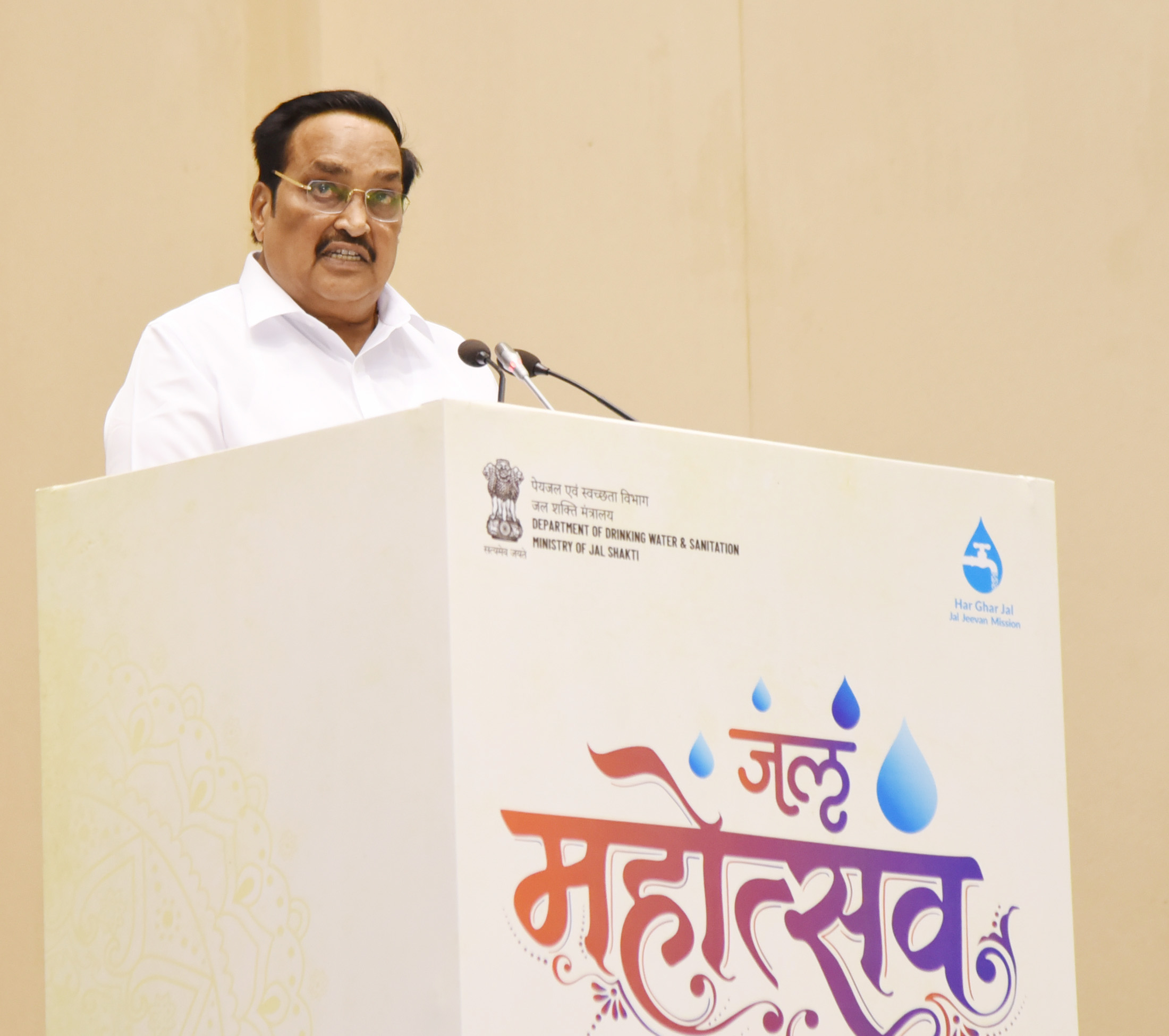
New Delhi, Mar 22 (BNP): C. R. Patil on Sunday launched the operational framework for Jal Jeevan Mission (JJM) 2.0, signalling a strategic transition towards long-term sustainability and improved service delivery in rural drinking water systems. The Department of Drinking Water and Sanitation (DDWS), Ministry of Jal Shakti, on Sunday released the Operational Guidelines of Jal Jeevan Mission (JJM) 2.0 as Jal Mahotsav 2026 culminated alongside the Sujal Gram Samvad on the occasion of World Water Day.

The announcement was made at the closing ceremony of Jal Mahotsav 2026, coinciding with World Water Day. The upgraded mission, now extended till December 2028, aims to strengthen governance, accountability and reliability of water supply across rural India.

Govt Unveils Jal Jeevan Mission 2.0 Framework, Shifts Focus to Sustainable Rural Water Services

Speaking on the occasion, Patil said the initiative has evolved from a scheme focused on infrastructure expansion to a transformative programme that improves quality of life, particularly for women and children. He emphasised that the next phase will prioritise consistent water supply, system functionality and long-term resource sustainability.

Highlighting the importance of public participation, the minister said nationwide initiatives such as Jal Mahotsav have helped turn water conservation into a mass movement, encouraging community ownership of water resources.

Minister of State for Jal Shakti V. Somanna said the campaign witnessed large-scale engagement across villages through awareness drives, school programmes and community interactions, reinforcing the idea that water management must extend beyond government efforts to collective responsibility.

Under JJM 2.0, the government will focus on defined service benchmarks, decentralised accountability at state and local levels, and sustainability measures such as water conservation, source protection and efficient resource management.

Officials noted that reform-linked agreements with states are being implemented to ensure better outcomes, with several states already committing to the new framework during the campaign.

The event also featured the Sujal Gram Samvad, where village representatives from different states shared their experiences in managing water supply systems, reflecting improved grassroots participation and operational efficiency.

The government reiterated that collaboration between the Centre, states and local bodies, along with active community involvement, will be essential to achieving universal access to safe drinking water and advancing the broader goal of a developed India by 2047.

Coal Gasification Crucial for Energy Security, Industrial Growth: G. Kishan Reddy

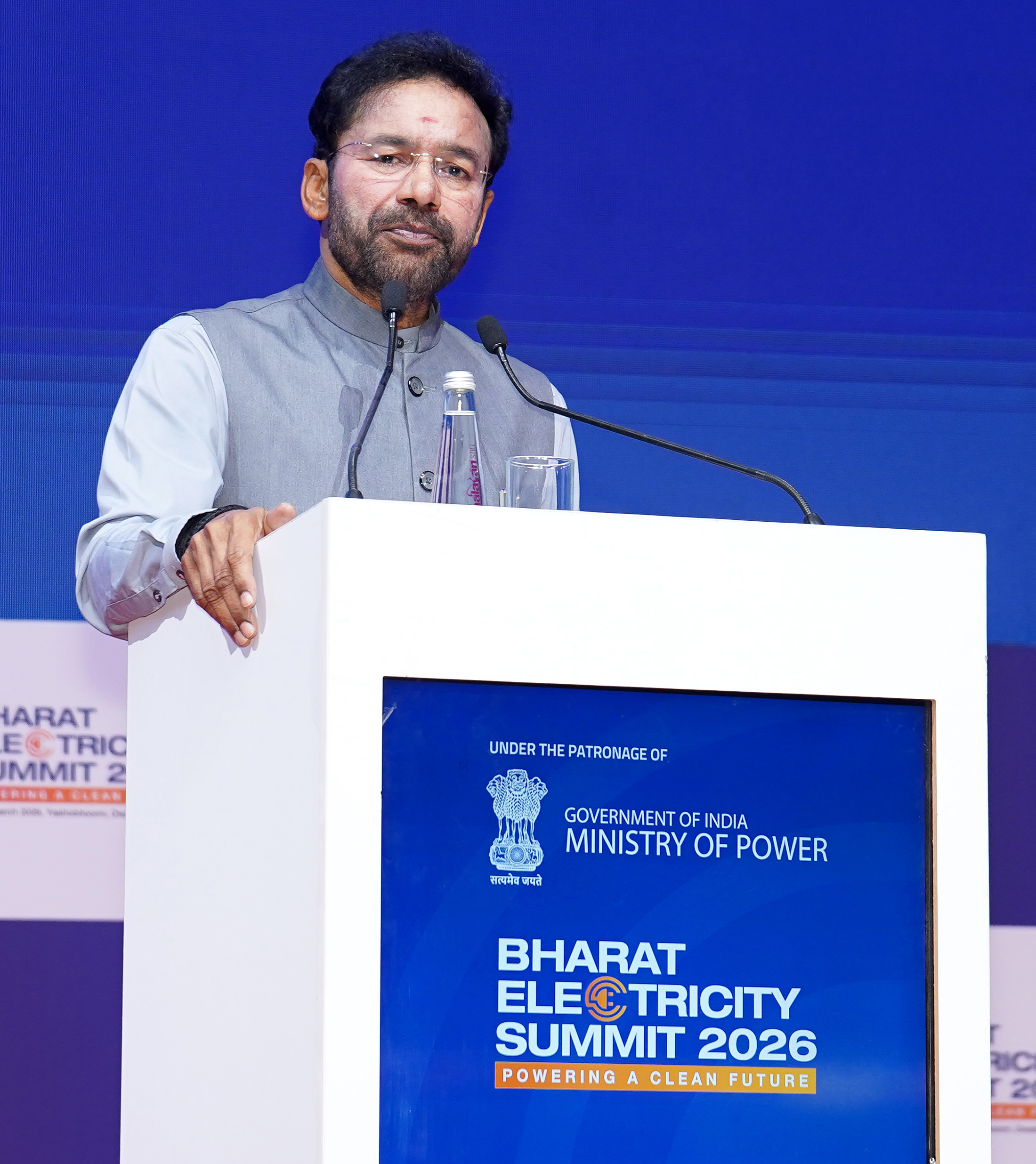
New Delhi, Mar 22 (BNP): G. Kishan Reddy on Sunday said coal gasification will play a pivotal role in strengthening India’s energy security, reducing import dependence and supporting industrial growth, while addressing the Bharat Electricity Summit 2026.

Speaking to industry leaders, experts, start-ups, researchers and policymakers, the minister said India’s rapidly expanding economy requires a balanced energy strategy that aligns growth with sustainability. He noted that under the leadership of Narendra Modi, the country is witnessing strong progress across manufacturing, infrastructure, digital connectivity and innovation.

Coal Gasification Crucial for Energy Security, Industrial Growth: G. Kishan Reddy

Highlighting India’s vast coal reserves of nearly 400 billion tonnes—among the largest globally—Reddy said coal currently accounts for about 55 per cent of the country’s energy mix and nearly 74 per cent of electricity generation. With annual demand at around one billion tonnes and expected to rise significantly by 2047, he underlined the continued importance of coal even as India pursues its Net Zero emissions target by 2070.

Describing coal gasification as a transformative technology, the minister said it converts coal into syngas, which can be used to produce cleaner fuels, chemicals, fertilisers and hydrogen, enabling more efficient and sustainable utilisation of domestic resources. He also pointed to India’s heavy dependence on imports, including crude oil, natural gas, methanol and fertilisers, stressing the need to enhance energy self-reliance.

Reddy said the government has launched the National Coal Gasification Mission with a target of achieving 100 million tonnes of gasification by 2030. An incentive scheme worth ₹8,500 crore has been introduced to support projects across the public and private sectors, with investments exceeding ₹64,000 crore already in the pipeline.

He also highlighted advanced technologies such as Underground Coal Gasification (UCG) for their potential to utilise otherwise inaccessible reserves while reducing environmental impact.

Calling for greater collaboration among industry, academia, start-ups and research institutions, the minister said coal gasification spans multiple sectors, including power, oil and gas, and fertilisers. He reaffirmed the government’s commitment to facilitating investments through supportive policies, streamlined approvals and incentives.

Expressing confidence in India’s capabilities, Reddy said the country is well-positioned to emerge as a global leader in clean coal technologies while advancing energy security, sustainability, and self-reliance.

PM Modi Chairs CCS Meet on West Asia Conflict, Orders Steps to Safeguard Supplies and Economy

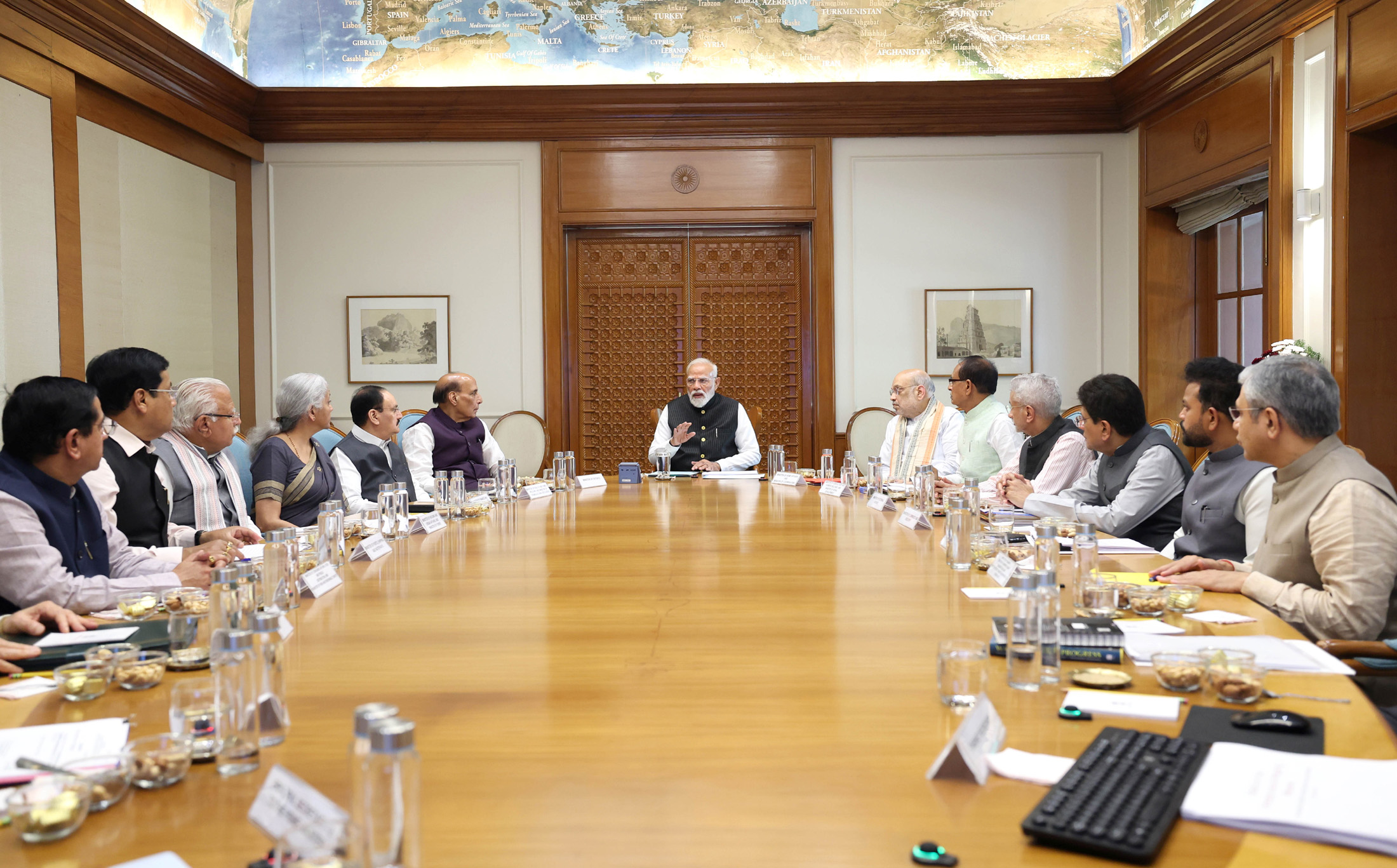
New Delhi, Mar 23 (BNP): Narendra Modi on Monday chaired a meeting of the Cabinet Committee on Security (CCS) to review the evolving situation arising from the ongoing West Asia conflict and directed a coordinated government response to mitigate its impact on India’s economy and essential supplies.

During the meeting, the Cabinet Secretary made a detailed presentation on the global scenario and outlined measures already undertaken as well as those being planned by various ministries and departments. The CCS reviewed the likely implications of the conflict across key sectors including agriculture, fertilisers, food security, petroleum, power, MSMEs, trade, shipping, finance and supply chains.

PM Modi Chairs CCS Meet on West Asia Conflict, Orders Steps to Safeguard Supplies and Economy

The Prime Minister emphasised that the conflict could have significant short-, medium- and long-term implications for the global economy and its ripple effects on India, and called for proactive and calibrated countermeasures.

A comprehensive assessment of the availability of essential commodities, including food, fuel and energy, was undertaken. The government expressed confidence that adequate arrangements are in place to ensure uninterrupted supply, with detailed strategies discussed for immediate as well as long-term requirements.

The CCS also reviewed the impact on agriculture, particularly fertiliser availability for the upcoming Kharif season. It noted that sufficient buffer stocks have been maintained and discussed alternative sourcing strategies to ensure continued supply to farmers.

On the energy front, the government assessed that adequate coal stocks at power plants would prevent any disruption in electricity supply across the country.

The meeting also deliberated on diversifying import sources for critical inputs required by the chemicals, pharmaceuticals and petrochemicals sectors. In parallel, efforts will be made to identify and develop new export destinations to promote Indian goods.

The Prime Minister directed that a group of ministers and secretaries be constituted to oversee a “whole-of-government” approach, with dedicated sectoral groups working in consultation with stakeholders to implement mitigation measures.

Stressing the need to minimise the impact on citizens, Modi instructed all arms of the government to work in close coordination and ensure that there is no inconvenience to the public. He also called for effective coordination with state governments to prevent black-marketing and hoarding of essential commodities.

Describing the situation as dynamic, the Prime Minister said continuous monitoring and timely intervention would be critical to safeguarding national interests.

VP Radhakrishnan Stresses Naturopathy, Yoga for ‘Swasth Bharat’ at Pune Event

Pune, Mar 23 (BNP): C. P. Radhakrishnan on Sunday addressed the 81st Foundation Day celebrations of Nisargopachar Ashram in Pune, underscoring the importance of naturopathy and yoga in building a healthy India.

Speaking at the event held in Uruli Kanchan, the Vice-President said institutions like the Ashram are vital to the vision of a “Swasth Bharat”, describing it as not merely an institution but a movement inspired by Mahatma Gandhi’s philosophy of simple and disciplined living in harmony with nature.

He noted that both Gandhi, who conceptualised the Ashram, and the farmer who donated land for it deserve the nation’s gratitude. Emphasising Gandhian principles, he said nature is the greatest healer and true health lies in simplicity, discipline, and alignment with natural living.

Highlighting the growing burden of lifestyle diseases, Radhakrishnan said the Ashram’s message is more relevant than ever. He stressed that health goes beyond the absence of disease and includes physical, mental, and spiritual well-being, urging people to adopt balanced nutrition, regular physical activity, and mental peace.

Recalling his tenure as Governor of Jharkhand and Maharashtra, he said he had witnessed indigenous healing practices among tribal communities, rooted in traditional knowledge and reflecting India’s long-standing civilisational wisdom in holistic healthcare.

The Vice-President said that under the leadership of Narendra Modi, India’s traditional systems of medicine have gained global recognition, with AYUSH institutions contributing to preventive healthcare and wellness tourism. He added that yoga and naturopathy complement modern medicine and are valuable contributions from India to the world.

Observing that material success alone does not guarantee happiness, he said true fulfilment lies in balance and harmony. “When individuals are healthy, families become strong; when families are strong, society prospers; and when society prospers, the nation rises,” he said.

Radhakrishnan emphasised that as India moves towards the vision of “Viksit Bharat”, equal focus must be placed on achieving a “Swasth Bharat”, with institutions like Nisargopachar Ashram playing a key role.

On the occasion, he paid floral tributes to Gandhi and Manibhai Desai, and released the book Secrets of Our Happiness, authored by Dr. Narayan Hegde, Managing Trustee of the Ashram.

Among those present were Maharashtra Governor Jishnu Dev Varma, Rajya Sabha Deputy Chairman Harivansh, Deputy Chief Minister Sunetra Ajit Pawar, and Legislative Council Deputy Chairperson Neelam Gorhe, among other dignitaries.

Epson showcases education innovation as Platinum Sponsor of the Australian Secondary Principals’ Association National Summit (ASPA)

Held from 24–25 March 2026 at Gandel Hall in the National Gallery of Australia, Canberra 

CANBERRA, 23 March 2026 – Epson Australia will take centre stage as a Platinum Sponsor at the upcoming Australian Secondary Principals’ Association (ASPA) National Summit, bringing some of its latest education technology solutions to one of the country’s most influential gatherings of public secondary school leaders.

Held from 24–25 March 2026 at Gandel Hall in the National Gallery of Australia, Canberra, the summit will bring together delegates including leading secondary school principals from across Australia, heads of principals’ associations, senior education policymakers, academics, politicians, students and representatives from parent and community organisations.

Organised by the Australian Secondary Principals’ Association (ASPA) — the national peak body advocating for Australia’s public secondary school principals — the summit provides a unique forum to address critical challenges facing schools and to shape the future of secondary education policy and leadership.

As a Platinum Sponsor, Epson will have a prominent presence throughout the two-day event, demonstrating its commitment to supporting educators and equipping schools with innovative, reliable technology designed to enhance learning outcomes and streamline administrative workflows.

Epson’s participation highlights its ongoing dedication to the education sector, where schools increasingly rely on advanced technology to support teaching, collaboration and efficient document management.

Epson technology on display
Summit attendees will have the opportunity to experience one of Epson’s latest solutions designed for education and enterprise environments, the WorkForce DS-32000 A3 high-speed document scanner, designed to streamline document capture and digital record management for busy education environments.

This powerful scanning solution helps schools digitise records, manage administrative tasks efficiently and support paper-to-digital workflows.

Key features of the DS-32000 include:

  • High-speed scanning – capable of handling large volumes of documents
  • Support for a wide range of media types – including A3 documents and bound materials
  • Advanced image processing – for clear, accurate digital records
  • Excellent network connectivity – allows easy integration into school workflows

Epson showcases education innovation as Platinum Sponsor of the Australian Secondary Principals’ Association National Summit (ASPA)

Epson DS-32000 A3 high-speed document scanner

In addition to scanners Epson also has a range of printers designed to meet the needs of the education sector including the WorkForce Enterprise AM-C400, the WorkForce Enterprise AM-C4000 and the SureColor T3160.

The AM-C400 is a compact A4 colour multifunction inkjet printer with a high-resolution output of 600 x 1200 dpi and the AM-C4000 is a high-performance A3 colour multifunction printer with a professional, even higher resolution output of 600 x 2400 dpi. Both printers offer print speeds of up to 40 ISO ppm in mono and colour.

 

Epson showcases education innovation as Platinum Sponsor of the Australian Secondary Principals’ Association National Summit (ASPA)

Epson WorkForce Enterprise AM-C400

Built for productivity, the AM-C400 and AM-C4000 combine print, copy, scan and workflow integration capabilities in a compact, scalable footprint suited to high-volume environments such as schools, universities and administrative departments.

Powered by Epson’s PrecisionCore Heat-Free Technology, these printers deliver fast, reliable and energy-efficient printing while reducing operational costs and environmental impact. 

Epson showcases education innovation as Platinum Sponsor of the Australian Secondary Principals’ Association National Summit (ASPA)

Epson WorkForce Enterprise AM-C4000


Epson WorkForce Enterprise AM-C400 and AM-C4000 key features include:

• High reliability – simple mechanism for environments where downtime is a not an option

• More sustainable – lower power consumption saves energy thanks to Epson’s Heat-Free Technology

• Small footprint – amongst the smallest footprints in their class

• Solution compatibility – a wide variety of integrated software solutions

• Award winning design – specifically designed to blend in with and complement just about any school, office or work environment

• Powered by PrecisionCore – advanced printing technology engineered by Epson to power the world’s top performing printers

• Work with Epson Remote Services – cloud-based, advanced diagnosis of Epson printers and MFPs

The Epson SureColor T3160M is a compact 24-inch large-format wireless multi-function printer that includes an integrated scanner designed for precision, speed and reliability. Engineered for professionals in education, architecture, engineering and design it delivers high-quality CAD drawings, posters and technical documents with exceptional accuracy and efficiency.

Epson showcases education innovation as Platinum Sponsor of the Australian Secondary Principals’ Association National Summit (ASPA)

The 24-inch Epson SureColor T3160M

The 24-inch SureColor T3160M also supports copy enlargements and reductions, as well as enhanced tracing and offers highlight detection for scanning annotated blueprints.

Built on Epson’s PrecisionCore technology and powered by UltraChrome XD2 pigment inks, the T3160M produces sharp lines, vibrant colours and durable prints that are resistant to water and smudging. Its space-saving design and flexible media handling make it ideal for educational offices and institutions requiring professional-grade wide-format output. 

Key features of the SureColor T3160M

  • High-speed performance – produces A1 prints in as little as 34 seconds for fast turnaround 
  • PrecisionCore print technology – delivers sharp detail and consistent output at up to 2400 × 1200 dpi 
  • Durable pigment inks – UltraChrome XD2 inks provide water- and smudge-resistant prints for professional use 
  • Wide-format capability – supports media up to 24 inches (610 mm) wide, including roll and cut-sheet paper 
  • Integrated auto-cutter – ensures clean, precise finishing of prints 
  • Flexible media handling – up to sheet feeder and roll-to-sheet switching for seamless workflow 
  • Compact, space-saving design – suitable for desktops or floor-standing configurations in smaller workspaces 
  • User-friendly interface – 4.3-inch colour touchscreen for intuitive operation 
  • Connectivity and integration – supports Wi-Fi, Wi-Fi Direct, Ethernet, AirPrint, and CAD/GIS software workflows 
  • Low running costs – energy-efficient operation with individual ink cartridges for cost control

EcoTank printer giveaway at ASPA 2026
To celebrate its Platinum Sponsorship and participation at ASPA, Epson will also host a giveaway of an EcoTank ET-4950 printer, offering one lucky attendee the opportunity to take home Epson’s premium, award-winning cartridge-free printing solution.

Epson showcases education innovation as Platinum Sponsor of the Australian Secondary Principals’ Association National Summit (ASPA)

EcoTank ET-4950 printer

The EcoTank range is known for its ultra-low-cost printing, refillable ink tanks, and reduced environmental impact making it a popular choice for schools and home offices alike.

Event

ASPA National Summit 2026

Dates

Tuesday 24 March – Wednesday 25 March 2026
Show times
Tuesday 24 March – 8:45am to 5:00 pm
Wednesday 25 March – 7:30 am to 2:45 pm

Location

Gandel Hall, National Gallery of Australia, Canberra ACT

Summit delegates are invited to visit Epson during the event to explore the latest solutions designed to support modern education environments.