Union Textiles Minister Giriraj Singh Reviews Carpet, Footwear and Technical Textile Sectors in Agra

Agra, March 21 (BNP): Union Textiles Minister Giriraj Singh visited Agra, Uttar Pradesh, to review the progress and future potential of key sectors including carpets, handicrafts, footwear, and technical textiles.

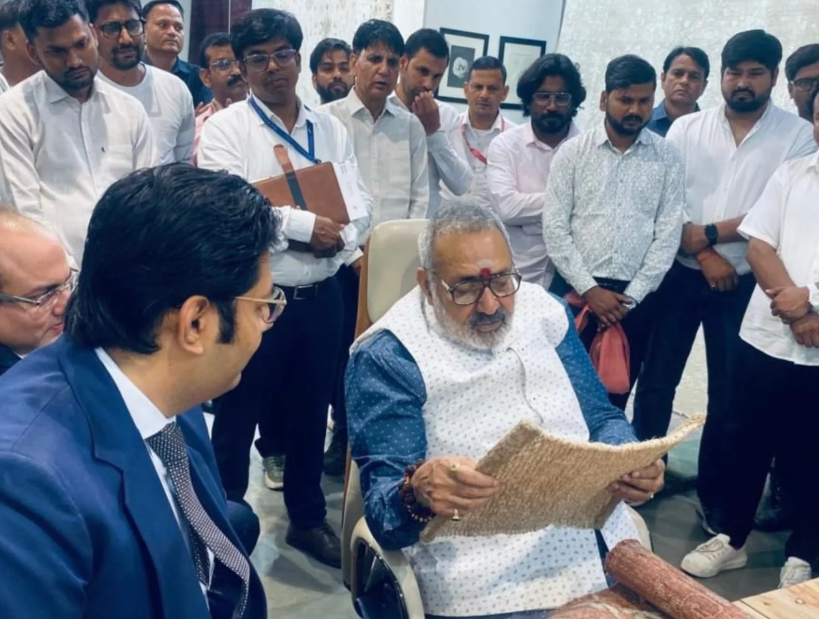
During the visit, the Minister toured a carpet manufacturing facility and assessed sustainable production practices such as the use of vegetable dyes, organic wool, and eco-friendly processes. He noted that such initiatives align the industry with global sustainability and quality standards.
Union Textiles Minister Giriraj Singh Reviews Carpet, Footwear and Technical Textile Sectors in Agra


Interacting with exporters and designers, Singh discussed evolving global trends and emphasised the importance of promoting alternative fibres like banana fibre. He highlighted the need to strengthen the “India Handmade” brand and encouraged the use of indigenous tools such as Vision NXT for trend forecasting and design innovation.

The Minister also visited a footwear manufacturing unit, where he reviewed the integration of technical textiles in improving product quality and export potential. He appreciated the role of young professionals in driving innovation within the sector.

A stakeholder meeting was held with representatives from the footwear and technical textiles industries, where discussions focused on expanding the use of advanced technologies, including artificial intelligence, enhancing product design, and shifting towards high-value, export-oriented manufacturing.

Singh underlined that technical textiles will play a key role in transforming India’s footwear industry into a globally competitive and design-driven sector. He reiterated the government’s commitment to supporting both traditional sectors such as carpets and handicrafts, as well as emerging segments like technical textiles.

The visit also included a handicrafts exhibition showcasing the craftsmanship and cultural heritage of local artisans.

Officials said the visit highlighted the importance of sustainability, innovation, and technology adoption in strengthening India’s textile ecosystem and boosting its global competitiveness

Krishna Kumar Thakur Takes Charge as Director (Personnel) at NMDC

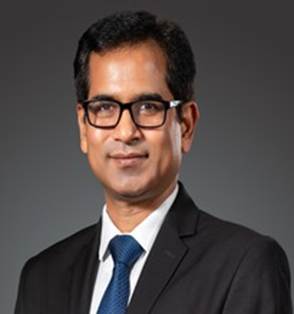
New Delhi, March 20 (BNP): Krishna Kumar Thakur has assumed charge as Director (Personnel) at NMDC Limited, the country’s largest iron ore producer.

Krishna Kumar Thakur Takes Charge as Director (Personnel) at NMDC

A 1998 batch officer of the Indian Railway Personnel Service (IRPS), Thakur brings over two decades of experience in human resource management and administration across Indian Railways and central public sector enterprises.

During his tenure in Indian Railways, he handled key HR functions in major divisions including Solapur, Bhopal, and Mumbai. As Chairman of the Railway Recruitment Cell, Western Railway, he oversaw large-scale recruitment, facilitating the induction of around 12,000 employees.

He has also worked with RITES Limited, where he was involved in an international train operations project in Saudi Arabia, and served as head of HR at Konkan Railway Corporation Limited, contributing to policy reforms and streamlining HR processes.

Prior to joining NMDC, Thakur served as Director (HR) at Bharat Heavy Electricals Limited, where he led initiatives in HR, legal, and health, safety, and environment (HSE) domains. His work included restructuring HR functions, introducing uniform incentive schemes, and implementing multi-skilling initiatives to improve workforce efficiency and retention.

An alumnus of Tilka Manjhi Bhagalpur University, Thakur holds a postgraduate degree in Literature and a PGDM in Human Resources from Tata Institute of Social Sciences.

Officials said his extensive experience is expected to strengthen NMDC’s human resource framework and support the organisation’s focus on employee development and operational excellence.

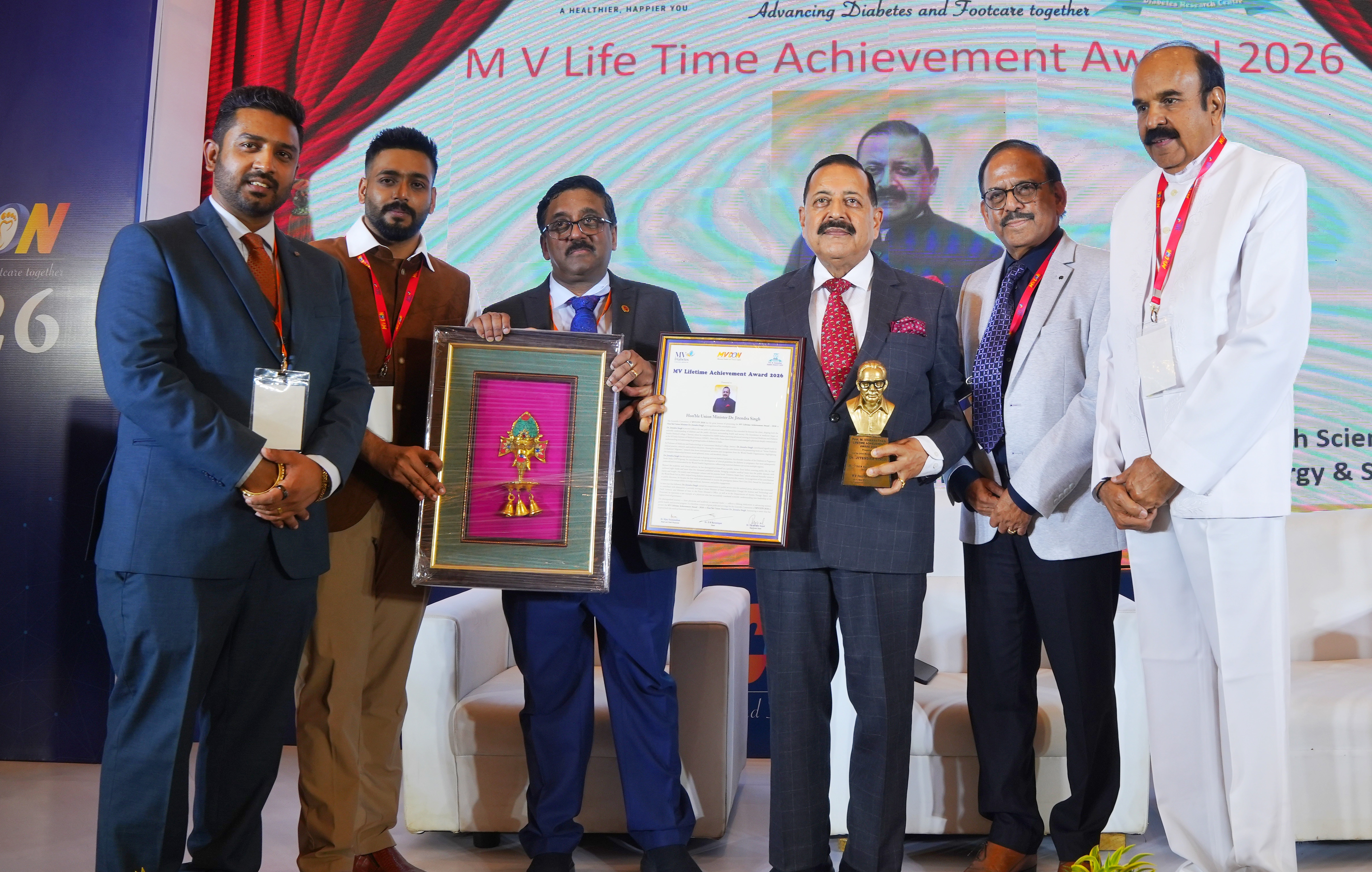
Dr Jitendra Singh Receives Lifetime Achievement Award for Contributions to Diabetes Care

Chennai, March 20 (BNP): Union Minister of State (Independent Charge) for Science and Technology Jitendra Singh was conferred the Lifetime Achievement Award in Medicine and Diabetes at a national medical conference in Chennai, in recognition of his contributions to diabetes care and public health.

The award was presented at MVCON 2026, a national-level conference organised by the M.V. Hospital for Diabetes and Prof. M. Viswanathan Diabetes Research Centre. The citation acknowledged his work as a distinguished medical professional, author, and advocate in advancing diabetes treatment and awareness.

Dr Jitendra Singh Receives Lifetime Achievement Award for Contributions to Diabetes Care

This marks the second Lifetime Achievement Award received by Dr. Singh, the first having been conferred at an international medical meet in 2024.

Accepting the honour, Dr. Singh said the recognition holds special significance as it is associated with the legacy of Prof. M. Viswanathan, regarded as one of the founding figures of diabetology in India.

Reflecting on his early career, he credited Stanley Medical College for shaping his professional journey and emphasised the importance of mentorship, ethical practice, and compassion in building a successful medical career.

He noted that medical science has undergone a major transformation, evolving from traditional bedside diagnosis to technology-driven systems supported by artificial intelligence, and described himself as a witness to this transition.

Dr. Singh, a renowned diabetologist and academician, has contributed extensively to medical research and literature, with thousands of publications and several books. His work on “stress diabetes” among displaced populations has received international recognition.

The conference saw participation from over 700 delegates, including leading experts and international faculty, and featured discussions, workshops, and research presentations focused on improving diabetes care and patient outcomes.

NHAI to Deploy AI-Powered Dashcam System for Real-Time Highway Monitoring

New Delhi, March 21 (BNP): The National Highways Authority of India (NHAI) will roll out an AI-powered dashcam monitoring system across nearly 40,000 km of the National Highway network to enhance operations, maintenance, and road safety.

The initiative will use advanced Artificial Intelligence (AI) and Machine Learning (ML) technologies to enable data-driven monitoring of highways and expressways. Specialised dashboard cameras will be installed on Route Patrol Vehicles (RPVs), which will conduct weekly surveys across highway stretches.

Officials said the system will use high-resolution imagery and video data to automatically detect over 30 types of road defects and anomalies. These include pavement-related issues such as potholes, rutting, and cracks, as well as problems with road infrastructure like damaged lane markings, faulty crash barriers, and non-functional streetlights.

NHAI to Deploy AI-Powered Dashcam System for Real-Time Highway Monitoring

The system will also monitor safety concerns and encroachments, including illegal median openings, unauthorised signboards, and improper parking along highways. Night-time surveys will be conducted periodically to assess visibility of road signs, pavement markings, lighting, and reflectors.

In addition, the AI-based solution will track issues such as waterlogging, vegetation growth, and drainage problems, enabling timely intervention and maintenance.

To streamline monitoring, NHAI has divided the network into five zones and will deploy a dedicated IT platform with analytics dashboards and data visualisation tools. The platform will allow comparison of road conditions over time and integrate findings into the central data system for efficient decision-making.

Officials said the move marks a major step towards technology-driven highway management, aimed at improving maintenance efficiency, enhancing road safety, and providing a better travel experience for users across the country.

Centre, States Discuss Energy Security at Bharat Electricity Summit 2026; DISCOM Reports Released

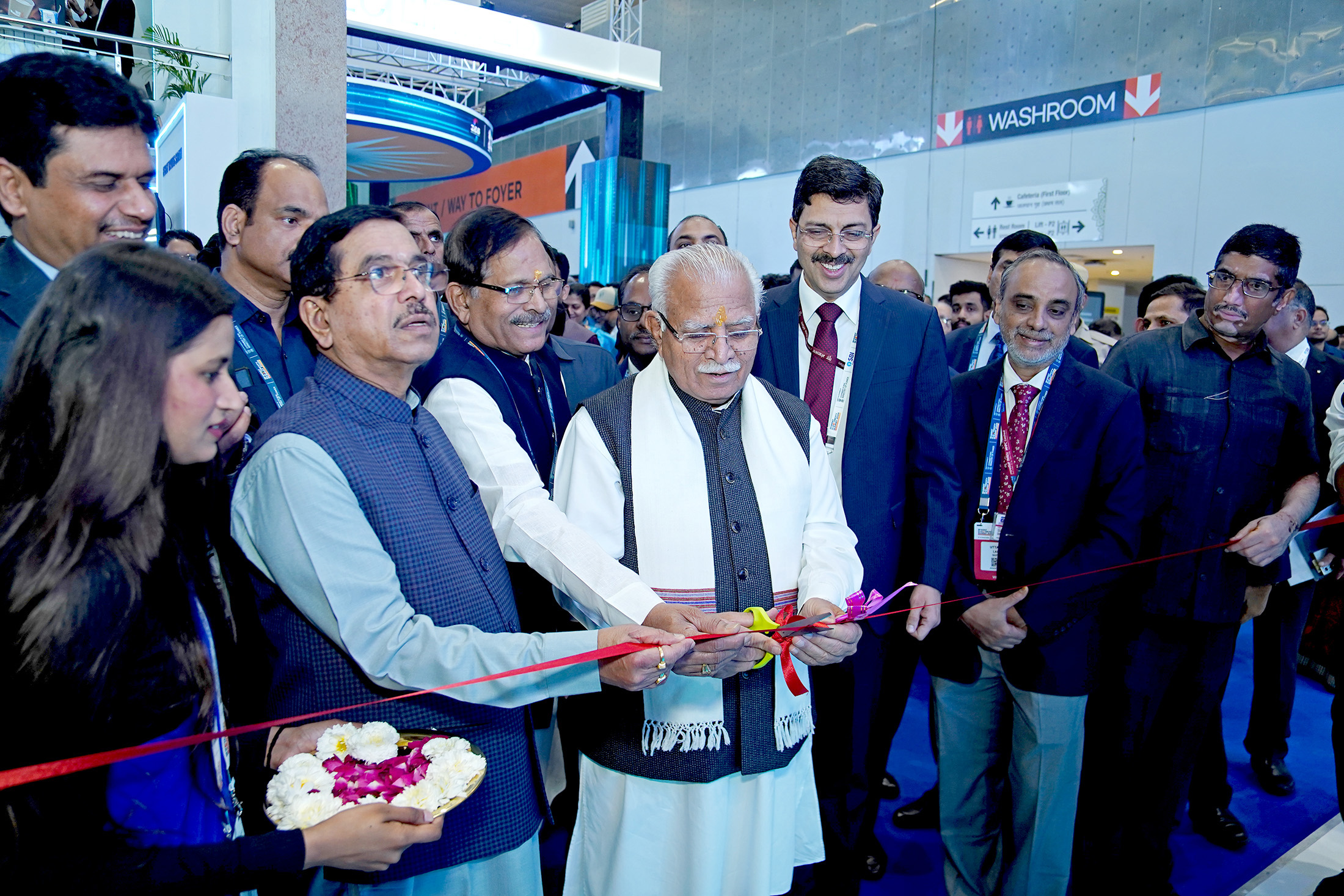
New Delhi, March 20 (BNP): Union Power Minister Manohar Lal Khattar chaired a high-level ministerial meeting with States and Union Territories during the Bharat Electricity Summit 2026, focusing on strengthening energy security and accelerating sectoral reforms.

The meeting, held on the second day of the summit, was co-chaired by Minister of State for Power and New & Renewable Energy Shripad Naik and attended by senior officials and energy ministers from across the country.

Addressing the gathering, the Union Minister highlighted that India has achieved over 520 GW of installed power capacity and has made significant progress in improving distribution company (DISCOM) performance, expanding smart metering, and reducing power shortages.

He stressed that coordinated efforts between the Centre and States are essential to ensure affordable, efficient, and reliable power supply. Emphasising the importance of energy security amid global uncertainties, he called for increased per capita energy consumption and faster adoption of renewable energy sources.

Centre, States Discuss Energy Security at Bharat Electricity Summit 2026; DISCOM Reports Released

The Minister also pointed to the potential of nuclear energy as a clean power source and described the SHANTI Act as an important step towards strengthening the energy framework. He assured States of full support from the Centre in implementing necessary legal and administrative reforms.

Speaking at the meeting, Shripad Naik underlined the role of technology and artificial intelligence in transforming the power sector, particularly through initiatives such as smart metering. He noted that nearly half of India’s installed power capacity now comes from non-fossil fuel sources and highlighted the draft National Electricity Policy aimed at achieving long-term energy goals.

During the meeting, the Ministry of Power released two key reports for FY 2024–25 — the Consumer Service Ratings of DISCOMs (CSRD) and the Distribution Utilities Ranking (DUR).

The CSRD report evaluates DISCOMs on parameters such as billing accuracy, grievance redressal, and tariff transparency. Based on performance, utilities are graded from A+ to D to promote competition and service improvement. Of the 66 DISCOMs assessed, six received the top A+ rating, while 21 were rated A and 27 received B+ grades.

Officials said the improved ratings reflect better service delivery and consumer satisfaction, with fewer utilities falling in lower performance categories, indicating an overall positive trend in the power distribution sector.

The meeting underscored the need for collective action to meet rising energy demand while ensuring sustainability, reliability, and affordability across the country

Govt Invites Global Bids for Rare Earth Magnet Manufacturing Under Rs.7,280 Crore Scheme

New Delhi, March 21 (BNP): The Ministry of Heavy Industries has invited global bids for setting up integrated Sintered Rare Earth Permanent Magnet manufacturing facilities in India, under a flagship scheme aimed at boosting domestic production and reducing import dependence.

The Request for Proposal (RFP) seeks to establish facilities for manufacturing Sintered NdFeB Rare Earth Permanent Magnets with a total capacity of 6,000 Metric Tonnes Per Annum (MTPA). The bidding process will be conducted online through the Central Public Procurement (CPP) Portal using a transparent two-stage Least Cost System (LCS), comprising technical and financial bids.

Govt Invites Global Bids for Rare Earth Magnet Manufacturing Under Rs.7,280 Crore Scheme


According to the Ministry, the tender documents have been made available from March 20, 2026, with a pre-bid conference scheduled for April 7. The last date for submission of bids is May 28, while technical bids will be opened on May 29.

The scheme, approved by the Union Cabinet chaired by Prime Minister Narendra Modi in November 2025, has a financial outlay of ₹7,280 crore and aims to position India as a key player in the global rare earth magnet market.

Under the initiative, selected beneficiaries will be eligible for a capital subsidy of ₹750 crore and sales-linked incentives worth ₹6,450 crore. Each participant will be allocated manufacturing capacity ranging from 600 to 1,200 MTPA.

The scheme also provides for limited assured supply of NdPr oxide from IREL (India) Limited to the three lowest bidders, ensuring raw material availability for production.

Rare Earth Permanent Magnets are critical components used in sectors such as electric vehicles, wind energy, electronics, aerospace, and defence. Officials said the development of a complete domestic value chain—from raw materials to finished magnets—will significantly reduce reliance on imports and strengthen India’s strategic and industrial capabilities.

The Ministry said the initiative marks a major step towards building a self-reliant ecosystem in advanced materials and clean energy technologies.

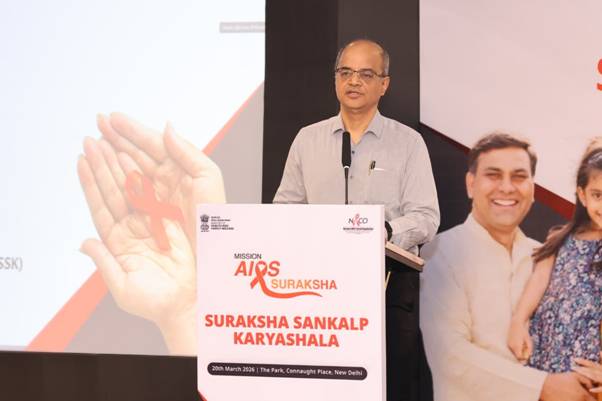
Centre Holds ‘Suraksha Sankalp’ Workshop to Strengthen HIV Response in Delhi, Haryana

New Delhi, March 21 (BNP): The Ministry of Health and Family Welfare, through the National AIDS Control Organisation (NACO), convened the ‘Suraksha Sankalp Karyashala’ in Delhi to accelerate district-level HIV/AIDS response, with a focused approach on Haryana and the national capital.

The workshop, chaired by Rakesh Gupta, aimed to strengthen data-driven, district-specific strategies to improve prevention, testing, treatment, and overall service delivery for HIV/AIDS.

Centre Holds ‘Suraksha Sankalp’ Workshop to Strengthen HIV Response in Delhi, Haryana


In his keynote address, Dr. Gupta stressed that HIV/AIDS continues to be a significant public health challenge, requiring coordinated and sustained efforts across all levels of governance. He highlighted the global 95:95:95 targets, which aim to ensure that 95 per cent of people living with HIV know their status, 95 per cent of those diagnosed receive treatment, and 95 per cent of those on treatment achieve viral suppression.

Reviewing current progress, officials noted that Delhi faces critical gaps, with only about 70 per cent of identified individuals linked to treatment, while Haryana has achieved an encouraging cascade of approximately 81:83:95, though further improvements are needed in diagnosis and treatment linkage.

The workshop also emphasised the elimination of mother-to-child transmission of HIV, which can be prevented through timely testing, counselling, and treatment during pregnancy, childbirth, and breastfeeding.

Officials said 219 districts across the country have been identified as priority areas for intensified HIV interventions, including 7 districts in Delhi and 11 in Haryana. District-level teams participated in the workshop to present progress, identify challenges, and develop targeted action plans.

Dr. Gupta called for a “whole-of-system” approach, urging stronger coordination between national, state, and district stakeholders to address gaps in awareness, testing, and treatment adherence.

He also outlined India’s goal of bringing HIV/AIDS under control by World AIDS Day 2027, with an enhanced target of achieving 95:95:99 metrics in the coming years.

The workshop forms part of India’s broader strategy to end AIDS as a public health threat by 2030, focusing on evidence-based interventions, improved treatment access, and reducing stigma and discrimination.

Centre Sets Up National Dental Commission, Replaces Dental Council of India

New Delhi, March 21 (BNP): The Government of India has constituted the National Dental Commission (NDC), marking a major reform in dental education and regulation, with the aim of improving quality and aligning standards with global benchmarks.

The new framework, notified on March 19, 2026, replaces the Dental Council of India and comes into effect immediately. With this, the Dentists Act, 1948 has been repealed, and the existing regulatory structure has been dissolved.

Officials said the move represents a shift towards a transparent, accountable, and quality-driven regulatory system, replacing the earlier elected body with a more streamlined governance model.

Centre Sets Up National Dental Commission, Replaces Dental Council of India


The NDC will function through three autonomous boards to oversee key areas. The Undergraduate and Postgraduate Dental Education Board will regulate academic standards, while the Dental Assessment and Rating Board will handle accreditation and institutional evaluation. The Ethics and Dental Registration Board will be responsible for professional conduct and registration of practitioners.

Dr. Sanjay Tewari has been appointed as Chairperson of the Commission, with Dr. Mousumi Goswami as a part-time member.

Other key appointments include Dr. Chandrashekhar Janakiram as President of the Education Board, Lt. Gen. (Retd.) Nanda Kishore Sahoo heading the Assessment and Rating Board, and senior professionals appointed across all boards to ensure effective implementation.

The Commission will be responsible for framing regulations, assessing and rating dental institutions, promoting research, evaluating human resource requirements, and setting standards for education, community dental care, and professional ethics.

It will also frame guidelines for fee regulation in private dental colleges, a move aimed at improving transparency and affordability in dental education.

Officials said the reform is expected to enhance the quality of dental education, strengthen healthcare delivery, and expand access to affordable oral healthcare services across the country.

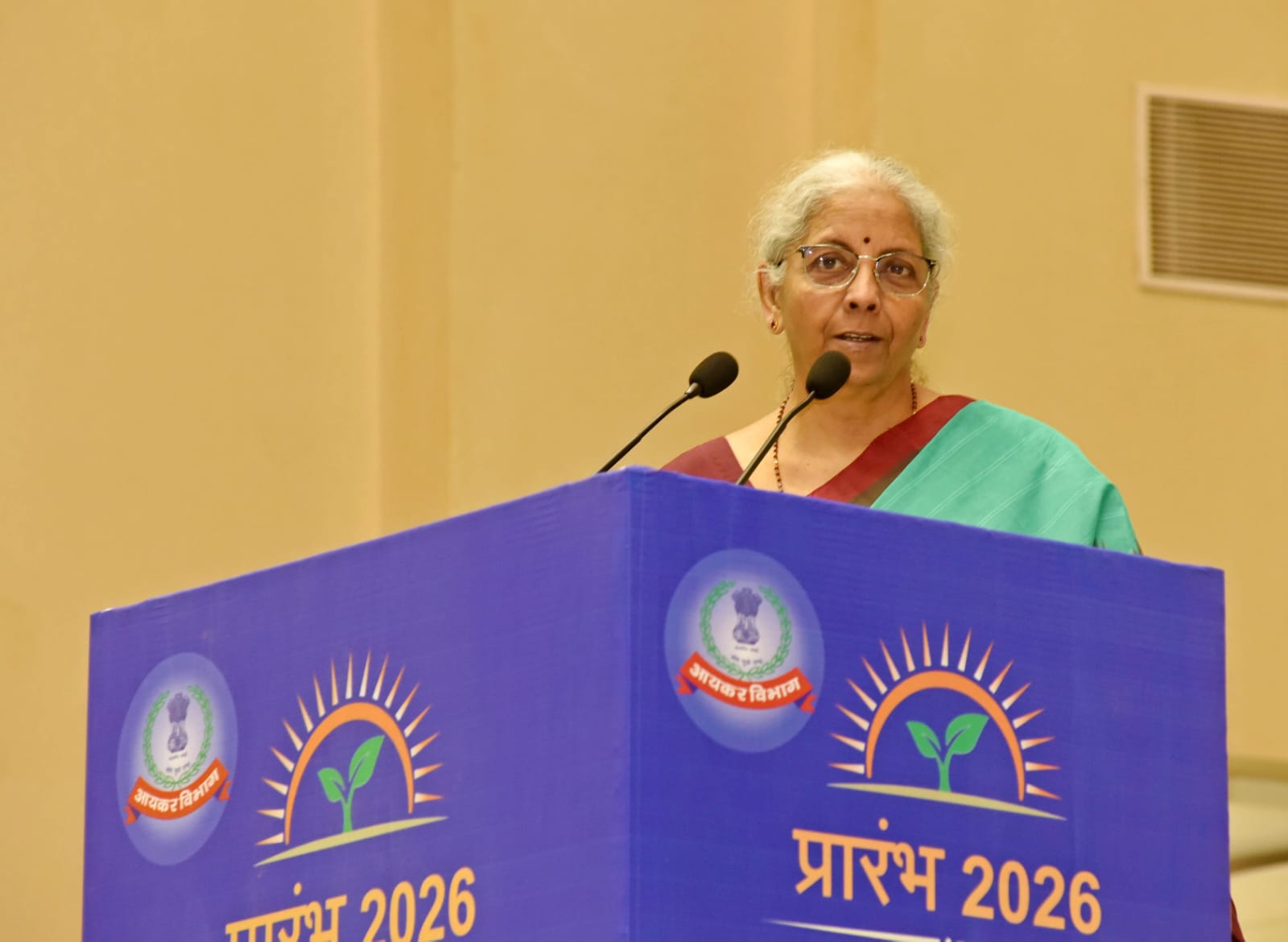
Sitharaman Launches ‘PRARAMBH 2026’ Campaign to Promote New Income Tax Act

New Delhi, March 21 (BNP): Union Finance and Corporate Affairs Minister Nirmala Sitharaman on Saturday launched ‘PRARAMBH 2026’, a nationwide awareness campaign aimed at educating taxpayers about the upcoming Income Tax Act, 2025.

The multimedia campaign, which will run across print, television, radio, digital and social media platforms, seeks to familiarise citizens with the key features of the new law ahead of its implementation from April 1, 2026.

As part of the initiative, the Minister also inaugurated the upgraded Income Tax Website 2.0, designed to offer improved navigation, enhanced usability, and more efficient service delivery for taxpayers.

Sitharaman Launches ‘PRARAMBH 2026’ Campaign to Promote New Income Tax Act


Addressing the gathering, Sitharaman said the new Income Tax Act represents a major step towards simplifying tax laws, reducing disputes, and improving voluntary compliance. She noted that, for the first time in independent India, both direct and indirect tax systems are being overhauled simultaneously to create a more citizen-centric framework.

The Minister emphasised that effective implementation of the law is as important as its formulation, urging tax officials to adopt a trust-based and empathetic approach while leveraging technology to minimise human interface.

Highlighting outreach efforts, she said the campaign includes guidance materials such as brochures, tutorial videos, FAQs, and interactive initiatives like quizzes to ensure better understanding among taxpayers. The Department is also focusing on multilingual communication and digital engagement to reach a wider audience.

Referring to Prime Minister Narendra Modi’s vision of a human-centric digital era, Sitharaman said the new tax regime should be rooted in ethical governance, accountability, and inclusivity.

Revenue Secretary Arvind Shrivastava said the Income Tax Act, 2025 marks a shift towards a simpler and more user-friendly tax system, supported by capacity-building efforts within the department.

Chairman of the Central Board of Direct Taxes (CBDT), Ravi Agrawal, described PRARAMBH as a comprehensive outreach and facilitation initiative aimed at easing compliance through clear communication and digital tools.

The campaign will include over 300 workshops and stakeholder consultations across the country. An AI-enabled chatbot, “Kar Saathi,” has also been introduced to assist taxpayers with queries related to the new law.

Officials said PRARAMBH 2026 marks the beginning of a more transparent, simplified, and technology-driven tax administration system, aligned with the government’s broader push for citizen-centric governance.

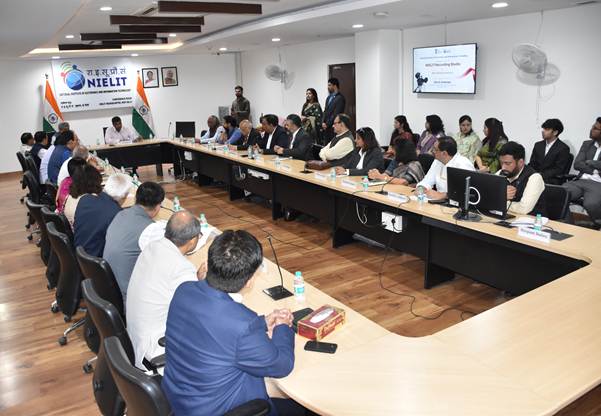
MeitY Inaugurates NIELIT Digital Studio, Signs 12 MoUs to Boost Digital Skilling

New Delhi, March 21 (BNP): Secretary, Ministry of Electronics and Information Technology, S. Krishnan on Saturday inaugurated a state-of-the-art digital recording studio at the National Institute of Electronics and Information Technology (NIELIT) Bhawan in New Delhi, aimed at strengthening high-quality digital learning content creation in the country.

The facility has been set up under MeitY’s EdTech initiative and is expected to enhance technology-enabled learning while serving as a key content development hub for the upcoming NIELIT Digital University platform.

MeitY Inaugurates NIELIT Digital Studio, Signs 12 MoUs to Boost Digital Skilling


Speaking at the event, Krishnan highlighted NIELIT’s role in expanding access to digital skilling, particularly in remote and underserved regions, including the North Eastern states and Union Territories such as Jammu and Kashmir. He noted that NIELIT-trained candidates are increasingly contributing to governance systems, citing their presence in state secretariats.

M. M. Tripathi, Director General of NIELIT, said the new studio will significantly strengthen the institute’s in-house content creation capabilities and support large-scale skilling initiatives across India.

On the occasion, NIELIT also signed 12 Memoranda of Understanding (MoUs) with leading organisations to promote industry-aligned training and innovation. These include Chanakya University, National Institute of Open Schooling, Cyber Security Association of India, Jindal Steel, Rashtriya Raksha University, and Jaypee Institute of Information Technology, among others.

Officials said these collaborations will focus on strengthening digital skilling, advancing curriculum development in emerging technologies, promoting research and innovation, and enhancing employability through internships and capacity-building initiatives.

The initiative is expected to further strengthen India’s digital ecosystem by aligning skilling programmes with industry requirements and expanding access to quality learning resources nationwide.