ICC Hosts 8th Cementing India, Spotlighting Tech & Green Construction Innovation

Kolkata, Dec 3: India’s cement industry is entering a pivotal new era shaped by stricter environmental norms, rapid capacity expansion, and acceleration toward green technologies and digitalisation themes that dominated discussions at the 8th Cementing India Conference hosted by the Indian Chamber of Commerce (ICC). The forum convened leading voices from manufacturing, infrastructure, sustainability, real estate and consulting to chart the sector’s future amid record infrastructure demand.

ICC- 8th CMI (1)

Stronger Environmental Regulation Redefining Industry Operations;

Hemanth Kumar, Vice President, Birla Corporation, highlighted the shift in regulatory enforcement under the amended Air (Prevention and Control of Pollution) Act, which now mandates legally binding siting norms for industrial units.
Under the revised framework:

  • Red-category industries: ≥ 500 m from water bodies/settlements

  • Orange-category units: ≥ 75 m (with discharge), ≥ 30 m (without discharge), ≥ 200 m from settlements

  • Green-category units: ≥ 30 m from water bodies, ≥ 100 m from residential areas

Online Continuous Monitoring Systems have become compulsory, while green-belt norms now stand at 25% (red), 20% (orange) and 10% (green) industries. Kumar noted Birla Corporation’s efforts — over 80,000 plantation activities, Miyawaki afforestation near Chittoor, mine reclamation in Sanmaniyan, and plastic-neutral and three-times water-positive operations supported by asset-scale rainwater harvesting.

Digital Plants, Skill Upgrade and Green Cement Take Centre Stage;

Santanu Adhikari, Cluster Technical Service Head  East, Adani Group, said India produces globally competitive cement, yet rural users consuming nearly 70% of total cement — need better access to construction skill development. He shared that post acquisition of ACC and Ambuja, Adani scaled capacity from 70 to 100 million tonnes within ~30 months, adding nearly 1 million tonnes per month.

“More than seven lakh masons and contractors have been trained,” Adhikari said, detailing 97-point quality checks, AI-driven systems, robotics, sensors, XRD technology, and cross-belt analysers supporting operations. 95% of trade sales now come from green blended cement, backed by 24 plants and 100+ RMC units nationwide.

Construction Boom to Accelerate Demand for Sustainable Cement;

Saket Mohta, Managing Director, Merlin Group, called cement “the silent backbone of development”, emphasising ethical responsibility in product selection. Precast, modular construction, IGBC/GRIHA alignment and blended cement adoption are reshaping build cycles and sustainability benchmarks.

Nuvoco Vistas Corp. Ltd’s Chief Manufacturing Officer (East) & Sustainability Head, Raju Ramachandran, noted India’s current position:

  • Capacity (FY24): 631 million tonnes

  • Production: 417 million tonnes

  • Per-capita consumption: 250–270 kg (far below China, Brazil, Japan)

India’s green cement market, valued at USD 1.5 billion, is expected to double within 5–10 years, driven by LC3 technology and decarbonisation policies. Precast construction, he added, can shorten major project timelines by up to six months.

Future Defined by Digitisation, Policy Support and Sustainability;

Rajib Maitra, Partner, Deloitte, reiterated that low-carbon materials and precast systems will anchor the next phase of growth, with investment decisions increasingly shaped by regulatory evolution and ESG compliance. India, currently 2% of the global precast market, is poised to scale rapidly as national housing and infrastructure programmes expand.

Kailash Tripathi, AVP, Mangalam Cement, stated that the sector’s future resilience will be determined by the speed and depth of digital transformation, resource efficiency, and adoption of cleaner production pathways.

Next revolution will be bio-driven; RDI Fund a unique step to power India’s deep-tech future: Dr Jitendra Singh

Dec 03: Union Minister of State (Independent Charge) for Science & Technology; Minister of State for Earth Sciences; MoS PMO, Personnel, Public Grievances, Pensions, Department of Atomic Energy and Department of Space, Dr Jitendra Singh today said that the next major global revolution will be bio-driven, and that India is uniquely positioned to lead this transformation on the strength of its deep-tech capabilities, robust startup ecosystem and rising domestic institutional capital.

Dr Jitendra Singh

In an exclusive “FireChat” session organised by the “Indian Venture and Alternate Capital Association” (IVCA) in New Delhi, Dr Jitendra Singh described the recently announced ₹1 lakh crore Research, Development, and Innovation (RDI) Fund as “one of the most unique and forward-looking initiatives taken by the Government” to support high-risk, high-reward research in frontier technologies, and to catalyse a new era of partnership between Government, industry and investors. He said the Fund has been designed with a liberal and long-term mindset, with low-interest, patient capital and risk-sharing features that send a clear signal of the Government’s intent to crowd-in private investment rather than crowd it out.

The Minister highlighted that India is rapidly emerging as a deep-tech and science-led innovation power, backed by strong political will at the highest level. He said that, unlike in the past when India often lagged by a decade or more in adopting new technologies, the country is now among the first to frame dedicated biotechnology policies and to open strategic sectors such as space and atomic energy to private participation. He credited the leadership and vision Prime Minister Shri Narendra Modi for breaking long-standing taboos and bringing science, technology, and innovation to the centre of the national development agenda.

Elaborating on the structural change underway in India’s innovation landscape, Dr Jitendra Singh said that the last decade was defined by the digital revolution in areas such as IT, fintech, e-commerce and software, but the coming decade will be led by deep-tech India across sectors like space, bio-manufacturing, green hydrogen, quantum technologies, and advanced materials. He noted that these sectors are science-intensive, capital-intensive, and IP-intensive, and therefore demand a very different kind of risk-tolerant, patient capital than traditional manufacturing or infrastructure.

Dr Jitendra Singh pointed out that the global success stories of advanced economies have been written through the active participation of the private sector, philanthropic investors, and domestic institutional capital. For many years, he observed, India’s mindset was to look up to the Government for everything, and even in sunrise sectors like space or nuclear, the private sector did not anticipate the scale or speed at which reforms would be undertaken. “Even the private sector was not prepared for the kind of proactive, liberal and decisive approach that this Government has brought in sectors like space, nuclear and biotechnology,” he said, adding that the RDI Fund is also intended to help the private sector overcome legacy hesitation and step into frontier areas with confidence.

Referring to India’s fast-growing startup ecosystem, the Minister emphasised that innovation is no longer confined to the big metros. He informed that out of nearly 1.75–2 lakh startups that now place India as the world’s third-largest startup ecosystem, around 60,000 belong to Tier-2 and Tier-3 towns. Calling it a myth that cutting-edge innovation happens only in Bengaluru, Mumbai, or Hyderabad, he said that many of the most determined and aspirational founders are emerging from small towns and government schools, driven by a strong desire to prove themselves and create value.

Sharing his interactions with young innovators in aspirational districts, Dr Jitendra Singh said that the aspiration and awareness levels among students in remote areas are now often higher than those in big cities, thanks to digital connectivity and focused schemes like Vigyan Jyoti. He cited the example of a schoolgirl from an aspirational district who was well-versed with national science schemes and was already demanding that eligibility be expanded to younger classes. “This illustrates how deeply the ecosystem has penetrated, and how the next generation is growing up with a completely different mindset,” he remarked.

The Minister said that, in addition to deep-tech, India has unique strengths in sectors such as the Himalayan ecosystem, the coastal and blue economy, agriculture, aroma and natural products, where thousands of successful startups have been built by founders who are sometimes not even graduates but possess passion, aptitude and an instinct for value creation. He highlighted the Aroma Mission as an example of how science-based interventions can create thousands of rural entrepreneurs, generate export-quality products, and attract international competition.

Dr Jitendra Singh stressed that India today stands at an inflection point, transitioning from being merely a fast-growing major economy to becoming a science-led, innovation-driven global leader. He said that India’s ambition to become a Viksit Bharat by 2047 requires technological strength, economic resilience, and financial self-reliance, for which domestic institutional investors such as pension funds, insurance companies, banks, sovereign-linked entities and family offices will play a critical role. He welcomed the growing participation of domestic Alternate Investment Funds (AIFs) and noted that India today hosts nearly 1,700 registered AIFs with commitments of over ₹15 lakh crore, reflecting deepening capital markets and investor confidence.

Describing the RDI Fund as a cornerstone of this new architecture, the Minister said it will support frontier R&D in areas such as AI, semiconductors, clean energy, biotech, advanced materials, defence-tech, and space-tech, and help India “invent in India, not just Make in India”. He underlined that the Fund is designed to strengthen the entire innovation pipeline from discovery to deployment, and to bring together industry, academia, startups, investors, and public institutions in a unified national innovation framework.

Dr Jitendra Singh also highlighted the complementary role of institutions such as the Anusandhan National Research Foundation (ANRF), sectoral interfaces like IN-SPACe in space and BIRAC in biotechnology, and industry bodies like IVCA. He said these platforms serve as scientific and financial interfaces to structure collaborations, determine optimal partnership models and match investors to appropriate opportunities, avoiding ad-hoc or random engagement and ensuring that each player fits into the most suitable slot within the ecosystem.

Responding to suggestions from fund managers during an interactive conversation, the Minister acknowledged the importance of crowding-in corporate and philanthropic capital for earlier-stage research, including work at lower Technology Readiness Levels. He noted that international philanthropic investments have already begun flowing into India’s science and innovation ecosystem in significant volumes and said this is creating positive examples for domestic philanthropists and corporates to emulate. He emphasised that the Government envisages a “wholesome combination of collaboration” spanning Government, private sector, corporates, philanthropists, and NGOs rather than limiting the innovation partnership to any single segment.

On questions related to interest rates and operationalisation of the RDI Fund, Dr Jitendra Singh said the Government is approaching the initiative with an open and learning mindset. He indicated that the margins could be calibrated based on the first calls and the response pattern, and emphasised that both Government and investors must be willing to learn from each other’s constraints, strengths, and inputs. “This has to be built in a spirit of very close mutual understanding and trust, not as a contest where one side tries to appear better than the other,” he said.

The Minister said that a major, and often under-appreciated, change is the shift in mindset among Indian youth and professionals. He observed that while earlier generations going abroad often had no clear timeline to return, a growing number of young Indians today are planning their return journeys in advance because they see comparable opportunities at home in research, innovation, and entrepreneurship. He noted that more than half of Indian residents working in advanced research ecosystems abroad today are of Indian origin who were born, educated, and trained in India, which demonstrates that the domestic ecosystem is now capable of nurturing world-class talent end-to-end.

Looking ahead to 2030 and beyond, Dr Jitendra Singh said that India will increasingly be defined by its capacity to leapfrog traditional development stages, just as it moved directly from landlines to mobile telephony and emerged as a global IT leader. He mentioned the Deep Ocean Mission, the long coastline, the Himalayan range, and India’s biodiversity as strategic assets that will open up new frontiers in deep-sea mining, fisheries, climate technologies and regenerative solutions, creating fresh opportunities for investors and innovators alike.

Reiterating that no reform or revolution in science and technology can happen in isolation, the Minister called upon fund managers, domestic institutional investors and entrepreneurs present at the Forum to view the coming decades as a “once-in-a-generation moment” to shape the global innovation landscape from India. He said that as the world gradually shifts from a purely manufacturing-centric paradigm to one centred on regeneration, recycling, genetics and bio-driven solutions, India must position itself as a solutions provider for the world, powered by its own capital, scientists, and entrepreneurs.

Dr Jitendra Singh assured the investor community that the Government is committed to providing a predictable, enabling, and forward-looking policy environment and invited them to partner with Government institutions to identify the most suitable areas and models of collaboration. “We are now part of the global scenario, and this is the right time for venture capitalists, domestic institutions, and innovators to invest in India’s new frontiers. Together, we must ensure that India does not only participate in the technologies of the future, but leads them,” he said.

QE Conclave 2025 Brings Together 850+ Industry Leaders; QualiZeal Introduces ValidAIte to Measure AI Reliability and Ethics

The QE Conclave 2025 organized by QualiZeal concluded recently with resounding success, bringing together over 850 attendees from over 400 companies, including CXOs, engineering leaders, and quality innovators from India and beyond. Centered on the theme “Beyond Assurance: Engineering Trust in the Age of AI,” the event underscored how Quality Engineering is now central to building safe, ethical, and experience-rich AI systems.

QE Conclave 2025

Curated by QualiZeal and backed by companies that included BrowserStack, Pcloudly, QApilot, ContextAI, and Synthesized, the conclave marked a turning point for the QE community—culminating in the launch of ValidAIte, an AI validation and trust engineering framework that sets a new benchmark in enterprise assurance.

QE Conclave 2025 wasn’t just a conference—it was a declaration that trust is now the currency of technology,” said Madhu Murty Ronanki, Co-founder and Head of India Operations at QualiZeal. “With ValidAIte, we’ve shown how enterprises can move from testing functionality to validating intelligence and ethics.

Developed by QualiZeal’s AI Assurance and Data Science Practice, ValidAIte integrates globally recognized frameworks such as NIST’s AI Risk Management Framework (RMF) and ISO/IEC 42001, aligning technical testing with responsible AI governance and audit readiness. The assurance framework was demonstrated live at the conclave through an insurance workflow showcase, illustrating how trust validation can be seamlessly embedded into enterprise AI pipelines to ensure safety, fairness, and explainability in real-world environments.

At the event, the live demonstration of ValidAIte within a workflow illustrated how trust validation can be embedded directly into enterprise pipelines—bridging the gap between governance and business impact. “ValidAIte represents the evolution of QE from test automation to trust automation,” added Madhu. 

The conclave featured 7 keynotes and 7 panels, with thought leaders from Southwest Airlines, Everest Group, Pcloudy, BrowserStack, ContextAI, Broadridge, PlatformBuilds, and Mastech Digital, sharing insights across four thematic tracks—Trust Engineering, Agentic Quality, Experience & Business Value, and Hyperscale Engineering. A key highlight was the CIO panel on “What Leaders Expect from QE in 2025,” which emphasized the growing need for verifiable, responsible AI assurance.

Enterprises today don’t just want assurance—they want trust,” said Ankit Gupta, Vice President, Everest Group. QE Conclave 2025 made it clear that the future of Quality Engineering lies in proving the reliability of intelligence.”

The conclave closed with a forward-looking keynote, “Future of QE: From Human Testers to Trust Engineers,” calling on practitioners to shape the next phase of enterprise transformation. Building on this success, QE Conclave will return in 2026, focusing on agentic validation and trust-centric AI engineering at scale.

Gulab partners with Arjun Rampal to create a lifestyle shift with cold-pressed oils

Dec 2: Get ready to experience a more mindful way of living as Gulab, the contemporary coldpressed oil brand rooted in the rich legacy of Gulab Oils, introduces its new campaign, The Good Side of Life. Featuring the charming Arjun Rampal, the film offers a look into the calm, intentional moments that shape his day, reflecting authenticity, balance, and conscious living.
gulab

Gulab isn’t just an ingredient; it’s a thoughtful addition that brings warmth and intention to everyday cooking. Made from the finest ingredients, these oils are slowly churned in a traditional wooden ghaani to extract purity in every drop. With Gulab, taking pleasure in the little things becomes a simple way to stay connected to what truly matters – living life to the fullest.

The campaign captures Arjun Rampal’s natural, unfiltered moments, showing how easily Gulab fits into his lifestyle. His grounded approach and preference for simplicity make him a fitting face for the brand. Together, they highlight a straightforward message: true fulfilment often comes from mindful choices that feel genuine and honest.

Reflecting on this authentic collaboration, Arjun Rampal expressed, “What drew me to Gulab isn’t just the product; it’s the ethos behind it. The brand embraces a philosophy of doing things right without shortcuts or distractions, which mirrors my own approach to life. To me, this is a meaningful partnership that echoes the way I live every day.”

Echoing this sentiment, Dishit Nathwani, Founder & CEO of Gulab, remarked, Arjun embodies the balance we strive for: modern yet deeply rooted, sophisticated yet effortlessly genuine. His partnership amplifies our brand’s voice, connecting us with a broader audience that values authenticity. This collaboration forms a pivotal step in enhancing the visibility and impact of Gulab in a competitive landscape.”

Join us as Gulab continues to cultivate a community that celebrates good food, conscious choices, and purposeful living. Experience the magic and savour the goodness!

Devam partners with Madhusudan to launch India’s first AI-powered micro devotional content series on historic temples

This collaboration brings unknown temple stories to Indians through AI, starting with Shakumbari Devi Temple, Saharanpur

Devam partners with Madhusudhan

New Delhi, Dec 2: Devam has partnered with leading FMCG brand Madhusudan to launch India’s first AI-generated temple micro-series, marking a pioneering moment in brand-led spiritual content creation. The partnership debuts with a Hindi-language series on Shakumbari Devi Temple, Saharanpur.

This launch comes as India’s spiritual tech sector experiences unprecedented growth. The devotional products market is projected to reach $9.5 billion by 2035, while micro-content consumption has surged 300% year-over-year.

“This partnership represents a new era where AI meets ancient wisdom to preserve India’s spiritual heritage. Young Indians are curious and seeking authentic storytelling. Through devam, we want to bring these temple stories to every Indian. This can have a huge impact.” said Nihal Rustgi, Cofounder, Devam.

The series uses advanced AI to create 60-second episodes featuring photorealistic temple visuals, authentic hindi narration, and interactive elements that let viewers virtually participate in temple rituals.

“Madhusudan has been part of Indian households’ spiritual rituals for generations. This partnership allows us to evolve that connection for the digital age. We’re not just advertising – we’re investing in cultural preservation through technology,” said Amit Aggarwal, Director, Madhusudan.

The 10-episode series will premiere on the devam platform, with daily episodes on YouTube, Facebook, and Instagram. Following the Hindi launch, the partnership will expand to Tamil, Telugu, and Bengali in Q1 2026, with more significant temples in the pipeline.

This marks the first time a major FMCG brand has invested in AI-generated devotional micro-content, setting new standards for brand partnerships in spiritual tech and demonstrating AI’s potential in cultural preservation.

JMR Infotech Showcases AI-Powered Banking Platform at CAB Annual General Meeting & Conference 2025

Bogotá / Dubai / Bangalore – Dec 2: JMR Infotech, a global leader in digital transformation and banking technology solutions, and a service member of the Caribbean Association of Banks (CAB), participated in the CAB Annual General Meeting & Conference 2025, held in Port of Spain, Trinidad & Tobago, from October 28 to November 1, 2025. The event brought together banking and financial industry leaders from across the region to discuss emerging trends, innovation, and the future of financial services in the Caribbean.

JMR Infotech

JMR Infotech was represented by CEO Jayafar Moidu, who engaged with senior representatives from banks and financial institutions across the Caribbean. Discussions focused on how AI-driven Banking Platform as a Service (BPaaS) models can help institutions accelerate modernisation, improve compliance, and enhance customer experience.

At the conference, JMR Infotech highlighted its Banking Platform as a Service (BPaaS), a complete, API-first, cloud-enabled, and AI-powered technology stack built on Oracle banking product processor to deliver next-generation, immersive, and intelligent banking experiences. The platform integrates automation, predictive analytics, and composable architecture to help banks achieve operational agility, risk resilience, and scalability.

Jayafar Moidu, CEO, JMR Infotech, emphasised that the Caribbean’s banking ecosystem is at a pivotal stage, where innovation and inclusion will define the next decade of growth. He noted that the region’s collaborative spirit and willingness to adopt digital-first strategies position it well for transformation driven by AI and cloud technologies.

“Across the Caribbean, banks are ready to embrace technology that empowers efficiency, compliance, and customer-centricity. Our AI-powered BPaaS model offers a secure and scalable pathway to modernisation, enabling financial institutions to move from manual processes to intelligent, self-optimising operations,” said Jayafar.

JMR Infotech’s presence at the conference reflects its ongoing commitment to supporting the region’s financial sector with flexible, future-ready technology solutions. With a regional delivery center in Bogotá and support and delivery centers in St. Kitts and Jamaica, the company continues to strengthen its footprint across the Caribbean and Latin America, combining local presence with global delivery excellence.

Coforge strengthens its AI capabilities with new AI-driven accelerators on the Coforge Quasar AI platform

Greater Noida, Dec 01:— Coforge Limited (NSE: COFORGE), a global digital services and solutions provider, today announced the expansion of the Coforge Quasar AI platform with a new suite of AI-driven accelerators designed to boost enterprise productivity, drive responsible innovation, and scale AI adoption across industries.

ViC-gupta

Over the last two years, since its launch Coforge Quasar AI platform has witnessed 300+ paid AI deployments, delivered 200+ industry-specific solutions, and established 20+ strategic partnerships, enabling rapid business outcomes for enterprises worldwide. Building on this success that already provides thousands of users secure, governed access to AI models and deployable agents, Coforge has launched new accelerators to deepening workflow integration, strengthening responsible AI governance, and unlocking greater scale and adaptability.

The new accelerators available on the Coforge Quasar AI platform include;

  • AgentSphere: An advanced marketplace that lets organizations discover, deploy, and orchestrate AI agents for diverse business needs. Designed for rapid workflow automation, and integrates intelligent agents into core processes, boosting efficiency, adaptability, and scalability across functions and industries.
  • Trust AI: Governance protocols, privacy frameworks, and compliance controls to ensure ethical, transparent, and scalable AI adoption.
  • LLM Router: An intelligent orchestration engine that dynamically selects the most effective large language model for each task, ensuring efficiency, cost optimization, and compliance.
  • Model Garden: A centralized environment giving developers and client teams access to a diverse portfolio of generative AI models, supporting experimentation, prototyping, and faster integration.
  • RAG as a Service: Managed Retrieval-Augmented Generation that grounds AI responses in proprietary enterprise knowledge bases, ensuring context-rich, accurate, and citation-driven outputs.

The accelerators complement Quasar GenAI Central and Quasar Marketplace that are enterprise-grade, secure GenAI playground and all-in-one destination for AI capabilities respectively.

Coforge’s unified approach to enterprise AI ensures seamless integration, scalability, and governance helping clients to production at speed. With the new accelerators, enterprises accelerate research, automate operations, and create smarter workflows, while upholding the highest standards of responsible AI adoption and paving the way for the next wave of enterprise AI innovation. Vic Gupta, Chief Technology Officer, Coforge, added, “At Coforge, we are at the forefront of collaborating with our strategic partners, developer ecosystems, and domain specialists to turn cutting-edge AI trends into business reality. We see the accelerated move from decision support to AI-powered decision execution, and our approach integrates new-age architectures and federated AI models deeply into client business flows. By relentlessly focusing on responsible AI, persistent learning, and strong governance, we empower enterprises to harness next-generation AI for measurable outcomes, industry-scale adoption, and transparent innovation.”

Coforge Quasar AI is driving measurable impact across industries. In banking, clients report a 9% reduction in defaulter lists and an 80% drop in manual compliance workloads. Travel clients are benefiting from AI-driven self-service, with ticket volumes falling by 60%, while insurance clients have cut submission intake times by 66%. Beyond these sector-specific results, engineering teams have increased developer productivity by 30% and boosted test generation fivefold, and IT operations have shortened resolution times by 60%, achieving up to 20% savings in support costs. Vikrant Karnik, Executive Vice President and Head of AI initiatives, Coforge, said, “The rapid uptake of Quasar over the last year is testament to its alignment with what matters most to our clients: business outcomes. Organizations are no longer content with AI as a side experiment and the Coforge Quasar AI platform is helping them embed AI within real workflows and see high ROI, often within months. Our clients choose Coforge because we deliver platforms that break through the barriers of scaling beyond proof-of-concept, driving genuine operational impact and industry transformation, not just technology upgrades.”

Pedaling with Purpose: Madhuri Gold Joins Hands with Miss Universe AP Chandana Jayaram for 600 KM Ride

Srikalahasti, Dec 01 2025: Madhuri Gold, one of India’s most admired jewellery brands, takes a bold new step by blending the worlds of glamour and grit. In a first-of-its-kind initiative, the brand partners with Miss Universe Andhra Pradesh 2024–2025, Chandana Jayaram, for a 600 KM cycling expedition from Srikalahasti to Hyderabad. This landmark collaboration marks the first time a jewellery brand in India has associated with a major endurance sports event, highlighting a new narrative — where beauty, strength, and determination shine equally bright.

Madhuri Gold

“It is a proud moment for us as Bojjala Venkata Sudhir Reddy garu, MLA of Srikalahasti and a dynamic leader of the Telugu Desam Party, flags off our bikers from the sacred land of Srikalahasti. His victory in the 2024 Assembly Elections stands as an inspiration of dedication and public service. Under his leadership and with the support of TDP, BJP, and Jana Sena, we are honoured to begin this journey that symbolizes strength, unity, and purpose.”

Miss Universe Andhra Pradesh Chandana Jayaram, a fashion model, content creator, and cyclist, embodies the very spirit of resilience and transformation. Coming from a small village, her journey is nothing short of inspiring.

“I’ve always been drawn to fitness and movement. In 2020, I decided to take charge of my health, losing 20 kilograms in 10 months through discipline and consistency. That transformation built my confidence, self-reliance, and mental strength, showing me how fitness can reshape both the body and the mindset,” said Chandana.

Her remarkable achievements include completing the Brevet des Randonneurs Mondiaux (BRM) in Trichy — a global endurance cycling challenge that demands extraordinary focus and perseverance. Each milestone stands as a testament to her passion and determination to push boundaries.

Mr. Sunil from Madhuri Gold said, “We are immensely proud to associate with Chandana Jayaram for this inspiring journey. Her courage, elegance, and determination perfectly mirror the values of Madhuri Gold — purity, perseverance, and progress. Through this partnership, we aim to encourage more women to chase their dreams, break barriers, and shine with confidence — just like gold.”

Adding to this, Mr. Vishwas, CMO & four-time National Off-Road Biking Champion, shared, We’ve always believed in finding and supporting grassroots sports talent in India. This initiative reflects our vision — to celebrate endurance, commitment, and the courage to dream big. Also we are proud to stand for more than just sparkle. Through this initiative, we aim to encourage women across India to embrace health, fitness, and self-confidence as part of their lifestyle.

Madhuri Gold Extends a Helping Hand to Flood-Affected Families in Kalathuru

In a heartfelt gesture of compassion and solidarity, the owners and team of Madhuri Gold reached out to support families affected by the recent floods in Kalathuru, Moved by the hardships faced by the local community, the brand stepped forward not just as a business, but as a family that cares deeply for the people around it. The Madhuri Gold owners, emphasizing that true wealth lies in kindness and shared humanity. The team personally distributed essential supplies, food, and relief materials to the affected households, ensuring immediate comfort and hope during this challenging time.

Ramagya School’s Playdate Creates a World of Joy, Learning & Discovery for Young Children

Noida, Dec 1: Ramagya School, a pioneer in holistic education, successfully hosted a grand and power-packed Playdate—a thoughtfully designed experiential event for young children and their parents. The campus transformed into a playful, colourful, and immersive environment where every corner invited exploration, creativity, movement, and joyful learning.

The event drew an overwhelming response, with enthusiastic participation from families who praised Ramagya School’s commitment to early childhood development through experiential, play-based learning.

Highlights of the Playdate Experience

The Playdate featured nine engaging activity stations, each curated to stimulate different developmental skills such as creativity, motor skills, coordination, rhythm, logic, confidence, and teamwork.

Station 1: Creative Corner – Stick & Paste Fun

A vibrant craft station where children enthusiastically decorated colourful pre-cut shapes using cotton, paper bits, pompom balls, and glitter stickers. This activity helped enhance fine motor skills, imagination, and sensory exploration.
Little hands worked with excitement as children proudly carried home their personalised creations as keepsakes of the day.

Station 2: Adventure Trail – A Journey of Fun & Challenge

One of the biggest attractions, the Adventure Trail featured tunnels, balance paths, soft hurdles, hop areas, and crawling sections.
Children embarked on this mini adventure with zeal — hopping, climbing, crawling, and balancing — all while boosting confidence, body coordination, gross motor skills, and determination. Parents cheered as their little ones completed challenges with joy on their faces.

Station 3: Hit the Bottle – Test Your Aim

This fun, interactive game had children throwing soft balls to knock down colourful bottles.
The excitement of aiming, throwing, and winning small surprises made this station a top favourite. It encouraged focus, hand–eye coordination, and sportsmanship in an enjoyable, safe manner.

Station 4: Music Station – Make Your Own Rhythm

Children gathered to explore the world of rhythm using simple, everyday objects. From tapping boxes to shaking bottles and creating beats, children discovered how music is everywhere!
This station sparked creativity, auditory development, and confidence as children expressed themselves through sound.

Station 5: Blow the Ball – Aim with Air

A fun science-meets-play activity where children used air power to guide a light ball toward a target.
The laughter and excitement filled the area as children learned about breath control, cause-and-effect, and focus — all while having delightful fun.Station 6: Let’s Color Together – Friends Wall

A large community colouring wall invited children to doodle, draw, scribble, and express freely.
This collaborative art space fostered creativity, social interaction, and bonding. The wall bloomed with colours, reflecting the imaginations of dozens of young artists working together.

Station 7: Photo Booth – Capture the Smiles

A bright, cheerful corner with fun props and colourful backdrops became the perfect spot to freeze happy memories.
Parents and children clicked vibrant pictures, making the day unforgettable

Station 8: Puzzle Time – The Wooden Wonder Table

A calm and thoughtful station with wooden puzzles focused on shapes, patterns, and spatial learning.
Kids solved puzzles individually and in groups, enhancing logical reasoning, problem-solving skills, and teamwork.

Station 9: Newspaper Walk – Don’t Touch the Ground!

A playful race where children used newspaper sheets as stepping stones to complete the course.
The activity encouraged balance, strategy, teamwork, and physical coordination — with plenty of laughter and cheering all around.

Expressing his delight over the event’s success, Mr. Utkarsh Gupta, Managing Director, Ramagya Group, said: “Seeing children explore, experiment, and enjoy so freely is truly heartwarming. At Ramagya, we believe that real learning happens when children are allowed to play, imagine, and express themselves. The Playdate was designed to provide a multisensory experience that nurtures creativity, confidence, curiosity, and social bonding. We are thrilled to witness the joy it brought to every child and parent who joined us.”

The playdate received an overwhelming response from parents, who appreciated Ramagya School’s commitment to experiential learning and child-centric development.

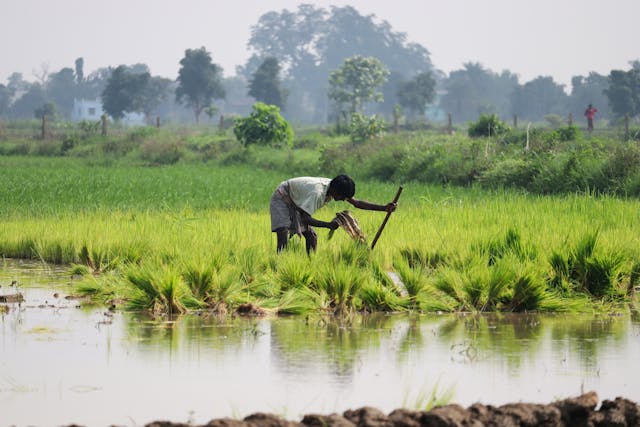
India’s Agri Future takes Centre-Stage in Meghalaya, as Shillong hosts First Northeast India Organic Week

Mumbai / Shillong – Nov 30: Positioning Meghalaya and the Northeast India as a formidable contender in the global organic set-up, Government of Meghalaya, in a strategic partnership with Agricultural and Processed Food Products Export Development Authority (APEDA), Department of Commerce, Ministry of Commerce and Industry, Government of India and the International Federation of Organic Agricultural Movements (IFOAM-Organics Asia), today successfully inaugurated the 1st Northeast India Organic Week here in Shillong.

India’s Agri Future takes Centre-Stage in Meghalaya, as Shillong hosts First Northeast India Organic Week

The inauguration marks a significant milestone not only for the region’s agricultural sector but also uniquely converges two major international initiatives on a single forum: the APEDA International Buyer-Seller Meet and the 4th IFOAM World Organic Youth Summit.

APEDA has been a long-standing partner in strengthening Meghalaya’s organic value chain. Through close collaboration with the state government, APEDA has helped Meghalaya’s high-value organic and natural produce such as ginger, turmeric, fresh fruits, and niche spices enter new and emerging markets in the Middle East. These efforts have enabled stronger market linkages, higher value realisation for farmers, and enhanced visibility for the state’s organic products.

Hosting delegates, importers, and representatives from 13 countries including Malaysia, Taiwan, Mongolia, New Zealand, Indonesia and other countries, positioning Meghalaya as the gateway for global organic trade and youth led development and innovation.

The formal session commenced with a welcome address by Dr. Saswati Bose, General Manager, APEDA, set the tone for the event characterizing the occasion as a “significant milestone for India and the global organic community.” Highlighting the region’s unique strengths, she asserted that “Meghalaya, with its rich biodiversity and strong community-driven farming systems, is an ideal state for advancing organic agriculture.”

Representing the host state, Dr. Vijay Kumar D., IAS, Commissioner and Secretary, Department of Agriculture and Farmers Welfare, highlighted the state’s impressive economic trajectory, noting “Meghalaya is the second fastest growing state in the country behind Tamil Nadu and the only state with 10% growth over the last four years post-COVID, a surge driven primarily by the agriculture sector.”

He outlined Hon’ble Chief Minister’s ambitious vision, stating, “We should try to more than double farmers’ income by 2028.” To achieve this, the state has implemented a “robust hub and spoke model” connecting village-level Collective Marketing Centres to large “Prime Hubs”,” including a new ginger processing facility established with an investment of “25 crores”, which he describes as the “largest organic processing unit for spices in the Northeastern region.”

He emphasized the value of local produce, specifically Lakadong turmeric, calling it the “world’s best turmeric” with a curcumin content reaching up to 13%. He also mentioned about the bio-curcumin tablets, explaining that the state is setting up an extraction unit to produce these high-value supplements from Lakadong turmeric. He reaffirmed the state’s aggressive targets, declaring a goal to do 1 lakh hectares which is 25% of the cultivating area of the state as certified organic by 2028. Furthermore, he highlighted climate action initiatives like “Green Meghalaya”.

He also highlighted Meghalaya’s abundant bamboo reserves that offer a sustainable solution for the region’s naturally acidic soils. Transforming bamboo into high-quality biochar enhancing soil health by improving nutrient retention, structure, and microbial activity while neutralizing acidity.

Shri Abhishek Dev, IAS, Chairman, APEDA, addressed the gathering stating, “Meghalaya has a significant export potential in organic.” He emphasized the necessity of partnership with state governments to ensure “last mile connectivity with the all the stakeholders in the value chain”. Acknowledging international partners, he expresses a desire to significantly increase our collaboration with IFOAMto provide Indian producers with an international stage to showcase their produce. Regarding regulatory integrity, he asserted that APEDA is working hard to ensure the system of organic certification should be fully credible highlighting the release of the 8th edition of the National Programme for Organic Production.

Ms. Jennifer Chang, Executive Director, IFOAM Asia, in her keynote address, reiterated that the event marks a significant milestone in the work of IFOAM Organics Asia in India and South Asia. Reflecting on her time in Meghalaya she added, “We had a very inspirational start yesterday with a visit to a Khasi Mandarin organic farm in the beautiful hills of Mawphu. These farmers are not just providers of food, but truly the stewards of nature.” She added, “And what we saw yesterday is a testament of what Northeast India is, you have a unique agro-climatic condition enrich biodiversity, and this region is organic by default.”

Mr. Brendan Hoare, Adviser, IFOAM Asia, emphasized the organic movement is a borderless, collective mission. The first Northeast Organic Week serves as more than an exchange of knowledge; it is a catalyst for lasting connections and global sustainability. He urged everyone to commit for a future of cooperation and innovation, ensuring that the efforts today shape policies, markets, and communities worldwide.

Following the inaugural sessions, the esteemed dignitaries officially inaugurated the Exhibition Area, showcasing the finest certified organic products from FPOs, cooperatives, and enterprises across the Northeast. The area presented a dedicated Meghalaya Organic Pavilion, featuring stalls from Meghalaya Collectives, Meghalayan Age, PRIME and kiosks of APEDA, Directorate of Food Processing, National Co-operative Exports Limited, MoVCDNE, Tea Board India and more.

The session concluded with a Vote of Thanks by Ms. Saloni Verma, IAS, Deputy Secretary, Department of Agriculture.

A major highlight of the inaugural session was the presentation by Ms. Priyanka Uday, Associate Director, (CRISIL), on “Meghalaya-A growing powerhouse in India’s Organic Sector”, providing insights into Meghalaya as an emerging agricultural hub, leveraging its “Organic by Default” status with near-zero synthetic fertilizer usage and a significant expansion in certified organic land. The state’s horticulture landscape is witnessing robust growth: organic ginger exports to Dubai have reached 15 MT (7% CAGR) in 2019-23 cycle, while black pepper sales to have doubled. Driven by initiatives from bodies like the Jirang FPC, distinctive produce such as GI-tagged Mandarins has successfully entered the Gulf market through the Lulu Group, showcasing the immense global potential of Northeast India.

The afternoon sessions were dedicated to the Buyer Seller Meet and the Sensitisation and Capacity Building Programme on NPOP 8th Edition, Regulation & Labelling Requirement under NPOP.

The 1st Northeast India Organic Week continues through December 1, serving as a catalyst for youth-led agricultural innovation and creating a robust ecosystem for organic trade. By bringing policymakers, global buyers, and youth innovators together, Meghalaya has firmly established itself as a national and regional model in the organic agriculture landscape.