Epson projectors and printers win the iF DESIGN AWARD 2026

SYDNEY, March 19 – Epson has received the prestigious iF DESIGN AWARD 2026 for one series of projectors and one series of printers, all of which are sold both domestically and internationally.

Epson projectors and printers win the iF DESIGN AWARD 2026

Each year since 1954, iF International Forum Design GmbH, headquartered in Germany, organises the iF DESIGN AWARD, now recognised internationally as one of the most prestigious design competitions.

A jury selects the best and most innovative industrial product designs. This award honours only products that meet a wide range of strict criteria, including practicality, craftsmanship, innovation, environmental consideration, functionality, usability, safety, aesthetics and universal design.

This year, a jury made up of 129 experts selected the best designs from among nearly 10,000 entries from 68 countries and regions.

Award-Winning Designs
Home Projectors: EF-73 (in A/NZ), EF-72, EF-71, EF-52, EF-51

Epson projectors and printers win the iF DESIGN AWARD 2026


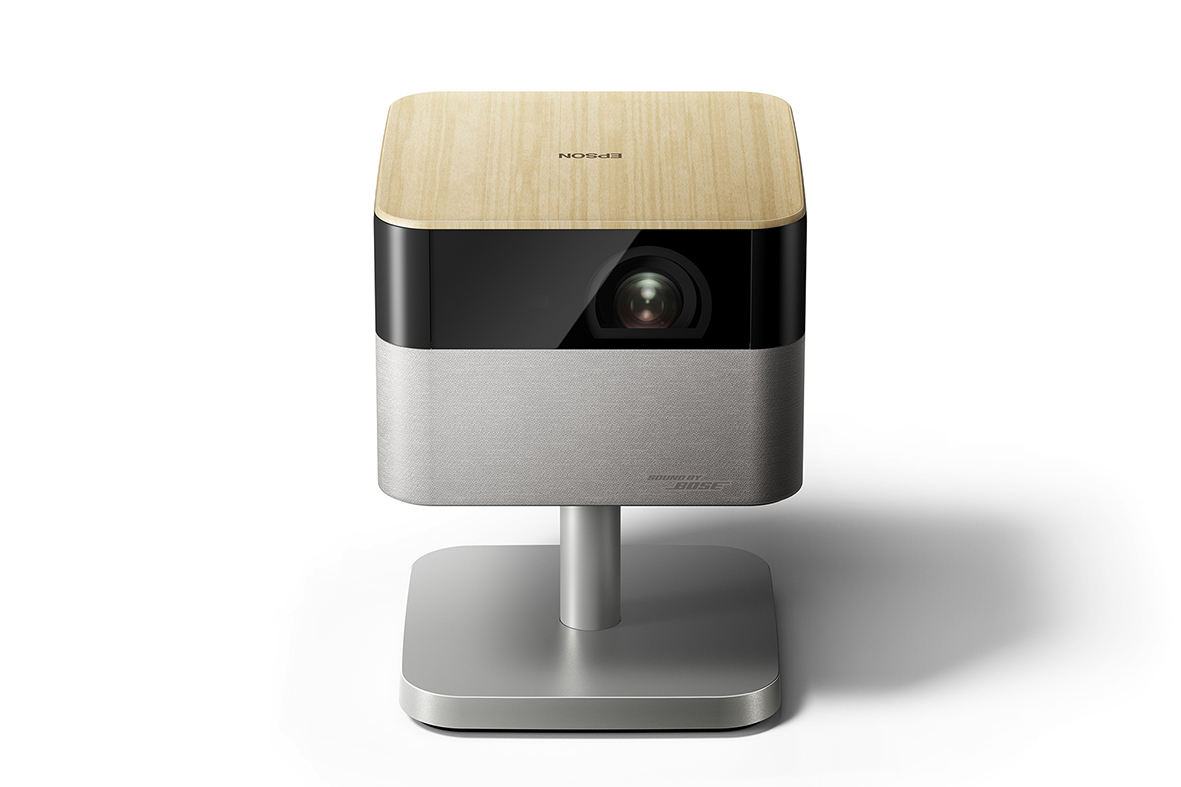
Epson EF-73 smart projector

This smart projector is powered by Google TV™1 OS. Its proprietary Triple Core Engine, combining 3LCD technology with a three-color light source, delivers bright, vivid images with exceptional colour accuracy. Paired with immersive audio from Sound by Bose2 speakers, it offers a truly premium viewing experience.

Featuring an angle-adjustable stand inspired by a modern table lamp and real-time automatic image correction, the projector can be set up effortlessly — no complex adjustments required.

An integrated ambient light3 further enhances the atmosphere, enriching any space. Designed to elevate everyday viewing into a special moment, it provides a refined and immersive entertainment experience.

Inkjet Printers

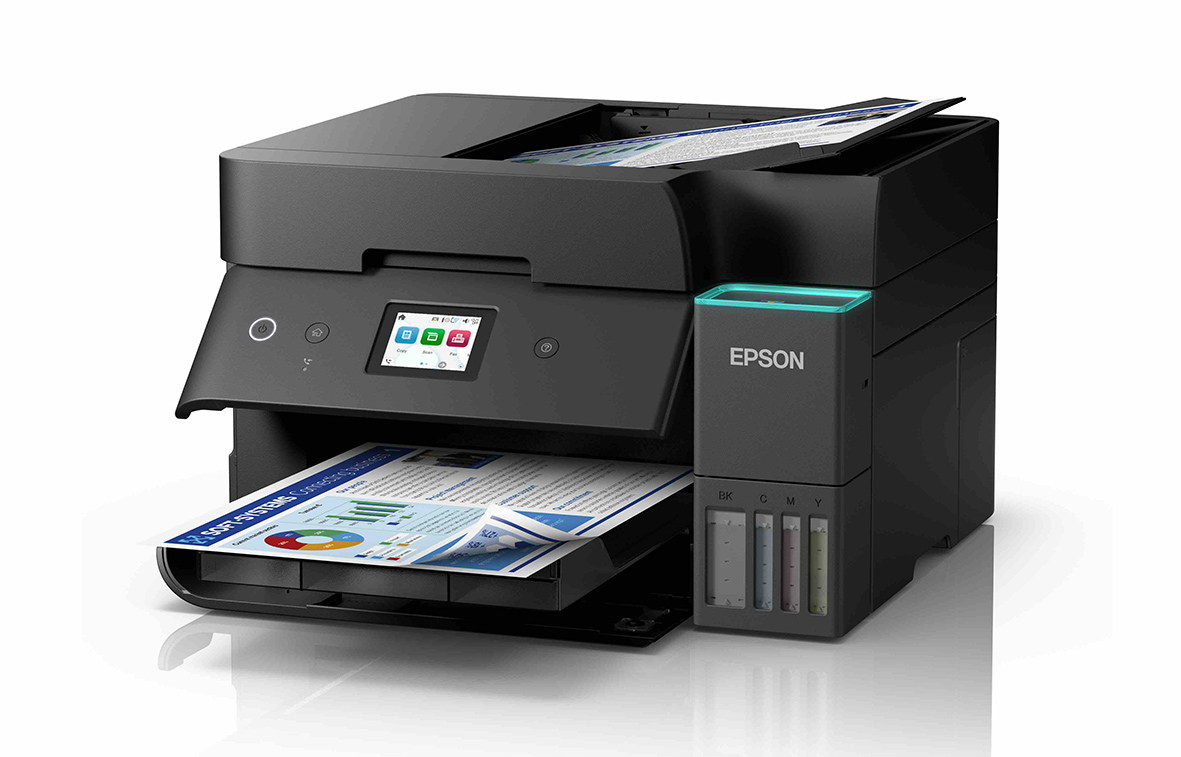
EcoTank ET-4950, ET-3950 and ET-2950 series

Epson projectors and printers win the iF DESIGN AWARD 2026


AIME 2026 Generates Record $425 Million for Asia Pacific Business Events Industry

Independent post-show research following AIME 2026 has projected a record-breaking $425 million (AUD) in business transactions between exhibitors and buyers over the next 12 months, reinforcing AIME’s role as Asia Pacific’s leading business events trade show.

Designed to prioritise quality connections and meaningful business outcomes, AIME carefully matches vetted global buyers with targeted exhibitors through a combination of human expertise and advanced AI-powered scheduling. The result is a focused environment where high-value meetings take place and real business opportunities are created.

Testament to this curation, attendee satisfaction for AIME 2026 was extremely high, with the exhibitor Net Promoter Score reaching 32.6, well above the industry benchmark of 9.6, while the visitor Net Promoter Score of 59.4 significantly exceeds the benchmark score of 30.6.

AIME 2026 Generates Record  $425 Million for Asia Pacific Business Events Industry


Talk2 Media & Events CEO Matt Pearce said the results reflected the strength of AIME’s targeted and curated approach to meetings.

“AIME is uniquely built around the quality of the connections we create,” he said.

“Our event is carefully curated to ensure the right people are meeting each other, which leads to stronger conversations, better partnerships and real commercial outcomes.

“The projected $425 million in business shows the value of those meetings and the role AIME plays in supporting destinations, venues and suppliers across the Asia Pacific region.”

Melbourne Convention Bureau CEO Julia Swanson said:

“AIME continues to shine as the premier business events trade show in our region and MCB is incredibly proud to own such an impactful event. The ongoing success of AIME reflects the strength of our local business events industry as well as the capacity for Melbourne to host large-scale trade shows that draw exhibitors and buyers from around the world and generate record-breaking amounts of business. 

“We look forward to the continued growth and success of the show as we continue to innovate and provide further opportunities for strong partnerships and excellent outcomes.”

AIME Event Director Silke Calder said the results reflected strong engagement from buyers, exhibitors and partners across the global business events sector.

“AIME continues to grow in both scale and impact, with more of the global industry coming together each year to meet, connect, learn and do business,” she said.

“The strong satisfaction scores from exhibitors and visitors show the quality of the meetings taking place and the importance of AIME as a platform for building new partnerships and future events.”

Delivered by Talk2 Media & Events, AIME 2026 was the largest show yet delivered by Calder and her team.

AIME 2026 also set records for its size, number of hosted buyers, exhibitors and attendees, reflecting strong global demand for in-person meetings and industry connection.

Held at the Melbourne Convention and Exhibition Centre (MCEC) from 9–11 February 2026, the event welcomed more than 1,500 vetted buyers, over 765 exhibitors from 36 countries and territories, and more than 5,000 attendees from the global business events industry.

Across the two-day trade show, more than 25,000 pre-scheduled meetings took place between buyers and exhibitors.

Asia Pacific’s largest and longest-running business events exhibition and learning platform, AIME connects a global community of business events professionals with industry suppliers through a seamless blend of human expertise and cutting-edge artificial intelligence.

AIME is owned by the Melbourne Convention Bureau (MCB) and delivered by Talk2 Media & Events and is the first tradeshow on the annual international business events calendar. 

AIME 2027 will be held 15–17 February 2027 at the Melbourne Convention and Exhibition Centre, with AIME 2028 scheduled for 14–16 February 2028.

Regulator-Industry Collaboration Boosted Through Focused Workshop

New Delhi, Mar 18: The Bharat Web3 Association (BWA) organised a closed-door workshop on Operationalising the Updated AML/CFT Guidelines for Virtual Digital Asset Service Providers (VDA SPs) in New Delhi. The workshop brought together officials from the Financial Intelligence Unit–India (FIU-IND) and representatives of Virtual Digital Asset Service Providers registered as Reporting Entities under the Prevention of Money Laundering Act (PMLA).

Bharat Web3 Association Organises Workshop on Operationalising Updated AML/CFT Guidelines for Virtual Digital Asset Service Providers

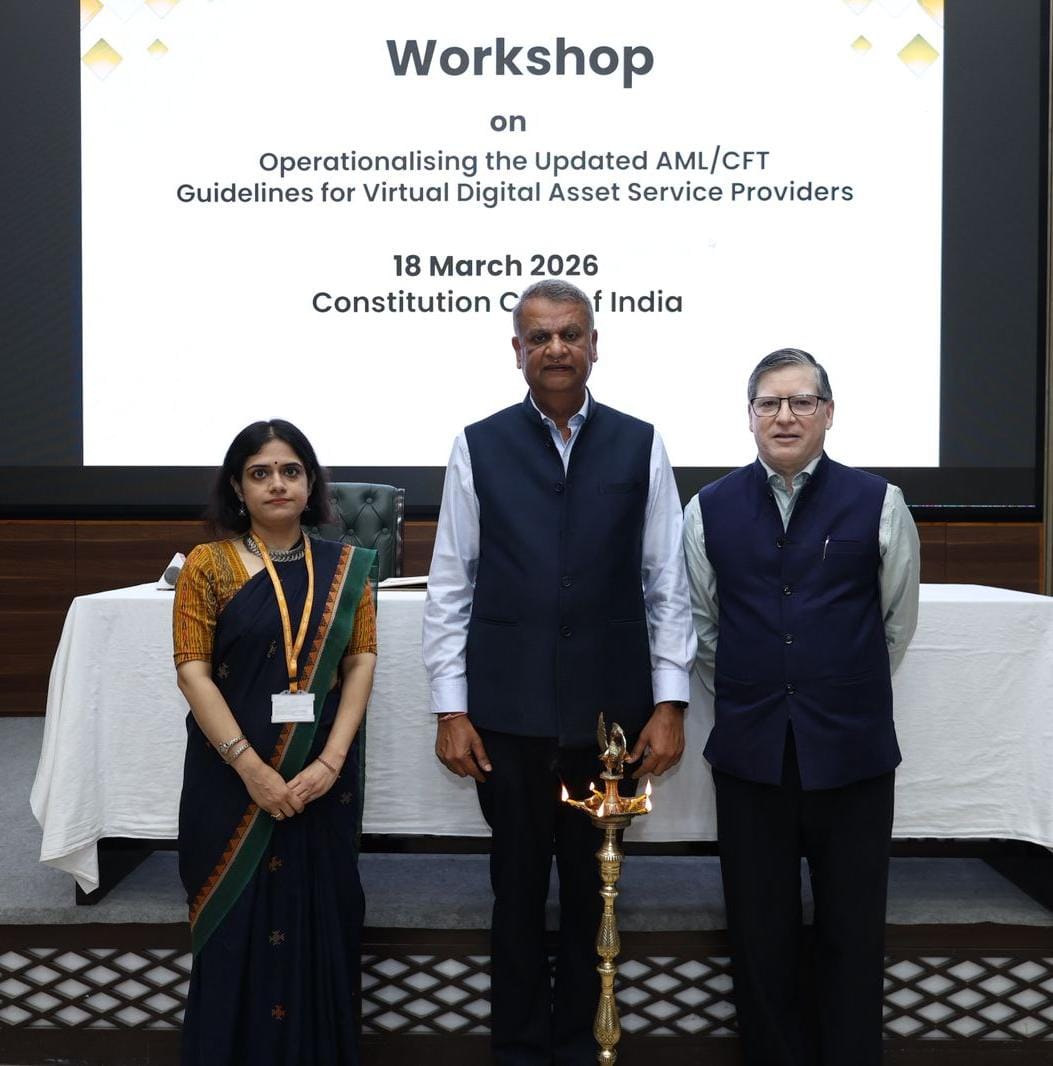
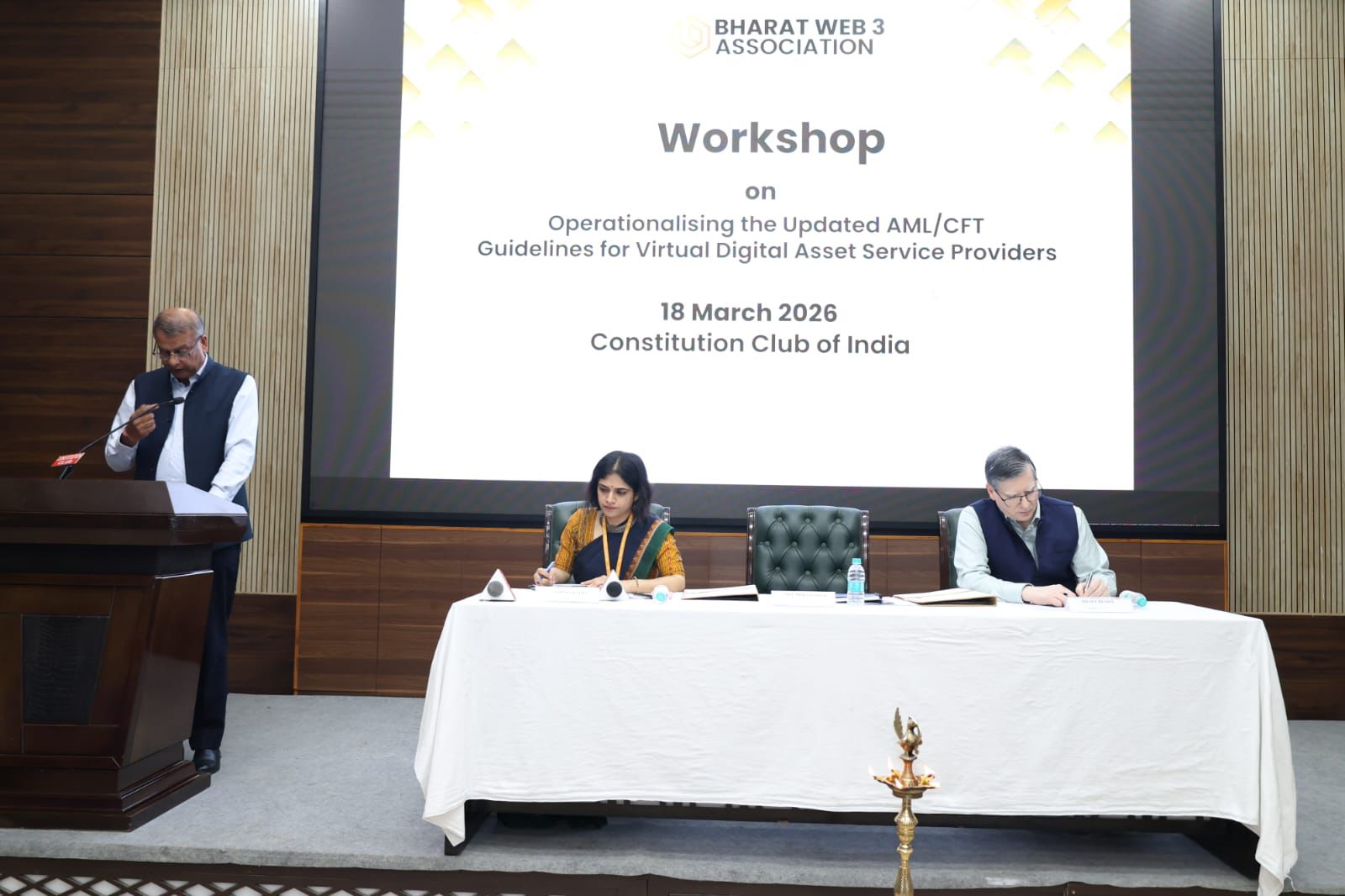
Shri Amit Mohan Govil, Director, Financial Intelligence Unit–India (FIU-IND), delivered the Chief Guest Address at the workshop. In his address, he emphasised the importance of effective implementation of Anti-Money Laundering and Countering the Financing of Terrorism (AML/CFT) obligations by entities operating in the virtual digital asset ecosystem. He further highlighted the role of robust compliance frameworks in safeguarding the integrity of India’s financial system, stressing the importance of continued stakeholder and industry engagement in implementing them.

The workshop was organised to facilitate structured engagement between FIU-IND and industry stakeholders on the interpretation and implementation of the updated AML/CFT guidelines applicable to VDA service providers. The discussions focused on strengthening compliance preparedness, enhancing supervisory understanding, and addressing operational challenges faced by reporting entities.

Bharat Web3 Association Organises Workshop on Operationalising Updated AML/CFT Guidelines for Virtual Digital Asset Service Providers

Senior officials from FIU-IND, including Smt. . Ashima Batra, Additional Director, FIU-IND, addressed the delegates and shared regulatory perspectives on supervisory expectations and compliance practices for reporting entities.

Bharat Web3 Association Organises Workshop on Operationalising Updated AML/CFT Guidelines for Virtual Digital Asset Service Providers

The Financial Intelligence Unit–India plays a central role in India’s financial integrity architecture and is widely respected globally for its work in strengthening the country’s anti-money laundering and counter-terrorist financing framework. Through its regulatory oversight, intelligence analysis, and coordination with domestic and international agencies, FIU-IND has contributed significantly to aligning India’s financial system with global AML/CFT standards. Its engagement with emerging sectors, including virtual digital assets, reflects its continued commitment to ensuring that financial innovation develops within a strong compliance and governance framework.

The workshop included a series of focused sessions addressing key aspects of AML/CFT compliance for VDA service providers. These included discussions on transaction monitoring and suspicious transaction reporting, enterprise-wide risk management frameworks, governance and oversight responsibilities of designated directors and principal officers, and institutional approaches to AML/CFT training and compliance culture. The sessions were followed by an interactive discussion between the FIU and industry participants on practical implementation challenges and operational best practices.

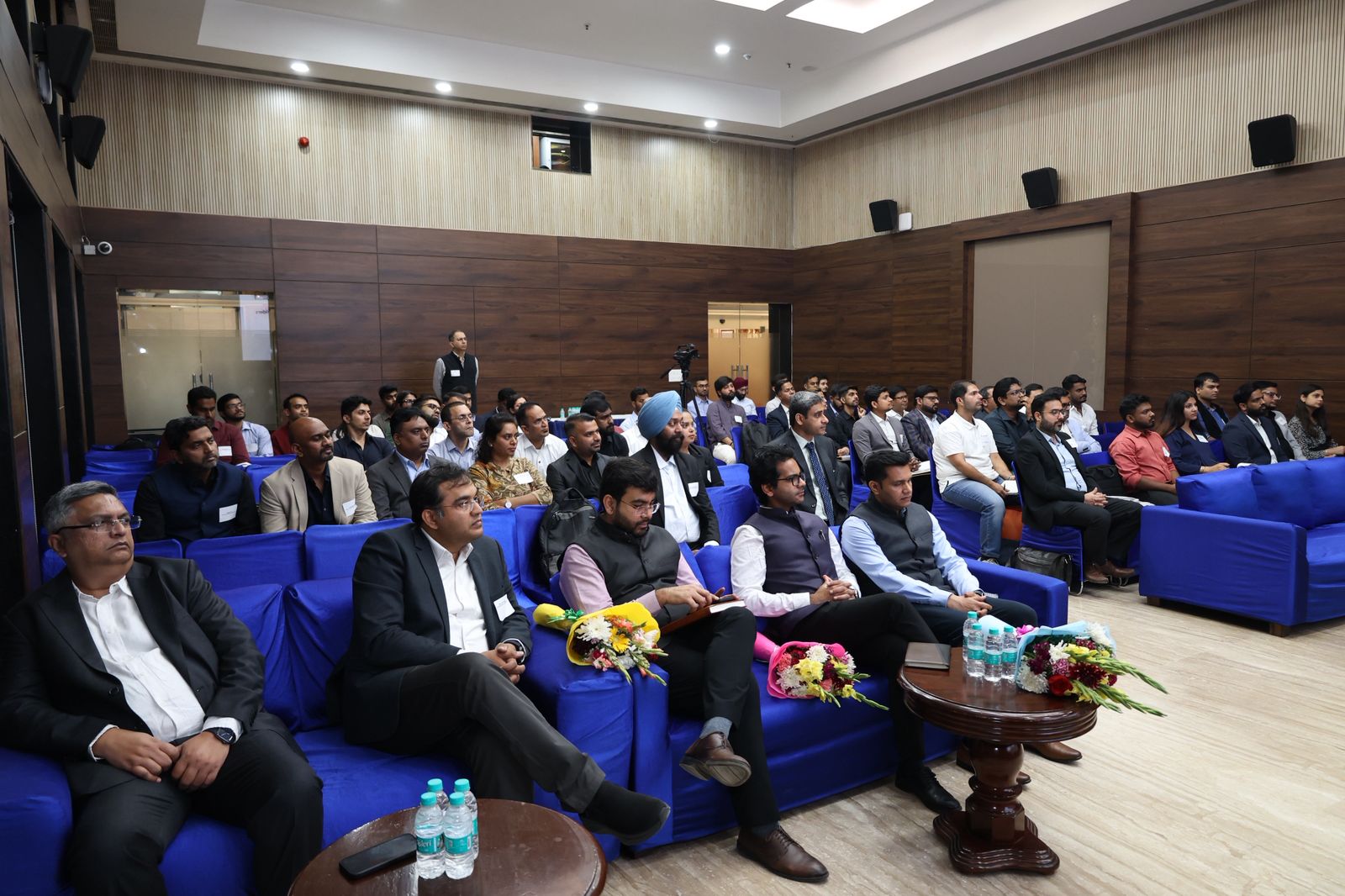
The workshop was attended by representatives from leading VDA service providers and members of the Bharat Web3 Association. The event provided an opportunity for regulators and industry stakeholders to exchange perspectives on strengthening compliance mechanisms and enhancing regulatory clarity for the sector.

Mr. Dilip Chenoy, Chairperson, Bharat Web3 Association, said,

“BWA remains committed to supporting a responsible and compliant digital asset ecosystem in India. The guidance provided by FIU-IND has been instrumental in strengthening AML/CFT compliance across the sector. This workshop was organised to facilitate dialogue between regulators and industry participants and to support reporting entities in operationalising the updated guidelines.”

The workshop concluded with a discussion on strengthening collaboration between regulators and industry stakeholders to further enhance compliance standards across the virtual digital asset ecosystem in India.

Multiply raises $9.5m for self-learning ads, reports 300%-500% pipeline increase for B2B companies

San Francisco, CA, March 18- Multiply is the first AI-native media agency for B2B companies. All marketers know that in traditional advertising, campaigns start losing effectiveness the moment they launch. Creative gets stale and audiences tune out. Multiply calls this phenomenon “decaying ads.”

Today, the company emerged from stealth with $9.5 million in funding to introduce what it calls the next paradigm: Self-Learning Advertising, where ads use internal data to continuously get better on their own. The round was led by Mayfield, with participation from Sorenson Capital, Instacart Co-Founder Max Mullen, Google Head of Gemini and Google Labs Josh Woodward, and executives from HubSpot, Braze, Issuu, Brex, Sierra, and Common Room, among others.

Early customers report outsized impact in sales pipeline generated from ads. Vanta, a leader in security automation, which has raised over $500 million from Sequoia Capital and other top VCs, shared: “We’ve seen 770% more sales meetings, we build and test faster with their AI, and their team is strategic, hands-on, and operates as trusted partners.” Listen Labs, the leading AI customer research platform that has raised $100M, said LinkedIn has become its most efficient paid channel for new leads, with campaigns performing 5X above LinkedIn benchmarks. Across customers, the common thread is velocity, and lead quality, and pipeline impact.

Multiply Co-Founder & CEO Matt Jayson explains that “Modern companies already have all the data needed to create radically better ads. Sales conversations, CRM systems, and pipeline outcomes reveal exactly why customers buy – yet those insights rarely make their way into ad campaigns fast enough.” Today, Multiply focuses on Google Search ads and LinkedIn ads. The company connects directly to sales call recordings, CRMs, and ad platform performance data to generate new creative and messaging aligned to why buyers choose a company over competitors. Hundreds of structured experiments run continuously, refining audiences, copy, and creative, so campaigns improve every week–instead of declining.

Multiply was founded by Matt Jayson, formerly at Google and Brex, and Ashish Warty, formerly SVP Engineering at HackerOne and engineering leader at Dropbox and Airship. Jayson describes the company’s ambition: “We help companies get discovered by their dream customers. To do this, we’ve built the world’s most insatiable AI agent. Just like a great growth marketer, it’s never satisfied. There’s never enough pipeline. So it keeps learning, testing, and finding ways to get better.”

To tackle something this ambitious, Multiply couldn’t just build AI software. The company operates as a media agency staffed by expert strategists, who use Multiply’s proprietary AI to operate campaigns at speeds and with impact previously impossible.

Multiply’s Customer Insights AI Agent extracts real customer language from sales calls and uses it to personalize ads. The ICP Agent analyzes closed-won deals to refine targeting. The Quality Score Agent continuously tune copy and keyword alignment. The Creative Design Agent refreshes images weekly. The A/B Testing Agent runs hundreds of experiments, quickly identifying winners and cutting losers. Ashish Warty, Co-founder and CTO of Multiply, describes, “Together, these systems allow Multiply to iterate faster than any traditional agency model.”

“Brand safety is paramount,” explains Warty. “Every campaign includes human oversight from experienced media buyers, and we work within each customer’s brand and compliance requirements. We move as fast as their teams and systems allow.”

While Multiply launched first with Google and LinkedIn ads, the company says its infrastructure was designed for emerging AI-driven ad platforms like ChatGPT ads. Multiply is already helping its customers prepare for ChatGPT ads. All campaign learnings and experimentation systems can extend directly into new formats, including conversational and AI-driven advertising experiences.

“There is a major shift happening in the $50B B2B advertising market,” said Patrick Salyer, Partner at Mayfield and Multiply board member. “Service-as-Software is redefining how companies grow, and Multiply has built the first AI model for B2B advertising. Instead of static campaigns managed manually, Multiply has become a compounding growth engine for every company it partners with.”

Looking ahead, Multiply will expand into a full omni-channel ad buyer for B2B companies, enabling businesses to launch and optimize advertising across all major platforms from a single system. The roadmap includes expansion to additional channels, daily creative refresh, unified cross-channel attribution, and AI-driven budget allocation across ad channels to maximize pipeline impact. As new AI-powered advertising channels emerge, Multiply aims to help customers adopt them early while continuing to outperform across existing platforms.

TEDxStLouis Presents “Edge of Possible” Talks

Event spotlights visionary thinkers and dynamic performers shaping the future.

(St. Louis, Mo., March 18, 2026) – TEDxStLouis will host its “Edge of Possible” Talks on Saturday, May 30 from 7 p.m. to 8:30 p.m. at the Missouri History Museum located at 5700 Lindell Blvd. General admission tickets are $37 per person.

TEDxStLouis Presents “Edge of Possible” Talks

This year’s event features influential local voices who are pushing boundaries in their respective fields—exploring new ideas, creating opportunities, and meeting challenges in innovative ways. “Edge of Possible” will showcase five speakers and two live performances.

Featured speakers include:

  • John Ahn, PhD, MBA, Scientific Advisor, ALLATRA Global Research Center – “The Invisible Threat of Microplastics.” Dr. Ahn will discuss how micro- and nanoplastics are now found everywhere—and what that means for the planet and life on Earth.
  • Erica Barnell, MD, PhD, Co-founder and Chief Medical and Science Officer, Geneoscopy – “Four Words Between You and Cancer.” Dr. Barnell explores how getting comfortable with uncomfortable conversations can lead to early detection and prevention.
  • Alison Huckenpahler, MD, PhD, Psychiatrist and Neuroscientist – “Novel Sleep-Based Treatment for Psychiatric Issues.” Dr. Huckenpahler highlights how changing aspects of sleep—its timing, depth, or stability—may help the brain heal in ways medications alone often cannot.
  • Stephen Hupp, PhD, Executive Director, Committee for Skeptical Inquiry, and Editor, Skeptical Inquirer: The Magazine for Science and Reason – “Exploring Strange Mysteries Can Sharpen Your Thinking.” Dr. Hupp demonstrates the value of examining unusual phenomena through a skeptical lens.
  • Pierre Paul, PhD student in Disability Studies, Public Entrepreneur, and Founder and CEO, We Hear You – “Inclusive Design for Accessibility.” Paul reframes disability not solely as an individual condition, but as an experience shaped by systemic design choices.

Guests will enjoy performances by Kristen Harris (KMoney), an award-winning spoken word artist and author honored as Best Poet at the STL Awards in 2022 and 2024, as well as Collective Motion who brings the stage to life through powerful choreography, storytelling, and artistic expression designed to move not just the body, but the mind and spirit.

Event sponsors include US Bancorp Impact Finance Group, Regional Arts Commission (RAC), Missouri Historical Society, Nine PBS, Chandler Hill Vineyards, Excel Bottling Company, 4 Hands Brewing, and 100th Monkey.

TEDx is a program of local, self-organized events that bring people together to share a TED-like experience.  At a TEDx event, TED Talks videos and live speakers combine to spark deep discussion and connection in a small group.  Founded in 2013, TEDxStLouis provides the community with events, connections, and ongoing information.  For more information or to purchase tickets, visit http://www.tedxsaintlouis.org.

5 Healthcare Roles Which Offer Women High Growth

By Dr Nipun Sharma, CEO, TeamLease Degree Apprenticeship 
 

India’s healthcare sector is evolving rapidly with the expansion of digital health, diagnostics, clinical research, and telemedicine. Alongside doctors and nurses, a range of emerging roles are supporting healthcare delivery through data, technology, and operational coordination. These roles are creating new career opportunities that combine healthcare knowledge with practical, industry-relevant skills.

Apprenticeship-led training is increasingly helping women access these opportunities by providing structured, hands-on exposure within hospitals, research centres, and health-tech platforms.

1. Clinical Trial Support Associate

Clinical trial support associates assist research teams in managing the operational aspects of clinical trials conducted by hospitals, research centres, and pharmaceutical companies. They help coordinate patient visits, maintain trial documentation, track study schedules, and support investigators with data recording.

Core skill requirements: clinical documentation, coordination skills, patient communication, basic understanding of research protocols, and record management.

How this role supports women’s career growth:
This role provides an entry point into India’s expanding clinical research ecosystem. With hands-on industry exposure, professionals can gradually move into specialised roles in clinical operations, research management, or regulatory coordination.

2. Healthcare Data Analyst

With the rapid digitisation of healthcare systems, hospitals and health-tech platforms are generating vast volumes of clinical and operational data. Healthcare data analysts interpret this information to improve patient outcomes, optimize hospital operations, and support medical research.

Core skill requirements: data analysis tools, healthcare informatics, electronic health records (EHR), statistical interpretation, and reporting.

How this role supports women’s career growth:
This role bridges healthcare and technology, allowing women to build careers in health analytics, population health management, and digital health strategy. Apprenticeships help build practical experience in handling real-world healthcare datasets.

3. Health Information Management Associate

Health information management associates help organise and manage digital patient records across hospital information systems and electronic health record platforms. They ensure accurate record maintenance, assist with data entry, and support hospital teams in maintaining compliant and organised patient data systems.

Core skill requirements: health record systems, data entry accuracy, medical terminology familiarity, digital documentation, and compliance awareness.

How this role supports women’s career growth:
As hospitals increasingly adopt digital health systems, roles in health information management are becoming critical. Professionals in this field can grow into healthcare data management, hospital administration, and digital health operations roles.

4. Telehealth Coordinator

Telemedicine has become an essential component of modern healthcare delivery, especially in improving access across semi-urban and rural regions. Telehealth coordinators manage virtual consultations, patient scheduling, digital records, and coordination between patients and doctors.

Core skill requirements: digital health platforms, patient communication, scheduling systems, telemedicine protocols, and basic healthcare administration.

How this role supports women’s career growth:
Telehealth roles provide flexible career opportunities, particularly suited for women seeking technology-enabled healthcare careers. As telemedicine adoption grows, professionals can advance into telehealth program management, digital health operations, or patient engagement leadership roles.

5. Diagnostic Imaging Support Technician

Diagnostic imaging support technicians assist radiology departments in managing routine imaging workflows such as X-rays, ultrasounds, and other diagnostic scans. They help prepare patients for scans, manage appointment schedules, maintain imaging records, and support technicians in handling basic equipment preparation.

Core skill requirements: patient coordination, basic understanding of imaging procedures, record management, equipment handling support, and hospital workflow familiarity.

How this role supports women’s career growth:
With diagnostic imaging becoming a core component of modern healthcare, support roles in radiology departments are expanding across hospitals and diagnostic centres. Apprenticeships in this field provide practical exposure to diagnostic operations and can help professionals move into specialised imaging support, diagnostic centre management, or healthcare operations roles.

Conclusion:

As healthcare becomes more technology-driven and data-oriented, several specialised support roles are emerging with strong career potential. Increasing women’s participation in these roles will be key to strengthening India’s healthcare workforce.

Apprenticeships can play a critical role by providing practical skills, industry exposure, and clear career pathways for women entering this rapidly evolving sector.

Nasal Swab Test Spots Early Alzheimer’s Signals

DURHAM, N.C. – Alzheimer’s disease affects millions of people worldwide, yet the illness is hardest to catch at the very beginning, when new treatments may work best.

In a new study, Duke Health researchers show that a quick, outpatient nasal swab can pick up early biological changes linked to Alzheimer’s, even before thinking and memory problems appear.

The study, published March 18 in Nature Communications, used a gentle swab placed high inside the nose to collect nerve and immune cells. When researchers analyzed these cells, they found clear patterns that separated people with early or diagnosed Alzheimer’s from those without the disease.

“We want to be able to confirm Alzheimer’s very early, before damage has a chance to build up in the brain,” said Bradley J. Goldstein, M.D., Ph.D., corresponding author and professor in the departments of Head and Neck Surgery & Communication Sciences, Cell Biology and Neurobiology at Duke University School of Medicine.

“If we can diagnose people early enough, we might be able to start therapies that prevent them from ever developing clinical Alzheimer’s,” Goldstein said.

The procedure to collect nasal cells took just a few minutes. After applying a numbing spray, a clinician guides a tiny brush into the upper part of the nose where smell-detecting nerve cells live. Researchers then study the collected cells to see which genes are active, a sign of what’s happening inside the brain. 

The study compared samples from 22 participants, measuring the activity of thousands of genes across hundreds of thousands of individual cells, amounting to millions of data points. The nasal swab was able to pick up early shifts in nerve and immune cells. This includes people who showed lab-based signs of Alzheimer’s but had no symptoms yet.

A combined nose tissue gene score correctly separated early and clinical Alzheimer’s from healthy controls about 81% of the time.

Mary Umstead, a voluntary participant in the study, said she felt moved to join the research in honor of her late sister, Mariah Umstead. 

“When the opportunity came along to be part of a research study, I just jumped at it because I would never want any family to have to go through that kind of loss that we went through with Mariah,” Mary said. “I would never want any patient to go through what she went through either.”

Mary said Mariah was 57 years old when she was diagnosed with young-onset Alzheimer’s, but her family started noticing signs of the disease long before she was diagnosed.

Current blood tests for Alzheimer’s detect markers that appear later in the disease process. By contrast, this nasal swab captures living nerve and immune activity and may provide an earlier, more direct look at disease‑related changes, helping identify people at risk sooner.

“Much of what we know about Alzheimer’s comes from autopsy tissue,” said Vincent M. D’Anniballe, the study’s first author and student in the Medical Scientist Training Program at Duke. “Now we can study living neural tissue, opening new possibilities for diagnosis and treatment.”

The Duke team, in collaboration with the Duke & UNC Alzheimer’s Disease Research Center, is now expanding the research to larger groups and exploring whether the swab could help track how well treatments are working over time. Duke has filed a U.S. patent related to this approach. 

In addition to Goldstein and D’Anniballe, study authors include Sarah Kim, John B. Finlay, Michael Wang, Tiffany Ko, Sheng Luo, Heather E. Whitson, and Kim G. Johnson.

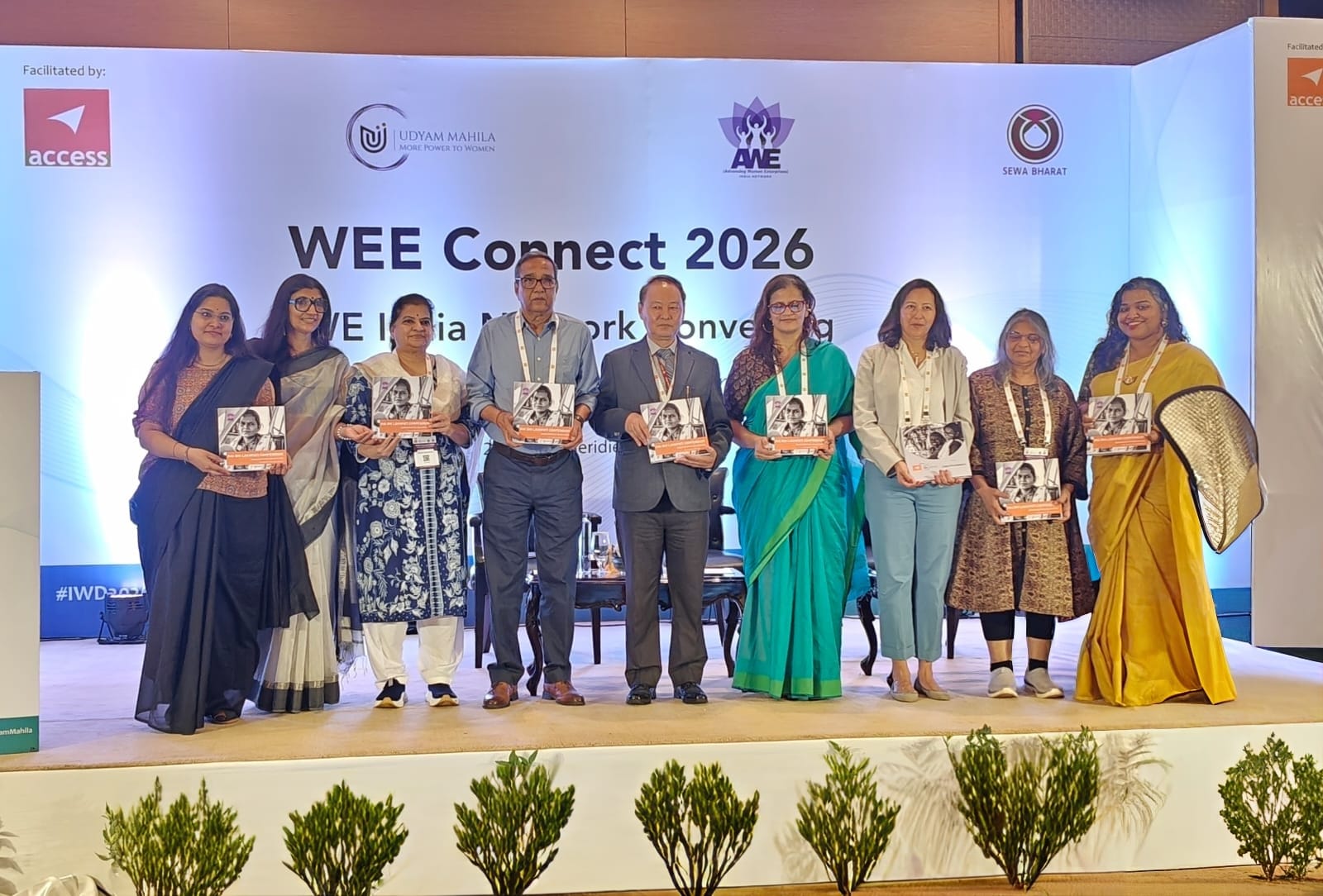
50 Women, 50 Enterprises: ACCESS Development Services Launches ‘Mai Bhi Lakhpati’ Compendium Showcasing Grassroots Women Entrepreneurs Across India

50 Women, 50 Enterprises: ACCESS Development Services Launches ‘Mai Bhi Lakhpati’ Compendium Showcasing Grassroots Women Entrepreneurs Across India

New Delhi, Mar  18th: AWE India Network, facilitated by ACCESS Development Services, today launched the ‘Mai Bhi Lakhpati: Women Rewriting India’s Future’ compendium, bringing together 50 powerful, real-life stories of women entrepreneurs from across India capturing their journeys from financial exclusion to building sustainable enterprises and becoming key economic contributors within their communities.

Mr K. Moses Chalai, Secretary, Department of Public Enterprises, Ministry of Finance, Government of India graced the inauguration of the compendium. Launched at Le Méridien, New Delhi, the compendium serves as both a knowledge resource and a call to action. The compendium also aligns with the national vision of creating ‘Lakhpati Didis’ – financially empowered rural women entrepreneurs and contributes to the broader ambition of enabling 5 million women entrepreneurs in India by 2030. It brings together on-ground insights, successful models, and emerging best practices that demonstrate what it takes to enable women to transition into higher income brackets.

It highlights scalable pathways, identifies key enablers, and underscores the importance of convergence between policy, finance, and capacity building making a compelling case for collective action to support many more women in achieving aspirational incomes.

Speaking at the launch, Mr K. Moses Chalai, Secretary, Department of Public Enterprises, Ministry of Finance, Government of India emphasized the critical role of women-led enterprises in driving inclusive growth and aligning with India’s broader vision of economic development. He said, “Women’s empowerment is not just a policy priority, it is a national movement that has gained undeniable momentum over the past decade. From increased participation in education, with more women excelling in fields like engineering, medicine, and even topping the UPSC Civil Services, to stronger access to economic opportunities and safer workplaces, India is steadily moving in the right direction. States today are actively competing to design more progressive schemes for women, reflecting this shift in intent and action. However, gaps still remain, particularly across the value chain where women entrepreneurs often struggle to scale and access markets. This is where organizations like ACCESS Development Services play a critical role in bridging these gaps and enabling women to move forward with confidence. The Government’s focus on initiatives such as ‘Lakhpati Didis’, along with a growing push for women-led enterprises, is already showing results. Public procurement from women-led MSMEs has risen significantly, reaching approximately ₹93,000 crore in 2025 and expected to touch closer to ₹1 lakh crore this financial year. It is important to understand that empowering women is a shared responsibility. We must ensure that every woman has access to her rights, be it in health, nutrition, education, or dignified livelihoods so that she can participate fully and equally in India’s growth story.”

Speaking on the occasion, Vipin Sharma, CEO, ACCESS Development Services said, “The compendium is not just a documentation effort but a call to action for policymakers, funders, and practitioners to invest in scalable, women-led livelihood models. It shows that with the right access to finance, markets, and support, women can build scalable enterprises and drive inclusive growth. As India advances its vision of women-led development, there is a clear need for policymakers, funders, and practitioners to invest in models that can be expanded and sustained at scale.”

The compendium highlights how grassroots women entrepreneurs are:

  • Generating consistent aspirational monthly incomes, often doubling or tripling household earnings
  • Creating local employment, with several enterprises engaging 10–15 women at the community level
  • Reducing distress migration, with families now able to sustain livelihoods within their villages
  • Driving sectoral diversity, spanning agriculture, food processing, handicrafts, circular economy, and services
  • Strengthening household outcomes, with increased spending on children’s education, health, and nutrition

Importantly, the stories showcase a larger systemic shift, women are not just participating in the economy, but leading enterprises, navigating formal financial systems, and accessing government schemes such as DAY-NRLM, MUDRA, and PMFME to scale their businesses.

UP Road Infrastructure Boost: 4 Lane Highway Approved

New Delhi, March 18: The Union Cabinet has approved a Rs 6,969 crore project to upgrade the Barabanki–Bahraich highway in Uttar Pradesh into a four-lane corridor. The project aims to improve connectivity, reduce travel time, and support regional economic growth.

The upgraded highway will benefit commuters, transporters, and local businesses by easing congestion and enhancing road safety. It will also strengthen access to remote areas, boost trade, and create employment opportunities during construction.

This initiative forms part of the government’s broader push to modernize road infrastructure across India, enhancing connectivity and fostering industrial and regional development.

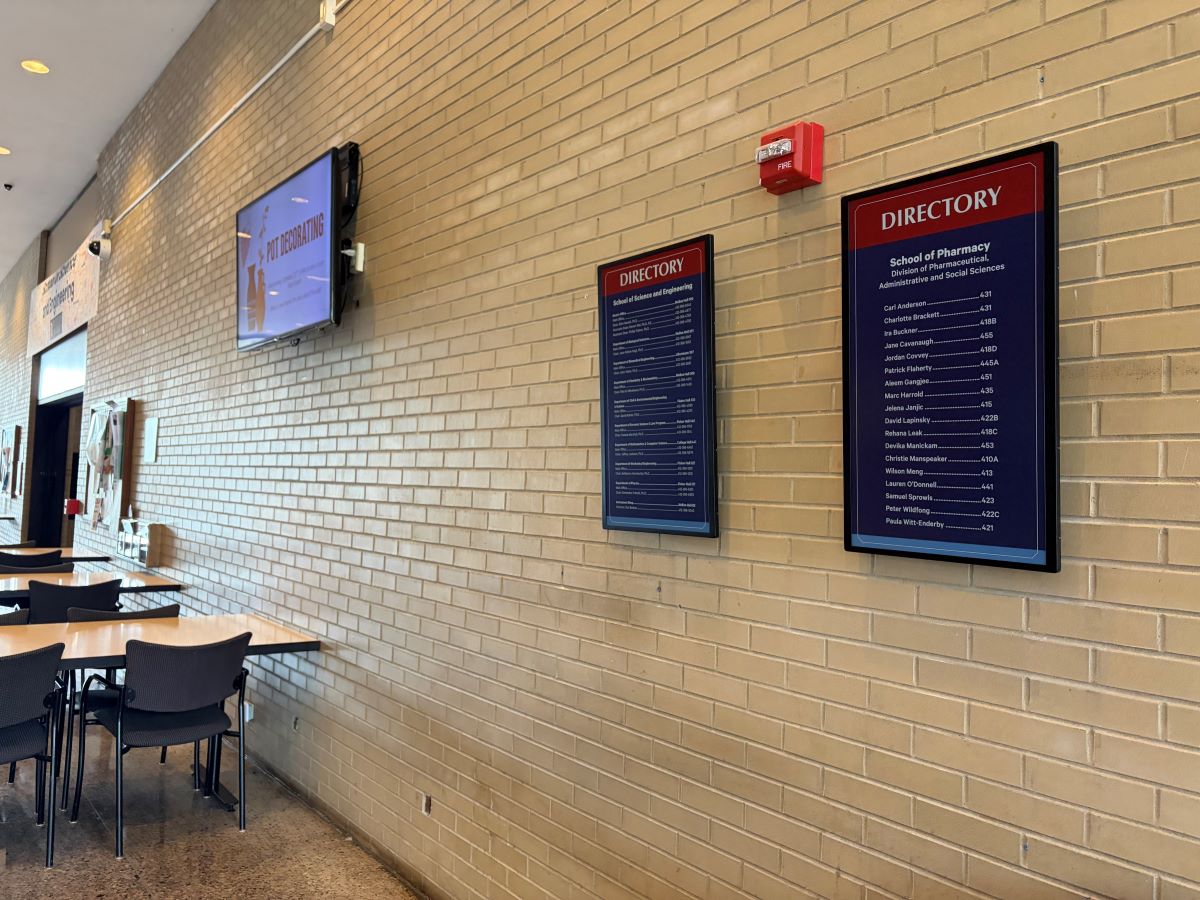
Leading US university reinforces commitment to sustainability with installation of 21 Philips Tableaux ePaper displays for instant energy and waste paper reductions

Leading US university reinforces commitment to sustainability with installation of 21 Philips Tableaux ePaper displays for instant energy and waste paper reductions


Amsterdam, Mar 18: PPDS, the exclusive global provider of Philips Professional Displays and complementary solutions, is excited to announce the successful installation of 21 Philips Tableaux ePaper signage displays at Duquesne University, with the range bringing instant energy savings and waste cutting benefits, as well as delivering on a more informed and sustainable campus.

 Founded in 1887, Duquesne is among the top 15% educational institutions in the United States. A top ranked private Catholic university in Pittsburgh, it caters for 8,000 students from 80 countries and over 3,000 faculty and staff.

 As the university continues to experience exponential growth, both in appeal and in size, its scenic 49 acre (198,300 m2) campus overlooking downtown Pittsburgh continues to evolve, with the university placing a growing focus on enabling students with the latest technologies both in and outside of the classrooms.

 Aligned with the United Nations’ Sustainable Development Goals and with a commitment to sustainable ecologies – which saw them recently named on the Princeton Review List of Green Colleges – the team researched the global ePaper market and turned to PPDS to seize the opportunities of the technology to replace the tired paper directories used around its campus.

 Concluding the in depth analysis, Philips Tableaux ePaper displays were selected as the standout choice to achieve the team’s ambitions, with a fleet of 21x 32” 5150 and 25” 4050 Philips Tableaux installed in classrooms, study areas, and hallways.

 As with other installations of Philips Tableaux ePaper displays – most recently inside the Institut Pasteur’s HQ in Paris – the Philips Tableaux range provides Duquesne University with incredible levels of flexibility and adaptability, interchangeable for a wide range of uses – from wayfinding and safety notices, cafeteria menus and event information, and many more. This includes in areas with limited power sources.

 Light in weight and fully portable, Philips Tableaux models used on campus are capable of displaying full colour imagery for days, weeks, months, or even years without using a single kilowatt of energy, only requiring a small amount of electricity (0.0025 kWh for the 25” model) during content changes.

 Instant benefits

Running on an Android SoC, Philips Tableaux displays can be managed and updated remotely via a content management or remote display management system such as Philips Wave or as chosen by the team at Duquesne, content can be updated manually via a USB drive.

 The project has been deemed a major success, and a second rollout phase is set to include Philips Tableaux displays in other buildings around the campus, including the School of Nursing, the School of Liberal Arts, and the College of Medicine.

 Lauren Turin, Director of Classroom Technologies, Duquesne University, commented: “We have eliminated the need for complicated installation, and we are saving on the cost of paper, printing, and time. So, the cost per department is more economical in the long run. When our directories need an update, we use a USB drive with the content and an extension cord for power. The time it takes to update the directory is quicker than the time it takes to walk to the building.”

 PPDS Director of Education, Patrick VanTreese, added: “With sustainability now an important focus for businesses and in education, ePaper has become a real game changer, opening new opportunities to reduce wastage, save on costs, and create new opportunities to communicate. We’re delighted to have supported Duquesne University, delivering on their ambitions with our Philips Tableaux range.”