Hyderabad Premium Housing Market Sees Strong Supply Expansion in 2025

New Delhi, Mar 18th: Nklusive, India’s foremost real estate consultancy specializing in premium, luxury and uber luxury residential real estate categories, has released its most recent Hyderabad Premium Market Report for Calendar Year 2025, highlighting strong supply expansion and steady price appreciation in the ₹2-₹5 crore premium residential segment. The market continues to benefit from robust developer confidence, rising employment hubs, and growing demand for larger, lifestyle-oriented homes.

The report highlights, Hyderabad added 29,187 new premium residential units in CY25, compared to 19,145 units in CY24, marking a 52% increase in fresh supply. North West Hyderabad dominated the market with 77.5% share, followed by South West with 20.9%, while North East and South East contributed 0.9% and 0.7% respectively. The weighted average saleable price rose 7% YoY from ₹7,320 per sq ft in CY24 to ₹7,850 per sq ft in CY25. 

Strong market traction for projects such as Prestige Spring Heights, Godrej Regal Pavilion, My Home Akrida, Cybercity Stone Ridge North and Ramky The Eminent, supported by strategic locations, trusted developer brands, phased launches and competitive pricing attracting both end-users and investors.

Key drivers of the market include:

  • Strong demand for 3 BHK and 4 BHK apartments in the premium segment

  • Growing preference for integrated lifestyle communities with modern amenities and green spaces

  • Proximity to major employment corridors such as HITEC City, Gachibowli and the Financial District

Commenting on the findings, Pawan Kumar Agarwal, Managing Director of Nklusive, said, “Hyderabad’s premium residential market continues to demonstrate strong fundamentals. While the supply surge in CY25 has slightly moderated absorption, the underlying demand for premium homes remains robust. Infrastructure development and expanding employment hubs continue to reinforce buyer confidence, making Hyderabad a key destination for long-term residential investment.” 

Looking ahead, Hyderabad’s residential market is expected to maintain growth supported by infrastructure expansion, metro connectivity, and emerging corridors along the Outer Ring Road. Established micro-markets such as Gachibowli, Kondapur and Kokapet remain prime residential hubs, while upcoming locations are attracting increasing interest from buyers and investors. Nklusive remains committed to providing clients with in-depth market research and tailored advisory solutions.

From Sun to Grid: India’s Renewable Energy Expansion Enters Fast Lane

India’s renewable energy sector is witnessing unprecedented growth, signaling a transformative shift in the country’s power landscape. As demand for electricity rises, data centres expand, and decarbonisation commitments strengthen, renewable energy is emerging as the cornerstone of India’s sustainable future.

From Sun to Grid: India’s Renewable Energy Expansion Enters Fast Lane

Pic Credit: Pexel

At the forefront of this transition is solar energy, which forms the backbone of India’s 272 GW of non-fossil fuel capacity. This financial year alone, approximately 35 GW of renewable capacity has been added, marking a record pace of expansion. These gains reflect strategic planning in solar deployment, manufacturing priorities, and grid integration.

Solar Power: Driving India’s Energy Transformation

Solar energy has moved from the periphery to the center of India’s energy agenda. “The scale at which solar is growing reflects a structural shift in how we think about power generation,” says an industry expert. The surge includes utility-scale solar farms, rooftop installations, and hybrid energy projects, all contributing to a cleaner grid and reduced reliance on fossil fuels.

Strengthening the Grid

Integrating this rapid capacity growth presents challenges. The intermittent nature of solar requires advanced grid management, energy storage solutions, and smart transmission systems to ensure stable supply. Operators are increasingly deploying forecasting tools and storage technologies to maintain reliability as more renewable power comes online.

Data Centres and Renewable Demand

The expansion of India’s data centre industry is another major driver. As cloud computing, AI, and digital services proliferate, these centres are becoming significant energy consumers. Many are now sourcing electricity directly from renewable projects or through green energy certificates, aligning business growth with sustainability commitments.

The Road to 500 GW

India has set an ambitious target of 500 GW of non-fossil fuel energy by 2030, and the current trajectory shows strong momentum. Solar energy is expected to remain the dominant contributor, complemented by wind, bio-energy, and emerging technologies like green hydrogen. Achieving these targets will not only advance India’s climate commitments but also stimulate employment, industrial development, and energy security.

Economic Opportunities in Renewables

Beyond environmental benefits, the renewable sector is a growing economic engine. Investments in panel manufacturing, storage solutions, and project development are creating high-skill jobs and boosting regional economies. Analysts note, “Renewable energy is becoming as much an economic opportunity as an environmental necessity.”

Looking Ahead

India’s green energy journey is a story of ambition, innovation, and resilience. With solar leading the way, the country is charting a path toward a sustainable, inclusive, and economically vibrant energy future. By 2030, India aims to not only meet its renewable targets but also emerge as a global leader in clean energy deployment.

Ramee Group of Hotels strengthens North India presence with ​signing of new property in Mohali

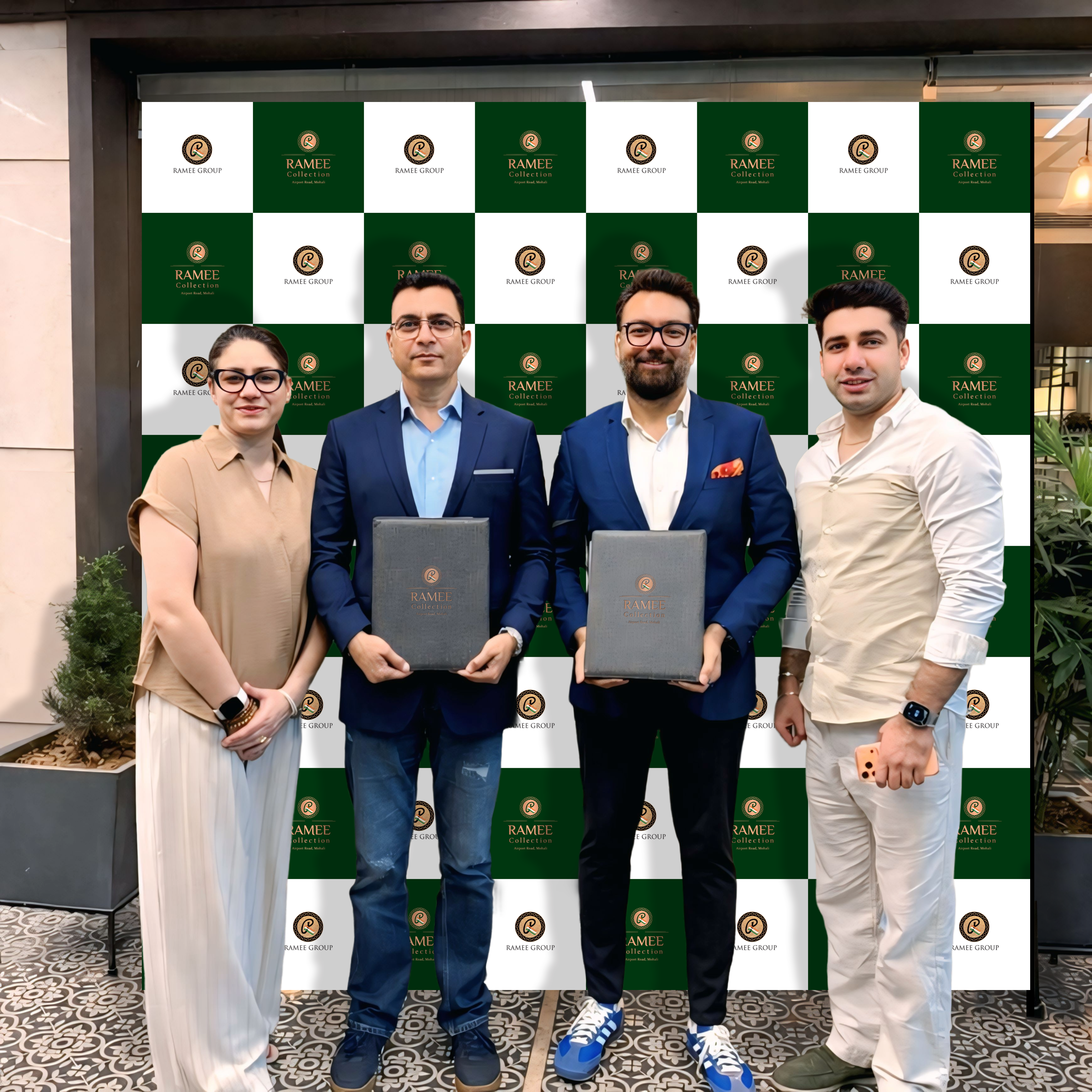
Mar 18: Ramee Group of Hotels, a globally recognized hospitality brand known for its vibrant lifestyle experiences and guest-centric service, has announced the signing of new hotel with Pure Hotels Pvt Ltd in Mohali, marking strategic expansion of the brand’s footprint in North India following the introduction of its boutique concept in Amritsar. The upcoming boutique property reinforces the group’s focus on strengthening its presence across emerging destinations in the country. 

Ramee Group of Hotels strengthens North India presence with ​signing of new property in Mohali

 The new property aligns with Ramee Group’s strategy of developing distinctive hospitality offerings in densely populated urban centres with strong demand from leisure and business travellers. 

Speaking on the new signing, Saurabh Gahoi, Senior Vice President – India, Ramee Group of Hotels, said,

“North India continues to be an important market for our growth strategy, and Mohali’s rapidly evolving business and lifestyle landscape makes it an ideal location for our boutique hospitality concept. Through this property, we aim to offer a well-balanced hospitality experience that combines comfortable stays, engaging dining spaces, and versatile venues for celebrations and events.”

Jaspal Singh, Director, Pure Hotels Pvt Ltd, said,

 “We are delighted to partner with Ramee Group of Hotels, one of the most respected hospitality brands in the lifestyle hospitality space. This collaboration marks an exciting step for us as we work together to bring quality hospitality experiences to emerging markets like Mohali. With a strong vision for growth, we aim to expand our portfolio and develop around 10 hotels over the next 24 months, strengthening our presence across high-potential destinations.”

The Hotel will feature well-appointed guest rooms that combine comfort, functionality, and contemporary design. The property will also offer multiple food and beverage experiences with global and contemporary flavours, along with elegant banquet and event spaces for weddings, corporate conferences, and social gatherings, supported by curated menus, dedicated event planning, and modern leisure facilities to enhance the overall guest experience.

Mohali, part of the rapidly developing Tricity region of Mohali–Chandigarh–Panchkula, has witnessed significant infrastructure development and increasing business activity in recent years. The city has become an important hub for corporate travel, sporting events, weddings, and lifestyle experiences. With its proximity to the international airport, IT parks, and educational institutions, Mohali attracts a diverse mix of business and leisure travellers, making it a strong growth destination for hospitality players.

2026 stands as a defining year in Ramee Group of Hotels’ growth trajectory—accelerating strategic footprint across India’s most dynamic markets and unveiling varied signature hospitality experiences to set new industry benchmarks.

Sweet Success: India’s Sugar Production Hits 26.21 Million Tonne in 2025-26, Surpassing Last Year’s Output

India’s sugar industry is on a sweet high this year. According to the Indian Sugar and Bio-energy Manufacturers Association (ISMA), sugar production in the ongoing 2025-26 marketing year (October–September) has already reached 26.21 million tonne, a 10.5% increase compared with the same period last year. Remarkably, this already exceeds the total net production of 26.12 million tonne recorded during the entire 2024-25 marketing year.

Sweet Success: India’s Sugar Production Hits 26.21 Million Tonne in 2025-26, Surpassing Last Year’s Output

Pic Credit: Pexel

This growth underscores the resilience of India’s sugar mills and the increasing efficiency of sugarcane farming across the country. Analysts point to favorable weather conditions, improved crop yields, and strategic operations by mills as key drivers of this impressive output.

Sugar Mills in Motion

As of March 15, 157 sugar mills were actively crushing sugarcane, while 379 mills remained closed, following seasonal patterns and regional availability of raw materials. This selective operation allows mills to manage production efficiently and balance supply with market demand.

Last year, production during this same period was 23.72 million tonne, highlighting a strong year-on-year growth of over 2.5 million tonne. “This is a testament to better agronomy practices, mechanization in cane harvesting, and timely processing at the mills,” said an industry insider.

Approaching the Season’s Finale

The sugar crushing season is now entering its penultimate phase, with mills striving to maximize output before the harvest concludes. With production already surpassing last year’s full-year figure, the industry faces a strategic challenge: maintaining profitability in the face of rising input costs and price pressures.

One key demand from the sector is the early upward revision of the Minimum Selling Price (MSP). An MSP adjustment would not only secure fair returns for mills but also protect the interests of millions of sugarcane farmers who rely on timely payments for their livelihoods.

Regional Powerhouses

India’s sugar production continues to be dominated by traditional cane-growing states. Uttar Pradesh, Maharashtra, Karnataka, and Tamil Nadu remain the pillars of output, with Uttar Pradesh leading the way. Maharashtra, which struggled last year due to drought conditions, has bounced back, contributing to the national surge in production.

If current trends hold, experts project India’s sugar production could reach 34–35 million tonne by the end of the 2025-26 season, marking one of the largest harvests in recent years.

Market Dynamics and Global Context

The robust output comes at a time when domestic sugar demand remains steady, and export opportunities are emerging. India, already one of the world’s largest sugar producers, is exploring global markets to balance domestic surplus and stabilize prices.

Government policies, particularly regarding MSP, export subsidies, and ethanol blending mandates, will play a crucial role in sustaining the sector’s growth. A well-calibrated policy framework could make India’s sugar industry more competitive internationally, while ensuring the long-term viability of mills and farmer incomes.

Sweet Prospects Ahead

India’s sugar sector is not just about production—it’s about livelihoods, rural economy, and energy. With bio-energy generation increasingly integrated into sugar mills’ operations, the industry is contributing to sustainable growth beyond the sweetness of sugar itself.

As the season nears its conclusion, all eyes are on MSP decisions and market demand. For now, the numbers speak for themselves: India’s sugar production is surging, the mills are humming, and the nation is poised for a season of record-breaking sweetness.

Major Boost for Odisha’s Economy: 23 Projects Approved Across Sectors

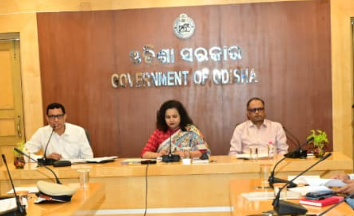
Bhubaneswar, March 17: The State Level Single Window Clearance Authority (SLSWCA), led by Chief Secretary Anu Garg, on Tuesday approved 23 industrial investment proposals valued at Rs 4,510.65 crore. The projects are expected to create more than 10,000 employment opportunities, reinforcing Odisha’s position as a key industrial hub in eastern India.

Major Boost for Odisha’s Economy: 23 Projects Approved Across Sectors

Pic Credit:https://x.com/IPR_Odisha

Forest and Wood-Based Sector

Century Plyboards (India) Limited received approval to establish a manufacturing facility in Koraput, with an investment of Rs 870.82 crore. The unit is expected to generate around 1,000 jobs and promote industrial growth in southern Odisha.

Chemical and Green Industry Sector

Pidilite Industries Limited will set up a manufacturing unit in Balasore with an investment of Rs 61 crore, creating 88 jobs. Paradeep Phosphates Limited plans to establish a sulphuric acid plant in Jagatsinghpur, investing Rs 425 crore and providing employment to 29 people.

Apparel and Technical Textiles Sector

Sonaselection India Limited will invest Rs 130 crore to set up a garment manufacturing unit in Khurda, generating 1,858 jobs. Alphatex Private Limited will establish a technical textiles unit in the same district with an investment of Rs 180 crore, creating 1,050 employment opportunities.

Pharmaceuticals and Medical Devices Sector

Alteus Life Limited plans a pharmaceutical manufacturing unit in Cuttack with an investment of Rs 236.90 crore, generating 549 jobs. Shreeji Imaging and Diagnostic Centre Private Limited has received clearance to establish a specialized medical facility in Khurda, investing Rs 53.55 crore and providing employment for 36 people.

Manufacturing and Engineering Sector

Nipha Limited will set up an agricultural equipment manufacturing facility in Khurda with an investment of Rs 164 crore, expected to create 300 jobs.

Aluminium and Metal Downstream Sectors

Odisha Special Grade Alumina Ltd will establish a unit in Koraput with an investment of Rs 88.16 crore, generating 66 jobs. In the steel and metal sector, Scan Steels Limited plans a MS pipe and galvanizing unit in Sundargarh with an investment of Rs 255 crore, creating 350 jobs, while Navprakriti Green Energies Private Limited will establish a metal extraction facility in Balasore, investing Rs 105 crore and generating 540 jobs.

Food Processing Sector

Coastal Biotech Private Limited will invest Rs 350 crore to set up an agro-processing unit in Kalahandi, generating 500 employment opportunities.

IT and ITES Sector

PricewaterhouseCoopers Services LLP has received approval to establish a technology delivery center in Khurda, with an investment of Rs 60 crore.

These approvals are part of Odisha’s ongoing efforts to boost industrialization across multiple sectors, create employment, and attract investment, strengthening the state’s economic growth and industrial footprint.

ad:tech New Delhi 2026 Opens at “The Bold Front,” Exploring Marketing’s AI-Powered Future

New Delhi, Delhi, India Mar 18th: The 15th edition of ad:tech New Delhi opened today at Yashobhoomi, bringing together leaders from across marketing, media, advertising, and technology to examine how artificial intelligence, evolving data ecosystems, and changing consumer behaviour are reshaping the future of marketing.

Held under the theme “The Bold Front,” the conference set the stage for conversations around a rapidly transforming industry where human creativity and intelligent technology are converging to redefine how brands connect with audiences.

Reflecting on the broader momentum at “The Bold Front,” Jaswant Singh, Country Managing Director, ad:tech India, noted how the conference captures the strategic pivot taking place across marketing today: “Consumer expectations are changing faster than ever, and brands must respond with intelligence and agility. At ad:tech New Delhi 2026, we are discussing how AI, data, and programmatic media can help organisations understand audiences more deeply and deliver relevant experiences. Success is now defined not only by reach but by the trust and value a brand creates at every touchpoint. Companies are exploring how to combine creativity with insight to foster stronger engagement. Creativity and human judgement remain essential, but technology is amplifying their reach. This is how the industry can build both growth and resilience for the future.”

Over the past 15 years, ad:tech New Delhi has emerged as one of India’s most influential platforms for marketing innovation, enabling industry leaders to exchange ideas, explore new technologies, and navigate the evolving digital ecosystem.

At the 2026 edition, the expo hall was buzzing with energy. Over 70 companies, along with their experts and brand teams, demonstrated the latest innovation in AI, programmatic advertising, martech, data intelligence, and digital media solutions. Attendees also engaged in partner sessions by Google, Amazon, Magnite, and Click2Commission, gaining practical insights on platform strategies, publisher success, and emerging trends. Playful activations like Jenga, Tetris, and table tennis brought a fun, engaging dimension to the experience.

ith participation from global tech companies, agencies, publishers, and marketing leaders, the scale and diversity of the event highlight the rapid growth and dynamism of India’s marketing technology ecosystem.

Exploring “The Bold Front” of Marketing

Across three stages- VISION, LIVE, and DEEP DIVE- Day 1 explored how marketing leadership is evolving as the industry moves from experimentation with AI toward deeper integration across the marketing stack.

The opening keynote, delivered by Jamie Jouning, Global Head of Advertising, The Economist, highlighted the importance of smarter systems in an AI-driven environment:

“We’re operating in a world of constant uncertainty, where AI is accelerating, but adoption remains uneven. Success won’t come from moving fastest, but from designing the smartest systems and making sharper choices about what truly matters.”

Sessions throughout the day examined AI-powered programmatic advertising, media buying, connected TV, search, generative AI in marketing workflows, and the evolving role of creators and youth culture. Speakers highlighted how AI is not replacing creative thinking, but expanding possibilities for experimentation and innovation. Panels also addressed ethical AI, transparency, and building consumer trust in automated systems.

Practical Insights and Emerging Trends

Creativity in the age of intelligent technology was another central theme, with speakers highlighting how AI is not replacing creative thinking but expanding the possibilities for experimentation and innovation in storytelling. David Shing, aka Digital Prophet, emphasized this evolving dynamic:

“Design has continually evolved with technology. From the shift from paper-led creativity to desktop publishing, each disruption has redefined the role of the creator. Today, AI marks the next inflection point, where it almost feels as though technology can anticipate our intent. As we express ideas, systems are increasingly able to translate them into outputs in real time, blurring the line between imagination and execution.”

Discussions explored hybrid operating models where human expertise works alongside AI-driven systems, as well as the growth of connected TV and quick commerce. Speakers emphasized that effective marketing in 2026 requires balancing speed and scale with intelligence, simplification, and data-driven decision-making.

“Television is far from stagnant; it is evolving through a hybrid model that blends the strengths of linear with the precision of digital. This synergy between scale and performance is redefining how marketers approach media investments today,” said Prasad Sanagavarapu, Invidi, summarising insights from the day’s media sessions.

The afternoon sessions further examined AI-native operating models, content as a core currency, commerce acceleration, and the rise of intelligent search, showcasing how marketing leaders are translating technological transformation into business growth.

Consumer behaviour in the age of AI was highlighted by Paul D’Arcy, Moloco:

“Technology is moving faster than ever, and the 2026 AI Disruption Index makes one thing clear: if your value proposition is purely transactional, you are vulnerable. The only true defense against AI disintermediation is the strength of your customer relationship. When disruption is high, trust is the only currency that doesn’t devalue.”

The Conversation Continues

By the close of Day 1, a clear theme had emerged across discussions: artificial intelligence is no longer simply enhancing marketing tools. In fact, it is reshaping the entire operating system of the industry.

From programmatic infrastructure and AI-powered creativity to connected TV, quick commerce, and intelligent search, marketers at ad:tech New Delhi 2026 are exploring how to navigate this new frontier where human insight and machine intelligence work together.

The day concluded with the ad:tech Honours Awards, celebrating the organisations and innovators pushing the boundaries of marketing technology.

With one more day of discussions, showcases, and networking ahead, ad:tech New Delhi 2026 continues to bring the industry together to explore what lies beyond today’s digital frontier.


The Woolmark Company Unveils ‘Wool Futures’ Concept for Next-Generation Sustainable Workwear

Mumbai, Mar 18: The Woolmark Company has launched the latest edition of its forward-thinking initiative, Wool Futures, spotlighting the evolution of performance workwear and outerwear designed for modern outdoor professionals.

The new concept is led by Woolmark ambassador and renowned explorer Mike Horn, and explores how apparel can adapt to the needs of individuals working in challenging environments such as renewable energy sites, infrastructure projects, regenerative agriculture, and field research.

Redefining Functional and Sustainable Workwear
Built on insights from Woolmark’s Workwear Toolkit, the concept emphasizes practicality, adaptability, and sustainability, moving away from overly technical designs toward clothing rooted in real-world functionality.

“Workwear should feel credible, not costume-like, grounded in the real needs of people who work outside,” said Horn.

At the heart of the concept is the idea of “natural intelligence” clothing—garments that intuitively respond to environmental conditions, movement, and climate without heavy reliance on synthetic materials.

Modular Wool-Based Layering System
The concept introduces a modular layering system designed to perform across varying conditions:

  • Merino wool base layers for thermoregulation and breathability

  • Insulating mid-layers for adaptable warmth

  • Durable outer shells engineered to resist wind, rain, and abrasion

Select designs incorporate Woolmark Optim technology, enhancing durability and weather protection while reducing dependence on chemicals and synthetic fibres.

Designed for the Workforce of the Future
The collection targets professionals contributing to environmental resilience and infrastructure development, including energy technicians, conservation rangers, field researchers, and outdoor maintenance teams.

By combining performance, sustainability, and intelligent design, the initiative highlights wool’s natural benefits, including low microplastic impact and high adaptability.

A Blueprint for Future Apparel
The latest edition of Wool Futures positions itself as a blueprint for the future of workwear—where innovation meets environmental responsibility and user-centric design.

New Amrit Bharat Trains to Boost Odisha’s Connectivity and Economic Growth

Chief Minister Mohan Charan Majhi announced on Tuesday that the newly approved Amrit Bharat Express trains will significantly enhance rail connectivity across Odisha, linking the state more closely with key cities in Tamil Nadu, Jharkhand, and Assam.

The first train, running between Podanur in Tamil Nadu and Dhanbad in Jharkhand, will make scheduled stops at Rayagada, Muniguda, Kesinga, Titlagarh, Bolangir, Bargarh Road, Sambalpur, Jharsuguda, and Rourkela. This service will directly benefit seven districts in southern and western Odisha, including the historically underserved KBK (Kalahandi-Bolangir-Koraput) region.

“This train will not only improve convenience for passengers but also strengthen economic and social links between Odisha and industrial hubs like Coimbatore, Tiruppur, Salem, Ranchi, Bokaro, and Dhanbad,” Majhi said in a social media post, expressing gratitude to Prime Minister Narendra Modi and Railway Minister Ashwini Vaishnaw for the approval.

The second Amrit Bharat Express, operating between Kamakhya in Assam and Charlapalli in Andhra Pradesh, will pass through several districts in Odisha, including Balasore, Bhadrak, Jajpur, Cuttack, Khordha, and Ganjam. It will also stop at Srikakulam and Visakhapatnam in Andhra Pradesh. This route aims to enhance connectivity between Odisha, Northeast India, and the southern states, providing better travel options for students, workers, traders, and tourists. The train departs from Kamakhya every Sunday and from Charlapalli every Wednesday.

Both trains feature modern LHB coaches designed for long-distance travel with improved comfort and safety. Passengers in general and sleeper classes will benefit from upgraded seating, ample luggage space, and enhanced onboard facilities, making travel more comfortable and affordable.

Officials from the East Coast Railway (ECoR) highlighted that these new services will boost mobility, promote tourism and pilgrimage, and support local economies by connecting people and regions more efficiently.

The introduction of the Amrit Bharat Express trains demonstrates a continued effort by the central government to strengthen Odisha’s railway infrastructure and accelerate regional development, bringing convenience, opportunities, and a modern travel experience to residents of the state.

Sheepdogs Reveal a Better Way to Guide Robot Swarms

Mar 18: Researchers at the Georgia Institute of Technology have uncovered new insights into how unpredictable group behavior—observed in sheepdog trials—can be leveraged to improve the coordination of robotic swarms, autonomous systems, and AI-driven networks.

Published as a cover feature in Science Advances, the study demonstrates how strategies used by sheepdog handlers and trained dogs to guide flocks can inform more efficient control of systems operating under uncertain and noisy conditions.

Understanding Group Behavior Under Uncertainty

“Birds, bugs, fish, sheep, and many other organisms move in groups because it benefits individuals,” said Saad Bhamla, associate professor at Georgia Tech. “But the challenge is that these groups are made up of individuals making local, imperfect decisions.”

The research team analyzed hours of sheepdog trial footage, discovering that smaller groups of sheep are often harder to control than larger ones, due to constant switching between two instincts: following the group and fleeing perceived threats.

“This switching behavior makes the group unpredictable,” said Tuhin Chakrabortty, co-lead author of the study.

A Two-Step Strategy for Effective Control
The study identified a consistent two-step herding strategy:

  1. Subtle alignment of the group’s orientation while movement is minimal

  2. Timely increase in pressure to trigger coordinated motion

Researchers found that timing is critical, as alignment within small groups can quickly dissolve due to internal behavioral “noise.”

From Sheep Herding to Swarm Intelligence
To extend these findings, the team developed computational models simulating how sheep respond to both external pressure and peer interactions. These models were then applied to robotic swarm simulations.

Traditional swarm systems often rely on averaging signals from multiple sources, which can fail when information is noisy or conflicting. The Georgia Tech team discovered that a different approach—focusing on one signal at a time and dynamically switching sources—can outperform conventional methods.

“Under noisy conditions, averaging can dilute the correct signal,” Bhamla explained. “But switching attention between sources allows accurate information to spread more effectively.”

Introducing the ‘Indecisive Swarm Algorithm’
The researchers developed a novel framework called the Indecisive Swarm Algorithm, which allows influence to shift dynamically among individuals in a system.

Key advantages include:

  • Improved coordination in uncertain environments

  • Reduced effort required to guide group movement

  • Greater adaptability compared to fixed leader-follower models

This counterintuitive approach shows that controlled unpredictability can enhance system performance, rather than hinder it.

Broad Applications Across Industries
The findings have potential applications in:

  • Autonomous vehicles and traffic systems

  • Drone and robotic swarm coordination

  • Distributed AI agents

  • Complex networked systems

“Our findings suggest that the same dynamics that make small animal groups unpredictable may also offer new ways to control complex engineered systems,” Bhamla added.

No. 1 Live Seller Kim Gravel Launches Selling with Soul, Her Secret Playbook Behind $1B in Live Sales – and How to Master It


Kim-Red

Credit: Sylvia Lee


LOS ANGELES, CA — March 18:

Kim Gravel, a Southern girl-next-door with no degree and no outside funding, cracked the code of live selling, generating over $1.4 billion in real-time sales and selling nearly 29.5 million units across The Kim Gravel Brand (Belle by Kim Gravel and Love Who You Are (LWYA)).

In a bold move that cemented her as a leading innovator in modern commerce, America’s top live seller, bestselling author, and entrepreneur, Gravel launched Selling With Soul, an eight-module digital course sharing the exact strategies behind her record-breaking success. The course launched on March 17, 2026, in conjunction with International Women’s Month.

As TikTok Shop, Amazon Live, and social commerce continue to rapidly reshape how consumers discover and buy products, live selling has emerged as one of the fastest-growing drivers of conversion in retail. However, as more creators and brands rush into the space without a clear strategy, audiences are growing increasingly skeptical of inauthentic influencer sales, and brands are struggling to build lasting trust and loyalty. Recognizing this gap, Gravel launched Selling With Soul, providing a roadmap to sell authentically and effectively.

Gravel’s live-selling achievements speak for themselves. On QVC, her highest-selling day came on March 5, 2023, with nearly $10.5 million in sales and 212,000 units sold, including $8.8 million from her Belle by Kim Gravel fashion line alone. In 2025, she headlined the first-ever KIM-A-THON, generating over $5.7 million in sales across 14 hours of programming. That year also featured back-to-back live audience shows with the highest live audience achievement rate of 2025, highlighting Gravel’s ability to engage viewers in real time across QVC’s platforms.

“Selling With Soul is built on the belief that live selling is a conversation, not a performance,” said Gravel. “When you focus on genuine connection and create a space where people feel valued, the audience responds, and the business grows in an authentic, sustainable way.”

Gravel’s story is as unconventional as it is inspiring. She spent a decade as a stay-at-home mom before building her business entirely on her own terms, proving that authenticity, consistency, and connection are the real currency of today’s digital economy. She is also the bestselling author of Collecting Confidence, the author of the children’s book Maribelle and the Manger, and the host of a top-ranked podcast. Selling With Soul is her first-ever course, designed to teach entrepreneurs, creators, and brands how to turn live selling into a human-centered, revenue-driving experience.

Who the Course is For:

  • Entrepreneurs and creators ready to turn authenticity into profit

  • Brands looking to build loyalty, trust, and community, not just clicks

  • Anyone ready to step on camera with confidence and connect in real time

  • Individuals who want to turn personality, presence, or purpose into impact and income

What Participants Will Learn:

  • How to build emotional trust that drives long-term loyalty

  • Mindset and presence techniques to show up authentically on camera

  • Storytelling methods that turn real-life experiences into revenue-driving moments

  • Step-by-step guidance on presenting live, engaging audiences, and building a loyal community

  • The exact messaging formula Kim uses on QVC, Amazon Live, and TikTok Shop

  • How to scale ethically, turning individual live moments into movements and superfans

As live selling continues to define the future of e-commerce, Gravel stands at the forefront, showing that real success is accessible to anyone willing to build trust, show up, and connect. Selling With Soul is more than a course—it is a blueprint for the next generation of entrepreneurs who want to thrive in today’s digital economy.