Raptee .HV Receives INR 25 Crore Backing from Tamil Nadu Industrial

Raptee .HV Receives ₹25 Crore Backing from Tamil Nadu Industrial

Development Corporation

The board of the Tamil Nadu Industrial Development Corporation (TIDCO) has approved an investment of 25 crore in Raptee Energy under the TIDCO Startup Investment Policy 2025. These investments mark the first deployments under the policy and signal the Government of Tamil Nadu’s decision to directly support high-potential startups emerging from the State’s deep-tech and advanced manufacturing ecosystem.

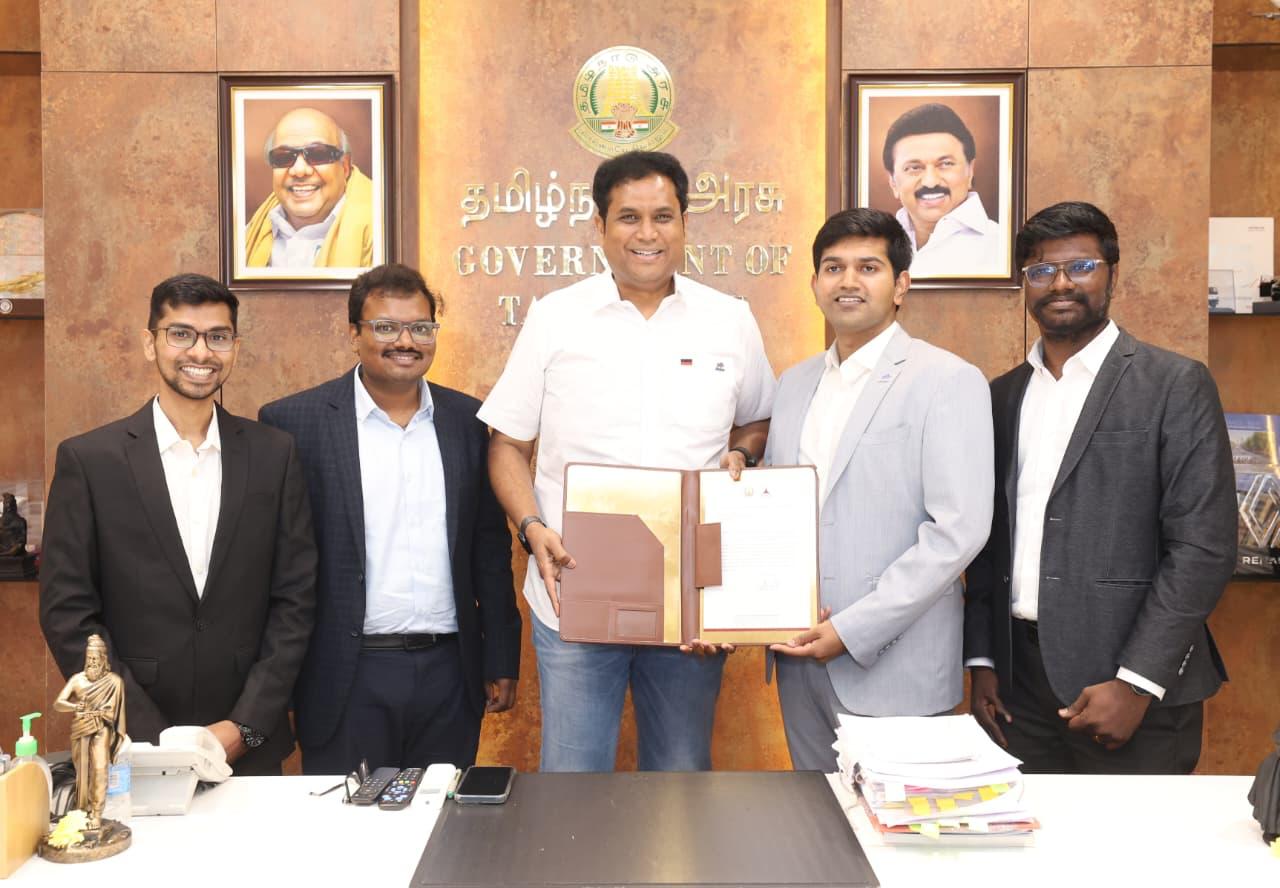
Approval letters were handed over by TRB Rajaa, Minister for Industries, to Dinesh Arjun, CEO and Co- Founder of Raptee Energy. This investment represents a broader institutional shift led by the Department of Industries to strengthen Tamil Nadu’s startup financing ecosystem. It also reflects the State’s focus on supporting innovative companies in frontier sectors such as electric mobility and advanced technologies. 

Dinesh Arjun, CEO Co-Founder, Raptee Energy

“Having TIDCO as a direct investor is a historic first for any state in the country, and it provides Raptee with the institutional credibility to compete on a global stage. This milestone would not have been possible without the forward-thinking leadership of the Honourable Chief Minister Thiru MK Stalin and the hands-on encouragement of the Industries Minister Dr. TRB Rajaa. From our early days to this significant backing, the Minister has personally championed our mission, providing the guidance and ecosystem support necessary for a deep-tech startup to thrive. We are proud to be building world-class electric motorcycles in Tamil Nadu, fueled by a government that truly believes in the power of homegrown innovation.” 

TRB Rajaa, Minister for Industries

“Since 2024, we have been working on reimagining TIDCO’s role in the Department of Industries. Making Tamil Nadu a ‘Product Nation’ has been the ambition of the Honourable Chief Minister, and my personal target, for two years. To lay the foundation for that target, we rebranded TIDCO as a ‘Venture Catalyst’ – the first step towards reforming the organisation into a robust investment arm of the government that helps secure the state’s future in sunrise sectors. With these investments, we have opened a brand new chapter

in TIDCO’s journey with the ambition to recreate the success of our early investments, like the one in TITAN, across many more promising startups.” 

Arun Roy, Secretary, Department of Industries

Under this policyTIDCO has been authorised to invest up to ₹25 crore in eligible startups across sunrise sectors such as electric vehicles, renewable energy, aerospace and defence, semiconductors, medical electronics, advanced technologies including artificial intelligence, blockchain and quantum computing, agro and food processing, technical textiles and speciality chemicals. The policy enables investments across the startup lifecycle, from early-stage innovation to scale and expansion, ensuring that high-growth Tamil Nadu companies have access to patient capital within the State.”


Maya Hawke Receives an IMDb STARmeter Award at SXSW 2026

Maya Hawke Receives an IMDb STARmeter Award at SXSW 2026

IMDb (www.imdb.com), the world’s most popular and authoritative source for information on movies, TV shows, and celebrities, presented an IMDb “Fan Favorite” STARmeter Award to Maya Hawke, star of Wishful Thinking, at the Getty Images Portrait Studio Presented by IMDb during SXSW 2026. IMDb STARmeter Awards recognize the stars who are fan favorites on the IMDbPro STARmeter chart, which is determined by the page views of the more than 250 million monthly visitors to IMDb worldwide. 

IMDb presented a “Fan Favorite” STARmeter Award to actor Maya Hawke.  

Hawke consistently ranks in the STARmeter top 100 on IMDbPro and delivers strong chart performance across her projects. Her popularity took off after joining the cast of Netflix’s Stranger Things as Robin Buckley, a sharp, witty, and brave character introduced in Season 3 as a sarcastic Scoops Ahoy employee who quickly became a fan favorite. Set in the fictional town of Hawkins, Indiana, the show follows Robin and her fellow heroes as they fight monsters and uncover threats from the Upside Down. Stranger Things has remained one of the most-popular series on IMDb for years. Admiration for her work heightens as she stars in Wishful Thinking, which is premiering at SXSW 2026. This recognition places her among an elite group of previous IMDb STARmeter Award recipients, including her Wishful Thinking co-star, Lewis Pullman, who was the most recent award recipient at Toronto Film Festival in 2025. Learn more about IMDb STARmeter Awards at imdb.com/starmeterawards.  

Maya Hawke accepted the IMDb STARmeter Award today (Mar 13) during a visit to the Getty Images Portrait Studio Presented by IMDb located at the J.W. Marriott, at SXSW 2026. Original IMDb coverage of the festival, including celebrity video interviews and photographs, is available now at https://www.imdb.com/sxsw/.  

TrafficGuard Appoints Scott Thomson as Head of AI to Drive Next-Generation Fraud Prevention and Platform Innovation

Thomson brings over 10 years’ experience in AI technology and strategy from Google, Adobe, and Telstra to one of the industry’s earliest AI-native ad fraud prevention platforms.   

TrafficGuard Appoints Scott Thomson as Head of AI to Drive Next-Generation Fraud Prevention and Platform Innovation

Australia, March 17: TrafficGuard, a leading platform in AI-powered digital ad verification and invalid traffic (IVT) prevention, has appointed Scott Thomson as Head of AI. Thomson will oversee and accelerate the execution and embedment of AI into TrafficGuard’s platform and processes, building on more than eight years of machine learning innovation that has positioned the company at the forefront of ad fraud detection since its founding. He brings over a decade’s worth of experience in technology and AI innovation, having previously worked for Google, Adobe, and Telstra, as well as founding strategic consultancy firm SCRYPTID.   

TrafficGuard was among the first ad verification platforms to deploy machine learning models for real-time invalid traffic detection, processing billions of data points to identify fraud patterns invisible to rules-based systems. That early investment in AI infrastructure now serves as the foundation for the company’s next generation of detection capabilities – engineered to combat an increasingly sophisticated threat landscape.   

“We are delighted to welcome Scott in an executive capacity at a pivotal time for TrafficGuard. His deep expertise in AI spanning Google Cloud, generative AI strategy, and enterprise innovation is directly aligned with where we are taking this business,” said Mat Ratty, CEO of TrafficGuard. “Scott’s appointment accelerates our ability to execute our AI roadmap and deliver advanced fraud prevention to advertisers globally. We look forward to the contribution he will make as we enter our next phase of growth.”   

Scott Thomson will support TrafficGuard’s expansion of its AI capabilities, ensuring the platform is well positioned to manage ad exposure and fraud risks as the digital advertising ecosystem undergoes its most significant shift in a decade. He will leveragehis extensive experience in AI strategy and innovation to accelerate product development and commercial execution, bringing to market advanced solutions that monitor, detect, analyse, and respond to invalid traffic, while driving adoption across new verticals and channels.   

Scott Thomson, Head of AI, Traffic Guard said: “Having served as a non-executive director since early 2024 with TrafficGuard, I’m looking forward to adding my experience and guidance more directly to our already significant team. The AI arms race in ad fraud is real. Fraudsters are already deploying agentic bots and generative AI to evade detection at scale, and staying ahead requires deep AI expertise and a platform built for continuous evolution.   

The appointment comes at a critical inflection point for the industry. The rapid proliferation of agentic AI – autonomous bots capable of browsing, clicking, filling out forms, and mimicking genuine user behaviour, is fundamentally reshaping the threat landscape for digital advertisers. Unlike traditional bot traffic, agentic bots operate with human-like intent patterns, making them significantly harder to detect using conventional verification methods. Industry analysts project that AI-generated invalid traffic will account for an increasingly material share of digital ad spend waste over the coming years, creating an urgent need for AI-native detection that can evolve at the same pace as the threats it defends against.   

“TrafficGuard has a strong foundation in machine learning-driven detection, and I’m here to accelerate what’s next,” said Thompson. “Expanding our AI-powered capabilities beyond fraud detection into intelligent optimisation tools that help advertisers not just protect their spend, but maximise its performance. We’re evolving the platform to cover new channels and deliver actionable insights that turn fraud data into a genuine competitive advantage. Tackling ad fraud has become increasingly essential for advertisers, and I can’t wait to be part of the talented team building the future of ad verification.”   

This strategic appointment will further strengthen TrafficGuard’s commitment to driving innovation in ad fraud prevention. It supports TrafficGuard’s wider global channel growth strategy, following its recent expansion in the United States and the appointment of CPO Miguel Lopes. The company plans to significantly expand its team, enabling brands to boost their revenue and confidently scale advertising campaigns by eliminating invalid traffic. As brands allocate record budgets to digital channels, TrafficGuard’s mission to ensure every ad dollar reaches a real human has never been more commercially critical. 

One-carbon Therapeutics Signs Strategic Collaboration with Tempus to Advance Molecular Insights and Enable Precision Oncology Development of TH9619

Solna, Sweden, March 17: One-carbon Therapeutics, a clinical-stage oncology company pioneering first-in-class targeted therapies based on deep understanding into cancer biology, today announced a strategic collaboration with Tempus AI Inc. (NASDAQ: TEM), a technology company leading the adoption of AI to advance precision medicine. The collaboration will leverage Tempus’ proprietary, de-identified multimodal database and bioinformatics expertise to advance molecular insights supporting the clinical development of TH9619.

Through this collaboration, One-carbon Therapeutics will utilize Tempus’ analytical services to characterize the expression landscape across prioritized solid tumor indications. By integrating RNA sequencing data with clinical variables, the teams aim to uncover deep molecular insights that will inform the development of TH9619.    

“Understanding the molecular dynamics of one-carbon metabolism across tumor types and treatment settings is fundamental to advancing TH9619 with precision,” said Ana Slipicevic, Chief Executive Officer at One-carbon Therapeutics. “Tempus’ depth of molecular data and analytical rigor enables us to generate statistically robust evidence that can potentially guide clinical decision making and optimize development.”

“At Tempus, our goal is to accelerate progress in oncology by translating complex molecular insights into meaningful therapeutic advances,” said Ezra Cohen, MD, Chief Medical Officer, Oncology, at Tempus. “Through comprehensive analysis of our multimodal dataset, we are supporting One-carbon Therapeutics in characterizing the metabolic signatures across diverse tumor types. These insights are essential to informing research strategies and advancing the development of next-generation targeted cancer therapies.”  

By deepening the understanding of the biological mechanisms and genetic profiles associated with one-carbon metabolism across tumor types, the collaboration will strengthen the precision-driven clinical strategy for TH9619. Building on a deep understanding of how cancer cells depend on this pathway, these analyses may help identify patient populations most likely to benefit from treatment. This approach has the potential to enhance development efficiency, reduce uncertainty and ultimately help ensure that innovative targeted therapies reach the patients who need them most.

lomarlabs and Blaze Energy to Pilot Compact Onboard Fuel Reforming for Multi-Fuel Engines

London,  March 17— lomarlabs, a venture catalyst advancing maritime innovation, has entered into a collaboration with Blaze Energy to pilot a third-generation, compact, engine-integrated fuel reformer designed to accelerate the practical adoption of alternative fuels in commercial shipping.

The collaboration will culminate in a pilot installation onboard a Lomar vessel, enabling Blaze Energy to validate its multi-fuel reforming system, under real marine operating conditions. The Flex-Fuel Reformer converts ammonia, methanol, or LNG into hydrogen directly onboard the ship, allowing propulsion and power generation machinery and equipment to efficiently operate on full or partial hydrogen blends to reduce associated emissions without compromising operational flexibility. The installed system will be first proven through ammonia.

Addressing a critical barrier to alternative fuels

Against the backdrop of tightening regulation – including the EU Emissions Trading System (EU ETS) and FuelEU Maritime – shipowners face increasing uncertainty around future fuel pathways, fuel availability, and long-term compliance strategies. With vessels representing multi-decade investments, the risk of premature lock-in to a single fuel or propulsion solution has become a central strategic concern.

Blaze Energy addresses this challenge by enabling existing engines to operate efficiently with multiple alternative fuels through compact, engine-integrated fuel reforming. By converting ammonia, methanol, or LNG into hydrogen directly at the engine, the system supports hydrogen-assisted combustion without the need for large standalone equipment or dedicated hydrogen supply chains.

Injecting small quantities of hydrogen accelerates combustion of slow-burning fuels such as ammonia – reducing ammonia slip, improving combustion efficiency, and mitigating methane slip in LNG engines. This allows owners to achieve measurable emissions and efficiency benefits while preserving operational and commercial optionality across fuels.

From laboratory validation to marine pilot

Building on successful laboratory validation, Blaze Energy is preparing for its first marine pilot as the next step toward real-world deployment. The pilot will be installed onboard a Lomar vessel and tested under real marine operating conditions, a key validation step towards the first commercial retrofit and newbuild deployments.

The pilot is designed as a capital-efficient first-ship deployment, generating the technical and operational evidence required to progress towards full classification society approval and enable follow-on installations with additional owners and engine OEM partners who seek early engagement in AiP-driven fuel-flexible deployment pathways.

A shared commitment to fuel flexibility

The collaboration reflects a shared view between lomarlabs and Blaze Energy that fuel flexibility, rather than reliance on a single future fuel, will be central to maritime decarbonisation. By enabling vessels to bunker locally all available fuels – subject to storage tank availability – and convert them onboard, compact reforming technology offers a pragmatic pathway through uncertain fuel availability, infrastructure readiness, and regulatory evolution, for owners and Original Equipment Manufacturers (OEM) to manage fuel uncertainty and transition risk without premature commitment to a single future fuel propulsion solution.

Stylianos Papageorgiou, Managing Director of lomarlabs, said:

“The energy transition in shipping will be non-linear, and multi-fuel for longer than we may want or expect. Technologies that create optionality, rather than betting on a single outcome, will be strategically important. Blaze Energy works to bring to market a technology that delivers optionality to owners and resolves engineering bottlenecks. Our collaboration is about giving new technology the space and support it needs to iterate, learn, and prove itself in the real world.”

Rok Sitar, CEO and co-founder of Blaze Energy, said:

“This pilot marks a deliberate shift from proving technology to proving operability. By integrating Blaze Flex-fuel System with a trading vessel we are addressing one of the key bottlenecks in adopting alternative fuels: practical, safe, and flexible use in existing vessels. Collaborating with an owner of this caliber allows us to validate the system under class-relevant conditions and build a credible pathway toward broader deployment with owners, OEMs and class societies.”

Sven Schwarz, Strategic Advisor to Blaze Energy and former CEO of two leading European chemical tanker operators, adds:

“For shipowners, the defining challenge is navigating regulatory uncertainty, uneven fuel availability, and long asset lifecycles at the same time. Technologies that preserve fuel optionality while working within existing engines and class frameworks are critical to de-risk compliance and long-term investment decisions.”

Nicholas Georgiou, CEO of Lomar, adds:

“There are many pathways to improve and develop fuel use, but one common and essential direction: decarbonisation. This collaboration has the potential to help us transform the practical adoption of alternative fuels in commercial shipping which would be of great value to owners of vessels in the water, especially those with diesel engines.”

Looking ahead

The pilot is scheduled for installation in early 2027, following land-based testing and engagement with classification societies. Both parties view the collaboration as a step toward developing engine-compatible, operationally credible pathways for alternative fuels—grounded in real-world testing rather than assumptions.

RAKEZ workshop helps businesses simplify tax compliance strengthen financial management

RAKEZ-workshop

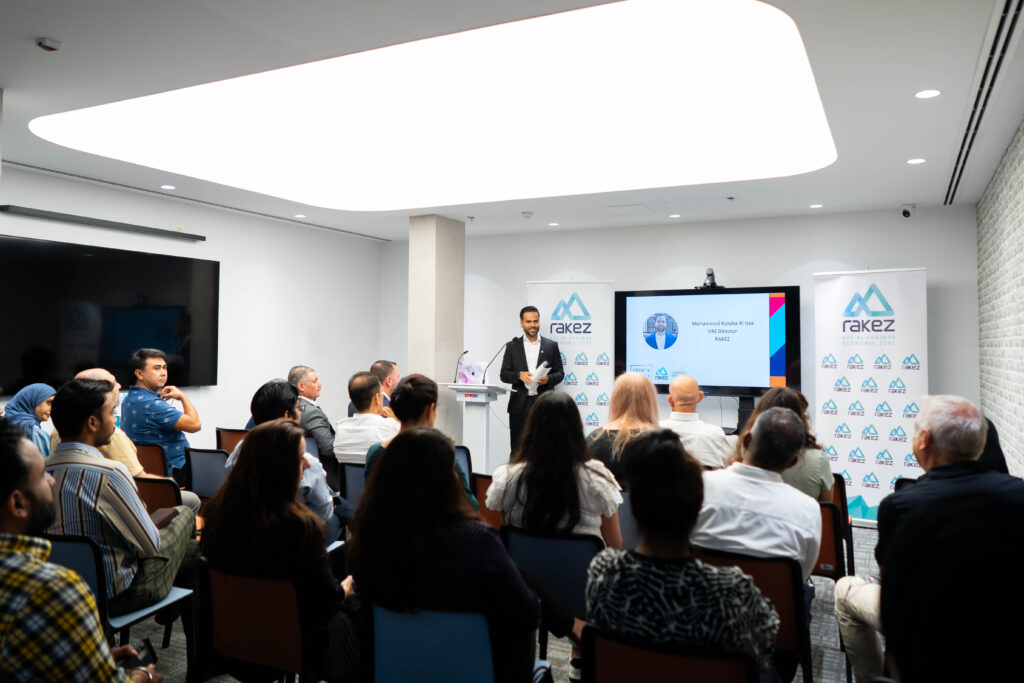
Ras Al Khaimah, Mar 17: Ras Al Khaimah Economic Zone (RAKEZ) recently organised an expert-led workshop aimed at helping businesses navigate UAE corporate tax requirements while strengthening their financial management practices. The session brought together entrepreneurs and business leaders from the RAKEZ community to gain practical insights on maintaining compliance and building stronger financial resilience in today’s evolving business environment.

The workshop focused on equipping companies with a clearer understanding of corporate tax obligations while offering practical strategies to manage spending, improve cash flow visibility, and maintain financial stability. Participants were guided through key aspects of the UAE’s corporate tax framework, including registration requirements, proper record-keeping practices, and approaches to ensuring accurate and timely tax filings.

During the session, attendees also gained insights into corporate tax thresholds and available relief mechanisms, including the 0% tax threshold and the Small Business Relief scheme, helping businesses better understand how these provisions apply to their operations. The workshop further explored practical financial management approaches that companies can adopt to strengthen their financial position, including prioritising spending, improving cash flow monitoring, and using automation tools to enhance operational efficiency and support more sustainable growth.

RAKEZ Group CEO Ramy Jallad said, “Our focus at RAKEZ is to ensure that businesses within our community remain well-informed and well-prepared. By bringing together regulatory expertise and practical financial insights, we help our clients strengthen their operations and make confident decisions for their growth.”

The workshop featured insights from industry experts, including Profit Acceleration Specialist and Founding Launch Director of BNI RAK Mike Hoff, who shared growth-focused financial strategies for business owners, and Tax Consultant John Casey, who provided guidance on navigating the UAE’s corporate tax landscape and maintaining compliance.

Through its ongoing programme of expert-led sessions, workshops, and knowledge-sharing initiatives, RAKEZ continues to provide businesses with access to practical insights, industry expertise, and the latest regulatory updates, enabling companies to stay compliant while strengthening their operational and financial foundations.

India’s Unemployment Rate Falls to 4.9% in February

New Delhi — India’s unemployment rate fell to 4.9% in February 2026, down from 5% in January, according to data released by the Ministry of Statistics. The decline reflects improvements in both urban and rural labor markets.

India’s Unemployment Rate Falls to 4.9% in February

Pic Credit: Pexel

Among urban residents aged 15 and above, the unemployment rate decreased slightly from 6.7% to 6.6%. In rural areas, the overall rate remained steady at 4.2%. Female employment saw significant gains: urban women’s unemployment dropped from 9.8% to 8.7%, while rural women’s rate fell from 4.3% to 4%.

The labor force participation rate (LFPR) for the overall population remained stable at 55.9%, with rural and urban areas recording 58.7% and 50.4%, respectively. Among women aged 15 and above, participation improved to 35.3%, rising to 40% in rural areas, while remaining unchanged at 25.5% in urban areas.

The monthly unemployment figures were compiled in collaboration with the National Sample Survey Office (NSSO), covering 3,74,879 respondents. Previously, India reported only quarterly unemployment statistics, but the government has shifted to publishing both monthly and quarterly data since January 2025 to provide a more timely picture of the labor market.

Analysts say the latest numbers signal steady recovery in employment opportunities across the country, with increased participation of women in the workforce contributing to the overall improvement.

The Spirit of Seoul curated by Chef U Geon Jin takes over Conrad Pune as the hotel celebrates Ten years of luxury hospitality

The Spirit of Seoul curated by Chef U Geon Jin takes over Conrad Pune as the hotel celebrates Ten years of luxury hospitality

Pune, Mar 17th: A decade of redefining luxury hospitality in the city, Conrad Pune has quietly shaped Pune’s hospitality landscape, becoming a destination where global perspectives, world class experiences and international flavours come together to create memorable dining moments. As the hotel celebrates ten years in Pune, it marks the milestone with an experience that reflects its international spirit of bringing the culinary soul of Seoul to the city.

This March, the hotel’s award-winning pan-Asian destination k-o-j-i presents The Spirit of Seoul, an immersive dining experience curated by Chef U Geon Jin of Conrad Seoul. Taking place from 20th to 29th March, this special takeover offers guests a rare opportunity to experience Korean cuisine through one of Seoul’s most refined culinary voices.

For Conrad Pune, this exclusive dining experience reflects a philosophy that has defined the property since its opening: that dining is far more than what appears on a plate. It is about culture, stories and the moments shared on the table. Over the years, the hotel has welcomed culinary leaders and traditions from around the world, transforming its restaurants into spaces where global gastronomy unfolds with authenticity and elegance. With The Spirit of Seoul, that journey turns towards Korean cuisine that is celebrated for its balance of flavours, quiet complexity and deep-rooted traditions.

At the heart of the experience is Chef U Geon Jin, whose culinary philosophy is rooted in precision and deep respect for tradition. With years of experience in Korean fine dining, his cooking reflects the delicate interplay of fermentation, technique and ingredients that define the cuisine. Known for presenting dishes that celebrate both complexity and simplicity of Korea’s culinary heritage, Chef U draws inspiration from traditional Korean kitchens, allowing the natural character of each ingredient to shine while preserving the integrity of time-honoured methods.

For the anniversary menu of The Spirit of Seoul, Chef U Geon Jin curates a menu that offers diners an intimate introduction to Korean cuisine and its culinary heritage. The journey begins with a refreshing soup Doenjang Guk (Korean Bean Paste Soup with Spinach) or Kimchi Jjigae (Cabbage Kimchi Soup with Pork), moving to cold appetizers Jooksoon Chae and Saeu Naengchae and hot appetizers Dubu Gangjeong, Dak Gangjeong and Tteokbokki. Every dishe highlights the crisp textures and bright flavours served at the beginning of a Korean meal. From there, the experience unfolds through handcrafted Kimbap to Mandu Dumplings (savoury), vibrant Naengchae salads and deeply comforting dishes like Jjigae Stews, bowls of Bibimbap, Myeon and more, each layered with flavour and tradition. The menu concludes with the gentle sweetness of Hotteak, a beloved Korean dessert that brings warmth and nostalgia to the table. Each dish reflects the essence of Korean dining where food is meant to be savoured slowly and enjoyed in the company of loved ones.

Sharing his thoughts Chef U Geon Jin says, “Bringing the warm and flavours of Korean cuisine to Pune is a special experience for me. It offers an opportunity for guests here to discover the heart of Korean cooking, a cuisine that is deeply rooted in balance, tradition and joy of sharing food together. My hope is that diners not only enjoy the flavours but also leave with a sense of the warmth and generosity that define our culinary culture.”

As the hotel celebrates a decade of welcoming guests from around the world and creating memorable experiences, Abhishek Sahai, General Manager, Conrad Pune reflects on the milestone, “As we celebrate ten years of Conrad Pune, it felt natural to mark the occasion through the language we know best – exceptional dining experience. Over the past decade, our restaurants have brought global culinary traditions to the city, offering guests the opportunity to discover new flavours and cultures. The Spirit of Seoul is a wonderful extension of that vision, bringing the expertise of Chef U Geon Jin from Conrad Seoul to Pune and creating an experience that feels both distinctive and memorable.”

Set against the contemporary elegance of k-o-j-i, The Spirit of Seoul promises an experience that feels intimate and immersive where precision and technique meet heartfelt hospitality and where the vibrant culinary culture of Seoul finds a place in the heart of Pune. As Conrad Pune steps into its next decade, this experience stands as a reflection of the hotel’s vision of creating journeys that bring the world a little closer, one thoughtfully curated dish at a time.

Listing Details:

What: The Spirit of Seoul Marking the 10-year anniversary of Conrad Pune

Venue: k–o-j-i, Conrad Pune

Dates: 20th – 29th March, Lunch – 12:30 pm to 3:30 pm & Dinner – 7:00 pm to 11:30 pm

Indian Stock Market: From Record Highs to Volatility — A Winter of Contrasts (Dec 2025–Mar 2026)

The period between December 2025 and March 2026 proved to be one of the most eventful quarters for India’s stock market in recent years. It was a season that began with optimism and record-breaking milestones but soon transitioned into a phase of correction, global uncertainty, and renewed resilience. For investors, the winter months offered a vivid reminder of how rapidly market sentiment can shift in a globally connected financial ecosystem.

A Rally That Reached New Heights

As 2025 drew to a close, Indian equity markets were riding on strong momentum built throughout the year. Robust corporate earnings, resilient domestic consumption, and steady inflows from domestic institutional investors helped propel the benchmarks to historic levels.

The BSE Sensex surged past the 86,000 mark, while the Nifty 50 climbed above 26,000, reflecting investor confidence in India’s economic trajectory. Banking, financial services, and infrastructure stocks led the rally, supported by strong balance sheets and expectations of sustained credit growth.

Retail participation in the equity markets also continued to rise. Systematic investment plans (SIPs) into mutual funds remained strong, cushioning the market from volatility and reducing dependence on foreign capital flows. For much of December, the mood on Dalal Street was unmistakably bullish.

Indian Stock Market: From Record Highs to Volatility — A Winter of Contrasts (Dec 2025–Mar 2026)

The Turn: Profit Booking and Global Headwinds

However, the exuberance did not last long. As the calendar turned to January 2026, markets began to show signs of fatigue. After months of sustained gains, investors started booking profits, triggering a correction in benchmark indices.

Global developments added to the pressure. Rising crude oil prices, geopolitical tensions in the Middle East, and uncertainty surrounding global interest rate policies created nervousness among investors. Foreign institutional investors (FIIs), who had previously supported the rally, began pulling out funds from Indian equities.

The correction was swift. Both the Sensex and Nifty retreated significantly from their record highs, reflecting broader concerns about global growth, inflation risks, and elevated market valuations.

Market strategists noted that the correction was not entirely unexpected. After an extended rally, valuations in several sectors had become stretched, leaving equities vulnerable to external shocks. The pullback, many analysts argued, was a natural phase in a longer-term bullish cycle.

Sectoral Divergence Becomes Visible

During the correction phase, the performance gap between sectors became more evident. Technology and export-oriented companies faced pressure amid global economic uncertainty, while sectors linked to domestic demand — such as banking, infrastructure, and capital goods — remained relatively resilient.

Large-cap stocks, particularly those in the banking and financial services space, continued to attract investor interest. Their strong earnings visibility and relatively stable balance sheets made them preferred picks during volatile market conditions.

Meanwhile, mid-cap and small-cap stocks experienced sharper fluctuations as investors reassessed valuations and rotated capital toward safer large-cap counters.

March: Signs of Stability and Recovery

By March 2026, signs of stabilization began to emerge in the Indian equity market. Select heavyweight stocks helped drive a recovery in benchmark indices, supported by renewed buying from domestic investors and value-seeking institutional participants.

Banking and financial stocks played a crucial role in the rebound. Market leaders across the sector witnessed renewed interest as investors looked for fundamentally strong companies capable of delivering consistent earnings growth.

The recovery also reflected confidence in India’s broader economic fundamentals. Despite global uncertainty, India’s macroeconomic indicators remained relatively stable. Economic growth projections continued to outpace many other major economies, reinforcing the country’s position as one of the most attractive emerging markets for long-term investors.

Domestic Strength vs Global Uncertainty

The December–March quarter highlighted a defining characteristic of India’s modern equity market: its growing resilience, driven largely by domestic capital.

In the past, sharp foreign investor outflows could trigger steep market declines. Today, strong domestic institutional participation — including mutual funds, insurance companies, and retail investors — has created a more balanced market structure.

Even during periods of foreign selling, domestic investors have stepped in to absorb supply, helping stabilize market movements.

Nevertheless, global developments continue to influence short-term sentiment. Fluctuations in oil prices, geopolitical conflicts, and changes in global monetary policy remain key variables that investors closely monitor.

The Road Ahead

Looking forward, market experts believe that the next phase of growth in Indian equities will depend less on valuation expansion and more on sustained corporate earnings growth.

Infrastructure spending, manufacturing expansion, and continued digital transformation across sectors are expected to support long-term economic growth. These structural drivers could provide a strong foundation for equity markets in the coming years.

For investors, the winter of 2025–26 served as an important lesson. Markets may move in cycles of enthusiasm and caution, but the broader story of India’s economic rise continues to attract global attention.

In many ways, the events of the past few months reaffirm a simple truth about financial markets: while volatility is inevitable, strong fundamentals often provide the most reliable anchor for long-term confidence.

March Liquidity Tightness May Create Opportunities for Short-Term Debt Investors

India’s fiscal year-end liquidity dynamics may present a window of opportunity for investors in short-term debt instruments, particularly through liquid and money market mutual funds. Historically, the period between December and March has been one of the most favorable for such investments due to temporary liquidity pressures in the financial system that tend to push short-term yields higher.

According to market data, yields on money market instruments often rise during the final months of the financial year as banks, corporates, and financial institutions adjust their balance sheets and liquidity positions. This seasonal tightening typically leads to higher yields on instruments such as commercial papers (CPs), certificates of deposit (CDs), and treasury bills.

Seasonal Yield Spike Around Fiscal Year-End

The year-end period coincides with several liquidity-draining events across the economy. Companies and individuals make tax payments, corporates distribute dividends, and governments increase treasury bill issuance to manage fiscal cash flows. At the same time, banks adjust their liquidity ratios ahead of quarter-end reporting. These combined factors create a temporary spike in short-term borrowing costs in the money market.

Historically, this pattern has led to yields peaking around March and early April, before stabilizing as liquidity returns to the system. For debt investors, this window can offer an opportunity to lock in higher yields in short-duration instruments.

Active Portfolio Management Gains Importance

Fund managers often respond to this seasonal trend by adjusting portfolio maturity profiles. Instead of maintaining a constant duration strategy, some actively manage maturities to capture the yield spike. This involves increasing average maturity around March–April and reinvesting proceeds from maturing instruments at elevated rates.

For example, money market funds may hold instruments with slightly longer maturities during this phase to benefit from favorable rate movements, while liquid funds may deploy rolling maturities to reinvest proceeds into higher-yielding short-term securities.

Current Yield Environment

As of February 28, 2026, a money market fund cited in the report was running a yield to maturity (YTM) of about 6.69% with a Macaulay duration of 164 days, while a liquid fund was operating at around 6.18% YTM with a much shorter duration of 39 days. These figures reflect the typical short-duration positioning of such funds while they aim to benefit from seasonal yield movements.

While absolute yields are slightly lower compared with previous years, expectations of possible rate easing combined with fiscal year-end liquidity dynamics could still support performance in the near term, analysts note.

Outlook

With fiscal year-end liquidity tightening and potential interest-rate adjustments on the horizon, short-term debt funds may continue to attract investor interest. Market participants say strategies that dynamically manage maturity and reinvestment timing could be better positioned to capture yield spikes during the March–April period while maintaining liquidity and credit discipline.

However, experts caution that returns in debt funds remain linked to market conditions, and investors should consider their risk appetite and investment horizon before allocating funds to such instruments.