India’s Unemployment Rate Falls to 4.9% in February

New Delhi — India’s unemployment rate fell to 4.9% in February 2026, down from 5% in January, according to data released by the Ministry of Statistics. The decline reflects improvements in both urban and rural labor markets.

India’s Unemployment Rate Falls to 4.9% in February

Pic Credit: Pexel

Among urban residents aged 15 and above, the unemployment rate decreased slightly from 6.7% to 6.6%. In rural areas, the overall rate remained steady at 4.2%. Female employment saw significant gains: urban women’s unemployment dropped from 9.8% to 8.7%, while rural women’s rate fell from 4.3% to 4%.

The labor force participation rate (LFPR) for the overall population remained stable at 55.9%, with rural and urban areas recording 58.7% and 50.4%, respectively. Among women aged 15 and above, participation improved to 35.3%, rising to 40% in rural areas, while remaining unchanged at 25.5% in urban areas.

The monthly unemployment figures were compiled in collaboration with the National Sample Survey Office (NSSO), covering 3,74,879 respondents. Previously, India reported only quarterly unemployment statistics, but the government has shifted to publishing both monthly and quarterly data since January 2025 to provide a more timely picture of the labor market.

Analysts say the latest numbers signal steady recovery in employment opportunities across the country, with increased participation of women in the workforce contributing to the overall improvement.

The Spirit of Seoul curated by Chef U Geon Jin takes over Conrad Pune as the hotel celebrates Ten years of luxury hospitality

The Spirit of Seoul curated by Chef U Geon Jin takes over Conrad Pune as the hotel celebrates Ten years of luxury hospitality

Pune, Mar 17th: A decade of redefining luxury hospitality in the city, Conrad Pune has quietly shaped Pune’s hospitality landscape, becoming a destination where global perspectives, world class experiences and international flavours come together to create memorable dining moments. As the hotel celebrates ten years in Pune, it marks the milestone with an experience that reflects its international spirit of bringing the culinary soul of Seoul to the city.

This March, the hotel’s award-winning pan-Asian destination k-o-j-i presents The Spirit of Seoul, an immersive dining experience curated by Chef U Geon Jin of Conrad Seoul. Taking place from 20th to 29th March, this special takeover offers guests a rare opportunity to experience Korean cuisine through one of Seoul’s most refined culinary voices.

For Conrad Pune, this exclusive dining experience reflects a philosophy that has defined the property since its opening: that dining is far more than what appears on a plate. It is about culture, stories and the moments shared on the table. Over the years, the hotel has welcomed culinary leaders and traditions from around the world, transforming its restaurants into spaces where global gastronomy unfolds with authenticity and elegance. With The Spirit of Seoul, that journey turns towards Korean cuisine that is celebrated for its balance of flavours, quiet complexity and deep-rooted traditions.

At the heart of the experience is Chef U Geon Jin, whose culinary philosophy is rooted in precision and deep respect for tradition. With years of experience in Korean fine dining, his cooking reflects the delicate interplay of fermentation, technique and ingredients that define the cuisine. Known for presenting dishes that celebrate both complexity and simplicity of Korea’s culinary heritage, Chef U draws inspiration from traditional Korean kitchens, allowing the natural character of each ingredient to shine while preserving the integrity of time-honoured methods.

For the anniversary menu of The Spirit of Seoul, Chef U Geon Jin curates a menu that offers diners an intimate introduction to Korean cuisine and its culinary heritage. The journey begins with a refreshing soup Doenjang Guk (Korean Bean Paste Soup with Spinach) or Kimchi Jjigae (Cabbage Kimchi Soup with Pork), moving to cold appetizers Jooksoon Chae and Saeu Naengchae and hot appetizers Dubu Gangjeong, Dak Gangjeong and Tteokbokki. Every dishe highlights the crisp textures and bright flavours served at the beginning of a Korean meal. From there, the experience unfolds through handcrafted Kimbap to Mandu Dumplings (savoury), vibrant Naengchae salads and deeply comforting dishes like Jjigae Stews, bowls of Bibimbap, Myeon and more, each layered with flavour and tradition. The menu concludes with the gentle sweetness of Hotteak, a beloved Korean dessert that brings warmth and nostalgia to the table. Each dish reflects the essence of Korean dining where food is meant to be savoured slowly and enjoyed in the company of loved ones.

Sharing his thoughts Chef U Geon Jin says, “Bringing the warm and flavours of Korean cuisine to Pune is a special experience for me. It offers an opportunity for guests here to discover the heart of Korean cooking, a cuisine that is deeply rooted in balance, tradition and joy of sharing food together. My hope is that diners not only enjoy the flavours but also leave with a sense of the warmth and generosity that define our culinary culture.”

As the hotel celebrates a decade of welcoming guests from around the world and creating memorable experiences, Abhishek Sahai, General Manager, Conrad Pune reflects on the milestone, “As we celebrate ten years of Conrad Pune, it felt natural to mark the occasion through the language we know best – exceptional dining experience. Over the past decade, our restaurants have brought global culinary traditions to the city, offering guests the opportunity to discover new flavours and cultures. The Spirit of Seoul is a wonderful extension of that vision, bringing the expertise of Chef U Geon Jin from Conrad Seoul to Pune and creating an experience that feels both distinctive and memorable.”

Set against the contemporary elegance of k-o-j-i, The Spirit of Seoul promises an experience that feels intimate and immersive where precision and technique meet heartfelt hospitality and where the vibrant culinary culture of Seoul finds a place in the heart of Pune. As Conrad Pune steps into its next decade, this experience stands as a reflection of the hotel’s vision of creating journeys that bring the world a little closer, one thoughtfully curated dish at a time.

Listing Details:

What: The Spirit of Seoul Marking the 10-year anniversary of Conrad Pune

Venue: k–o-j-i, Conrad Pune

Dates: 20th – 29th March, Lunch – 12:30 pm to 3:30 pm & Dinner – 7:00 pm to 11:30 pm

Indian Stock Market: From Record Highs to Volatility — A Winter of Contrasts (Dec 2025–Mar 2026)

The period between December 2025 and March 2026 proved to be one of the most eventful quarters for India’s stock market in recent years. It was a season that began with optimism and record-breaking milestones but soon transitioned into a phase of correction, global uncertainty, and renewed resilience. For investors, the winter months offered a vivid reminder of how rapidly market sentiment can shift in a globally connected financial ecosystem.

A Rally That Reached New Heights

As 2025 drew to a close, Indian equity markets were riding on strong momentum built throughout the year. Robust corporate earnings, resilient domestic consumption, and steady inflows from domestic institutional investors helped propel the benchmarks to historic levels.

The BSE Sensex surged past the 86,000 mark, while the Nifty 50 climbed above 26,000, reflecting investor confidence in India’s economic trajectory. Banking, financial services, and infrastructure stocks led the rally, supported by strong balance sheets and expectations of sustained credit growth.

Retail participation in the equity markets also continued to rise. Systematic investment plans (SIPs) into mutual funds remained strong, cushioning the market from volatility and reducing dependence on foreign capital flows. For much of December, the mood on Dalal Street was unmistakably bullish.

Indian Stock Market: From Record Highs to Volatility — A Winter of Contrasts (Dec 2025–Mar 2026)

The Turn: Profit Booking and Global Headwinds

However, the exuberance did not last long. As the calendar turned to January 2026, markets began to show signs of fatigue. After months of sustained gains, investors started booking profits, triggering a correction in benchmark indices.

Global developments added to the pressure. Rising crude oil prices, geopolitical tensions in the Middle East, and uncertainty surrounding global interest rate policies created nervousness among investors. Foreign institutional investors (FIIs), who had previously supported the rally, began pulling out funds from Indian equities.

The correction was swift. Both the Sensex and Nifty retreated significantly from their record highs, reflecting broader concerns about global growth, inflation risks, and elevated market valuations.

Market strategists noted that the correction was not entirely unexpected. After an extended rally, valuations in several sectors had become stretched, leaving equities vulnerable to external shocks. The pullback, many analysts argued, was a natural phase in a longer-term bullish cycle.

Sectoral Divergence Becomes Visible

During the correction phase, the performance gap between sectors became more evident. Technology and export-oriented companies faced pressure amid global economic uncertainty, while sectors linked to domestic demand — such as banking, infrastructure, and capital goods — remained relatively resilient.

Large-cap stocks, particularly those in the banking and financial services space, continued to attract investor interest. Their strong earnings visibility and relatively stable balance sheets made them preferred picks during volatile market conditions.

Meanwhile, mid-cap and small-cap stocks experienced sharper fluctuations as investors reassessed valuations and rotated capital toward safer large-cap counters.

March: Signs of Stability and Recovery

By March 2026, signs of stabilization began to emerge in the Indian equity market. Select heavyweight stocks helped drive a recovery in benchmark indices, supported by renewed buying from domestic investors and value-seeking institutional participants.

Banking and financial stocks played a crucial role in the rebound. Market leaders across the sector witnessed renewed interest as investors looked for fundamentally strong companies capable of delivering consistent earnings growth.

The recovery also reflected confidence in India’s broader economic fundamentals. Despite global uncertainty, India’s macroeconomic indicators remained relatively stable. Economic growth projections continued to outpace many other major economies, reinforcing the country’s position as one of the most attractive emerging markets for long-term investors.

Domestic Strength vs Global Uncertainty

The December–March quarter highlighted a defining characteristic of India’s modern equity market: its growing resilience, driven largely by domestic capital.

In the past, sharp foreign investor outflows could trigger steep market declines. Today, strong domestic institutional participation — including mutual funds, insurance companies, and retail investors — has created a more balanced market structure.

Even during periods of foreign selling, domestic investors have stepped in to absorb supply, helping stabilize market movements.

Nevertheless, global developments continue to influence short-term sentiment. Fluctuations in oil prices, geopolitical conflicts, and changes in global monetary policy remain key variables that investors closely monitor.

The Road Ahead

Looking forward, market experts believe that the next phase of growth in Indian equities will depend less on valuation expansion and more on sustained corporate earnings growth.

Infrastructure spending, manufacturing expansion, and continued digital transformation across sectors are expected to support long-term economic growth. These structural drivers could provide a strong foundation for equity markets in the coming years.

For investors, the winter of 2025–26 served as an important lesson. Markets may move in cycles of enthusiasm and caution, but the broader story of India’s economic rise continues to attract global attention.

In many ways, the events of the past few months reaffirm a simple truth about financial markets: while volatility is inevitable, strong fundamentals often provide the most reliable anchor for long-term confidence.


March Liquidity Tightness May Create Opportunities for Short-Term Debt Investors

India’s fiscal year-end liquidity dynamics may present a window of opportunity for investors in short-term debt instruments, particularly through liquid and money market mutual funds. Historically, the period between December and March has been one of the most favorable for such investments due to temporary liquidity pressures in the financial system that tend to push short-term yields higher.

According to market data, yields on money market instruments often rise during the final months of the financial year as banks, corporates, and financial institutions adjust their balance sheets and liquidity positions. This seasonal tightening typically leads to higher yields on instruments such as commercial papers (CPs), certificates of deposit (CDs), and treasury bills.

Seasonal Yield Spike Around Fiscal Year-End

The year-end period coincides with several liquidity-draining events across the economy. Companies and individuals make tax payments, corporates distribute dividends, and governments increase treasury bill issuance to manage fiscal cash flows. At the same time, banks adjust their liquidity ratios ahead of quarter-end reporting. These combined factors create a temporary spike in short-term borrowing costs in the money market.

Historically, this pattern has led to yields peaking around March and early April, before stabilizing as liquidity returns to the system. For debt investors, this window can offer an opportunity to lock in higher yields in short-duration instruments.

Active Portfolio Management Gains Importance

Fund managers often respond to this seasonal trend by adjusting portfolio maturity profiles. Instead of maintaining a constant duration strategy, some actively manage maturities to capture the yield spike. This involves increasing average maturity around March–April and reinvesting proceeds from maturing instruments at elevated rates.

For example, money market funds may hold instruments with slightly longer maturities during this phase to benefit from favorable rate movements, while liquid funds may deploy rolling maturities to reinvest proceeds into higher-yielding short-term securities.

Current Yield Environment

As of February 28, 2026, a money market fund cited in the report was running a yield to maturity (YTM) of about 6.69% with a Macaulay duration of 164 days, while a liquid fund was operating at around 6.18% YTM with a much shorter duration of 39 days. These figures reflect the typical short-duration positioning of such funds while they aim to benefit from seasonal yield movements.

While absolute yields are slightly lower compared with previous years, expectations of possible rate easing combined with fiscal year-end liquidity dynamics could still support performance in the near term, analysts note.

Outlook

With fiscal year-end liquidity tightening and potential interest-rate adjustments on the horizon, short-term debt funds may continue to attract investor interest. Market participants say strategies that dynamically manage maturity and reinvestment timing could be better positioned to capture yield spikes during the March–April period while maintaining liquidity and credit discipline.

However, experts caution that returns in debt funds remain linked to market conditions, and investors should consider their risk appetite and investment horizon before allocating funds to such instruments.

Xiaomi India Announces Sale of Xiaomi Pad 8, Redefining the Future of Portable Computing

Mar 17: Xiaomi India today announced that its latest tablet, the Xiaomi Pad 8, will go on sale starting March 17, 2026. Designed to meet the evolving needs of modern users, the device introduces a new era of portable computing that combines performance, mobility, and intelligent user experience.

Built for Life on the Go

Powered by Xiaomi HyperOS 3 and the Snapdragon® 8s Gen 4 Mobile Platform, the Xiaomi Pad 8 delivers a seamless and intuitive computing experience. The updated interface features refreshed lock screens, customizable widgets, and smoother animations, ensuring a responsive and personalized user journey.

The tablet supports both vertical and horizontal split-screen modes, enabling efficient multitasking with multiple applications running simultaneously—ideal for productivity, communication, and entertainment.

Enhanced Performance and Productivity

With significant improvements in CPU and GPU performance, the Xiaomi Pad 8 is designed to handle demanding tasks with ease. Advanced memory and storage technologies ensure faster file access, smoother app transitions, and enhanced performance for creative and professional workflows.

The introduction of Workstation Mode transforms the tablet into a productivity-focused environment, offering:

  • An enhanced dock for quick access to frequently used tools

  • Seamless navigation across multiple applications

  • PC-level browser capabilities, including mouse-hover previews and right-click functionality

These features create a desktop-like experience, enabling users to efficiently manage tasks such as document editing, project work, and online collaboration.

A Flexible Device for Work and Creativity

Designed for professionals, students, and creators alike, the Xiaomi Pad 8 supports advanced accessories such as the Xiaomi Focus Pen Pro, which offers ultra-low latency, high pressure sensitivity, and intuitive controls for sketching, note-taking, and creative expression.

Additionally, compatibility with keyboard accessories allows users to transform the tablet into a laptop-like device, enhancing productivity across different use cases.

Seamless Connectivity and Long-Term Reliability

With Xiaomi Hyperconnectivity, users can enjoy seamless file transfers and cross-device workflows. The device is also built for long-term use, supported by extended operating system and security updates, ensuring reliability and performance over time.

Power That Keeps Up

Equipped with a large battery, the Xiaomi Pad 8 is designed to support extended usage across work, study, and entertainment. Fast charging support ensures minimal downtime, allowing users to stay productive throughout the day.

WaterCAN to Launch 2026 Schools Water Testing Week to Promote Safe Drinking Water

Environmental organization WaterCAN has announced its upcoming 2026 Schools Water Testing Week, a nationwide initiative designed to engage schools in monitoring the safety of their drinking water and raising awareness about potential contamination risks., according to media reports.

The program invites students, teachers, and community volunteers to participate in hands-on water testing activities, using specially designed kits to examine drinking water sources at schools. Schools and participants can also access professional testing support through facilities such as Water Testing Lab in Bhubaneswar, which provide accurate water quality analysis and guidance on maintaining safe drinking water. By involving young people directly, WaterCAN aims to foster scientific curiosity, encourage civic responsibility, and highlight the importance of maintaining safe water for health and learning.

WaterCAN to Launch 2026 Schools Water Testing Week to Promote Safe Drinking Water

Water testing is crucial because contaminated water can carry harmful bacteria, viruses, and chemical pollutants that pose serious health risks, especially to children. Regular testing helps identify unsafe water sources, prevent waterborne diseases, and ensure compliance with national and international safety standards. In schools, where students spend significant time consuming drinking water, routine testing is a key measure to protect health, enhance learning, and promote overall well-being.

Previous WaterCAN initiatives revealed that a significant portion of tested school water samples were unsafe for consumption, underscoring the need for routine testing and proactive measures. The 2026 Schools Water Testing Week seeks to expand participation and reach more communities, ensuring that students gain firsthand experience in protecting their water quality.

Organizers emphasize that regular water monitoring and community engagement are key to safeguarding children from waterborne illnesses. The initiative also aims to inspire local authorities to address infrastructure challenges and ensure clean, reliable drinking water in schools.

Details about registration, participating schools, and specific dates for the 2026 event will be announced in the coming weeks. WaterCAN’s effort reflects a growing commitment to empowering communities and promoting the right to safe, clean water for all students.

Photo by Mikhail Nilov

Consistent Infosystems Launches IcePulse and HydroCool ARGB AIO Liquid Coolers for High-Performance Gaming Systems

New Delhi, Mar 17: Consistent Infosystems, one of India’s leading brands in IT hardware, gaming, and surveillance solutions, has expanded its PC components portfolio with the launch of the IcePulse 240mm ARGB AIO Liquid Cooler and HydroCool 360mm ARGB AIO Liquid Cooler. Designed for gamers, PC enthusiasts, and high-performance systems, the new cooling solutions deliver efficient heat dissipation, stable CPU performance, and vibrant ARGB aesthetics for modern PC builds.

Consistent Infosystems Launches IcePulse and HydroCool ARGB AIO Liquid Coolers for High-Performance Gaming Systems

 Built for intensive workloads, extended gaming sessions, and heavy multitasking, both coolers combine high-flow pump technology, powerful ARGB PWM fans, and wide CPU compatibility to ensure reliable thermal efficiency and quiet system performance.

The IcePulse 240mm ARGB AIO Liquid Cooler, designed for balanced performance and efficient cooling, features dual 120mm ARGB PWM fansand supports up to 240W cooling capacity for effective heat management of high-performance processors. It is equipped with a 130L/H high-flow pump to improve coolant circulation and operates at a low noise level of 26.9 dBA for quieter system performance. With ARGB Sync lighting support and compatibility with both Intel and AMD platforms, IcePulse allows users to personalize their PC builds while maintaining reliable cooling efficiency.

The HydroCool 360mm ARGB AIO Liquid Cooler, built for high-end gaming rigs and performance-driven setups, features triple 120mm ARGB PWM fans that deliver enhanced airflow and superior cooling performance. With a 280W cooling capacity, HydroCool is well suited for demanding CPUs and intensive workloads. It also incorporates a 130L/H high-flow pump, operates at 26.9 dBA low noise levels, and supports ARGB Sync lighting, along with wide compatibility with Intel and AMD processors, delivering powerful cooling alongside striking visual aesthetics.

Mr. Yogesh Agrawal, CMD and Co-Founder, Consistent Infosystems, said,

“As gaming, content creation, and high-performance computing continue to grow, efficient thermal management has become essential for system stability and longevity. Our IcePulse and HydroCool ARGB AIO Liquid Coolers are designed to deliver powerful cooling performance while adding vibrant aesthetics, enabling users to build high-performance systems that run efficiently even under demanding workloads.”

With this launch, Consistent continues to strengthen its PC hardware ecosystem by introducing advanced cooling solutions that combine performance, reliability, and visual appeal for gamers, creators, and PC enthusiasts.

The product will be available through Consistent’s extensive channel partner network across In 

              Business News For Profit

Carbon Markets Association of India Hosts India Climate Week 2026; Announces Launch of National Carbon Market Portal on March 21

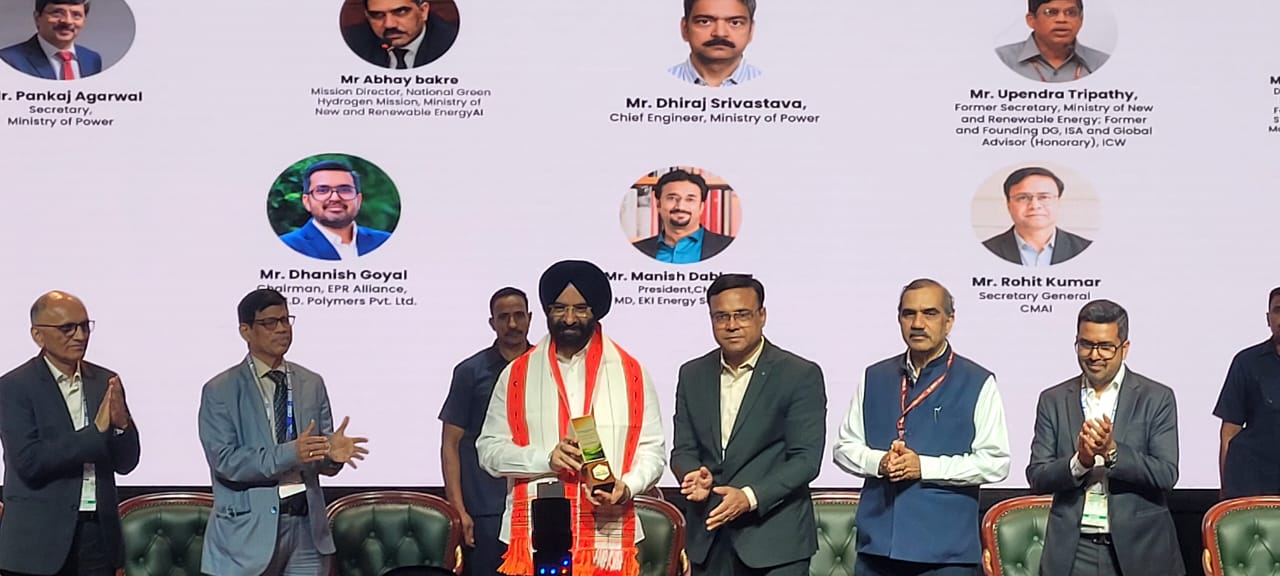
New Delhi, Mar 17: Carbon Markets Association of India inaugurated its flagship summit, India Climate Week 2026 – Gateway to Net Zero, at Bharat Mandapam, convening policymakers, global climate experts, industry leaders, and sustainability practitioners to accelerate India’s transition toward a low-carbon future.

Carbon Markets Association of India Hosts India Climate Week 2026; Announces Launch of National Carbon Market Portal on March 21

 The two-day summit, held from March 16–17, aims to foster dialogue on carbon markets, climate finance, global collaborations, and policy frameworks to support India and emerging economies in achieving net-zero targets.

National Carbon Market Portal Announcement

A key highlight of the summit was the announcement by Saurabh Diddi, Director of the Bureau of Energy Efficiency (BEE), regarding the launch of the Indian Carbon Markets Portal, scheduled for March 21, 2026. The portal is expected to play a pivotal role in operationalizing India’s compliance carbon market and strengthening transparency and participation.

Leadership Insights on Climate Action

The inaugural session was graced by Manjinder Singh Sirsa, Hon’ble Minister for Environment, Forest and Wildlife, Government of NCT of Delhi. He highlighted the government’s ongoing initiatives to enhance environmental governance, improve air quality, and promote sustainable practices across sectors.

Manish Dabkara, President of CMAI and MD & CEO of EKI Energy Services Ltd., said:

“The global transition toward net zero cannot happen without strong carbon market ecosystems. India has immense potential to lead climate action through innovative market-based mechanisms and international collaboration.”

Rohit Kumar, Secretary General of CMAI, added:

“India stands at a critical juncture in its climate journey. Platforms like CMAI are essential for building collaborations, creating awareness, and aligning Indian industries with global climate frameworks.”

Key Sessions and Discussions

The summit featured high-level discussions on global climate architecture and the role of carbon markets in enabling large-scale mitigation:

  • Global Collaborations under the Paris Agreement – Emphasizing international cooperation, technology transfer, and sustainable finance aligned with Nationally Determined Contributions (NDCs).

  • Role of Article 6 in Net Zero Transition (in partnership with London School of Economics) – Highlighting opportunities for cross-border carbon markets and climate finance mobilization.

  • India’s Compliance Carbon Market – Led by BEE experts, detailing regulatory frameworks, monitoring systems, and sectoral participation.

  • Voluntary Carbon Markets (VCMs) – Exploring how high-integrity standards and transparent methodologies can unlock private climate finance across sectors such as renewable energy, agriculture, forestry, and waste management.

Driving India’s Net Zero Vision

Discussions throughout the summit reinforced the importance of credible carbon markets, policy alignment, private sector participation, and global partnerships in accelerating India’s low-carbon transition.

The event will continue on March 17 with further deliberations involving global institutions, financial stakeholders, and policymakers to identify actionable pathways for scaling climate action and strengthening India’s position in the global carbon market landscape.

Wama’s Newest Exhibition Unearths The Mysterious World Beneath Our Feet

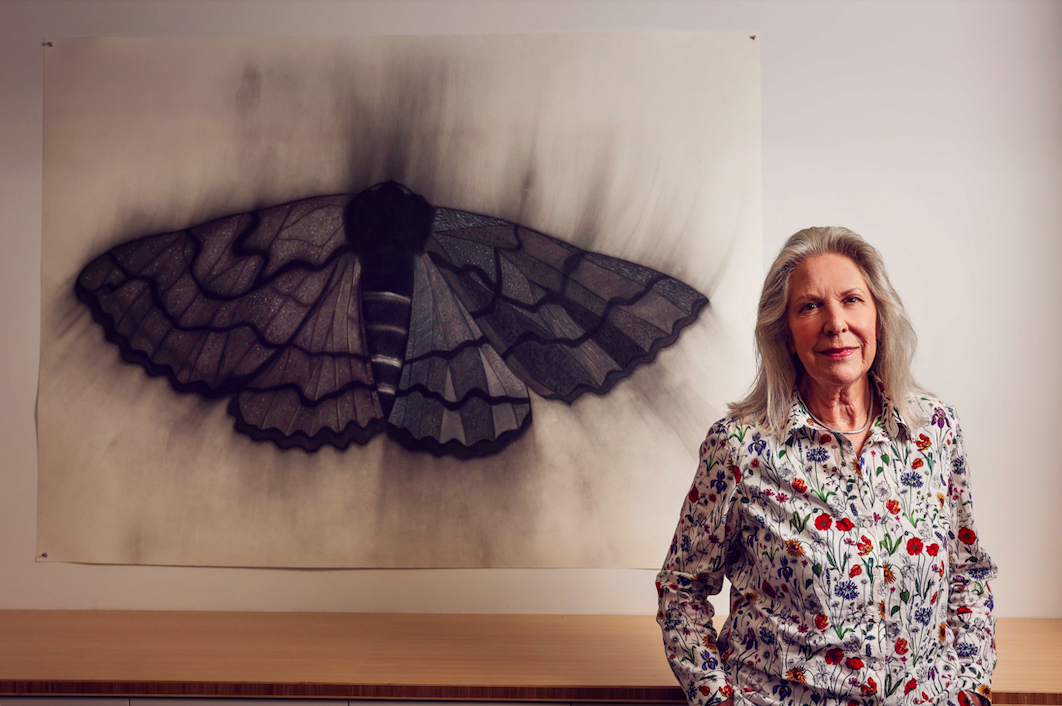
WAMA’s newest exhibition, Entanglements with Fungi: Life, Death and Renewal, is opening at the National Centre for Environmental Art on March 21. This exhibition brings together a group of multidisciplinary artists who explore the Kingdom Fungi, a mysterious underworld that acts as the bridge between interspecies life. 

Wama’s Newest Exhibition Unearths The Mysterious World Beneath Our Feet


Through a compelling mix of reflections on art, science, history, and politics, Entanglements with Fungi: Life, Death and Renewal focuses on the cycles of life, death, and renewal that exist within this hidden kingdom. 

The multi-sensory exhibition features a mix of traditional and experimental projects. Highlights include works created from local earth and materials created through the fungus recycling process, paintings based on data that tracks how mushrooms grow, and an artists’ book that stretches eight metres across the gallery. 

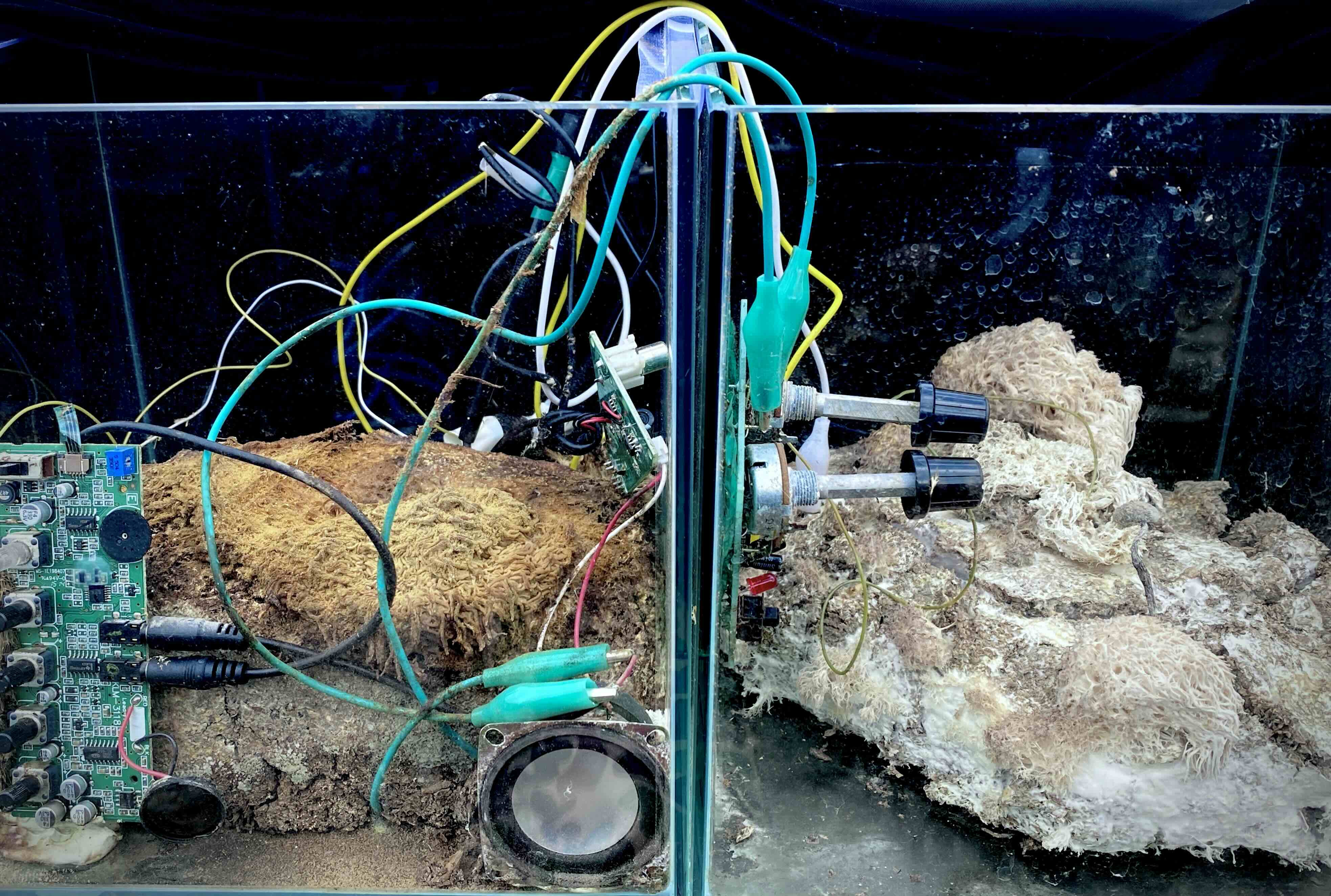
The gallery also features digital projections of the forest floor, sound installations made from recordings of tree roots and soil, and live experiments where sensors track the movement of growing fungi. 

“The artists invite you to imagine what it might feel like to see, or hear, or smell, through the nurturing exchanges between species which are often remote from the immediacy of our human senses. They ask you to imagine what it might feel like to be something other than human,” says exhibition curator Dr Felicity Spear. 

Wama’s Newest Exhibition Unearths The Mysterious World Beneath Our Feet


Neither plant nor animal, fungi underpin all ecosystems, living in water, on trees, in the air, and even on our bodies. Their networks span kilometres and they are linked to every function on the planet, from food security to pharmaceutical medicines. Despite this, they remain largely misunderstood and their future is threatened by the impact of human influences. 

“WAMA at Gariwerd is building a bridge between nature and culture, prompting us to think about human culture not as separate from, but intertwined with Earth’s hidden networks and ecological systems, mutually shaping each other,” says Spear. 

Exhibiting artists include UK environmental artist Chris Drury, sound artist Vicki Hallett, environmental photographer Alison Pouliot and handmade book and digital collage artists Gracia Haby & Louise Jennison. 

Other artists include Sam Leach, Chris Henschke, Debbie Symons, and the curator herself, Felicity Spear. 

Situated at the foothills of Gariwerd/Grampians National Park, WAMA offers a distinctive new cultural experience that unites contemporary art and environmental consciousness across a 16-hectare precinct and includes the Gariwerd Endemic Botanic Garden and Jallukar Native Grasslands alongside the National Centre for Environmental Art – Australia’s only institution dedicated exclusively to the intersection of art and the environment. 

EXHIBITION LAUNCH EVENT 

Mushroom Masterclass with Alison Pouliot

Saturday 21 March 10am to 12.30pm

This hands-on workshop is designed to change the way the forest floor is seen. Learn the basics of mushroom identification, how to tell edible species from toxic look-alikes, and where to find the most interesting fungi in the wild.

Tickets are extremely limited, $75.

-ENDS-

Dabur turns ingredient storytelling into a cultural exploration with influencer-led IP ‘Miswaknama’

New Delhi, Mar 17: Dabur has launched Miswaknama, a digital-first influencer-led initiative for Dabur MeswakToothpaste that takes audiences on a journey across India to rediscover Miswak, the natural ingredient long associated with traditional oral care.

The initiative blends travel, culture and wellness, with regional creators exploring the presence and legacy of the Miswak tree across different parts of the country. Through the campaign, the brand aims to introduce Miswak to new-age consumers and position it as a relevant natural ingredient in today’s wellness conversations.

Exploring Miswak across India

In its first phase, Miswaknama travelled across five culturally diverse regions of India. Regional travel influencers documented their journeys as they explored local landscapes and traditions while tracing the role of Miswak in natural oral care practices.

The stories were primarily shared on Instagram, where audiences followed the creators as they navigated different terrains, interacted with local communities and uncovered the heritage of Miswak in everyday life. Each journey offered a glimpse into how traditional ingredients continue to remain relevant in modern wellness routines.

Turning an ingredient story into a cultural narrative

With Miswaknama, Dabur Meswak aims to move beyond conventional ingredient storytelling by presenting Miswak through the lens of travel and culture. The initiative highlights the connection between nature, tradition and oral care while making the narrative more engaging for younger, digitally native audiences. 

By collaborating with regional storytellers, the brand blends authentic travel experiences with wellness education, encouraging audiences to rediscover ingredients that have been part of traditional oral care practices for generations.

Excited about the campaign Prashant Agarwal, Marketing Head – Oral Care, Dabur said,

“With Miswaknama, we wanted to move beyond conventional ingredient communication and celebrate the rich cultural heritage behind Miswak. For generations, Miswak has been associated with natural oral care traditions, and through this initiative we aim to rediscover and share its story with a new generation of consumers. By collaborating with regional creators and exploring different parts of India, we are bringing the legacy of Miswak closer to audiences in a format that is engaging, authentic and rooted in culture.”

Executing the campaign Amrita Sharma, Founder, Mixed Route Juice (Agency) said,

“With Miswaknama, the idea was to transform an ingredient story into a cultural journey. By bringing together travel, local narratives and wellness, we created an influencer-led storytelling format that allows audiences to experience the heritage of Miswak in an immersive way. Partnering with regional creators helped us capture authentic perspectives while building a narrative that resonates with today’s digitally native consumers.”

      Business News For Profit