PM Mudra Yojana Offers Collateral-Free Loans up to Rs.20 Lakh to Small Entrepreneurs

New Delhi: The Pradhan Mantri Mudra Yojana (PMMY), launched in 2015 to support small businesses and entrepreneurs, provides collateral-free loans of up to ₹20 lakh through banks and financial institutions, the government informed Parliament.

According to information provided by the Department of Financial Services (DFS), the scheme was launched on April 8, 2015, to extend credit support to small enterprises engaged in manufacturing, trading, services and agriculture-allied activities. Loans under the scheme are provided by Member Lending Institutions, including Scheduled Commercial Banks, Non-Banking Financial Companies and Micro Finance Institutions.

Individuals with viable business plans for small enterprises are eligible to apply for loans under the scheme. The loans are categorised into four segments based on the amount required.

Under the Shishu category, loans of up to ₹50,000 are provided, while the Kishor category covers loans above ₹50,000 and up to ₹5 lakh. The Tarun category offers loans above ₹5 lakh and up to ₹10 lakh.

To encourage successful borrowers, the government introduced a new category called Tarun Plus from October 24, 2024. Under this category, entrepreneurs who have successfully repaid their earlier loans under the Tarun category can avail collateral-free loans ranging from ₹10 lakh to ₹20 lakh.

The scheme has played an important role in supporting small businesses, traditional enterprises, handicrafts and agriculture-allied activities. It has also helped women entrepreneurs who often face challenges in accessing credit due to lack of collateral or credit history.

To simplify the loan application process and ensure timely disbursal, the government has also launched digital platforms such as the Jan Samarth portal, which integrates multiple credit-linked schemes and enables applicants to apply for loans through a self-service or assisted process.

This information was provided by Minister of State for Micro, Small and Medium Enterprises Shobha Karandlaje in a written reply in the Lok Sabha on March 12, 2026.

MSME Ministry Completes 364 MSE-CDP Projects; SFURTI Scheme Strengthens Traditional Industry Clusters

New Delhi: The Ministry of Micro, Small and Medium Enterprises (MSME) has completed 364 projects under the Micro and Small Enterprises–Cluster Development Programme (MSE-CDP), aimed at enhancing productivity and competitiveness of micro and small enterprises across the country.

The MSE-CDP scheme focuses on establishing Common Facility Centres (CFCs) and creating or upgrading infrastructure facilities in existing industrial clusters. These initiatives provide financial support to improve technology access, production capacity and overall efficiency of micro and small enterprises.

Since the inception of the scheme, a total of 606 projects have been approved by the Ministry. Of these, 364 projects have been completed while 242 projects are currently under implementation.

Meanwhile, the Scheme of Fund for Regeneration of Traditional Industries (SFURTI) has also made significant progress in promoting cluster-based development and strengthening traditional industries.

According to the Ministry, 513 clusters have been approved across the country since 2015-16 under the SFURTI scheme, with a total committed assistance of ₹1,332.95 crore from the Government of India. These clusters are expected to benefit around 3.03 lakh traditional artisans engaged in sectors such as handicrafts, handloom, agro-processing, coir, honey and other related activities.

Out of the total clusters approved, 378 clusters are currently functional, while 135 clusters are at different stages of implementation.

Officials said the initiative has contributed to infrastructure development, skill enhancement, value addition and improved market linkages for traditional artisans at the grassroots level.

The schemes are part of the government’s broader efforts to promote rural entrepreneurship, strengthen traditional industries and generate sustainable livelihoods for artisans across the country.

Education Ministry Holds Interactive Workshop with Union Territories in New Delhi

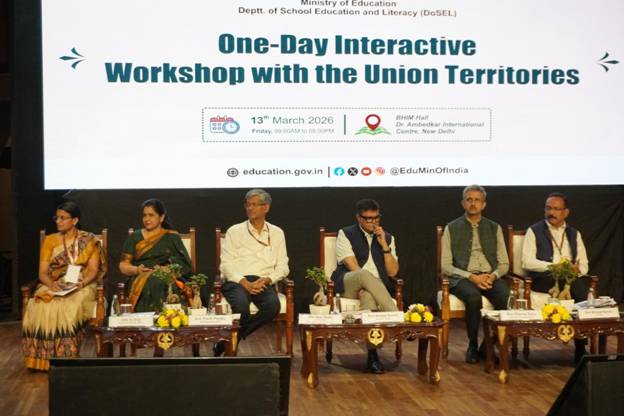
New Delhi: The Department of School Education and Literacy (DoSEL) under the Ministry of Education organised a one-day interactive workshop with representatives from Union Territories on March 13, 2026, at the Dr. Ambedkar International Centre in New Delhi.

The workshop brought together senior officials from the Ministry of Education, representatives from various ministries and departments, and officials from all Union Territories to deliberate on key administrative, financial and legal issues related to school education.

Secretary, DoSEL, Sanjay Kumar inaugurated the workshop and emphasised the importance of regular engagement with Union Territories to strengthen coordination and improve the implementation of education programmes. He highlighted the need to fill vacancies in teaching and non-teaching positions in a timely manner, strengthen academic institutions such as State Councils of Educational Research and Training (SCERTs), District Institutes of Education and Training (DIETs) and State Institutes of Education (SIEs), and ensure prompt responses to parliamentary matters and financial proposals.

Education Ministry Holds Interactive Workshop with Union Territories in New Delhi


Economic Advisor, DoSEL, A. Srija outlined the context of the workshop and noted that the platform would enable Union Territories to exchange ideas and address operational challenges in the education sector.

During the inaugural session, Additional Secretary, DoSEL, Dheeraj Sahu spoke about the importance of strengthening institutional capacity and improving administrative efficiency across Union Territories. Ajay Gupta, Joint Secretary in the Department of Legal Affairs, addressed key issues related to handling litigation and court cases.

Prachi Pandey, Joint Secretary, DoSEL, emphasised that all schools in the Union Territories should be affiliated with the Central Board of Secondary Education (CBSE). Bhupal Nanda, Principal Chief Controller of Accounts in the Ministry of Education, highlighted matters related to financial management and accounting systems.

The technical sessions covered several important topics including the implementation of Section 12(1)(c) of the Right of Children to Free and Compulsory Education Act, 2009, educational indicators and data reporting for evidence-based policy formulation, onboarding of Union Territories with legislatures onto the SNA-SPARSH platform, and strengthening digital financial management systems.

The sessions also highlighted the role of the Legal Information Management and Briefing System (LIMBS) in monitoring court cases and addressed procurement-related issues on the Government e-Marketplace (GeM) portal to improve transparency and efficiency in government procurement.

Representatives from Jammu and Kashmir, Ladakh, Puducherry, Andaman and Nicobar Islands, Chandigarh, Dadra and Nagar Haveli and Daman and Diu, Lakshadweep, and Delhi made presentations on issues including court cases, vacancies in teaching and non-teaching positions including special educators, vacancies in SCERTs, DIETs and SIEs, release of funds under Samagra Shiksha, submission of annual reports and audited accounts, parliamentary matters, and challenges faced while using the GeM portal.

The workshop concluded with an interactive discussion and a summary of key takeaways. The deliberations reaffirmed the commitment of the Ministry of Education and the Union Territories to strengthen coordination, enhance institutional capacity, and ensure effective implementation of school education initiatives to improve learning outcomes across the Union Territories.

Union Minister of Coal and Mines G. Kishan Reddy Inaugurates Key Projects, Reviews Operations at WCL

Union Minister of Coal and Mines G. Kishan Reddy Inaugurates Key Projects, Reviews Operations at WCL

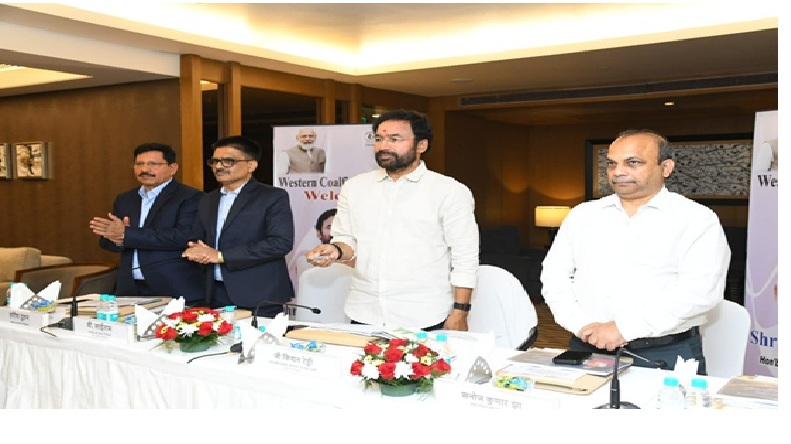
Nagpur: Union Minister of Coal and Mines G. Kishan Reddy, currently on a two-day visit to Western Coalfields Limited (WCL), virtually inaugurated and laid the foundation stone for several infrastructure and development projects while reviewing the company’s operational performance.

During the programme on Friday, the Minister virtually flagged off 25 electric vehicles aimed at supporting cleaner and more efficient operations within the organisation. He also laid the foundation stones for three major projects: the Black Diamond Sports Stadium in the Kamptee area of Nagpur, the Swami Vivekananda Eco Park in Tadali in Wani area, and a First Mile Connectivity (FMC) Project at the Sasti Open Cast Mine in the Ballarpur area.

The projects are expected to strengthen regional infrastructure, promote environmental sustainability, and modernise coal mining operations.

Following the inauguration, the Union Minister conducted a detailed review meeting on WCL’s performance, focusing on coal production, safety measures, sustainable development initiatives, environmental protection, and upcoming projects.

Praising the work culture and performance of the organisation, Reddy commended Team WCL for its achievements and expressed confidence that the company would deliver even stronger results in the current financial year. He also discussed WCL’s role in the evolving landscape of the coal industry.

During the meeting, WCL Chairman-cum-Managing Director Harish Duhan presented a detailed overview of the company’s achievements during the financial year 2025–26.

Senior officials present at the meeting included Sanoj Kumar Jha, Additional Secretary in the Ministry of Coal, B. Sairam, Chairman of Coal India Limited, along with other senior officers from the Ministry of Coal, Coal India Limited, and WCL.

As part of his visit, the Union Minister will also inspect the ongoing mine closure process at the Murpar underground mine on March 14, 2026. He is scheduled to hold a meeting with the District Collector and members of the Mine Closure Advisory Committee (MCAC).

Representatives from WCL’s Mine Closure team, non-governmental organisations, consultants, and members of local villages are expected to participate in the meeting to discuss issues related to mine closure and rehabilitation.

IIIT Hyderabad Trust in Technology Takes Centre Stage at IIIT Hyderabad’s 25th R&D Showcase

Hyderabad, March 15: The 25th edition of the annual R&D Showcase of the International Institute of Information Technology Hyderabad began on Saturday at the institute’s Gachibowli campus. The two-day flagship event, which concludes on Sunday, has grown into one of the most anticipated research exhibitions, bringing together researchers, industry leaders, policymakers and students to explore advances in artificial intelligence, cybersecurity, algorithms, robotics and digital public infrastructure. 

IIIT Hyderabad Trust in Technology Takes Centre Stage at IIIT Hyderabad’s 25th R&D Showcase


The R&D Showcase is the institute’s major annual exhibition where faculty and students present their latest research projects, prototypes and innovations to academia, industry and the public. 

Themed “Trust in Technology – Security, Privacy and Transparency,” the event features over 400 research posters, demos and prototypes from 29 research centres, enabling visitors to interact directly with researchers and witness how fundamental research is translated into real-world applications. 

The programme included spotlight sessions by the Centre for Security, Theory and Algorithmic Research (CSTAR) and the Cyber Manthan Centre (CMC), an inaugural keynote by Shivkumar Kalyanaraman, CEO of the Anusandhan National Research Foundation (ANRF), and a panel discussion on “Building Trust in the Indian Cyberspace: Privacy, Security and Transparency in the Era of Emerging Technologies.” 

IIIT Hyderabad Trust in Technology Takes Centre Stage at IIIT Hyderabad’s 25th R&D Showcase


Delivering the keynote address, Dr Kalyanaraman said the ANRF serves as India’s primary organisation for funding and supporting research, similar to the National Science Foundation in the United States. Established under the Anusandhan National Research Foundation Act, 2023, it replaces the earlier Science and Engineering Research Board (SERB). 

He highlighted several funding opportunities for universities and colleges, noting that ANRF aims to strengthen India’s research ecosystem by supporting scientific and technological research across institutions. The foundation promotes collaboration between academia, industry and government, strengthens research culture in universities—particularly state universities—and supports high-impact research in fields such as artificial intelligence, space, healthcare, climate science and engineering. 

Dr Kalyanaraman also shared plans for several upcoming mission-mode programmes under the MAHA (Mission for Advancement in High-Impact Areas) framework, including MAHA Drones, MAHA G, MAHA Water, and MAHA Leapfrog Demonstrators for Social Innovation. These initiatives aim to address national challenges through collaborative research involving universities, industry and government laboratories, focusing on areas such as drone technologies, next-generation communication systems including 6G, sustainable water management and socially impactful innovations in healthcare, energy and education. 

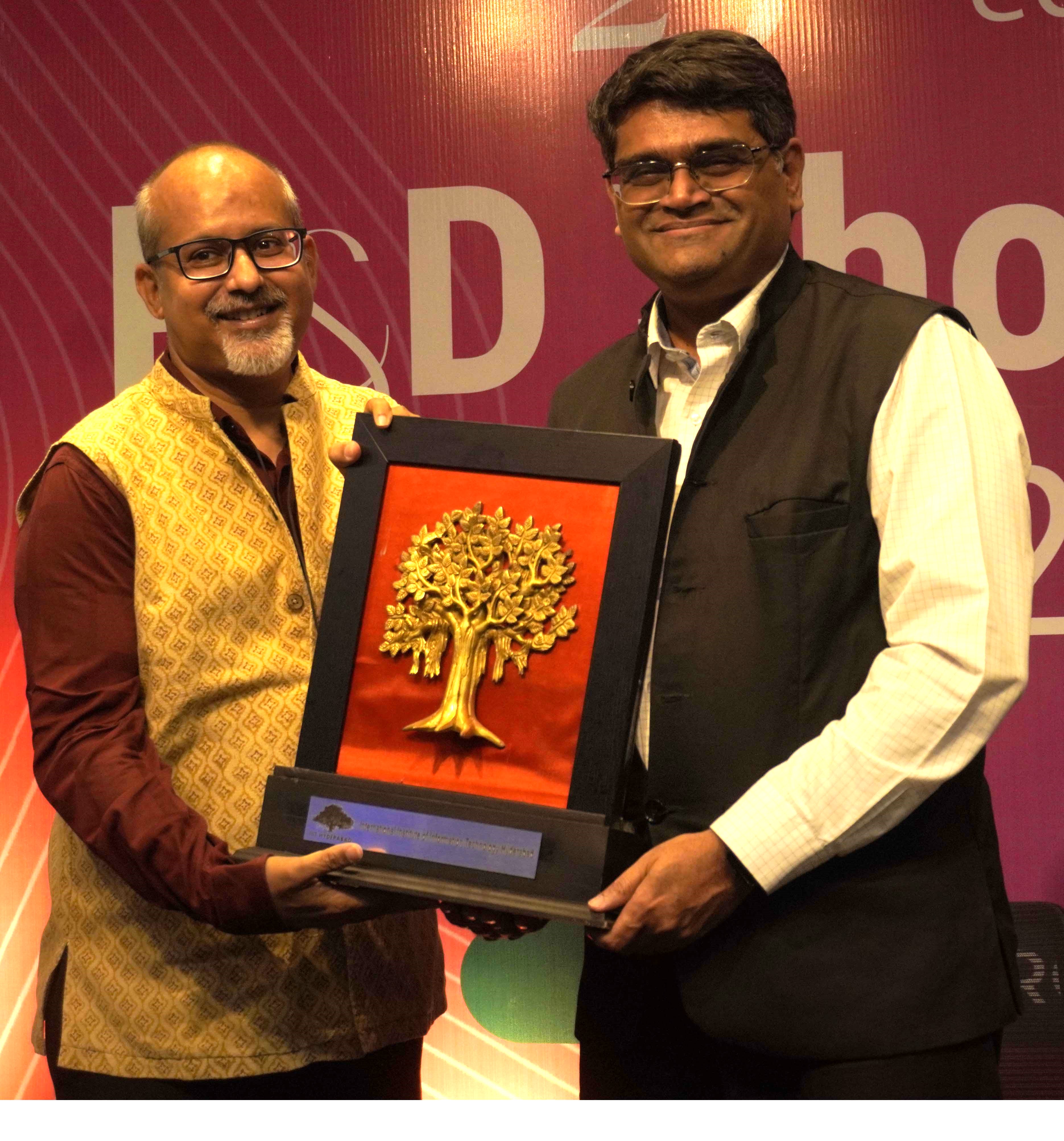
Prof. Sandeep K. Shukla, Director of IIIT Hyderabad, said: “The R&D Showcase reflects the spirit of inquiry and innovation that drives IIIT Hyderabad. It is encouraging to see our researchers engaging with industry, policymakers and the wider public to translate research into meaningful societal impact.” 

Emphasising the theme of the event, he added: “Technology shouldn’t control us; instead, we should control technology.” 

A panel discussion on “Building Trust in the Indian Cyberspace: Privacy, Security and Transparency in the Era of Emerging Technologies” was moderated by Girish Varma of IIIT Hyderabad. 

The panellists included: P. R. Lakshmi Eswari, Centre Head, Centre for Development of Advanced Computing (C-DAC), Hyderabad; Krishna Sastry Pendyala, Partner – Cybersecurity, Ernst & Young; Deepak Kumar, Director, Institute for Development and Research in Banking Technology; M. V. Panduranga Rao, Centre for Cryptography and Cybersecurity, Indian Institute of Technology Hyderabad. 

The discussion highlighted critical concerns around cybersecurity and digital trust. Dr Lakshmi Eswari noted that security is often treated as a secondary priority during product design, rather than being integrated from the outset. Prof. Panduranga Rao pointed to a significant shortage of skilled cybersecurity professionals and emphasised the gap between academic curricula and industry requirements. 

Krishna Sastry Pendyala highlighted the scale of cybercrime in India, noting that financial losses from cyber threats run into tens of thousands of crores annually and that major breaches—such as the theft of hundreds of millions of medical records—raise serious concerns about data security and digital trust. The panel stressed the need for greater awareness, stronger cybersecurity frameworks, skilled manpower and a comprehensive national cybersecurity strategy. 

Alongside exhibits in AI, robotics, data science and cybersecurity, the showcase hosted industry–research confluence sessions on themes such as Cybersecurity and Privacy in the AI Era and AI for Theory and Theory for AI, a startup showcase and an industry roundtable on Agentic AI. 

One of the highlights of the exhibition is an autonomous self-driving wheelchair, designed to enhance mobility for persons with disabilities. Equipped with 3D LiDAR for environmental perception and powered by Jetson Orin running ROS2, the wheelchair enables intelligent navigation with minimal user input. Advanced path planning and obstacle-avoidance systems allow safe and efficient movement in diverse environments. 

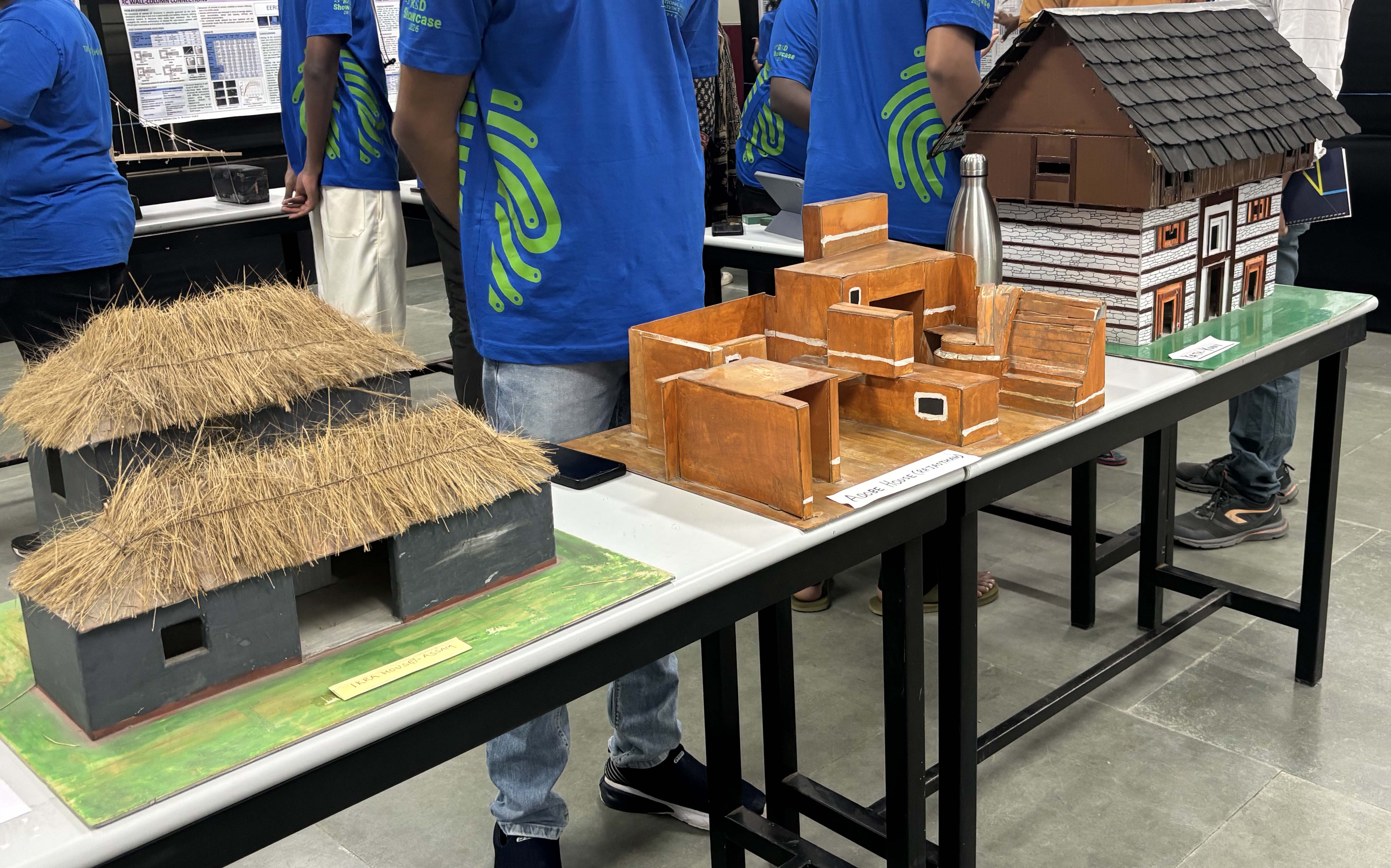
Visitors also saw innovative robotics projects such as flapping-wing robots and spin drones, alongside architectural models demonstrating traditional earthquake-resilient housing systems such as Kath Kuni houses of Himachal Pradesh, Adobe houses of Rajasthan, and Ikra houses of Assam. 

These models illustrate how traditional Indian architecture used local materials and ingenious construction techniques to build earthquake-resilient homes long before modern engineering technologies existed. Kath Kuni houses, for example, use alternating layers of wood and stone that absorb seismic shocks; Adobe structures rely on thick mud-brick walls that distribute stress; and Ikra houses use flexible bamboo frameworks that sway during earthquakes rather than collapse. 

Sunday’s programme will feature Excitement of Research (ExOR), introducing visiting undergraduate students to research pathways, and a Faculty Futures Roundtable on research funding. The event will conclude with a patent felicitation ceremony at Research Street, recognising IIIT Hyderabad researchers for their innovation and intellectual property contributions. The institute has received over 70 patents. 

Now in its 25th year, the R&D Showcase has evolved into one of the institute’s flagship platforms for presenting cutting-edge research and fostering collaboration between academia, industry and government. 300 plus industries and students of several colleges are expected to visit and interact with students behind those research projects. 

Health Camp Organised for Swachh Karmis in Bhubaneswar Under NAARI Leads Swachhta Initiative

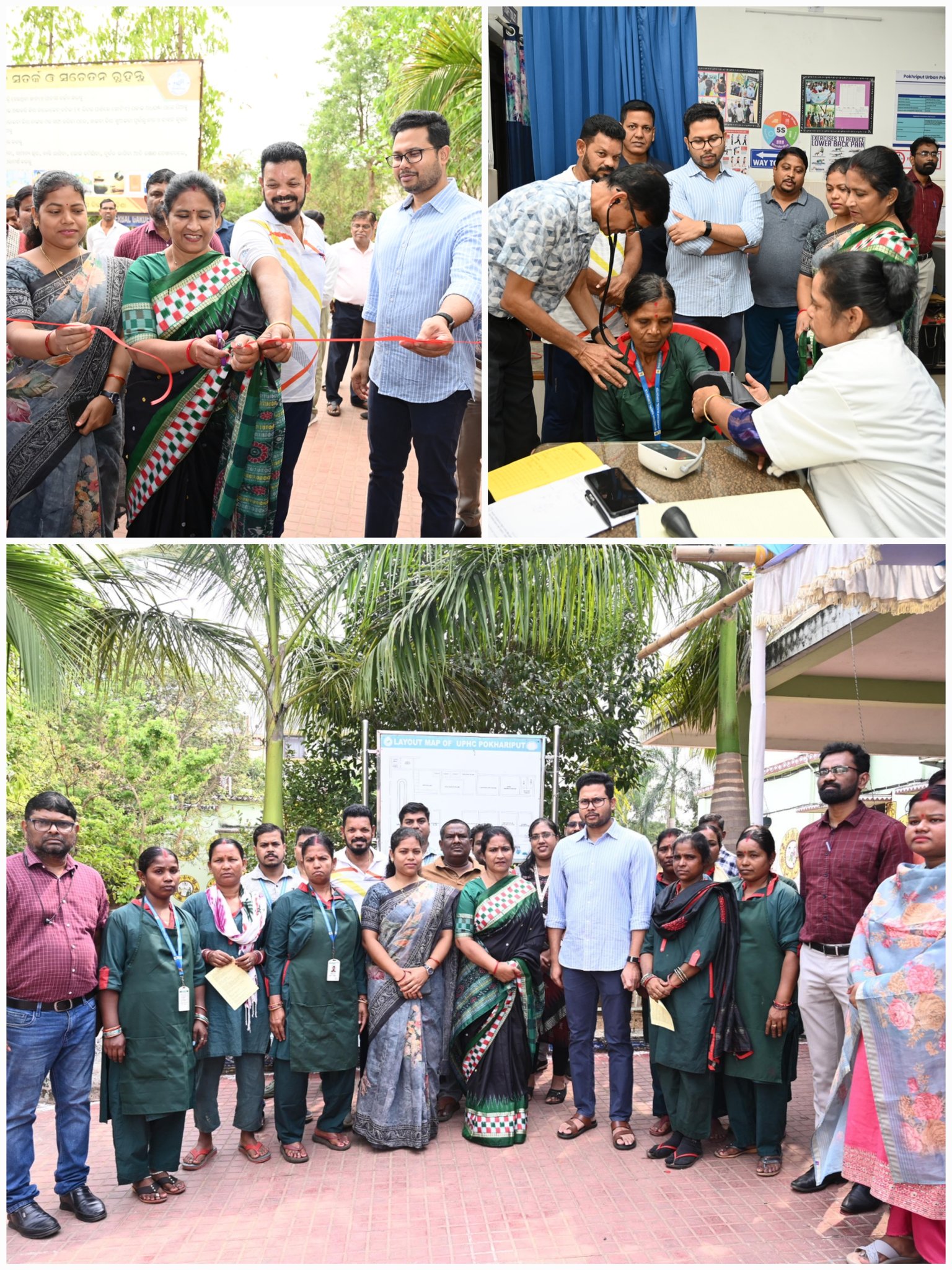
Bhubaneswar: A “Safai Mitra Surakhya Sibira” health camp for Swachh Karmis was organised in Bhubaneswar under the NAARI Leads Swachhta initiative, with a focus on promoting the health and wellbeing of sanitation workers.

Health Camp Organised for Swachh Karmis in Bhubaneswar Under NAARI Leads Swachhta Initiative


The camp was inaugurated by the Hon’ble Mayor in the presence of the Commissioner, Deputy Mayor, and local Corporator. The programme highlighted the commitment of the city administration towards supporting sanitation workers who play a crucial role in maintaining cleanliness and public health in the city.

During the camp, sanitation workers were provided with health check-ups and medical consultations. The initiative also aimed to raise awareness about preventive healthcare and occupational safety among Swachh Karmis.

Officials present at the event emphasised the importance of ensuring access to healthcare services for sanitation workers, acknowledging their vital contribution to keeping the city clean and hygienic.

The health camp formed part of ongoing efforts under the NAARI Leads Swachhta initiative to strengthen welfare measures for sanitation workers and recognise their role as frontline contributors to urban sanitation.

India’s Medical Devices Market Eyes $30 Billion by 2030: Opportunity, Policy Push and Global Interest

India’s medical devices industry is entering a period of rapid transformation. Long considered a small but essential part of the healthcare ecosystem, the sector is now drawing major policy attention and investor interest as the country works toward a projected $30 billion market by 2030.

Industry analysts say the growth will be driven by a combination of rising healthcare demand, government incentives for domestic manufacturing, and increasing adoption of advanced medical technologies.

A Market on a Strong Growth Path

India’s medical devices market is currently estimated at around $12–14 billion, but the sector has been expanding at a double-digit annual growth rate of roughly 15%. If this pace continues, the market could more than double within the next five years.

Several structural factors are supporting this expansion. India’s population of more than 1.4 billion is aging, lifestyle diseases such as diabetes and cardiovascular conditions are rising, and access to healthcare services is improving across smaller cities. Together, these trends are increasing the demand for diagnostic equipment, implants, consumables, and digital medical technologies.

Hospitals and diagnostic centers are also investing more heavily in modern equipment as healthcare infrastructure grows in both public and private sectors.

Government Push for Domestic Manufacturing

A major catalyst for growth has been the government’s push to reduce import dependence and strengthen local manufacturing.

India currently imports around 70–80% of its medical devices, particularly high-value products such as imaging equipment, implants, and advanced diagnostic systems. To address this gap, the government has introduced initiatives such as the Production Linked Incentive (PLI) scheme for medical devices, along with the creation of dedicated medical device parks in several states.

These measures aim to attract global manufacturers, encourage domestic production, and create a stronger supply chain ecosystem.

Policy support is also helping the industry move beyond low-value consumables toward more sophisticated products such as diagnostic imaging systems, surgical equipment, and high-precision implants.

Growing Investment and Global Partnerships

Global medical technology companies are increasingly looking at India as both a manufacturing hub and a major growth market.

International firms are expanding local production facilities and forming partnerships with Indian manufacturers to serve both domestic and export markets. At the same time, Indian startups are entering the field with innovations in digital health, AI-enabled diagnostics, and affordable medical technologies designed for emerging markets.

Venture capital investment in health technology has also accelerated, with investors backing companies developing portable diagnostic devices, wearable monitoring systems, and telemedicine platforms.

Opportunities in Tier-2 and Tier-3 Cities

While metropolitan hospitals have traditionally driven demand for advanced medical equipment, the next wave of growth is expected to come from Tier-2 and Tier-3 cities.

Healthcare infrastructure is expanding rapidly in these regions as private hospital chains and diagnostic networks move beyond major urban centers. Government health insurance programs and rising middle-class incomes are also increasing healthcare access.

As a result, demand for imaging equipment, point-of-care diagnostic devices, and affordable medical technologies is rising across smaller cities and semi-urban areas.

Challenges Remain

Despite strong growth prospects, the sector still faces several challenges.

Industry leaders often cite regulatory complexity, limited domestic component manufacturing, and price controls on certain medical devices as areas that need further policy clarity. High research and development costs also make it difficult for smaller companies to scale advanced technology production.

Supply chain constraints and reliance on imported components remain another concern for manufacturers aiming to build a fully integrated domestic ecosystem.

The Road to 2030

Even with these challenges, the long-term outlook for India’s medical devices sector remains optimistic.

If current growth momentum continues, analysts believe the industry could reach $30 billion by 2030, positioning India as one of the fastest-growing medical device markets in the world.

For policymakers, the sector offers an opportunity to strengthen healthcare infrastructure while building a globally competitive manufacturing base. For investors and technology companies, it represents a market where demand, innovation, and policy support are beginning to align.

The coming decade will determine whether India can turn this potential into a robust medical technology ecosystem that serves both domestic healthcare needs and global markets.

Technology shouldn’t control us; instead, we should control technology – Prof. Sandeep Shukla, Director, IIIT Hyderabad

Hyderabad, March 14: The 25th edition of the annual R&D Showcase of the International Institute of Information Technology Hyderabad began on Saturday at the institute’s Gachibowli campus. The two-day flagship event, which concludes on Sunday, has grown into one of the most anticipated research exhibitions, bringing together researchers, industry leaders, policymakers and students to explore advances in artificial intelligence, cybersecurity, algorithms, robotics and digital public infrastructure.

The R&D Showcase is the institute’s major annual exhibition where faculty and students present their latest research projects, prototypes and innovations to academia, industry and the public.
Technology shouldn’t control us; instead, we should control technology – Prof. Sandeep Shukla, Director, IIIT Hyderabad


Themed “Trust in Technology – Security, Privacy and Transparency,” the event features over 400 research posters, demos and prototypes from 29 research centres, enabling visitors to interact directly with researchers and witness how fundamental research is translated into real-world applications.

The programme included spotlight sessions by the Centre for Security, Theory and Algorithmic Research (CSTAR) and the Cyber Manthan Centre (CMC), an inaugural keynote by Shivkumar Kalyanaraman, CEO of the Anusandhan National Research Foundation (ANRF), and a panel discussion on “Building Trust in the Indian Cyberspace: Privacy, Security and Transparency in the Era of Emerging Technologies.”

Delivering the keynote address, Dr Kalyanaraman said the ANRF serves as India’s primary organisation for funding and supporting research, similar to the National Science Foundation in the United States. Established under the Anusandhan National Research Foundation Act, 2023, it replaces the earlier Science and Engineering Research Board (SERB).
Technology shouldn’t control us; instead, we should control technology – Prof. Sandeep Shukla, Director, IIIT Hyderabad

He highlighted several funding opportunities for universities and colleges, noting that ANRF aims to strengthen India’s research ecosystem by supporting scientific and technological research across institutions. The foundation promotes collaboration between academia, industry and government, strengthens research culture in universities—particularly state universities—and supports high-impact research in fields such as artificial intelligence, space, healthcare, climate science and engineering.

Dr Kalyanaraman also shared plans for several upcoming mission-mode programmes under the MAHA (Mission for Advancement in High-Impact Areas) framework, including MAHA Drones, MAHA G, MAHA Water, and MAHA Leapfrog Demonstrators for Social Innovation. These initiatives aim to address national challenges through collaborative research involving universities, industry and government laboratories, focusing on areas such as drone technologies, next-generation communication systems including 6G, sustainable water management and socially impactful innovations in healthcare, energy and education.

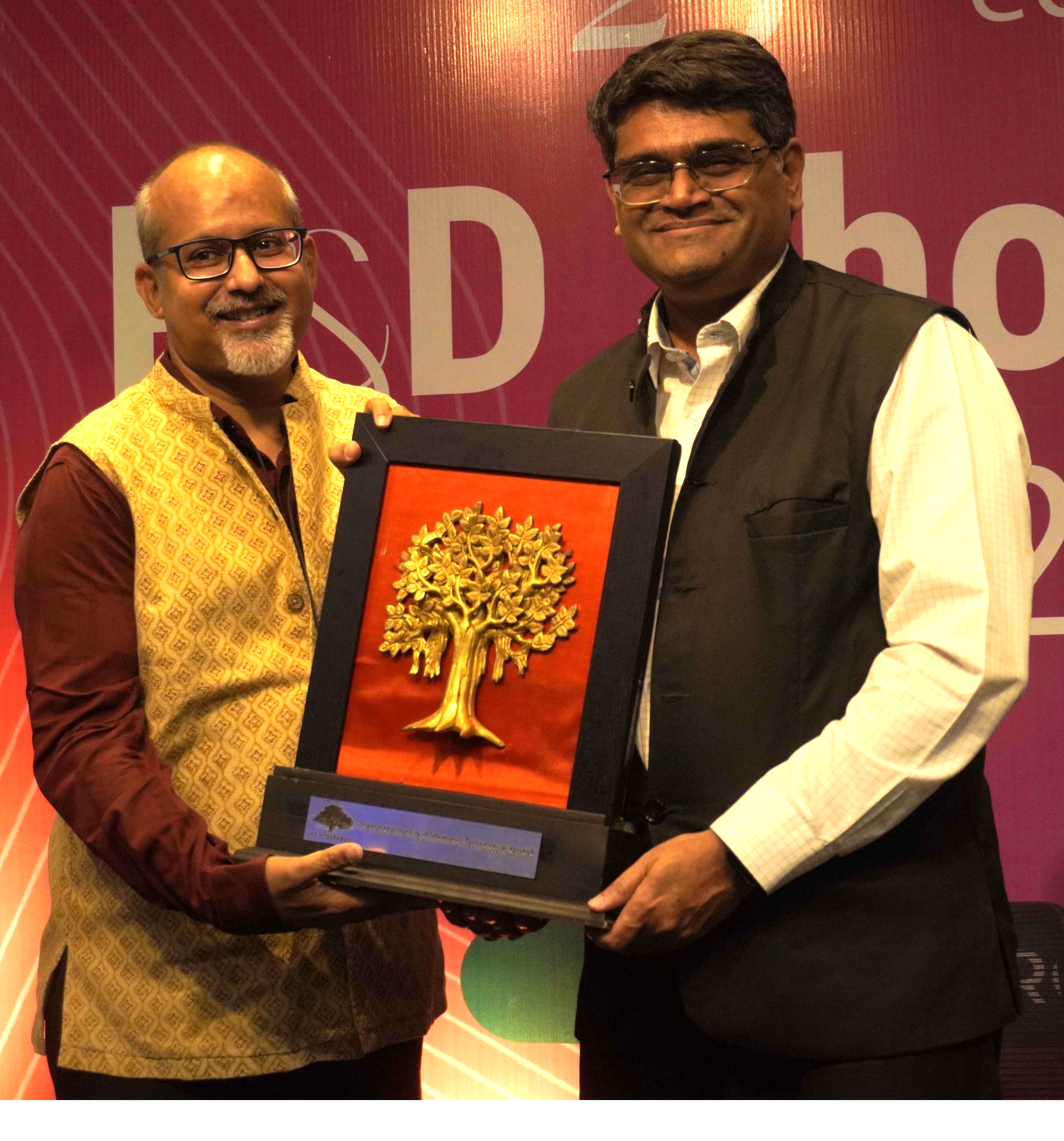
Prof. Sandeep K. Shukla, Director of IIIT Hyderabad, said: “The R&D Showcase reflects the spirit of inquiry and innovation that drives IIIT Hyderabad. It is encouraging to see our researchers engaging with industry, policymakers and the wider public to translate research into meaningful societal impact.”

Emphasising the theme of the event, he added: “Technology shouldn’t control us; instead, we should control technology.”

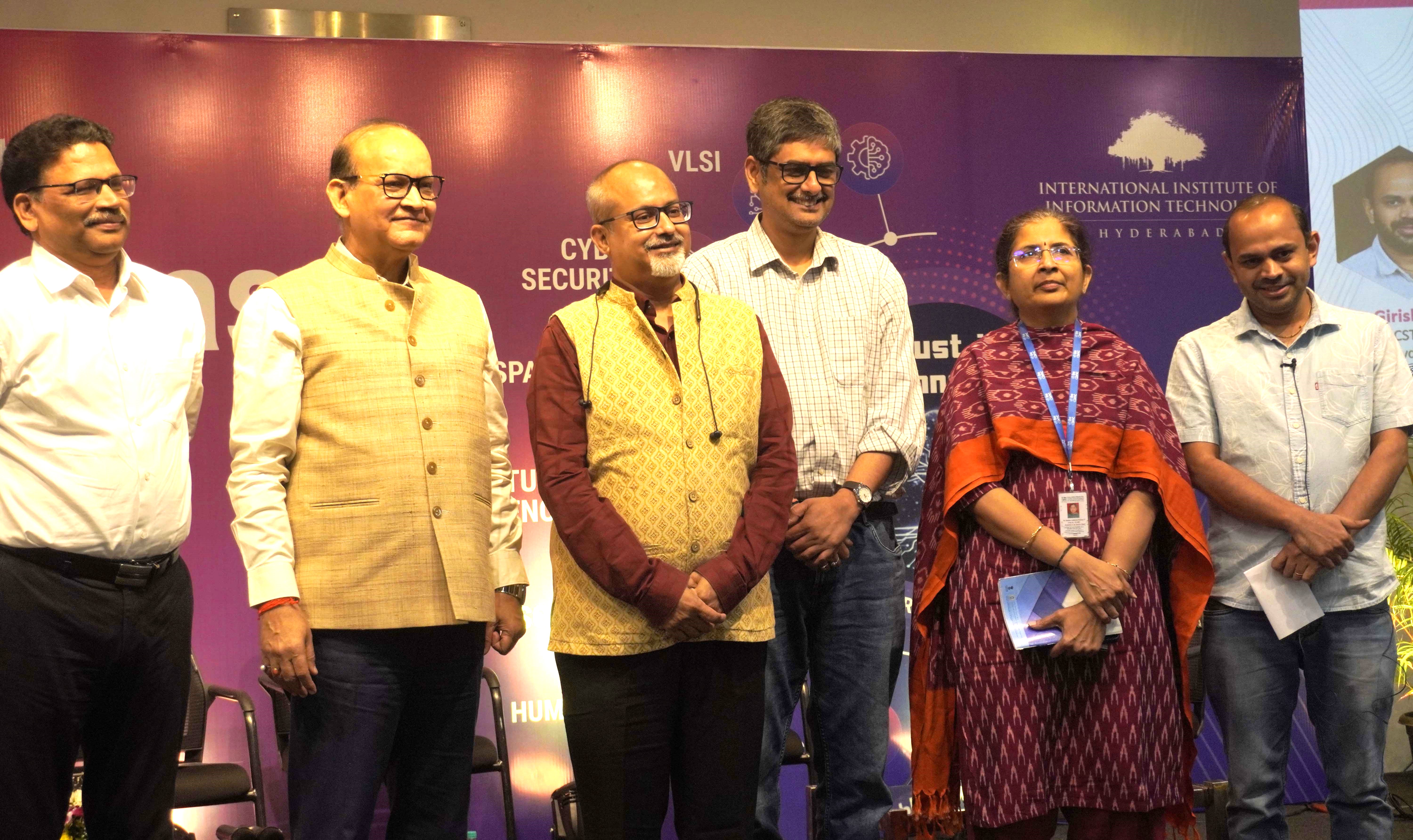
A panel discussion on “Building Trust in the Indian Cyberspace: Privacy, Security and Transparency in the Era of Emerging Technologies” was moderated by Girish Varma of IIIT Hyderabad.

The panellists included: P. R. Lakshmi Eswari, Centre Head, Centre for Development of Advanced Computing (C-DAC), Hyderabad; Krishna Sastry Pendyala, Partner – Cybersecurity, Ernst & Young; Deepak Kumar, Director, Institute for Development and Research in Banking Technology; M. V. Panduranga Rao, Centre for Cryptography and Cybersecurity, Indian Institute of Technology Hyderabad

The discussion highlighted critical concerns around cybersecurity and digital trust. Dr Lakshmi Eswari noted that security is often treated as a secondary priority during product design, rather than being integrated from the outset. Prof. Panduranga Rao pointed to a significant shortage of skilled cybersecurity professionals and emphasised the gap between academic curricula and industry requirements.

Krishna Sastry Pendyala highlighted the scale of cybercrime in India, noting that financial losses from cyber threats run into tens of thousands of crores annually and that major breaches—such as the theft of hundreds of millions of medical records—raise serious concerns about data security and digital trust. The panel stressed the need for greater awareness, stronger cybersecurity frameworks, skilled manpower and a comprehensive national cybersecurity strategy.

Alongside exhibits in AI, robotics, data science and cybersecurity, the showcase hosted industry–research confluence sessions on themes such as Cybersecurity and Privacy in the AI Era and AI for Theory and Theory for AI, a startup showcase and an industry roundtable on Agentic AI.

One of the highlights of the exhibition is an autonomous self-driving wheelchair, designed to enhance mobility for persons with disabilities. Equipped with 3D LiDAR for environmental perception and powered by Jetson Orin running ROS2, the wheelchair enables intelligent navigation with minimal user input. Advanced path planning and obstacle-avoidance systems allow safe and efficient movement in diverse environments.

Visitors also saw innovative robotics projects such as flapping-wing robots and spin drones, alongside architectural models demonstrating traditional earthquake-resilient housing systems such as Kath Kuni houses of Himachal Pradesh, Adobe houses of Rajasthan, and Ikra houses of Assam.

These models illustrate how traditional Indian architecture used local materials and ingenious construction techniques to build earthquake-resilient homes long before modern engineering technologies existed. Kath Kuni houses, for example, use alternating layers of wood and stone that absorb seismic shocks; Adobe structures rely on thick mud-brick walls that distribute stress; and Ikra houses use flexible bamboo frameworks that sway during earthquakes rather than collapse.

Sunday’s programme will feature Excitement of Research (ExOR), introducing visiting undergraduate students to research pathways, and a Faculty Futures Roundtable on research funding. The event will conclude with a patent felicitation ceremony at Research Street, recognising IIIT Hyderabad researchers for their innovation and intellectual property contributions. The institute has received over 70 patents.

Now in its 25th year, the R&D Showcase has evolved into one of the institute’s flagship platforms for presenting cutting-edge research and fostering collaboration between academia, industry and government

300 plus industries and students of several colleges are expected to visit and interact with students behind those research projects. 

 

Our Athlete at Aditya Mehta Foundation, Jyoti Wins Bronze in Discus Throw at New Delhi World Para Athletics Grand Prix 2026

Our Athlete at Aditya Mehta Foundation, Jyoti Wins Bronze in Discus Throw at New Delhi World Para Athletics Grand Prix 2026

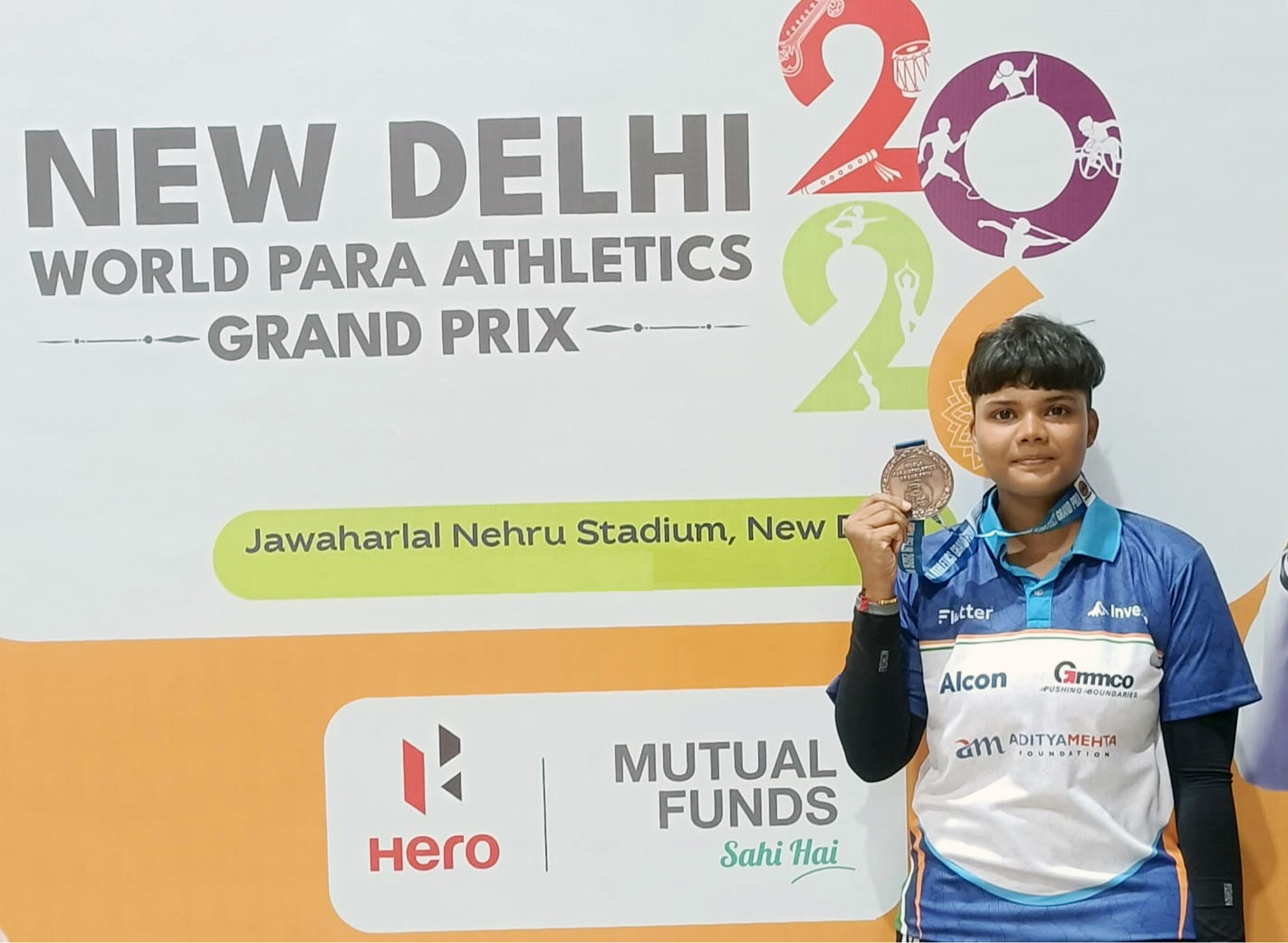
Hyderabad, Mar 14th: Indian paraathlete Jyoti from Haryana delivered an outstanding performance by winning the Bronze Medal in Women’s Discus Throw (F57 category) at the New Delhi World Para Athletics Grand Prix 2026, held at the Jawaharlal Nehru Stadium, New Delhi.

Competing against top international athletes, Jyoti showcased remarkable strength, technique, and determination to secure a podium finish in her classification at this prestigious global paraathletics event.

Jyoti is an athlete of the Aditya Mehta Foundation, which continues to support para-athletes in their pursuit of excellence at the international level.

This achievement marks a significant milestone in Jyoti’s sporting journey as she prepares for upcoming major competitions, including the Asian Para Games and the Paralympic Games.

The Aditya Mehta Foundation congratulates Jyoti on her remarkable accomplishment and expresses sincere gratitude to its valued supporters — Alcon, GMMCO, Invesco, and Flutter entertainment India — whose continued encouragement and support make such achievements possible.

L’Atelier 1664 Continues Partnership with Lakmé Fashion Week 2026

L’Atelier 1664 Continues Partnership with Lakmé Fashion Week 2026

March, 14th: L’Atelier 1664 continues its association with Lakmé Fashion Week 2026 in Mumbai, bringing its design-led cultural platform back to one of India’s most influential fashion stages.

Building on last year’s partnership, L’Atelier 1664 will once again celebrate the intersection of fashion, culture and contemporary lifestyle at Lakmé Fashion Week. As part of this season’s showcase, leading design house Abraham & Thakore will present a special runway collection in collaboration with L’Atelier 1664.

Titled “The Sari’torial,” the curated collection explores the meeting of structured tailoring and fluid drapes. Inspired by the dialogue between French ease and Indian craftsmanship, the collection reinterprets everyday silhouettes through refined detailing, signature textiles and a restrained palette accented with L’Atelier 1664’s distinctive house blue.

Beyond the runway presentation, L’Atelier 1664 will also host its signature lounge at Lakmé Fashion Week, creating an experiential space that reflects the platform’s blend of design, culture and contemporary lifestyle.

Speaking about the association, Partha Sarathi Jha, Vice President – Marketing, Carlsberg India, said: “Lakmé Fashion Week is one of the most important platforms for fashion and creative expression in India. Through L’Atelier 1664, we aim to celebrate this intersection of culture, design and contemporary lifestyle. We are excited to continue our association with Lakmé Fashion Week and collaborate with Abraham & Thakore to bring this vision to life on the runway.”

Commenting on the showcase, Abraham & Thakore add: With Sari’torial, we wanted to explore a conversation between French ease and Indian craftsmanship. Our collaboration with L’Atelier 1664 blends a relaxed French sensibility with the richness of Indian textiles—reinterpreting traditional crafts through a modern lens.

Through this continued partnership with Lakmé Fashion Week, L’Atelier 1664 further strengthens its engagement with fashion, design and contemporary culture in India.