‘Viksit Bharat’ vision will be realised only when states progress and prosper: Dharmendra Pradhan

‘Viksit Bharat’ vision will be realised only when states progress and prosper: Dharmendra Pradhan

New Delhi, Mar 14: Union Education Minister Dharmendra Pradhan on Friday said the vision of a Viksit Bharat can be realised only when individual states progress and prosper, stressing the importance of collective efforts toward regional development.

Addressing the inaugural ceremony of Odisha Parba 2026 at Jawaharlal Nehru Stadium here, Pradhan said the coming decade would be crucial for Odisha as the state moves towards celebrating the centenary of its formation in 2036.

“If the 45 million people of Odisha take a collective resolve, the state can emerge as a developed and empowered region. Prime Minister Narendra Modi’s vision of a ‘Viksit Bharat’ will be realised only when states like Odisha also progress and prosper,” he said.

Pradhan also described Odisha Parba as an important platform for the Odia community and a celebration of cultural identity in the national capital.

Odisha Parba is not merely a cultural event; it is a celebration of the identity of the Odia community living in the National Capital Region. It is a platform where Odia brothers and sisters from across the country come together to share their culture, traditions and pride,” he said.

Union Minister for Tourism and Culture Gajendra Singh Shekhawat, who also addressed the gathering, said festivals like Odisha Parba reflect the depth and continuity of India’s civilisational traditions.

“These celebrations tell the story of a nation that for thousands of years has embraced diversity, preserved traditions and carried forward art forms from one generation to the next,” he said.

Delhi Home Minister Ashish Sood said cultural traditions remain the soul of the nation and appreciated the efforts behind organising the festival.

Organised by Odia Samaj, the three-day festival will continue until March 15 and features classical, folk and tribal performances including Chhau, Bagha Nacha and Sambalpuri dance, along with stalls offering regional Odia cuisine.

The festival also includes ‘Pratibha Utsava,’ a talent platform for emerging artists, and seminars titled “Talk Today, Transform Tomorrow,” focusing on Odisha’s development and innovation.

Held under the theme “Prakruti & Sanskruti,” Odisha Parba 2026 celebrates the relationship between nature and culture that forms the core of Odisha’s identity.

9 Essential Ways to Evaluate a Reliable Health Insurer in 2026

9 Essential Ways to Evaluate a Reliable Health Insurer in 2026

Pic Credit: Pexel

Selecting the right health insurer is one of the most important decisions you can make for your family’s well-being. With healthcare costs rising and insurance options expanding, it’s crucial to choose a provider that offers reliable coverage, excellent support, and smooth access to medical care. In 2026, several real-world factors can help you assess which health insurer is truly trustworthy.

1. Check the Network of Hospitals

A good health insurer should have an extensive network of hospitals in your city and across the country. Verify whether your preferred hospitals, both for emergencies and routine treatments, are included. A wide network ensures you have access to quality care without hassle or delays.

2. Cashless Facility

Cashless hospitalization is one of the most sought-after benefits. Check if the insurer provides cashless treatment options at network hospitals. This feature allows you to receive care without upfront payments, easing financial stress during medical emergencies.

3. Customer Support

Reliable insurers offer responsive customer support to assist with claims, policy details, and emergency guidance. Look for companies that provide multiple communication channels, including phone, chat, and mobile apps, so help is available whenever needed.

4. Claim Settlement Record

Research the insurer’s claim settlement ratio and customer reviews. High settlement ratios indicate a smooth and transparent claims process, while low ratios may signal delays or frequent disputes.

5. Coverage and Inclusions

Compare policies for coverage details, including hospitalization, pre-existing conditions, day-care procedures, and critical illness benefits. A trustworthy insurer clearly outlines what is included and excludes hidden clauses.

6. Flexibility and Portability

Choose a health insurer that allows policy portability, enabling you to switch plans without losing benefits. Flexible policies that accommodate changing health needs over time provide long-term security.

7. Premium Transparency

Ensure that premiums are transparent and aligned with the coverage offered. Avoid insurers who offer low initial premiums but have high deductibles or hidden charges.

8. Reviews and Recommendations

Check online reviews and ask for recommendations from family, friends, or healthcare providers. Real-world experiences often reveal strengths and weaknesses of insurers that official brochures may not highlight.

9. Value-Added Services

Many insurers now offer additional services such as teleconsultations, health check-ups, wellness programs, and mental health support. These value-added services can improve your overall healthcare experience and support preventive care.

Top Health Insurers to Consider in 2026

Some trusted health insurers in India in 2026 include HDFC ERGO Health Insurance, ICICI Lombard General Insurance, Max Bupa Health Insurance, Star Health and Allied Insurance, and Aditya Birla Health Insurance. These companies are known for extensive hospital networks, reliable cashless facilities, and high customer satisfaction.

Final Thoughts

Choosing a health insurer is not just about the cheapest premium—it’s about trust, reliability, and seamless support when you need it most. By evaluating hospital networks, cashless facilities, claim records, coverage, and real-world customer experiences, you can select a health insurer that gives you peace of mind and financial security in 2026 and beyond.

BCCI to Honour Roger Binny, Rahul Dravid, and Mithali Raj at Naman Awards 2026

The Board of Control for Cricket in India (BCCI) will celebrate cricketing excellence at the Naman Awards 2026, scheduled for Sunday, 15 March 2026, in New Delhi. The annual ceremony recognises outstanding contributions across international, domestic, and age-group cricket while honouring individuals who have shaped the growth of the sport in India.

This year, Roger Binny and Rahul Dravid will be conferred with the Col. C. K. Nayudu Lifetime Achievement Award, the BCCI’s highest honour for outstanding service to Indian cricket. Mithali Raj will receive the BCCI Lifetime Achievement Award for Women, recognising her extraordinary impact on the growth and global stature of women’s cricket in India.

A key member of India’s historic 1983 World Cup-winning team, Roger Binny played a pivotal role as the tournament’s highest wicket-taker and later contributed as coach, national selector, and BCCI President from 2022 to 2025. His decades-long dedication to Indian cricket across playing, mentoring, and administrative roles makes him a fitting recipient of this top honour.

Rahul Dravid, celebrated for his technical mastery, resilience, and leadership, accumulated over 24,000 international runs and played a central role in India’s batting line-up for more than a decade. Post-retirement, he has shaped India’s cricketing future as Head of Cricket at the National Cricket Academy (NCA) and through mentoring youth teams, including guiding the Under-19 squad to ICC tournament victories.

Mithali Raj, one of the greatest women cricketers in history, has inspired generations with her skill, leadership, and contribution to India’s success on the global stage. The award recognises her transformative impact on women’s cricket in the country.

The Naman Awards 2026 will honour these legends for their enduring contributions to Indian cricket, celebrating careers marked by excellence, leadership, and lasting influence.

Indian Flagged LPG Tankers Safely Transit Strait of Hormuz Amid Middle East Tensions

Indian Flagged LPG Tankers Safely Transit Strait of Hormuz Amid Middle East Tensions

Pic Credit: Pexel

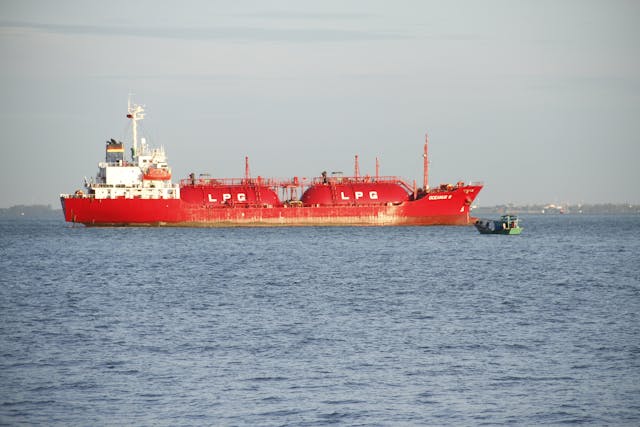
Amid escalating tensions in the Middle East following the US-Israel conflict, Indian-flagged LPG tankers have successfully navigated the Strait of Hormuz with the support of the Indian Navy. The LPG tanker Shivalik has crossed the strait safely, while the second vessel, Nanda Devi, has also exited the strategically important shipping route without incident.

Government sources confirmed that Shivalik is currently being escorted by Indian naval ships and is expected to reach an Indian port, likely Mumbai or Kandla, within the next two days. The tanker has reached open waters and is sailing securely under naval guidance.

The Nanda Devi, carrying over 46,000 metric tonnes of liquefied petroleum gas (LPG), is a critical component of India’s energy supply chain. Both vessels are being closely monitored by Indian naval assets to ensure safe passage through the sensitive waters of the Strait of Hormuz.

This development follows high-level discussions between Prime Minister Narendra Modi and Iranian President Masoud Pezeshkian regarding the uninterrupted flow of goods and energy in the region.

Iran’s Ambassador to India, Mohammad Fathali, confirmed that Indian ships could expect safe passage through the strait, emphasizing the longstanding regional ties between India and Iran. “India is our friend. We believe that Iran and India share common interests in the region,” Fathali said, highlighting Iran’s willingness to facilitate transit for Indian vessels amid the crisis.

The statements come after Iranian Deputy Foreign Minister Majid Takht-Ravanchi noted that Tehran had allowed ships from certain countries to pass through the Strait of Hormuz. The strait remains one of the world’s most critical shipping lanes, handling around 20 percent of global oil and gas exports.

India’s Ministry of Ports and Shipping confirmed that the number of Indian-flagged vessels in the Persian Gulf remains at 28, with all ships and crew being actively monitored for safety and security.

The safe transit of Shivalik and Nanda Devi underscores India’s commitment to maintaining energy supply lines and safeguarding its maritime assets amid regional instability.

Air India Group to Operate 80 Flights Between India and West Asia on 14 March


Air India Group to Operate 80 Flights Between India and West Asia on 14 March

Air India and Air India Express will operate a combined 80 scheduled and non-scheduled flights to and from the West Asia region on 14 March, the airline group announced.

The airlines will continue their regular services to Jeddah and Muscat. On this day, a total of 10 flights are scheduled to Jeddah, while Air India Express will operate 8 flights to Muscat.

As part of the schedule, Air India will fly one round-trip from Delhi and two round-trips from Mumbai to Jeddah. Air India Express will operate one round-trip each from Kozhikode and Mangaluru to Jeddah.

These operations aim to maintain seamless connectivity between India and key West Asian destinations, serving both regular travelers and those on additional non-scheduled flights.

Growing Implants Bring New Hope to Children with Bone Cancer

Growing Implants Bring New Hope to Children with Bone Cancer

Pic Credit: Pexel

A new medical innovation called the “growing implant” is transforming the treatment of bone cancer in children. The technique allows surgeons to remove cancer-affected bone while preserving the limb and enabling it to grow normally, improving long-term mobility and quality of life.

Bone cancers such as osteosarcoma and Ewing sarcoma often affect children and adolescents. Traditional treatments sometimes required amputating the limb or resulted in permanent differences in leg length, creating long-term physical and emotional challenges. Growing implants now offer a more effective solution.

How the Growing Implant Works

The growing implant, also called an expandable prosthesis, is placed after the tumor is removed. Unlike standard implants, it can lengthen gradually as the child grows. Many modern implants use magnetic technology, allowing doctors to extend the device during routine hospital visits without additional surgery.

The gradual lengthening helps muscles, joints, and tissues adjust naturally, reducing pain and complications compared with older surgical methods.

Benefits for Patients

The implant offers several advantages:

  • Preserves the limb and improves mobility

  • Reduces the need for repeated surgeries

  • Maintains balanced limb growth

  • Supports long-term function and quality of life

Lengthening procedures usually take only 15–20 minutes, allowing children to return to normal activities quickly.

Future Developments

While implants can be costly and occasionally require revision surgeries, advances in 3D printing, imaging, and customized surgical planning are improving their precision and durability.

Growing implants are helping doctors focus on both curing cancer and ensuring children can lead active, independent lives after treatment. This innovation provides families facing bone cancer with renewed hope for survival and a better quality of life.

Gift Nifty Turnover Hits Record in 2025 as Pre-Market Analysis Goes Data-Driven

Gift Nifty Turnover Hits Record in 2025 as Pre-Market Analysis Goes Data-Driven

Pic Credit: Pexel

In 2025, Gift Nifty—India’s key index for exchange-traded derivatives—achieved a record monthly turnover, reflecting its growing significance as a tool for market participants seeking early signals and better-informed trading strategies. The surge in activity underscores a broader shift in how investors, both domestic and foreign, approach pre-market analysis in India’s fast-moving equity markets.

Why Gift Nifty is Gaining Momentum

Gift Nifty provides a window into expected market movements before the regular trading session begins. By tracking overnight global trends, macroeconomic developments, and derivatives activity, traders can anticipate market direction, adjust positions, and manage risks more effectively.

Over the past few years, the index has increasingly attracted attention from foreign institutional investors (FII) and domestic institutional investors (DII). Investors now combine real-time FII and DII inflow and outflow data with Gift Nifty trends to make data-driven pre-market decisions, creating a feedback loop that strengthens market efficiency.

Record Turnover Signals Rising Engagement

The record monthly turnover in 2025 indicates that more participants are using Gift Nifty not just for speculative purposes but also for strategic hedging, arbitrage, and risk management. Analysts suggest that this trend reflects both the growing sophistication of Indian equity markets and the increased reliance on derivatives as a risk management tool.

Integrating FII and DII Data for Pre-Market Insights

Institutional flows play a crucial role in shaping market sentiment. By monitoring FII purchases or sales alongside DII activity, traders can identify likely market trends and potential reversals. For instance:

  • FII buying trends often indicate bullish sentiment among global investors.

  • DII flows can signal domestic confidence and provide a counterbalance to global pressures.

  • Combined analysis enables pre-market positioning that aligns with anticipated market moves.

Market participants are increasingly integrating this data with Gift Nifty’s early signals, allowing for more precise risk-adjusted strategies ahead of the market open.

Implications for Traders and Investors

The rising importance of Gift Nifty suggests a few key takeaways for investors:

  1. Enhanced Pre-Market Preparation – Traders can monitor overnight global cues and institutional flows to make informed decisions before the trading session begins.

  2. Improved Risk Management – Combining derivative signals with institutional investor activity helps manage exposure and hedge portfolios more effectively.

  3. Market Transparency and Efficiency – Higher turnover and data integration support better price discovery and reduce informational asymmetry.

Looking Ahead

As Indian markets continue to grow in depth and sophistication, Gift Nifty’s role as a pre-market barometer is likely to expand. The index not only provides a snapshot of market expectations but also reflects broader trends in investor behaviour, including reliance on data analytics, institutional flow tracking, and algorithmic trading tools.

For both retail and institutional participants, the combination of Gift Nifty signals and FII/DII flow data is increasingly becoming a cornerstone of pre-market strategy, highlighting how technology and real-time data are shaping the future of trading in India.

Daikin India Targets 4 Million Annual Room AC Production by 2030

Daikin India Targets 4 Million Annual Room AC Production by 2030

Pic Credit: Pexel

Daikin India is preparing to significantly expand its manufacturing footprint in the country, with plans to increase its annual room air conditioner production capacity to 4 million units by 2030.

Currently, the company produces around 3 million room AC units each year in India. The proposed expansion comes as demand for cooling solutions continues to rise across residential and commercial segments, driven by urbanisation, rising incomes, and increasing temperatures.

New Manufacturing Facility Planned

As part of its long-term growth strategy, the Indian subsidiary of Japan-based air-conditioning major Daikin Industries is planning to establish a new manufacturing plant in Andhra Pradesh. The facility will be the company’s fourth production unit in India and will play a crucial role in boosting overall manufacturing capacity.

The new plant is expected to support the company’s efforts to strengthen domestic production capabilities while ensuring a stable supply of air conditioners to meet growing market demand.

Tapping India’s Growing Cooling Market

India is emerging as one of the fastest-growing markets for air conditioning globally. Rapid urban expansion, rising middle-class consumption, and climate-related factors are contributing to a steady increase in demand for cooling appliances.

By expanding its manufacturing base locally, Daikin aims to enhance its competitiveness in the Indian market while supporting the country’s broader push toward domestic manufacturing.

Long-Term Manufacturing Strategy

The company has been steadily increasing its investments in India, recognising the country’s importance as both a major consumer market and a potential export hub. Expanding production capacity and setting up a new facility will also help strengthen the local supply chain and create employment opportunities.

With the planned expansion and the new plant in Andhra Pradesh, Daikin India is positioning itself to capture future growth in the cooling appliances market while reinforcing its long-term commitment to manufacturing in India.

Financial support schemes aim to expand shipyard capacity and boost maritime competitiveness

456 vessels across multiple categories receive approval under shipbuilding assistance policy

Pic Credit: Pexel

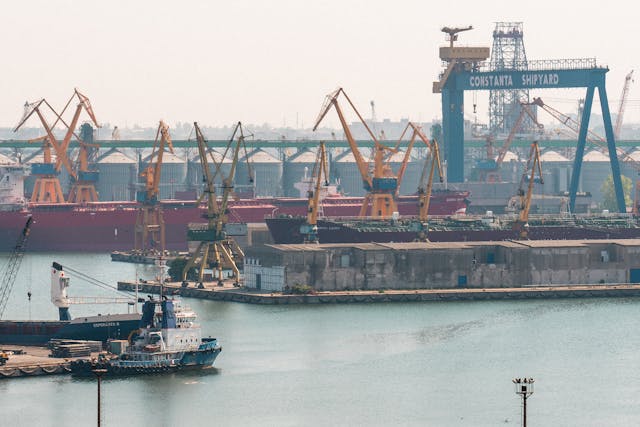
The Indian government has taken a significant step toward strengthening the country’s shipbuilding ecosystem by granting in-principle approval to 288 shipbuilding contracts worth ₹19,748 crore, covering the construction of 456 vessels across multiple categories.

According to Union Minister of Ports, Shipping and Waterways Sarbananda Sonowal, the approvals were granted under the Shipbuilding Financial Assistance Policy (SBFAP), a key initiative designed to encourage domestic shipbuilding and enhance the competitiveness of Indian shipyards.

Financial Support to Shipyards

The government has already disbursed ₹620.57 crore in financial assistance to 23 shipyards that have completed the construction and delivery of 204 vessels under the scheme. The policy provides financial incentives to domestic shipbuilders to offset cost disadvantages and promote large-scale vessel construction within the country.

The vessels covered under the approved contracts span a wide range of maritime applications. These include tugs, general cargo vessels, bulk carriers, oil tankers, crane pontoons, heavy deck cargo vessels, Ro-Ro passenger vessels, crew boats, passenger ferries, landing crafts, and self-elevating platforms. Such diversity reflects the growing demand for both commercial and specialised maritime vessels in India’s coastal and inland shipping sectors.

New Push Through Shipbuilding Development Scheme

To further strengthen the industry, the government approved the Shipbuilding Development Scheme (SBDS) in September 2025. The scheme aims to improve financing access for shipyards and expand their production capacity.

Under the initiative, the government will offer credit risk coverage to Indian shipyards and provide viability gap funding to support the expansion of existing or brownfield shipbuilding facilities. Operational guidelines for the scheme have recently been issued, enabling shipyards to begin applying for support.

Shipbuilding Sector Holds Strong Job Potential

An independent assessment of India’s shipbuilding industry conducted in 2024 highlighted the sector’s strong employment potential. According to the report, shipbuilding has an employment multiplier of 6.4, meaning that every job created in the sector can generate more than six additional jobs across related industries such as steel, engineering, logistics, and maritime services.

This indicates that expanding shipbuilding capacity could significantly contribute to both direct and indirect job creation, particularly in coastal regions where shipyards are located.

Challenges Hindering Growth

Despite its potential, the study also pointed out several structural challenges affecting the growth of the industry. These include limited domestic demand for ships, high financing costs, technological gaps, and capacity constraints within shipyards.

To address these issues and strengthen India’s position in the global shipbuilding market, the government has introduced several policy initiatives. These include the Shipbuilding Financial Assistance Policy, the Maritime Development Fund (MDF), and the Shipbuilding Development Scheme.

₹44,700 Crore Push for Maritime Infrastructure

In a major boost to the maritime sector, the government has also notified operational guidelines for two key shipbuilding initiatives with a combined outlay of ₹44,700 crore. These programmes aim to expand India’s domestic shipbuilding capacity, modernise shipyards, and improve the industry’s global competitiveness.

Under the financial assistance framework, which has a total allocation of ₹24,736 crore, shipbuilders will receive government support ranging from 15% to 25% of the vessel cost, depending on the type and category of ship being constructed.

Long-Term Vision for Indian Shipbuilding

The government expects these initiatives to transform India’s shipbuilding ecosystem over the coming decade by attracting investment, modernising infrastructure, and increasing domestic production capacity.

Strengthening shipbuilding capabilities is also seen as essential for India’s broader maritime ambitions, including expanding coastal shipping, improving port connectivity, and supporting the country’s growing role in global trade.

By encouraging domestic ship construction and supporting shipyards financially, policymakers hope to position India as a more competitive player in the international shipbuilding industry while generating employment and boosting economic activity across the maritime sector.

Children’s Hospital Los Angeles Research Staff Spotlight: Garima Chauhan

Research Specialist Garima Chauhan started out studying plants before moving into her current career in medical research. “I had a plant science background, but wanted to explore new fields. In early 2023, I received an opportunity to work in the DeClerck Laboratory at CHLA as a volunteer,” Chauhan says.

Working in the lab led by Cancer and Blood Disease Institute physician and investigator Yves DeClerck, MD, allowed Chauhan to learn about extracellular vesicles, membrane-bound particles released by cells and found in all types of body fluids. She also learned that these small particles are actively released by tumor cells and play a critical role in the formation of the pre-metastatic niche (PMN), ultimately contributing to metastatic progression. Owing to their ability to target recipient cells and induce phenotypic changes, EVs serve as key mediators of intercellular communication and hold significant potential as therapeutic tools. “It was very interesting to me because it’s a field in which research is evolving nonstop and every day you find something new,” Chauhan explains.

During this time, she met Paolo Neviani, PhD, director of the Extracellular Vesicle and Nanoparticle Analytics (EV-NP) Core at CHLA. Chauhan soon joined this core as a research specialist. “My responsibilities involve isolating extracellular vesicles from different biological fluid samples, such as blood, plasma, and urine, and then characterizing and analyzing those vesicles for specific research projects,” Chauhan says. Currently, via the core, she is working on a project for regenerative medicine investigator Ching-Ling (Ellen) Lien, PhD, exploring the role of extracellular vesicles within zebrafish hearts.

Chauhan says she is grateful for the supportive environment she’s found at CHLA. “With everything I do, I feel encouraged and that helps me grow,” she explains. “It’s a very good thing to be in an environment where you see yourself thriving.”