Sun, Spritz & Summer Plates: Toscano Unveils a Fresh Seasonal Menu

Mar 12: As the summer sun begins to peak, Toscano invites diners to rediscover the vibrant, refreshing flavors of Italy with the launch of its exclusive Signature Salad Menu. This seasonal offering marks a shift toward lighter, nutrient-rich dining, blending traditional Italian techniques with the season’s most crisp and flavorful produce.

Sun, Spritz & Summer Plates: Toscano Unveils a Fresh Seasonal Menu

 Designed to rejuvenate the palate during the warmer months, the new menu moves beyond the traditional side dish, elevating the salad to a centerpiece of culinary craftsmanship. Each bowl is a study in texture and balance utilizing artisanal olive oils, house-made infusions, and imported cheeses to ensure that while the meals are light, they remain deeply satisfying.

The idea behind the Summer Menu is simple: create dishes that feel effortless yet satisfying in the heat. Toscano’s kitchens focus on seasonal ingredients, fresh cheeses, and balanced flavours that are both comforting and refreshing. Whether it’s a quick lunch between meetings or a laid-back dinner with friends, the summer selections are designed to keep the experience light, social, and flavourful.

Among the highlights is the Summer Sandwich with French Fries, served on freshly baked sourdough pizza bread with lettuce, tomatoes, Emmental cheese, and guacamole, with the option to add pesto chicken or premium meats. Salads take centre stage this season, with dishes like the Mango & Melon Salad with Smoked Fior di Latte, combining varieties of melon and mango with smoked mozzarella, greens, olives, and almonds. The Buffalo Mozzarella, Summer Fruits & Mixed Nuts Salad brings together sweet seasonal fruits, creamy mozzarella, confit cherry tomatoes, and rustic pesto croutons. To cool things down, the menu also features refreshing coolers including the Jasmine Blossom Fizz, Cucumber Elderflower Cooler, Mango Ginger Sparkler, and Rose & Lychee Refresher.

Over the past year, Toscano has continued to expand its footprint across India, bringing its authentic Italian dining experience to new audiences. The brand recently marked key launches in Mumbai, Pune, and Chennai, including its newest restaurant in Inorbit Mall , Malad, an outpost that reflects Toscano’s evolving vision of combining rustic Italian charm with contemporary dining spaces. Each new opening reinforces the brand’s focus on craft, quality ingredients, and the convivial spirit of Italian hospitality. With more than 20 restaurants now across the country and growing steadily, Toscano continues to build on its legacy as one of India’s fastest-growing authentic Italian dining brands.


Wood Mackenzie: Middle East conflict drives European power price volatility as gas disruption removes 1.5 Mt LNG weekly from global markets

LONDON/HOUSTON/SINGAPORE, March 12, 2026 – Gas supply disruption from the Middle East conflict will drive sustained volatility in European power markets, with TTF prices above €50/MWh passing through to electricity prices across major markets, according to Wood Mackenzie analysis published today.

While European power is less dependent on gas, the disruption removes approximately 1.5 Mt per week (2.2 bcm) from global LNG markets—equivalent to 19% of global LNG exports. TTF day-ahead gas prices soared above €55/MWh ($18.7/mmBtu) on 9 March following QatarEnergy’s force majeure declaration the previous week. European gas storage sits 10% below last year’s levels following January’s cold spell. Europe’s ability to switch from gas to coal-fired generations in the power sector has declined sharply since 2022, with a 77% gas price increase now reducing gas generation by only 5%.

“Europe added 306 TWh of low carbon power supply between 2022 and 2025, reducing fossil fuel dependence and resulting in the contribution of gas and coal falling by 292 TWh,” said Peter Osbaldstone, Research Director, Europe Power at Wood Mackenzie. “But gas generators still set marginal prices on a frequent basis in major markets. When TTF rises €30/MWh, German power prices follow with €40/MWh increases.”

Osbaldstone added: “We’ve traded one vulnerability for another. Less overall gas dependence improves energy security. While gas’ role in power price formation varies by country, in Europe’s connected market its influence can be hard to avoid. Losing alternative supplies, such as coal capacity, means gas price shocks hit harder – Europe needs gas generation so it pays the price.”

Key Facts:

  • Strait of Hormuz disruption removes 1.5 Mt LNG per week (2.2 bcm, or 19% of global exports)
  • TTF day-ahead prices topped €55/MWh on 9 March 2026, up from around €30/MWh pre-conflict
  • Gas correlation with power prices: R² = 0.97 in Germany, R² = 0.99 in Italy
  • European gas storage: 10% below 2025 levels after January 2026 cold spell
  • Low carbon supply share: 66% in 2025, up from 51% in 2022
  • 306 TWh low carbon supply added between 2022 and 2025
  • Fuel-switching capability in major power markets limited: 77% gas price increase reduces gas generation by only 5%
  • Potential coal switching capacity: approximately 20 TWh of additional power supply, primarily in Germany 

Gas sets marginal prices despite reduced power supply share

Renewable and low carbon sources now provide 66% of European supply, up from 56% in 2022. Between 2022 and 2025, low carbon supply increased by 306 TWh. Gas and coal’s contribution fell by 292 TWh over the same period.

However, gas-fired plants continue setting prices in Italy, Great Britain and Germany as the source remains critical to system balance during periods when the availability of renewables is lower. . While Germany’s share of gas-fired supply has been lower than markets like Italy, Spain and Great Britain, it’s remained quite flat (around 18%) from 2022 to 2025 as nuclear phase-out completed and coal retirement mount. Looking forward, we expect the role of gas in German power price setting to increase towards 2030, as coal retirements continue to mount, a marked contrast to other markets.

The limited fuel-switching flexibility locks in the linkage between gas and power prices. Wood Mackenzie analysis shows a 77% increase in gas prices—from €36/MWh to €64/MWh—reduces gas generation by only 5%. Coal-fired supply could increase by approximately 20 TWh, with German generators adding 12 TWh. Germany also maintains 4.5 GW of hard coal in strategic reserve, though with an average age of 50 years and limited recent running the capability of these generators to offer sustained support is uncertain.

Policy intervention probability increases

European governments spent €60 billion on crisis-related electricity subsidies in both 2022 and 2023 – despite lower wholesale prices in the latter of these years. Germany introduced subsidies to support industrial energy costs covering 2026-2028. During the 2022 energy crisis, governments implemented revenue caps ranging from €40/MWh to €180/MWh depending on technology and market. Spain and Portugal introduced agas price cap mechanism (€40-65/MWh), limiting the bids of gas-generators in Spain and Portugal and suppressing wholesale power prices from June 2022 through May 2023.

“Affordability pressure is real and policy makers are very sensitive to it,” Osbaldstone said. “But the best policy outcomes must be time-limited and ideally avoid distorting wholesale price signals. We learned in 2022 that blunt interventions create unintended consequences.”

Potential 2026 interventions include revenue caps, windfall taxes on generators, consumer subsidies and temporary market rule changes following 2022 precedents.

Energy security returns to policy priority

A prolonged disruption will strengthen the strategic case for renewables, nuclear, grid expansion and storage to reduce import dependence. Nuclear policy shifted in 2025. Sweden established state loan support of $25 billion for new nuclear build. Italy lifted its longstanding moratorium. Poland is advancing six reactors with $17 billion in direct investment support. Spain reconsidered operational extensions for plants approaching decommissioning dates originally set for completion by 2035.

The REPowerEU initiative, launched May 2022 in response to Russia’s invasive of Ukraine and Europe’s ensuing gas supply disruption, delivered an 18% reduction in gas demand by end-2023 through voluntary measures. The program set targets for 45% renewable share by 2030 and strengthened gas storage requirements.

The EU remains legally bound to 90% emissions reduction by 2040. Policy shifts will focus on sequencing and emphasis rather than reduced ambition. Europe’s political momentum remains firmly behind decarbonisation and reducing reliance on imported energy, but the path is becoming more complex.

“Another supply shock this soon after 2022 will crystallise decisions that have moved slowly,” Osbaldstone said. “Nuclear timelines, grid investment, storage deployment, interconnection priorities—all get forced up the political agenda when energy security is threatened.”

Market outlook depends on conflict duration and infrastructure damage

Whether prices normalise quickly or risk premia persist depends on conflict duration and damage to export infrastructure. Assuming no damage to Qatar’s LNG facilities, restart would require approximately two weeks as production trains return sequentially. Construction at Qatar’s mega-trains will likely pause for the conflict’s duration, creating potential longer-term supply implications.

Before the conflict, the global gas market appeared balanced at $11/mmBtu (€31/MWh), with more than 35 Mt of new LNG supply expected in 2026 and subdued Asian demand. Asian LNG prices for April 2026 delivery have climbed and are expected to trade at a premium to Atlantic basin prices as buyers seek alternatives.

The Body Shop Opens New Workshop Store at Hyderabad Lakeshore Mall, Rooted in Local Artistry

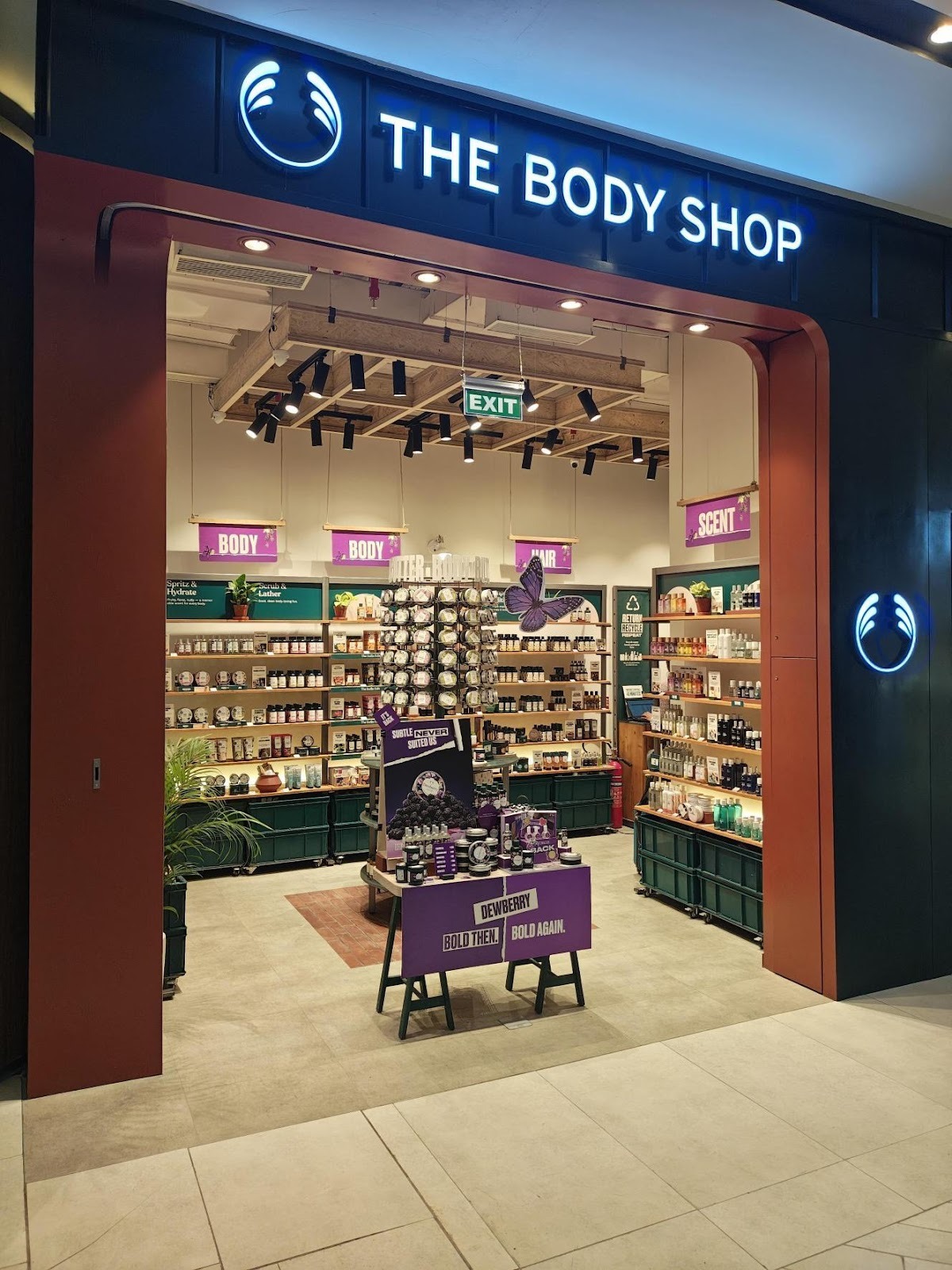
Hyderabad, Mar 12: The Body Shop, a British-born ethical beauty brand, has expanded its retail footprint in Telangana with the launch of a new Workshop Store at Hyderabad Lakeshore Mall, bringing together conscious beauty, immersive retail, and culturally rooted storytelling.

The Body Shop Opens New Workshop Store at Hyderabad Lakeshore Mall, Rooted in Local Artistry

 A Purpose-Led Retail Experience

Designed as an engaging and interactive space, the new Workshop Store invites consumers to discover The Body Shop’s extensive portfolio across Skincare, Bodycare, Haircare, and Fragrances through hands-on exploration. Staying true to the brand’s philosophy of ethical beauty, the store reflects a balance of sensorial product experiences and values-driven storytelling.

The highlight of the launch is the renewed focus on the iconic Dewberry range, a cult favourite celebrated for its fresh, fruity fragrance and nostalgic appeal. Loved across generations, Dewberry represents The Body Shop’s heritage of joyful, sensorial products created with a commitment to cruelty-free and responsible beauty.

Local Inspiration, Global Values

A striking hand-painted mural anchors the store experience; reimagining The Body Shop’s values through the lens of Hyderabad’s Cheriyal folk art, a traditional Telangana storytelling art form rooted in community, ethics, and lived wisdom. At its centre stands a Cheriyal woman holding a mirror symbolising self-reflection, self-worth, and conscious beauty, echoing the beliefs championed by Anita Roddick.

A flourishing tree, bearing The Body Shop’s products as fruits, represents nature as the source of care, nourishment, and responsible beauty. Together, the mural celebrates beauty that is ethical, empowering, and deeply connected to people and the planet.

Speaking on the launch, Vishal Chaturvedi, Chief Revenue Officer, The Body Shop, said:

“Hyderabad is an important market for us, and the opening of our new Workshop Store reflects our commitment to creating brand experiences that are locally rooted and culturally meaningful. The Cheriyal-inspired mural is a deliberate expression of our intent to connect with our customers through familiar art forms and stories, while the return of the iconic Dewberry range brings a sense of nostalgia and joy. Together, the store brings ethical beauty, cultural storytelling, and immersive retail to life in a way that truly resonates with our community.”

The new Workshop Store reinforces The Body Shop’s belief that beauty can be a force for good, rooted in community, inspired by culture, and driven by purpose.

Ajay Bhadoo Urges Packaging Sector to Go Smart and Green at ISPI 2026

New Delhi, March 12, 2026

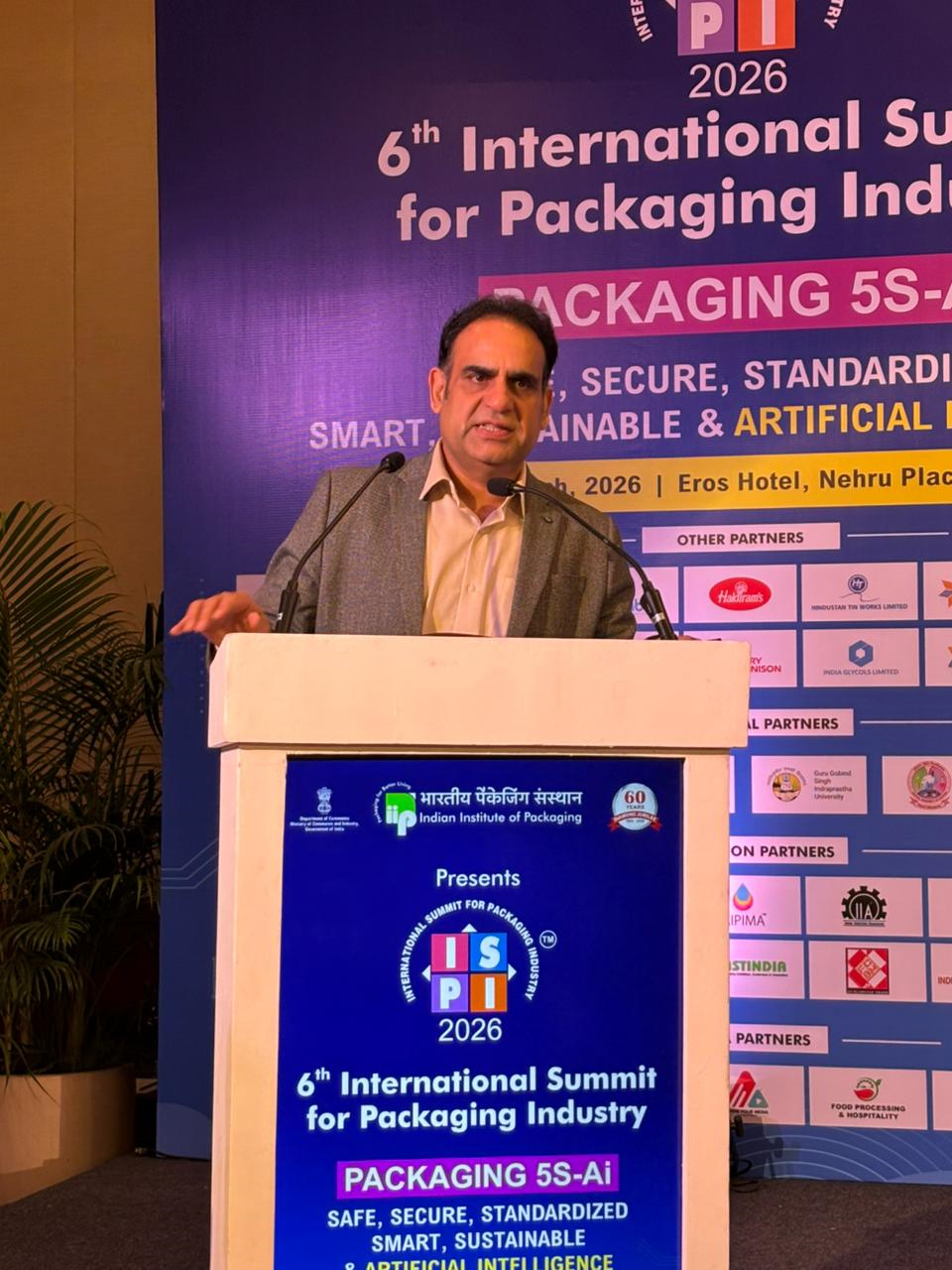
The Indian Institute of Packaging (IIP) on Thursday began the 6th International Summit for Packaging Industry (ISPI 2026) in New Delhi, bringing together policymakers, industry leaders, academicians, researchers and innovators from India and abroad to discuss emerging trends and innovations in the packaging sector. The summit was inaugurated by Shri Ajay Bhadoo, Additional Secretary, Ministry of Commerce and Industry, Government of India.

The summit is being organised under the theme “Packaging 5S-AI – Safe, Secure, Standardised, Smart, Sustainable and Artificial Intelligence.” The theme reflects the industry’s growing focus on developing advanced packaging solutions that enhance product safety, strengthen supply chains, promote standardisation, integrate smart technologies and support environmental sustainability.

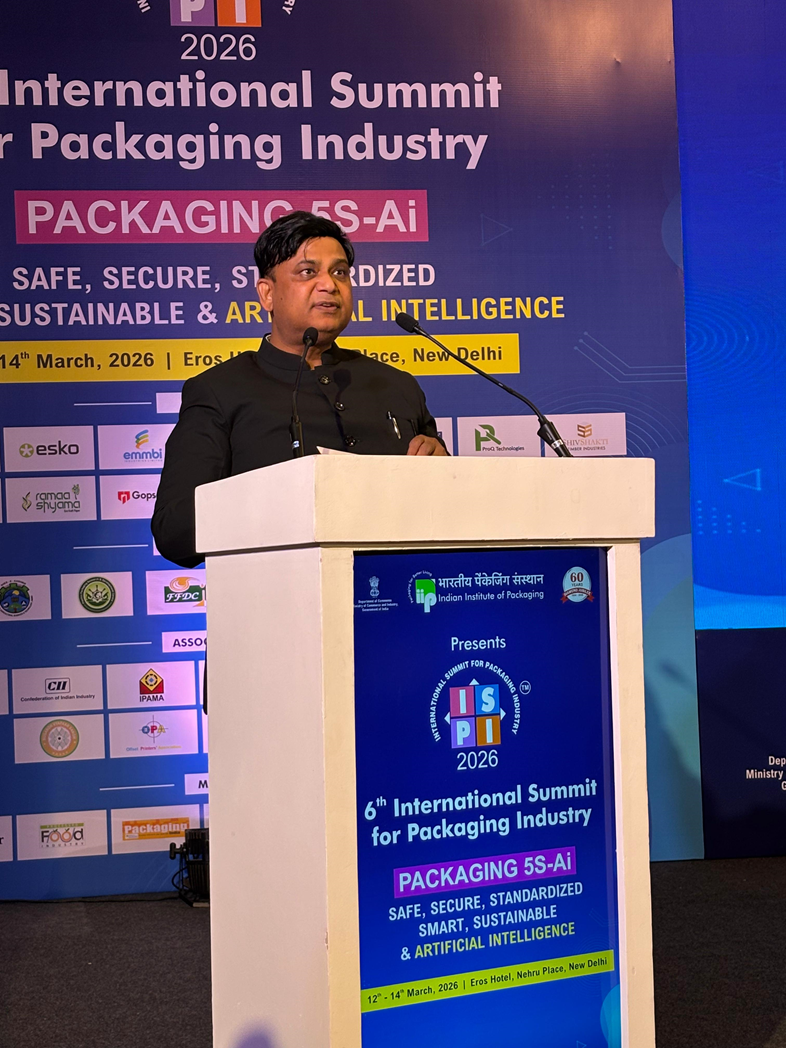
The inaugural ceremony began with the traditional lighting of the lamp. Shri R. K. Mishra, IRS, Director, Indian Institute of Packaging, delivered the welcome address and welcomed the distinguished guests and participants. Prof. (Dr.) Tanweer Alam, Additional Director and Regional Officer, IIP–Delhi, then presented an overview of the summit and outlined the key objectives and significance of the Packaging 5S-AI framework.

A key highlight of the event was the signing of a Memorandum of Understanding (MoU) and the inauguration of the Design Lab at IIP Delhi, aimed at strengthening innovation, research and skill development in the packaging sector.

Ajay Bhadoo Inaugurates ISPI 2026 in New Delhi, Calls for Smart and Sustainable Packaging to Boost Indian Exports


In his inaugural address, Shri Ajay Bhadoo emphasised that the packaging sector is undergoing rapid transformation driven by digital technologies, sustainability priorities and evolving consumer expectations. He noted that the integration of automation and artificial intelligence can significantly improve productivity, reduce wastage and enhance product safety. He also highlighted that quality and standardised packaging play a crucial role in helping Indian products meet global standards, strengthening exports and improving their competitiveness in international markets.


The event also featured addresses by Shri P. R. Bantwal, Chairman, IIP and Chairman & Managing Director, Suprabha Protective Products Pvt. Ltd.; Shri Deepak Mishra, Joint Secretary, Department of Consumer Protection, Government of India; Mr. Ashok Chaturvedi, Chairman and Managing Director, UFlex Ltd.; and Ms. Luciana Pellegrino, President of the World Packaging Organisation, who joined the summit online.

Ajay Bhadoo Inaugurates ISPI 2026 in New Delhi, Calls for Smart and Sustainable Packaging to Boost Indian Exports


Speaking on the theme, Prof. (Dr.) Tanweer Alam described Packaging 5S-AI as a transformative approach for the industry. He said that integrating safety, security and standardisation with smart technologies and artificial intelligence can strengthen traceability, improve quality control and enhance supply chain efficiency, while sustainability must remain central to innovation. He also highlighted initiatives such as One District One Product (ODOP) packaging support, cluster-based packaging development under government programmes, and the promotion of packaging standards aligned with APEDA specifications, aimed at strengthening packaging capabilities for regional and export-oriented products.

Highlighting the scale of the event, Prof. Alam said the summit has brought together around 1,500 participants, including policymakers, industry leaders, academicians and startups, along with nearly 50 international delegates from countries such as the United States, the Philippines, South Korea, Thailand, Nigeria, Ghana, Ethiopia, Botswana, Mauritius, Zambia, Cambodia, Sri Lanka, Uganda, the Maldives, the Gambia and Singapore.

The Indian Institute of Packaging (IIP) is also undertaking several initiatives to promote sustainable and innovative packaging solutions in collaboration with industry and government departments. Among its initiatives is the development of improved packaging for traditional products such as Nolen Gur from West Bengal, which has enhanced its portability and significantly increased its shelf life. The institute is also conducting training programmes for Self-Help Groups (SHGs) and Farmer Producer Organisations (FPOs) under initiatives such as the National Rural Livelihood Mission (NRLM) to help rural entrepreneurs adopt better packaging practices for agro and forest-based products. According to the institute, effective packaging can increase the market value of products by more than 10 percent, improving their marketability.

Through research, training and industry partnerships, IIP continues to strengthen India’s packaging capabilities while supporting exporters and manufacturers in ensuring that products reach global markets safely and in optimal condition. The discussions and collaborations at ISPI 2026 are expected to further accelerate innovation in the sector and contribute to the growth of India’s manufacturing and export ecosystem.

The Euro Declines for the Third Consecutive Day Amid Uncertainty Over the End of the War in the Middle East.

The euro decreased by 0.16% against the dollar today and is trading at around 1.1547, close to its lowest level this year.

The uncertainty over war decisions in the Middle East and the ongoing rise in oil prices despite market interventions continue to put downward pressure on the euro. This pressure persists even as the gap between US Treasuries and Eurozone yields narrows. However, concerns about inflation and supply chain issues are preventing the euro from benefiting from the carry-trade effect.

The yield differential between the benchmark 10-year German Bund and its U.S. Treasury counterpart has widened toward its most pronounced level since 2023, currently at −1.28 percentage points, yet the euro remains unable to capitalize on this narrowing spread. Despite the relative rise in European yields, the single currency is struggling to gain traction as geopolitical risk premiums and safe-haven flows continue to bolster the U.S. dollar.

The euro remains under pressure because Europe’s high dependence on energy imports makes its economy significantly more vulnerable to the stagflationary shock of the Iran conflict than the energy-independent United States.

The erratic and unrealistic statements by US President Donald Trump also keep the market in a constant state of tension, which may prevent it from benefiting from signs that the war cannot last much longer.

For example, Trump stated that the Strait of Hormuz is safe for vessels and claimed the Iranian Navy is completely destroyed; however, the conflict between Iran and U.S.-Israeli forces has significantly escalated. According to Reuters, explosive-laden Iranian boats appear to have attacked two fuel tankers in Iraqi waters, setting them on fire on Wednesday, after projectiles struck four vessels in Gulf waters. The recent attacks on ships associated with the U.S. and Europe represent an escalation in the conflict between Iran and U.S.-Israeli forces, increasing the number of ships targeted in the region since fighting began to at least 16.

The situation could worsen. An Iranian official threatened on Wednesday to close another strait, similar to the Strait of Hormuz, if the United States makes “any mistake,” as he put it. The unnamed military official said, “Any American mistake will complicate the situation in the region, and Iran has phased and escalating military plans.” He added, “The region could enter a regional war soon, and we still have many cards to play,” Al Jazeera reported. He continued, “If Washington makes a strategic mistake, another strait will be in a similar situation to the Strait of Hormuz.”

This suggests that the escalation could involve the Bab al-Mandab Strait, and a widespread closure of it could lead to further disruptions in global supply chains and help drive inflation.

Meanwhile, oil prices resume their upward rally, with West Texas Intermediate (WTI) and Brent futures settling above $90 and $95 per barrel, respectively. That came even amid the surprise intervention into the oil market. The Wall Street Journal reports that the Trump administration made a sudden reversal, pressuring the IEA to authorize a historic 400-million-barrel oil release, including over 100 million barrels from the U.S., despite breaking protocol. Crude prices rose by over 5% after the announcement, as doubts persisted about whether the release could offset prolonged closures of the Strait of Hormuz. The market seems to think these interventions are not sustainable. 

With these sentiments in the energy market, the euro might be trapped in a bearish trend, as the market recalls the aftermath of the end of the war in Ukraine, the brief spike in oil prices, and the widespread contraction in business and industrial activity. 

In fact, this time might be even worse for the euro than 2022. A prolonged period of high energy prices could hinder Europe’s economic recovery, as the EU depends on fossil fuel imports for about 58% of its energy.

Rising global energy costs, driven by dwindling supply from the Gulf and a bidding war for remaining resources, have increased European gas prices by over 50% this month, potentially impacting eurozone inflation three times as much as in the U.S., especially in heavily dependent countries like Italy.

Despite current prices of around €50 per megawatt-hour, significantly lower than the €300 level seen after Russia’s invasion of Ukraine, few economists expect a crisis to mirror that upheaval.

With these inflation and supply chain risks, the eurozone might struggle. Multiple surveys published over the past few years, following the inflation surge, indicate that the eurozone has been unable to sustain growth in this economic environment. This situation threatens to lead to a prolonged decline in the euro‘s value. These surveys, including S&P Global PMI reports, GfK Consumer Climate, Ifo Business Climate, and Sentix Investor Confidence, all reported that rising inflation and higher rates caused economic activity to contract.

To make matters worse for the euro, European Central Bank monetary policy tools might not support the euro in tightening again, as in 2022, or in maintaining the current tightening for a prolonged period.

According to the Wall Street Journal, the European Central Bank and the Bank of England are unlikely to repeat the aggressive rate-hike cycle of 2022, despite the recent surge in oil prices following the conflict in the Middle East. Economists argue that the current economic landscape differs decisively from the post-pandemic era; inflation was already near the 2% target before the strikes, and interest rates are already at neutral or restrictive levels.

While markets recently amped up bets on potential rate hikes to avoid a stagflationary shock, weaker consumer demand and precariously low sentiment may actually necessitate looser, rather than tighter, monetary policy.

Conversely, the euro‘s best chance to escape its current situation depends on the hope that the United States might abandon its war in the region. Recent reports have indicated that the Trump administration may be considering alternatives to ending the war and claiming a victory one way or another, influenced by rising energy and fuel prices and unsustainable stockpiles of defensive munitions.




AVer’s TR615 PTZ Camera Achieves Zoom Rooms Certification

AVer’s TR615 PTZ Camera Achieves Zoom Rooms Certification


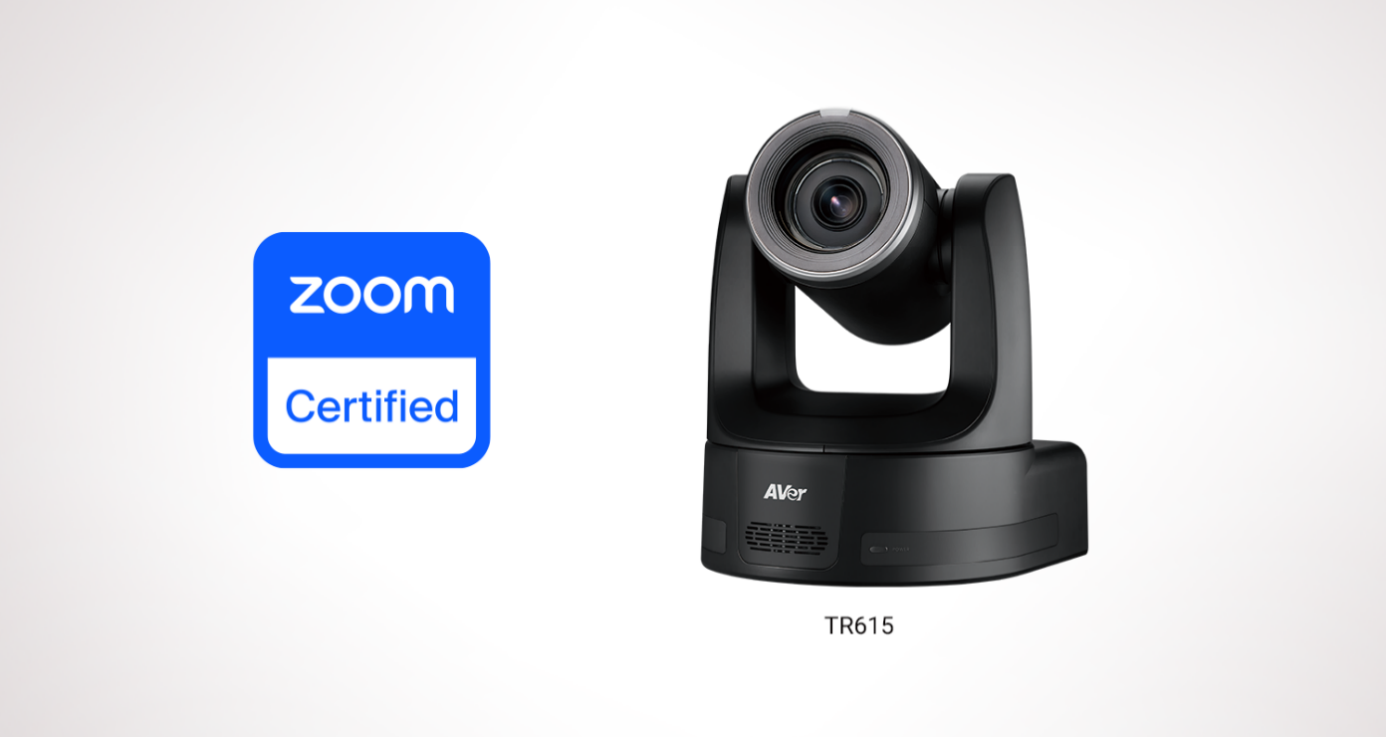
Taipei, Taiwan – Mar 12: AVer Information Inc., an award-winning provider of AI audio-video solutions, announces the TR615 AI Auto Tracking camera has obtained Zoom Rooms ProAV Camera certification. Zoom Rooms certification confirms the camera’s ability to deliver stable video output, responsive PTZ control, and consistent image quality when deployed as part of a Zoom Rooms system.

“Zoom Rooms certification helps ensure devices meet our standards for performance, reliability, and user experience,” said Eric Yu, Head of Hardware Partnership at Zoom Video Communications Inc. “Our certified ProAV cameras, like AVer’s TR615, provide customers with trusted options for deploying Zoom Rooms across a variety of professional spaces.”

AVer’s TR615 is a next-generation 4K AI Auto Tracking PTZ camera engineered for professional broadcasting, live streaming, and event production. Equipped with a large 1-inch Sony Exmor RS1 CMOS sensor, it delivers cinematic image quality with rich color, excellent low-light performance, and lifelike depth. Supporting 4K at 60fps, along with 19X optical and 12X digital zoom, the TR615 ensures stunning close-ups and detail even in large venues.

With advanced AI-powered tracking, the TR615 offers Presenter Tracking, Zone Tracking, and Hybrid Tracking modes, automatically keeping subjects in perfect frame. From fast-paced performances to academic lectures, it provides smooth, professional grade footage without manual control. It also features NDI® HX32, Free-D, and Dante AV-H3, ensuring compatibility with IP streaming and virtual production workflows.

The TR615 supports flexible connectivity options, including USB, HDMI4, and dual 12G-SDI outputs, allowing it to integrate into both conferencing and production workflows. The Zoom Rooms certification further extends the camera’s versatility, supporting organizations that require a single PTZ solution across meeting spaces, patient rooms, classrooms, production suites, auditoriums, and multipurpose venues.

“Zoom Rooms certification ensures the TR615 meets platform requirements for reliable video performance in professional environments,” said Katie Sullivan, Senior Product Manager for AVer Information Inc. USA. “The TR615’s certification gives customers confidence that the TR615 can be deployed within Zoom Rooms while maintaining the image quality and automation expected from a production grade PTZ camera.”

AVer continues to prioritize platform certification to ensure interoperability across leading collaboration ecosystems, including Zoom. The certifications help organizations deploy AV solutions that meet performance standards while reducing integration complexity.


1 Exmor RS® is a trademark of Sony Group Corporation or its affiliates.
2 NDI® is a registered trademark of Vizrt NDI AB.
Audinate®, the Audinate logo and Dante® are registered trademarks of Audinate Pty Ltd.
All HDMI trademarks and trade dress are registered trademarks or trademarks of HDMI Licensing Administrator, Inc.

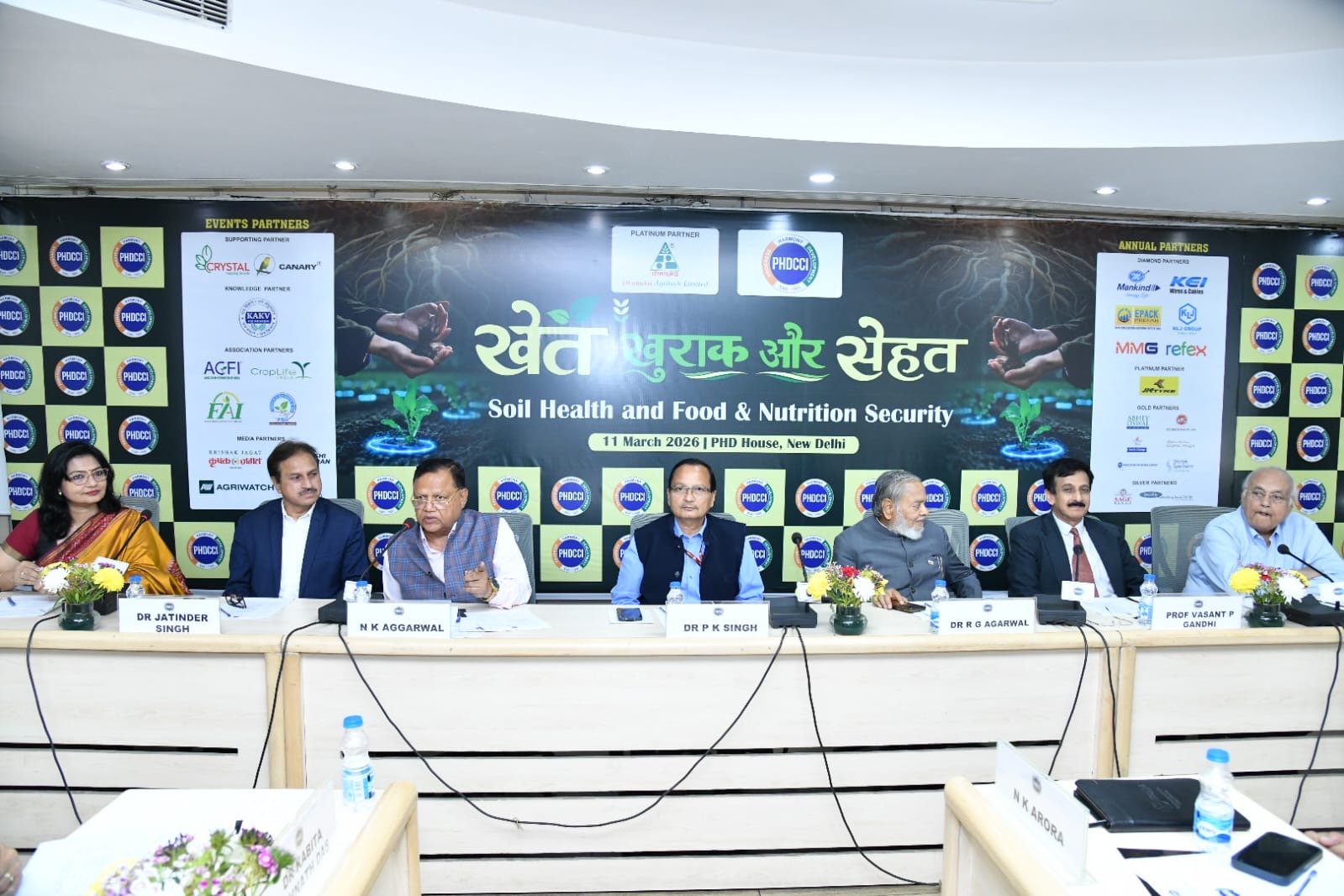
PHDCCI organized a Roundtable Discussion on Soil Health and Food & Nutrition Security

PHDCCI organized a Roundtable Discussion on  Soil Health and Food & Nutrition Security

PHD Chamber of Commerce organized a roundtable discussion on  Soil Health and Food & Nutrition Security”  at PHD House, New Delhi.

Bringing together policymakers, industry leaders, scientists, and agri-experts, the event sparked critical conversations around soil health, crop nutritionand their broader impact on public health.

The context of the roundtable was set by Dr Jatinder Singh, Dy. Secretary General, PHDCCI along with a welcome address by Mr N.K Aggarwal, Chair, Chemicals & Plastic Committee, PHDCCI and moderation by Ms Gayatri Sharma, Director, PHDCCI.

In attendance of the dignitaries present at the roundtable, Chief Guest Dr P.K. Singh, Agriculture Commissioner, Ministry of Agriculture and Farmers Welfare, Government of India said – “ India’s agricultural transformation must begin with a shift in thinking—from a purely production-oriented approach to one that protects farmers, strengthens soil healthand ensures long-term sustainability. The government is encouraging states to develop clear, measurable roadmaps for sustainable agriculture, including targets such as improving soil organic carbon and overall soil health. Integrated approaches that combine soil conservation, crop diversification, water management, and farmer-centric technologies will be essential to securing long-term food and nutritional security. At the same time, reviving traditional food systems and promoting dietary diversity will play an important role in strengthening both nutritional security and sustainable agriculture in India.“

Mr N.K Aggarwal, Chair, Chemicals & Plastic Committee, PHDCCI welcomed the dignitaries with his address stating – “While agricultural technologies are widely adopted across India, micronutrient management remains critically under- addressed. Deficiencies in zinc and other micronutrients significantly impact both soil fertility and crop quality. Compounding this, overexploitation of soil through multiple cropping cycles demands urgent attention to soil recharging and restoration. As India emerges as a global food security powerhouse with growing export potential, the responsibility to produce nutritious, quality food intensifies. It is hoped that today’s roundtable moves beyond discussion, translating deliberations into actionable policy recommendations that effectively reach and are implemented by the government.

While setting the context of the roundtableDr Jatinder Singh, Dy. Secretary General, PHDCCI stated – India produces 351 million tonnes of food grains annually, yet faces a serious nutritional crisis. Severe soil degradation causes deficiencies in nitrogen, zinc, and iron, while overuse of subsidized urea contaminates food and the environment. NFHS data reveals 35.5% of children under five are stunted and 32.1% are underweight — a stark reminder that production alone cannot eliminate “hidden hunger.” Today’s discussion on “Khed, Khurak, and Sehat” aims to collectively address these challenges through sustainable farming, soil restoration, and improved nutritional outcomes.”

Mr. N.K. Arora, Secretary of the Governing Council of KAKV Foundation and Knowledge Partner for the discussion, showcased a presentation to the dignitaries. Separately, the KAKV Foundation also released its report titled “Soil HealthFood Production and Nutritional Security in India – An Integrated Analysis by KAKV.”

The roundtable was wrapped up with a Vote of Thanks from Dr. R.G Agarwal, Chair, Agri Business Committee, PHDCCI.

S8UL Signs Pokémon GO World Champion Ved ‘Beelzeboy’ Bamb

S8UL Signs Pokémon GO World Champion Ved ‘Beelzeboy’ Bamb

Mumbai, Mar 12th: S8UL Esports, a global name in esports and gaming content, has announced the signing of Ved “Beelzeboy” Bamb, the Pokémon GO World Champion, marking a significant milestone as the organisation continues to expand its competitive footprint across global esports titles.

Beelzeboy made history in August 2025 when he clinched the Pokémon GO World Championship, defeating Spain’s Leo “P4T0M4N” Marín in a thrilling grand final at Anaheim, California. With this victory, he earned the distinction of becoming India’s firstever world champion in the realm of esports, placing the country firmly on the global competitive gaming map.

Commenting on the signing, Animesh Agarwal, aka 8Bit Thug, Co-Founder of S8UL and 8Bit Creatives, said, “Pokémon is where it all began for many of us as kids – the first battles, the first rivalries, and the first love for competitive play. Our commitment to the Pokémon esports ecosystem continues as we welcome Beelzeboy to the S8UL family. His historic victory showed the world what Indian players are capable of, and we’re excited for what lies ahead as we keep building from the roots of gaming to the global stage.”

Hailing from Nagpur, Ved began playing Pokémon GO when the game launched in 2016 and steadily rose through the competitive circuit with consistent performances across regional and international tournaments. Prior to winning the world championship, he had already established himself as one of the top Pokémon GO competitors globally, including securing the Pokémon GO India National Championship title in 2024 and finishing among the top players internationally.

Outside of esportsVed is a software developer by profession, balancing his career in technology with his passion for competitive gaming, a journey that highlights the growing diversity of paths within the esports ecosystem.

Expressing his excitement about joining the organisation, Ved “Beelzeboy” Bamb said, “Winning the Pokémon GO World Championship was a dream come true, and it was incredibly special to represent India on the biggest stage. Joining S8UL is another exciting chapter in that journey. The organisation has consistently elevated Indian esports globally, and I’m thrilled to be part of a team that shares the same vision of pushing boundaries. Together, we’ll try our best to bring many more laurels for the country and inspire the next generation of players.”

With this addition, S8UL continues to strengthen its legacy of representing India on the world stage across multiple titles. As one of the country’s most decorated esports organisations, S8UL fields championship-caliber teams across several competitive games while also operating one of the world’s most influential gaming content groups.

Beelzeboy’s arrival not only adds a world champion to S8UL’s roster but also reinforces the organisation’s commitment to nurturing top-tier talent and expanding India’s presence in emerging global esports ecosystems.

Infosys Announces Expansion of Mohali Development Center with New Integrated Campus

New Delhi, Mar 12: Infosys, a global leader in next-generation digital services and consulting, today announced the expansion of its Mohali Development Center (DC) with the ceremonial Bhoomi Pujan marking the beginning of construction for a new integrated development campus in Mohali. The expansion will strengthen Infosys’ regional presence in Punjab and reinforce its commitment to driving innovation, nurturing local talent, and contributing to the region’s economic and technological growth.

The ceremony was attended by Bhagwant Singh Mann, Chief Minister of Punjab, and Sanjeev Arora, Punjab’s Minister for Investment Promotion, Energy, and Local Governance. Senior leaders from Infosys, including Jayesh Sanghrajka, Chief Financial Officer, Sunil Kumar Dhareshwar, Executive Vice President, and Niladri Prasad Mishra, Senior Vice President, were also present, along with other officials from the state government and the company.

The expansion will include a new software development block along with supporting facilities, covering approximately 3,50,000 square feet and accommodating around 3,000 employees. The new facility will enhance Infosys’ capability to design, co-create, and implement large-scale AI-driven solutions for its global clients.

Key Highlights of the Development Center Expansion

  • High-efficiency building design featuring naturally lit interiors, daylight harvesting systems, and LED-based intelligent lighting with occupancy sensors.

  • Advanced radiant cooling and heating systems supported by zone-based HVAC controls.

  • 100% wastewater recycling using membrane bioreactor technology and comprehensive water conservation systems.

  • Eco-friendly construction materials, extensive green spaces to reduce heat-island effects, and modular systems to minimize waste.

  • Smart building technologies to enable continuous monitoring and performance optimization.

Currently, the Infosys Mohali Development Center employs around 1,000 professionals, delivering advanced digital services for global clients across sectors including banking, financial services and insurance (BFSI), retail, and healthcare. The expanded campus will further strengthen Infosys’ capabilities in cloud computing, artificial intelligence, application development, and digital transformation, enabling the company to better meet evolving client demands and deliver AI-powered value at scale.

Leadership Comments

Bhagwant Singh Mann, Chief Minister of Punjab, said:

“The expansion of Infosys’ Mohali Development Center will strengthen Punjab’s position as an emerging hub for technology and innovation. This investment will create significant employment opportunities for youth from Punjab and neighboring states, while strengthening the state’s IT ecosystem. We are encouraged by Infosys’ continued efforts to support technology-driven and inclusive economic growth in the region.”

Jayesh Sanghrajka, Chief Financial Officer, Infosys, said:

“We are delighted to expand our presence in Mohali. This development is an important step in advancing our AI-first strategy and delivering greater value to our clients. The integrated campus will allow us to leverage strong local talent, enhance operational capabilities, and provide our employees with a collaborative hybrid work environment. By creating high-quality employment opportunities and strengthening the region’s technology ecosystem, this expansion will also contribute to Punjab’s economic development.”

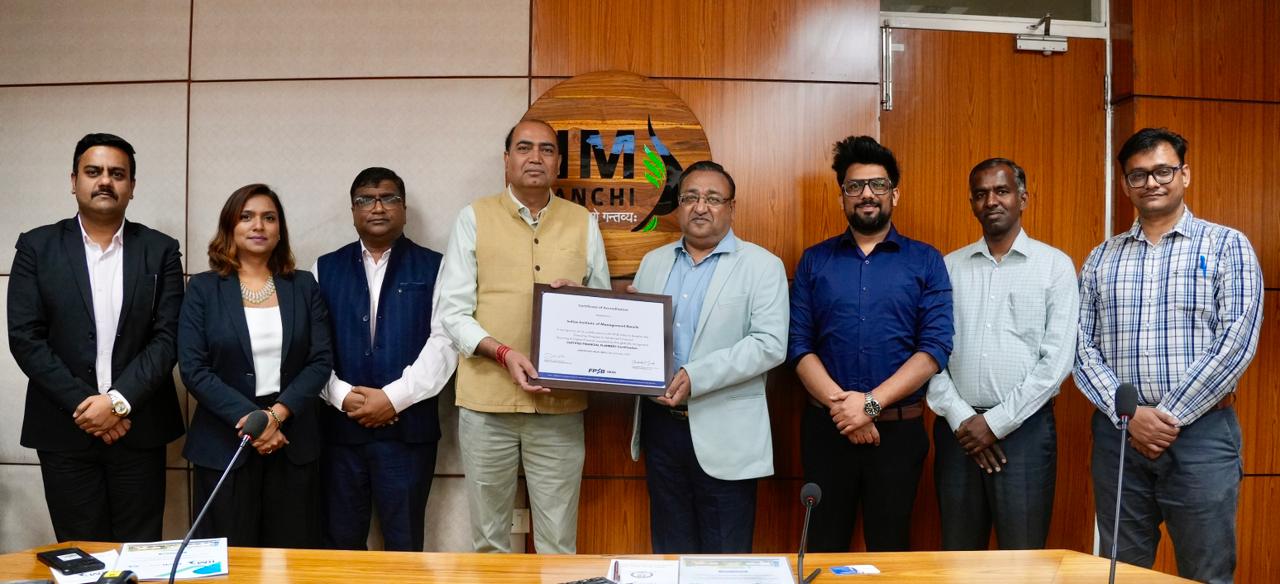
FPSB India Launches ‘Executive Program in Advanced Financial Planning & Digital Finance’ with IIM Ranchi

Ranchi, Mar 12: FPSB India, the Indian subsidiary of Financial Planning Standards Board Ltd., USA launches the ‘Executive Program in Advanced Financial Planning & Digital Finance’ (with CFP® Fast Track Pathway) in collaboration with IIM Ranchi. This partnership is designed for working professionals aspiring to earn the globally recognised CFP® certification and build advanced professional capabilities in personal finance. 

FPSB India Launches ‘Executive Program in Advanced Financial Planning & Digital Finance’ with IIM Ranchi

 Designed for working professionals, this hybrid programme combines the technical rigour of the CFP® certification curriculum with IIM Ranchi’s academic strength in financial analytics, artificial intelligence, sustainable finance, and digital transformation. 

Participants will gain deep expertise across financial analytics and AI-driven wealth planning, behavioural finance, alternative investments, sustainable finance and ESG frameworks, global regulations and compliance, digital finance strategy, and portfolio engineering. 

Speaking on the collaboration, Mr. Chandrakant Sureka, CEO (Interim), FPSB India said,

 “This partnership represents a progressive step in strengthening the financial planning ecosystem in India. By integrating global CFP® standards with advanced digital finance capabilities, we aim to equip professionals with future-ready competencies that combine ethics, technology, and client-centric advisory excellence.”

Prof. Deepak Kumar Srivastava, Director, IIM Ranchi, added,

 “At IIM Ranchi, we are committed to developing leaders who can navigate complexity with competence and integrity. This collaboration with FPSB India reflects our focus on integrating academic excellence with professional standards. By combining advanced digital finance, analytics, and AI with the globally respected CFP® pathway, this programme is designed to prepare professionals to lead the next phase of innovation and responsibility in wealth management and financial advisory.”

The programme is seamlessly aligned to the CFP® certification framework, integrating academic rigor with globally benchmarked financial planning competencies. Launched in collaboration with Indian Institute of Management Ranchi and FPSB India, it bridges premier management education with international professional standards. The curriculum is structured to equip participants with the technical expertise, ethical grounding, and practical application skills required to pursue the CFP® certification pathway with confidence. For more details of the program.