Research from GNLU Assesses the Case for Crypto-Asset Regulation in India

New Delhi, March 10: 

The Gujarat National Law University (GNLU), in partnership with the Society of Indian Law Firms (SILF), on Tuesday formally launched its project report titled “Crypto-Assets in India: Assessing the Case for Regulation” at an event held at The Lalit, New Delhi. The report presents a comprehensive examination of India’s current approach to crypto-assets and outlines a structured framework for regulation aimed at balancing innovation, investor protection and financial stability.
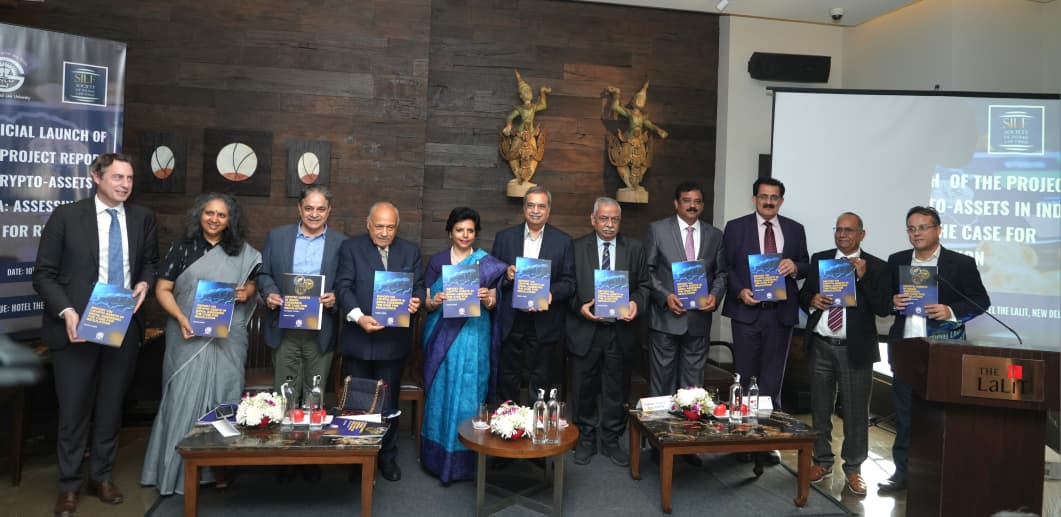
Gujarat National Law University (GNLU) launches Report on ‘Crypto-Assets in India: Assessing the Case for Regulation’


The report underscores that India is at a critical juncture in shaping its regulatory architecture for digital assets. While the government has introduced certain fiscal and compliance measures in recent years—such as the taxation of virtual digital assets and the extension of anti-money laundering obligations to crypto intermediaries—the absence of a dedicated statutory framework continues to create regulatory ambiguity for market participants. The study argues that a coherent and forward-looking regulatory regime is essential to ensure that India remains competitive in the rapidly evolving global Web3 ecosystem. The report puts forth various models of regulation by different existing regulators, along with a new model of self regulation under government oversight till the time a robust regulatory ecosystem is established.

The launch event brought together senior members of the judiciary, leading legal practitioners, policy experts and representatives from the digital asset industry to deliberate on the future trajectory of crypto regulation in India.
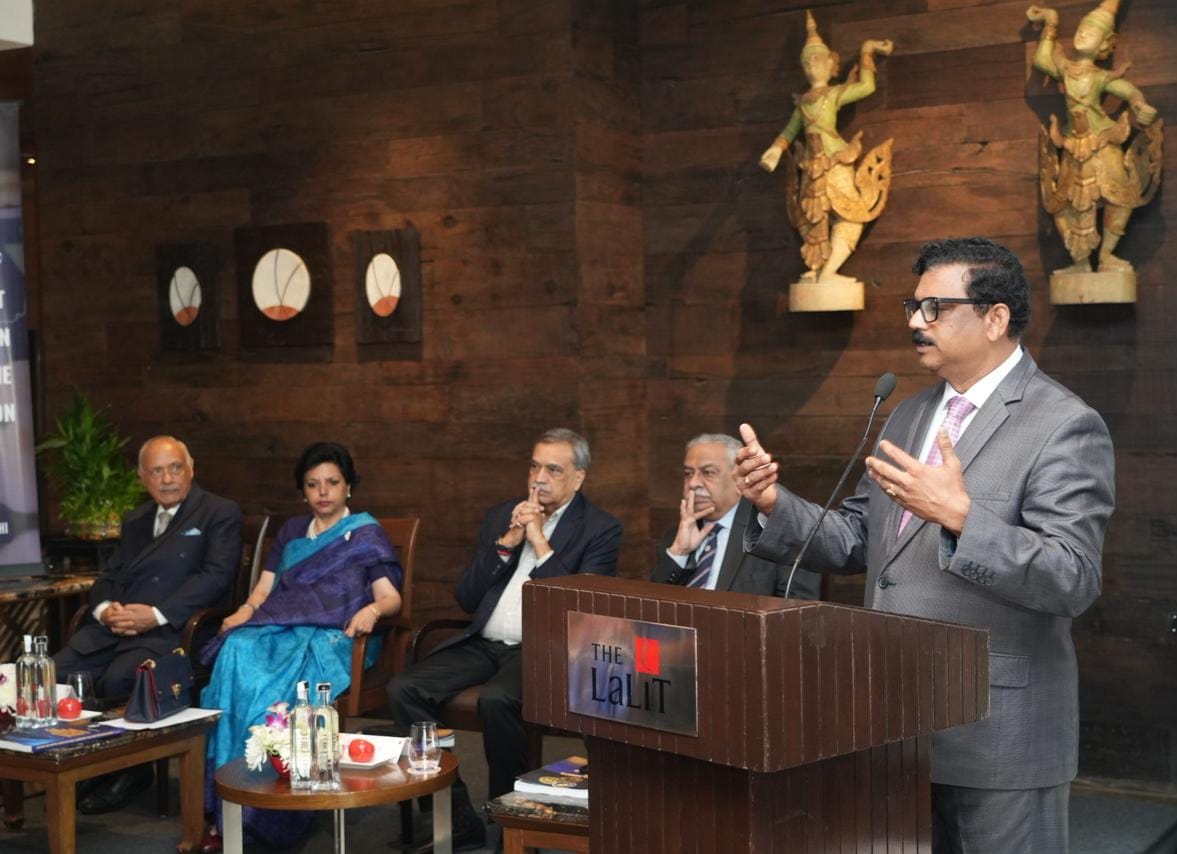
Gujarat National Law University (GNLU) launches Report on ‘Crypto-Assets in India: Assessing the Case for Regulation’


The event was attended by Justice Hima Kohli, Former Judge of the Supreme Court of India, who shared her views on the evolving legal and regulatory landscape surrounding digital assets. Other distinguished speakers at the event included Justice M. R. Shah, Former Judge of the Supreme Court of India; Justice Ravi Tripathi, Former Judge of the Gujarat High Court; Dr. Lalit Bhasin, President of the Society of Indian Law Firms (SILF); and Prof. (Dr.) S. Shanthakumar, Director of Gujarat National Law University.

Justice Hima Kohli, Former Judge, Supreme Court of India, said, “Crypto assets illustrate the broader challenge that legal systems face when technological innovation evolves faster than legislative processes. Today, with the global crypto market exceeding $2.4 trillion and India emerging as one of the largest markets with millions of users, the policy debate is no longer about whether such technologies should exist but about how they should be regulated. The task before policymakers is to craft a balanced framework that protects financial stability, ensures investor protection and transparency, while allowing innovation in blockchain and digital technologies to continue.”


Justice M. R. Shah, Former Judge, Supreme Court of India, said, “With nearly 12 crore Indians already investing in crypto assets, it is no longer possible to simply ignore this sector. In a globalised digital economy, attempts to stop such technologies are neither practical nor effective. The real need is for a clear regulatory framework that ensures transparency, prevents misuse and protects the interests of investors. The government’s decision to tax income from virtual digital assets is an important first step, but comprehensive regulation will be essential to strengthen confidence in this emerging ecosystem.”

Justice Ravi Tripathi, Former Judge, Gujarat High Court, said, “In an era where technology is rapidly transforming society and the economy, institutions cannot afford to ignore emerging developments such as crypto assets. Academic institutions have an important role to play in studying such complex issues and contributing thoughtful recommendations to policymakers. Initiatives like this report demonstrate how research and informed dialogue can help shape regulatory thinking on technologies that already exist and are increasingly influencing economic activity.”

Prof. (Dr.) S. Shanthakumar, Director, Gujarat National Law University, said, “What began as a classroom discussion on a regulatory grey area eventually evolved into a national research initiative. With nearly 12 crore Indians engaging with crypto assets despite the absence of a comprehensive regulatory framework, we felt it was important for academia to contribute to the policy conversation. Through stakeholder consultations in Bengaluru, Mumbai and Delhi involving developers, exchanges, regulators and legal experts, the university sought to understand the technology and its challenges. The report ultimately presents five possible regulatory models, leaving policymakers with practical options to consider while shaping India’s approach to crypto regulation.”
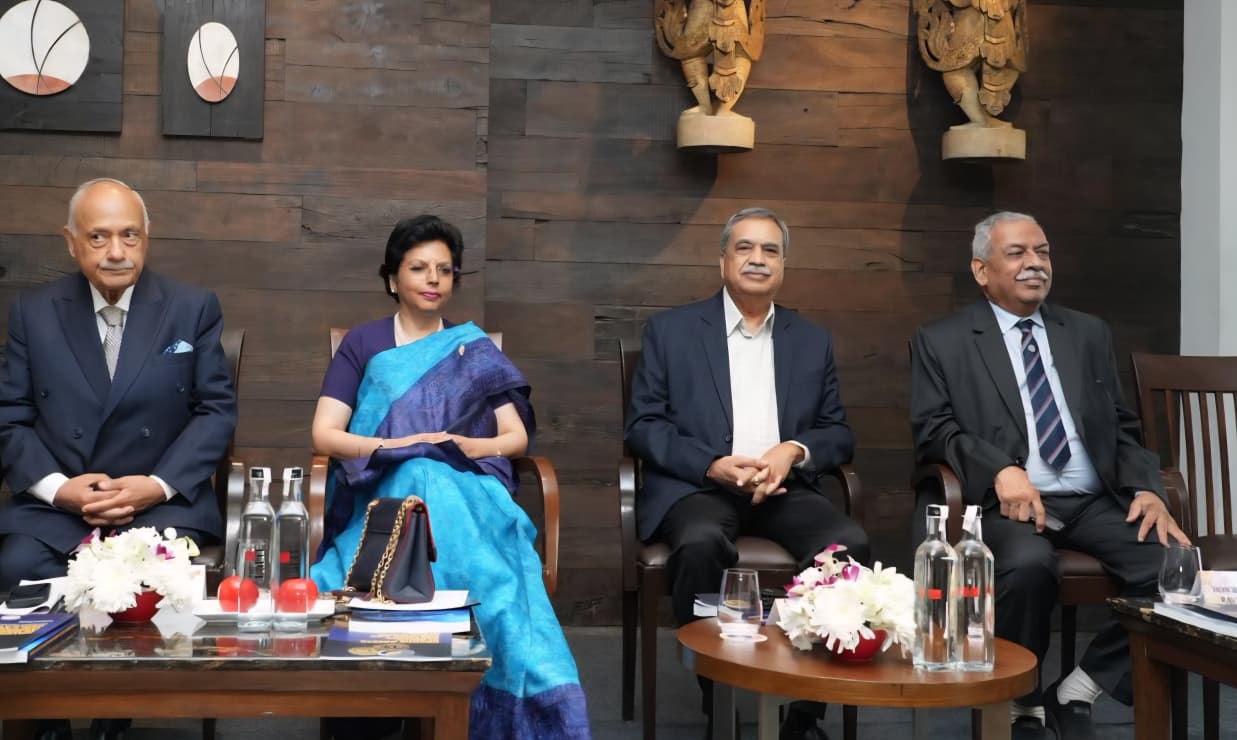
Gujarat National Law University (GNLU) launches Report on ‘Crypto-Assets in India: Assessing the Case for Regulation’


Drawing on comparative regulatory models and global policy developments, the report highlights that several major economies have moved toward clear regulatory frameworks for crypto-assets. It notes that the absence of a comprehensive domestic framework in India has contributed to regulatory uncertainty, with implications for capital flows, industry development and technological innovation.

The report calls for a calibrated regulatory approach that combines institutional oversight with coordinated participation from relevant regulators. It recommends a framework that strengthens consumer protection, addresses risks relating to financial stability and illicit finance, and simultaneously supports the development of blockchain-based innovation within India.

The project was guided by an eminent advisory board comprising Justice M. R. Shah, Former Judge of the Supreme Court of India; Justice Ravi Tripathi, Former Judge of the Gujarat High Court; Rajkumar, Former Chief Secretary, Government of Gujarat; J. P. Gupta, Former Additional Chief Secretary, Government of Gujarat; Dr. Keshav Kumar, Former DGP and Director, Anti-Corruption Bureau; Senior Advocate N. S. Nappinai; Prof. Vijaya Bhaskar Marisetty, Dr. B. R. Ambedkar Chair Professor at IIM Visakhapatnam; Prof. M. K. Bhandari, Founder, ILTES and expert in Blockchain, AI, FinTech and Law; Chittu Nagarajan, Online Dispute Resolution expert; Advocate Mitali Gupta; Kalyanjit Hatibarua, Managing Director, Flugelsoft Group of Companies; and actor Kabir Bedi.

ASPA and Former CBI Joint Director Dr. Keshav Kumar to Release White Paper Addressing the Growing Challenge of Food Adulteration in India

New Delhi, Mar 10: The Authentication Solution Providers’ Association (ASPA), in collaboration with DrKeshav Kumar, IPS (Retd.), Ph.D., Forensic Advisor to the Government of Assam and Honorary Member of ASPA, is set to release a white paper addressing the growing challenge of food adulteration and its implications for consumer safety, public health, and industry trust.

The upcoming white paper examines emerging trends in food adulteration and highlights the importance of strengthening enforcement frameworks, authentication technologies, and traceability systems across the food supply chain. Drawing from extensive law enforcement and forensic expertise, the publication aims to encourage stronger collaboration between regulators, industry stakeholders, and technology providers to tackle this complex challenge.

Speaking on the initiative, Ankit Gupta, President, ASPA, noted that “safeguarding the integrity of food products requires a collective effort involving stronger regulatory enforcement, industry accountability, and the adoption of advanced authentication and traceability mechanisms.”

Author of the white paperDrKeshav Kumar, emphasized the role of investigative and forensic approaches in addressing organized adulteration networks and strengthening deterrence within the food ecosystem.

The white paper will be available for free download on the ASPA website, enabling policymakers, enforcement agencies, industry stakeholders, and consumers to access insights aimed at strengthening trust and transparency in India’s food supply chain.

Honda Motorcycle & Scooter India Expands Premium Presence in Maharashtra with New Honda BigWing in Bhiwandi

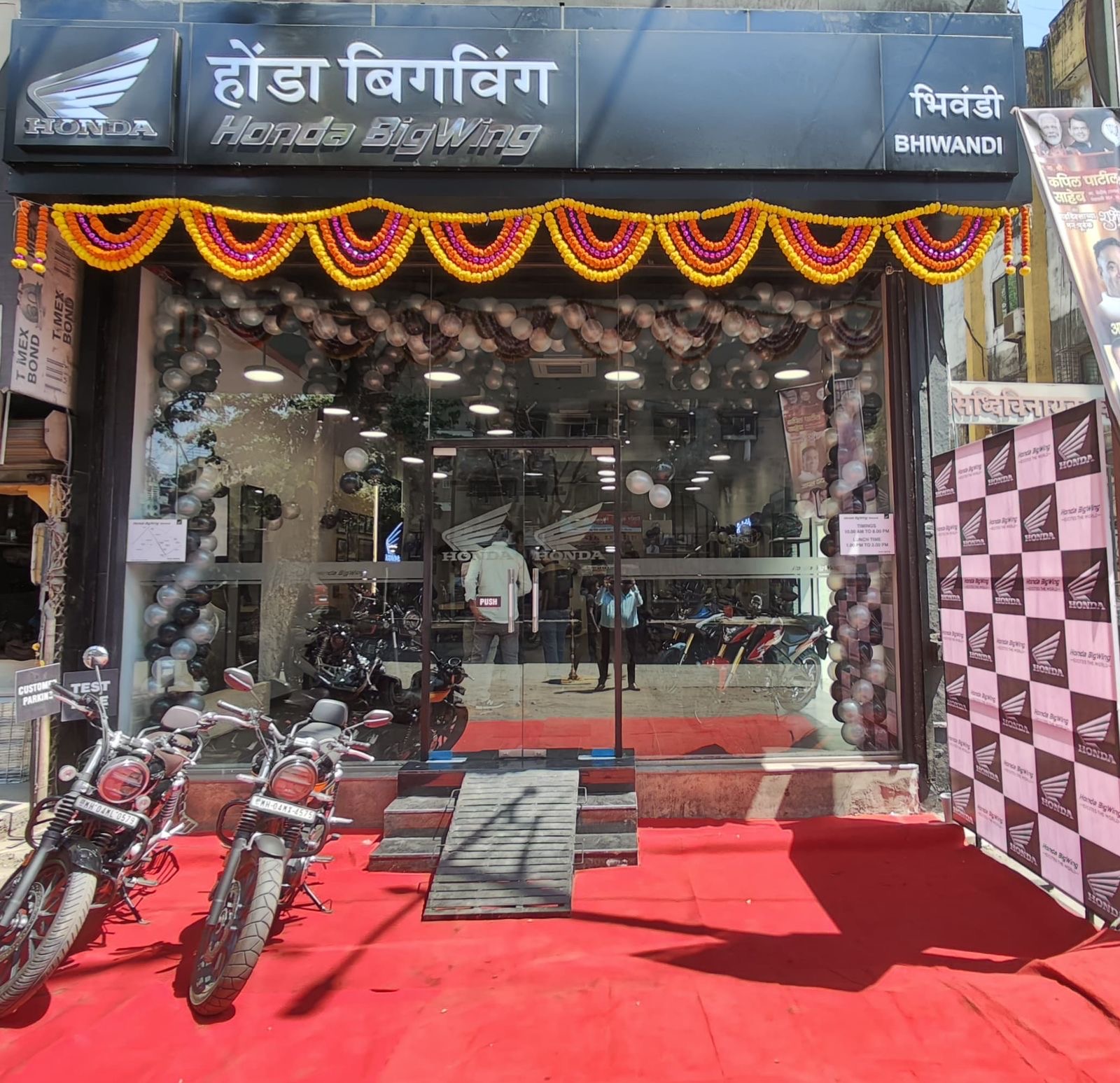
Bhiwandi, Mar 10: Honda Motorcycle & Scooter India (HMSI) has further strengthened its premium network in Maharashtra with the inauguration of a new Honda BigWing dealership in Bhiwandi. This expansion reflects HMSI’s commitment to meeting the growing demand for a sophisticated and experience‑driven ownership journey in India’s fast‑rising premium motorcycle market.

Honda Motorcycle & Scooter India Expands Premium Presence in Maharashtra with New Honda BigWing in Bhiwandi

 As more riders seek expert product guidance, personalised engagement, and dependable service, HMSI continues to broaden its premium ecosystem to better cater to these evolving expectations.

A Premium Retail Experience

The newly launched BigWing outlet in Bhiwandi offers a world‑class premium retail environment, built around Honda’s signatureblack-and-white monochromatic design.

The BigWing Bhiwandi facility features a thoughtfully curated space designed for customers exploring mid‑size and high‑performance motorcycles, supported by a team of specially trained professionals who provide in‑depth product knowledge. Customers also benefit from expert guidance on genuine accessories and customisation options, ensuring every motorcycle is tailored to individual preferences. Further enhancing the experience, the dealership offers a transparent, customer‑centric sales and service journey focused on delivering long‑term satisfaction throughout the ownership lifecycle.

This facility aims to elevate the ownership experience, from the first test ride to after-sales support. HMSI’s upgraded website -www.honda2wheelersindia.com further enriches the customer experience by enabling users to explore the complete premium lineup, compare detailed specifications and book their preferred motorcycle online with ease. Additionally, the BigWing community stays connected through HMSI’s active presence on social media, fostering real-time engagement, updates, and rider interactions.

HMSI’s premium retail strategy is driven through two formats: BigWing Topline, which showcases the brand’s entire 200cc to 1800cc range in major metros, and BigWing, which focuses on the 200cc to 750cc mid-size category in key emerging. The new dealership will offer Honda’s portfolio of premium motorcycles, including Hornet 2.0, NX200, CB350, H’ness CB350, CB350RS, CB350C, NX500, CB650R, CBR650R, XL750 Transalp and X-Adv. The number of operational BigWing touchpoints across India has surpassed 150, underscoring the company’s continued investment in strengthening premium motorcycling culture across the country.

Through the launch of BigWing Bhiwandi, HMSI reinforces its long-term vision of nurturing a new generation of riders who seek not only high‑quality, performance-driven motorcycles but also a richer, more connected riding lifestyle. This new facility is envisioned as a vibrant hub for premium motorcycle enthusiasts across the region—offering a dedicated space where they can engage with fellow riders, explore Honda’s advanced premium lineup, and fully immerse themselves in the BigWing experience. With this expansion, HMSI continues to strengthen its commitment to building a strong, community‑driven premium motorcycling culture in India.

hubergroup Chemicals launches UHVPI-222200 for high-performance UV-curing coatings


hubergroup Chemicals launches UHVPI-222200 for high-performance UV-curing coatings


hubergroup Chemicals introduces UHVPI-222200, an amine-modified Polyether Acrylate Oligomer designed to significantly improve curing performance, process efficiency, and surface quality in modern UV-curing coatings.

A key characteristic of UHVPI-222200 is its very high reactivity, even at low addition levels. This enables faster curing, supports shorter production cycles, and contributes to reduced energy consumption in UV-curing processes. At the same time, the product’s low viscosity ensures excellent flow behaviour and formulation flexibility.

Combining synergist and binder functionality

UHVPI-222200 functions as a highly efficient amine synergist for Norrish Type II photoinitiators, including benzophenone- and thioxanthone-based systems, while also supporting Type I photoinitiators. By accelerating surface radical formation, it effectively reduces oxygen inhibition, particularly in thin films and pigmented systems. The result is a reliable surface cure combined with high gloss and excellent surface appearance.

Optimised for coating and varnish systems

Thanks to its very high reactivity and low viscosity, UHVPI-222200 can be used both as a synergist and as a reactive binder. In highly reactive, low-viscosity systems – such as UV varnishes and coatings – it can also serve as the main or sole binder. This supports simplified formulations, reduced monomer content, and stable processing behaviour.

With a TMPTA (Trimethylolpropane triacrylate) content of less than 0.1%, UHVPI-222200 is particularly well suited for low-migration applications. Typical uses include industrial coatings, UV varnishes, wood coatings, and other energy-curable coating systems, as well as UV flexo inks and OPVs.

Key features of UHVPI-222200 include:

  • Very high reactivity, even at low addition levels
  • Supports faster curing, shorter production cycles, and energy-efficient processing
  • Low viscosity and good pigment wetting
  • Reliable surface cure and high gloss
  • Effective reduction of oxygen inhibition in thin films
  • Suitability for low-migration and food-packaging applications

UHVPI-222200 is designed for a broad range of energy-curable applications, with a strong focus on high-performance coating and varnish systems.


Oil could hit $150/bbl as Gulf shutdown of 15 million b/d forces demand destruction

Oil could hit $150/bbl as Gulf shutdown of 15 million b/d forces demand destruction


LONDON/HOUSTON/SINGAPORE, Mar 10 – With 15 million barrels per day of Gulf supply suddenly offline, global oil demand will need to fall to rebalance the market—a process that could require prices to reach $150/bbl, according to new Wood Mackenzie analysis.

The scale of disruption is unprecedented. Gulf countries in total produce 20 million b/d of liquids, and 15 million b/d of exports have been taken out of the global market. The industry has never faced a loss of supply volumes of this magnitude.

“When the conflict ends, cranking up the supply chain won’t be swift,” said Simon Flowers, Chairman and Chief Analyst at Wood Mackenzie. “Product barrels in storage at refineries or in port might be moved on vessels quite quickly. But if wells are shut-in for a prolonged period, restarting production to full output could take weeks or even longer.”

Prices already $100/bbl

Competition for remaining barrels has already pushed prices above $100/bbl early this week. Markets dependent on exports have been particularly exposed across multiple regions.

Europe faces especially acute challenges. In 2025, Gulf refineries supplied 60% of Europe’s jet fuel and 30% of its diesel, volumes which are now entirely cut off. Asia, which receives the majority of Gulf crude exports, faces equally severe pressure. Chinese, Indian, and other Asian buyers have been scrambling to secure alternative cargoes, driving up prices for West African and Latin American crude. Competition between Europe and Asia for limited non-Gulf supplies is intensifying price pressure across all regions.

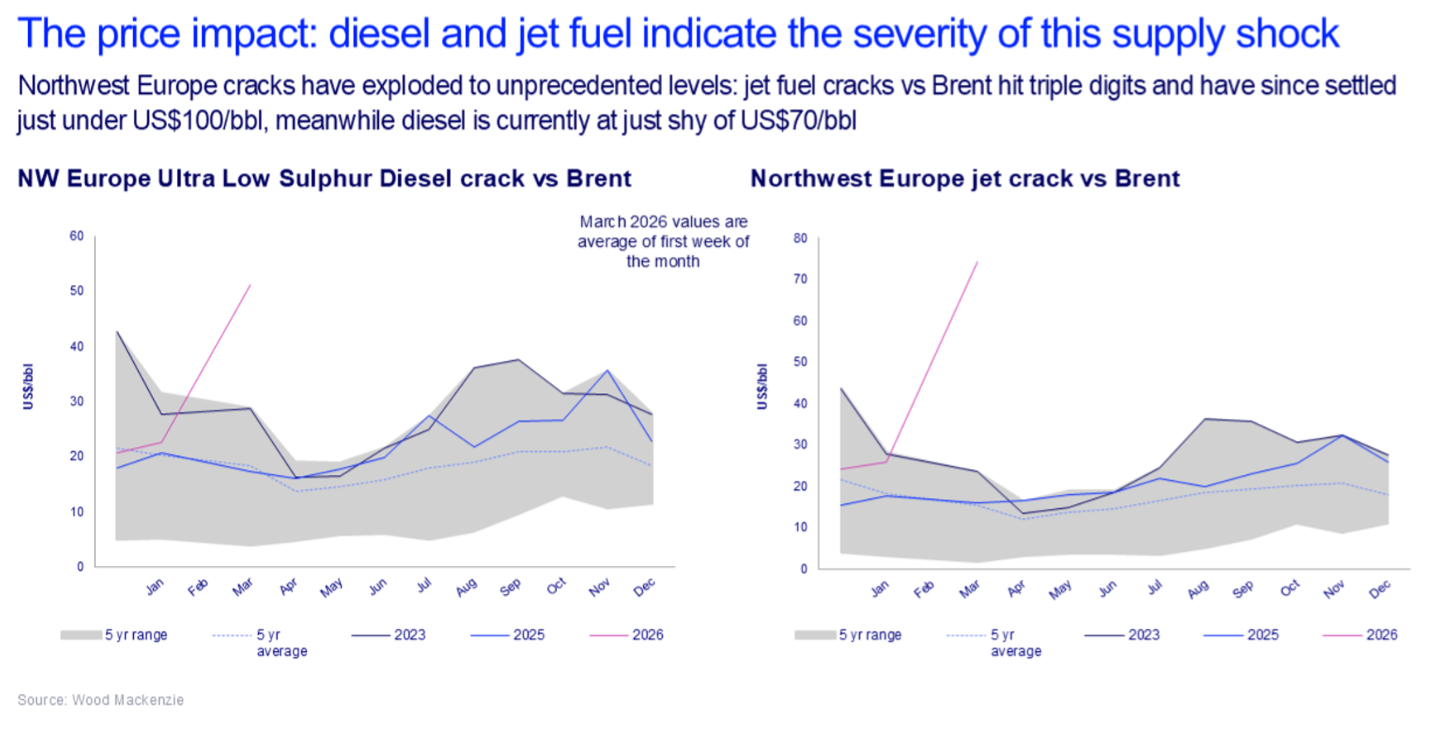
The prospect of extreme tightness in refined product markets is reflected in super-high crack spreads. Jet-fuel cracks in NW Europe have traded at US$100/bbl (implying close to US$200/bbl Brent) and diesel cracks US$70/bbl, four to five times pre-war levels.

Strategic stocks and alternative supply offer limited relief

Strategic petroleum reserves offer some relief but cannot fully offset the supply loss. IEA member countries hold stocks equivalent to 90 days of imports, but sustained releases are unprecedented and IEA members account for less than half of global demand. During the Russia/Ukraine crisis, strategic stock releases did little to prevent prices reaching $125/bbl, and the supply gap from the Gulf shutdown is significantly larger.

Alternative supply sources also cannot fill the gap. While higher prices could incentivize US producers to accelerate output and forego maintenance, the Lower 48 could add only a few hundred thousand barrels per day over three to six months—a fraction of the 15 million b/d shortfall. With no supply solution available, demand destruction becomes the only rebalancing mechanism.

$150/bbl needed to rebalance

Prices will continue to escalate as the conflict prolongs, according to Wood Mackenzie analysis.

“Much will depend on how long the war lasts, how long the Strait of Hormuz remains closed and if the US Navy can ensure safe passage of vessels by escorting shipping,” said Flowers. “Global oil demand of 105 million b/d will still have to fall to balance the market and in our view, that will require Brent to push up at least to US$150/bbl in the coming weeks.”

At this price level, demand would fall through multiple channels: industrial users curtailing consumption, transport substitution away from oil-intensive modes, economic contraction reducing overall activity, and consumers reducing discretionary travel.

$200/bbl possible if conflict extends

While oil reached $150/bbl in inflation-adjusted terms during the 2022 Russia/Ukraine crisis, this situation could prove more severe.

“Supply volumes at risk this time are dimensionally bigger—and real,” said Flowers. “In our view, US$200/bbl is not outside the realms of possibility in 2026.”


Mega Offer: Up to 20–50 percent Discount on Trendy Fashion, Accessories & Lifestyle Essentials at StyleSavvys

Mega Offer: Up to 20–50 percent Discount on Trendy Fashion, Accessories & Lifestyle Essentials at StyleSavvys

Noida, India Mar 10: India’s favorite online fashion and lifestyle destination, StyleSavvy, today announced its exclusive discount offer, giving shoppers massive savings for the season. The special sale brings up to 20–50% off* on a curated range of products—from apparel and accessories to beauty, home décor, personal care, toys, games, and more—valid for a limited period across all categories on StyleSavvys.com.

Sale Highlights

     Massive Discounts: Up to 50% off on select fashion categories

     Wide Range of Products: Includes fashion, jewellery & watches, health & beauty products, home & kitchen items, personal care and more

     Seamless Experience: Shoppers can enjoy fast delivery, easy checkout and secure payments through trusted gateways

This offer is designed to offer value-seeking consumers affordable choices without compromising on quality or style. Shoppers can find fashionable outfits, accessories, gifting options, and daily essentials—all at budget-friendly prices—making your shopping more joyful and wallet-friendly.

Mr. Raman Sharma, Founder & Director of Stylesavvys, said, “We are thrilled to launch this seasonal offer as part of our commitment to bringing curated lifestyle products to our customers at unmatched prices.” With discounts across several product lines, we want to make shopping easier, affordable, and exciting for every Indian household.”

Built for Shopping Convenience

StyleSavvys is known for blending trend-forward fashion with customer convenience. Powered by Simfex Digital Pvt Ltd, the brand strives to deliver secure shopping experiences, easy return policies, and dependable customer support—all features that make StyleSavvys a trusted destination for online shoppers nationwide.

Offer Duration

The discounts are available for a limited time only, encouraging early shopping before stocks run out. Customers are advised to visit www.stylesavvys.com soon to take advantage of the best deals. 

Audi Opens Bookings for the New Audi SQ8 in India

Mumba, Mar 10: Audi, the German luxury car manufacturer, opened bookings for the new Audi SQ8 in India. The SUV can be booked with an initial booking amount of INR 5,00,000 via the Audi India website or on the myAudi connect application.

Audi India opens bookings for the new Audi SQ8

Strategically positioned within Audi’s Q range, the new Audi SQ8 is powered by a 4.0-litre V8 TFSI engine producing 373 kW and 770 Nm of torque. This enables an exhilarating 0–100 km/h sprint in just 4.1 seconds, with a top speed of 250 km/h. Equipped with Audi’s quattro permanent all-wheel drive featuring a self-locking centre differential, adaptive air suspension sport and all-wheel steering, the Audi SQ8 delivers a driving experience that is both dynamic and refined.

Mr. Balbir Singh Dhillon, Brand Director, Audi India, said,

“The Audi SQ8 represents the ideal meeting point between everyday luxury and uncompromising sporty performance. Its formidable engine and distinctive S character make it a remarkably complete SUV. The enthusiasm we have seen for our Audi Q8 family in India gives us great confidence that the new Audi SQ8 will resonate strongly with our customers who seek more than a conventional luxury SUV. We are delighted to open bookings and encourage performance enthusiasts to secure their Audi SQ8 early, as availability will be limited.”

Attrangi Marks International Women’s Day with ‘Pragati’ Campaign Supporting Women’s Financial Independence

Attrangi Marks International Women’s Day with ‘Pragati’ Campaign Supporting Women’s Financial Independence

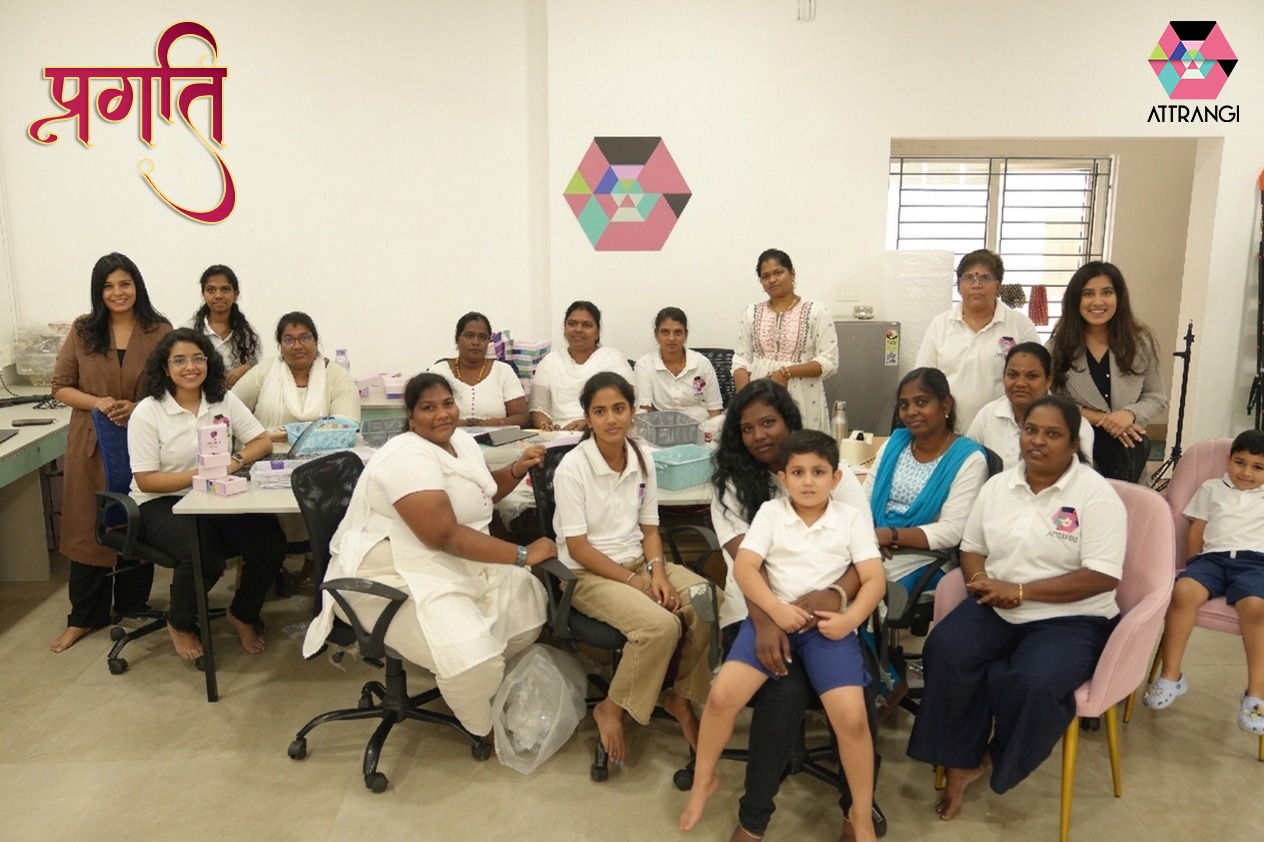
Mumbai, Mar 10th: Contemporary jewellery brand Attrangi marked International Women’s Day with its Pragati campaign, highlighting the brand’s ongoing efforts to empower women through skill development and financial independence. The campaign spotlights Pragati, an initiative designed to help women from underserved backgrounds build sustainable careers within the digital commerce ecosystem.

Derived from the Sanskrit word for “progress,” Pragati is a six-month incubator program that trains women in the operational and digital aspects of running a modern retail brand. As part of the initiative, participants receive hands-on training in areas such as inventory management, packaging and customer support, order processing, and quality control—skills that are increasingly essential in today’s rapidly growing e-commerce sector.

The program was introduced after Attrangi identified a gap in the evolving digital retail landscape. While the growth of e-commerce has opened up new employment opportunities, many women from underprivileged communities continue to face limited access to structured skill development and operational roles within the sector.

Introduced as a pilot initiative by AttrangiPragati has already shown encouraging early results during its initial phase. The program has helped participating women gain hands-on exposure to the operational side of running a digital retail brand, building both confidence and practical skills. Encouraged by the response and engagement from participants, Attrangi plans to continue and strengthen the initiative beyond its initial six-month cycle. Currently being rolled out in Mumbai and Chennai, the program aims to gradually expand its reach and create more opportunities for women to access structured skill development within the digital commerce ecosystem.

Through PragatiAttrangi aims to create pathways for women to enter the digital economy while fostering an environment where they can build confidence, financial stability, and long-term professional growth.

As part of the campaignAttrangi also hosted “Court & Core: Her Edition” on March 8 at Serve Society, a community-focused wellness experience that brought women together through Pilates and Padel sessions. The event concluded with curated pop-ups including a nail bar and a jewellery showcase, celebrating self-care, connection, and modern womanhood.

Commenting on the initiative, Vidushi Jain, Co-founder, Attrangi, said,“At Attrangi, we’ve always believed that the true value of a brand lies in the lives it touches. Over time, we realised that one of our most meaningful contributions has been creating opportunities for the women who work with us and supporting their journey towards financial independence.”

Saloni Shah, Co-founder, Attrangi, added,“Through Pragati, we wanted to build a system where women are not just part of the workforce but are supported in learning, growing, and creating stability for themselves and their families.”

With the Pragati campaignAttrangi hopes to encourage more brands to invest in initiatives that move beyond symbolic celebration and focus on creating real opportunities for women’s economic empowerment.

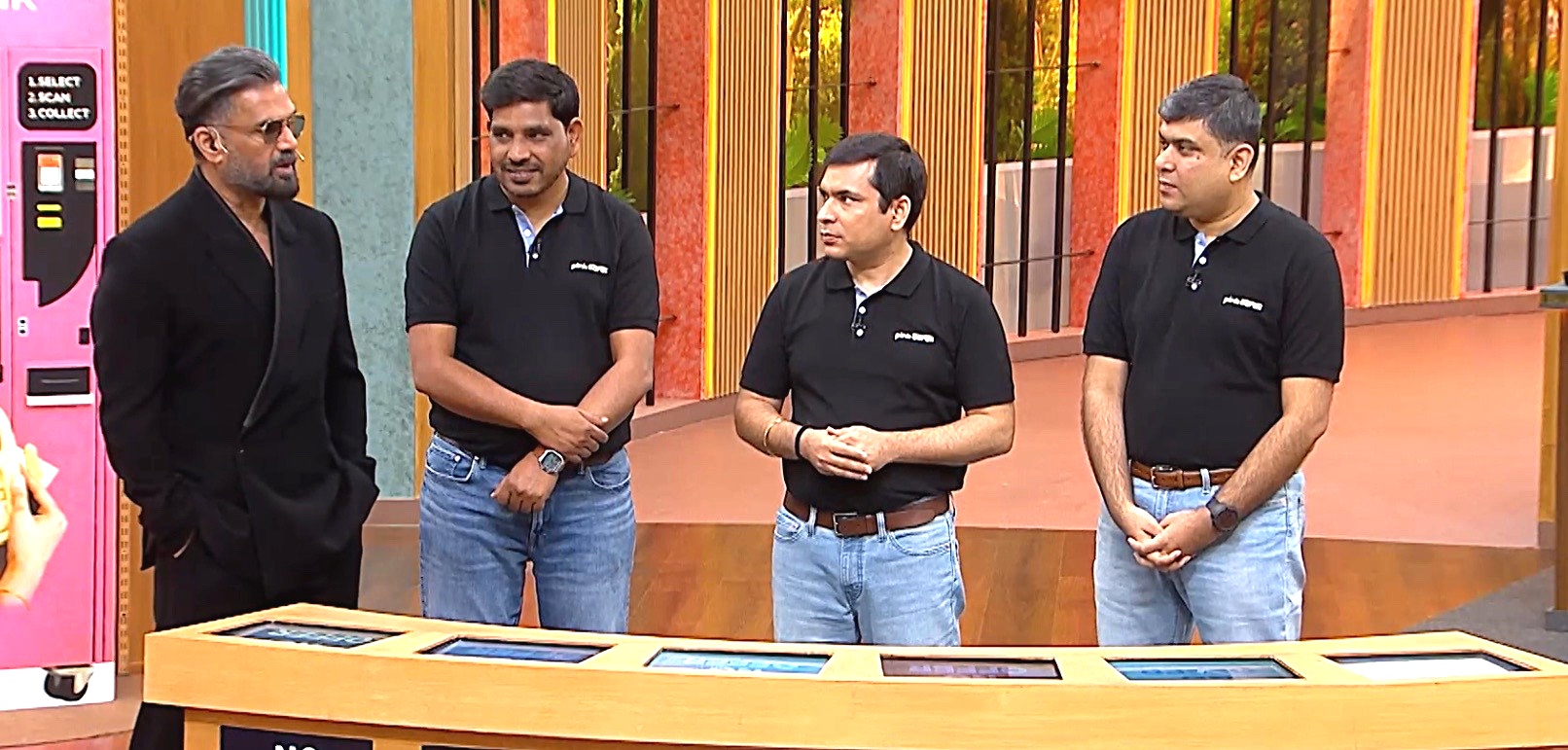
Pink Adrak Secures Strategic Backing from String Ventures’ Shivam Mishra; Targets INR 55 Crore Revenue by 2028

Pink Adrak Secures Strategic Backing from String Ventures’ Shivam Mishra; Targets INR 55 Crore Revenue by 2028

Mar 10: Pink Adrak, an emerging nextgeneration Quick Service Restaurant (QSR) platform from India, has secured strategic backing from Shivam Mishra, Founder of String Ventures, following its appearance on Bharat ke Super Founders. The investment marks a key milestone in the companys ambition to build a scalable, technologydriven and capitalefficient food platform designed for Indias evolving consumption habits.

The funding includes ₹12.25 crore attributed towards a combination of equity capital and revenue support, enabling the company to accelerate expansion across North India while strengthening its QSR platform and techfirst operational stack.

Founded with the vision of building a platform-led food services company, Pink Adrak currently operates 12 outlets across Gurugram and Jaipur. The brand has served over 1.5 lakh customers and delivered more than 5 lakh orders, while maintaining a 4.6 average rating across food delivery platforms.

Pink Adrak’s model integrates six proprietary culinary formats within a single operational ecosystem, allowing the company to diversify menus, optimise kitchen infrastructure, and deliver stronger unit economics. The platform combines dinein, delivery, and subscription-led consumption through its proprietary app along with marketplace integrations across Zomato and Swiggy.

With fresh strategic backingPink Adrak plans to expand to 50 outlets while targeting ₹55 crore in revenue by 2028.

As part of its next growth phase, the company will launch a Fresh Meal Vending Cafe, a lightweight format designed for corporate campuses, educational institutions, and high-footfall transit locations. Pink Adrak is also scaling its subscription-led Pink Adrak Pass, aimed at building daily consumer engagement and predictable recurring demand.

Additionally, the brand plans to expand into desserts, beverages, and FMCG categories, creating multiple omnichannel consumption touchpoints across physical outlets, direct-to-consumer channels, and marketplace platforms.

Shivam Mishra, Founder, String Ventures, said “Pink Adrak represents a new generation of QSR brands emerging from India – capital-efficient, platform-driven, and built on strong unit economics. Its focus on building a tech-enabled food ecosystem makes it a compelling opportunity in India’s rapidly growing food services market.”

Ankur Gakkhar, Founder & CEO, Pink Adrak, added “This investment reinforces our belief that India needs a scalable QSR platform built on strong fundamentals and operational discipline. Pink Adrak is not just expanding outlets – we are building an integrated food ecosystem combining kitchens, technology, subscriptions, and omnichannel distribution.”

Pink Adrak has been incubated by Ripplewalk, a venture studio for food entrepreneurs that supports scalable food brands through platform infrastructure, demand generation, and capital access.

With a clear expansion roadmap and technology-led model, the company aims to build a category-defining QSR platform from India, combining innovative formats, capital-efficient expansion, and strong consumer demand.

New Report Highlights Zoomcar Host Earnings for 2025

Bengaluru, Mar 10: Zoomcar Holdings, Inc., India’s largest marketplace for self-drive car sharing, today released a high-level host earnings update for calendar year 2025 alongside a companion Host Earnings Trend Report featuring additional insights across host cohorts, geographies, product features, trip duration, vehicle categories, and seasonality.

For CY 2025, Zoomcar hosts collectively recorded robust earnings, supported by a total of 18,800 active earning hosts those completing at least one booking. Internal platform data showed that more than half of host earnings were generated from repeat renters, highlighting the strength of repeat-led demand in supporting host income outcomes.

“Host earnings are one of the clearest indicators of marketplace health and value creation,” said Deepankar Tiwari, Chief Executive Officer of Zoomcar. “This CY 2025 update reflects the strength of our host ecosystem, the quality of repeat-led demand on the platform, and the income potential for hosts who adopt the right features and operate consistently.”

CY 2025 Host Earnings Highlights

  • 18,800 active earning hosts with at least one completed booking.

  • Repeat renters accounted for over half of total host earnings, underscoring repeat-led marketplace demand quality.

  • Hosts offering Home Delivery earned significantly more than non-delivery hosts.

  • A meaningful contribution came from new host cohorts who joined Zoomcar in 2025.

  • Multi-car hosts earned higher per-car income compared to single-car hosts, indicating monetization upside through scaled operations.

  • Hatchbacks, compact SUVs, and SUVs remained the leading contributors to host earnings.

  • Seasonal travel peaks around year-end holidays, summer, and long weekends drove notable earnings spikes.

Key Marketplace Trends from the Companion Report

  • Metro demand density remains strong: Bengaluru, Delhi NCR, Mumbai, Pune, and Chennai together accounted for approximately two-thirds of total host earnings, reflecting strong liquidity in core markets alongside expansion into additional cities.

  • Product adoption is a clear earnings lever: Home Delivery and longer bookings contributed meaningfully to annual host income.

  • Supply scaling correlates with higher earnings: Multi-car hosts consistently outperformed single-car hosts.

  • Seasonality drives earnings: December and January ranked among the highest earning months, aligning with recurring travel peaks.

The companion Host Earnings Trend Report underscores the depth and quality of Zoomcar’s marketplace, demonstrating the potential for hosts to monetize effectively through repeat demand, product adoption, and strategic scaling.