NMIMS Wins Three Prestigious Honours at Indian Pharmaceutical Congress 2025

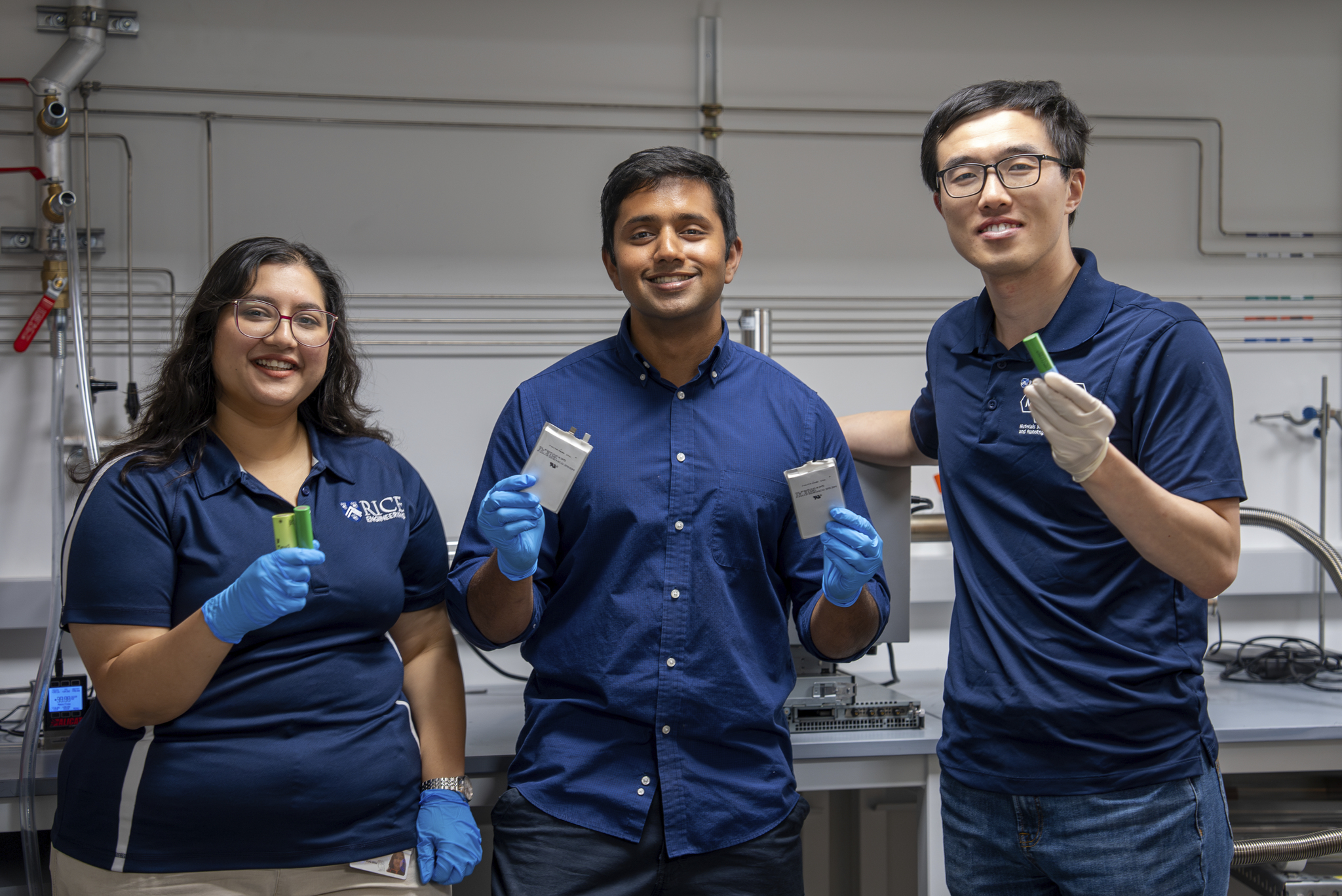
The pharmaceutical sector is at a turning point. With artificial intelligence accelerating drug discovery, technologies reshaping healthcare delivery, and a growing emphasis on sustainable practices, the demand for pharmacy professionals who can think critically, innovate, and lead has never been higher. In this evolving landscape, the Shobhaben Pratapbhai Patel School of Pharmacy & Technology Management (SPPSPTM), SVKM’s NMIMS, made a strong impression at the 74th Indian Pharmaceutical Congress (IPC 2025), earning three major honours.

Dr Meena at IPC 2025 (3)

The event, organised by the Association of Pharmaceutical Teachers of India  was held at the Bangalore International Exhibition Centre and centred on the theme, AI and Technology in Pharma: Educate, Innovate, Empower. It brought together academicians, researchers, and industry professionals from India and abroad to discuss how technology is influencing drug development, quality assurance, and healthcare delivery.

Dr. Meena Chintamaneni, Pro Vice-Chancellor, SVKM’s NMIMS, was conferred the APTI Fellowship Award in recognition of her contributions to pharmaceutical education. Speaking on the occasion, she said, “Pharmacy education must evolve alongside changes in healthcare and technology. It goes beyond experiments and formulas to fostering curiosity, asking the right questions, and preparing students to address challenges we cannot yet foresee. This recognition is a reminder that while institutions shape individuals, educators also carry the responsibility of shaping institutions for the future. Our role is to help students think critically, remain curious, and stay grounded in purpose.”

SPPSPTM was also awarded the Education Excellence Award for its academic practices and curriculum design, recognising its focus on teaching quality, interdisciplinary learning, and student development. In another achievement, Mr. Keith D’Souza, a B.Pharm alumnus, received the APTI Certificate of Excellence after securing Rank 1 in GPAT and NIPER 2025.

Faculty members from the school actively participated in the Congress, engaging with peers and industry representatives over the three-day event. The recognitions mark a moment of academic acknowledgement for SPPSPTM at a time when pharmacy education is being shaped by rapid technological and sectoral change.

Indian Students Rank in Global Top 100 at Bloomberg Trading Challenge 2025

Global financial markets have never been more complex. Volatility, rapid information flow, and international interconnectivity make decision-making a real test of skill, patience, and intuition. While classroom learning provides foundational knowledge, students often step into their first jobs unprepared for the real-time pressures of trading floors. Recognising that traditional lectures alone cannot fully prepare students for fast-paced market realities, students from SVKM’s NMIMS took on the Bloomberg Global Trading Challenge 2025, a month-long competition that replicates live market conditions for participants worldwide. Over five weeks, 2,695 university teams from across the globe competed, applying strategy, risk management, and portfolio construction in real time through Bloomberg Terminals.

Bloomberg Trading Challenge

The Challenge tested participants on live trading strategies, risk assessment, portfolio construction, and decision-making under real-time market pressures. NMIMS teams delivered a strong performance on the global leaderboard. Bombay Bulls, representing the Sarla Anil Modi School of Economics, Mumbai, secured Rank 40. Bull Riders, from the School of Business Management, Indore, finished at Rank 51, while Equilords, representing the Anil Surendra Modi School of Commerce, Navi Mumbai, achieved Rank 63, earning all three teams a place in the Global Top 100. Additionally, the NMIMS Hyderabad campus received a participation certificate and ranked 137th globally.

Commenting on the achievement,  Dr Ramesh Bhat, Vice Chancellor, NMIMS University, said,

“The Bloomberg Global Trading Challenge offers a rare opportunity for students to apply classroom concepts in a simulated yet realistic market environment. Performances like these reflect the growing emphasis on experiential learning across NMIMS schools and the ability of our students to think strategically, manage risk, and respond decisively under pressure.”

As Indian students increasingly engage with global platforms, performances at international competitions such as the Bloomberg Global Trading Challenge underline the value of hands-on exposure in building market-ready talent. SVKM’s NMIMS continues to strengthen experiential learning frameworks that bridge academic knowledge with real-world financial markets.

Dr. Padmakumar Nair Highlights Future of Learning in 2026

Higher education worldwide is entering a period of profound transformation. Rapid technological change is no longer a peripheral influence it is actively reshaping how we teach, learn, work, communicate, and even understand ourselves as social beings. Technology has evolved from being an enabling tool to a decisive force, redefining socio-cultural norms and educational expectations. In this new reality, learning is no longer purely an individual cognitive activity; it is simultaneously personal, social, and deeply collaborative.DSC01472 (1)

This transformation is not unique to India. Globally, universities are responding to a complex mix of forces reshaping higher education systems. Key drivers include the demand for efficiency, rapid technological advances, evolving employer expectations, changing student aspirations, growing emphasis on entrepreneurship and innovation, and a global commitment to sustainable growth.

The need for efficiency is unavoidable. Higher education institutions operate under constrained resources and rising expectations. The central challenge is to optimise the use of financial, human, and physical resources while maximising learning outcomes, research productivity, and societal impact. This calls for smarter governance, data-driven decision-making, and technology-enabled administrative systems.

Technological advances are the most visible drivers of change. Breakthroughs in information and communication technologies  biotechnology, genetics, and nanotechnology are transforming every discipline. Among these, ICT has a uniquely pervasive influence reshaping knowledge creation, dissemination, and consumption across classrooms, laboratories, boardrooms, and living rooms. Industrial history from steam power to electricity, automation, and now microprocessor-driven systems reveals a pattern: each revolution displaced certain types of labour while creating new skill demands. Today, Industry 4.0, powered by the Internet of Things and artificial intelligence, represents a qualitatively different shift, transforming both industry and higher education.

One pressing challenge is not whether students should use AI tools, but how to train them to use these tools wisely. Universities must develop students’ ability to critically evaluate AI outputs, discern what can be trusted, and identify what requires deeper scrutiny. Equally important is faculty development: teachers must become experts in both their disciplines and AI-augmented pedagogies that enhance learning rather than replace critical thinking.

As technology reshapes work, future jobs will become increasingly cognitively complex and ethically demanding. Machines will handle routine analysis and synthesis, leaving humans to make judgments requiring contextual understanding, values, and responsibility. Universities must prepare graduates to navigate ambiguity, make ethical decisions, and integrate knowledge across domains.

Finally, student expectations especially those of Gen Z are evolving rapidly. Students are asking deeper questions: “How can I make the world a better place? How do we design a sustainable future? How can I innovate responsibly?” Higher education in 2026 must align employability with purpose, innovation with ethics, and excellence with sustainability.

We hope this perspective proves valuable for publication. For additional inputs, clarifications, faculty perspectives, or institutional information from Thapar Institute of Engineering & Technology, please feel free to reach out.

Industry Leaders Share Outlook on Real Estate, Finance and Infrastructure Trends for 2026

By:–  Navin Dhanuka, Director, ArisUnitern 
 
2025 has been a strong and steady year for Indian real estate, driven by committed end-user demand, confident buyers, rising capital flows, and a clear move toward structured, data-based advisory. Across residential, commercial, and new asset classes, stakeholders increasingly depended on insights that helped them understand micro-market shifts, anticipate trends, and make informed investment decisions. This year reinforced that real value in real estate comes from disciplined planning, sound capital management, and transparent governance not just from launches or transactions. As we look toward 2026, the industry is clearly moving into a more institutional and performance-led phase. Technology adoption, sustainability, and focused asset optimisation will guide how businesses grow. We expect stronger institutional participation, sharper deployment of capital, and higher dependence on partners who bring together analytics, financial modelling, and strong on-ground execution. At Unitern, we believe the coming year will further highlight the need for disciplined development management and structured consulting. These capabilities will be essential for unlocking value, managing risk, and helping developers scale in a responsible and efficient manner. The sector is entering a cycle where informed choices, operational excellence, and long-term vision will shape leadership and create lasting impact.
By:– Dhaval Hemani, Co- Founder, Sarvam Properties
2025 has been a watershed year for Mumbai’s real estate landscape. End-user demand drove the market more than speculative buying, with a clear shift toward larger, amenity-rich homes across the MMR. Micro-markets such as Thane, Wadala, Chembur, and Goregaon continued to outperform as infrastructure projects improved connectivity and expanded buyer confidence. This year demonstrated that Mumbai homebuyers are prioritising liveability, trust in developers, and long-term value strengthening the city’s overall residential stability. 2026 is expected to usher in a phase of smart, infrastructure-led growth across MMR. With the Trans Harbour Link, Metro network expansion, and new road corridors becoming operational, emerging hubs are poised for accelerated appreciation. Demand from NRIs and business families is likely to rise as buyers continue shifting from older, congested precincts to modern, spacious communities. As transparency improves and supply becomes more curated, Mumbai’s real estate market is set to enter a cycle of healthy absorption, premiumisation, and long-term.
By:– Bhavesh Kothari, Founder & CEO, Property First 
2026 will be a pivotal year for India’s premium housing market as financial stability and rising disposable incomes continue to reshape buyer behaviour. Homebuyers today are far more investment-conscious they’re prioritising financially solid developers, strong project fundamentals, and long-term asset value. With interest rates expected to remain stable and liquidity improving, we foresee accelerated demand in luxury and upper–mid segments across Bengaluru, Mumbai, and Goa.
By:– Adarsh Narahari, Managing Director, Primus Senior Living
Real estate will decisively move from being a product-led business to a services-led one. Homes will no longer be defined only by location and construction quality and RE brand, but by the services, care and outcomes they enable. We are already seeing technology get embedded into homes to proactively track health, reduce risk and improve healthspan from smart monitoring to preventive wellness infrastructure. This shift will redefine housing, especially for elders, where the focus will move from ownership to longevity, independence and quality of life.
By:– Mr. Abhishek Dev – Co-Founder & CEO, Epsilon Money
2025 reinforced the importance of structured, goal-oriented financial planning as investors navigated market volatility and shifting interest-rate cycles. There was a clear move away from ad-hoc investing towards diversified portfolios backed by professional advice and long-term discipline. As we enter 2026, investor focus is expected to sharpen on personalised wealth solutions, digital advisory platforms and prudent risk management, with trust, transparency and financial education emerging as key drivers of sustainable wealth creation.
By:– Mr. Sijo Jose, Co-founder, SpazeOne 
In 2025, India’s commercial real estate sector demonstrated strong resilience, supported by steady occupier demand and expanding business activity. Alongside co-working, managed office solutions gained significant traction, with even traditional enterprises increasingly adopting flexible, plug-and-play formats to support hybrid work strategies. Tier-2 cities also witnessed accelerated growth, driven by cost efficiencies, improving infrastructure and talent availability. Looking ahead to 2026, the sector’s outlook remains positive, with continued demand for quality assets, flexible workplace solutions and sustainability-led development shaping the next phase of commercial real estate growth.
By:– Mr. Ramji Subramaniam, Managing Director, Sowparnika Projects
The year 2025 has been a defining one for the real estate sector, especially in Bengaluru’s aspirational and mid-segment housing. We have witnessed sustained demand in micro-markets such as Hoskote, Sarjapur Road, and Whitefield, driven by strong infrastructure developments, new employment hubs and tech parks, healthy rental yields, and improved mobility. First-time homebuyers and young families continue to dominate this segment, choosing projects that combine affordability with modern, lifestyle amenities. At Sowparnika Projects, this trend has been clearly visible across our project portfolio. Homebuyers are prioritizing intelligent layouts, efficient use of space, community-driven amenities, and long-term value creation. The preference has shifted toward homes that offer an aspirational upgrade, without compromising on accessibility or affordability. We have also observed the prices of 2 and 3 BHK apartments increase by nearly 40 percent, rising from INR 65 lakh in 2022 to INR 95 lakh in 2025. As we look ahead to 2026, we anticipate the mid-segment to remain the backbone of residential demand. Continuous infrastructure growth, increased digital adoption in construction, and a greater focus on sustainable, community living will further accelerate interest in this category. In other words, 2026 will continue to be a year of balancing affordability with aspiration, driving design innovation, and reiterating confidence in India’s housing story.
By:— Mr. Kishan Govindaraju, Executive Director, Vaishnavi Group
The year-end is traditionally an opportune time for homebuyers to invest in property, benefiting both buyers and developers. While homebuyers gain from attractive deals, flexible payment plans, and tax advantages before the financial year closes, developers are able to accelerate sales and clear inventory to meet annual targets. The momentum that begins during the festive season continues through year-end, supported by improved buyer sentiment, bonus payouts, and rising disposable incomes. This period creates a win-win scenario empowering buyers to make strategic investments and enabling developers to strengthen cash flows.
By:– Mr. Madhusudhan G, CMD, Sumadhura Group
India’s real estate market is entering FY2026 on the back of a strong 2025, which showcased steady growth, resilient buyer confidence, and a clear shift from volume to value. Premium and luxury housing is emerging as a mainstream investment, driven by rising incomes, lifestyle aspirations, and sustained NRI participation. Bengaluru and Hyderabad exemplify this trend Bengaluru’s tech-led economy fuels demand for spacious, future-ready homes, while Hyderabad’s infrastructure-rich western corridors attract buyers seeking connectivity and quality living. Lifestyle-led design, green spaces, and smart amenities are now benchmarks, while rising ticket sizes reflect a mature mindset prioritising durability, credibility, and long-term value.
By:– Mr. Mahesh Mudda, MD & CEO, NCCCL
Through 2025, construction activity remained steady across housing and commercial segments, supported by a steady demand for premium residential and commercial spaces. The latest Knight Frank–NAREDCO Sentiment Index, with a Current Score of 59 and a Future Score of 61, points to sustained optimism among developers and investors. As 2026 approaches, project activity in major cities is expected to widen further, helped by clearer demand visibility, supportive financing conditions, and a strong pipeline of ongoing and upcoming developments.
By:– Amit Goenka – Chairman & Managing Director, Nisus Finance
The year 2025 underscored how alternative capital is increasingly shaping India’s real estate and structured credit ecosystem. AIF commitments in India are rising sharply and total investments reached over INR 5.3 trillion by March 2025, up 32% year-on-year as investors diversify beyond traditional asset classes. This is a clear evidence of growing institutional and global interest in asset-backed strategies with strong governance and risk control at their core. India is also emerging as one of the fastest-advancing private credit markets in the Asia-Pacific region, with real estate private credit surging as developers seek flexible, structured financing solutions that banks and traditional lenders are unable to provide. Looking ahead to 2026, we expect deeper capital deployment, consolidation and continued innovation in fund structures, with an intensified focus on execution excellence, risk-adjusted returns and sustainable long-term value creation imperatives for alternative capital to truly support India’s urbanisation and infrastructure financing needs.
By:– Mr. Sunil Maddala, CEO & Saransh Narula, CFO, FuelBuddy 
 In FY2025, fuel-dependent operations across sectors began reassessing what efficiency really means. The focus shifted from confirming fuel delivery to ensuring complete accountability at the litre level. That transition marked a broader push toward managing variance, turnaround times, and on-ground control rather than treating fuel as a simple input. The past year also made it clear that small inefficiencies even a 1–2% discrepancy in fuel handling can escalate into meaningful operational and financial exposure when repeated across sites and time periods. This realisation has prompted leadership teams to scrutinise fuel data and processes far more closely. Looking ahead to 2026, priorities are becoming increasingly defined: tighter reconciliation mechanisms, more predictable delivery cycles, reduced manual dependency, and real-time visibility into current operations instead of retrospective reporting. The next stage of growth in fuel operations will favour precision, discipline, and control not scale alone.

Vande Matrushakti Mahotsav to be organized in Delhi on 30 December

‘Vande Matrushakti Mahotsav’ to be organized in Delhi on 30 December

New Delhi, Dec 29: At Dr. Ambedkar International Centre, Janpath, New Delhi, Shri Ganesh Seva Mandal Delhi (Regd.), Laxmi Nagar and Rupamata Foundation, Dharashiv, Maharashtra will jointly organize ‘Vande Matrushakti Mahotsav’ as a grand festival on 30 December 2025 at 5:00 PM. Vande Matrushakti Mata Pujan Day 2025 is an important national event celebrating love for the mothers, maternal values, and the glorious tradition of motherhood in India. Through this program, an effort is being made to bring great mothers from across the country onto a single platform to honor and elevate the radiant values of motherhood. The program is being coordinated by Shri Mahendra Ladda, Founder President of Shri Ganesh Seva Mandal Delhi, Adv. Vyankat  Gund Patil Founder President of Rupamata Foundation and Dr. Kiran Zarkar, scientist and originator of the Skill Book initiative. Adv. Vyankat Gund Patil has played a significant role in the conceptualization, coordination, and execution of the event.

While addressing a press conference at press club of India in Delhi, Organizer  of the programme and Founder President of Shri Ganesh Seva Mandal Delhi ( Reg.) Laxmi Nagar ,Shri Mahendra Ladda Said,  “the program will be presided over by Mrs. Vijaya Rahatkar, Chairperson of the National Commission for Women, New Delhi. The event will be graced by Mrs. Justice (Retd.) Gyansudha Mishra, former Judge of the Supreme Court of India, BJP MP Ms. Bansuri Swaraj along with three revered saints and national inspirational personalities. The Chief Guests will include Jagadguru Swami Rajendradass Devacharya Maharaj Ji, Swami Ramdev Baba of Patanjali Yogpeeth, Haridwar, Acharya Dr. Lokesh Muni Ji, Founder President of Ahimsa Vishwa Bharati, and Mr. Ajay Chaudhary, Special Commissioner of Police, Delhi.”

Speaking about the initiative, organizer Adv. Vyankat Gund Patil stated that Vande Matrushakti Mata Pujan Day is not merely a cultural or religious program, but a value-based national movement aimed at re-establishing the position, importance, and dignity of motherhood in Indian society. A mother is the foundation of values, the heart of the family, and the moral center of society. Strengthening this message across the nation is the core objective of the event.

During the program, several mothers from across the country who have dedicated their entire lives to family, society, culture, education, service, and national interest will be specially honored with certificates of appreciation and mementos. The event will also witness the release of the book “Vande Matrushakti”. The book presents inspiring life stories of mothers who have shaped ideal sons for the nation. It is authored by Dr. Kiran Zarkar, with conceptualization by Adv. Vyankat Gund Patil and Shri Mahendra Ladda. Vande Matrushakti is a unique, value-enriched, and inspirational work dedicated to the sacrifice, values, competence, and compassion of Indian mothers.

In addition, a devotional Bhajan Sandhya by Kaliputra Kalicharan Maharaj will be organized, featuring traditional cultural compositions such as Shiv Tandav, Abhangs, and Devi Gondhal. Renowned kirtankars HBP Purushottam Maharaj Patil Aai Majhi, HBP Vishal Maharaj Khole famous for Pingala and Chhatrapati Shivaji Maharaj Powadas and HBP Sopan Sanap Shastri Maharaj will enrich the atmosphere with devotional abhang singing, making the evening deeply spiritual and inspiring.

KL Deemed to be University Celebrates Over 5,000 Graduates at XV Convocation

Hyderabad, Dec 29:- KL Deemed to be University successfully conducted its XV Convocation Ceremony, marking a defining moment in the academic journey of over 5,000 graduating students from the 2025 academic year. Organised at the University’s Vaddeswaram campus, the ceremony reflected the scale, diversity, and academic depth of the institution’s vibrant higher-education ecosystem.

KLU Convocation 2025

The convocation unfolded in an ambience charged with emotion, excitement, and pride, as graduating students, parents, and faculty came together to celebrate years of perseverance and achievement.

The ceremony was graced by Prof. Vinod K. Singh, President of the National Academy of Sciences, India, who attended as the Chief Guest and delivered the Convocation Address. Dr. Shripad Banavalli, Coordinator, Tata Memorial Centre  Rural Outreach Program, participated as the Guest of Honour.

Degrees were conferred upon 184 doctoral scholars, over 700 postgraduate students, and more than 4,500 undergraduate students, representing a broad spectrum of disciplines including engineering, management, sciences, law, pharmacy, agriculture, architecture, and the humanities. The graduating cohort included 340 MBA, 105 M.Tech, 40 Law, 3,200 B.Tech, 12 Architecture, 48 B.Pharmacy, 330 BCA, 325 BBA, 37 B.Com, 18 B.Sc 25 BA, 180 B.Sc  14 M.Pharmacy, 32 M.Sc  and 220 MCA graduates.

Academic merits and sustained excellence were formally recognised during the ceremony, with 44 students receiving Gold Medals and 40 students being awarded Silver Medals, along with cash prizes, for outstanding performance in the preceding academic year.

Addressing the graduating students, Hon’ble Chancellor Er. Koneru Satyanarayana said, “Education does not end at convocation; it begins there. The true measure of learning lies in how graduates apply their knowledge with integrity, responsibility, and a commitment to creating value for society.”

Vice-Chancellor Dr. G. Parthasaradhi Varma said;

 “The XV Convocation highlights our commitment to excellence in education, research, and holistic learning, preparing graduates for responsible professional and societal leadership.”

In his Convocation Address, Prof. Vinod K. Singh urged graduates to look beyond short-term milestones and consciously build careers grounded in purpose, integrity, and discipline. Emphasising ethical conduct, punctuality, and social responsibility, he encouraged students to contribute meaningfully to national development and public good.

Addressing the gathering, Dr. Shripad Banavali drew from his life experiences in medicine to highlight the importance of aligning one’s profession with purpose, curiosity, and compassion. He called upon graduates to think independently, serve society with sustained commitment, and prioritise personal well-being while pursuing long-term impact.

 Sharing experience, a B.Tech graduate said;

 “My journey at KL Deemed-to-be University has been truly enriching and filled with meaningful learning experiences. The constant support of my professors helped me grow both academically and personally. As I bid farewell to my friends and teachers, I carry with me deep gratitude for the past and optimism for the future.” Reflecting on her experience, an MBA graduate shared, “The placement-focused guidance significantly strengthened my professional readiness. As I graduate today, I already hold offers from my dream companies. I step forward with gratitude, resilience, and a strong foundation to pursue my career with confidence.”

The proceedings included the formal conferment of degrees and awards upon graduating students. The ceremony concluded in a warm and celebratory atmosphere, as graduates and families marked the occasion with applause and shared moments of pride.

Manappuram Group Appoints Mr Buvanesh Tharashankar as Group Chief Financial Officer

Valapad, Kerala, Dec 29: Manappuram Group  announced the appointment of Mr Buvanesh Tharashankar as Group Chief Financial Officer (Group CFO). He will provide strategic financial leadership across all Manappuram Group companies and work closely with the Board and senior management to strengthen financial governance, capital efficiency, and long-term value creation.

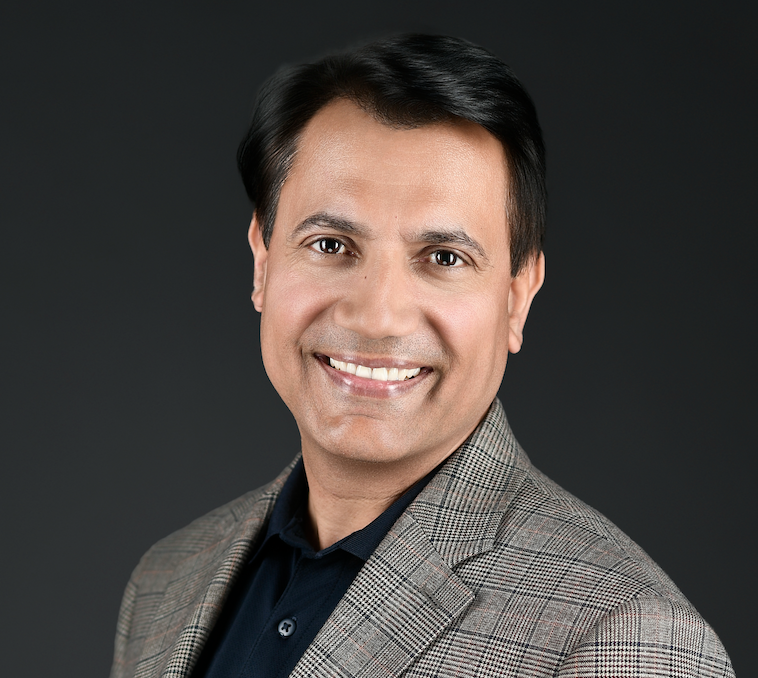
Mr Buvanesh Tharashankar

Mr Buvanesh Tharashankar

The appointment underscores Manappuram Group’s continued focus on building a strong, future-ready leadership team to support its Manappuram 2.0 strategy and sustained growth ambitions.

Mr Tharashankar is a Chartered Accountant with over three decades of experience across leading banking and financial services institutions in India and overseas. He is widely recognised for his expertise in financial strategy and planning, capital and balance sheet management, regulatory interface, governance, investor engagement, and business analytics.

Prior to joining Manappuram Group, Mr Tharashankar served as Chief Financial Officer at RBL Bank Ltd, where he headed the core finance function, including regulatory reporting, statutory audits, taxation, procurement, and payables. Before that, he was Chief Financial Officer at Jana Small Finance Bank, leading capital planning, investor relations, regulatory reporting, and statutory audits, along with oversight of treasury back-office and governance functions.

Earlier in his career, he held several senior leadership roles at Citibank in India and the Middle East, including Cluster Controller for the India Subcontinent and Lead CFO roles overseas. His work at Citi spanned capital management, ICAAP, balance sheet optimisation, SOX 404 compliance, Basel II implementation, financial planning and analysis, and large-scale re-engineering initiatives that delivered significant cost efficiencies and improved returns on equity.

Across his career, Mr Tharashankar has been known for partnering closely with business teams to drive disciplined growth, strengthen internal controls, enhance organisational resilience, and align financial strategy with long-term business objectives.

In his role as Group CFO, Mr Tharashankar will oversee the Group’s finance function, including financial strategy, accounting, treasury, taxation, regulatory engagement, and investor relations. He will play a key role in supporting Manappuram Group’s strategic priorities while ensuring robust financial discipline, governance, and compliance standards.

Leadership Remarks

Commenting on the appointment, Mr V. P. Nandakumar, Chairman and Managing Director, Manappuram Finance Ltd, said:
“I am pleased to welcome Mr Buvanesh Tharashankar as our new Group Chief Financial Officer. Buvanesh brings with him deep and diverse experience across leading banking and financial services institutions, along with strong capabilities in financial strategy, capital management, governance, and regulatory engagement. As we progress on our Manappuram 2.0 strategy, his leadership will be critical in strengthening financial governance, enhancing capital efficiency, and enabling sustainable value creation across the Group. I look forward to working closely with him as we pursue our long-term vision.”

Art-e Mediatech Releases AI-Led Festive Mashup Highlighting the Shift Toward Everyday AI in Brand Storytelling

New Delhi,  Dec 27: Art-e Mediatech, one of India’s top creative, media and MarTech agencies, has released a festive mashup video featuring Christmas campaign films from several leading brands. The video includes work created for IndiaMART, TCL, Firefox, Sharp, Dylect, and others. Before creating the mashup, Art-e Mediatech developed festive campaign films separately for each brand. The mashup video brings these individual campaigns together into a single AI-led presentation. It shows how brands are using Artificial Intelligence in real campaign work.

The mashup brings together short clips from festive films created for different platforms and audiences. Each film is built around its own brief and message. Brand style stays easy to recognise throughout. When brought together, the video shows how different creative ideas can work within a shared production process without blurring brand identity.

The release reflects how Artificial Intelligence has become part of everyday creative work during festive campaigns. These campaigns move quickly and demand several pieces of content in a short time. Brands need material ready for digital and social platforms without any lag. The mashup shows how teams manage this pace while keeping the work clear and well-structured.

Art-e Mediatech applies Artificial Intelligence at specific stages of the creative process. These stages include planning, visual development, execution, and adapting content for different platforms. This reduces time spent on repeated tasks. It also allows teams to focus on shaping the story, tone, and brand fit, which continue to be guided by people.

The video also reflects a change in how brands create campaigns today. Many brands have moved past small trials and now use Artificial Intelligence as part of regular creative work. This shift is visible in social-first campaigns, where speed and volume matter. By showing finished brand films, the mashup reflects how this approach is already in use.

Commenting on the release, Rohit Sakunia, Co-founder, Art-e Mediatech, said, “AI has quietly become part of the everyday creative workflow for many brands, especially when it comes to moment-based content. All the festive films in the mashup were first developed individually for each brand. The mashup reflects how these completed campaigns can be brought together using AI. What we are seeing now is less focus on experimenting with tools and more focus on using them responsibly to work faster and stay relevant. The role of human creativity remains essential, because it is what defines the story, the emotion, and how a brand shows up during cultural moments.”

Through this festive mashup, Art-e Mediatech presents a clear picture of how Artificial Intelligence is shaping campaign production today. The video focuses on completed work created for real brands. It shows how this approach supports timely, relevant storytelling while maintaining creative direction.

MGM Healthcare Malar, Adyar Achieves Long-Term Outcomes with a Novel Autograft Cartilage Tissue Transplant in the Knee of a 53-Year-Old Gentleman

MGM Healthcare Malar, Adyar Achieves Long-Term Outcomes with a Novel Autograft Cartilage Tissue Transplant in the Knee of a 53-Year-Old Gentleman

Chennai, Dec 27: MGM Healthcare Malar, Adyar has successfully performed a fifth generation Autograft Cartilage Tissue Transplant, an advanced daycare arthroscopic technique that enables patients to walk immediately after surgery and helps avert the need for total knee replacement. In this single-stage procedure, healthy cartilage is harvested from the patient’s own joint and transplanted to the damaged area, overcoming major limitations of earlier methods such as multiple surgeries or external cartilage culturing.

This advanced cartilage tissue transplant is particularly beneficial for patients with focal chondral defects, osteochondral lesions, early osteoarthritis, and chondromalacia patella, conditions where untreated cartilage damage can lead to severe joint degeneration and the eventual need for total knee replacement. By preserving the natural joint and restoring damaged cartilage early, this advanced technique offers a safer, joint-preserving solution, especially for younger and active patients.

MGM Malar has been pioneering this technique since 2018. Over the years, it has steadily evolved through continuous research, and patients treated with this approach consistently experience long-term healing, high satisfaction, and preservation of their natural joint, without the need for implants, crutches, or intensive physiotherapy.

In his comments, Dr Nandkumar Sundaram, Senior Consultant, Department of Orthopaedics, said, “In cases where the smooth, cushion-like cartilage in a joint is damaged due to injury, wear-and-tear, or arthritis, specialised techniques are required to restore it and maintain smooth joint movement. Among the available options, autograft cartilage tissue transplant is highly effective. The procedure involves graft preparation, PRP application, using platelet-rich plasma from the patient’s own blood to promote healing, and fibrin glue fixation, a natural biological adhesive that secures the graft. All these steps are completed within a single, minimally invasive arthroscopic procedure. Patients can walk immediately after surgery without the need for braces or assistive supports. This surgery reduces pain, improves mobility, repairs sports or traumatic injuries, and helps prevent or delay the progression of arthritis.”

One of the long-term outcome patients is a 53-year-old man from Tamil Nadu, currently working in Madhya Pradesh, who had suffered from severe knee pain and restricted mobility for over 15 years due to osteoarthritis. Progressive cartilage damage and joint deformity had placed him

at risk of requiring a total knee replacement. However, after undergoing a single-stage autograft cartilage transplant in 2018, he has remained completely symptom-free for six years, demonstrating the remarkable recovery this technique can achieve.

Dr Sundaram emphasized that the success of this procedure depends on strict patient-selection criteria. “When appropriately selected, patients experience significant pain relief, improved mobility, and a prolonged joint lifespan, effectively delaying the need for total knee replacement,” he added.

Mr. Venugopal Bhat, Chief Operating Officer, MGM Healthcare Malar, Adyar, quoted, “This long-term success highlights our commitment to minimally invasive innovation that improves patients’ quality of life.”

Ring in 2025 Right: Must-Visit Dining & Bar Spots to Celebrate New Year’s Eve in Mumbai & Bangalore

As Mumbai and Bengaluru gear up to bid farewell to the year gone by, New Year’s Eve is all about choosing spaces that promise great food, memorable atmospheres, and experiences worth staying up for. From immersive cocktail destinations and cosy chef-driven kitchens to vibrant cafes and global dining spaces, here’s a curated look at some standout restaurants and bars setting the tone for a memorable year-end celebration.

World of Palates
Located at CR2 Mall, Nariman Point, World of Palates offers a refreshing take on New Year’s Eve dining through its all-vegetarian, globally inspired menu. Known for blending international flavours with comforting Indian undertones, the space is warm, inviting, and ideal for diners seeking a flavour-forward yet relaxed celebration. With inventive dishes, nostalgic desserts, and a thoughtfully designed ambience, it’s a fitting choice for those who prefer a quieter, food-led countdown to the new year.

KOA Cafe & Bar
With outlets in Vashi and Thane, KOA Cafe & Bar brings its signature bohemian charm, artistic decor, and free-spirited energy to New Year’s Eve. Known for its soulful vibe and globally influenced menu, KOA offers an atmosphere that feels celebratory yet unpretentious. The space is designed for long conversations, shared plates, and an easy flow from dinner to late-night gatherings making it ideal for groups looking to ease into the new year with warmth and creativity.

Zane’s Cafe
A favourite among pet parents and comfort-food lovers, Zane’s Cafe offers a cosy, laid-back setting that’s perfect for a slower, more intimate New Year’s Eve. Known for its winter-friendly dishes, indulgent desserts, and signature hot chocolate experiences, the cafe creates a welcoming environment where guests can unwind, linger, and enjoy familiar flavours. It’s an ideal spot for those who prefer a calm, comforting way to welcome the year ahead – pets included.

One Floor Down
For those who believe New Year’s Eve deserves great drinks and bold flavours, One Floor Down delivers with its craft-driven cocktail program and playful nightlife energy. Known for inventive mixology and thoughtfully curated food pairings, the bar blends seasonal ingredients with modern techniques to create an experience that’s festive without being overdone. It’s a natural pick for guests looking to celebrate the night with strong pours, creative plates, and a lively atmosphere.

The Reservoire
An iconic name in Bengaluru’s cocktail scene, The Reservoire offers a grand yet refined New Year’s Eve setting across its Koramangala and Indiranagar locations. With expansive, art-driven spaces, a globally inspired kitchen, and a bar program known for technical excellence, the venue is designed for immersive celebrations. Whether it’s an elegant dinner or a spirited evening with friends, The Reservoire provides the scale and sophistication that make ringing in the new year feel truly special.

Helen’s Place
Intimate, soulful, and deeply personal, Helen’s Place offers a New Year’s Eve experience rooted in warmth and connection. With limited seating, candlelit charm, and a menu that celebrates refined comfort cooking, the space feels more like a dinner party than a restaurant. Known for its thoughtful dishes and carefully crafted cocktails, Helen’s Place is perfect for guests who value quiet luxury, meaningful conversations, and a gentle transition into the new year.

As the countdown begins, these restaurants and bars stand out not just for what’s on the plate or in the glass, but for the kind of moments they create. Whether you’re looking for high-energy cocktails, intimate dinners, or comforting flavours to end the year on a high note, these destinations promise New Year’s Eve celebrations that feel memorable, thoughtful, and well worth the toast.