Akshar Yoga Kendraa Launches PURANTHA, a Global Centre for Advanced Yogic Sciences in Bengaluru

Akshar Yoga Kendraa Launches PURANTHA, a Global Centre for Advanced Yogic Sciences in Bengaluru


The campus aims to train 100,000 yoga teachers annually through structured yogic education

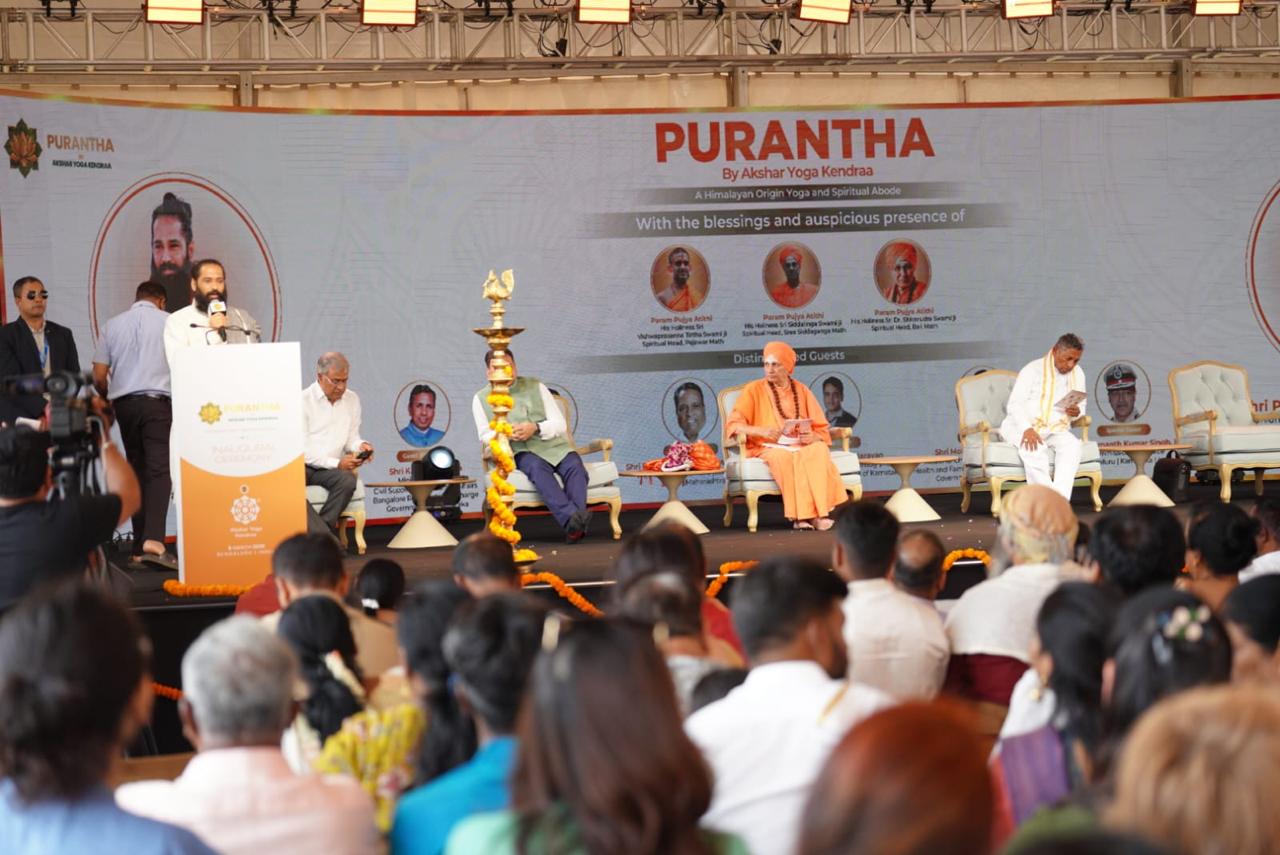
Bengaluru, India | Mar 09— Akshar Yoga Kendraa has announced the launch of PURANTHA, a Himalayan-origin centre dedicated to advanced yoga and spiritual science. Conceptualised under the vision of Himalayan Siddhaa Akshar, the new campus has been developed near Kempegowda International Airport in Bengaluru. Spread across about 165,000 square feet, the facility has been designed to train 100,000 yoga teachers each year, responding to the rising global demand for structured and authentic yoga education.

PURANTHA has been established as a space for deeper engagement with Himalayan yogic sciences and Siddha traditions, combining practice, study, and research within one environment. The campus brings together several aspects of yogic learning, including advanced practice modules, teacher education programs, and applied study of traditional knowledge systems.

The design of the centre allows different disciplines to function alongside one another. Facilities have been created for yogic training, meditation, prāṇāyāma, Ayurveda, research and development, and residential learning. With its scale and layout, the campus is intended to support sustained practice and long-term study without interruption between different activities.

All training and educational programs at PURANTHA are conducted under the guidance of Himalayan Siddhaa Akshar through Akshar Yoga Kendraa, an institution recognised by the Ministry of AYUSH under the Yoga Institution category. The centre has been developed with an emphasis on disciplined learning, methodological clarity, safety, and continuity of practice.

Speaking on the launch, Himalayan Siddhaa Akshar said: “PURANTHA has been envisioned as a space where the depth of Himalayan yogic traditions can be preserved, studied and practiced through a structured institutional framework. The intention is to support practitioners and teachers from across the world who wish to explore yoga as a science of inner evolution.”

Prataprao Ganpatrao Jadhav, Union Minister of State (Independent Charge), Ministry of AYUSH; Minister of State, Ministry of Health & Family Welfare, Government of India, said on the launch: “I extend my heartfelt congratulations and best wishes to Akshar Yoga Kendraa on the launch of PURANTHA, a Himalayan-origin centre dedicated to advanced yoga and spiritual science. I commend Himalayan Siddhaa Akshar and the entire Akshar Yoga community for this inspiring initiative, which will further strengthen India’s leadership in yoga and holistic wellness across the world.”

The campus is also intended to serve as a global platform for the structured transmission of Himalayan yogic and spiritual knowledge. Through residential training programs, institutional collaborations, and international participation, PURANTHA aims to contribute to the continued study and dissemination of yogic sciences across diverse cultural and educational contexts.


Swaranjali to Host ‘Baithaki’ – An Evening of Indian Classical Music in West Bengal on March 14

Swaranjali, an organization dedicated to promoting Indian classical music and culture, is set to present “Baithaki – An Evening of Indian Classical Music” on March 14, 2026, at 5:30 PM in Barasat 5 Number Panna Jhil (Upasana Sanskritik Charcha Kendra), West Bengal. The event marks a special celebration as Swaranjali commemorates 25 years of its cultural journey.

Swaranjali to Host ‘Baithaki’ – An Evening of Indian Classical Music in West Bengal on March 14


The musical evening will feature renowned and emerging artists performing various forms of Indian classical music. The program includes Smt. Chandana Chakraborty, who will present Tagore songs, Ms. Haimantika Dutta performing Raag Pradhan, Smt. Soma Bhaduri showcasing Khayal, and Shri Akhil Roy on the Santoor, offering a rich instrumental performance.

The event will also include contributions from co-artists Shri Tapas Guha Thakurata, Pabir Saha, and Shri Pintu Roy, adding depth and accompaniment to the performances.

Organizers say the Baithaki format aims to recreate the traditional intimate setting of classical music gatherings, allowing audiences to experience the nuances and emotional depth of Indian classical traditions. The evening is expected to attract music enthusiasts, cultural patrons, and local audiences interested in classical and semi-classical forms.

Swaranjali, which has been working for over two decades to promote Indian music and arts, continues to organize concerts, workshops, and cultural exchanges to nurture appreciation for classical traditions.

For further information and RSVP, organizers have shared contact numbers 9910300319, 9831367216, and 6291948076, and additional details are available at www.swaranjali.org.


PanIIT Hyderabad Summit 2026 Sparks Conversations on Innovation, Policy and Industry Growth

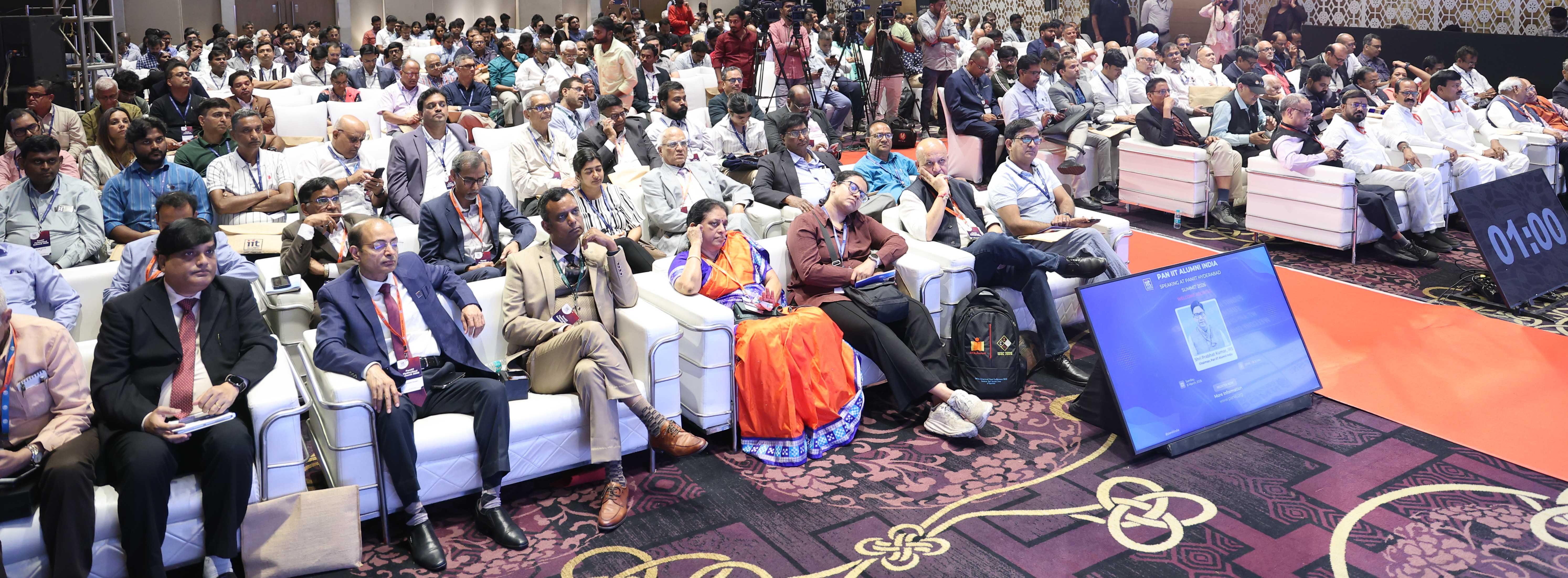
Hyderabad, March 08, 2026: A full-day, power-packed PanIIT Hyderabad Summit 2026, bringing together national leaders in technology, governance and industry, was held on Sunday at The Westin, Madhapur in the city. More than 250 participants attended the summit. The event was organised by PanIIT Alumni India, the umbrella organisation representing more than five lakh IIT alumni.
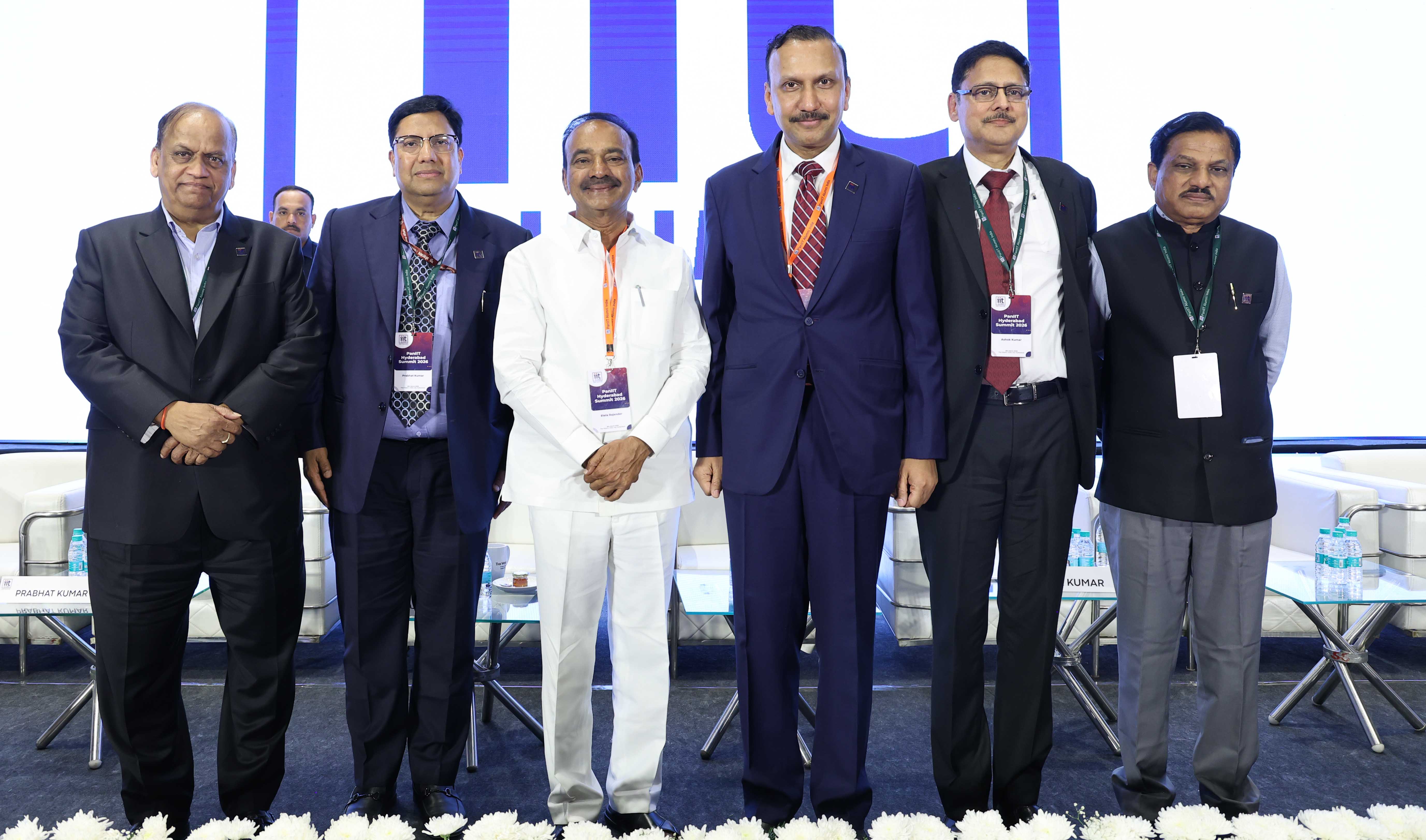
PanIIT Hyderabad Summit 2026 brings together national leaders in technology, governance and industry; more than 500 participate


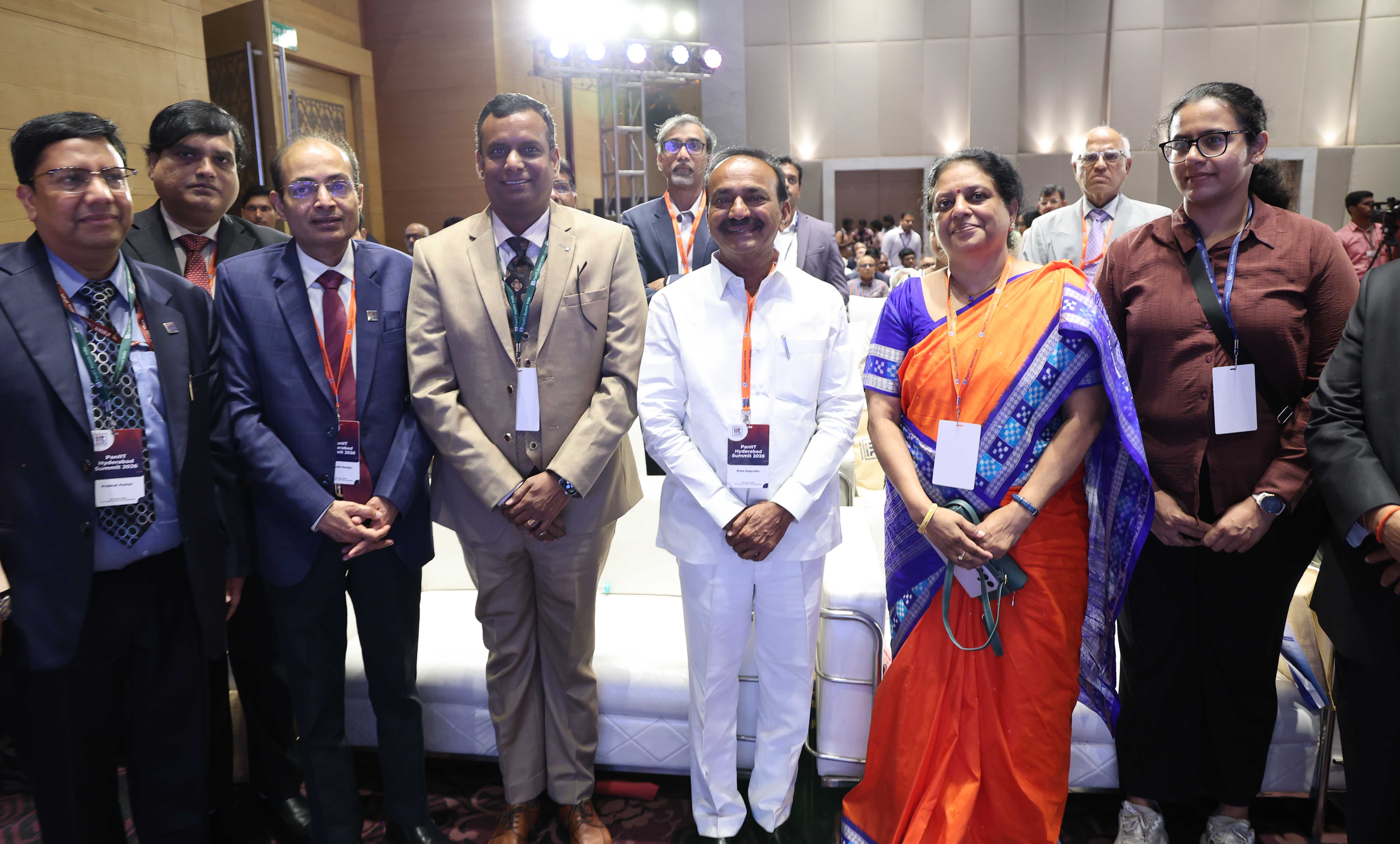
Shri Etela Rajender, Member of Parliament, inaugurated the summit. Speaking on the occasion, he said the IIT ecosystem is helping spread high-quality science and technology education across India. Collaboration among ecosystem players and research and development institutions will further strengthen the innovation landscape, he noted.

He said Indian talent in science and technology enjoys global demand, and Indians have immensely contributed to the tremendous technological growth of the United States of America, which is known for its technological superiority. However, he observed that the same country is now trying to dominate others in certain spheres. Addressing the IIT talent pool assembled at the summit, he asked, “Why should we not use the same talent and power to make India even stronger?”
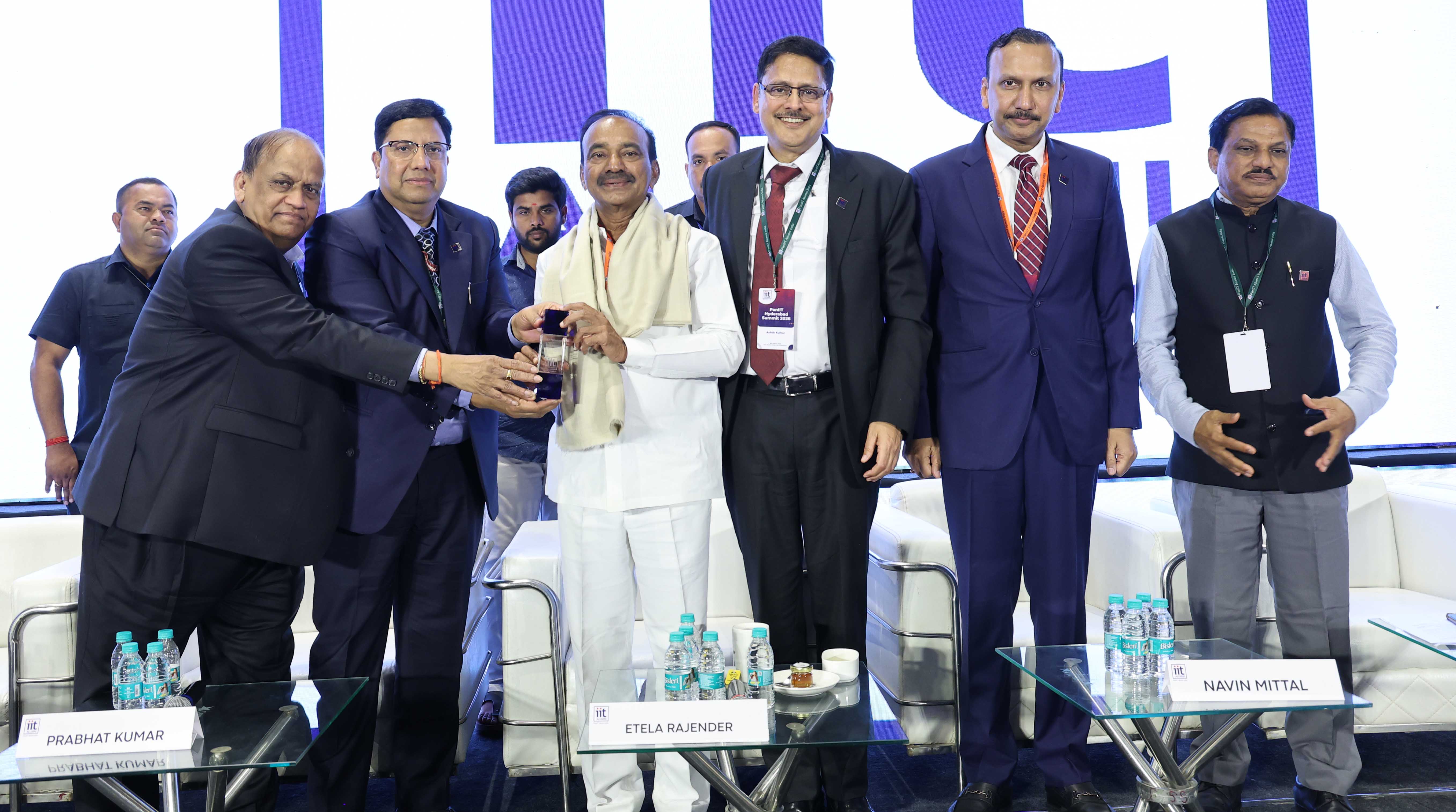
PanIIT Hyderabad Summit 2026 brings together national leaders in technology, governance and industry; more than 500 participate


Reiterating his message, he said, “India’s scientific and technological talent has global demand—let us use it to strengthen our nation.” He also urged the community to build technology for construction and development rather than for destruction.

Speaking on Healthcare Transformation in India, Shri Sunil Kumar Barnwal, IAS, CEO, National Health Authority, Ministry of Health and Family Welfare, Government of India, highlighted the challenges of fragmented healthcare systems. He noted that multiple health identities for a single citizen and lack of integration lead to high Out-of-Pocket Expenditure (OOPE).
PanIIT Hyderabad Summit 2026 brings together national leaders in technology, governance and industry; more than 500 participate


He explained that India’s healthcare ecosystem is undergoing a significant transformation. “From a fragmented healthcare system, we are now moving towards an intelligent and productive ecosystem,” he said. Through India Stack, India has become the first country to implement all three core Digital Public Infrastructures (DPIs): digital identity, real-time payments and consent-based data sharing.

He added that in 2020, the Hon’ble Prime Minister announced the Ayushman Bharat Digital Mission (ABDM), which leverages digital public infrastructure to facilitate interoperability in digital health transactions. ABDM is now becoming the digital backbone of Indian healthcare.

Referring to Ayushman Bharat – PM Jan Arogya Yojana (AB PM-JAY), he said its robust IT platforms and anti-fraud mechanisms enable nearly 20 lakh claims to be processed every month. “The infrastructure is now built. Data moves only with consent. Health systems are connected. We are now moving from digitised health to intelligent healthcare,” he said.
PanIIT Hyderabad Summit 2026 brings together national leaders in technology, governance and industry; more than 500 participate


Speaking on Policy, Regulation and the Future of India’s Energy Infrastructure – Backbone of Industrial Expansion, Shri Navin Mittal, IAS, Special Chief Secretary, Energy, Government of Telangana, shared insights into India’s and Telangana’s energy production and distribution landscape. He said solar energy generation during the day now surpasses thermal power in many instances.

He also highlighted potential petroleum supply challenges due to geopolitical tensions involving Iran, the United States and Israel, noting that about 85 percent of India’s petroleum requirements are imported. He pointed out that electric vehicles have significantly lower operational costs compared to conventional vehicles.

He further stated that in December 2025, India’s renewable installed capacity crossed conventional power capacity for the first time in history, marking a major milestone in the country’s energy transition.

Speaking on Digital Governance and Public Technology Transformation, Shri Bhavesh Mishra, IAS, Special Secretary, IT & Electronics Department, Government of Telangana, explained how Hyderabad has overtaken Bengaluru to become India’s top destination for Global Capability Centres (GCCs). Citing a study by UnearthInsights, he said Hyderabad accounted for 46 percent of all new GCCs, while Bengaluru captured 33 percent between January and November 2025.

He said the city currently hosts around 60 GCCs, with another 25 in expansion, and highlighted that Hyderabad has emerged as a major hub for IT, GCCs, pharmaceuticals, defence and aerospace sectors.

He also spoke about OpenClaw and the rise of the “One-Person Unicorn.” OpenClaw, an open-source autonomous AI assistant developed by software engineer Peter Steinberger in 2025, demonstrates the emerging concept of a one-person unicorn. Built by a single developer, OpenClaw can autonomously perform tasks such as managing files, sending messages, writing code and interacting with digital services using advanced AI models. The project quickly gained global attention. Its rapid success highlights how AI-powered tools are enabling individual innovators to build impactful, globally scalable technologies, signalling a new era where a single entrepreneur could potentially build billion-dollar innovations.

He also referred to ancient Indian scholar Pāṇini, regarded as one of the greatest linguists in history. His work Aṣṭādhyāyī, consisting of around 4,000 grammatical rules, created a highly systematic and scientific framework for the Sanskrit language.

Shri Prabhat Kumar, IRS, Chairman, PanIIT Alumni India, said IITians have played a significant role not only in nation building in India but also in the development of many countries worldwide. He noted that the United States is the largest importer of IIT talent, and IITians have contributed significantly to global technology leadership.

He also referred to the recent AI Summit, where IITians played a major role. He mentioned that French President Emmanuel Macron recently observed that many global CEOs of multinational companies are Indians and IITians. He described the PanIIT Summit as a convergence of brilliant minds and added that Hyderabad, known as the City of Pearls, would ensure that participants take back a “pearl of wisdom” by the end of the summit.

Welcoming the gathering and setting the tone for the summit, Shri Sudhakar Gande, Convener, PanIIT Hyderabad Summit 2026, said Hyderabad is among the most dynamic and fastest-growing cities in India. Nearly 46 percent of GCCs are located in the city, and about 16 percent of India’s software exports originate from Hyderabad, with the city growing three times faster than the national average. He also noted that around 25 percent of Fortune 500 companies are headed by IIT alumni.

A panel discussion titled “Tradition Meets Transformation: The IIT Growth Story” was moderated by Shri Amitabh Ranjan, Registrar, IIPA. The panelists included Prof. Sukumar Mishra, Director, IIT (ISM) Dhanbad; Prof. Venkappayya R. Desai, Director, IIT Dharwad; and Prof. Mahendrakumar Madhavan, Dean, IIT Hyderabad.

The moderator observed that India possesses a rich knowledge tradition spanning thousands of years, from Aryabhatta and Sushruta to remarkable engineering feats such as the Ram Setu. He noted that India’s civilisational heritage remains unmatched and emphasised the Prime Minister’s vision that 200 years of colonial influence must be intellectually decolonised by 2047 as India moves towards Viksit Bharat.

He also pointed out that since their inception in 1951, IITs have helped create lakhs of direct jobs in India.

Prof. Sukumar Mishra, Director, IIT (ISM) Dhanbad, said India’s education system and the IIT ecosystem have evolved from science to applied science, to engineering and advanced technology, playing a critical role in national development.

Prof. Venkappayya R. Desai, Director, IIT Dharwad, cited examples from Singapore and the Netherlands on sustainable water management. He referred to Singapore’s NEWater initiative, where wastewater recycling has grown from 2.5 percent to nearly 40 percent of water supply, helping the country manage scarce resources effectively.

He also highlighted the Netherlands’ innovative water management practices, including floating infrastructure and advanced wastewater treatment technologies that allow water to be reused for agriculture, industry and environmental conservation. This circular water approach, he said, ensures that demand remains aligned with supply.

Prof. Mahendrakumar Madhavan, Dean, IIT Hyderabad, emphasised that IITs are no longer just teaching institutions but centres of innovation, invention and technology for humanity. He raised an important policy question, suggesting that spending on research and development should be considered under Corporate Social Responsibility (CSR) and that CSR funds should be allowed to support R&D.

In another session on Healthcare Transformation in India, Shri Sunil Kumar Barnwal, IAS, reiterated that technology, policy innovation and collaborative governance are reshaping India’s healthcare ecosystem, making quality healthcare more accessible and equitable for millions.

Dr. Tessy Thomas, former Director, DRDO, spoke on “Science, Strategy and Security.” She highlighted that space-based defence infrastructure will shape the future of global security, and that artificial intelligence will significantly influence how future wars are fought. She emphasised that the future of defence and aerospace will depend on how effectively India harnesses science and talent.

The summit featured focused thematic tracks addressing some of India’s most pressing opportunities, including: Infrastructure & Energy Leadership; Defence Innovation and Aatmanirbhar Bharat; Urban Infrastructure; Digital Transformation

And Healthcare & Life Sciences for Bharat

Eminent speakers from leading organisations such as DRDO, Microsoft India, NMDC, MIDHANI, Apollo Hospitals and Yashoda Hospitals shared their insights, alongside leaders from several high-growth startups and technology firms. Directors from IIT Dharwad and IIT (ISM) Dhanbad, as well as the Dean of IIT Hyderabad, participated in the discussions.

The summit served as a major convergence point for policymakers, industry leaders, innovators, entrepreneurs and members of the global IIT alumni network. It aimed to foster meaningful dialogue on innovation, technology-driven growth, infrastructure development and collaborative nation building, reinforcing the role of the IIT ecosystem as a strategic asset for India’s future.

Key sessions covered innovation ecosystems in emerging IITs, healthcare transformation in India, digital governance and public technology, and policy-driven industrial growth. Discussions also covered AI-driven innovation, startup growth strategies, resource security and large-scale infrastructure projects shaping modern India.

A dedicated startup session provided an opportunity for startups to pitch their ideas before angel investors and venture capitalists. This session was organised in collaboration with T-Hub and T-Works.

Shri Ashok Kumar, General Secretary, PanIIT, proposed the vote of thanks during the inaugural function.


Union Minister G Kishan Reddy to inaugurate PanIIT Hyderabad Summit 2026, bringing together national leaders in Technology, Governance and Industry

Hyderabad, March 8: PanIIT Alumni India, the umbrella organisation representing alumni of all 23 Indian Institutes of Technology (IITs) to host the “PanIIT Hyderabad Summit 2026” on 8th March 2026 at The Westin Hyderabad Mindspace, Madhapur. 

Shri G. Kishan Reddy, Hon’ble Union Minister of Coal & Mines to grace and deliver a special address. He is expected to provide a national perspective on technology’s role in achieving Viksit Bharat (Developed India) and highlight opportunities for the IIT community to contribute to key sectors like energy security and defence indigenisation.

Shri Etela Rajender, MP, will deliver a special address.  

Shri Prabhat Kumar, IRS, Chairman of PanIIT Alumni India, Shri Sudhakar Gande, Convenor of the Summit, Shri Ashok Kumar, General Secretary, PanIIT will grace and address the attendees. 

Senior government IITian leaders such as Shri Sunil Kumar Barnwal, IAS, CEO of the National Health Authority; Shri Sanjay Kumar, IAS, Special Chief Secretary for Rural Development; Shri Ajith Reddy, Special Secretary to the Chief Minister of Telangana; Shri Bhavesh Mishra, IAS, Special Secretary (IT & Electronics), Government of Telangana; Navin Mittal, IAS, Special Chief Secretary, Energy at Government of Telangana

8th March being the International Women’s Day, and to celebrate that, the summit will feature Dr. Tessy Thomas, former Director at DRDO delivering a special session titled “Missile Woman of India: Science, Strategy & Sovereignty,”   This session will provide a rare glimpse into India’s remarkable achievements in strategic technology and defence research, celebrating the spirit of self-reliance and scientific prowess.

Shri Prabhat Kumar, IRS, Chairman, Pan IIT Alumni India, said: “We are delighted to host the PanIIT Hyderabad Summit 2026 in Hyderabad for the first time. The Summit will bring together eminent dignitaries, policymakers, industry leaders, innovators, and members of the global IIT alumni community. With an outstanding lineup of speakers and delegates, the Summit promises to serve as a dynamic platform for dialogue, collaboration, and the exchange of transformative ideas that can help shape India’s future.”

Shri Ashok Kumar, General Secretary, Pan IIT Alumni India, added: “The Summit reflects the collective strength and diversity of the IIT alumni ecosystem. By bringing together leaders from government, industry, startups, and academia, we aim to create meaningful conversations, foster partnerships, and generate actionable insights that can contribute to India’s next phase of innovation-led growth and technological leadership.”

Shri Sudhakar Gande, Convener, PanIIT Hyderabad Summit 2026, remarked: “We are extremely pleased that Hyderabad is hosting the PanIIT Summit for the first time. With its vibrant technology landscape and thriving startup ecosystem, the city provides an ideal setting for discussions on deep-tech innovation, entrepreneurship, and industry transformation. The Summit will bring together an exceptional community of leaders and thinkers to explore new opportunities for collaboration and innovation.”

The summit will feature focused thematic tracks designed to address India’s most pressing opportunities: · Infrastructure & Energy Leadership · Defence Innovation and Aatmanirbhar Bharat · Urban Infrastructure · Digital Transformation · Healthcare & Life Sciences for Bharat Eminent speakers from leading organizations such as DRDO, Microsoft India, NMDC, MIDHANI, Apollo Hospitals, and Yashoda Hospitals will share their expertise, alongside leaders from numerous high-growth startups and technology firms. The Directors from IIT Dharwad and IIT Dhanbad will also be present to share their views. Dean of IIT Hyderabad will also be present.

The summit will serve as a convergence point for policymakers, industry leaders, innovators, entrepreneurs, and members of the formidable global IIT alumni network. The Summit aims to foster meaningful dialogue on innovation, technology-driven growth, infrastructure development, and collaborative nation-building, reinforcing the role of the IIT ecosystem as a strategic asset for India’s future. Inaugural Ceremony

Key sessions will explore critical themes, including innovation ecosystems in emerging IITs, healthcare transformation in India, digital governance and public technology, and policy-driven industrial growth.

The summit will also include in-depth discussions on AI-driven innovation, startup growth and scale-up strategies, resource security, and the mega infrastructure projects shaping modern India.

There will be separate startup sessions where the startups will be given the opportunity to pitch before the angel and VC investors. This will be held in collaboration with T Hub and T Works.

A dedicated networking session throughout the day will facilitate collaboration among industry leaders, investors, and innovators, fostering partnerships that extend beyond the event.

The PanIIT Hyderabad Summit 2026 will conclude with a Valedictory Address by a Member of Parliament


Betting on geopolitics Economist explains risks of prediction markets

Prediction markets, like Kalshi and Polymarket, allow users the opportunity to bet on just about any real-world event, from the trivial to the monumental, including major geopolitical conflicts and elections here at home.

Economist David Bieri explains how these markets work, why they appeal to a distinctly American economic mindset, and the risks that they pose for both users and broader structures. 

From the growth of day trading to the widespread use of smartphones, technology has lowered the threshold for everyday Americans to tap into markets that were previously accessible only to high-level specialists or required a lot of effort to participate in. Combined with the growing popularity of the “investor mindset,” Bieri says these changes have helped create the current landscape. 

“It’s part of the gamification and digitization of financial markets, which turn everything now,” said Bieri. “There’s been a reduction of friction for participating in risky things that could get you killed, or lose your money if you do them underground. Now everyone can do them. We’re at a unique junction where technology meets that mindset.”

But unlike purchasing a stock, there is no investment in anything. Instead, participants are relying solely on their ability to predict an outcome. For Bieri, that’s a fundamental shift, one he sees tied to the cultural fascination with being rich as an achievement in and of itself, and the ability to “make money in your sleep.”

“Now everybody can take part in these markets just to make money, not because they’re invested in anything else,” he said. “There’s no real skin in the game — no stake in a company, no ownership of an asset, no productive activity underneath the wager. That’s a textbook moral hazard: when you strip away any connection to underlying value, the only thing left is the bet itself. And that’s where the platform owners are the ones getting rich.”

Prediction markets make their money by taking a small cut of every transaction. According to Bieri, this creates a fundamental misalignment: the platforms have no commercial incentive to police insider trading and every incentive to encourage more action, more contracts, and bigger bets. 

“These platforms have seen large bets placed by newly-created accounts shortly before major geopolitical events, like the U.S. strikes on Iran and the arrest of Venezuelan President  Nicolás Maduro, raising questions about whether traders may have acted on privileged information,” Bieri said.

The death of Iran’s leader, Ayatollah Ali Khamenei, has provided perhaps these markets’ sternest test so far. Kalshi is refusing to pay out “winners” in the $54 million market on bets that he would be “out as Supreme Leader” by a certain date. The platform froze the market, saying the site doesn’t allow transactions directly tied to death. 

For Bieri, this example illustrates the broader challenge of regulation struggling to keep up with these platforms.

“The issue of the regulatory state limping behind the frontier is exactly what fuels innovation,” he said. “The history of a fragmented regulatory system in the U.S. compounds the problem, as different regulatory agencies fight for domain over spaces. But the whole regulation of FinTech companies is still unresolved.”


Girl Power soars higher: IndiGo becomes the first airline in India with over 1,000 women pilots

Girl Power soars higher: IndiGo becomes the first airline in India with over 1,000 women pilots

Mar 07: IndiGo, India’s preferred airline, announced that it now has over 1,000 women pilots in its workforce, becoming the first and only airline in India to reach this milestone. At IndiGo, women pilots represent 17.5% of the total pilot workforce, which is more than thrice the global average. The airline is committed to building a diverse and inclusive workplace, one that reflects the evolving aspirations of a new generation of women in aviation across India.

With women representing over 45% of its overall workforce today, IndiGo continues to expand equal opportunities across roles. Beyond the cockpit, women make over 30% of airport operations staff, almost 25% of its Operations Control Centre workforce, over 20% in finance, more than 15% in digital, with more than 23% women representation in leadership positions.

Sukhjit Singh Pasricha, Group Chief Human Resources Officer, IndiGo, said: “On International Women’s Day, we are proud to announce that IndiGo now has over 1,000 women pilots, among the highest in the world. This milestone truly reflects the spirit of Girl Power at IndiGo. As we continue to give wings to the nation, we remain committed to creating more opportunities for talented women to soar and shape the future of aviation.”

IndiGo launches special film on Girl Power

Observing International Women’s Day, IndiGo also unveiled a film on social media. Bringing alive the theme of Girl Power, the video depicts women of IndiGo, celebrating moments that gave them their wings.

Diversity, Equity, and Inclusion at IndiGo

Being an equal opportunity employer, IndiGo has always reinforced the importance and relevance of diversity, equity and inclusion in workplace through several initiatives under the umbrella of EMBRACE (Equity, Multiculturalism, Belonging, Respect, Accessibility, Community, Empowerment), which includes Girl Power. IndiGo recognises the value of a diverse workforce that encourages gender equality, champions the strengths of Persons with Disabilities (PwDs) and fosters an inclusive work environment for people from across communities.

IndiGo is championing Girl Power through women-led developments, enabling career growth, building community, and offering workplace flexibility. For instance, Take-Off 2.0 supports women returning to the workforce after a career break, while the 6E Girl Power Community offers a peer network dedicated to empowering women across all roles. From its hiring policies, to learning and development programmes and employee-centric initiatives, everything is aligned towards achieving the collective goals of the employees and the organisation, cohesively with a balanced approach to diversity. With this milestone, IndiGo continues to cement its position as an industry pioneer, shaping a future where more women advance into diverse roles and leadership positions.

Myntra expands its women entrepreneur program with MynShakti 2.0 to support 100 women-led fashion, beauty and lifestyle brands

Bengaluru, Mar 07: Ahead of International Women’s Day, Myntra has announced the launch of MynShakti 2.0, the next phase of its women seller enablement initiative under its ShECommerce umbrella. Building on the success of its first edition, the program aims to onboard and nurture 100 women-led businesses across fashion, beauty and home categories, reinforcing Myntra’s commitment to inclusive growth in digital commerce.

The first edition of MynShakti supported 20 women entrepreneurs across categories, including clothing, jewellery, educational toys, pet apparel and personal gifting. Many of these brands were early-stage brands with fewer than 50 SKUs. Through access to Myntra’s large customer base, tech-enabled shopping ecosystem and operational support, these entrepreneurs strengthened their brand presence, streamlined logistics and expanded their reach nationwide.

Open to women-led businesses across fashion, beauty and home, MynShakti 2.0 offers structured enablement support, including:

  • Seamless Onboarding & Dedicated Account Management: End-to-end onboarding support with dedicated account managers for six months to help optimise performance.
  • Expert-led Webinars & Mentorship: Through a series of interactive mentorship sessions and expert-led webinars, brands will receive strategic recommendations on marketing, order fulfillment, and leveraging Myntra’s platform for maximum impact.

A significant addition this year, Myntra has introduced a dedicated vernacular video series to simplify seller onboarding, account management and growth strategies. By making knowledge resources accessible in regional languages, the initiative aims to drive participation from aspiring women entrepreneurs across Tier 2 and Tier 3 cities.

Commenting on the launch, Govindraj MK, CHRO, Myntra, said, “India’s e-lifestyle landscape is being shaped by a new generation of entrepreneurs, with women increasingly taking the lead in building brands that cater to the evolving aspirations of diverse consumer cohorts. MynShakti, under our ShECommerce vision, is focused on enabling women-led brands with the right tools, insights and mentorship to scale sustainably. Following a successful first edition, we are expanding the program with a sharper structure and deeper support to empower more women entrepreneurs to build, lead and transform meaningful brands at scale.”

Women entrepreneurs looking to scale their made-in-India fashion, beauty and lifestyle businesses can apply through the program survey link or can apply through our social media channels (LinkedIn & Instagram).

MynShakti 2.0 underscores Myntra’s vision of building a more inclusive digital commerce ecosystem, one that enables women-led businesses to transition from local enterprises to national brands.

Tata Capital Launches Stop Blaming Her Campaign to Highlight Everyday Gender Bias

Mar 7: Tata Capital has launched its new campaign #StopBlamingHer, bringing attention to the subtle yet pervasive biases women across India continue to experience in everyday conversations. The campaign seeks to highlight the casual and conditioned blame often directed at women in workplaces, public spaces, and even within families.

Through the initiative, Tata Capital aims to shed light on common phrases and assumptions that many women have heard at some point in their lives — comments made casually but remembered long after they are spoken. Statements such as “Must be a girl driving” or “Did your wife pick a fight again?” reflect deeply ingrained biases that persist in everyday language.

The campaign film, conceptualised and executed by Schbang, portrays a series of slice-of-life moments set in offices, social gatherings, and public spaces. Each scene captures familiar situations where women are casually blamed or judged, illustrating how these remarks often go unnoticed yet reinforce long-standing stereotypes.

By presenting these scenarios drawn from real-life experiences, the campaign aims to encourage audiences to reflect on everyday language and recognise the impact of unconscious bias.

Speaking about the initiative, Kaushik Chakraborty, Head of Marketing and Corporate Communications at Tata Capital, said:

“#StopBlamingHer is not about words spoken in anger — it is about the things we say casually, without even thinking. That is where the real problem lies, and where real change must begin. At Tata Capital, enabling women goes beyond financial empowerment. It also means challenging the everyday judgments women face and helping build a culture of respect and accountability.”

Adding to this, Dipshika Ravi, National Creative Director at Schbang, said the campaign reflects a reality that exists alongside conversations about empowerment.

“India exists in two realities at once. One celebrates female ambition and empowerment, while the other still reflexively assigns fault to women in everyday moments — often not deliberately, but out of conditioning. This campaign focuses on one of the most dangerous biases — the one we don’t even realise is a bias. Through a film rooted in everyday reality, we are encouraging people to become more mindful.”

Positioned as more than a Women’s Day initiative, #StopBlamingHer aims to spark a broader conversation about unconscious bias and everyday language. The campaign underscores a simple message: while words may not always be spoken deliberately, individuals can always choose to be mindful.

Through this initiative, Tata Capital reinforces its commitment to supporting women across geographies, professions, and life stages — emphasising that a woman’s potential should never be defined by labels or assumptions.

Mia by Tanishq Launches Landmark 275th Store in Bengaluru

Bengaluru, Mar 07: Mia by Tanishq has officially launched its 275th store in Kamanahalli, Bengaluru. The event was inaugurated by Ms. Shyamala Ramanan, Business Head, Mia By Tanishq and Mr. Ajay Dwivedi, Regional Business Head- South, Titan Company Ltd.

Mia by Tanishq Launches Landmark 275th Store in Bengaluru

 The new, flagship store celebrated this incredible milestone with irresistible offers and an exciting launch. The curtain raiser was followed by a cultural performance and the Pink Drive where women rode fifteen pink scooters through the streets of Kammanahalli in a vibrant 3.5 km-long convoy, finally meeting at the Mia by Tanishq store. The all-women ride featured influencers and models, who came together for a spirited journey filled with music, energy, and celebration as they made their way to the store.

Conveniently located at 509, 4th main, HRBR layout, 3rd Block, Kammanahalli Main Road, Bengaluru, the store spans across 1200 sq. ft. further solidifying the brand’s presence across the city. This expansion reflects the brand’s commitment to being a go-to destination for stylish, contemporary jewellery.

Customers can explore a wide range of elegant pieces, including rings, earrings, bracelets, pendants, neckwear, and mangalsutras, crafted in gold, diamonds, silver, and vibrant gemstones. Customers can also invest in the Golden Harvest Scheme with instalments starting at just Rs.2000/- and avail exclusive discounts of up to 75% of their monthly investment value on stunning jewellery purchases at any Mia store across the country.

 To mark the grand store launch, Mia announced its special Joy of Gifting offer where customers can get up to 20% off on select diamond jewellery – and on purchases of ₹10,000 and above, receive a complimentary 5-gram silver coin.

In celebration of the 275th store milestone, the brand also gave away 275 exclusive gifts, available for customers to claim at the flagship store. These offers are valid from 6th March 2026 to 8th March 2026, making it the perfect time for customers to add vibrant and stylish pieces to their collection.

The new store features ‘Bee my Valentine’, the latest Valentine’s collection, inspired by nature’s sweetest symbols of love – turning bees and honeycomb geometry into delicate, modern designs made for everyday romance. The store also houses ‘Manifest’, a collection that reimagines classic motifs like palace arches, paisley and the lotus in gold and natural diamonds, accented with pearls, multi-coloured sapphires and aventurine quartz.

The store brings together a diverse mix of classic Mia pieces, from the ‘Fiora’ collection’s floral, filigree-inspired designs reflecting spring and personal growth, to the ‘Cupid Edit 3.0’ collection’s chic gifting pieces. It also features the bold ’70s-inspired ‘Disco’ range and the symbolic ‘Evil Eye’ collection, offering something for every style and sentiment.

Speaking at the launch, Shyamala Ramanan, Business Head, Mia By Tanishq, said,

“The launch of our 275th store in Kammanahalli marks a significant milestone in Mia’s growth journey. Bengaluru has been Mia’s hometown, and has always embraced contemporary design and self-expression, which makes it the perfect city for this landmark expansion. At Mia, we are committed to making fine jewellery approachable, versatile, and deeply personal for the modern woman. With thoughtfully curated collections, clutter breaking activations like the Pink Ride and engaging, fun in-store experiences made even sweeter with the Joy of Gifting launch offer, we aim to create more than just a retail space – we’re aiming to build a vibrant community around style, confidence, and everyday elegance.”

DGT, MSDE Sign MoU with Bajaj Auto to Train Youth in Auto Manufacturing

DGT, MSDE Signs Flexi-MoU with Bajaj Auto Ltd. to train Youth in Advanced Automotive Manufacturing Under Industry-Integrated Skilling Model

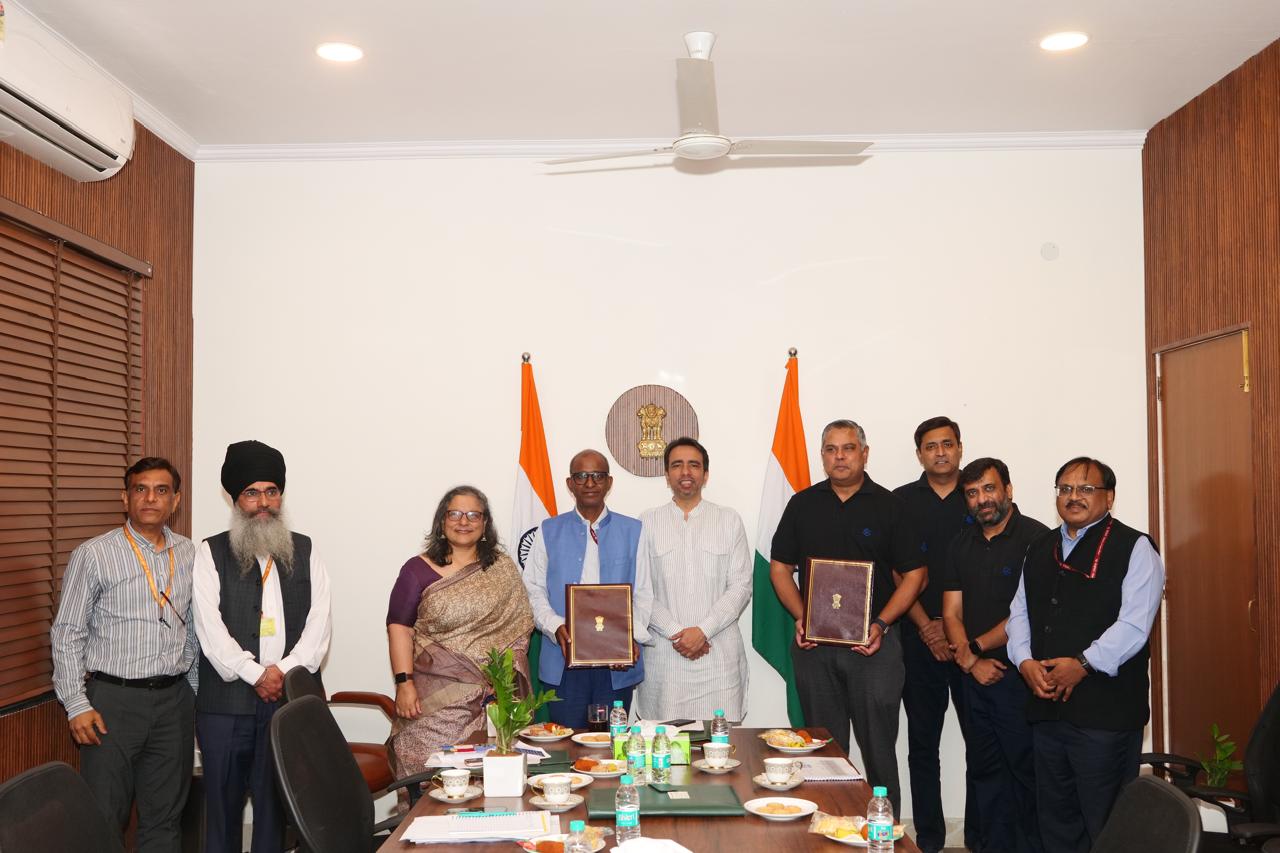
Chandigarh, Mar 7: In a significant step towards strengthening industry-driven skill development and deepening Government–industry collaboration, the Directorate General of Training (DGT), Ministry of Skill Development and Entrepreneurship (MSDE), Government of India, has signed a Flexible Memorandum of Understanding (Flexi-MoU) with Bajaj Auto Ltd., one of India’s leading automotive manufacturers, under the revised Flexi-MoU Scheme (June 2024).

DGT, MSDE Sign MoU with Bajaj Auto to Train Youth in Auto Manufacturing

 The partnership will enable Bajaj Auto Ltd. to operate as an Industry Training Partner (ITP) and deliver NSQF-aligned, industry-integrated training programs at its manufacturing facilities in Maharashtra and Uttarakhand. In the first year, Bajaj Auto has proposed an intake of 1,000 trainees, with structured training programs of up to 24 months combining classroom instruction with intensive shopfloor exposure using advanced manufacturing systems.

Speaking on the occasion, Shri Jayant Chaudhary, Hon’ble Minister of State (Independent Charge) for Skill Development and Entrepreneurship and Minister of State for Education, Government of India said:

“I welcome this partnership as an important step towards strengthening industry-linked skilling in India. Initiatives like these reflect how our skilling ecosystem is evolving to become more closely aligned with the needs of industry. When training is connected to real production environments and modern technologies, it helps young people gain practical experience and become truly job-ready. Such collaborations play a vital role in building a strong pipeline of skilled talent for the country and will be instrumental as India moves towards the vision of Viksit Bharat 2047 and positions itself as a global hub for skilled workforce.”

The signing ceremony was graced by Smt. Debashree Mukherjee, Secretary, MSDE, Shri Dilip Kumar, Director General, Directorate General of Training (DGT) and Shri Sunil Kumar Gupta, Deputy Director General, DGT who attended the event and emphasized the importance of deepening industry partnerships to strengthen demand-driven skilling. The event was also attended by Shri Pranav Choudhary, Director (Curriculum Development), DGT, and Shri Hemant D Ganjare, Director (CFI) DGT, along with officials from the DGT. From Bajaj Auto Limited, Shri Ravi Kyran Ramasamy, Chief HR Officer, along with other representatives of the company, participated in the ceremony, marking a significant step towards expanding industry-integrated training opportunities for India’s youth.

The Flexi-MoU Scheme, implemented by DGT under MSDE, provides industries the flexibility to design customized training programs aligned with emerging technologies and sectoral demands while maintaining alignment with the National Skills Qualification Framework (NSQF). The scheme mandates a minimum annual training capacity of 100 trainees, industry-led practical and formative assessments, and centralized Computer-Based Theoretical (CBT) examinations conducted by DGT. Successful candidates are awarded a National Trade Certificate (NTC), making them eligible for apprenticeship opportunities.

Under the proposed implementation plan, trainees will receive exposure to advanced automotive manufacturing systems, production dojos, quality control systems, plant maintenance technologies, mechatronics systems, welding technologies, assembly operations and logistics management, among others. All courses will be NSQF-aligned and delivered through a structured industry-integrated model leveraging Bajaj Auto’s existing training infrastructure.

The collaboration aims to strengthen industry-aligned skill development within the automotive manufacturing ecosystem while enhancing employability and placement outcomes through exposure to real-time production environments. It is expected to help create a sustainable pipeline of skilled technicians, suppliers, and vendor networks, while also expanding structured career pathways through apprenticeships and long-term employment opportunities.

As per Flexi-MoU Scheme guidelines, Industrial Training Partners are required to ensure placement of at least 50% of successful trainees and may leverage CSR funds to support training costs and stipends. Bajaj Auto has demonstrated a strong commitment to skill development, with nearly 70–80% of its CSR expenditure focused on skilling initiatives. Through initiatives such as Bajaj Engineering Skills Training (BEST), Bajaj Manufacturing Systems (BMS) and Bajaj STEP (Service Technician Excellence Program), the company is already impacting over 90,000 students annually across India.

The Flexi-MoU signed between DGT and Bajaj Auto will remain valid for ten years, extendable subject to performance outcomes in enrolment, learning achievements and placements, in line with the scheme provisions.

This collaboration with Bajaj Auto Ltd. marks another milestone in MSDE’s mission to create a future-ready workforce, aligned with India’s manufacturing growth ambitions and the larger national objective of building a skilled, self-reliant and globally competitive India.