

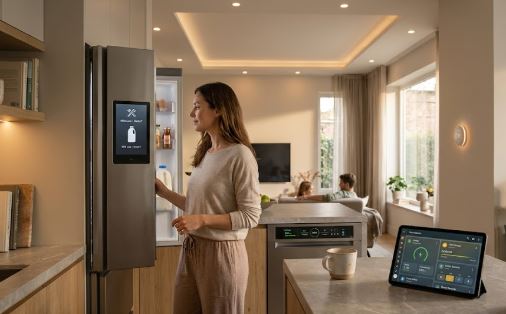
Smart home technology is creating new opportunities for consumer brands as households increasingly look for convenience, energy efficiency and greater control over their living spaces. Connected appliances, intelligent lighting, home security systems and air-quality monitors are changing how consumers use everyday products, encouraging businesses to rethink how they design, sell and support them.
The shift is also changing the relationship between brands and customers. Instead of relying solely on product sales, companies can build longer-term engagement through digital features, maintenance services, software updates and personalised experiences. For consumer businesses, the opportunity lies in turning technological innovation into practical benefits that customers can see in their daily lives.
Connected Products Change the Consumer Business Model
Smart home devices allow brands to remain connected with customers long after a purchase. Connected appliances can provide maintenance alerts, monitor performance and notify users when replacement parts or consumables are needed. These features create opportunities for after-sales services and repeat business while helping consumers maintain their products more effectively.
For brands, this represents a shift from a transaction-led model towards a relationship built around continued service and product performance. However, customers are likely to pay for additional services only when they offer clear value. Transparent pricing, useful features and reliable support will be essential to sustaining demand.
AI Brings Personalisation to Everyday Living
Artificial intelligence is making connected homes more responsive to individual needs. Smart devices can adapt to preferred settings, automate routine activities and help households monitor how appliances are used. For manufacturers, these capabilities can also provide insights into product performance and recurring customer concerns.
Used responsibly, such information can help businesses improve product design, develop relevant features and deliver more effective customer support. However, household data is highly personal. Brands must protect user information, explain data practices clearly and give consumers meaningful control over connected devices.
Energy Efficiency Becomes a Competitive Advantage
Growing attention to household energy consumption is creating opportunities for smart thermostats, energy monitors, automated lighting and efficient connected appliances. These products can help consumers understand their usage patterns and make more informed decisions about energy consumption.
For consumer brands, energy management offers a way to differentiate products beyond price and appearance. Clear information about efficiency, operating costs and product performance can strengthen the appeal of connected solutions, particularly among households seeking to manage recurring expenses.
Actual savings will depend on usage patterns, local tariffs and household conditions. Brands that make realistic claims and demonstrate practical benefits are more likely to build consumer confidence.
Better Compatibility Can Expand the Market
Compatibility remains an important consideration for consumers investing in connected devices. Products that operate across supported platforms can reduce installation difficulties and make it easier for households to add new devices without replacing their existing systems.
Standards such as Matter are helping improve interoperability across compatible smart home products and ecosystems. This can also create opportunities for smaller manufacturers, allowing them to compete through specialised products, accessible pricing and customer service rather than building an entire technology platform independently.
For the market to expand, brands must continue to prioritise straightforward setup, dependable performance and clear guidance on device compatibility.
Privacy and Affordability Will Shape Adoption
Despite its growth potential, smart home technology faces challenges involving data security, product complexity and cost. Consumers may hesitate to adopt connected devices if they are concerned about surveillance, unclear subscription charges or limited software support.
Brands will need to treat cybersecurity as a core product requirement through secure authentication, software updates, appropriate encryption and transparent privacy policies. Affordability will also matter, particularly for consumers who may be interested in smart features but unwilling to pay a substantial premium.
Accessible product ranges, dependable after-sales support and simple user experiences can help businesses reach a wider customer base.
Conclusion
Smart home technology is opening a new phase of growth for consumer brands, creating opportunities to combine physical products with digital services, personalised features and ongoing customer support. The shift is encouraging businesses to compete not only on product quality and price but also on convenience, compatibility and the value they deliver over time.
Long-term success, however, will depend on more than introducing advanced features. Consumers need products that are secure, easy to use, affordable and genuinely useful. Brands that place these priorities at the centre of product development will be better positioned to build trust and strengthen customer relationships.
As connected living evolves, the biggest opportunity for consumer businesses will be to make technology feel less complicated and more relevant to everyday life.
