Green Corridor Facilitates Critical Lung Transfer to DPU Super Specialty Hospital

Pimpri, Pune  Jan 8: As the new year begins with renewed hope for patients waiting for transplant care, DPU Super Specialty Hospital, Pimpri, Pune enabled a time critical lung transfer that reached Pune from Jalna through a successful green corridor, allowing a transplant pathway to move forward for a patient under the authorised allocation process. The transfer followed the organ donation of Dhananjay Anant Kale, a 25 year old BHMS student from Jalna. After his untimely demise following a two wheeler accident on December 29, 2025, his family consented to organ donation. The donation is reported to have helped save six lives through organ donation across cities.

The green corridor that came into Pune on January 1, 2026 was a demanding and tightly managed movement under real world traffic conditions. The transfer was carried out with tight police deployment and route control and the ambulance was flagged off with a salute by the police department as it proceeded towards Pune. The transfer was supported by the transplant and critical care doctors who ensured protocol based handling and clinical readiness at the receiving end. The operation required continuous on ground coordination and swift clearances so that precious time was protected through the route and into the city.

“A green corridor is efficiency in action. It is built on minutes, coordination and disciplined execution across every checkpoint. When institutions and administration align with clarity, time becomes capability and capability becomes outcomes. We recognise the collective effort that enabled safe passage into Pune and ensured the transfer moved with the urgency a time critical organ requires,” said Dr. P. D. Patil, Chancellor, Dr. D. Y. Patil Vidyapeeth, Pimpri, Pune 

“This donation reflects the highest form of human courage. In a moment of personal grief, the family chose to help others live and that choice deserves the deepest respect. We also acknowledge the doctors, critical care teams, transplant coordinators and on ground support staff who worked with quiet precision to ensure every handover remained time sensitive and safe. We honour every authority and frontline team that supported this challenging green corridor, because organ donation succeeds when compassion is matched by coordination and responsibility,” said  Dr. Bhagyashree Patil, Pro Chancellor, Dr. D. Y. Patil Vidyapeeth, Pimpri, Pune .

“In a time critical transfer, accuracy is the difference between possibility and outcome. From controlled handling to seamless handovers, every step must be precise and every update must be timely. We place on record our sincere thanks to the police department for enabling the green corridor from Jalna to DPU Super Specialty Hospital, Pimpri, Pune and for supporting safe passage into the city. This corridor reflects what can be achieved when the system treats every minute like a patient safety commitment,” said Dr. Yashraj P. Patil, Trustee and Treasurer, Dr. D. Y. Patil Vidyapeeth, Pimpri, Pune .

DPU Super Specialty Hospital, Pimpri, Pune reiterates its respect for donor families whose consent makes transplant care possible and strengthens the larger cause of organ donation across Maharashtra.
Park Medi World Targets 5,000+ Beds by FY28 to Lead North India’s Hospital Network

Park Medi World Limited Sets Sights on Becoming North India’s Largest Hospital Chain, Eyeing Nationwide Impact with Accelerated Growth Toward 5,000+ Beds by FY28

With a clear ambition to emerge as North India’s largest and most integrated hospital chain, Park Medi World Limited is accelerating a well-structured national growth strategy designed to build meaningful scale, deepen clinical capabilities, and deliver consistent, high-quality healthcare across diverse geographies. The Group’s expansion is anchored in a long-term vision of creating a cohesive, national healthcare network that combines operational efficiency with strong clinical governance and patient-centric care.

As part of this broader vision, the Company has recently strengthened its footprint across Delhi NCR, Uttar Pradesh, and Punjab through the acquisition of KP Institute of Medical Sciences in Agra, Febris Multispeciality Hospital in New Delhi, and Krishna Super-speciality Hospital in Punjab. Together, these additions have expanded Park Medi World’s network by approximately 810 beds through strategic, all-cash transactions, advancing the Group’s clearly articulated roadmap to scale beyond 5,000 beds by FY28.

Importantly, these acquisitions are not viewed as standalone transactions, but as deliberate execution milestones within a clearly defined national growth framework. Each asset has been evaluated through the lens of market relevance, clinical depth, integration readiness, and long-term value creation, ensuring that expansion remains both ambitious and disciplined.

Park Medi World’s growth strategy is anchored in building a nationally integrated hospital platform, enabling the Group to scale efficiently by creating continuity and operating depth across priority healthcare markets. This approach supports faster operational integration, stronger utilisation of clinical talent and infrastructure, standardisation of clinical and operating protocols, and tighter cost control at scale. By replicating proven operating models across its expanding national footprint, the Group is able to pursue rapid growth while maintaining uniform standards of care, strong governance, and financial prudence.

In Western Uttar Pradesh, the integration of a large, multi-super-specialty facility strengthens Park Medi World’s ability to deliver advanced tertiary care closer to patients in a high-potential market. In Delhi NCR, expansion within dense urban and peri-urban catchments deepens access to organised, affordable healthcare in one of the country’s most competitive healthcare corridors. In Punjab, the transition to full ownership of an already stabilised hospital enables sharper execution, faster decision-making, and deeper integration within the Group’s expanding network.

Together, these expansions underscore Park Medi World’s intent to scale decisively yet responsibly, combining ambition with structure and speed with operating discipline, as it advances toward leadership in North India’s organised healthcare sector.

Commenting on the Group’s growth trajectory, Dr. Ankit Gupta, Managing Director, Park Medi World Limited, said:

“Our vision is unambiguous: to build the most trusted, scalable, and clinically strong hospital network in North India. We are pursuing growth with intent and structure, not simply for size. Our expansion is guided by a clear national roadmap that allows us to scale efficiently while maintaining consistent clinical standards and strong governance across geographies.Every acquisition and expansion decision is anchored in long-term value creation by strengthening clinical depth, investing in medical talent, improving utilisation, and embedding operating discipline from day one. This enables us to grow aggressively, yet responsibly.As we move decisively toward a 5,000-plus bed platform by FY28, our focus is on building institutions that are resilient, outcome-driven, and deeply trusted by patients, clinicians, and communities. We believe this combination of scale, structure, and clinical excellence will define the next phase of healthcare leadership in North India.”

Park Medi World’s expansion roadmap combines targeted acquisitions, greenfield developments, and operational optimisation, allowing the Group to scale rapidly while maintaining governance rigor, financial prudence, and patient-centric care delivery.

KIMSHEALTH Successfully Performs Rare Z-POEM Procedure for Zenker’s Diverticulum

Thiruvananthapuram,  Dec 7:- A 63-year-old patient from the Maldives presented at the OP with difficulty in swallowing for the past three years. On evaluation by way of an endoscopy, she was diagnosed with Zenker’s Diverticulum, a rare condition with a prevalence of only 0.01% to 0.11% in the general population, usually affecting individuals between 60 and 80 years of age. This  condition constitutes the formation of a pouch or bulge at the upper part of the esophagus, leading to difficulty in swallowing, and food getting accumulated in the pouch leading to aspiration and pneumonia.

The medical team spearheaded by Dr. Madhu Sasidharan, Senior Consultant, Department of Gastroenterology, KIMSHEALTH, opted for  Z-POEM (Per Oral Endoscopic Myotomy), a breakthrough minimally invasive procedure. The procedure involves making a small incision in the esophageal lining and creating a tunnel in the submucosal layer. Through this tunnel, an  endoscope is advanced to separate the septum, the muscular wall between the esophagus and the diverticulum. The septum is then carefully divided using an endoscopic knife to fully expose and release the tight muscle to restore smooth swallowing.

Z-POEM is a  safe and effective treatment modality  for managing Zenker’s Diverticulum. It allows complete septum division, offering faster recovery, and is suitable for patients with varying diverticular sizes and multiple comorbidities, said Dr. Madhu Sasidharan.

The procedure was completed in two hours, after which the patient experienced immediate relief from  symptoms. She  was  discharged the very next day.

Dr. Ajith K Nair, Dr. Harish Kareem, Senior Consultants, Department of Gastroenterology; Dr. Simna L, Consultant, Department of Gastroenterology; Dr. ArunP, Dr. Devika Madhu, Associate Consultants, Department of Gastroenterology; Dr. Hashir A and Dr. Gopan G,  Consultants, Department of Anesthesia were also part of the procedure.

St. George’s University Highlights the Importance of Early Detection and Education During Thyroid Awareness Month

St. George’s University Highlights the Importance of Early Detection and Education During Thyroid Awareness MonthIndia, Jan 06: In honor of Thyroid Awareness MonthSt. George’s University (SGU) School of Medicine in Grenada, West Indies, is shining a spotlight on empowering Indians to have a greater awareness of thyroid disorders, conditions that often go undiagnosed despite their widespread prevalence. 

Thyroid diseases, particularly hypothyroidism (an underactive thyroid) and hyperthyroidism (an overactive thyroid), are among the most underdiagnosed health conditions in India. It is estimated that over 42 million Indians live with some form of thyroid disorder, making the country one of the highest-burden markets globally. Despite this prevalence, a significant proportion of cases remain undetected due to the subtle and often nonspecific nature of symptoms such as persistent fatigue, unexplained weight gain or loss, hair thinning, menstrual irregularities, and mood fluctuations. As a result, many individuals continue for years without realising they have an underlying thyroid condition, delaying diagnosis and appropriate management.

Early Detection in Thyroid Disease Diagnosis

Timely diagnosis of thyroid disorders can make a profound difference. When detected and treated promptly, patients can avoid serious complications from thyroid disorders, including infertility, cardiovascular disease, and metabolic imbalance.

Healthcare professionals recommend that adults, especially those over age 35 or with a family history of thyroid disease, include thyroid function tests as part of their annual health screenings. These simple blood tests measure hormone levels and allow doctors to spot potential dysfunction before it progresses.

Preventive steps may include:

  • Scheduling regular thyroid screening
  • Maintaining balanced iodine intake

  • Monitoring persistent or unexplained symptoms

  • Managing stress levels

  • Following a healthy diet and staying physically active

  • Avoiding excessive or unregulated supplement use

How SGU Prepares Future Doctors for Comprehensive Preventive Care

SGU’s comprehensive curriculum combines theoretical knowledge with hands-on clinical experience, enabling students to identify subtle indicators that may indicate underlying thyroid dysfunction or other endocrine disorders.

SGU encourages the public to actively recognize the critical importance of thyroid health and vigorously promote a culture of preventive care, thereby empowering communities to achieve greater well-being. By adopting a healthy lifestyle and practicing self-health awareness, individuals can significantly reduce their risk of developing thyroid disorders and establish enduring habits for long-term health.

For more information on the programs and tracks available through SGU School of Medicine, visit SGU’s website.

Rare Tumor in the Frontal Part of the Brain

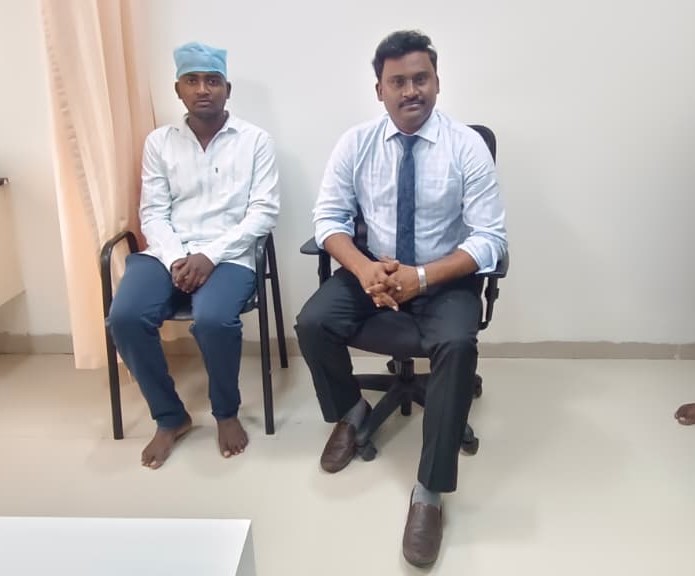
Kurnool,  Jan 5 :- Brain tumors are rarely life-threatening. Usually, such tumors grow over a period of two to three weeks, and symptoms appear gradually thereafter. However, in rare instances, certain tumors can develop suddenly and become life-threatening within a short time. In one such uncommon case, doctors at KIMS Hospital, Kurnool, saved the life of a young man by performing an advanced endoscopic brain surgery. The details of the case were shared by Dr. N. Sumanth Kumar, Consultant Neurosurgeon at KIMS Hospital.Photo

A 24-year-old man named Balaram, a resident of Kurnool, was perfectly normal until the previous night and had even attended a family function with his relatives. Suddenly, about six hours before being brought to the hospital, he developed progressive symptoms including vomiting, seizures, severe headache, memory loss, and partial loss of consciousness. His family immediately rushed him to the Emergency Department of KIMS Hospital, Kurnool.

Upon evaluation, doctors performed investigations including a CT scan of the brain, which revealed a tumor located in the anterior region of the third ventricle. Due to this tumor, the patient developed hydrocephalus, leading to obstruction of normal cerebrospinal fluid circulation and increased pressure within the brain.

Normally, the human brain contains four ventricles, which hold cerebrospinal fluid that protects the brain and spinal cord. This fluid continuously flows through narrow connecting channels. Among the four ventricles, the third ventricle is very narrow. Unfortunately, in this young man, a tumor developed precisely at the junction of the frontal part of the brain and the third ventricle. As a result, CSF accumulated rapidly, causing acute hydrocephalus.

This sudden rise in intracranial pressure can lead to seizures, drowsiness, and, in severe cases, even death. Fortunately, the patient was brought to the hospital within a very short time after the onset of symptoms.

“We performed an emergency minimally invasive endoscopic surgery using the most advanced techniques, through a very small opening in the skull. Such complex procedures are usually performed only in major metropolitan cities. However, due to the availability of advanced infrastructure and experienced specialists at KIMS Hospital, we were able to successfully save the patient’s life here in Kurnool,” said Dr. N. Sumanth Kumar.

The surgical team first created a small opening of about one inch in the skull. Through this opening, the brain layers were carefully accessed using an endoscope, and the surgeons reached the tumor site. The entire tumor was meticulously removed without causing damage to the surrounding brain tissue. Following removal, the normal flow of cerebrospinal fluid was restored.

 The patient recovered rapidly after surgery, and due to his stable condition and good recovery, he was discharged on the third postoperative day, Dr. Sumanth Kumar added.

Is Infertility Becoming a New Lifestyle Disorder?

By:-  Dr. Sabia Mangat, Consultant – Gynaecologist, Reproductive Medicine and IVF, Milann Fertility Hospital, Chandigarh

India is witnessing a striking paradox: even as medical technology advances, more young couples are struggling to conceive. Fertility specialists across the country report a steady rise in infertility cases often in couples in their late 20s and early 30s. While medical conditions such as PCOS, endometriosis, low ovarian reserve, and poor sperm quality remain important causes, a growing body of evidence suggests that infertility today is increasingly shaped by modern lifestyle choices. From stress and screen addiction to delayed childbirth and dietary habits, infertility is rapidly emerging as a lifestyle disorder.

According to the latest Sample Registration System (SRS) data, the country’s Total Fertility Rate (TFR) has fallen to 1.9, below the replacement level of 2.1. Eighteen states and union territories including Delhi, Karnataka, Punjab, and West Bengal are now below replacement fertility. For the first time, even rural India has touched a TFR of 2.1, while urban areas have dipped to 1.5, reflecting shifting social patterns. Fertility is declining most sharply among younger women (15–29 years), while increasing marginally among women aged 30 and above, clear evidence of delayed parenthood making it the biggest contributor.

An increasing number of couples are choosing to postpone pregnancy while they build careers, achieve financial stability, or pursue personal goals. Although empowering, this trend collides with biological reality. Women are born with all the eggs they will ever have, and both egg quality and egg quantity begin to decline sharply after the age of 32. For men, long working hours, erratic meals, smoking, alcohol consumption, and chronic stress are linked to reduced sperm count and motility. Together, these factors are pushing infertility into the mainstream as a lifestyle-driven phenomenon.

The urban lifestyle is another major catalyst. Long workdays, high-pressure environments, sedentary habits, and chronic screen exposure are now common across age groups. Stress has become a new normal in today’s life. And, stress triggers hormonal imbalances that affect ovulation in women and testosterone levels in men. Again, the increase in desk jobs has also led to an epidemic of obesity, and other other risk factors for ovulatory issues, insulin resistance, erectile dysfunction, and poorer IVF outcomes.  Even the non-uniform working hours lead to sleep deprivation, excessive social media use, or irregular routines, disrupting hormonal cycles essential for fertility.

Diet, too, plays an increasingly important role. The growing dependence on processed foods, sugary beverages, refined carbohydrates, and high-salt snacks fuels inflammation and metabolic disorders that interfere with reproductive health. According to fertility experts, a Mediterranean-style diet, supports better hormonal balance and improves both egg and sperm quality. However, for many urban Indians, convenience often takes precedence over nutrition, leading to deficiencies in essential vitamins, minerals, and antioxidants.

Environmental factors have also been linked to declines  in fertility. Air pollution, endocrine-disrupting chemicals in plastics, pesticides in food, and everyday exposure to cosmetics and household products containing harmful chemicals have been linked to declining fertility rates globally. These disruptions mimic or interfere with the body’s natural hormones, affecting menstrual cycles, sperm development, and embryo implantation.

What makes infertility particularly complex is the emotional landscape surrounding it. Modern lifestyles leave little room for rest, reflection, or interpersonal connection, creating a sense of isolation among couples facing fertility challenges. The added pressure of societal expectations, competitive careers, and financial commitments only intensifies the emotional burden. Mental health issues such as anxiety, burnout, and depressive symptoms, create a vicious cycle, further affecting hormonal and reproductive health.

Recognising infertility as a lifestyle disorder is the first step toward prevention. Time has come to take proactive approaches, such as: regular health screenings, maintaining a healthy diet, staying physically active, reducing smoking and alcohol consumption, managing stress through yoga or mindfulness, and prioritising 7–8 hours of sleep. For couples planning to delay pregnancy, fertility preservation options such as egg or sperm freezing offer greater reproductive flexibility. 

Infertility is caused by genetic and biological factors, but the rise in number reflects a deeper lifestyle shift. As work pressures intensify, diets become more processed, and stress becomes a constant companion, reproductive health inevitably takes a hit. 

Rare Pancreatic Tumor in a Woman from Mauritius

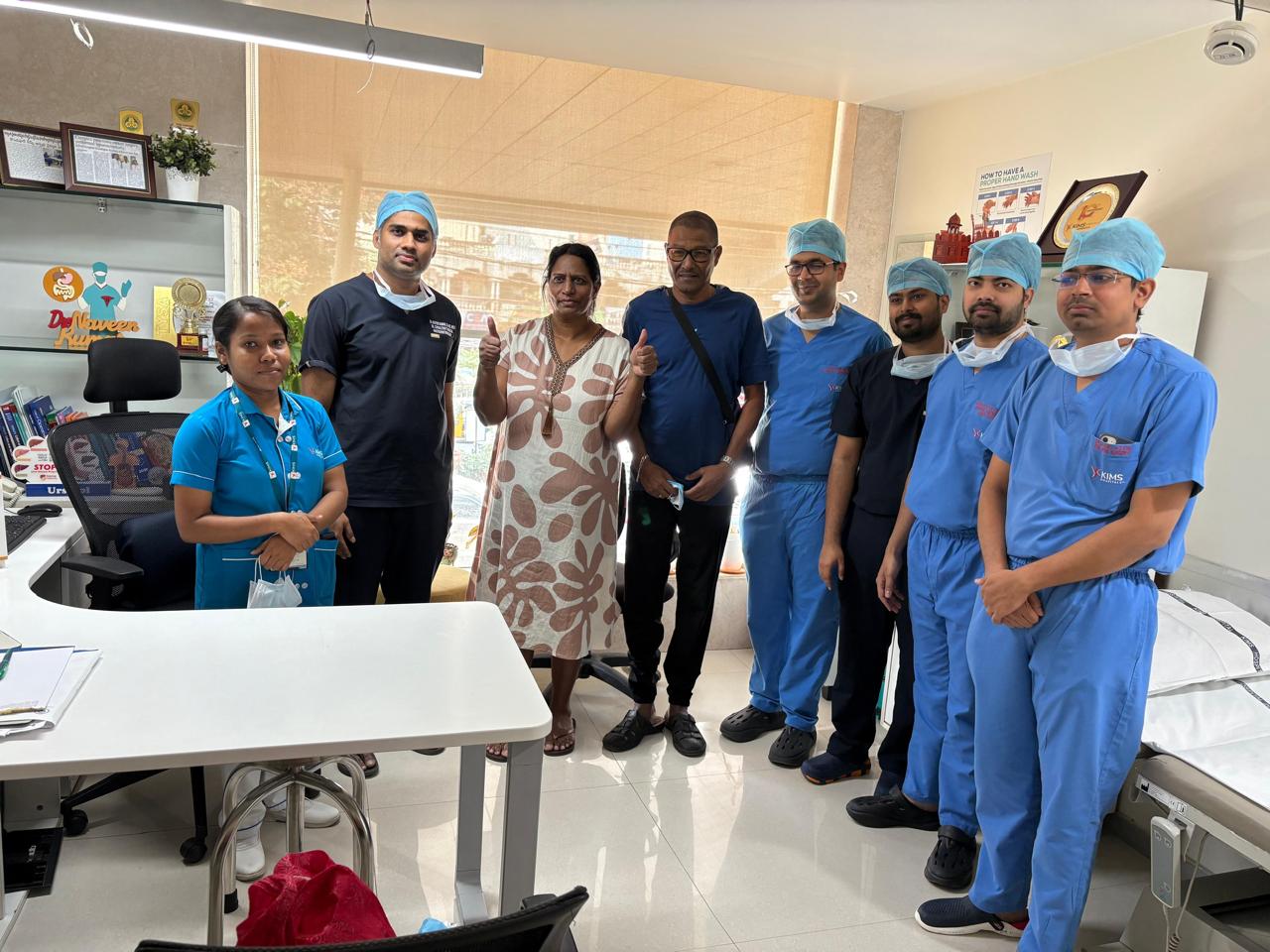
Hyderabad,  Jan 2:- A 55-year-old woman from Mauritius was experiencing sudden and severe drops in blood sugar levels. If she did not eat frequently, she would suffer from dizziness and even lose consciousness. When she consulted doctors in Mauritius, medical investigations revealed that she was suffering from a rare pancreatic tumor known as insulinoma.Photo

As the condition required a highly complex surgical procedure, doctors in Mauritius advised that surgery was not feasible there and referred her to Hyderabad for advanced treatment. She was admitted to KIMS Kondapur Hospital, where she received treatment under the care of Dr. C.H. Naveen Kumar, Consultant Surgical Gastroenterologist and Robotic Surgeon.

Explaining the case, Dr. Naveen Kumar said;

“The patient came directly to KIMS Kondapur Hospital. Surgical removal of pancreatic tumors is generally very complex because suturing the pancreas is extremely challenging. We diagnosed her condition as an insulinoma, a rare type of pancreatic tumor. Along with my team, we successfully performed a highly complex surgery using a completely laparoscopic approach, making only small incisions to remove the tumor from the pancreas.”

He further added;

“Since the tumor was very small, we used intraoperative ultrasound and advanced technologies to accurately locate and remove it. The surgery was completed successfully without any complications. Anaesthesia Dr Veerbhadra rao and team supporting. Following the procedure, the patient recovered well and was discharged from the hospital after six days.”

The successful surgery highlights KIMS Kondapur Hospital’s expertise in handling rare and complex pancreatic conditions using advanced minimally invasive surgical techniques. We are one of the top most centres for robotic/lap HPB surgeries for both benign and cancers in twin states

RG Stone Hospitals Appoints Dr. Zeeshan Rahman as Consultant Urology in Kolkata

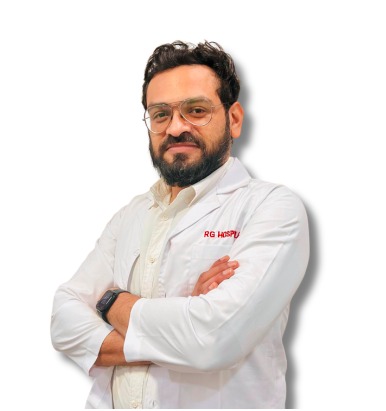
Kolkata, Jan 1:- RG Stone Urology & Laparoscopy Hospitals has further strengthened its clinical leadership with the appointment of Dr. Zeeshan Rahman, MBBS, MS, MCh, as Consultant  Urology at its Dhakuria centre. His addition significantly enhances the hospital’s ability to deliver advanced, minimally invasive and robotic urology care in the region, reducing the need for patients to travel to other metropolitan cities for complex procedures.Dr. Zeeshan Rahman

An alumnus of Christian Medical College Vellore, Dr. Rahman brings over 15 years of extensive experience spanning complex urology, reconstructive surgery, paediatric urology, and renal transplantation. His clinical expertise includes the management of kidney and bladder stones, prostate disorders, and advanced reconstructive procedures. Prior to joining RG Stone, he led advanced urology services at a premier healthcare institution in Delhi and has published widely in reputed national and international medical journals.

Dr. Rahman’s appointment forms part of RG Stone’s strategic initiative to expand access to specialised urology care in eastern India. The hospital continues to invest in state-of-the-art infrastructure and advanced technologies, enabling safer surgeries, faster recovery, and highly personalised treatment pathways for patients with complex urological conditions.

Sharing his vision, Dr. Zeeshan Rahman said;

“Urology is evolving rapidly, yet access to advanced care remains limited across eastern India. At RG Stone, my focus is on delivering high-precision treatments locally by combining innovation with compassionate, hands-on patient care. Patients can now access world-class procedures for complex conditions without having to leave the region.”

Highlighting the significance of the appointment, an RG Stone spokesperson added;

“Dr. Rahman’s expertise significantly expands our capabilities in robotic, reconstructive, and transplant urology. His addition reinforces RG Stone’s commitment to patient-centric, evidence-based care and ensures that advanced urological treatments are accessible within eastern India.”

With Dr. Rahman joining its clinical team, RG Stone Urology & Laparoscopy Hospitals further strengthens its position as a leading centre for comprehensive urological care, combining clinical excellence, advanced technology, and regional accessibility to deliver superior patient outcomes.

MedScore Drives Data-Driven Credit for a Resilient Healthcare Supply Chain in 2025

By:- Mr. Mannuri Vamshi Krishna, Founder & CEO of MedScore

“2025 has been a defining year for MedScore as India’s healthcare supply chain moved from intuition-led credit decisions to real-time financial intelligence. We saw firsthand how disciplined data can transform access to essential medicines, especially in markets where delayed payments and informal lending have silently constrained availability for years. Our work with distributors and retailers showed that stability in healthcare begins with stability in cash flows, and that a credible digital credit identity can be as powerful as inventory itself. This year reaffirmed our belief that financial transparency is the strongest lever for building an equitable, efficient, and resilient healthcare ecosystem. As we step into 2026, MedScore will continue strengthening this backbone by expanding our scoring infrastructure, deepening ERP integrations, and bringing structured credit discipline to every corner of India’s B2B pharma landscape.”

MedScore Calls 2025 a Defining Year for Data-Driven Credit in India’s Healthcare Supply Chain

By:- Mr. Mannuri Vamshi Krishna, Founder & CEO of MedScore

“2025 has been a defining year for MedScore as India’s healthcare supply chain moved from intuition-led credit decisions to real-time financial intelligence. We saw firsthand how disciplined data can transform access to essential medicines, especially in markets where delayed payments and informal lending have silently constrained availability for years. Our work with distributors and retailers showed that stability in healthcare begins with stability in cash flows, and that a credible digital credit identity can be as powerful as inventory itself. This year reaffirmed our belief that financial transparency is the strongest lever for building an equitable, efficient, and resilient healthcare ecosystem. As we step into 2026, MedScore will continue strengthening this backbone by expanding our scoring infrastructure, deepening ERP integrations, and bringing structured credit discipline to every corner of India’s B2B pharma landscape.”