Sleeping with Cloves or Betel Nut in the Mouth Can Be Life-Threatening

The habit of sleeping with betel nut, clove, or any other object in the mouth is common among many people, but it can prove to be extremely dangerous. During sleep, such objects can accidentally pass through the airway into the lungs, leading to repeated infections over a long period of time.
WhatsApp Image 2025-12-29 at 3.58.13 PM

Recently, a similar case was seen at Apollo Hospital, where a nearly 70-year-old elderly woman was admitted with complaints of recurrent chest infections and pneumonia. Due to her deteriorating condition, she had to be admitted to the ICU. X-ray and CT scan investigations revealed pneumonia in her lungs. The patient already had a history of heart disease, high blood pressure, and was taking blood thinners.

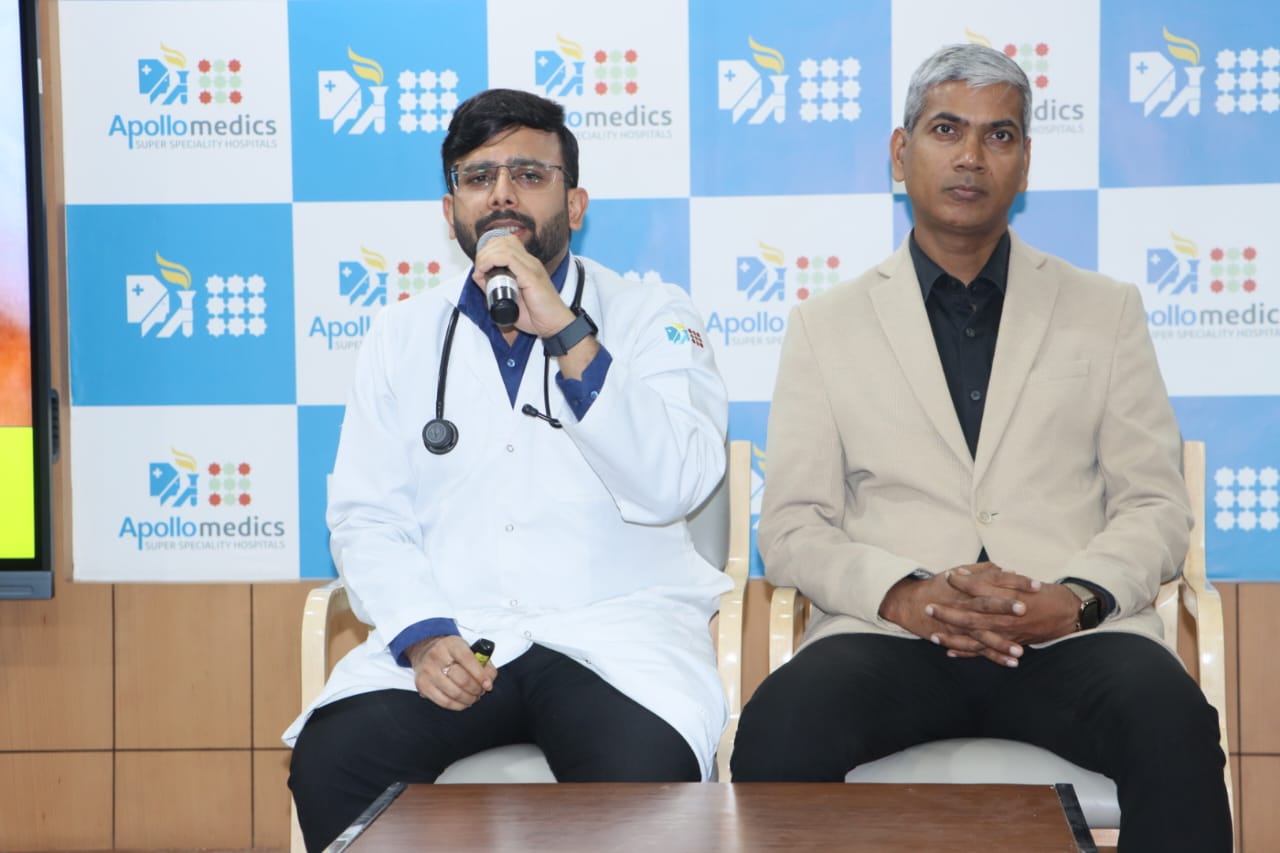
To understand the underlying cause of the illness, doctors decided to perform a bronchoscopy. Apollo Hospital pulmonologist Dr. Shubham Agarwal explained that during the bronchoscopy, it was observed that a foreign object was lodged inside the lung in the area affected by pneumonia. The doctors informed the family that removing the object was absolutely necessary and that the procedure would require general anesthesia and ventilator support. As the procedure was lengthy, the family was initially anxious, but after detailed discussion and reassurance, they gave their consent.

The patient was then completely sedated, and with the help of a camera and specialized instruments, the object was removed from inside the lung. Mild bleeding occurred during the procedure, which was successfully controlled with medication. When the object was finally extracted, it turned out to be a piece of betel nut. The family revealed that the patient had a habit of chewing betel nut and often fell asleep at night with it in her mouth. This piece of betel nut had entered and remained lodged in her lung, causing repeated infections over a long time.

After removal of the betel nut, the patient’s condition improved rapidly. She was taken off the ventilator and soon recovered completely and was discharged home in stable condition.

Dr. Shubham stated that when any foreign object gets stuck in the lungs through the airway, the entire area beyond that point becomes infected, often leading to pus formation. Many times, when a person is in deep sleep, objects that enter the lungs through the airway do not cause obvious symptoms, and a mild cough may be the only sign. Cough syrups or nebulization can suppress these symptoms, and even X-rays may fail to detect the presence of a foreign body in the lungs. Therefore, extreme caution is required.

He further warned that sleeping with betel nut, cloves, or any other object in the mouth is extremely dangerous and can be life-threatening. Additionally, if an adult experiences recurrent chest infections or pneumonia, it is essential to consider the possibility of a foreign object lodged in the lungs. During sleep, such incidents may not trigger a strong cough reflex, allowing the real cause to remain hidden for a long time.

Dr. Mayank Somani, MD & CEO, Apollomedics Super Speciality Hospital;

said that this case highlights how small, careless everyday habits such as chewing something while sleeping can lead to serious illnesses. A foreign object stuck in the lungs can continue to spread infection for a long time without clear symptoms, while treatment remains limited to medications alone. Timely and accurate diagnosis not only revealed the true cause of the illness but also saved the patient’s life. Therefore, it is crucial to thoroughly investigate the hidden causes behind recurrent cough or infections.
Aster Medcity Performs South India’s First AR-Guided Total Knee Replacement

Kochi,  Dec 29:- Aster Medcity has successfully performed South India’s first Total Knee Replacement  using Augmented Reality  technology, marking a significant milestone in the adoption of next-generation surgical innovation in the region.

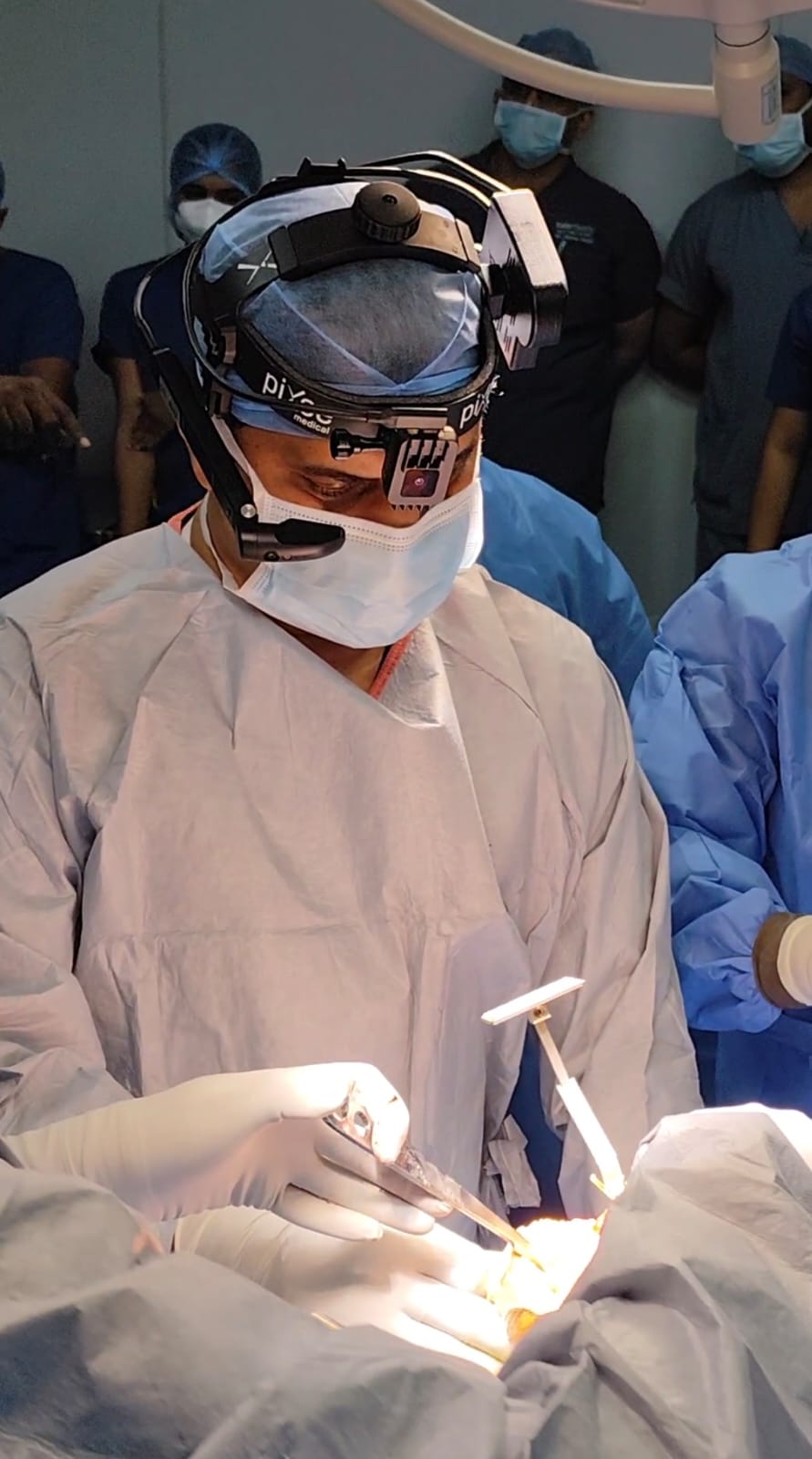
Dr. Vijayamohan, Lead Consultant Orthopaedic Surgeon at Aster Medcity perfoming South India’s first Total Knee Replacement (TKR) using Augmented Reality (AR) technology

The landmark procedure was carried out on a 57-year-old male patient from Cherthala by a surgical team led by Dr. Vijayamohan, Lead Consultant Orthopaedic Surgeon at Aster Medcity.

The AR-assisted TKR combines advanced digital visualization with real-time surgical navigation, enabling enhanced precision in implant positioning, alignment, and soft-tissue balancing. By superimposing critical anatomical data directly into the surgeon’s field of view, the technology enhances accuracy while preserving the surgeon’s clinical judgment and expertise. This approach minimizes intraoperative bone and tissue manipulation, reduces variability, and promotes safer surgical outcomes.

Commenting on the achievement, Dr. Vijayamohan said;

“This milestone represents a major step forward in patient-centric knee replacement surgery. Augmented Reality allows us to visualise complex knee anatomy with unprecedented clarity during the procedure, improving accuracy, functional outcomes, and potentially accelerating patient recovery.”

The patient demonstrated a rapid post-operative recovery with encouraging early outcomes, including improved joint mobility and reduced discomfort. This success highlights the benefits of integrating the expertise of skilled surgeons with advanced AR and AI-driven technologies. Orthopaedic experts believe that AR-assisted joint replacement could redefine surgical standards by reducing human error and enhancing long-term implant survivorship.

Dr. Nalanda Jayadev, CEO, Aster Medcity, added;

“This achievement reflects our commitment to bringing world-class medical technology to our patients. We are proud to support innovations that continue to raise the benchmark of surgical excellence.”

With this pioneering procedure, Aster Medcity reinforces its leadership in advanced joint replacement surgery and its dedication to delivering cutting-edge, evidence-based care to patients across South India.

Photo Captions:

  1. Dr. Vijayamohan, Lead Consultant Orthopaedic Surgeon at Aster Medcity, performing South India’s first Augmented Reality (AR)-guided Total Knee Replacement.

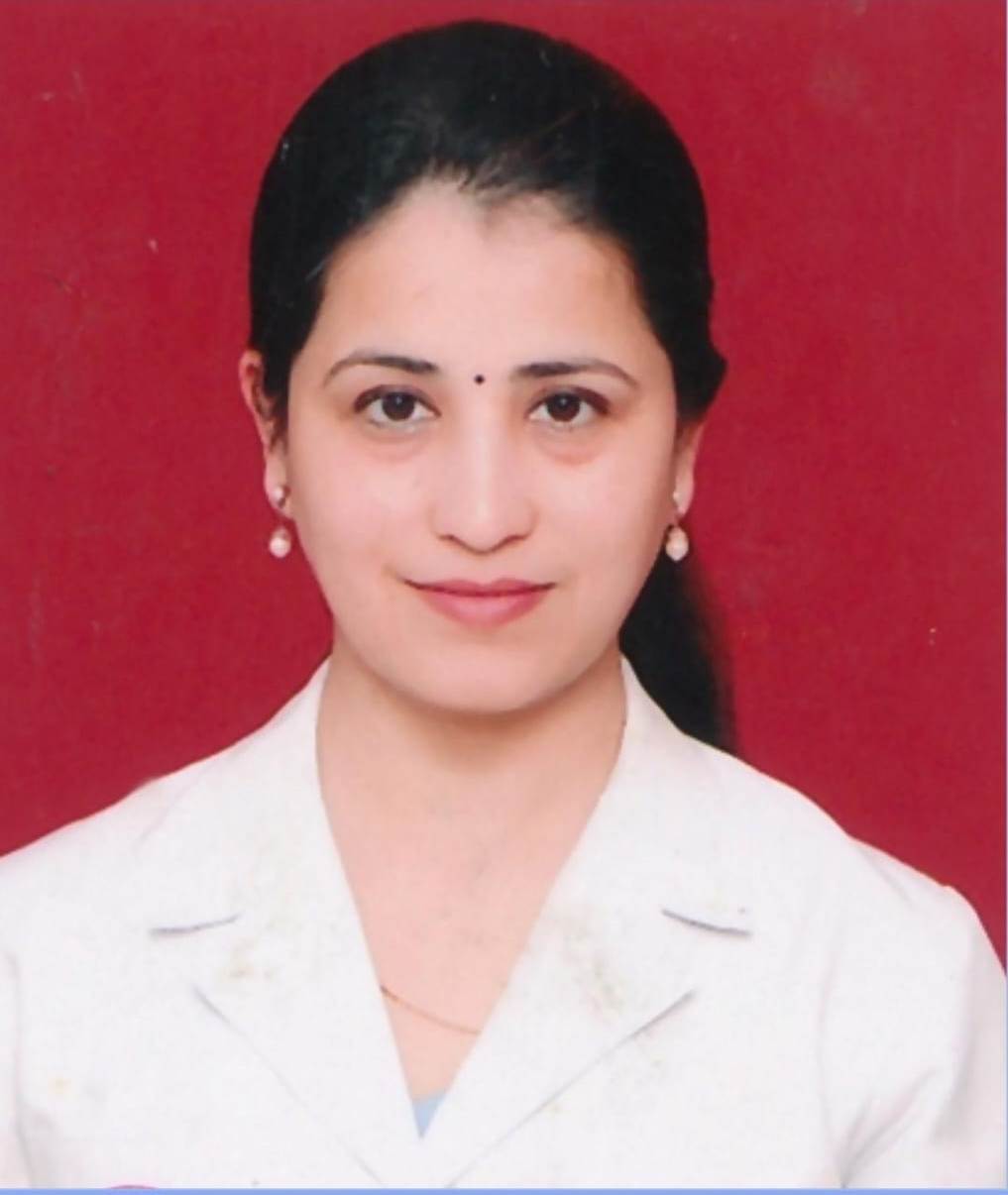
  2. Dr. Vijayamohan, Lead Consultant Orthopaedic Surgeon, Aster Medcity.

Dr. Sonia Datta Calls for a Whole-Body Approach to Oral Health in 2026

Hyderabad,  Dec 29:- According to Dr. Sonia Datta, MDS, PhD, Professor in Public Health Dentistry, as the world transitions into 2026, the traditional New Year’s resolutions of gym memberships and strict diets are being joined by a surprising newcomer: the Oral Health Reset. Emerging research and a renewed focus on holistic wellness are highlighting that a healthy mouth is the cornerstone of a healthy body. Despite its importance, oral care is often the “forgotten” pillar of wellness. While many rethink their nutrition and sleep patterns, the mouth which serves as the gateway to the digestive and respiratory systems is frequently overlooked until discomfort arises.

Dr Sonia Dutta

The 2026 Oral Reset Checklist-Experts recommend five realistic pillars for those looking to upgrade their routine this year: The Two-Minute Rule: Brushing twice daily for a full 120 seconds; Tongue Hygiene: Daily cleaning to remove bacterial buildup; Interdental Care: Flossing or using interdental brushes to reach hidden plaque; Hydration: Increasing water intake to support saliva production the mouth’s natural defense; Ayurvedic Integration: Incorporating time-tested botanicals into daily care.

The Rise of Modern Ayurvedic Care-A key trend for 2026 is the integration of Ayurvedic herbs into mainstream oral hygiene. Consumers are increasingly seeking out ingredients that offer natural efficacy: Clove Oil: Known for its antibacterial properties and ability to ease discomfort; Pudina Satva: Provides genuine, long-lasting breath freshness; Tomar Beej: Specifically used to support clean and healthy gums.

Products like Dabur Red, which combines these potent herbs and carries the IDA  Seal of Acceptance, are becoming the preferred choice for those seeking a balance between traditional wisdom and modern clinical validation.

Ruby Hall Clinic Collaborates with MedLern to Boost Clinical Excellence

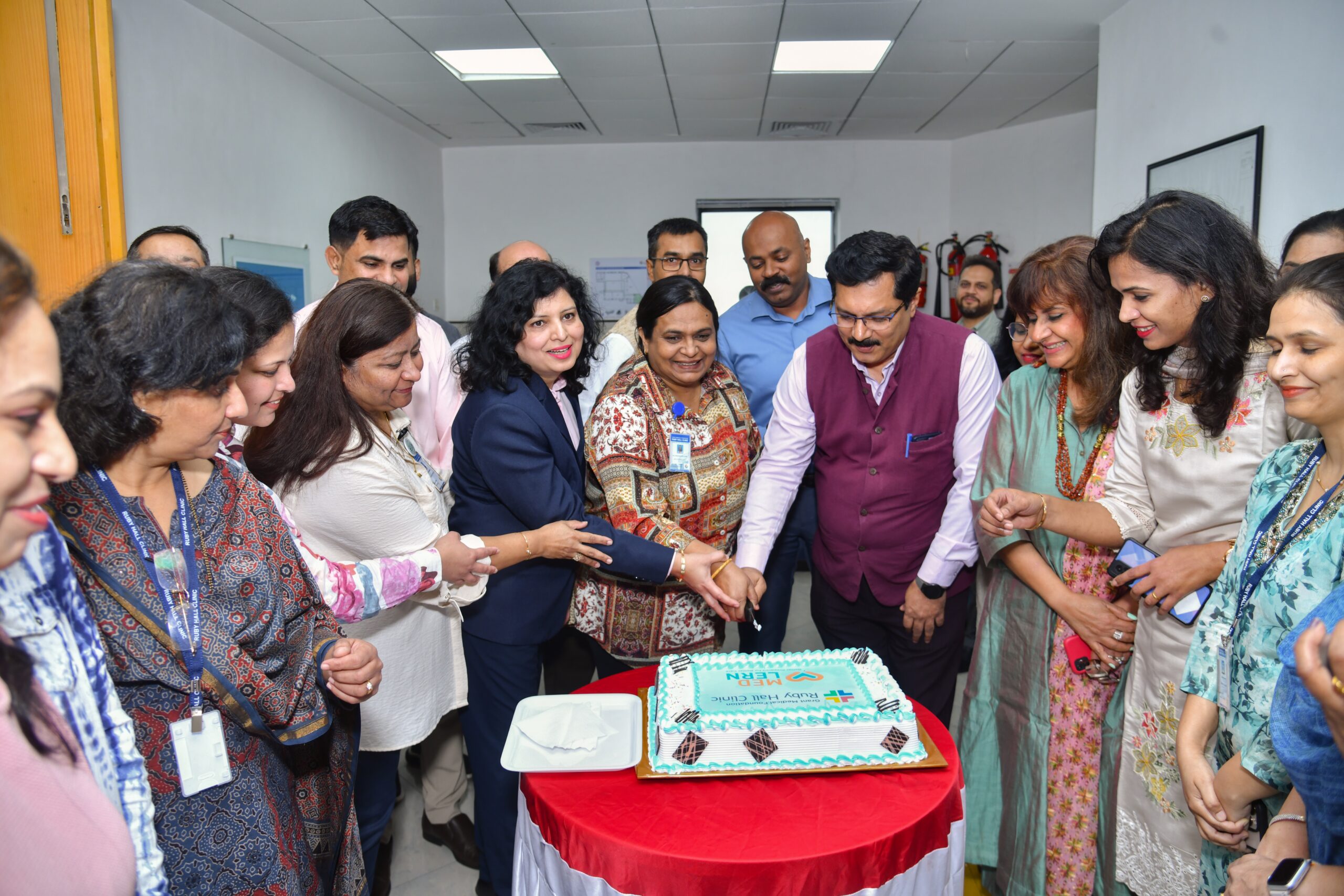
New Delhi,  Dec 29:- MedLern, India’s award-winning healthcare training and workforce enablement platform, has announced a strategic partnership with Ruby Hall Clinic, one of Pune’s most trusted and respected multi-specialty hospital groups. This collaboration forms a key pillar of Ruby Hall Clinic’s digital transformation journey and aims to strengthen clinical, operational, and compliance-related training across the hospital network.MedLern–Ruby Hall Partnership

By integrating MedLern’s digital-first learning solutions with Ruby Hall Clinic’s strategic focus on workforce development, the partnership seeks to deliver structured, high-impact training programs seamlessly across a large and diverse workforce. The initiative is designed to ensure consistency, scalability, and measurable outcomes in hospital training, reinforcing Ruby Hall Clinic’s commitment to excellence in care and patient safety.

As part of the collaboration, MedLern’s advanced learning and development  platform will be deployed across Ruby Hall Clinic locations, enabling clinicians, nurses, technicians, and support staff to learn, practice, and grow through a unified digital ecosystem. The platform offers personalized learning pathways, interactive case-based modules, simulation-supported practice scenarios, and competency-based assessments tailored to the needs of high-performing hospitals.

Healthcare professionals will be able to engage in structured training programs at their own pace, supported by real-time tracking, performance feedback, and actionable analytics. These insights will help hospital leadership monitor progress, identify skill gaps, and prioritize training interventions. With its flexible, mobile-enabled design, MedLern’s platform ensures continuous learning without disrupting clinical workflows, supporting sustained professional development across the organization.

Mr. Behram Khodaiji, CEO of Ruby Hall Clinic, Pune, said;

“Ruby Hall Clinic has always believed that the foundation of exceptional patient care lies in the continuous growth and competency of our people. Partnering with MedLern allows us to bring a more organized, technology-supported approach to training, ensuring our teams are consistently updated and aligned with the highest standards of clinical practice.”

Col. Denu Thomas, Group Head HR, Ruby Hall Clinic, Pune, said;

 “At Ruby Hall Clinic, building a future-ready healthcare workforce is a strategic priority. This partnership with MedLern strengthens our ability to deliver structured, standardized, and continuous learning across roles and locations. By leveraging digital learning and real-time insights, we can better support our teams in developing critical skills, improving compliance, and maintaining consistent clinical excellence, while ensuring learning remains seamlessly integrated into daily practice.”

Deepak Sharma, CEO and Co-founder of MedLern, shared;

 “Ruby Hall Clinic has set benchmarks in quality healthcare for decades, and we are proud to support their vision for ongoing professional development. Our focus is to make learning accessible, relevant, and practice-oriented so that staff can apply knowledge directly at the bedside. This partnership will strengthen skill development, enhance consistency, and ultimately drive improved outcomes for patients.”

Under this initiative, MedLern’s training ecosystem will be implemented across Ruby Hall Clinic’s entire network in Pune. By consolidating training delivery onto a single digital platform, the collaboration is expected to enhance efficiency, reduce administrative overhead, and enable stronger standardization of clinical and operational protocols across the group.

VS Hospitals Introduces Innovative Brain Stimulation Therapy for Stroke Recovery

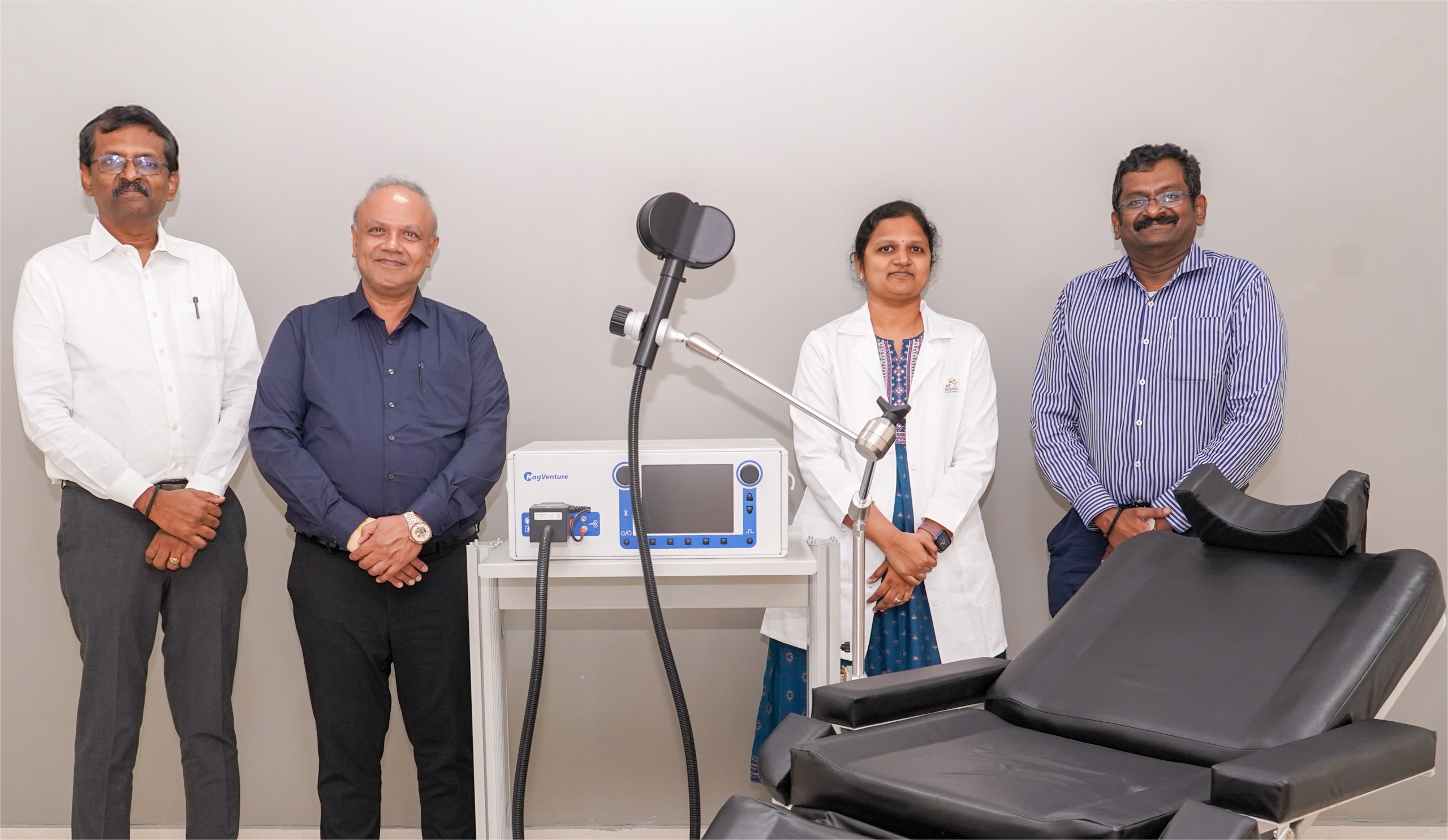
Chennai, Dec 29:- In a first for Chennai, VS Hospitals has introduced Transcranial Magnetic Stimulation  therapy for the treatment of neurological conditions. This advanced, non-invasive treatment uses gentle magnetic pulses to stimulate specific areas of the brain, offering new hope for patients with stroke, migraine, neuropathic pain, depression and other neurological disorders. With its strong safety profile, minimal side effects, and international clinical acceptance, TMS marks a significant step forward in enhancing brain-health care in the city.

VS Hospitals - PIX 1

Transcranial Magnetic Stimulation  therapy was inaugurated in the presence of Mr. Muthu Subramanian, Executive Director, Mr. Prassanna, Group COO, Dr. Sindhuja, Senior Consultant Neurologist, and Prof. Dr. S. Sundar, Senior Orthopedic Surgeon, Director, and Medical Director, VS Hospitals.

The therapy is particularly useful in patients who have not responded well to conventional treatments. The TMS device uses a coil to deliver magnetic pulses over a focused area of the brain at a threshold that is individualised for each and every person. Hence, it represents a personalised treatment model according to each person’s brain condition. TMS is useful in the treatment of post-stroke weakness and speech disturbance, acute and chronic headaches, chronic neuropathic pain, Parkinson’s disease and dementia. It has a good treatment response for psychiatric conditions like major depressive disorder, OCD, and anxiety.

Commenting on the therapy, Dr. L. Sindhuja, Consultant Neuro Physician, VS Hospitals, said;

“TMS is a safe, non-invasive procedure that can significantly aid patients struggling with chronic neurological disorders like strokes, which are slow to improve, refractory headaches, neuropathic pain and functional neurological disorders. By precisely targeting affected brain regions, we can stimulate neural pathways that have been slow to recover, offering hope where conventional therapies may not suffice. During a TMS session, patients either sit or lie comfortably while the clinician positions the magnetic coil over the targeted area in the scalp. Patients may experience a gentle tapping sensation or brief muscle twitching. Each session lasts around 20-30 minutes, and patients can return to their normal activities immediately after. This is an outpatient treatment without any injections or anaesthesia, or radiation.”

In addition to TMS, the hospital also offers Magnetic peripheral nerve stimulation, a non-invasive therapy that uses a handheld coil placed on the skin over the affected area. This treatment is effective in managing conditions such as sciatica, nerve injuries leading to muscle weakness, chronic musculoskeletal pain, foot drop and carpal tunnel syndrome.

MGM Healthcare Malar, Adyar Achieves Long-Term Outcomes with a Novel Autograft Cartilage Tissue Transplant in the Knee of a 53-Year-Old Gentleman

MGM Healthcare Malar, Adyar Achieves Long-Term Outcomes with a Novel Autograft Cartilage Tissue Transplant in the Knee of a 53-Year-Old Gentleman

Chennai, Dec 27: MGM Healthcare Malar, Adyar has successfully performed a fifth generation Autograft Cartilage Tissue Transplant, an advanced daycare arthroscopic technique that enables patients to walk immediately after surgery and helps avert the need for total knee replacement. In this single-stage procedure, healthy cartilage is harvested from the patient’s own joint and transplanted to the damaged area, overcoming major limitations of earlier methods such as multiple surgeries or external cartilage culturing.
This advanced cartilage tissue transplant is particularly beneficial for patients with focal chondral defects, osteochondral lesions, early osteoarthritis, and chondromalacia patella, conditions where untreated cartilage damage can lead to severe joint degeneration and the eventual need for total knee replacement. By preserving the natural joint and restoring damaged cartilage early, this advanced technique offers a safer, joint-preserving solution, especially for younger and active patients.

MGM Malar has been pioneering this technique since 2018. Over the years, it has steadily evolved through continuous research, and patients treated with this approach consistently experience long-term healing, high satisfaction, and preservation of their natural joint, without the need for implants, crutches, or intensive physiotherapy.

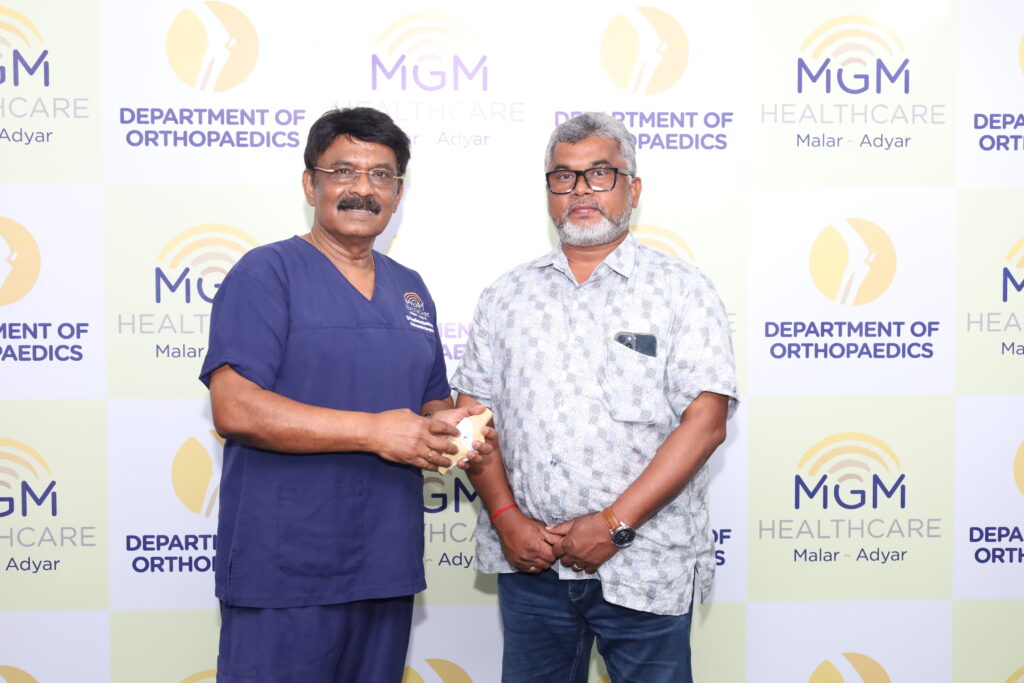
In his comments, Dr Nandkumar Sundaram, Senior Consultant, Department of Orthopaedics, said, “In cases where the smooth, cushion-like cartilage in a joint is damaged due to injury, wear-and-tear, or arthritis, specialised techniques are required to restore it and maintain smooth joint movement. Among the available options, autograft cartilage tissue transplant is highly effective. The procedure involves graft preparation, PRP application, using platelet-rich plasma from the patient’s own blood to promote healing, and fibrin glue fixation, a natural biological adhesive that secures the graft. All these steps are completed within a single, minimally invasive arthroscopic procedure. Patients can walk immediately after surgery without the need for braces or assistive supports. This surgery reduces pain, improves mobility, repairs sports or traumatic injuries, and helps prevent or delay the progression of arthritis.”

One of the long-term outcome patients is a 53-year-old man from Tamil Nadu, currently working in Madhya Pradesh, who had suffered from severe knee pain and restricted mobility for over 15 years due to osteoarthritis. Progressive cartilage damage and joint deformity had placed him

at risk of requiring a total knee replacement. However, after undergoing a single-stage autograft cartilage transplant in 2018, he has remained completely symptom-free for six years, demonstrating the remarkable recovery this technique can achieve.

Dr Sundaram emphasized that the success of this procedure depends on strict patient-selection criteria. “When appropriately selected, patients experience significant pain relief, improved mobility, and a prolonged joint lifespan, effectively delaying the need for total knee replacement,” he added.

Mr. Venugopal Bhat, Chief Operating Officer, MGM Healthcare Malar, Adyar, quoted, “This long-term success highlights our commitment to minimally invasive innovation that improves patients’ quality of life.”

Dr. Pradeep Mahajan Highlights Risks of Unregulated Stem Cell Procedures

In recent years, stem cell therapy has attracted a lot of interest, and many clinics now promote it as a rapid solution for long-term medical issues, aging, and chronic pain. The increasing number of regulated or commercially promoted stem cell operations has raised serious concerns despite the enormous promise of stem cells.

The truth that many non-regulated clinics disregard safety regulations and scientific norms is one of the main risks. Its is possible that the stem cells utilized weren’t screened, were tainted, or weren’t even the right kind required for treatment. Inadequate quality control increases the risk of infections, allergic responses, immunological problems, or long-term tissue damage

Misleading advertisements poses a serious risk as well. Many commercial facilities assert that stem cells may treat nearly any ailment without outlining the restrictions or the necessity of a thorough assessment. When consumers fall for these inflated claims, they can put off  getting proper medical attention, which might take their illness worse.

Inadequate injection procedures could pose a risk. It takes advanced skill to inject stem cells into the muscles, joints, or spine. Inadequate execution may result in nerve injury, inflammation, infections, irreversible harm. Unregulated clinics frequently lack qualified specialists and do not offer appropriate follow-up care in the event that something goes wrong.

Stem cell therapy must be done with science, not sales.” Emphasizes Dr Pradeep Mahajan. When it comes to regeneration treatments, safety, regulations, and appropriate medical knowledge are non-negotiable.

Only when administered by trained specialist in controlled medical environments can stem cell therapy be advantageous. Patients should always ask questions, credentials, stay alert of clinics that make grand claims without enough scientific support.

The challenge of living drug molecule and non-living drug molecule is to understand before taking any product from the market. Never forget “a cells is a living, breathing entity like us, requiring all the conditions that is needed for its optimal functions.” The environmental factors like temperature, air, pollution, humidity and the person who handles will decide the outcomes of the cells for a successful treatment. At the same time products like exosomes, growth factors, platelets, extra cellular matrix molecules will take over the market in the future.

PHDCCI Hosts Bihar Health Care Summit 2025 with CIMP

PHDCCI organized Bihar Health Care Summit 2025 with the association of the Chandragupta Institute of Management Patna (CIMP)

PHD Chamber of Commerce and Industry organized Bihar Health Care Summit 2025 in association with Chandragupta Institute of Management Patna on 24th December, 2025 at CIMP auditorium, Patna, Bihar on the subject of “Boost Healthcare for India@2047″, this event promises to be of great interest in the healthcare sector.

Photo (3) (1)

The seminar was aimed at aligns with strengthen the healthcare system in pursuit of a healthy and developed India by 2047.

The objective of this initiative is to provide a unique platform for the present and highlight the various health policies, investment incentives, and opportunities available in the healthcare sector of Bihar. 

The event witnessed the esteemed presence of Prof. (Dr.) Usha Kumari, Principal, Nalanda Medical College, Patna, Prof. (Dr.) Punam Prasad Bhadani, Dean Academics, AIIMS, Patna; Dr. Anil Kumar, Zonal Director, HMRI, Paras Hospital, Shri Sanjay Kumar, Founding Director – STMA cum Sr Faculty  Brahmakumaris, Mr. Kumod Kumar –Chair, Bihar Chapter, PHDCCI, Prof.  Dr. Rana Singh Director, CIMP; Mr. Pranab Singh Resident Director, PHDCCI and Mr. Varun Yadav, Resident Officer, PHDCCI. More than 100+ participants from medical device manufacturers medical practitioners, institutions, academicians and industries in Health Care sector, Herbal traders and medicinal plants cultivators, Entrepreneurs, innovators & startups Medical & healthcare professionals, health, wellness and nutrition experts, technology providers for Healthcare and opinion leaders are attended the seminar.

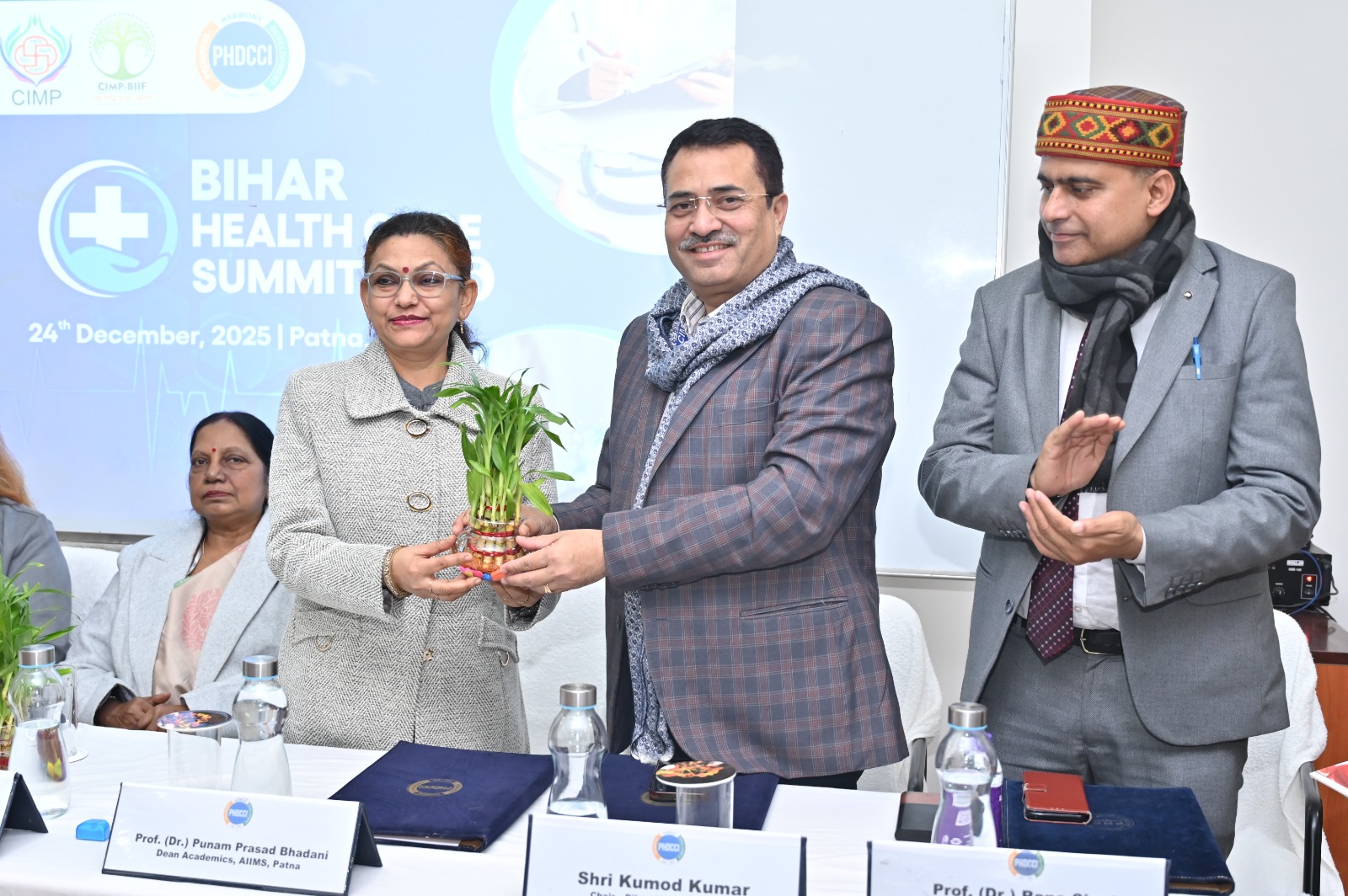
Prof. (Dr.) Usha Kumari, Principal, Nalanda Medical College, Patna inaugurates the Bihar Health Care summit 2025.

Mr. Kumud Kumar – Chair, PHDCCI – In his welcome address, welcomed all the dignitaries and participants and highlighted the importance of this event in the state of Bihar. 

Prof. (Dr.) Punam Prasad Bhadani, Dean Academics, AIIMS, Patna in her guest of honour address describes the cancer disease. She said the AIIMS Patna molecular facility high end diagnosis procedure free of cost. She creates the awareness on cancer disease and organic and herbal products. During the COVID-19, AIIMS, Patna played a vital role to support the state. She focused the major challenge is the shortage of healthcare workers, including doctors, nurses, and paramedics, patient load a challenge, infrastructure, medical devices, less awareness of healthcare in Bihar. 

Prof. (Dr.) Usha Kumari, Principal, Nalanda Medical College, Patna In her opening remarks highlighted the importance of the medial infrastructure,  medical devices and implementation under the guidance of NMCH. NMCH participates in government health programs including national immunization efforts and preventive health outreach. The high patient load and diverse case mix at NMCH give medical students and trainees robust hands-on clinical exposure critical for producing competent practitioners. She focused the during health emergencies like the COVID-19 pandemic, NMCH played a key role in patient care, treatment, and public vaccination efforts, highlighting its importance as a frontline healthcare institution within the state.

Dr. Anil Kumar, Zonal Director, HMRI, Paras Hospital emphasized that research alone is not enough, its implementation is crucial. He noted that the technology will play a vital role in the medical. India’s demographic dividend, rapid technological progress, and policy momentum present a unique opportunity to reimagine health systems. The India@2047 healthcare mission aims to embed resilience, inclusivity, and sustainability at the heart of national health priorities.

Prof. Dr. Rana Singh, Director, CIMP In his key note address greeted all the attendees and emphasized the strengthen global efforts against cancer, leading health research institutions, governments, and international partners today reaffirmed their commitment to enhanced collaboration in cancer research and innovation. He focused on Collaborative Research Networks, Data Sharing and Digital Health Platforms, Innovation in Diagnostics and Therapeutics. He further emphasized the international cooperation in research, stakeholders aim to achieve measurable progress in the coming decade, including: Significant increases in early-stage diagnosis rates. He expressed gratitude to all the esteemed speakers, panelists and organizers for their contributions in making this program a success.

Shri Sanjay Kumar, Founding Director – STMA cum Sr Faculty Brahmakumaris He explained the mental health affects how we think, feel, act, and handle stress. Yoga is an ancient practice that combines physical postures (asanas), breathing techniques (pranayama), and meditation and it supports mental health and reduces Stress and Anxiety

Mr. Kumud Kumar Chair, PHDCCI gave thank you note and concluded the opening ceremony by presenting Mementos to the dignitaries.

The programme was moderated by Mr Pranab Singh, Resident Director, PHDCCI and Mr. Varun Yadav  Resident Officer, PHDCCI.

The half-day program was facilitated direct interaction and more than 80-100 leading industry players from diverse sectors. Over the course of this summit, experts, policymakers, health professionals, civil society leaders, and stakeholders have engaged in thoughtful dialogue on the most pressing health challenges facing Bihar from accessibility and affordability of services to workforce shortages and infrastructure gaps.

The summit is envisioned as a strategic step to Bihar’s healthcare business potential; build confidence among investors, navigating risks and building resilient healthcare systems and exploring strategic cost containment and value-based care models that can drive health care growth and economic development in the state.

India’s Age-Tech in 2025: Elder Care Goes Beyond Emergencies

Dec 26:- As Indian families continue to become increasingly mobile and nuclear, 2025 emerged as a pivotal year for organised eldercare, revealing a clear shift in what ageing parents need and what families are often unable to provide from a distance. For Anvayaa, one of India’s leading age-tech eldercare platforms, the year underscored a growing move away from episodic, emergency-led care towards continuous, relationship-based support that blends medical assistance with everyday companionship and emotional reassurance.

Over the course of the year, Anvayaa supported more than 85,000 active senior citizens on its platform, marking a 12X growth from its subscriber base, driven largely by rising adoption of companionship services, dementia care, emergency assistance and accompanied medical support. Of this growth, approximately 65–70 % was driven by metros and Tier-1 cities, while the remaining adoption came from Tier-2 and Tier-3 geographies, highlighting the expanding relevance of organised eldercare beyond India’s largest urban centres.

The nature of eldercare requests also evolved significantly through the year. While metros such as Delhi, Mumbai, Bengaluru, and Hyderabad continued to see strong demand for companionship and cognitive care, recording utilisation levels of up to 85%, Tier 2 and Tier 3 cities including Vizag, Pune, Indore, Chandigarh, and Coimbatore showed growing preference for structured home nursing and skilled caregiver services. Dementia care emerged as a particularly strong need in urban centres, with metro cities alone accounting for more than two-third of all dementia care enrollments nationwide. During the year, Anvayaa was also granted its second Patent for its “AI Enabled Method For Providing Personalised Cognitive Therapy & Dementia Care.”

Across geographies, families increasingly sought reliable presence for their parents, someone to accompany them to doctor visits, manage recovery at home, or simply spend time with them highlighting a shift in caregiving expectations.

Technology played a critical enabling role in strengthening response and safety during the year. Anvayaa’s patented Remote Patient Monitoring and emergency response system helped achieve an average SOS response time of under three minutes, enabling proactive intervention in over 400 critical incidents triggered by falls, abnormal vitals, or emergency alerts. Through deeper API integrations across ambulance networks, telemedicine providers, hospitals, and healthcare partners, the platform continued to offer families a single coordinated system for managing medical, emergency, and caregiving needs.

Reflecting on the year, Anvayaa’s leadership noted that eldercare in India is entering a more mature phase. Speaking on this, Mr. Prashanth Reddy, Founder & Managing Director, Anvayaa, said,

 “What 2025 made very clear is that eldercare is no longer just about emergencies or medical tasks, it is about continuity, accountability, and being present when families cannot be. We saw adult children increasingly outsource presence, not responsibility. Companionship, cognitive engagement, and proactive monitoring became as important as clinical care. Our focus has been to combine technology with empathy so that elders feel supported every single day, not only in moments of crisis.”

The year also marked a significant milestone for Anvayaa as it completed 10 years of organised eldercare operations in Hyderabad, one of its earliest and most important markets. As part of this decade-long journey in the city, Anvayaa strengthened Mission Abhay, a Hyderabad-focused initiative aimed at enhancing senior safety through faster emergency response, coordinated on-ground support, and proactive monitoring, reinforcing the city’s role as a cornerstone in Anvayaa’s care ecosystem.

Having steadily expanded its on-ground care teams, clinical specialists, and concierge support to nearly 200 employees nationwide, Anvayaa continues to maintain one of the lowest attrition rates in the sector, a critical factor in ensuring continuity and trust in eldercare delivery.

As the company looks ahead to 2026, several milestones are expected to further strengthen its ecosystem and industry impact. Leading insurance companies are set to launch products that include eldercare as a value-added service with Anvayaa playing a key role in care delivery. Anvayaa Nishcihnt, the company’s corporate eldercare program, is poised to touch nearly 3 lakh lives, signalling a shift in how organisations approach employee benefits and parental care support. Additionally, Project Ratan, an initiative focused on women and elderly safety, is scheduled to go live in Q2 2026. Through the Anvayaa Foundation, the company will also actively work on skill development and certification programs for caretakers and home healthcare workers, addressing a critical gap in the eldercare ecosystem.

As India’s eldercare landscape evolves, the lessons of 2025 point to a simple truth: ageing with dignity increasingly depends on systems that combine human presence with thoughtful, responsive technology.

Redcliffe Labs Launches India’s First Annual Health Report Card to Promote Preventive Care Ahead of 2026

India,  Dec 24: Redcliffe Labs, India’s leading omnichannel diagnostics provider, has launched the ‘Before the Year Ends…’ campaign, encouraging families to reflect on their health as 2025 comes to a close. Redcliffe Labs introduces a first-of-its-kind Annual Health Report Card, offering a comprehensive view of health trends, key vitals, yearly health summaries, and personalized recommendations. By presenting these insights in an accessible format, the initiative enables early risk recognition and supports proactive health management.

Through this initiative, Redcliffe Labs aims to shift healthcare from reactive responses to a preventive approach, helping individuals step into 2026 with awareness, clarity, and a renewed commitment for better health.

The Health Report Card offers a consolidated view of key health parameters tracked throughout the year. Unlike conventional diagnostic reports that focus on isolated test results, it brings together health scores, overall body performance indicators, and trends over time across vital markers such as immunity, heart health, blood sugar levels, liver function, and more. The report card also highlights areas requiring attention, flags early risk indicators, and provides a doctor-recommended improvement plan that covers lifestyle guidance, nutritional focus areas, and recommendations for timely follow-up tests.

The Annual Health Report Card will be delivered digitally to all customers, with hard copies provided for a more personalized experience to select customers. This initiative by Redcliffe labs is part of a larger effort to make preventive healthcare a habit for families across India. By helping people track key health parameters, recognize early risk indicators, and take timely action, it aims to combat the rising burden of non-communicable diseases (NCDs) and reduce long-term treatment costs. Through such initiatives, diagnostics are evolving from reactive intervention to preventive empowerment.

Speaking about the initiative, Mr. Aditya Kandoi, CEO & Founder, Redcliffe Labs, said,

“Year after year, we spend our lives planning, achieving, and setting goals, yet rarely pause to truly understand our health. The Annual Health Report Card is designed to change that. It gives families clarity on where they stand today and the insight to shape a healthier tomorrow. We aim to help people understand their health before it demands attention, because prevention begins with awareness, not symptoms.”

Driven by its mission to make high-quality diagnostics accessible to every household, Redcliffe Labs strengthens its commitment towards preventive care through its 80+ advanced laboratories and 2,000 collection centers across 220 cities. The Year-End Health Report Card, which will be distributed to its customer base of 7 million, underscores the brand’s efforts towards supporting families, guiding them with empathy, and inspiring India to make preventive health a priority today and for the years ahead.