Large imaging study changes understanding of the origins of Parkinson’s rest tremor

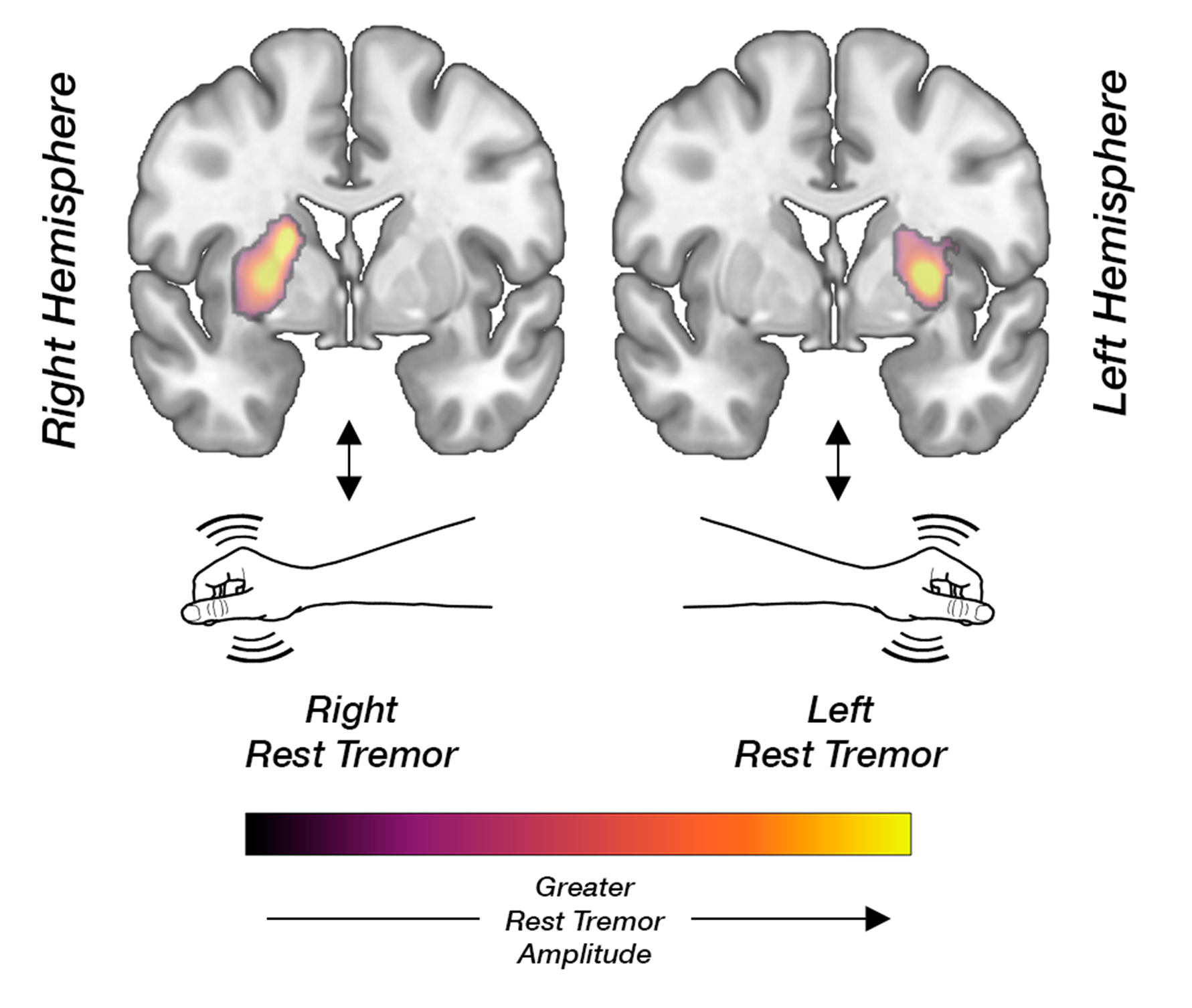
A Finnish clinical imaging study shows that rest tremor in Parkinson’s disease is not explained by greater dopamine loss. In contrast, tremor appears to be associated with relatively better-preserved dopamine function.


Large imaging study changes understanding of the origins of Parkinson’s rest tremor


Researchers from the University of Turku and Turku University Hospital, Finland, analysed clinical data and dopamine transporter (DAT) imaging data from 414 Finnish patients. The cohort consisted of patients examined in routine clinical practice for uncertain parkinsonism or tremor, making the findings exceptionally well generalisable to real-world clinical settings. The results were published on 19 March 2026 in Neurology®, the prestigious medical journal of the American Academy of Neurology.

The cardinal motor symptoms of Parkinson’s disease are slowness of movement (bradykinesia), muscle stiffness (rigidity), and rest tremor. Bradykinesia and rigidity are known to reflect degeneration of dopamine-producing neurons. Because most brain pathways cross, this association is typically observed in the striatum on the side opposite to the symptoms. In contrast, the biological basis of rest tremor has long remained uncertain.

The study revealed a clear and consistent phenomenon: rest tremor was associated with higher dopamine transporter binding in the striatum on the same side as the tremor. Other cardinal motor symptoms, however, showed the expected correlation with dopamine deficits in the opposite hemisphere.

“These results show that more severe rest tremor is not simply a marker of more advanced damage to the dopamine system,” says the lead author, Neurologist Kalle Niemi, MD, PhD. “Tremor appears to involve a partly distinct neurobiological mechanism.”

The findings confirm the group’s earlier observations made using data from the international Parkinson’s Progression Markers Initiative (PPMI) cohort, where a novel imaging analysis technique developed by the research team was first applied. The replication of the results in an independent and clinically representative cohort strengthens the reliability of the observed phenomenon.

“Our findings support the view that different symptoms of Parkinson’s disease may be driven by partly distinct neural network and neurotransmitter mechanisms,” Niemi explains. “This may help explain why tremor behaves differently from symptoms such as bradykinesia.”

Using the same methodological framework, the research team also demonstrated that key non-motor symptoms of Parkinson’s disease including depression, anxiety, and REM sleep behaviour disorder are primarily linked to monoaminergic systems other than dopamine.

Taken together, these findings reinforce the concept of Parkinson’s disease as a complex brain disorder involving alterations across multiple neural networks and neurotransmitter systems.

A more precise understanding of the biological differences between symptoms may, in the future, enable the development of more targeted and personalised treatment approaches.

> Read the research article


Kaida BioPharma Announces Executive Leadership Team to Advance KAD-101, Built for the Ovarian Cancer Gap

FORT LAUDERDALE, Fla., Mar 20 – Kaida BioPharma, a biotechnology company developing targeted therapies for women with hard-to-treat gynecologic cancers, announced its executive leadership team and board. Each member brings decades of experience in biotechnology, clinical development, regulatory strategy, manufacturing, finance, and commercialization to help advance Kaida’s lead product candidate, KAD-101, toward first-in-human clinical evaluation. The company is developing KAD-101 for recurrent ovarian cancer, where treatment options narrow quickly and durable control remains limited.

Kaida BioPharma is building KAD-101, a next-generation prolactin receptor antagonist for the ovarian cancer gap, the space where patients are too often left cycling through treatment with too few durable options.

In addition to her role as Chairperson of the Board, Kaida founder Dr. Stella Vnook has been named Acting Chief Executive Officer. Dr. Vnook is an accomplished biotechnology founder, executive, and advisor with extensive experience guiding early-stage therapeutics from scientific foundation through capital formation. At Kaida, she leads corporate strategy, development planning, and investor engagement.

“The science brought me here, and the women out there still fighting are why I stay. At Kaida, we are building for the ovarian cancer gap, for patients whose options narrow too fast and whose disease still outpaces available therapies,” said Dr. Vnook. “By targeting the survival signals that keep these tumors alive, we believe KAD-101 has the potential to help overcome treatment resistance and create a new path toward more durable control. More options mean more time, and more time means everything.”

Craig Pierson, a founder alongside Dr. Vnook, has been appointed Director at Kaida BioPharma. Mr. Pierson is a life sciences investor and company builder with more than 25 years of experience in investment banking and private capital formation. He provides strategic oversight and financing expertise.

George E. Peoples, MD, FACS has been appointed fractional Chief Medical Officer. Dr. Peoples is a surgical oncologist with decades of experience in translational oncology and clinical development. He is also the founder of the Cancer Vaccine Development Program, Cancer Insight, and LumaBridge. At Kaida, he helps guide clinical strategy and IND planning.

John Langenheim, PhD has been appointed fractional Chief Scientific Officer. Dr. Langenheim is a molecular biologist with more than 20 years of experience in therapeutic protein design and preclinical development. His scientific leadership has been instrumental in advancing KAD-101 toward clinical evaluation.

Pamela Swiggard has been appointed Head of Regulatory Affairs. She is a pharmaceutical executive with prior experience at companies including Pfizer and Endo Pharmaceuticals. She brings deep expertise across the product lifecycle, from development through regulatory approval and commercialization. At Kaida, she leads regulatory strategy and FDA engagement in support of IND readiness for KAD-101.

Eric Hacherl, PhD has been appointed Head of Manufacturing. Dr. Hacherl is a senior pharmaceutical operations leader with more than 25 years of experience in biologics manufacturing, cGMP compliance, and process development. At Kaida, he is responsible for helping ensure clinical supply readiness for KAD-101.

Mark Booth has been appointed Chief Commercial Officer. Mr. Booth is a seasoned pharmaceutical and biotechnology executive with more than 25 years of experience building commercial strategies for oncology and rare disease products. His background includes leadership across launch planning, brand strategy, access, and market development for important oncology products, including EMEND, EMEND IV, Zolinza, vintafolide, KEYTRUDA, and the avutometinib plus defactinib combination for low grade serous ovarian cancer. At Kaida, he is responsible for commercial strategy for KAD-101, including positioning, market development, and long-term access planning.


Government Launches ‘Yoga 365’ Campaign to Make Daily Yoga a National Habit

NEW DELHI, March 20: The Government has launched Yoga 365, a nationwide initiative aimed at transforming yoga from an annual observance into a daily practice, with a focus on integrating wellness into everyday life.

The campaign was unveiled during the launch of Yoga Mahotsav–2026 at Vigyan Bhawan, marking the 100-day countdown to the 2026 edition of the International Day of Yoga.

Prataprao Jadhav said the initiative seeks to extend the spirit of the annual yoga day into a sustained, year-round movement. “The aim is to make yoga an integral part of citizens’ daily lives,” he noted.

As part of the campaign, the Morarji Desai National Institute of Yoga signed a memorandum of understanding with wellness platform Habuild to offer free daily online yoga sessions, enabling wider accessibility across regions and age groups.

Government Launches ‘Yoga 365’ Campaign to Make Daily Yoga a National Habit

Officials highlighted that while awareness of traditional wellness systems is high—over 95 percent in both rural and urban India, according to the National Sample Survey—regular practice remains significantly lower. The initiative aims to bridge this gap by encouraging behavioural change and routine adoption.

The programme will focus on community outreach, institutional partnerships, and digital engagement, promoting yoga across schools, workplaces, and neighbourhood groups.

Vaidya Rajesh Kotecha said Yoga 365, along with new therapeutic yoga protocols, is designed to make yoga more practical and relevant for daily health needs.

Describing it as a step towards building a culture of preventive healthcare, Monalisa Dash said the campaign aims to ensure yoga becomes a sustainable lifestyle practice across households.

The initiative builds on the growing global reach of the International Day of Yoga, which has evolved into a major wellness movement since its inception in 2015. Officials said the next phase will focus on embedding yoga into everyday routines, beyond symbolic celebrations.

With the countdown to IDY 2026 underway, the government expressed confidence that Yoga 365 could help convert widespread awareness into consistent daily practice, strengthening both individual health and collective well-being.

Cathy Tie Launches Origin Genomics to Advance Responsible Germline Gene Correction in the United States

New U.S.-Based Company Founded by Serial Biotech Entrepreneur, Cathy Tie, Will Focus on Responsible Germline Gene Correction Under IRB Oversight
 
New York, NY – March 19, 2026 – Serial Biotech Entrepreneur, Cathy Tie, today announced the launch of Origin Genomics, a New York–based company dedicated to advancing precision germline gene correction for severe inherited diseases. The company launch follows the constructive conclusion of Manhattan Genomics. Cathy Tie is now launching the next chapter of her work, continuing to advance responsible genomic medicine.
 
Origin Genomics will operate exclusively in the United States, with research conducted under independent IRB oversight and in compliance with applicable federal and state regulations. The company is focused on research of diseases caused by well-characterized nuclear DNA mutations that may be addressable through high-precision genome correction. In addition, Origin Genomics intends to offer Mitochondrial Replacement Therapy (MRT) in the United States for patients affected by mitochondrial DNA–related diseases, contingent upon the passage of proposed federal or state legislation that would authorize the procedure. MRT is already permitted in countries such as the United Kingdom and Australia, and emerging state-level regulatory initiatives in the U.S. suggest a potential pathway for carefully controlled clinical use in cases involving debilitating or life-threatening conditions.
 
“Genome editing science has advanced significantly over the past decade,” said Tie. “Our responsibility now is to develop this technology carefully, transparently, and within clear regulatory frameworks. Origin Genomics is focused on building the scientific and ethical foundation required for responsible progress. We’ve also already assembled an exceptional team of specialists across gene editing and embryology, alongside leading professors and a key policy advisor who helped lead the state-level regulatory change that made experimental therapies possible. That combination of scientific expertise and regulatory insight is essential to ensuring this work moves forward responsibly.”
 
The company’s research roadmap centers on improving editing fidelity, reducing mosaicism, and conducting rigorous off-target analysis in early embryonic contexts. Origin Genomics will prioritize serious, well-characterized heritable diseases and will advance only when safety thresholds are met. The company is solely focused on research.

Gujarat Detects Over 3,000 Pre Cancer Oral Cancer Cases in 2025 Screening Drive

Gujarat has identified more than 3,000 pre-cancerous oral cancer cases in 2025 through an expanded statewide screening programme, according to health officials.

The initiative, carried out across government hospitals, health centres, and mobile camps, focuses on early detection among high-risk groups, particularly tobacco users. Most of the cases detected were in the early stages, allowing for timely treatment and counselling.

Health authorities said the drive highlights the importance of preventive healthcare and increased awareness of oral cancer symptoms such as persistent mouth sores, unusual patches, and difficulty in chewing.

Officials added that outreach efforts in rural and semi-urban areas have helped improve early diagnosis and reduce the risk of late-stage complications.

National Workshop on One Health in Nagpur Focuses on Pandemic Preparedness, Coordination

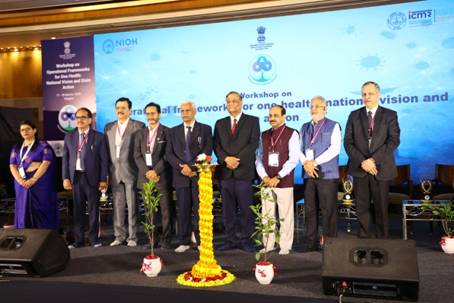
New Delhi/Nagpur, March 19: A two-day national workshop on “Operational Frameworks for One Health: National Vision and State Action” was held in Nagpur to strengthen coordination across sectors for improved disease surveillance and pandemic preparedness.

The workshop was organised by the National Institute of One Health (NIOH), Nagpur, under the Department of Health Research, in collaboration with the ICMR-Regional Medical Research Centre, Bhubaneswar.

National Workshop on One Health in Nagpur Focuses on Pandemic Preparedness, Coordination


The event aimed to translate the National One Health Mission into actionable strategies at the state and local levels, with a focus on integrating human, animal, and environmental health systems.

Delivering the keynote address, Principal Scientific Advisor Ajay Sood stressed the need for integrated and interoperable surveillance systems.

He said early warning mechanisms depend on seamless data sharing across human health, veterinary, wildlife, and environmental sectors, adding that states like Maharashtra could serve as models for structured implementation of the One Health approach.

Department of Health Research Secretary Rajiv Bahl highlighted the importance of inter-sectoral coordination in tackling zoonotic diseases and strengthening national health security.

He said the One Health Mission reflects a whole-of-government approach, given the complex interactions between humans, animals, and ecosystems that can lead to emerging health threats. He also emphasised the need to strengthen outbreak response mechanisms at the state and district levels.

The workshop included technical sessions and panel discussions on operationalising the One Health framework, with a focus on zoonotic diseases and spillover risks.

Discussions on the second day centred on biothreat preparedness, development of medical countermeasures, and investigation of wildlife-related outbreaks.

The inaugural session was attended by senior officials and experts from health, veterinary, and research institutions, including representatives from AIIMS Nagpur, NCDC, and Maharashtra Animal and Fishery Sciences University.

The workshop forms part of ongoing efforts to strengthen India’s preparedness against emerging and re-emerging diseases through coordinated policy and scientific action.

Kerala Scales Up Ayush Network with Rs.285 Crore Funding and 700 Wellness Centres

Kerala Scales Up Ayush Network with Rs.285 Crore Funding and 700 Wellness Centres

Kerala is expanding its Ayush healthcare ecosystem with central assistance of over ₹285 crore in the last four years, alongside the operationalisation of 700 Ayush wellness centres, strengthening its position as a key hub for traditional medicine and wellness services.

Data presented in Parliament shows that funding under the National Ayush Mission (NAM) to Kerala has risen steadily, peaking at ₹110.37 crore in 2024–25, before moderating to ₹51.38 crore in 2025–26. The total allocation between 2022–23 and 2025–26 stands at ₹285.65 crore.

Expanding Wellness Infrastructure

A major component of the expansion is the upgrade of 700 dispensaries into Ayushman Arogya Mandirs. All centres are now operational, delivering integrated healthcare services that include Ayurveda, Yoga, and other Ayush systems.

This large-scale rollout strengthens Kerala’s already established reputation in Ayurveda and wellness tourism, while also expanding access to preventive and primary healthcare at the community level.

Healthcare Meets Wellness Economy

Kerala’s push comes at a time when demand for alternative medicine and preventive healthcare is rising, both domestically and globally. The state is well-positioned to leverage this trend, given its strong base in Ayurveda, trained practitioners, and established wellness infrastructure.

The integration of Ayush services into public healthcare through these centres also signals a shift toward cost-effective, preventive care models, which can reduce long-term healthcare expenditure.

Boost to Medical Value Travel

The promotion of Medical Value Travel (MVT) is emerging as a key economic driver. The Ministry of Ayush recently held a South Zone MVT Summit in Chennai, with participation from Kerala and other southern states, aimed at positioning India as a global destination for traditional medicine and wellness therapies.

Kerala, in particular, stands to benefit due to its global brand recognition in Ayurveda-based treatments and wellness retreats.

Policy and Funding Trends

While public health remains a state subject, central funding through NAM continues to play a catalytic role in infrastructure development and capacity expansion. The funding pattern indicates both strong central support and the state’s active participation through State Annual Action Plans.

Opportunities and Challenges

The expansion opens up opportunities across multiple segments, including wellness tourism, herbal product markets, training institutions, and tele-health services.

However, scaling up services while maintaining quality, standardisation, and global credibility will be critical, especially as Kerala targets international patients under medical value travel initiatives.

Outlook

With a combination of public investment, infrastructure expansion, and global demand for wellness services, Kerala is positioning itself at the intersection of healthcare and tourism.

If supported by quality assurance and international outreach, the state’s Ayush ecosystem could evolve into a significant contributor to both public health outcomes and the regional economy.

Ayush Services Expand in Rural Odisha with Focus on Outreach, Training and Tele-Consultation

Ayush Services Expand in Rural Odisha with Focus on Outreach, Training and Tele-Consultation


Ayush healthcare services are witnessing steady expansion in rural and tribal areas of Odisha, supported by increased deployment of doctors, outreach programmes, and digital health initiatives, according to official data presented in Parliament.

The state currently has 584 Ayurvedic Medical Officers, 525 Homoeopathic Medical Officers, and 2 Unani Medical Officers posted across government dispensaries, strengthening primary healthcare delivery in underserved regions.

Strengthening Rural Healthcare Delivery

The expansion reflects a broader push to integrate traditional systems of medicine into public healthcare, particularly in areas where access to conventional medical infrastructure remains limited.

Public health being a state subject, Odisha has taken the lead in scaling awareness, training, and service delivery. At the same time, central support under the National Ayush Mission (NAM) is enabling infrastructure development, capacity building, and outreach programmes.

Investment in Training and Capacity Building

The state has rolled out induction and refresher training programmes for Ayush practitioners, including those serving as Community Health Officers at 422 Ayushman Arogya Mandir centres.

This focus on workforce development is critical for standardising care quality and expanding the role of Ayush practitioners in preventive and primary healthcare services.

Expanding Outreach and Preventive Care

Odisha has increased awareness through large-scale health campaigns and camps, including integrated Ayush camps, geriatric care initiatives, and screening programmes for musculoskeletal disorders.

These efforts are aligned with a preventive healthcare model, which is gaining policy traction as a cost-effective way to manage long-term health burdens, particularly in ageing populations.

Digital Push with Tele-AYUSH

A notable development is the rollout of tele-consultation services under the e-Sanjeevani platform. The model connects 50 Ayushman Arogya Mandir centres as spokes with major institutions such as Dr. Abhin Chandra Homoeopathic Medical College in Bhubaneswar and Gopabandhu Ayurveda Mahavidyalaya in Puri acting as hubs.

This hub-and-spoke approach is expected to improve access to specialist consultations in remote areas while reducing the need for physical travel.

Emerging Healthcare Ecosystem

The state’s network of 422 Ayushman Arogya Mandirs is playing a central role in delivering holistic healthcare services, including preventive, promotive, curative, and rehabilitative care. Activities such as yoga sessions, medicinal plant distribution, and health awareness campaigns are also being integrated into service delivery.

Policy and Market Implications

The expansion of Ayush services reflects growing institutional support for alternative medicine systems within India’s healthcare framework. For the broader healthcare ecosystem, this could open opportunities in areas such as herbal medicine, wellness services, tele-health platforms, and training infrastructure.

Outlook

As demand for affordable and preventive healthcare rises, Odisha’s model of integrating Ayush services with digital platforms and community outreach could serve as a template for other states.

The long-term impact will depend on service quality, patient trust, and the ability to scale infrastructure while maintaining standards.

5 Healthcare Roles Which Offer Women High Growth

By Dr Nipun Sharma, CEO, TeamLease Degree Apprenticeship 
 

India’s healthcare sector is evolving rapidly with the expansion of digital health, diagnostics, clinical research, and telemedicine. Alongside doctors and nurses, a range of emerging roles are supporting healthcare delivery through data, technology, and operational coordination. These roles are creating new career opportunities that combine healthcare knowledge with practical, industry-relevant skills.

Apprenticeship-led training is increasingly helping women access these opportunities by providing structured, hands-on exposure within hospitals, research centres, and health-tech platforms.

1. Clinical Trial Support Associate

Clinical trial support associates assist research teams in managing the operational aspects of clinical trials conducted by hospitals, research centres, and pharmaceutical companies. They help coordinate patient visits, maintain trial documentation, track study schedules, and support investigators with data recording.

Core skill requirements: clinical documentation, coordination skills, patient communication, basic understanding of research protocols, and record management.

How this role supports women’s career growth:
This role provides an entry point into India’s expanding clinical research ecosystem. With hands-on industry exposure, professionals can gradually move into specialised roles in clinical operations, research management, or regulatory coordination.

2. Healthcare Data Analyst

With the rapid digitisation of healthcare systems, hospitals and health-tech platforms are generating vast volumes of clinical and operational data. Healthcare data analysts interpret this information to improve patient outcomes, optimize hospital operations, and support medical research.

Core skill requirements: data analysis tools, healthcare informatics, electronic health records (EHR), statistical interpretation, and reporting.

How this role supports women’s career growth:
This role bridges healthcare and technology, allowing women to build careers in health analytics, population health management, and digital health strategy. Apprenticeships help build practical experience in handling real-world healthcare datasets.

3. Health Information Management Associate

Health information management associates help organise and manage digital patient records across hospital information systems and electronic health record platforms. They ensure accurate record maintenance, assist with data entry, and support hospital teams in maintaining compliant and organised patient data systems.

Core skill requirements: health record systems, data entry accuracy, medical terminology familiarity, digital documentation, and compliance awareness.

How this role supports women’s career growth:
As hospitals increasingly adopt digital health systems, roles in health information management are becoming critical. Professionals in this field can grow into healthcare data management, hospital administration, and digital health operations roles.

4. Telehealth Coordinator

Telemedicine has become an essential component of modern healthcare delivery, especially in improving access across semi-urban and rural regions. Telehealth coordinators manage virtual consultations, patient scheduling, digital records, and coordination between patients and doctors.

Core skill requirements: digital health platforms, patient communication, scheduling systems, telemedicine protocols, and basic healthcare administration.

How this role supports women’s career growth:
Telehealth roles provide flexible career opportunities, particularly suited for women seeking technology-enabled healthcare careers. As telemedicine adoption grows, professionals can advance into telehealth program management, digital health operations, or patient engagement leadership roles.

5. Diagnostic Imaging Support Technician

Diagnostic imaging support technicians assist radiology departments in managing routine imaging workflows such as X-rays, ultrasounds, and other diagnostic scans. They help prepare patients for scans, manage appointment schedules, maintain imaging records, and support technicians in handling basic equipment preparation.

Core skill requirements: patient coordination, basic understanding of imaging procedures, record management, equipment handling support, and hospital workflow familiarity.

How this role supports women’s career growth:
With diagnostic imaging becoming a core component of modern healthcare, support roles in radiology departments are expanding across hospitals and diagnostic centres. Apprenticeships in this field provide practical exposure to diagnostic operations and can help professionals move into specialised imaging support, diagnostic centre management, or healthcare operations roles.

Conclusion:

As healthcare becomes more technology-driven and data-oriented, several specialised support roles are emerging with strong career potential. Increasing women’s participation in these roles will be key to strengthening India’s healthcare workforce.

Apprenticeships can play a critical role by providing practical skills, industry exposure, and clear career pathways for women entering this rapidly evolving sector.

Centre Approves 203 Integrated Ayush Hospitals and 383 Dispensaries Under National Ayush Mission

New Delhi, March 17: The Government of India has approved the establishment of 203 Integrated Ayush Hospitals (IAHs) and 383 new Ayush dispensaries across various states and Union Territories under the National Ayush Mission (NAM) to strengthen traditional healthcare infrastructure in the country.

Launched in 2014–15, the centrally sponsored scheme is being implemented through state and Union Territory governments with the aim of promoting and developing Ayush systems of medicine, including Ayurveda, Yoga, Naturopathy, Unani, Siddha, and Homoeopathy. The mission provides financial assistance for setting up 50-, 30-, and 10-bedded Integrated Ayush Hospitals, along with Ayush dispensaries based on proposals submitted by states through their State Annual Action Plans (SAAPs).

According to the Ministry of Ayush, the approvals have been granted to expand access to traditional healthcare services in different parts of the country. The projects are part of the Centre’s broader efforts to integrate Ayush systems into the public health framework and improve healthcare delivery, particularly in underserved regions.

Among the states, Rajasthan has received the highest number of approvals for Integrated Ayush Hospitals with 33 units, followed by Uttar Pradesh with 25, Maharashtra with 14, and Madhya Pradesh with 13 hospitals. Other states such as Kerala, Chhattisgarh, and Manipur have also been sanctioned multiple facilities to strengthen Ayush-based healthcare infrastructure.

Several northeastern states have also received approvals under the scheme, including Arunachal Pradesh, Assam, Manipur, Meghalaya, Mizoram, and Nagaland, reflecting the government’s focus on expanding traditional medicine services in the region. Union Territories such as Andaman & Nicobar Islands, Chandigarh, Lakshadweep, and Puducherry have also been included in the plan.

In addition to hospitals, 383 new Ayush dispensaries have been approved nationwide. Uttar Pradesh accounts for the largest share with 250 dispensaries, followed by Assam with 100 units. Other states including Jammu & Kashmir, Manipur, Meghalaya, Tamil Nadu, and Maharashtra have also been allotted dispensaries under the programme.

To support the implementation of these initiatives, the Centre has released ₹424.24 crore as grant-in-aid to states and Union Territories during the current financial year as part of the central share under the mission. The funds are intended for carrying out approved activities under the respective State Annual Action Plans.

The information was shared by **Prataprao Jadhav, Minister of State (Independent Charge) for the Ministry of Ayush, in a written reply to a question in the Lok Sabha on March 13, 2026.

The expansion of Ayush hospitals and dispensaries is expected to enhance access to traditional healthcare services and strengthen the integration of Ayush systems within India’s broader public health network.