Fortis Healthcare: Expanding Horizons in Mental Wellness

Fortis Healthcare

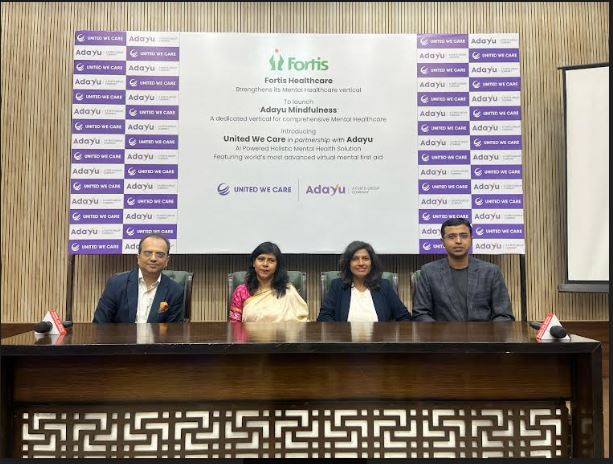
New Delhi, 30th April 2024: Fortis Healthcare today achieved a significant milestone in India’s mental healthcare landscape with the launch of ‘Adayu Mindfulness’, a dedicated vertical for comprehensive Mental Healthcare along with an exclusive collaboration of United We Care and Adayu – AI-Powered Holistic Mental Health Solution with World’s most Advanced Virtual Psychological First Aid. This collaboration will leverage the power of artificial intelligence to enhance mental well-being and accessibility of care for individuals everywhere, powering it further by Adayu’s trained team of mental health experts to provide holistic care. This visionary initiative reaffirms Fortis Healthcare’s commitment to transformative healthcare solutions and underscores its role as a trailblazer in revolutionizing mental healthcare services across India.

Dr. Ashutosh Raghuvanshi, MD & CEO, of Fortis Healthcare, said “Fortis Healthcare is uniquely committed to integrating mental health into mainstream healthcare, a vision we have been cultivating for over a decade. Today, we take a significant step forward with the launch of our dedicated mental health vertical, ‘Adayu Mindfulness’. This new initiative not only emphasises our commitment to addressing the pervasive challenge of mental health but also showcases our innovative approach by integrating AI technology through our partnership with ‘United We Care’. This collaboration is set to transform the accessibility of mental health services, making comprehensive care available at the touch of a button. This is more than an advancement in healthcare technology; it is a movement towards destigmatizing mental health issues and enhancing the availability of care for those in need across India. Through such pioneering efforts, we continue to lead the way in transforming healthcare delivery and improving patient outcomes.”

Doctor from Narayana Health City Saves Life at Bengaluru Polling Station

Bengaluru, 29th April 2024 – In a remarkable blend of medical expertise and swift action, Dr. Ganesh Srinivasa Prasad, a Nephrologist at Narayana Health City, Bommasandra, emerged as a ‘life saver’ when he saved the life of a woman who suffered a cardiac arrest while waiting to vote.

Dr. Ganesh Srinivasa Prasad

The incident unfolded at Jumbo Savari Dinne in JP Nagar 8th Phase, as voters gathered to exercise their democratic rights. Dr. Prasad, patiently waiting his turn to vote, witnessed a woman in her fifties collapse while attempting to drink water from a can near the queue of voters around 9 am.

Reacting instantly, Dr. Prasad and another individual in the queue sprang into action, catching the woman before she hit the ground.

Dr. Prasad recounted the critical moment: “I checked her pulse and found it was very low. There was an uprolling of eyes. Her body did not show any response and she was gasping for breath. I immediately performed CPR (Cardiopulmonary Resuscitation) and her condition improved.”

The quick and effective administration of CPR proved instrumental in stabilizing the woman’s condition until further medical assistance could be arranged. Those on election duty promptly provided her with juice, while an ambulance was summoned, arriving within a mere five minutes.

The woman was swiftly transported to the hospital, where she received the necessary medical attention.

Reflecting on the incident, Dr. Prasad emphasized the importance of timely intervention, stating, “We might have even lost her if there had been a delay. As a group, we are dedicated to taking care of our patients throughout their healthcare journey. I am thankful for the opportunity to have played a role in saving the patient’s life through prompt and effective first aid. Our commitment to delivering exceptional medical care extends beyond the hospital walls, and I am proud of our collective efforts in ensuring the well-being of those we serve.”

While the woman unfortunately missed the opportunity to cast her vote, her life was saved thanks to the dedication and expertise of Dr. Prasad of Narayana Health City.

This incident serves as a poignant reminder of the critical role that CPR plays in emergencies, underscoring the importance of widespread knowledge and accessibility to life-saving techniques.

Narayana Health City reaffirms its commitment to providing exceptional medical care and commends Dr. Prasad for his exemplary actions in the face of adversity.

Experts Advocate One Health for Preventive Approach at 9th IHW Summit

One Health is the Need of the hour

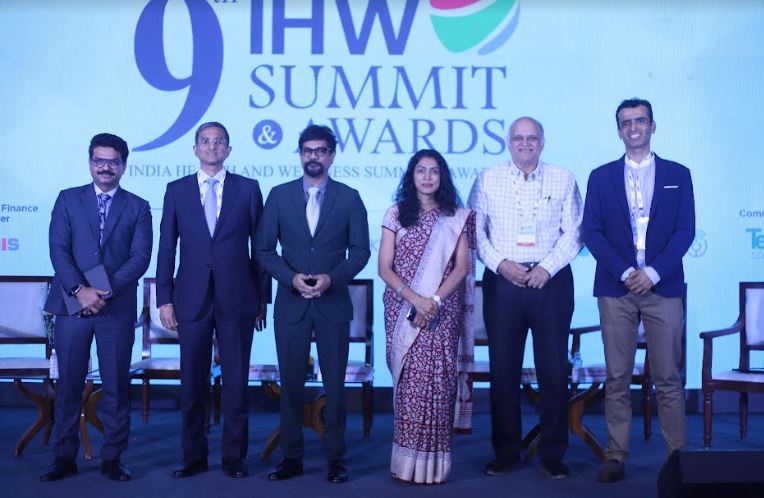
Mumbai, 29th April 2024: Public Health experts at the 9th Edition of India Health & Wellness Summit & Awards concluded that the “One Health Approach” is a much-needed step towards preventive health and can pave the way for healthier societies as well as better and safer environments.

The 9th edition of the India Health and Wellness Summit and Awards unfolded in a splendid ceremony in Mumbai, drawing together a diverse array of stakeholders and public health experts. Their collective focus was on crafting comprehensive and well-coordinated strategies, aimed at advancing the fundamental goal of securing good health for the people and the planet.

While taking part in the discussion, the Guest of Honour – Mr Nawin Sona IAS, Health Secretary-Public Health Department, Government of Maharashtra congratulated the IHW Council for spearheading the endeavor “Platforms like the IHW Summit break the silos and bring everyone together thus initiating interconnectedness action for the good health of all”. He further noted that “the One Health approach is pivotal to bridge the gap between preventive health and awareness, it is only through a comprehensive approach that we can work towards addressing the problems of modern-day living and go back to traditional and healthier ways of living.”

The summit saw fruitful discussions on critical health topics like sustainable food security & nutrition, patient centricity in healthcare delivery, personalized health solutions and the digital age, equitable access to safe and quality medicines, and the impact of social and environmental determinants on overall well-being.

Mr Sudarshan Jain, Secretary General, Indian Pharmaceutical Alliance while discussing about the aspect of adult immunization remarked that equitable access to vaccine goes beyond accessibility and creating awareness on the preventive aspect of life course vaccination is imperative, in this regard.

Each session was attended by an array of experts who discussed the importance of digitalization in making healthcare accessible, the relationship between gut health and mental health and also pointed out the significance of patient-centric interventions that are revolutionizing preventive health.

Mr. Akshay Mehrotra Co-Founder & CEO FIBE while discussing about enabling financial solutions for health equity observed “The healthcare sector holds profound sentimental significance for us, embodying a commitment to enhancing value for our esteemed customers and the patients within the hospital. Through strategic partnerships, our alliance aims to reinforce our dedication to establishing affordability for exceptional medical treatments, alleviating the financial burden of patients. “

Since its inception in 2014, the IHW Summit has emerged as a pivotal platform for healthcare luminaries, policymakers, industry experts, and community influencers to converge, exchange insights, and co-create solutions aimed at addressing the nation’s pressing health challenges. With a steadfast commitment to fostering dialogue and collaboration, the Summit endeavors to catalyze a paradigm shift in India’s approach to health and wellbeing, laying the groundwork for sustainable progress and advancement.

Year after year, the IHW Summit has garnered widespread acclaim for its role in driving innovation, advocating for policy reforms, and championing best practices in health and wellness. As a testimony to its growing influence, the Summit has become synonymous with excellence in healthcare, attracting millions of followers, key stakeholders, and grassroots communities alike.

Speaking on the occasion Mr Kamal Narayan, CEO, Integrated Health & Wellbeing Council said, “The IHW Summit, is a testament to our unwavering commitment to shaping the future of health and wellness in India. In these unprecedented times, the need for collaboration and innovation in healthcare has never been greater. We look forward to welcoming participants from across the healthcare ecosystem as we work together to drive meaningful change and create a healthier, more equitable future for all.”

FIBE was the Healthcare Finance Partner for the event, Zenzo, FlexifyME, and Wolters Kluwer were Associate Partners and Peakmind was the Mental Health & Wellbeing Partner for the event. Disha was the Session Partner and Teamwork Communications Group was the Communication Partner for the event.

Management of Mitral, Tricuspid Valve Disease, CABG and ASD closure in a 73-Year-Old Female Patient

In India, heart-related issues among men are increasing day by day but the Mumbai Hospital came across a very interesting case where an old lady presented with Mitral and Tricuspid Valve Disease. In 1982, she underwent her first heart surgery to address a mitral valve issue. This marked the beginning of her journey with cardiac health management. Subsequent to this, in 1998 and 2016, she underwent two more balloon mitral valvotomy procedures, indicating ongoing challenges with her heart valves. Unfortunately, 2016 also brought with it a diagnosis of breast cancer, leading to a rigorous treatment regimen that included mastectomy and radiotherapy. Despite the challenges posed by both cardiac and oncological issues, the patient completed her entire course of cancer treatment with resilience and determination.

Fast forward to January 2024, at the age of 73yrs, the patient approached Dr Gulshan Rohra, a Senior Cardiac surgeon at Wockhardt Hospital, Mumbai Central. She was experiencing symptoms indicative of mitral stenosis and tricuspid valve malfunction. Concerned about her cardiac health, Dr Rohra recommended a comprehensive plan of action, which included replacing the malfunctioning mitral valve and repairing the tricuspid valve. However, before proceeding with the planned valve interventions, a thorough angiographic evaluation was conducted to assess the condition of her heart arteries.

To the medical team’s concern, the angiography revealed significant blockages in the patient’s coronary arteries, indicating underlying coronary artery disease. In addition to these concerns, patient also had small airway disease (on lung function test). Recognizing the importance of addressing these blockages to ensure optimal cardiac function and long-term well-being, the decision was made to include coronary artery bypass grafting (CABG) alongside the planned valve replacement and repair procedures.

The surgical intervention, which occurred under the careful supervision of Dr Gulshan Rohra and his team, aimed to address the entirety of the patient’s cardiovascular issues. During the surgery, Dr Rohra also found multiple atrial septal defects. The following procedures were performed during the open heart surgery.

1) Mitral valve replacement

2) Tricuspid valve assessment (Repair not needed)

3) Bypass surgery

4) ASD closure

Postoperatively, the patient received attentive care in the intensive care unit, where her cardiac parameters were closely monitored, and measures were taken to optimize her recovery and prevent complications.

Following her successful surgery and initial recovery period, the patient transitioned to a phase of ongoing cardiac rehabilitation and long-term management. Regular follow-up appointments were scheduled to monitor her progress, assess the functionality of the replaced and repaired valves, and ensure that her cardiac health remained stable in the years to come.

“Addressing complex cardiac issues requires a comprehensive approach, taking into account not only the primary valve pathology but also associated conditions such as coronary artery disease. In cases like these, a multidisciplinary team is crucial to ensure optimal outcomes and long-term success. Our aim is not just to treat the immediate problem but to provide holistic care that enhances the patient’s overall cardiac health and quality of life.” – Dr. Gulshan Rohra, Cardiac Surgeon at Wockhardt Hospitals Mumbai Central

The patient’s journey underscores the complexities often associated with managing multiple cardiac issues in conjunction with other medical conditions. Through a combination of advanced medical interventions, diligent postoperative care, and ongoing support, she continues to navigate her cardiac health journey with resilience and hope for a brighter and healthier future.

Malaria can be prevented through awareness, testing, and timely treatment

Dr. Dinesh Kumar Tyagi

In commemoration of World Malaria Day, Dr. Dinesh Kumar Tyagi, Additional Director of Internal Medicine at Fortis Hospital, emphasizes the critical role of awareness, testing, and timely treatment in the prevention of malaria. 16 types of complications can occur from malaria. Therefore, malaria should never be taken lightly.

Dr. Dinesh says that malaria is a vector-borne disease, which is spread by protozoan parasites. This disease is caused by the bite of female Anopheles mosquitoes which are frequently born in contaminated water during the summer and rainy seasons. As a result of its bite, the patient may experience headaches, joint pain, and extremely high fevers or chills; however, in certain cases, the patient may have malaria even if they have a mild fever. Frequently, individuals can show up with symptoms resembling jaundice or epilepsy, termed as cerebral malaria. Apart from this, sometimes complications can escalate, leading to breathing and kidney problems

‘We should never underestimate Malaria. There is another special variety in this, Plasmodium Falciparum, which is found here in Dadri region. This can be fatal and sometimes the patient may die within 24 hours. Apart from this, the cases of malaria that are commonly seen are spread through the protozoan parasite of Plasmodium viruses, Dr. Dinesh.

Early diagnosis and prompt treatment are imperative. Dr. Dinesh says that for diagnosing malaria, we first conduct a blood test, in which we demonstrate malaria parasites or detect malaria parasites from the patient’s body through cartridges. After that, malaria medications are provided, and treatment is done based on symptoms. Timely intervention significantly improves patient outcomes, underscoring the importance of proactive healthcare measures.

Dr. Dinesh emphasizes prevention as the foremost strategy, providing practical advice:

1- Install nets on windows and doors to prevent mosquito entry.

2-Use mosquito net while sleeping.

3-Wear full-sleeved clothes.

4-Use mosquito repellents and insecticides.

5-Do not allow water to accumulate around the house, spray medicines in stagnant water so that mosquitoes do not breed.

Proteins show promise in reducing risks of further heart damage

26th April 2024 : A groundbreaking study done by the Newcastle University team discovered a correlation between a decrease in infarct size after three months and the concentrations of TGFβ1, a significant anti-inflammatory protein, in the blood of STEMI patients 24 hours after reperfusion. To explore this further, they tested the protective effects of TGFβ1, a protein known to be secreted in the body in response to tissue injury, and its imitation, HpTGM, using a well-established mouse model of a heart attack.

Two proteins have been found to lessen scarring and the inflammatory response in the damaged heart because of studies on the preventive benefits of two anti-inflammatory molecules after a heart attack.

Two anti-inflammatory molecules that have been identified to be helpful in therapy are Heligmosomoidespolygyrus TGM (HpTGM) and Transforming Growth Factor-beta1 (TGFβ1). When patients with acute heart attacks (also known as STEMIs) receive prompt reopening of the blocked coronary artery (coronary reperfusion) in specialized healthcare facilities, their chances of survival increase significantly. But even with significant advancements in medicine, the development of heart failure remains a significant clinical issue.

Professor Helen Arthur, Professor of Cardiovascular Biology at Newcastle University, said, “Coronary reperfusion after STEMI is standard therapy to salvage ischemic heart muscle. However, evidence suggests that the subsequent inflammatory response that the body initiates to repair the damaged heart tissue can also cause further loss of viable heart muscle and the more muscle that is lost the greater the risk of subsequent progression to heart failure. The reason for this study was to investigate the potential protective effects of TGFβ1 as a possible intervention to minimize this additional damage to the heart beyond the ischemic damage caused by the heart attack itself.”

The investigators were surprised

The protein, generated by a parasitic worm, aids in evading the immune system, allowing the worm to survive within the gut’s tissue lining. Introducing either of these naturally occurring anti-inflammatory proteins into the bloodstream decreased harmful inflammation in the heart and notably reduced heart damage, as indicated by smaller scar formation.

The researchers were surprised to observe similar positive effects from both TGFβ1 and HpTGM treatments, despite their evolutionary differences. Both molecules interacted with cells comparably, activating the same signaling pathway. Administering the anti-inflammatory treatment at the time of reperfusion, a clinically relevant intervention period in humans, yielded beneficial results.

The protective impact of these molecules on endothelial cells, which line blood vessels and regulate the movement of pro-inflammatory white blood cells from circulation into injured tissue, likely contributed to the favorable outcomes.

While TGFβ1 is known for its anti-inflammatory properties, HpTGM mimics parasites and holds promising clinical potential. Recent research at the University of Glasgow’s Maizels lab has demonstrated that delivering HpTGM significantly reduces inflammation in mouse models of colitis or airway inflammation, leveraging a product evolved by parasites to suppress immune responses.

Prof Helen Arthur added, “The current study shows that exogenous delivery of HpTGM at the time of coronary artery reperfusion dampens the proinflammatory response of coronary endothelial cells and reduces cardiac injury, leading to increased myocardial salvage and reduced scar size, with the corollary of improved prospects for long-term cardiac function. The use of HpTGM as an anti-inflammatory therapy in treating heart attack patients is an exciting prospect that requires further translational studies.”

Why Menstrual Education is Important in Rural areas

SubsahashDr. Subash Gupta, Chairman of Red Cross Society, Ghaziabad

India is leading the global social revolution but it still lacks in terms of menstrual education and hygiene in rural areas. According to a report by Times of India, Only 42% of women in rural areas use hygienic products during their periods, and the remaining women are still unaware of proper hygienic methods; instead of using sanitary napkins, they wear clothing that can have infections or PCOD, as they lack knowledge about it. Due to this many young girls and women of rural areas suffer from the disease and they face various problems. Menstrual education is crucial for girls, women, and the people of rural areas.

Adolescent girls’ menstrual practices in rural India are negatively impacted by cultural standards and taboos. Menstruation gets mixed up with myths and misunderstandings, despite being a normal important part of female reproductive health. In rural areas, cultural and religious beliefs commonly view menstruation as impure, horrible, and even unclean to society. Due to these myths, menstruation is associated with a matter of shame. These superstitions can result in limitations on women’s period-related activities, which may negatively impact their independence, enjoyment of everyday life, and happiness in general daily routine work.

These beliefs can result in unfavorable attitudes and behaviors that negatively affect the health of women and girls. People have some myths that women who are menstruating should not touch any food item otherwise it will get spoiled or they should also not water the plants as well during that time. The families who believe in these kinds of myths end up not letting women enter the kitchen as well. Some people also connect it to religious activities and consider the women impure, and don’t let them take part in religious activities, saying that it produces negative energy around the temple and religious place.

Menstrual education is necessary for breaking the taboo and correcting misunderstandings about menstruation. Menstruation is viewed as unclean or horrible in many rural societies, which makes females feel embarrassed and low on confidence. Menstrual education helps normalize menstruation and build a feeling of pride and confidence in young girls by reducing myths and providing correct knowledge about the menstrual cycle and its biological importance.

According to a survey done by the government of India, 71% of teenage girls in India don’t know about menstruation until they go through it themselves, which indicates that parents don’t usually prepare their daughters for this normal process. Young girls in rural areas face unique challenges as they lack awareness and various factors including limited access to sanitary products, lack of proper hygiene facilities, and cultural taboos surrounding menstruation. In the beginning, getting sanitary pads and other menstrual hygiene products may be limited in rural areas due to financial limitations.

Girls are forced to wear unpleasant and unclean alternatives like scraps or outdated garments since many households cannot afford these things daily. Also, the challenges the young girl faces in the rural areas during menstruation get worse because of poor sanitary facilities in rural locations. Girls find it difficult to peacefully and hygienically manage their periods when there aren’t clean, private restrooms available, which frequently causes discomfort and shame. The lack of open communication between parents and children can lead to misinformation and fear of getting judged by parents can harm girls’ health.

Poor practices related to menstruation hygiene may result in infections of the reproductive system, fungus, and urinary tract. Girls need to be well-educated about security measures and cleanliness to avoid health issues. Due to discomfort, and lack of facilities, or a fear of shame, some girls avoid school when they are menstruating. It may also impact their academic performance since it is related to higher-level studies. Girls who are menstruating may experience bullying, humiliation, or rejection from social events. A lack of awareness and stereotypes are two factors that add to the shame attached to menstruation.

The Government of India is also running many campaigns for girls in rural areas to promote awareness and educate people about menstruation. These campaigns include:

  •  National Menstruation Hygiene Policy 2023: The policy states that the menstrual cycle is a normal physiological function for all individuals who menstruate, including girls and women of reproductive age. Its main goals include providing clean and respectable menstrual hygiene facilities, encouraging education and knowledge on period hygiene, promoting quality standards, and guaranteeing access to inexpensive and safe menstrual hygiene products.
  •  Menstrual Hygiene Scheme (MHS): Introduced in 2011 under the National Health Mission (NHM), this program aims to encourage females between the ages of 10 and 19 to practice good menstrual hygiene, reduce menstruation-related taboos, increase access to sanitary pads, and increase knowledge.
  •  Rashtriya Kishor Swasthya Karyakram (RKSK): Introduced in 2014 to educate teenage girls about menstruation and improve their access to sanitary pads. Thorough education and empowerment on menstrual health are included in the curriculum.
  •  Jan Aushadhi Suvidha Sanitary Napkin: Started in 2018, this program provides women throughout the nation with access to affordable sanitary napkins to guarantee access to sanitary and safe menstruation products.

Its goal is to guarantee women’s access to sanitary and safe menstruation products.

Other Initiatives by Non-Government Organizations (NGOs)- Several NGOs and social workers are actively trying to erase the stigmas associated with menstruation and offer long-term solutions. Dr. Subhash Gupta who is a passionate social worker has done so many things related to menstruation. He has gone to the rural areas of Ghaziabad and the government schools done the awareness campaign and has also distributed sanitary napkins to the women and the girls. He has also established vending machines for sanitary napkins in government schools. He visits the schools and the villages of different areas to educate the girls there about menstruation.

It is important to remove the shame related to menstruation health to advance gender equality, provide healthcare access, and cultivate a more accepting community. Menstruation-related taboos remain in place for centuries due to social, religious, and cultural norms. These taboos result in prejudice, judgment, and limits to resources and knowledge. Several ways may be used to overcome these barriers and promote menstrual wellness.
Correcting myths and breaking taboos both depend on education. From an early age, complete information on menstrual health should be included in the school curriculum. Young people can have a positive outlook on menstruation and gain the confidence to properly manage their menstrual health by receiving correct knowledge on menstruation, its biological processes, and hygiene habits.

Menstruation taboos must be addressed, and community-based efforts are necessary for this. Talking about menstruation with elders, religious leaders, and community leaders can help change social standards and promote acceptance and understanding. To help challenge myths and misconceptions, community seminars, talks, and awareness campaigns can offer platforms for open discussion and information exchange.

Menstrual taboos can also be challenged through the use of media and communication channels. Ads, radio shows, social media campaigns, and television shows may all be utilized to promote good images of people who are menstrual and normalize discussions about menstruation. The media may have a significant impact on shifting cultural attitudes and views by showcasing a variety of experiences and points of view.

For several reasons, menstrual education is important to boys and men. First of all, knowledge about menstruation promotes kindness and compassion for women and girls. Removing taboos and stigmas related to periods promotes participation and understanding. We create an atmosphere where males may help female friends, lovers, and family members with sensitivity and without feeling ashamed by teaching them about menstruation. The health literacy of boys and men depends on menstruation education. By being aware of menstruation, they may identify possible health problems, such as irregular bleeding or extreme menstrual pain, in their female friends and lovers and take the necessary action to seek medical attention.

Menstrual education also advances gender equality by removing assumptions and traditional gender roles. Boys’ education on menstruation as a normal part of life and not a cause for shame helps break down social norms that reduce women’s chances and maintain gender inequity. educating boys and men about menstruation may result in more inclusive policies and practices in public and workplace settings, ensuring that people who experience menstruation have access to the resources and assistance they need. encouraging respectful, educated, and gender-equitable communities requires including menstruation education in boys’ and men’s educational programs.

Promoting general health and removing misunderstandings about menstruation requires better menstrual health education. A comprehensive course of study should cover menstruation hygiene, the body, awareness of the cycle, and pain management. Talking about various menstruation products and how to use them helps people make decisions based on knowledge.

Addressing opinions and cultural stigmas related to menstruation promotes a supportive atmosphere and reduces feelings of shame or embarrassment. Being diverse is essential to ensuring that a variety of events, including those of transgender and non-binary people, are taken into account in education.

Learning about menstruation health may be made more interesting and understandable with the use of collaborative, suitable age-educational resources including workshops, films, and informational books. Through the normalization of discussions surrounding menstruation and the provision of correct information, we can help individuals confidently manage their menstrual health and lead better lives.

According to Dr. Subash Gupta, Chairman of Red Cross Society, Ghaziabad-

Education on menstruation is necessary for rural communities since it provides people with knowledge about the lack of awareness in people. In rural areas, where healthcare resources and accessibility are usually limited, knowledge about menstruation hygiene promotes equality, fairness, and respect. By encouraging self-care behaviors, breaking down stereotypes, and ensuring that people can safely and confidently manage their periods, we educate rural communities about menstruation. Menstrual education also becomes a good cause for positive social change by opening doors to more comprehensive conversations on human rights, gender equality, and reproductive health. It’s about empowering people, changing communities, and creating a future in which menstruation is no longer a barrier but rather a source of empowerment and understanding. It’s not just about periods.

Understanding Axillary Hyperhidrosis: Causes, Symptoms and Treatment Options

Dr. Ajay Rana

-Dr. Ajay Rana

Axillary hyperhidrosis, also known as excessive underarm sweating, is a condition characterized by uncontrollable and excessive sweating in the armpit area. While sweating is a natural bodily function that helps regulate body temperature, individuals with axillary hyperhidrosis experience sweating that exceeds the body’s normal requirements, often causing embarrassment and discomfort in social and professional settings. In this article, we will delve into the causes, symptoms, and treatment options for axillary hyperhidrosis.

Causes: The exact cause of axillary hyperhidrosis is not fully understood, but it is believed to result from overactivity of the sweat glands in the armpits. This overactivity can be triggered by various factors, including:

• Genetics: Axillary hyperhidrosis often runs in families, suggesting a genetic predisposition to the condition.

• Overactive Nervous System: The sympathetic nervous system controls sweating, and in individuals with hyperhidrosis, this system may be overactive, leading to excessive sweating.

• Medical Conditions: Certain medical conditions such as hyperthyroidism, obesity, diabetes, and menopause can contribute to excessive sweating.

• Medications: Some medications, including certain antidepressants and beta-blockers, may cause excessive sweating as a side effect.

Symptoms: The primary symptom of axillary hyperhidrosis is profuse sweating in the armpit area that occurs regardless of temperature or physical exertion. This excessive sweating can soak through clothing, leading to embarrassment and self-consciousness. Other symptoms may include:

• Persistent moisture or wetness in the underarm area
• Skin irritation, such as redness or chafing
• Foul odour due to bacteria interacting with sweat
• Social and emotional distress, including anxiety and low self-esteem

Treatment Options: Fortunately, several treatment options are available to help manage axillary hyperhidrosis and improve the quality of life for affected individuals. These may include:

Antiperspirants: Over-the-counter or prescription-strength antiperspirants containing aluminium chloride can help reduce sweating by blocking the sweat glands in the armpits. These are typically the first line of treatment for mild to moderate cases of axillary hyperhidrosis.
Iontophoresis: This non-invasive procedure involves passing a mild electrical current through water-soaked skin, temporarily blocking the sweat glands. It is often used to treat excessive sweating in the hands and feet but can also be effective for axillary hyperhidrosis.
Botox Injections: Botulinum toxin injections, commonly known as Botox, can temporarily block the nerves that stimulate sweating. When injected into the armpits, Botox can significantly reduce sweating for several months before requiring retreatment.
Oral Medications: In some cases, oral medications such as anticholinergics may be prescribed to help reduce sweating by blocking the chemical signals that stimulate the sweat glands. However, these medications may cause side effects and are not suitable for everyone.
Surgery: For severe cases of axillary hyperhidrosis that do not respond to other treatments, surgical options such as sympathectomy or sweat gland removal may be considered. These procedures are typically reserved for cases that significantly impact daily life and have failed to improve with conservative measures.

However, as per the guidelines of the FDA in the United States, the safest treatment for Axillary Hyperhidrosis is botulinum toxin (Botox) injections. This approach is considered safe and effective in managing excessive underarm sweating. Unlike other treatments such as oral medications or surgical interventions, Botox injections target the specific sweat glands in the armpits, minimizing the risk of systemic side effects. While oral medications may pose risks of adverse effects like dry mouth, blurred vision, or urinary retention, and surgery carries inherent risks such as infection or nerve damage, Botox injections have a well-established safety profile when administered by a qualified healthcare professional. Its localized action reduces the likelihood of systemic complications, making it a preferred option for individuals seeking a minimally invasive and safe solution for Axillary Hyperhidrosis.

Axillary hyperhidrosis can significantly impact the daily lives of those affected, causing discomfort, embarrassment, and social withdrawal. However, with proper diagnosis and treatment, individuals can effectively manage their symptoms and improve their quality of life. If you believe you may have axillary hyperhidrosis, it is essential to consult a healthcare professional for an accurate diagnosis and personalized treatment plan tailored to your needs. With the right approach, excessive sweating doesn’t have to control your life.

About the Author:

The author is an internationally renowned Dermatologist, Surgeon & Aesthetic Physician (www.drajayrana.in). Also, the Founder and Director of ILAMED & Dermalyn Aesthetics. He can be reached at drajayrana@ilamed.org

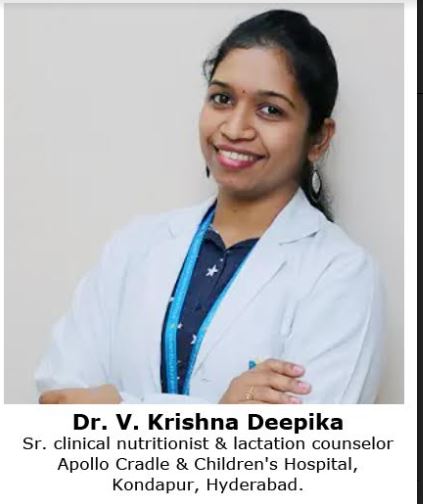
Summer Diet Tips for Healthy, Hydrated Moms-to-Be: Insights from Dr. V. Krishna Deepika, Apollo Cradle & Children’s Hospital

Dr. V. Krishna Deepika Sr.

By Dr. V. Krishna Deepika Sr. clinical nutritionist & lactation counselor Apollo Cradle & Children’s Hospital, Kondapur, Hyderabad.

Summer season is a wonderful time to eat a variety of fruits and vegetables. Here are a few diet tips by the nutritionist for expecting moms to add to their diet in this hot summer. To stay hydrated include 8-10 glasses of water. Apart from water add mint lemonade, fruit smoothies, jeera buttermilk, tender coconut water, and sugarcane juice to meet electrolytes and nutrients along with hydration.

Add leafy vegetables to your dals, soups, and parathas to meet iron, folic acid, and calcium. Include more vitamin C-rich fruits & vegetables like guava, oranges, mangoes, kiwi, capsicum, tomatoes, and lemon to absorb iron from your diet.

Avoid caffeine-rich foods like coffee which may obstruct the absorption of iron in your body. Summer season brings a lot of hydrating fruits and vegetables like watermelons, cucumbers, and water apples, ice apples which are rich in water, vitamins, nutrients, and fiber.

Milk and milk products like paneer, curd are good sources of calcium. Curd is a good source of probiotics to help for better digestion. Make your plate more colorful by adding salads, boiled vegetables, carrots, beet, and colored capsicum which are good sources of antioxidants that help to boost immunity.

Grab some healthy snack nuts like Greek yogurt with fruit, chia seeds pudding, hummus with carrot sticks, almonds, walnuts, sunflower, and pumpkin seeds to meet magnesium, zinc, B complex vitamins, and vitamin E. Salads like baby carrots, cucumber and boiled sweetcorn helps to provide enough fiber to avoid constipation.

Expecting mothers are advised to include complex carbohydrates like whole grains, oats, whole wheat, millets, and single-polish rice to reduce gestational diabetes and to avoid constipation. Stay away from acidity-causing fried, oily, greasy foods like pizzas, burgers, chips, and French fries. Limit eating spicy gravy curries, chilies, and sour foods to avoid acidity and gastric problems. One of the best healthy tip in summer is to reduce or avoid eating red meat, or organic meats.

Include more frequent small meals rather than eating large meals at a time. Method of cooking like boiling, steaming, steaming, pressure cooking, shallow frying, and sautéing helps to avoid adding additional fat to your diet. Healthy fats like walnuts, chia seeds, flaxseeds, almonds, fish, and olive oil give omega-3 3&6 fatty acids for a baby’s brain development.

Protein is the essential macronutrient required for baby growth and development, boiled eggs are a good source of protein and easy to prepare, and fish, lean chicken, paneer, and legumes are the best protein sources. Avoid stress eating, before you start eating something, just think once about your feeling bored, emotional, lonely, or anxious. This will help you to avoid eating junk and prevent overeating. Make sure that junk foods are not handy like sugar candies, ice-creams in the fridge, cool drinks, packed chips, and ready-to-eat foods.

Foods within your eyesight and premises may attract you and increase your cravings to eat junk even when you are not feeling hungry. Practice mindful eating and maintain a regular eating meal pattern like three big meals and small snacks in between. By following the above tips in your diet this summer, you can improve your health and baby’s health too. Stay hydrated and stay safe.

DocTube’s Initiative on World Liver Day: Experts Unite to Combat Fatty Liver Disease

Kolkata, 24th April 2024– As the world commemorates World Liver Day, DocTube, a leading platform for medical education and awareness, has spearheaded a groundbreaking initiative to address one of the most pressing health concerns of our time – non-alcoholic fatty liver disease (NAFLD). The initiative, which took place from April 19th to April 21st, consisted of over 200 videos covering various aspects of liver health, including dietary modifications, regular exercise, alcohol moderation, and the importance of routine health check-ups. Experts emphasized the significance of early detection, highlighting that symptoms often manifest when the liver is already significantly damaged.

With the theme “Be Vigilant, Get Regular Liver Check-Ups and Prevent Fatty Liver Diseases,” this year’s World Liver Day aims to underscore the critical importance of early detection and intervention in combating liver diseases effectively.

According to recent statistics, NAFLD has become a pervasive issue, affecting more than 25% of the global population and 9-32% of the general Indian population. To shed light on this alarming trend and empower individuals to prioritize their liver health, DocTube conducted a comprehensive series of interviews with over 30 esteemed doctors from across India. Renowned specialists such as Dr. K.S. Somashekhar, Dr. Vaibhav Somani, Dr. Mahesh Goyenka, Dr. Manish Bhatnagar, Dr. P. K. Sethi, and Dr. T. S. Chandrashekhar lent their expertise to demystify liver diseases and provide practical tips for prevention and management.

Dr. T. S. Chandrashekhar, an eminent gastroenterologist from Chennai, Tamil Nadu, warned, “By the time patients realize the symptoms, the liver is destroyed over 90%, as the early symptoms and signs may be missed.” This sobering reminder underscores the need for vigilance and proactive healthcare measures.

As we reflect on World Liver Day and its theme, let us reaffirm our commitment to prioritizing liver health. By embracing preventive strategies and seeking timely medical intervention, we can pave the way for a healthier tomorrow, free from the burden of liver diseases.