Ministry of Ayush Marks Unani Day 2026 with National Conference on “Innovation and Evidence in Unani Practice” in Mumbai

Mumbai, Feb 19: The Ministry of Ayush, Government of India, commemorated World Unani Day 2026 by organising a two-day National Conference on “Innovation and Evidence in Unani Practice” on February 14–15, 2026, in Mumbai. Held under the aegis of the Central Council for Research in Unani Medicine (CCRUM), the conference brought together policymakers, researchers, academicians, and industry stakeholders in a hybrid format.

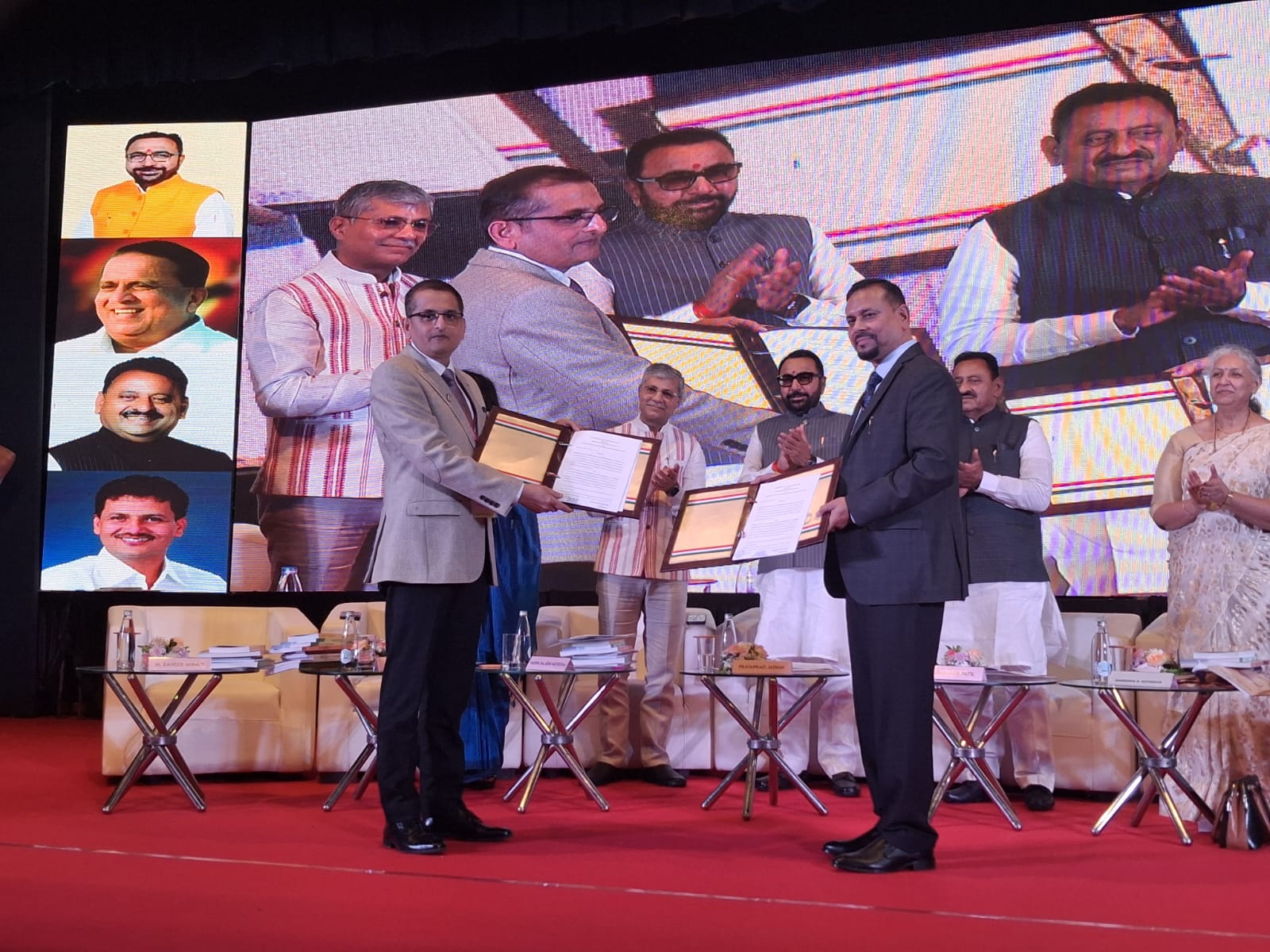
Shri Prataprao Jadhav, Hon’ble Minister of State (Independent Charge), Ministry of Ayush and Minister of State, Ministry of Health and Family Welfare, Government of India, graced the occasion as Chief Guest. Shri Babasaheb Mohanrao Patel, Minister of Co-operation of Maharashtra, and Vaidya Rajesh Kotecha, Secretary, Ministry of Ayush were present as the Guests of Honour. The event was also attended by senior dignitaries including Ms. Monalisa Dash, Joint Secretary, Ministry of Ayush; Dr. M. A. Qasmi, Advisor (Unani), Ministry of Ayush; Dr. Syed Shah Alam, Director, NIUM, Bengaluru; and Dr. N. Zaheer Ahmed, Director General, CCRUM.

Observed annually on February 11 to commemorate the birth anniversary of Hakim Ajmal Khan, Unani Day highlights the legacy and contemporary relevance of Unani Medicine. The 2026 conference focused on strengthening scientific validation, promoting innovation in diagnostics and therapeutics, advancing clinical documentation, and fostering integration of traditional knowledge with evidence-based medical approaches.

The deliberations addressed the growing need for rigorous research, standardisation, and outcome-based studies to enhance the credibility and global acceptance of Unani practice, particularly in the context of rising chronic and lifestyle diseases.

An industry delegation led by Hamdard Laboratories also participated in the conference, represented by Mr. Abdul Majeed, Chairman and Managing Trustee, Hamdard Laboratories, along with other senior representatives. On the occasion, an MoU was exchanged between Hamdard Laboratories (India), represented by Dr. Santosh Joshi, Head, R&D, Hamdard Laboratories and Dr. N. Zaheer Ahmed, Director General, CCRUM, to strengthen collaborative research and innovation in Unani Medicine.

The conference served as a platform for knowledge exchange, thematic discussions, and showcasing research outcomes aimed at reinforcing the role of innovation and evidence in advancing Unani practice within India’s evolving healthcare framework and the broader vision of Viksit Bharat 2047.
Barbra Streisand Women’s Heart Center Leads $7.5M Aging Study

LOS ANGELES (Feb. 17, 2026) — The National Institutes of Health and the National Institute on Aging have awarded a multi-institutional research team led by investigators in the Smidt Heart Institute at Cedars-Sinai $7.5 million to further study how damage to tiny blood vessels contributes to heart disease, cognitive decline and frailty as women age.

The new, five-year grant to examine sex-based differences in multiple age-related diseases supports the Microvascular Aging Effects—Women’s Evaluation of Systemic Aging Tenacity in Heart, Brain and Frailty study, commonly called MAE-WEST HBF. The acronym is a nod to the late actor, who reportedly once said, “You’re never too old to become younger.”

MAE-WEST HBF builds on prior research from Cedars-Sinai’s Barbra Streisand Women’s Heart Center that showed small blood vessel disease, chronic inflammation and iron buildup in women are linked to impaired heart, brain and kidney function, and declining physical strength.

“Armed with this funding, we are eager to continue uncovering biological mechanisms behind sex-based differences in aging and heart health,” said C. Noel Bairey Merz, MD, the principal investigator of MAE-WEST HBF and director of the Barbra Streisand Women’s Heart Center in the Smidt Heart Institute. “A better understanding of the causes of common age-related conditions in women could lead to more effective prevention and treatment strategies.”

For more than two decades, Bairey Merz and her team have made landmark discoveries in women’s heart health, particularly in coronary microvascular disease—a condition that occurs more often in women and results from damage to the heart’s smallest blood vessels. Symptoms of the condition, which can be subtle, were previously often dismissed, misdiagnosed or undertreated. But improved diagnostic tools and treatments resulting from Bairey Merz’s discoveries have contributed to significant reductions in cardiovascular deaths among women.

The new study brings together a multidisciplinary team of experts, including Pascal Sati, PhD, director of the Neuroimaging Program in the Department of Neurology at Cedars Sinai. Collaborators at UCLA will oversee biostatistical analysis, while those at the University of Texas at Arlington will lead frailty research.

“We now have effective treatments for small vessel dysfunction in the heart,” Bairey Merz said. “If we can better understand its effects on the brain and musculoskeletal system, we may be able to find ways to prevent or slow multiple age-related diseases—including declines in cognition and mobility—in both women and men.”

Although women generally live longer than men do, women experience higher rates of chronic conditions and so spend more years in poor health. Ultimately, investigators hope the new study will pave the way for a future in which healthy aging for women includes earlier screenings, advanced technology, and preventive care that identifies risks and stops diseases before they begin.

“After more than 25 years of progress in women’s cardiovascular research, this grant helps advance whole-person care that supports heart health, brain function and physical strength,” said Eduardo Marbán, MD, PhD, executive director of the Smidt Heart Institute. “All three are equally essential to healthy aging.”

Cedars-Sinai Health Sciences University is advancing groundbreaking research and educating future leaders in medicine, biomedical sciences and allied health sciences.

Diet after a heart attack: What patients must eat and avoid to prevent recurrence

-Dr. Girish Godbole, Director & Senior Consultant – Interventional Cardiology, KIMS Hospitals, Electronic City, Bengaluru

A heart attack is a serious health concern, and if frequently fatal. It is critical to allow the heart to heal well, and also to prevent recurrences.

Some general principles apply:

1.   Moderation is key. Avoid extremes.

2.  Quality / Quantity / Timing of food – all these must improve

3.  Your food intake should not exceed your energy expenditure – make adjustments accordingly.

Here’s one simple, practical guide I often share with my patients.

What Heart Attack Survivors Should Shift To

1. Whole grains – Oats, brown rice, millets, and whole wheat – avoid refined grains. These will help control cholesterol levels and maintain blood sugar levels steadily.

2. Fresh vegetables and fruits – Aim for a colourful plate – leafy greens, tomatoes, carrots, berries, apples and citrus fruits. Their antioxidants reduce inflammation and support the health of your arteries.

3. Healthy fats in moderation – Nuts, seeds, olive oil, mustard oil, in small portions. These improve “good” HDL cholesterol and reduce plaque build-up.

4. Lean sources of protein – Pulses, legumes, tofu, low-fat dairy, fish, and skinless poultry. Fatty fish like salmon or Indian options such as rohu provide heart-protective omega-3 fats.

5. Low-sodium meals prepared at home – Fresh food prepared at home helps in better control over the consumption of salt and fat, which are quite vital after a heart attack.

What Patients Must Strictly Avoid

1. Excess Salt – Table salt; Packaged snack foods, pickles, papads, sauces, and ready-to-eat products are major contributors of sodium that increase blood pressure and burden the heart.

2. Trans fats and deep-fried foods – Bakery products, fast foods, namkeens, and fried savoury snacks can raise bad cholesterol levels and should be totally avoided.

3. Refined sugars and sugary beverages – Sweets, desserts, soft drinks, and packaged juices, which can cause insulin resistance, weight gain, and heart disease.

4. Red and processed meats – Bacon, sausages, salami, and red meat

5. Alcohol – Avoid or limit alcohol consumption; alcohol can raise blood pressure and is also directly toxic to the heart.

The Golden Rule to Remember:

A healthy lifestyle is for a lifetime – make practical changes that you can sustain.

“A heart-healthy diet is about making smart choices, day in and day out. Along with exercise, medications, and stress management, a healthy diet is a very strong preventive measure against a second heart attack.”

Life Celebrated with Children Who Defeated Cancer

Life Celebrated with Children Who Defeated Cancer
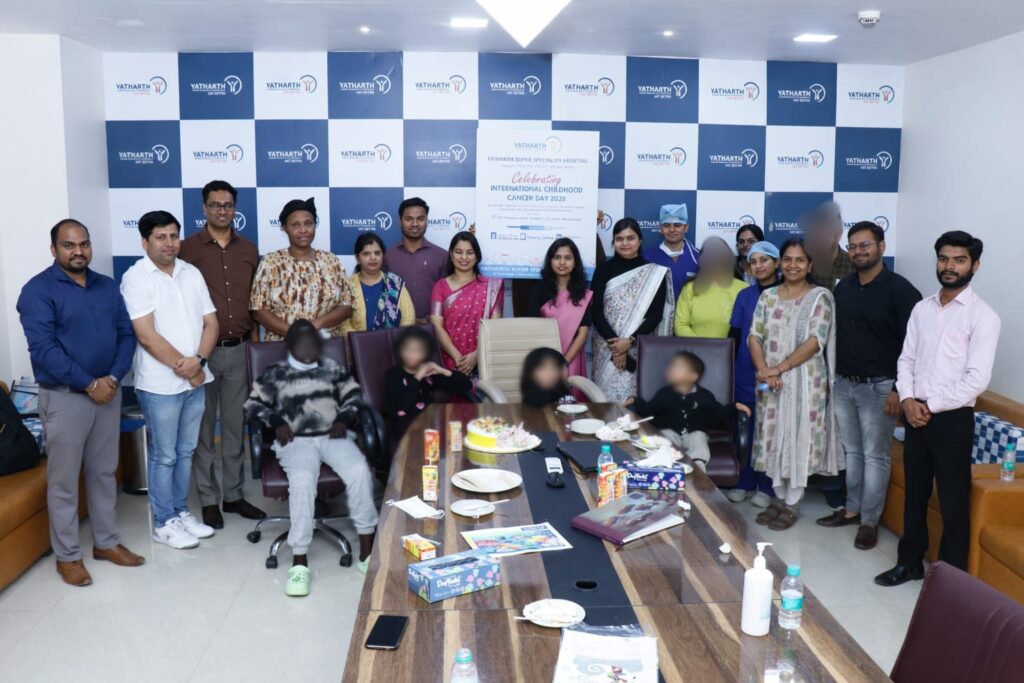
Yatharth Super Speciality Hospital raised awareness about childhood cancer
Doctors emphasized that 90–95% of cases are curable with early detection

On the occasion of International Childhood Cancer Day, Yatharth Super Speciality Hospital celebrated life with children who have successfully battled cancer. Four young survivors who returned to healthy lives after undergoing difficult treatment participated in the event.

The celebration included cake cutting, games, and a felicitation ceremony for the children. Their smiles filled the atmosphere with hope and courage.

Dr. (Major) Ravi Shankar, Consultant – Pediatric Hemato-Oncology & Bone Marrow Transplant, who treated the children, was also present. He shared that blood cancer is the most common type of cancer among children in Uttar Pradesh and globally.

He advised parents not to ignore symptoms such as recurrent fever, persistent anemia unresponsive to medication, unusual bleeding, lumps in the body, or continuous joint pain. He emphasized that simple tests conducted on time can detect serious illnesses at an early stage.

Dr. Ravi Shankar further noted that in small towns and semi-urban areas, symptoms are often mistaken for common illnesses, leading to delayed diagnosis. “If detected early, 90–95% of childhood cancers are treatable. In fact, treatment success rates in children are often higher than in adults,” he said.

Every year, approximately 50,000 to 60,000 new cases of childhood cancer are reported in India. With improved healthcare facilities, more cases are now being diagnosed and treated effectively.

He also shared the inspiring story of a child who overcame multiple relapses and eventually recovered after a bone marrow transplant, calling every child a true warrior.

Dr. Kapil Tyagi, Managing Director, said, “Celebrating life with these brave children is a proud moment for us. With timely diagnosis and dedicated treatment, 90–95% of cases can be successfully treated.”

Amit Singh, Group CEO, stated, “Awareness is the strongest weapon against childhood cancer. With timely screening, advanced technology, and a committed medical team, we can ensure a healthy and hopeful future for children.”

Dr. Sunil Baliyan, COO, Greater Noida unit, added, “Early diagnosis can save lives. With parental awareness and expert treatment, successful outcomes in 90–95% of cases are achievable. This remains our commitment.”

The initiative conveyed a strong message that awareness and timely treatment can give children a new lease on life.

Mumbai Heatwave Sparks Sharp Rise in ENT Disorders Across the City

Mumbai Heatwave Sparks Sharp Rise in ENT Disorders Across the City 

Mumbai, Feb 17th: As temperatures continue to soar across Mumbai, healthcare providers are reporting a steady rise in ear, nose, and throat (ENT) complaints linked to the harsh summer climate. The mix of extreme heat, humidity, dust exposure, pollution, and prolonged air conditioning use is contributing to an increase in throat infections, sinus flare-ups, nasal allergies, and ear-related conditions. At Apex Super Speciality Hospitals, Borivali, specialists are observing a noticeable seasonal pattern. Patients are presenting with persistent sore throat, nasal blockage, facial heaviness, ear discomfort, and allergy-related symptoms more frequently compared to cooler months.
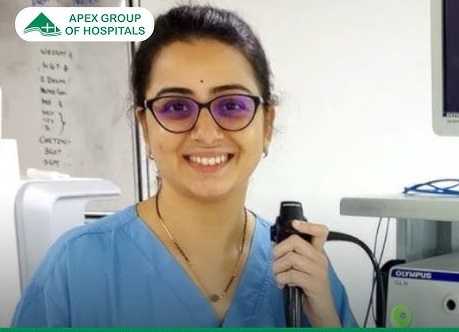
Dr. Binhi Desai, Otorhinolaryngologist (ENT Specialist) at Apex Super Speciality Hospitals, explains that dehydration is one of the primary triggers behind many summer ENT issues. “When the body loses fluids due to heat, the protective mucosal lining of the nose and throat becomes dry. This reduces natural defense mechanisms and makes individuals more prone to infections and irritation,” says Dr. Binhi Desai Long hours in air-conditioned environments combined with sudden exposure to outdoor heat further stress the respiratory tract. Many patients complain of throat dryness, mild voice changes, and recurrent throat pain. Maintaining adequate hydration and limiting excessive consumption of chilled beverages can help reduce inflammation and throat sensitivity. Dust from ongoing construction activities and rising pollution levels across Mumbai are also aggravating sinusitis and allergic rhinitis. Patients with pre-existing sinus conditions are reporting increased nasal congestion, sneezing, headaches, and facial pressure. Regular saline nasal cleansing and steam inhalation can help keep nasal passages clear and reduce the risk of secondary infections.

Ear infections, particularly fungal infections caused by moisture retention from swimming or sweating, are another concern during summer. Experts advise against inserting cotton buds or sharp objects into the ear canal, as this may cause injury and increase infection risk. Keeping ears dry and seeking timely consultation for persistent pain or discharge is essential.

Children and elderly individuals are particularly vulnerable during extreme weather conditions. Early medical attention for symptoms lasting more than a few days can prevent complications.With summer intensifying in Mumbai, increased awareness and simple preventive measures can play a vital role in protecting ENT health and ensuring a safer season for all.

Apex Group of Hospitals is a leading healthcare provider in Mumbai, known for its advanced infrastructure, specialized departments, and expert medical team. For over 25 years, it has delivered world-class, affordable care while promoting preventive health. With 350+ beds and state-of-the-art facilities across Borivali, Kandivali, and Mulund, Apex Hospitals continue to set high standards in patient-centered, quality healthcare.

Maiya Hospital Unveils New State-of-the-Art Medical Facilities; Strengthens Bengaluru’s Healthcare Legacy

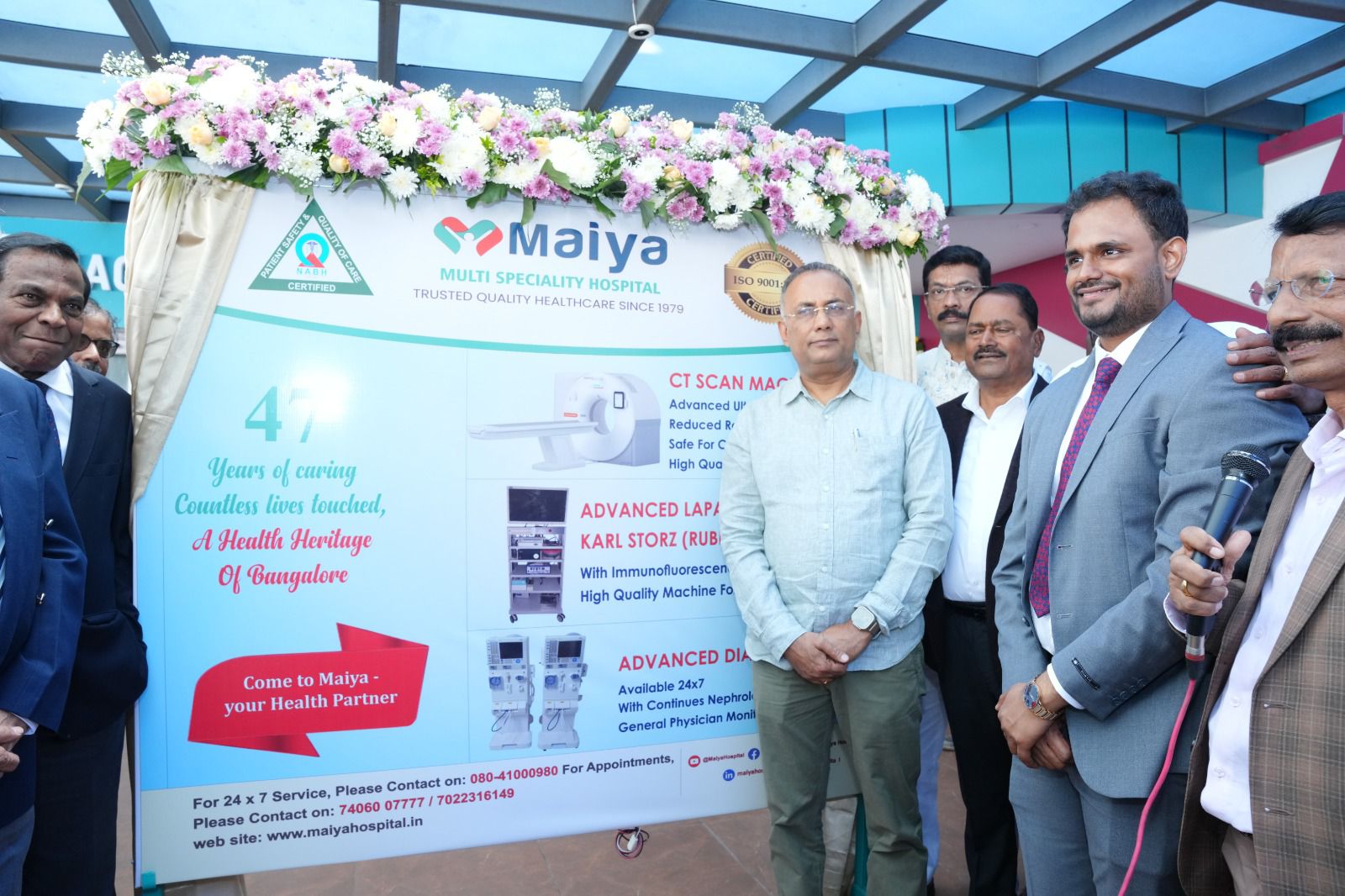
Feb 16| Bengaluru: Maiya Hospital announced a significant technological enhancement with the launch of its new state-of-the-art diagnostic and surgical facilities, reinforcing its 47-year legacy of trusted healthcare. The unveiling ceremony will feature the inauguration by Sri Dinesh Gundu Rao, Minister for Health & Family Welfare, Govt. of Karnataka. The hospital’s management emphasised that the new technology upgrades align with their mission to bring global-standard healthcare closer to patients. For over 47 years, Maiya Hospital has been “caring for countless lives”, symbolising a strong health heritage in Bangalore.

As part of the inauguration, Maiya Hospital is offering a limited-period 50% discount on CT scans, ensuring advanced diagnostics remain accessible to the publicNewly Upgraded Facilities at a Glance 1. Advanced CT Scan Machine – Powered by Siemens A next-generation 96-slice Ultra Low Dose CT designed to enhance precision while ensuring patient safety. Key features include: Ultra Low Radiation Exposure Safe for Children & Elderly Patients High-Quality, High-Resolution Imaging Faster Scans With Enhanced Diagnostic Accuracy

2. Advanced Dialysis Unit Designed to offer continuous, safe, and comfortable care for renal patients. Highlights: Available 24×7 for emergency and scheduled dialysis Continuous monitoring by experienced Nephrologists & General Physicians Focus on infection control, patient comfort, and seamless medical supervision

3. Advanced Laparoscope – RUBINA by Karl Storz A cutting-edge system enhancing surgical outcomes in minimally invasive procedures. Key advantages: Immunofluorescence Technology for superior visualisation High-end surgical precision for complex and critical procedures Improved safety, accuracy, and recovery outcomes for patients

Speaking at the event, Sri Dinesh Gundu Rao said: “Maiya Hospital has been an integral part of Bengaluru’s healthcare fabric for decades. The addition of these advanced facilities reflects their commitment to providing accessible, high-quality medical services to the community. Upgrading technology while maintaining compassionate care is essential for a growing city like ours, and Maiya Hospital continues to set that benchmark.”

Speaking at the event, Dr. Ajay Singh said

“Healthcare institutions must continuously evolve to meet the rising needs of our communities. Maiya Hospital’s commitment to upgrading its diagnostic and surgical capabilities demonstrates a strong dedication to improving patient outcomes. These advancements will greatly benefit not just Bengaluru but the wider region relying on quality, affordable healthcare.”

Rare Congenital Kidney Anomaly Detected After Road Accident

Rare Congenital Kidney Anomaly Detected After Road Accident

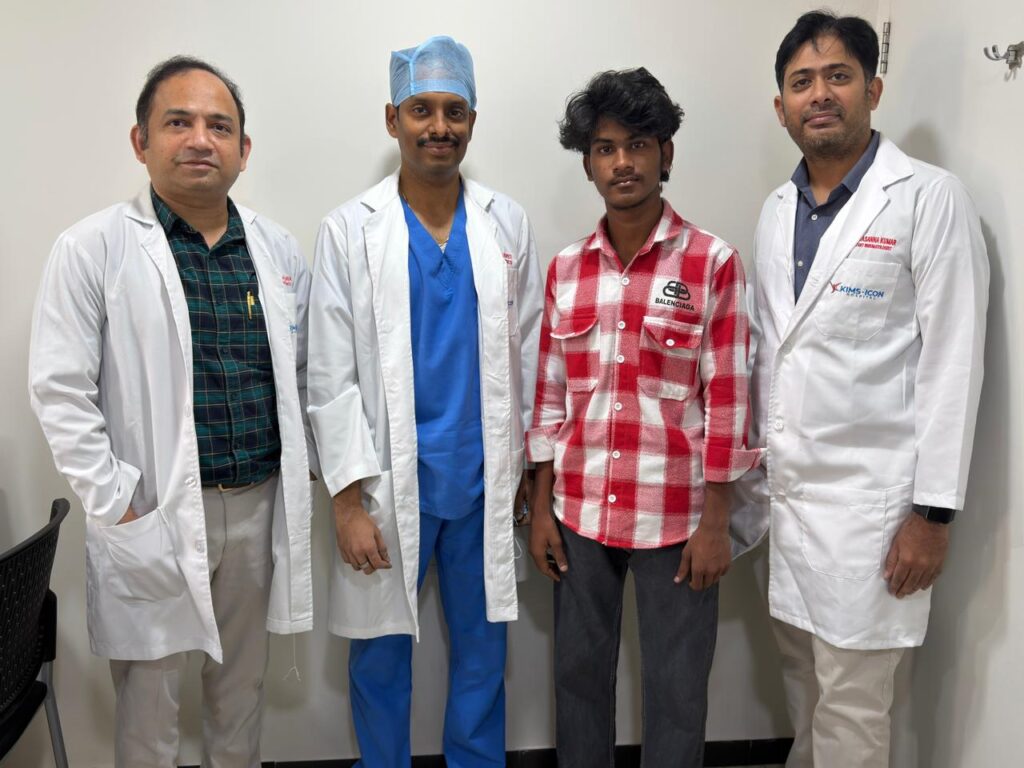
Visakhapatnam, Feb 16:  Doctors at KIMS ICON Hospital, Visakhapatnam, have successfully treated a rare and complex kidney injury in a 17-year-old boy that came to light following a road traffic accident.
The patient, identified as Palle Ravichandra Kumar from the Anakapalli region, was brought to the hospital with complaints of abdominal pain after the accident. Detailed evaluation and advanced imaging revealed a Pelvi-Ureteric Junction (PUJ) avulsion — a complete disruption between the renal pelvis and the ureter.

Adding to the rarity of the case, the injury was found to have occurred in a duplex kidney, a congenital condition in which a single kidney has two separate urinary drainage systems. Such injuries caused by blunt trauma are extremely uncommon, and their occurrence in a duplex kidney is considered exceptionally rare, doctors said.

Explaining the case, Dr. Sandeep Maheshwar Reddy Kallam, Consultant Urologist, Laparoscopic Uro-Oncologist and Andrologist at KIMS ICON Hospital, said that no other abdominal organs were injured, making the diagnosis even more unusual.

Considering the complexity of the injury and the altered anatomy of the kidney, the medical team decided to perform immediate surgical intervention. Dr. Sandeep Maheshwar Reddy Kallam, along with Dr. Murali Krishna and Dr. Siva Sai Bharadwaj, carried out a delicate reconstructive surgery aimed at restoring urinary flow while preserving kidney function.

“The presence of a duplex kidney demanded extreme precision during the procedure,” the doctors noted.

The patient responded well to treatment, recovered steadily, and has since been discharged in stable condition. The doctors attributed the successful outcome to timely diagnosis, the use of advanced imaging techniques, and prompt surgical management.

CK Birla Hospitals, CMRI to Host Knowledge-Sharing Session on Advanced Interventional Radiology for Venous Diseases

CK Birla Hospitals, CMRI to Host Knowledge-Sharing Session on Advanced Interventional Radiology for Venous Diseases
Kolkata, Feb 14th: CK Birla Hospitals, CMRI will host a two-day knowledge-sharing and clinical exchange programme on February 13 and 14, focusing on the latest innovations in interventional radiology, with special emphasis on the diagnosis, screening and minimally invasive treatment of venous diseases, an increasingly under-recognised public health concern in India. The programme will also highlight the role of advanced endovascular embolization techniques in cancer treatment, offering non-surgical options for selected oncology patients.
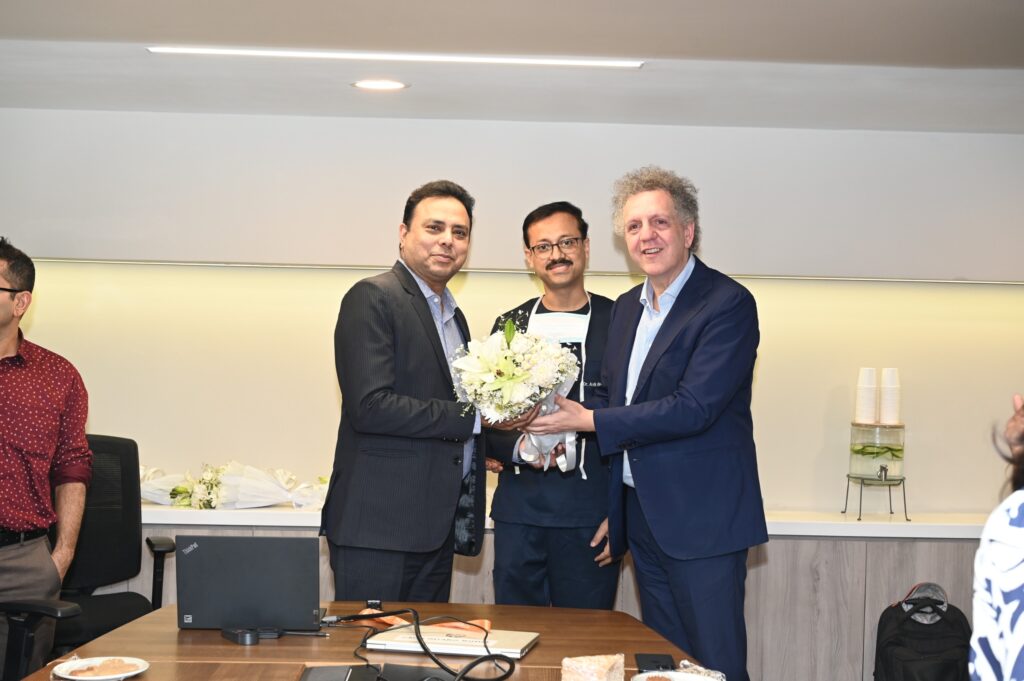
The programme will bring together internationally acclaimed interventional radiologist Dr. Carrafiello from Milan alongside Dr. Avik Bhattacharyya, Director & HOD, Interventional Radiology, CK Birla Hospitals, CMRI, to deliberate on advanced, image-guided techniques used in managing conditions such as varicose veins, deep vein thrombosis (DVT), pelvic venous disorders and complex vascular malformations.

Venous diseases are on the rise across age groups due to sedentary lifestyles, prolonged standing or sitting, obesity and post-COVID vascular changes, yet remain significantly underdiagnosed as symptoms are often dismissed as cosmetic or lifestyle-related issues. Individuals in professions that involve long hours of standing, such as traffic police personnel, chefs, teachers, retail workers and factory staff, are particularly vulnerable. The session aims to build awareness around early symptoms, timely screening and treatment options to prevent long-term complications such as chronic pain, swelling and ulcers.

The knowledge-sharing initiative will highlight how interventional radiology has transformed venous care, replacing conventional surgery with pinhole, image-guided procedures that minimise pain, reduce hospital stay and enable faster recovery. A key highlight will be live case-based discussions, showcasing high-end venous and vascular interventions that were earlier available only in select metro cities but are now being routinely performed at CMRI, Kolkata, significantly improving access to advanced care for patients across Eastern India.

Speaking on the initiative, Dr. Avik Bhattacharyya, Director & HOD, Interventional Radiology, CK Birla Hospitals, CMRI, said, “Venous diseases often progress silently and are widely misunderstood, leading patients to seek medical help only when complications arise. Through this programme, we aim to demonstrate how early diagnosis and minimally invasive interventional radiology techniques can transform outcomes. Bringing global expertise to CMRI also reflects our commitment to making world-class care accessible closer to home for patients in Eastern India.”

Mr. Sombrata Ray, Unit Head, CK Birla Hospitals, CMRI, added, “This initiative is not just about clinical advancement, but also about community awareness. By focusing on high-risk occupational groups and lesser-known venous conditions, we aim to empower people with knowledge that can lead to early intervention and better quality of life. CMRI continues to invest in advanced technologies and global collaborations to strengthen Kolkata’s position as a centre for cutting-edge, minimally invasive healthcare.”

The programme underscores CK Birla Hospitals, CMRI’s continued focus on clinical excellence, global collaboration and patient-centric innovation, while reinforcing Kolkata’s growing role as a hub for advanced interventional and minimally invasive healthcare in Eastern India.

From Darkness to Vision: Apollo Bengaluru Restores Sight of Young Factory Worker after a Long Battle

Bengaluru, Feb 14:  In a moving story of resilience, compassion, and medical expertise, doctors at Apollo Hospitals, Bengaluru, have successfully restored vision to a 30-year-old factory worker who lost sight in his right eye following a severe workplace accident involving molten aluminium. While working in a factory, the patient sustained a devastating thermal injury when molten metal splashed into his right eye, placing the eye at risk of complete damage. The initial emergency treatment and reconstructive surgery were performed at other hospitals, including amniotic membrane grafting to prevent the eye from melting due to the intensity of the injury. Although the eye was saved, as is common in severe thermal and chemical injuries, he was left with a dense corneal scar and negligible vision.

As the sole breadwinner of his family, the loss of vision had a profound impact on his ability to work and live independently. Following significant hardship and with limited options, he approached Apollo Hospitals seeking hope for sight restoration. After detailed evaluation, the ophthalmology team determined that a corneal transplant offered the best chance for visual recovery. Recognising both the medical need and the patient’s circumstances, the hospital decided to take up his care as a community service.

The corneal transplant surgery was successfully performed, and the patient is now recovering well. The corneal graft is healthy, adapting well to the eye, and the patient has already begun regaining useful vision, bringing him closer to returning to work and reclaiming his independence.

“Restoring vision in eyes affected by severe thermal injuries requires meticulous planning and precise surgical execution,” said Dr. Dr Sharon D’Souza, Consultant Ophthalmologist Cornea, Cataract and Refractive surgeon Apollo Hospitals, Bengaluru. “These injuries leave behind complex scarring. Seeing the graft settle well and the patient slowly regain vision is extremely rewarding for the entire team.”

Reflecting on the emotional journey, the patient shared, “After the accident, I thought my life was over. I couldn’t work properly and felt like a burden on my family. When the doctors told me there was a chance to see again, it felt like hope had returned. Today, I can see again, and I can dream of going back to work.”

Mr. Akshay Oleti, CEO, Apollo Hospitals Karnataka Region, added, “At Apollo, we believe healthcare must heal lives, not just organs. This young man’s journey from injury to vision restoration highlights what is possible when clinical excellence is backed by empathy and purpose. Giving someone the ability to see again is also giving them a future.”

Doctors emphasized that severe eye injuries often result in long-term vision loss due to corneal scarring. However, with advances in corneal transplantation and timely intervention, vision restoration is possible even years after injury. Early eye protection in industrial settings and prompt specialized care remain critical to preventing such life-altering injuries.

As he continues to recover, the patient is preparing to return to work – this time with vision, confidence, and renewed independence.

One Decision, One Surgery Save Mother and Child at KIMS Kurnool

One Decision, One Surgery Save Mother and Child at KIMS Kurnool

Kurnool, Feb 13: What began as a routine antenatal ultrasound turned into an unexpected medical concern when doctors detected a large 4 cm kidney stone in a pregnant woman. Despite the absence of symptoms such as pain, fever, or urinary complaints, the size of the stone raised apprehensions. At another hospital, the family was advised to consider termination of pregnancy as a precautionary measure.

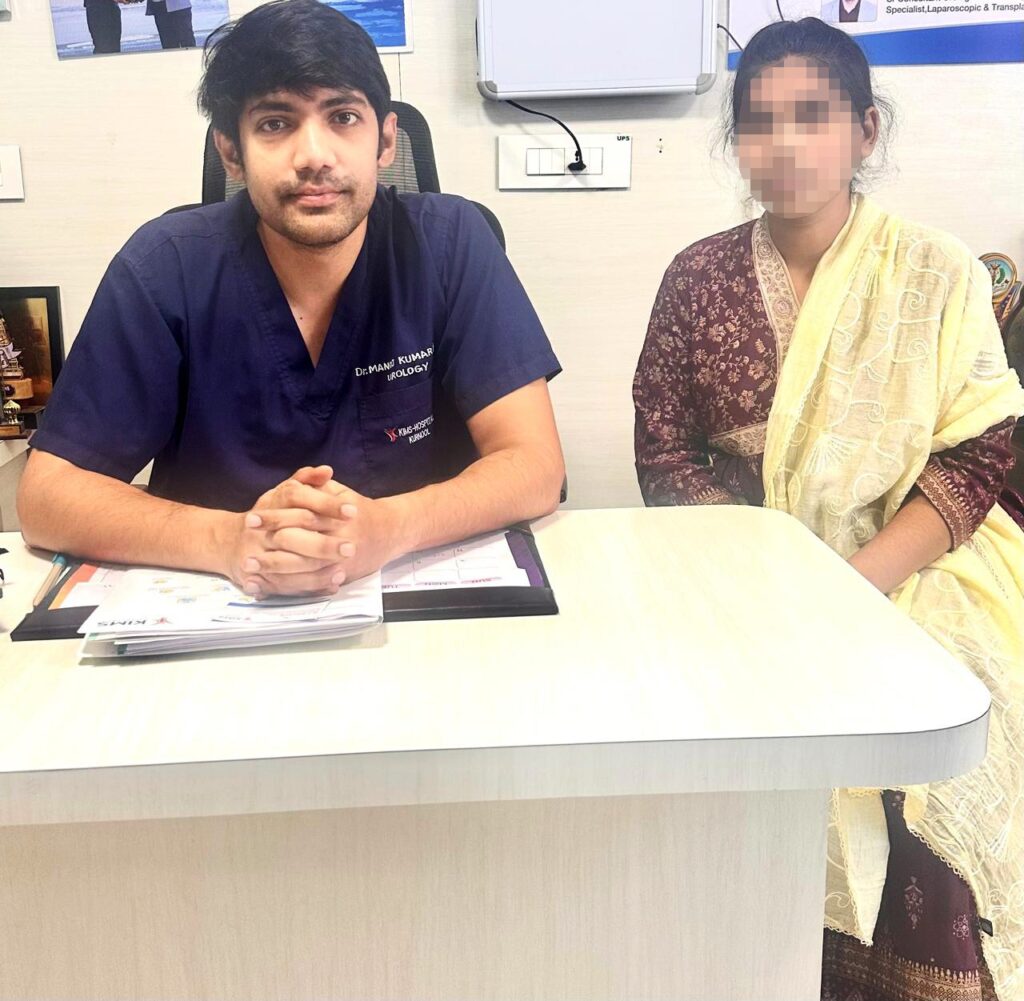
Seeking a clear, evidence-based medical opinion, the family consulted Dr. Y. Manoj Kumar, Senior Urologist at KIMS Hospital, Kurnool. After comprehensive evaluation, Dr. Manoj Kumar explained that the mere presence of an asymptomatic kidney stone does not warrant termination of pregnancy. As both the mother and the foetus were clinically stable, there was no immediate need for surgical intervention.

In accordance with established medical guidelines, the team recommended continuation of the pregnancy with close and regular monitoring, avoiding unnecessary intervention during the critical gestational period. The primary focus, he emphasised, was safeguarding both maternal safety and foetal well-being.

With continuous supervision, the pregnancy progressed smoothly, and the woman delivered a healthy baby without complications. Post-delivery, at an appropriate and medically safe interval, a planned intervention was undertaken to treat the kidney stone.

Two months after childbirth, the patient underwent Percutaneous Nephrolithotomy (PCNL), an advanced minimally invasive endoscopic procedure. The 4 cm kidney stone was completely removed, and the function of both kidneys was fully preserved.

“Not every medical diagnosis requires immediate action. Sometimes, the right decision at the right time is the best form of treatment,” said Dr. Manoj Kumar.

This case highlights how timely, evidence-based decision-making and carefully planned surgery can not only protect a mother’s long-term health but also ensure a safe future for her child.