Sinch expands its platform with agentic conversations for AI-powered customer engagement

Stockholm, Sweden, Feb 26 – Sinch (publ) today announced agentic conversations, a new set of capabilities designed to operationalize AI agents across global communication channels, enabling enterprises to deploy intelligent agents across messaging, voice, and email at scale.

As generative AI and conversational channels like voice, RCS and messaging apps become central to customer engagement, enterprises are shifting toward agent-driven models. To scale, AI agents must do more than converse. They need secure integration with enterprise systems to execute actions across channels.

With agentic conversations, Sinch simplifies this transition by providing a flexible, secure and open platform that enables businesses to operationalize AI agents at their own pace and according to their technical maturity. Customers are not locked into a single agent model, proprietary data layer, or closed ecosystem. Whether they choose to build their own solutions, use Sinch’s AI capabilities, bring their own agents, or integrate through Sinch’s ecosystem of partners, Sinch provides the infrastructure and orchestration required to support deployment at scale, built on Sinch’s global messaging, voice, and email APIs.

“Our philosophy is simple: enterprises should be free to build with us or bring their own AI,” said Daniel Morris, Chief Product Officer at Sinch. “We do not believe in locking customers into a single agent model, proprietary data layer, or closed ecosystem. Whether businesses use Sinch’s AI capabilities, deploy their own agents, or work with trusted partners, we provide the communications and orchestration infrastructure that makes those agents operational across messaging, email, and voice.”

Agentic conversations is a suite of capabilities, including Sinch Agent Builder, developer and agent tools such as Sinch Functions and Sinch Skills, as well as a broad set of integrations, designed to help enterprises build, deploy and manage AI agents across channels. The transition toward agent-driven engagement is expected to drive substantial growth in conversational traffic across messaging, voice and email. Managing this increase in volume, while maintaining trust, reliability and compliance, will require infrastructure purpose-built for scale.

“Unlike standalone AI agent frameworks, Sinch provides the trusted communications layer that agents depend on to operate reliably across channels and markets. Sinch has long experience in carrier-grade routing, global number provisioning, regulatory compliance, identity verification, branded calling, deliverability optimization and fraud protection. That experience ensures agent-driven communications are secure, scalable, and ready for real-world deployment.” Daniel Morris said.

As AI agents take on a more active role in customer engagement, enterprises are redefining how they manage trust, relevance, and conversational scale across channels. The next phase of customer communications will be shaped not only by smarter AI, but by the infrastructure that provides agents with the context, data access and intelligence needed to operate securely, reliably, and at volume. With agentic conversations, Sinch positions itself at the center of that shift.

Toray Develops Bio-Based Polyamide 4 Production Technology for Cosmetics Microparticle Market

Tokyo, Japan, Feb 26 – Toray Industries, Inc., announced that it has developed a proprietary technology to produce bio-based 2-pyrrolidone, a raw material in its polyamide 4, which delivers excellent biodegradability (see note 1) in marine and other environments and helps address microplastic issues. The company will use this technology to verify the scale-up of bio-based polyamide 4, with a view to offering it by the fiscal year ending March 2029, mainly for microparticles in foundation, eyeshadow, and other cosmetics.


In recent years, ocean discharges of microplastics (note 2) from cosmetics and facial cleansers have become a key environmental issue, prompting various countries (note 3) to restrict their use. Toray set about developing and launching polyamide 4 in response to this situation.

The conventional feedstock for 2-pyrrolidone, the raw material in polyamide 4, is petroleum-based. Toray embarked on R&D into synthesis approaches with sugars and other biomass sources, resulting in its bio-based version. The sizes and shapes of polyamide 4 microparticles from polymerizing and processing 2-pyrrolidone with this technique are comparable to those of conventional offerings. This bio-based feedstock conversion does not affect end products.

 It is also worth noting that reactions are milder than those of regular petrochemical processes. Toray’s breakthrough should help lower carbon dioxide emissions across the value chain, from raw materials through polyamide 4 microparticle production.

The applications of 2-pyrrolidone made with Toray’s technology extend well beyond polyamide 4. It is also a feedstock for N-methylpyrrolidone, used extensively in manufacturing semiconductor materials and engineering plastics (note 4), and for N- vinylpyrrolidone (note 6), a monomer for high-performance polymers in pharmaceuticals and other applications. This opens the door to bio-based production across diverse materials supporting next-generation industries.

Toray is pushing ahead with initiatives to transition to a circular economy and conserve natural resources as part of its sustainability efforts. The company will accordingly keep pursuing R&D in keeping with its commitment to delivering new value and contributing to social progress.

 Results from the Ministry of Environment-funded Projects to Promote the Construction of Decarbonized Circular Economy Systems (FY2023 and FY2024) contributed to Toray’s technological breakthrough.

Notes

1.  With biodegradation, bacteria, fungi, and other microorganisms break down organic compounds into simpler inorganic substances, including water and carbon dioxide. Biodegradation is generally slower in the sea, where microorganisms are less abundant than in the soil.

2.  Microplastic particles are smaller than 5 mm. They include primary microplastic microbeads in products like facial cleansers and secondary microplastic fragments from the degradation and fragmentation of items like plastic bottles and shopping bags owing to ultraviolet radiation and waves. There are concerns about the adverse effects of microplastics on ecosystems and human health across the food chain.

3.  Strengthening of Microplastic Regulations Worldwide

Europe amended its Registration, Evaluation, Authorization and Restriction of Chemicals regulation in 2023 to prohibit the use of cosmetics and other products intentionally incorporating microplastics after a transition of six to 12 years. The regulation exempts plastics meeting specific biodegradability test standards. Toray’s polyamide 4 microparticles meet the OECD 301F ready biodegradability standard and are thus not subject to this regulation.

4.  Engineering plastics offer high mechanical strength and heat resistance. Their light weight and high performance make them common substitutes for metals, including in automotive parts.

5.  N-methylpyrrolidone is a liquid compound in which a methyl group replaces the hydrogen on the nitrogen atom of 2-pyrrolidone. It has a high boiling point, excellent chemical stability, and strong solvency for diverse compounds, and is a common cleaning agent, paint stripper, and solvent.

6.  N-vinylpyrrolidone is a liquid compound in which a vinyl group replaces the hydrogen on the nitrogen atom of 2-pyrrolidone. Polymerization from the vinyl group yields polyvinylpyrrolidone. It serves as a thickener in cosmetics, a binder in pharmaceutical tablets, and a clarifying agent in alcoholic beverages.

Indian Railways Launches RailParcel Pilot with AION-Tech

Hyderabad, Feb 26: Indian Railways has launched RailParcel, a pilot initiative aimed at improving parcel movement through rail across seven cities — Hyderabad, Vijayawada, Guntur, Rajahmundry, Visakhapatnam, Bengaluru and Chennai under the leadership of the South Central Railway (SCR) zone. The initiative is digitally enabled through ROQIT, a platform developed by AION-Tech Solutions Limited, which serves as the underlying digital layer for managing parcel workflows, enabling coordination across operational stakeholders, and integrating with existing railway systems during the pilot phase.

RailParcel is designed to enhance the efficiency of rail-based parcel logistics by introducing structured workflow digitization, improving shipment visibility, and enabling better coordination between railway operations and logistics participants.

Commenting on the development, Bhanutej Mallangi, Chief Product Officer, ROQIT, said,

 “RailParcel represents an important step toward structured, digitally enabled parcel operations within the rail ecosystem. Through ROQIT, AION-Tech Solutions is establishing a foundational technology layer that enhances operational visibility and standardizes workflows across touchpoints. As the pilot progresses, the insights generated can support scalable, data-driven logistics operations across the rail network.”

Under the current PoC deployment, ROQIT enables key capabilities including:

• Real-time parcel tracking across operational touchpoints

• Digitization of booking and operational workflows

• Integration readiness with third-party logistics service providers

• Interoperability with existing railway systems, including CRIS

The pilot focuses on establishing a reliable and interoperable digital foundation while maintaining compatibility with Indian Railways’ existing infrastructure. The initiative is aligned with Indian Railways’ broader focus on enhancing logistics efficiency through digitization, improving multimodal connectivity, and leveraging its predominantly electrified network to support more sustainable freight movement.

RailParcel is expected to support more efficient utilization of rail-based logistics capacity – particularly relevant given Indian Railways’ extensive electrified network and cost-efficient freight capabilities. 

Based on pilot outcomes, future phases may explore opportunities to further strengthen network optimization, enable data-driven decision support, and support broader multimodal logistics coordination across transport networks.

The RailParcel pilot reflects Indian Railways’ continued efforts to modernize logistics operations through targeted digitization while reinforcing rail as a scalable, cost-effective and sustainable mode for parcel transportation.

GitHub Selects Codio as Exclusive Commercial Partner to Extend Use of GitHub Classroom Benefits to Codio’s Advanced CS Learning Platform

CAMBRIDGE, MA – Feb 26 – Codio, the cloud-based teaching platform built to scale computer science and technical skills education, today announced it has been selected by GitHub as the exclusive commercial partner extending the options available to GitHub Education users to use cutting-edge CS-specific learning tech for course management and the hands-on student experience. Codio has supported major universities and tech companies globally at scale, delivering evidence-based tools designed to support and streamline instructor workflows, enhance the student learning experience, and integrate AI responsibly into teaching and learning.

Under this partnership, more than 3,000 instructors and 500,000 students who currently use GitHub Classroom will be eligible to transition their assignments and courses to Codio’s proven, enterprise-grade learning platform while retaining their GitHub-native workflows, including course materials, assignments, and grading scripts stored in Git repositories. Codio’s platform offers a robust environment for instruction and assessment, trusted for reliability at scale by hundreds of CS teaching institutions, with greater compute flexibility and modern AI tools, designed to help scale high-quality computing and tech skills programs.

“This partnership reflects our shared vision with GitHub to keep the computing and tech skills learning experience at the forefront of advances in edtech and learning experience design, while embracing the use of AI to enhance the learner experience,” said Doug Hughes, CEO of Codio. “We’re working closely with the GitHub Education team to give instructors an easy, disruption-free path to use Codio while retaining the workflows they rely on, and in doing so gain access to tooling, support, and learner experiences at the forefront of modern computing education.”

GitHub Classroom users will also gain access to Codio’s AI teaching assistant, Coach, which provides immediate feedback to help students with common challenges, such as programming error messages, without giving away answers. This approach has been shown to improve assignment completion rates, lower DWF rates, and raise median grade performance by 15%, while reducing the manual grading load. Codio’s platform also delivers advanced autograding, LLM rubric-based evaluation, and learner behavior insights across entire programs, features that make it possible to scale high-quality instruction to thousands of learners.

In partnering with GitHub, Codio is launching a dedicated onboarding program that includes migration tools, live sessions, and two flavors of free access, giving users the option to continue to use GitHub Codespaces or migrate fully to the Codio platform. Beyond the free tiers, institutions can enjoy preferential pricing with enhanced support options for the largest-scale users.

IR Power launches derisked solution for factory energy loss and smart opex savings

LONDON, UK – Feb 26: IR Power, a Scottish energy tech firm owned by MWNW Group, introduces its cutting-edge solution to the vast industrial energy waste experienced when factory machines slow down – helping manufacturers to achieve extensive energy savings using a rental model where manufacturers pay nothing upfront and only pay from proven savings.

In modern factories, many large machines constantly speed up and slow down as part of normal operation; automotive presses lifting and lowering, conveyor systems starting and stopping, industrial mixers ramping up and down. Every time these machines decelerate, they generate electricity that’s currently wasted.

IR Power’s plug-and-play systems work like regenerative braking in electric cars, but for industrial equipment. They capture this energy (that would otherwise be burned off as heat) and feed it back into factory power grids for immediate reuse. On large automotive press lines typically consisting of machine clusters cycling every six seconds, this recaptures 10-20% of total electricity consumption – representing up to £50,000-100,000 in annual savings per machine cluster at current UK energy prices.

The problem: Proven technology, broken business model

While energy recovery technology has existed for years, previous solutions required expensive custom engineering that typically demanded weeks or months of install and interrupted operations, high upfront costs, and longer integration cycles – particularly where drive systems had to be modified or replaced. At historical electricity prices of £50/MWh, the complexity wasn’t justified. At today’s prices of £100-150/MWh – combined with binding net-zero commitments – the economics have fundamentally changed.

The solution: Redesigned technology and commercial model

IR Power has eliminated the adoption barriers that prevented previous solutions from scaling:

Standardised sizing – Three standard product sizes work across different applications, replacing expensive custom engineering that previously cost £30-40k or more.

Plug-and-play installation – Systems connect to existing equipment in hours. No modifications to machines, no changes to operations, and no production downtime.

Rental model – Customers pay nothing upfront. Monthly fees are based only on measured energy savings. If the system doesn’t save energy, customers don’t pay.

Equipment agnostic – Unlike solutions locked to one manufacturer’s drives or motors, IR Power’s systems integrate with any supplier. Factories can connect multiple machines into a single energy recovery network, optimising across the entire site.

Fail-safe design – When braking energy exceeds system capacity, excess safely routes to existing waste resistors while the system continues operating. Competitor systems often shut down completely when overloaded, requiring manual restarts.

Why now: Energy prices and net-zero create perfect storm

With industrial electricity prices doubling and manufacturers facing binding net-zero commitments, energy efficiency has shifted from ‘nice-to-have’ to business-critical. IR Power’s technology addresses both imperatives simultaneously: cutting costs and carbon.

Industrial machines have 20–30-year lifespans and even upgrading drive systems can cost £1m or more, making retrofit the viable route for capturing immediate savings. The rental model, typically approved as operating expense rather than capital, removes approval barriers and aligns incentives perfectly – IR Power only succeeds when customers save money.

Richard Bradshaw, Founder and Managing Director of IR Power, said:

“For years, energy recovery systems existed but didn’t deploy at scale because they cost too much and put all the risk on customers. We’ve inverted that model completely. Our customers pay zero upfront – no capital expenditure, just operating expense. Installation takes hours with no production downtime. And here’s the key: if our system doesn’t save them money, we don’t get paid; we take all the performance risk. The equipment lasts 15-20 years, so customers get over a decade of pure savings. The technology works – it always has. Our job was removing every barrier that prevented adoption: the cost, the complexity, the risk, and the disruption.”

Commercial deployment

IR Power is beginning commercial deployments in 2026, prioritising press applications including tier-one automotive and construction materials manufacturing. The company deliberately chose diverse sectors to prove the technology across different operating conditions before accelerating deployment.

The addressable market includes thousands of suitable machines across automotive, construction materials, food processing, and other sectors in the UK alone, with global expansion planned once the model is proven. Target applications include motor-driven machinery with frequent start/stop or speed-change cycles where braking energy is highest and most consistent.

Prospective customers can currently request a complimentary, no-obligation site assessment by contacting the IR Power team at info@i-r-power.com.

Wordly Introduces Mobile-First Enhancements to Translation App, Expanding Onsite and Hybrid Event Accessibility

Los Altos, CA, Feb 26: As events become more global and multilingual, organizers are under increasing pressure to deliver seamless, inclusive experiences without adding operational complexity. Wordly, the pioneer and leader in live AI translation and captioning, on February 25 announced new mobile-first enhancements to the Wordly Translation App designed specifically for conference, tradeshow, and events.

The latest updates include background audio and screen-lock functionality, allowing attendees to listen to live translations while multitasking and conserving battery life, along with instant language search for faster onboarding. Speakers also benefit from push-to-talk and automatic language detection, enabling seamless, two-way multilingual communication in dynamic sessions, all at no additional cost to existing customers.

“Event professionals are rethinking accessibility as a core part of the attendee experience,” said Lakshman Rathnam, Founder and CEO of Wordly. “These mobile enhancements give organizers a scalable way to provide inclusive, multilingual access without additional hardware, staffing, or logistical burden.”

Designed for the Realities of Live Events

The updated Wordly Translation App introduces several features tailored to how attendees and speakers engage during events, including:

  •  Background Audio for Multitasking: Attendees can now continue listening to translated audio while switching between apps on their mobile device. Whether checking the event app, reviewing presentation materials, or responding to messages, participants remain connected to the session without interruption.
  •  Screen-Lock Battery Optimization: With extended conference days in mind, the app now allows translated audio to continue playing while a device screen is locked. This feature helps conserve battery life, critical for multi-session agendas and large-scale conventions.
  •  Instant Language Search: A newly added search function enables users to quickly locate their preferred language from dozens of options, reducing onboarding friction and minimizing the need for onsite support.

New Capabilities for Speakers and Session Leaders

In addition to enhancing the attendee experience, Wordly has expanded functionality for presenters and facilitators, including:

  •  Push-to-Talk Functionality: Speakers can now use push-to-talk directly within the app, allowing for two-way communication in multilingual settings. The feature is particularly well-suited for breakout discussions, workshops, hosted buyer meetings, and small-group sessions, where interactive dialogue is essential.
  •  Automatic Language Detection and Switching: For sessions where presenters shift between languages, the app automatically recognizes language changes and adjusts translations accordingly to ensure a smooth experience for diverse audiences without manual resets.

Scalable Language Access Without Headsets or Booths

Unlike traditional interpretation models that require physical equipment, interpreters onsite, or dedicated booths, the Wordly mobile app operates on attendees’ own iOS or Android devices. Participants simply enter a Session ID provided by the organizer and select their language, no account creation is required. For speakers, access to advanced features such as push-to-talk is granted through a secure passcode.

Meeting Industry Demand for Inclusive Design

With international attendance rebounding and hybrid formats remaining standard, language accessibility has become a strategic priority for event organizers, associations, and corporate planners. Wordly’s mobile enhancements support:

  •  Global events and tradeshows seeking to broaden international participation
  •  Corporate events connecting distributed teams
  •  Association meetings aiming to increase member engagement
  • Education and campus events serving multilingual communities
  • Government and civic gatherings prioritizing public access

By eliminating hardware requirements and simplifying user onboarding, the updated Wordly Translation App enables planners to scale multilingual access across general sessions, breakouts, and ancillary meetings with minimal operational lift.

Teledyne Flir OEM, Teledyne FLIR OEM Launches Lepton XDS at Mobile World Congress; A Compact Thermal‑Visible Camera Module Featuring Patented MSX Technology

Prism™ ISP–Powered Dual Camera Module Delivers Enhanced Performance and Faster Integration for OEMs


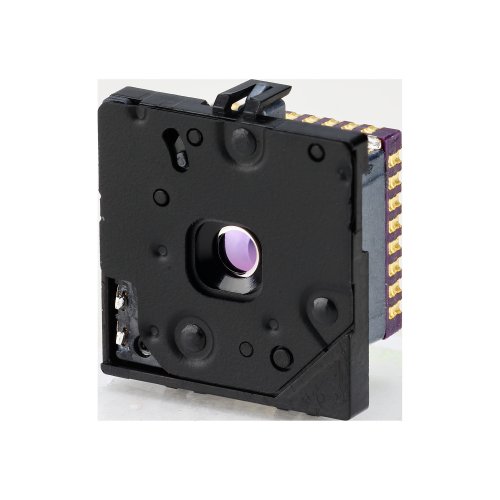
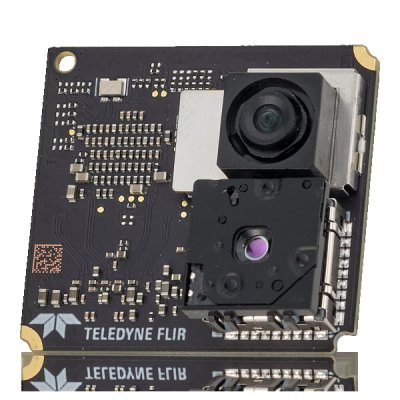
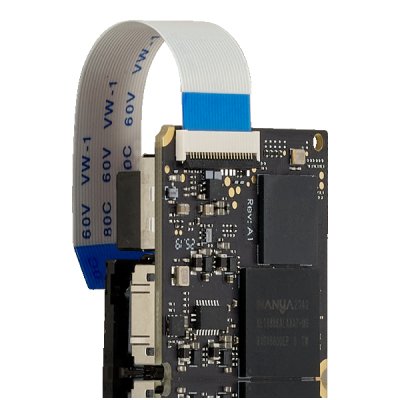
BARCELONA and GOLETA, Calif.,– Teledyne FLIR OEM, a part of Teledyne Technologies Incorporated (NYSE: TDY), today announced the launch of the Lepton® XDS, a compact dual‑thermal‑and‑visible camera module bringing Teledyne FLIR’s patented MSX® (Multi‑Spectral Dynamic Imaging) technology to a new class of space‑ and power‑constrained Original Equipment Manufacturer (OEM) products. Designed for rapid integration, the International Traffic in Arms Regulations (ITAR) -free Lepton XDS reduces development risk and accelerates time‑to‑market for embedded, mobile, and industrial applications.

The Lepton XDS pairs a 160 × 120 radiometric Lepton 3.5 micro‑thermal camera with a five‑megapixel (MP) visible sensor, featuring MSX that enhances thermal imagery in real time by embossing visible‑image edges directly onto the thermal scene. This patented software delivers sharper detail, improved context, and a level of actionable thermal intelligence typically associated with more-expensive, higher-resolution camera systems. It is ideal for fire detection and prevention, EV battery monitoring, robotics navigation, unmanned platforms, smart infrastructure, and health and safety systems.

“MSX technology has long been a defining advantage of Teledyne FLIR, and with Lepton XDS, we are making that capability accessible in a compact, OEM‑ready module,” said Mike Walters, vice president of product management, Teledyne FLIR OEM. “By combining a visible camera, a proven micro‑thermal sensor, onboard Prism ISP processing, and direct access to radiometric overlays including spot meters and regions of interest we’re accelerating innovation and enabling OEMs to deliver clearer thermal imagery for faster user interpretation.”

Prism ISP: Advanced Imaging Beyond MSX

The integrated FLIR Prism ISP software ensures real‑time image enhancement while providing a comprehensive out‑of‑the‑box suite of advanced image‑processing features, including thermal‑visible fusion, advanced image processing, and an industry-first radiometric JPEG (RJPEG) output. Built‑in measurement and visualization tools include regions of interest (ROI), spot temperature measurements, isotherms, and customizable color palettes, and it is seamlessly compatible with the Teledyne FLIR OEM software ecosystem for analysis, post‑processing, and reporting. 

Designed for Scalable OEM Deployment

The Lepton XDS is a size, weight, and power (SWaP)‑optimized module, and an industry‑standard USB output makes it well-suited for battery‑powered and always‑on systems. It is also ITAR‑free and classified under 6a993.b.4.b enabling broadly available for commercial applications worldwide.

As the global leader in thermal camera manufacturing, Teledyne FLIR OEM’s global technical services organization and proven high‑volume manufacturing systems have delivered more than six million Leptons supporting scalable production while minimizing supply‑chain risk.

To see the new Lepton XDS and other exciting products from the Thermal by FLIR collaborative development program, visit booth 7B6 at Mobile World Congress in Barcelona, 2-5 March 2026. Learn more at www.oem.flir.com/lepton.


Sports Sensors Vary Wildly in Their Measurements. Standards Are Closing the Gap

Did you know that two different wearable sensors can give an athlete two completely different scores for the same workout? 

Those differences, which can be subtle and not-so subtle, make it hard for elite athletes, coaches and even sports leagues to cut through the noise and identify the tools that are best for them. 

That’s exactly the challenge IEEE Member Rachel Hybart wants to address through a standard in development through the IEEE Standards Association. 

IEEE Standard P3716, a Standard for the Quality Assessment of Human and Object Tracking Technologies Used in Field- or Court-based Sports, is intended to provide an objective performance evaluation of electronic systems that measure things like the speed, position and velocity of humans and objects in sports that are played in fields and courts. 

 She recently appeared on the IEEE SA Re-Think Health podcast. As the world’s attention begins to focus on elite winter sports, we touched base with her to discuss how this new standard might help elite athletes, coaches and leagues make more informed decisions.

 “Without a way of assessing the quality of a specific measurement device or method, it’s really easy for teams and leagues to invest in technology that maybe doesn’t best suit their needs,” Hybart told the podcast. 

 Why Accuracy Matters

 From wearables on wrists to GPS vests to special cameras using LiDAR, sensors are everywhere and data is embedded at the highest levels of decision-making. 

 “At the elite level, small errors in timing orientation or force estimation can meaningfully change conclusions about fatigue, asymmetry or injury risk,” Hybart said. 

 And it isn’t just training load. Data from sensors can be used to determine whether an injured player should return to play and to help broadcasters provide context for viewers at home. Sports leagues use data to evaluate rules designed to improve player safety. 

 How Different Sensors Take Different Measurements

 To understand how differences in sensors and electronic devices can impact athlete data, consider the use of satellite-based navigation systems, like GPS, which are often combined with motion sensors worn on the body. While these satellite systems follow common standards, the devices that use them can process the data in different ways. During fast changes in speed or direction, differences in how frequently data is collected, how motion sensors are combined and how the data is smoothed can lead to noticeable differences in reported position and speed between systems.

 Furthermore, the way wearables and other sensors measure athletic performance is frequently locked behind proprietary systems and algorithms that are hard to evaluate. 

 Are Consumer-Grade Sensors Good Enough?

 Of course, the use of sensors and wearables isn’t just driven by elite athletes. Hobbyists and student athletes use them as well.

 “Consumer devices are optimized for consistency and engagement at the individual level,” Hybart said. “Systems used by elite athletes must be precise enough to inform medical, performance and safety decisions.”

 Systems used at elite international events are also designed to integrate multiple data streams such as motion tracking, force measurement, broadcast video and event context rather than relying on a single wearable signal.

CHILTIER Unveils Climate-Control Hydro Vest, Opens Pre-Orders Before Kickstarter Launch

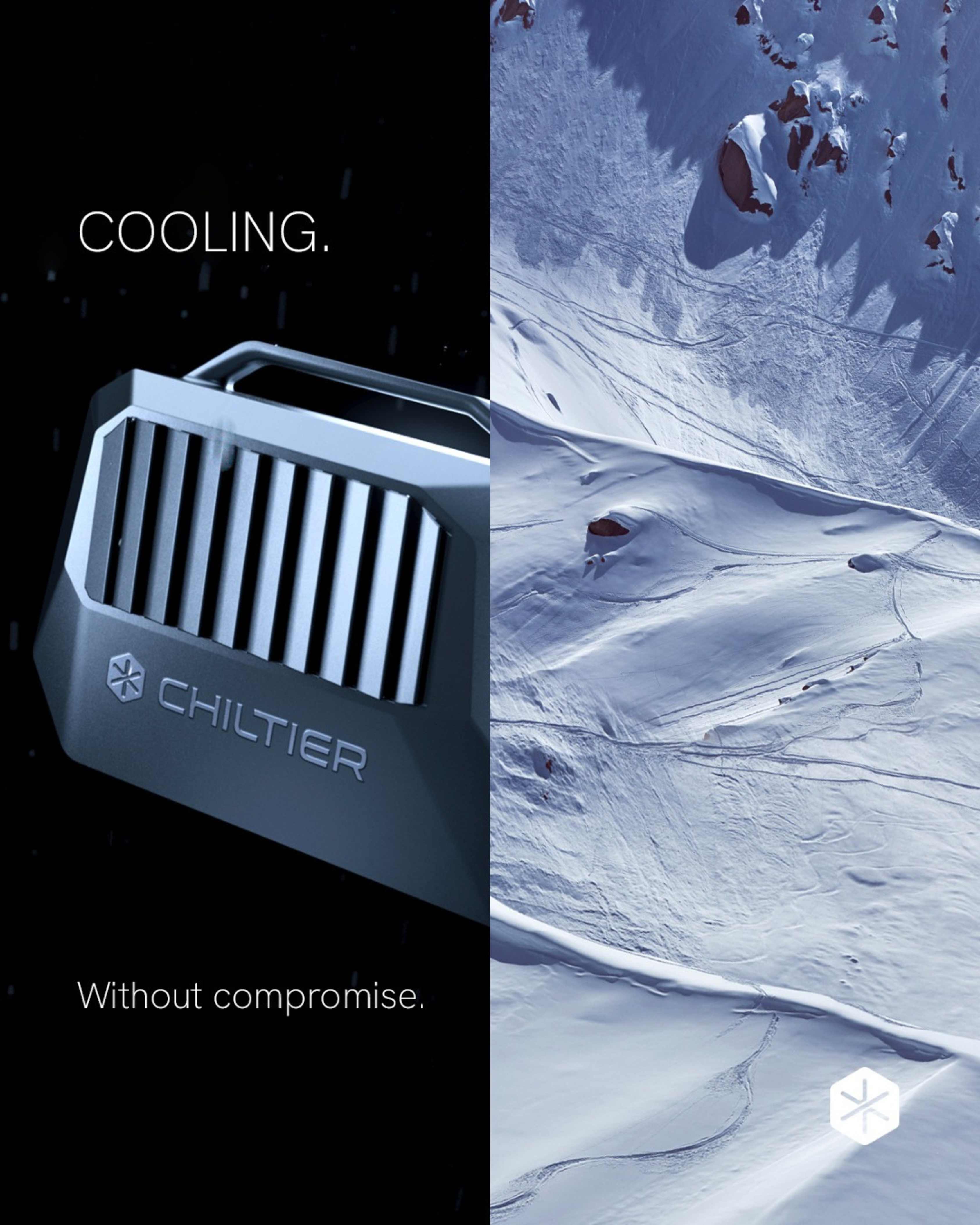
India, Feb 25: CHILTIER, a wearable climate technology company, announced the launch of its much-anticipated Hydro Vest, a thermoelectric personal cooling and heating system. The vest is designed to help users stay comfortable and safe in extreme weather conditions. With early pre-orders now open, the brand is gearing up for a global Kickstarter crowdfunding campaign.

Designed for motorcyclists, outdoor enthusiasts, field professionals, and individuals exposed to harsh climates daily, the Hydro Vest uses advanced Peltier-based thermoelectric technology to cool or heat the body within minutes. Unlike traditional cooling solutions that rely on ice packs, fans, or gel-based inserts, CHILTIER’s system actively regulates temperature through a closed-loop liquid circulation mechanism embedded within the vest.

The Hydro Vest maintains thermal comfort by circulating temperature-controlled liquid through thermally conductive tubing integrated into its inner lining. This helps stabilize core body temperature, reduce fatigue, and enhance endurance during prolonged rides, treks, outdoor work shifts, and adventure activities.

Recognizing varied user requirements, CHILTIER has introduced two configurations of the X1 and Z1 models. The X1 model can maintain unlimited run-time when connected to vehicle power and is designed for riders. Conversely, the Z1 model is fully portable (with a lightweight battery backpack) and can be operated for up to eight hours. Both models feature precision-adjustable temperature settings, lightweight materials quiet operation and water-resistant design for reliable performance in challenging environments.

As rising global temperatures and unpredictable climate patterns intensify the demand for portable thermal management solutions, CHILTIER aims to redefine personal comfort through wearable climate intelligence. The upcoming Kickstarter campaign is designed to create a community of early users, confirm the demand for this product, and support the initial production run.

Kulpreet Sahni, Founder and CEO, Chiltier, said,

“Our vision at CHILTIER is to make climate control as personal and intuitive as wearable technology itself. The Hydro Vest is not just about cooling or heating; it is about giving people control over their environment, enhancing safety, endurance, and performance in extreme conditions. With our Kickstarter launch, we are building a global community that believes wearable climate technology is the future of outdoor mobility and human resilience.”

Beyond the Hydro Vest, CHILTIER plans to expand its innovation roadmap through the development of the Thermo Pod, a scalable and modular platform intended to power a broader ecosystem of wearable climate-control products. Its adaptable architecture will enable integration with other wearable technologies, reinforcing CHILTIER’s long-term vision of intelligent personal thermal systems.

CHILTIER is currently inviting consumers worldwide to sign up for launch notifications and be among the first to access the Hydro Vest when the Kickstarter campaign goes live.

Securonix and AWS Launch Agentic Mesh with First Productivity-Based AI Model for SOC

India, Feb 25: Securonix, Inc., working closely with Amazon Web Services (AWS), today announced the Securonix Agentic Mesh and SAM, the AI SOC Analyst. The launch advances agentic AI for cybersecurity with a governed, explainable network of intelligent agents designed to elevate human analysts and measurably improve productivity across security operations.

The Securonix Agentic Mesh, built on AWS AgentCore, provides a unified orchestration layer for AI agents operating within the SOC. It enables AI-driven investigation and response while enforcing policy, governance, and human oversight.

Within the Agentic Mesh, SAM coordinates a modular set of AI agents optimized for specific operational tasks, including investigation context, search assistance, response preparation, noise reduction, and data pipeline optimization.

By orchestrating these agents together, the platform reduces alert fatigue, improves investigation consistency, and accelerates mean time to detection and response without sacrificing governance or visibility.

Analysts can review decisions, request deeper analysis, or pause actions to ensure AI remains transparent and accountable.

The announcement comes at a pivotal moment in the cybersecurity industry. According to the 2025 “Evolution of Cybersecurity Automation and AI Adoption” report, 97% of security leaders now consider automation business-critical, and 56% cite productivity as the top driver for adopting AI.

Introducing Productivity-Based AI Pricing for the SOC

As part of the launch, Securonix is introducing the cybersecurity industry’s first productivity-based AI pricing model. Rather than charging based on ingestion volume or seats, customers license SAM based on the amount of investigation work performed, measured in minutes of analyst time.

Usage is tracked in real time and visible within the Securonix platform, allowing security leaders to clearly see time saved, time billed, and operational impact. Each customer receives a baseline capacity, with the flexibility to expand in proportion to the value realized.

“At HDFC, we look for technology that strengthens our resilience and elevates our people. SAM delivers both. It gives our analysts a trusted partner working beside them at all hours and provides leadership with transparent, measurable AI value.”

said Sameer Ratolikar, Chief Information Security Officer, HDFC Bank

The Human-in-the-Loop SOC Operating Model

Agentic Mesh AI activity operates under Agentic Guardrails that enforce scope, policy, escalation rules, and separation of duties. Analysts interact with SAM through a guided interface where every decision includes step-by-step reasoning. Analysts can request deeper analysis, challenge findings, or pause actions for review, ensuring AI remains explainable, auditable, and aligned with organizational policy.

“We designed SAM and the Agentic Mesh to feel like a trusted teammate, not a black box,” said Kash Shaikh, CEO and President of Securonix. “With governed autonomy, a human-in-the-loop model, and transparent productivity metrics, we are giving security leaders a practical and accountable way to apply AI in the SOC.”

Built-In Governance and Secure Deployment

All AI operations are executed securely within the customer’s AWS environment. Every action taken by SAM or supporting agents is logged and auditable by design, supporting internal security reviews and external compliance requirements. The architecture aligns with Securonix responsible AI principles and ongoing ISO 42001 readiness efforts.

“AWS is proud to power the Securonix Agentic Mesh and SAM with AgentCore,” said Swami Sivasubramanian, Vice President of Data and AI at AWS. “Together, we are enabling customers to deploy scalable, explainable AI with trust and transparency at its core.”

Bridging the AI Fluency Gap in the SOC

Industry research continues to show that successful AI adoption depends as much on analyst readiness as on technology. To address this, Securonix is introducing the Agentic

Academy, a structured enablement program that helps SOC teams learn how to supervise, collaborate with, and derive value from AI-driven workflows.

The program focuses on practical interaction with SAM, interpretation of AI outputs, and effective human oversight to ensure AI-driven operations deliver sustained value.

Together, Agentic Mesh and SAM mark a shift from experimental AI to accountable, outcome-driven security operations.