New South Asia Heat and Health Hub Launched to Strengthen Regional Response to Extreme Heat

Business Wire India

  • CEEW, one of Asia’s leading think tanks, will host the South Asian hub of the Global Heat Health Information Network, in collaboration with partners SFC, NRDC, BRAC JPGSPH and UNESCAP, and in tandem with IITM and IMD.
  • The Hub is an initiative of the Global Heat Health Information Network, led by the WHO-WMO Climate and Health Joint Programme.


Across South Asia, summer temperatures are already rising, and the science confirms what communities have already experienced for years. The past 11 years of record-breaking global temperatures are collectively the hottest humanity has ever measured, according to the World Meteorological Organization’s recent flagship report. This is why today, on World Health Day, a consortium of leading research, policy, and development organisations launched a new South Asia Hub of the Global Heat Health Information Network (GHHIN). Funded by Wellcome, the new Regional Hub is being hosted in New Delhi by the Council on Energy, Environment and Water (CEEW).


Together, the five coordinating partners—CEEW, the Sustainable Futures Collaborative (SFC), Natural Resources Defense Council (NRDC), BRAC James P. Grant School of Public Health (BRAC JPGSPH), and the United Nations Economic and Social Commission for Asia and the Pacific (UNESCAP)—will unify actors across government, academia, private enterprise, and civil society to improve shared learning and inform policy change.


The Hub will work in tandem with the South Asia Climate and Health Desk at the Indian Institute for Tropical Meteorology (IITM) and the India Meteorological Department (IMD) to ensure heat early warnings and heat science are used to generate impactful solutions for communities.
 

Serving as the region’s platform for knowledge exchange and good practice, the Hub will connect local actors to inform policy, implement practical interventions, and reduce heat risks, particularly for vulnerable populations.


Turning heat science into health action


Asia is warming at twice the rate of the rest of the world, and between 1990 and 2021, it accounted for more than half of all global heat-related deaths. South Asia bears the sharpest edge of the heat crisis: nearly 90 per cent of its population is projected to face extreme heat exposure by 2030. Yet, regional policy and response coordination often remain fragmented, and most national systems or structures still lack health-triggered warnings.


In India alone, 57 per cent of Indian districts—home to nearly three-quarters of the population—already face high to very high heat risk, according to CEEW research, with rising night-time temperatures and increasing humidity compounding heat stress, reducing the body’s ability to recover, and placing additional strain on health systems. Bangladesh has seen ‘felt temperatures’ climb by 4.5°C in the last four decades. Even Nepal and Bhutan, both high-altitude Himalayan countries, now regularly record temperatures surpassing 40°C.


Starting operations in April 2026, the South Asia GHHIN Hub will work with regional and national partners to deliver tangible benefits for families, workers, schools, hospitals, and city officials by enabling clearer alerts, safer work hours, timely cooling actions, and strengthened policy advice for better-prepared health services. The Hub will focus on, among others:


  • Building a regional network of institutions, practitioners, and policymakers across South Asia — connecting climate, health, and urban planning sectors to share and build skills, foster knowledge exchange, peer learning, and coordinated heat action to safeguard health.
  • Translating science into policy, working with local and regional governments to move from data to decisions through pilot projects, and pre- and post-heat season briefings and information for actionable preparedness action for governments and communities.
  • Strengthening heat-health early warning systems by working with regional climate centres to close the gap between meteorological forecasting and public health response.
  • Documenting and scaling what works — collecting lessons from local partners, contributing to cross-regional best practice synthesis, and ensuring South Asia’s frontline experience feeds into global knowledge platforms.


Over the next few years, the Hub aims to bring together more than 60 institutions, train over 500 professionals, and strengthen heat action plans across South Asia.


The South Asia Heat and Health Hub will be chaired by Dr Vishwas Chitale, Fellow, CEEW, who has led pioneering work on district-level heat risk assessments and heat action planning in India.


Dr Arunabha Ghosh, CEO, Council on Energy, Environment and Water (CEEW), said: “Extreme heat is not a seasonal hazard; it is a systemic risk to public health, economic productivity, and infrastructure across South Asia. What makes heat particularly dangerous is that it cuts across sectors — climate, health, labour, and urban development — yet responses often remain fragmented. At CEEW, we have been building the data, analytics, and policy partnerships needed to understand heat risk at a granular level, and we are honoured to host the South Asia Hub for the Global Heat Health Information Network to bring that evidence together with regional collaboration. By convening governments, researchers, and practitioners across South Asia, we hope to turn heat science into coordinated heat action that protects the most vulnerable.”


Alejandro Saez Reale, Global Heat Health Information Network (GHHIN) Coordinator, said: “The launch of the South Asia Hub is a milestone for the expansion of GHHIN’s global network. Some of the world’s most heat-exposed cities and communities are in this region — and access to the best available science, tools, and peer knowledge is essential to protect people’s lives. This Hub creates the architecture for that exchange, linking actors and institutions across South Asia to a growing global community of practitioners and policymakers – many of them coming together at the upcoming Global Heat and Cooling Forum in New Delhi later this month – working to make heat a visible, actionable priority.”


Dr Joy Shumake-Guillemot, WHO-WMO Climate and Health Joint Programme, said: “Climate change is driving more intense and more frequent heat – with dramatic consequences for our environment and health. We have the tools to respond – through heat action plans, early warning systems, and cross-sectoral sharing – but these tools only work if institutions are connected and pulling in the same direction – which is exactly what the South Asia Hub and its partners have set out to do.”


Dr Catharina Cora Boehme, Officer-in-Charge, World Health Organization (WHO) Regional Office for South East Asia, said: “Extreme heat is one of the most urgent public health risks of our time, yet it often remains invisible in policy and planning. Strengthening the link between science and public health action is essential. This Hub reflects the spirit of World Health Day, standing with science to protect lives.”


Dipa Singh Bagai, Country Director, NRDC India, Natural Resources Defense Council (NRDC), said: “Extreme heat is no longer a distant climate threat—it is a present and growing danger to lives, livelihoods, and economic stability across South Asia. NRDC’s experience in India has shown that well-designed Heat Action Plans—grounded in science, early warning systems, and community partnerships—can save lives. The launch of the South Asia Heat and Health Hub is an important step toward scaling these proven solutions across the region. By strengthening collaboration amongst South Asia’s climate adaptation and public health leaders, this partnership will help the region move from reactive responses to proactive, coordinated action that protects the most vulnerable communities.”


Dr Bhargav Krishna, Convenor, Sustainable Futures Collaborative (SFC), said: “Extreme heat is already a public health emergency with projections indicating increasingly more frequent and intense heatwaves in coming years. India has shown leadership in managing the fallout of heat in recent years, but building systems that chart a path to long-term heat resilience is essential if we are to forestall the harmful effects of heat on health, livelihoods, and economic productivity. This hub aims to bring together cutting-edge epidemiology with thoughtful analysis of institutions, governance mechanisms, and policies that can foster equitable and evidence-based management of current and future heat in India and South Asia.”


Mr. Kiyoung Ko, Director, ICT and Disaster Risk Reduction Division, United Nations Economic and Social Commission for Asia and the Pacific (UNESCAP), said: “Extreme heat is a regional, cross-border risk. By bringing countries together, the Hub can strengthen cooperation, align policies, and integrate heat into broader disaster risk and climate resilience frameworks across Asia-Pacific.”


Dr Farzana Misha, Associate Professor and Lead, Climate Change, Environment and Health Hub, BRAC James P Grant School of Public Health (BRAC JPGSPH), said:Extreme heat is not a future risk; it is already here. Unlike cyclones or floods, it is less visible, and therefore often underestimated, yet its impacts are far-reaching. It directly affects human health while placing sustained pressure on health systems and disrupting food and water security. In South Asia, one of the most climate-vulnerable and least-prepared regions, this challenge is particularly urgent. The GHHIN South Asia hub is an important step toward bringing together regional knowledge, shared experiences, and collective action to better respond to this growing threat.


As heat risks intensify across South Asia, the Hub marks a shift from fragmented responses to coordinated, regional-level science-led heat-centered action. Serving as the region’s anchor for knowledge exchange, policy innovation, and capacity building, it will foster a robust, interconnected ecosystem of practitioners, policymakers, and researchers, strengthening regional collaboration for evidence-based, equitable solutions that reach the most vulnerable.

Riskified Partners with Outpayce from Amadeus to Enable and Secure Payments for Airlines and Travel Merchants Worldwide

Business Wire India


Riskified, a leader in ecommerce fraud and risk intelligence, today announced a partnership with Outpayce from Amadeus. This partnership boosts Outpayce’s trusted travel payment platform with Riskified’s AI-powered fraud prevention suite and Chargeback Guarantee model, creating a game-changing solution for airlines worldwide. The landscape of airline payments is evolving, and we’re proud to share a major milestone that will reshape the way airlines approach fraud management.


Outpayce from Amadeus is a global travel payments orchestrator and specialized fintech enabler, empowering airlines and travel merchants to streamline complex payment processes, optimize costs, and enhance customer experiences. Purpose-built for the travel industry, Outpayce delivers innovation, flexibility, and seamless integration within the Amadeus ecosystem, supporting secure, efficient, and scalable payment operations across the entire traveler journey.


With Riskified integrating into Outpayce’s ecosystem, carriers all over the world can benefit from AI-decisioning and a risk management solution that creates revenue predictability through guaranteed defined approval rates, while significantly reducing complexity and the cost of fraud. With this new partnership, Riskified becomes the first chargeback guarantee solution in Outpayce’s ecosystem, elevating its value to airlines across the globe.


“Our innovation-first collaboration with Riskified is a major step forward in helping airlines combat fraud more effectively,” said Vasken Tokatlian, VP Partnerships at Outpayce from Amadeus. “By integrating Riskified into Outpayce’s ecosystem we are expanding the choice available to airlines worldwide—equipping them with additional tools to reduce fraud losses, lower operational costs, and seamless, secure payment experiences.”


“By partnering with Outpayce from Amadeus, we are giving airlines the confidence to grow their business, secure in the knowledge that every transaction is protected from fraud,” said Max Meister Admoni, Global Head of Partnerships at Riskified.


A major Asia-Pacific international airline will be the first merchant to go live with the integration in 2026. This launch paves the way for successful implementation with other merchants looking to enhance the traveler experience with advanced AI capabilities.


This partnership delivers value to airlines executing on growth strategies and with variable risk profiles. For carriers in high-risk areas, where chargeback volumes often create significant financial and administrative challenges, Riskified’s technology offers a way to reduce fraud losses, streamline operations, and expand confidently into new territories. Meanwhile, every airline stands to benefit from the highest accuracy in fraud detection, an intelligent, adaptive checkout flow that maximizes bookings, a reduction in manual reviews, and peace of mind that comes with Riskified’s Chargeback Guarantee protection.


High ticket values, frequent card-not-present transactions, and the attractiveness of travel bookings to fraudsters create a perfect storm for elevated fraud and chargeback rates. And fraudsters continue to find creative and sophisticated ways to exploit gaps in airline policies and processes. One Riskified analysis found that flight bookings over the past year were +14% riskier than the previous year.


This is where the collaboration between Riskified and Outpayce provides a much-needed solution for the industry. Together, they offer a sophisticated, technology-driven approach to tackling fraud and chargebacks, addressing these challenges head-on.


  • Advanced fraud prevention: Using state-of-the-art machine learning and AI technology, Riskified delivers precise fraud detection with faster, more accurate decision-making that surpasses traditional, rules-based systems.
  • Guaranteed chargeback protection: Riskified provides Chargeback Guarantee services, eliminating the financial risk for airlines as stated in What is a chargeback guarantee? – Riskified.
  • Sector expertise: Together, Outpayce and Riskified’s global merchant network offer a strong concentration of travel-related transactions from airlines, OTAs, transportation providers, tour and event operators, and more, giving unprecedented intelligence into the identities of travelers purchasing flights and fraud detection accuracy.
  • Improved operational efficiency: By automating fraud detection and reducing reliance on manual reviews, Riskified helps airlines focus on higher-value tasks while saving valuable time and resources.


At a time where booking patterns and payment preferences are frequently changing, Riskified and Outpayce enable businesses to stay agile while keeping fraud under control. Interested in joining the growing list of airlines transforming their fraud prevention approach? Speak with one of our experts at Riskified or Outpayce from Amadeus.


About Riskified
Riskified (NYSE:RSKD) empowers businesses to unleash ecommerce growth by outsmarting risk. Many of the world’s biggest brands and publicly traded companies selling online rely on Riskified for guaranteed protection against chargebacks, to fight fraud and policy abuse at scale, and to improve customer retention. Developed and managed by the largest team of ecommerce risk analysts, data scientists, and researchers, Riskified’s AI-powered fraud and risk intelligence platform analyzes the individual behind each interaction to provide real-time decisions and robust identity-based insights. Learn more at riskified.com.


About Amadeus
Amadeus makes the experience of travel better for everyone, everywhere by inspiring innovation, partnerships and responsibility to people, places and planet. Our technology powers the travel and tourism industry. Inspiring more open ways of working. More connected ways of thinking, centered around the traveler. Our open platform connects the global travel and hospitality ecosystem. From startups to big industry players and governments too. Together, transforming how travel works. We are working to make travel a force for social and environmental good. A collective responsibility to protect and improve the people and places we visit, ensuring travel continues to make positive contribution to our world. We apply innovation to meet new needs, to solve real challenges. Our truly diverse global workforce, made up of 150 nationalities, is passionate about travel and technology. We are an IBEX 35 company, listed on the Spanish Stock Exchange under AMS.MC. We have also been recognized by the Dow Jones Sustainability Index for the last 13 years. Amadeus. It’s how travel works better.


Learn more about Amadeus at www.amadeus.com


From Crisis to Opportunity: How Agricultural Innovation Can Buffer the Global Shock of the Iran War

Opinion piece: From Crisis to Opportunity - How Agricultural Innovation Can Buffer the Global Shock of the Iran War

Opinion piece by Dr Himanshu Pathak, Director General of the International Crops Research Institute for the Semi-Arid Tropics

April 7: The war in the Persian Gulf is already being felt far beyond the region, reflected in rising fertilizer prices in rural India and in the shifting planting decisions of farmers across Africa and well beyond.

For those working on the front-lines of dryland agriculture, including scientists at ICRISAT, these impacts are unfolding in real time.

What began as a disruption to energy corridors has rapidly cascaded through fertilizer markets, shipping routes and farm economies, driving up production costs, restricting access to inputs and heightening food security risks, particularly for the most vulnerable across Asia, Africa and beyond.

At this critical moment, it is important to recognize the leadership of the Indian Council of Agricultural Research as a close partner of ICRISAT in commissioning a timely study on short term, medium term, and long-term strategies for India’s agricultural development in the context of the West Asia crisis.

While the analysis focuses on India, the implications and lessons are highly relevant across other regions facing similar vulnerabilities, particularly in Africa where exposure to imported inputs and external shocks remains acute.

This creates an important opportunity for ICRISAT and its partners to extend these insights and adapt them to diverse agroecological and socioeconomic contexts.

Disruptions have already reduced shipments dramatically, pushing energy prices higher and tightening fertilizer availability.

At the same time, shipping constraints and rising freight and insurance costs are slowing the movement of essential inputs and food commodities.

For countries such as India, which remains heavily dependent on imports for key farm inputs and edible oils, the exposure is significant. Potash is almost entirely imported, around 90 percent of fertilizer raw materials come from abroad, and edible oil dependence remains above 50 percent.

Similar vulnerabilities are seen in fertilizer import dependent regions such as Kenya, Malawi, and Niger, where the consequences are immediate.

Higher costs reduce margins, while uncertainty around supply affects planting decisions.

In the near term, stabilizing access to critical inputs remains essential.

Protecting upcoming cropping seasons requires coordinated measures to ensure fertilizer availability, manage price spikes, and support farmers in maintaining productive capacity.

Without such efforts, reductions in fertilizer use could translate into lower yields and tighter food supplies later in the year, reinforcing upward pressure on food prices, with subsistence farmers facing the greatest risk as declining productivity directly affects both their incomes and household food security.

But this crisis also points to a deeper issue in that global agriculture still depends far too heavily on external inputs and a handful of concentrated supply chains.

Building resilience requires a shift toward systems that are more diversified, resource efficient, and locally grounded, an area where ICRISAT’s innovations and long-standing partnerships are well positioned to support countries in accelerating this transition.

Crop diversification offers a clear and immediate pathway.

Expanding pulses, oilseeds and millets can reduce dependence on imported fertilizers and energy, particularly in input-intensive crops like wheat and rice, while strengthening nutrition and farm incomes.

These crops require fewer external inputs and support more resilient production systems.

Pulses contribute to soil fertility through biological nitrogen fixation, lowering the need for synthetic inputs.

Oilseeds play a critical role in reducing import dependence and stabilizing food prices, particularly in countries where edible oil imports remain high.

Importantly, these crops support a transition toward more balanced production systems that are better aligned with both environmental conditions and economic realities.

Scaling this transition would benefit from stronger policy support. Expanding market incentives for farmers to grow low-input, nutritious crops such as pulses and oilseeds would increase adoption and lower costs over time.

At the same time, improving the efficiency of input use remains equally important.

The current disruption to fertilizer markets reinforces the need to move from volume-based application to precision-based management.

ICRISAT’s work in Ethiopia demonstrates how targeted fertilizer advisory systems, built on soil data and digital tools, can guide farmers toward more efficient nutrient use.

These approaches help maintain productivity while reducing costs and environmental impact.

Scaling precision nutrient management across regions facing fertilizer constraints can significantly reduce overall demand while sustaining yields.

This offers an opportunity to produce more with fewer external inputs, an area where ICRISAT is actively leading through its science and partnerships.

The energy dimension of the crisis is also reshaping agriculture. Rising fuel costs are increasing expenses across irrigation, transport, storage, and processing.

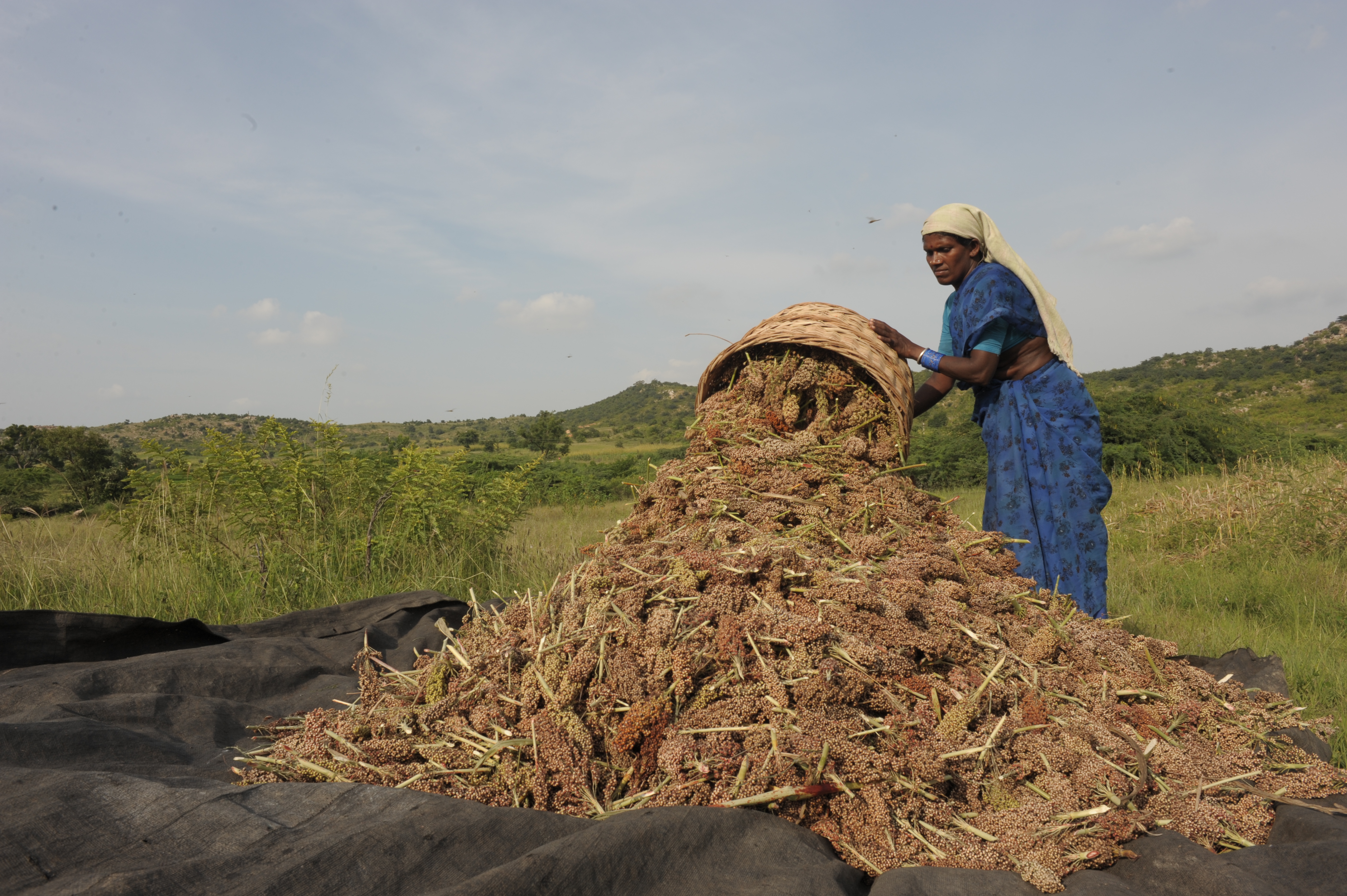
ICRISAT’s experience in bioethanol production from sorghum provides one pathway forward.

Through the development of high biomass and high sugar sorghum varieties, and the promotion of sweet sorghum as a viable ethanol feedstock, ICRISAT has demonstrated how dryland crops can support both food and energy systems while strengthening farmer incomes.

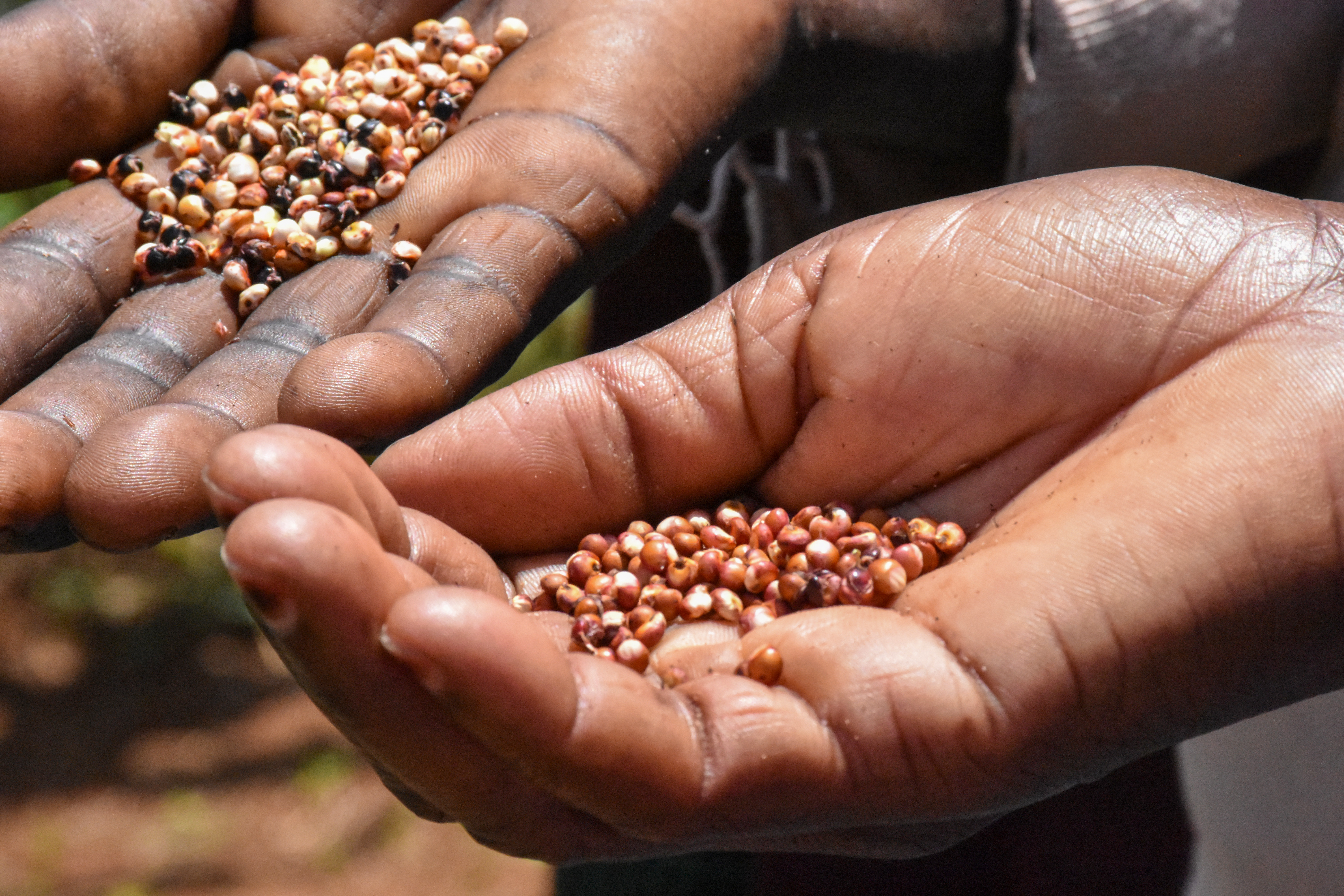
Sorghum is a climate resilient crop that performs well in dryland conditions and requires relatively low external inputs.

Opinion piece: From Crisis to Opportunity - How Agricultural Innovation Can Buffer the Global Shock of the Iran War

 It can support food, feed, and energy systems simultaneously, creating opportunities for rural economies while contributing to energy security.

Complementary approaches such as solar powered irrigation, renewable energy for cold chains, and more efficient rural logistics can further reduce dependence on fossil fuels and strengthen system resilience.

Beyond production, strengthening agro-industrial capacity is equally important.

Building up local processing, storage, and value addition for crops like oilseeds can help reduce exposure to external shocks while creating new opportunities for farmers and businesses. Stronger local value chains ensure that gains in production translate into real economic resilience.

Across all these areas, innovation remains central. ICRISAT’s work on climate resilient crop varieties, digital advisory systems, and integrated farming approaches offers practical solutions that can be deployed at scale.

These innovations support farmers in managing risk, optimizing resources, and adapting to rapidly changing conditions.

Partnerships are equally important. Collaboration across countries, including through platforms such as the ICRISAT Centre of Excellence for South South Cooperation in Agriculture, ISSCA, enables the sharing of knowledge and the scaling of practical solutions.

Developed by ICRISAT in partnership with the Research and Information System for Developing Countries and supported by the Ministry of External Affairs, ISSCA provides a platform for advancing cooperation across the Global South.

It is designed to address precisely these kinds of challenges, enabling innovations developed in similar agroecological contexts to be adapted and scaled efficiently across regions, particularly in Africa where many countries rely heavily on imported fertilizers and are highly sensitive to price increases.

The current crisis also underscores the importance of data, market monitoring, and early warning systems. Timely information enables governments and farmers to respond proactively to changing conditions, manage risks, and make informed decisions in uncertain environments.

Looking ahead, aligning short term actions with long term strategies is essential.

Immediate efforts to stabilize input access and protect farmers must be complemented by medium term investments in diversification and reduced import dependence.

Over time, agriculture must evolve toward systems that are less energy intensive, less dependent on external inputs, and more resilient to international shocks.

The global food system is entering a period where geopolitical shocks, climate pressures, and market volatility are increasingly interconnected.

Against this backdrop resilience becomes a foundational principle for agricultural development and is at the core of what ICRISAT aims to achieve through its frontier science for the drylands.

From Crisis to Opportunity: How Agricultural Innovation Can Buffer the Global Shock of the Iran War

The science, innovation, and experience developed across semi-arid regions offers a clear pathway forward.

By strengthening crop diversity, improving input efficiency, and integrating energy and agriculture, it is possible to build systems that are both productive and resilient.

The human and economic toll of the unfolding crisis demands coordinated action and a shared commitment to scale solutions that are already proven to work, drawing on the experience of ICRISAT, ICAR and their partners.

If we act on what we already know, agriculture, and especially dryland agriculture can move beyond vulnerability and become a source of stability in an increasingly uncertain world.

IQM and Real Asset Acquisition Corp. Announce Confidential Submission of Draft Registration Statement on Form F-4 in Connection With Proposed Business Combination

Business Wire India

IQM Finland Oy, a global leader in deployed on-premises, full-stack superconducting quantum computers (“IQM”, “IQM Quantum Computers” or the “Company”), and Real Asset Acquisition Corp., a special purpose acquisition company (Nasdaq: RAAQ) (“RAAQ”), today announced the confidential submission of the draft registration statement on Form F-4 (the “Registration Statement”) filed by IQM with the U.S. Securities and Exchange Commission (“SEC”) relating to their proposed business combination.


This press release features multimedia. View the full release here: https://www.businesswire.com/news/home/20260407372076/en/


IQM Quantum Computers

IQM Quantum Computers


The submission of the Registration Statement marks an important milestone toward the completion of the proposed business combination, which will result in IQM becoming a publicly traded company.


The business combination remains subject to approval by RAAQ shareholders, the Registration Statement being declared effective by the SEC, and other customary closing conditions. The business combination is expected to close in mid-2026.


IQM operates a vertically integrated business model, boasting a unique combination of proprietary infrastructure from its own chip design tool and software developer platform to a quantum chip fab, assembly line and data centre, allowing the company to accelerate its innovation cycles, deliver best-in-class quantum computing to its customers and enabling the quantum ecosystem to grow.


About IQM Quantum Computers


IQM Finland Oy (“IQM”, “IQM Quantum Computers”, “Company”) is a global leader in superconducting quantum computers, delivering full-stack quantum systems and cloud platform access to research institutions, universities, high-performance computing centres, and national laboratories worldwide. IQM’s on-premises deployment model gives customers direct ownership and control of their quantum infrastructure. Founded in 2018, headquartered in Finland, IQM has over 350 employees. IQM operates across Europe, Asia, and North America and has announced its plans to become the first publicly listed European quantum company on a major U.S. stock exchange and considering dual listing on the Helsinki Stock Exchange.


Additional Information About the Proposed Business Combination and Where to Find It


In connection with the proposed business combination between IQM and RAAQ, IQM has confidentially submitted and intends to publicly file with the SEC a registration statement on Form F-4 (the “Registration Statement”), which will include a preliminary proxy statement of RAAQ and a preliminary prospectus of IQM. After the Registration Statement is declared effective by the SEC, RAAQ will mail the definitive proxy statement/prospectus relating to the proposed business combination to its shareholders as of a record date to be established for voting at the extraordinary general meeting of its shareholders (the “Extraordinary General Meeting”). The Registration Statement, including the proxy statement/prospectus contained therein, will contain important information about the proposed business combination and the other matters to be voted upon at the Extraordinary General Meeting. This communication does not contain all the information that should be considered concerning the proposed business combination and is not intended to provide the basis for any investment decision or any other decision in respect of such matters. RAAQ and IQM may also file other documents with the SEC regarding the proposed business combination. RAAQ’s shareholders and other interested persons are advised to read, when available, the Registration Statement, including the preliminary proxy statement/prospectus contained therein, the amendments thereto and the definitive proxy statement/prospectus and other documents filed in connection with the proposed business combination, as these materials will contain important information about RAAQ, IQM and the proposed business combination. Shareholders of RAAQ may obtain copies of the Registration Statement, including the preliminary or definitive proxy statement/prospectus contained therein, and the other documents filed or that will be filed by RAAQ and IQM with the SEC, once available, without charge, at the SEC’s website located at www.sec.gov.


Forward-Looking Statements


This communication includes “forward-looking statements” within the meaning of the U.S. federal securities laws and “forward-looking information” within the meaning of applicable non-U.S. securities laws (collectively, “forward-looking statements”). Forward-looking statements may be identified by the use of words such as “estimate,” “plan,” “project,” “forecast,” “intend,” “will,” “expect,” “anticipate,” “believe,” “seek,” “target,” “continue,” “could,” “may,” “might,” “possible,” “potential,” “predict” or similar expressions that predict or indicate future events or trends or that are not statements of historical matters. These forward-looking statements are based upon current estimates and assumptions that, while considered reasonable by IQM and its management, and RAAQ and its management, as the case may be, are inherently uncertain. These statements include: the successful consummation and potential benefits of the proposed business combination and expectations related to its terms and timing; the stock exchanges on which the securities of IQM are expected to trade; IQM’s ability to commercialize its hardware and software; the expectation that IQM is building the infrastructure that allows quantum ecosystems to grow; and the potential for IQM to increase in value.


These forward-looking statements are provided for illustrative purposes only and are not intended to serve as, and must not be relied on as, a guarantee, an assurance, a prediction or a definitive statement of fact or probability. Actual events and circumstances are difficult or impossible to predict and will differ from assumptions, many of which are beyond the control of IQM and RAAQ.


These forward-looking statements are subject to known and unknown risks, uncertainties and assumptions that may cause the actual results of IQM proposed business combination, levels of activity, performance, or achievements to be materially different from any future results, levels of activity, performance or achievements expressed or implied by such statements. Such risks and uncertainties include: that IQM is pursuing an emerging technology, which faces significant technical challenges and may not achieve commercialization or market acceptance; IQM’s historical net losses and limited operating history; IQM’s expectations regarding future financial performance, capital requirements and unit economics; IQM’s use and reporting of business and operational metrics; IQM’s competitive landscape; IQM’s dependence on members of its senior management and its ability to attract and retain qualified personnel; the potential need for additional future financing; IQM’s concentration of revenue in contracts with government or state-funded entities; IQM’s ability to manage growth and expand its operations; potential future acquisitions or investments in companies, products, services or technologies; IQM’s reliance on strategic partners and other third parties; IQM’s ability to maintain, protect and defend its intellectual property rights; risks associated with privacy, data protection or cybersecurity incidents and related regulations; the use, rate of adoption and regulation of artificial intelligence and machine learning; uncertainty or changes with respect to laws and regulations; uncertainty or changes with respect to taxes, trade conditions and the macroeconomic environment; IQM’s ability to maintain internal control over financial reporting and operate a public company; the possibility that required shareholder and regulatory approvals for the proposed business combination are delayed or are not obtained, which could adversely affect the combined company or the expected benefits of the proposed business combination; the risk that shareholders of RAAQ could elect to have their shares redeemed, leaving the combined company with insufficient cash to execute its business plans; the occurrence of any event, change or other circumstance that could give rise to the termination of the business combination agreement; the outcome of any legal proceedings or government investigations that may be commenced against IQM or RAAQ; failure to realize the anticipated benefits of the proposed business combination; the ability of IQM to issue equity or equity-linked securities in connection with the proposed business combination or in the future; and other factors described in RAAQ’s and IQM’s filings with the SEC. These forward-looking statements are based on certain assumptions, including that none of the risks identified above materialize; that there are no unforeseen changes to economic and market conditions, and that no significant events occur outside the ordinary course of business. Additional information concerning these and other factors that may impact such forward-looking statements can be found in filings made and to be made by IQM and RAAQ with the SEC, including under the heading “Risk Factors.” If any of these risks materialize or assumptions prove incorrect, actual results could differ materially from the results implied by these forward-looking statements. In addition, these statements reflect the expectations, plans and forecasts of IQM’s and RAAQ’s management as of the date of this communication; subsequent events and developments may cause their assessments to change. While IQM and RAAQ may elect to update these forward-looking statements at some point in the future, they specifically disclaim any obligation to do so, unless required by applicable securities laws. Accordingly, undue reliance should not be placed upon these statements.


In addition, statements that “we believe” and similar statements reflect our beliefs and opinions on the relevant subject. These statements are based upon information available to us as of the date of this communication, and while we believe such information forms a reasonable basis for such statements, such information may be limited or incomplete, and our statements should not be read to indicate that we have conducted an exhaustive inquiry into, or review of, all potentially available relevant information. These statements are inherently uncertain, and investors are cautioned not to unduly rely upon these statements. An investment in RAAQ is not an investment in any of RAAQ’s founders’ or sponsors’ past investments, companies, or affiliated funds. The historical results of those investments are not indicative of future performance of RAAQ, which may differ materially from the performance of RAAQ’s founders’ or sponsors’ past investments.


Participants in the Solicitation


RAAQ, IQM and certain of their respective directors, executive officers and other members of management and employees may, under SEC rules, be deemed to be participants in the solicitation of proxies from RAAQ’s shareholders in connection with the proposed business combination. Information regarding the persons who may, under SEC rules, be deemed participants in the solicitation of RAAQ’s shareholders in connection with the proposed business combination will be set forth in the Registration Statement, including the proxy statement/prospectus contained therein, when it is filed with the SEC. You can find more information about RAAQ’s directors and executive officers in RAAQ’s Annual Report on Form 10-K for the year ended December 31, 2025, filed with the SEC on March 3, 2026, and in the subsequent filings made by RAAQ with the SEC. Shareholders, potential investors, and other interested persons should read the Registration Statement, including the proxy statement/prospectus contained therein, carefully when it becomes available before making any voting or investment decisions. You may obtain free copies of these documents from the sources described above.


No Offer or Solicitation


This communication does not constitute an offer to sell or the solicitation of an offer to buy any securities, or a solicitation of any vote or approval, nor shall there be any sale of securities in any jurisdiction in which such offer, solicitation or sale would be unlawful prior to registration or qualification under the securities laws of any such jurisdiction, including any European Economic Area member state or the United Kingdom. This communication is not, and under no circumstances is to be construed as, a prospectus, an advertisement or a public offering of the securities described herein in the United States or any other jurisdiction. No offer of securities shall be made except by means of a prospectus meeting the requirements of Section 10 of the Securities Act of 1933, as amended, or exemptions therefrom. Any potential dual listing of IQM’s ordinary shares on the Helsinki Stock Exchange referred to in this communication would be made by means of a prospectus as set out in the EU Prospectus Regulation. INVESTMENT IN ANY SECURITIES DESCRIBED HEREIN HAS NOT BEEN APPROVED BY THE SEC OR ANY OTHER REGULATORY AUTHORITY NOR HAS ANY AUTHORITY PASSED UPON OR ENDORSED THE MERITS OF THE OFFERING OR THE ACCURACY OR ADEQUACY OF THE INFORMATION CONTAINED HEREIN. ANY REPRESENTATION TO THE CONTRARY IS A CRIMINAL OFFENSE.


OLX India Appoints Varun Sanghi as Non-Executive Chairman

Mumbai, Apr 07: Sobek Auto India Private Limited (“OLX India”) material wholly owned subsidiary of the Company, today announced the appointment of Mr. Varun Sanghi as Non– Executive Chairman.

Mr. Sanghi has been associated with CarTrade Tech Limited for over a decade and currently serves as Chief Strategy Officer, where he has been instrumental in shaping the Company’s strategic direction and driving key growth initiatives across the group.

Over the years, Mr. Sanghi has played a pivotal role across multiple areas, including corporate finance, business development, product development and strategic investments. He was a key member of the leadership team involved in the acquisition of OLX India in 2023 and has since been instrumental in leading post-integration initiatives, accelerating growth and building the platform at scale. He also leads CarTrade Labs, the Company’s innovation and technology hub, focused on building next-generation digital solutions and driving product innovation.

Mr. Sanghi’s contributions have been widely recognized, including being featured in Forbes India’s 30 Under 30 list and Business World’s 40 Under 40 – Auto Industry Leaders.

As Chairman of OLX India, Mr. Sanghi will provide strategic insights and work closely with the Board and leadership team to guide the company through its next phase of growth, with a continued focus on innovation, trust, and customer-centricity.

Varun Sanghi, Chief Strategy Officer, CarTrade Tech Limited, said: “I am honoured to take on the role of Chairman at OLX India. Having been closely involved with the business over the past few years, I have witnessed the strength of the platform and the significant opportunity ahead. Our focus will be on building a more trusted, product-led marketplace, with disciplined execution and a clear focus on long-term value for our customers and partners. I look forward to working closely with the Board and leadership team as we enter this next phase of growth.”

Moody’s Keeps India’s Rating Stable at Baa3

Global ratings agency Moody’s Investors Service has reaffirmed India’s sovereign credit rating at Baa3 with a stable outlook, reflecting confidence in the country’s economic resilience and steady growth prospects.

The agency noted that India continues to benefit from strong domestic demand, ongoing reforms, and a stable financial system, which support its overall economic outlook. At the same time, it highlighted that disciplined fiscal management and sustained policy efforts remain important for maintaining long-term stability.

The stable outlook indicates that risks to India’s growth and fiscal position are currently balanced, with the economy expected to remain on a steady path despite global uncertainties. Analysts believe this rating reinforces investor confidence and supports India’s position as a reliable destination for long-term investments.

Overall, the reaffirmation signals continued trust in India’s economic fundamentals, even as the country navigates external challenges and focuses on sustained growth.

Air India Faces Leadership Shift as CEO Campbell Wilson Steps Down

In a key development for the aviation sector, Campbell Wilson has stepped down as the Chief Executive Officer of Air India, marking a leadership transition at a crucial time for the airline.

Wilson had been at the forefront of Air India’s transformation journey following its return to private ownership. During his tenure, he worked on modernizing operations, expanding the fleet, and improving passenger experience as part of a broader effort to rebuild the airline’s global reputation.

His departure comes at a time when the airline is navigating multiple challenges, including rapid expansion, integration of services, and meeting rising customer expectations. While the exact reasons for his exit remain unclear, the move signals a shift in leadership during an important phase of growth and restructuring.

Industry experts believe that while such transitions can bring uncertainty, they also open the door for fresh direction. With strong backing and an ongoing revival plan, Air India is expected to continue its efforts to strengthen its position in both domestic and international markets.

The airline is likely to announce new leadership soon as it moves ahead with its long-term vision of becoming a world-class carrier.

Jindal Steel Leads Innovation with Coal Gasification for Sustainable Steel Production

Jindal Steel and Power has taken a major step in using domestic coal through coal gasification technology for steel production. The company has set up a Direct Reduced Iron (DRI) plant that uses syngas, making it one of the first to adopt this method at such a scale.

The syngas produced from coal is being used in operations like galvanizing and colour coating, replacing fuels such as natural gas and LPG. It has also been used to run blast furnaces, marking a new development in the steel sector.

Company officials said this approach can reduce dependence on imported fuels like methanol, ammonia, and LNG. They added that better use of India’s coal reserves can support industrial growth and help save foreign exchange.

The initiative is expected to strengthen the country’s push for self-reliance while improving efficiency in steel production.

Reckitt Accelerates Innovation with NIQ AI Insights, reporting up to 65% faster research

Business Wire India

NIQ (NYSE: NIQ), a global leader in consumer intelligence, today shared new results from Reckitt’s use of NIQ BASES AI Screener, demonstrating how AI-powered insights and synthetic data are transforming innovation speed and effectiveness. The case study highlights how Reckitt has accelerated concept development while improving performance outcomes—bringing more relevant products to market, faster.


This press release features multimedia. View the full release here: https://www.businesswire.com/news/home/20260407069246/en/


NIQ BASES AI Screener

NIQ BASES AI Screener


As companies face growing pressure to innovate quickly in an increasingly complex consumer landscape, traditional research and development cycles can slow decision-making. Reckitt’s adoption of AI-powered screening reflects a broader shift toward predictive, data-driven innovation—where teams can test, refine, and optimize ideas before investing in physical development.


Key Results from Reckitt’s Use of NIQ BASES AI Screener:


  • 70% faster insight generation, reducing timelines from weeks to hours
  • 2–3x higher concept performance compared with prior human-developed benchmarks
  • Up to 65% reduction in research timelines and 50% lower research costs
  • 75% fewer physical prototypes required, accelerating speed to market
  • Synthetic personas based on NIQ’s proprietary consumer behavioral data and validated against human-tested concepts, enabling more reliable and regularly refreshed predictions


“AI is helping us do what we’ve always wanted—to learn early, fail fast, and optimize quickly,” said Dr. Elaine Rodrigo, Chief Insights & Analytics Officer at Reckitt. “The quality of what we get from NIQ BASES—especially the precision in how they build their synthetic data panel—gives us confidence that we’re basing decisions on real consumer behavior.”


Reckitt has embedded NIQ’s AI solutions across the early stages of its innovation process—from insights generation to concept creation and validation— supported by a large‑scale data foundation spanning multiple categories and markets. This approach enables teams to design more consumer-centric solutions while moving at significantly greater speed.


“NIQ BASES AI Screener supports teams to evaluate, screen, and optimize early ideas or concepts before proceeding to research & development. By leveraging synthetic respondents created from validated human panel data, the solution delivers predictive accuracy grounded in real consumer behavior—helping teams identify winning ideas and refine them earlier in the development cycle.”


“The companies winning today are those that can turn consumer understanding into action, faster,” said Curtis Miller, President of Enterprise and Activation Solutions at NIQ. “By combining leading data scale and granularity with advanced AI models, we’re helping clients move from ideas to decision-ready innovation with greater speed and confidence.”


This case study reflects NIQ’s broader focus on embedding AI into its core solutions—helping companies move beyond insight generation to decision systems that enable faster, smarter innovation at scale. Find out more on how AI accelerates NIQ’s The Full View.


FAQs


What is BASES AI Screener?


BASES AI Screener is an AI‑powered solution that helps teams evaluate and prioritize innovation ideas early in the development process. It uses synthetic consumer responses trained on NIQ’s proprietary consumer purchase data to deliver fast, reliable insight that supports confident decision‑making at scale.


Who can use BASES AI Screener?


BASES AI Screener is a self-service solution, designed for organizations looking to scale innovation faster and more efficiently, particularly those managing large idea pipelines.


What are the key features?


BASES AI Screener helps teams screen more ideas earlier, ground decisions in real purchase behavior, shorten insight timelines to minutes versus days without sacrificing quality, and focus investment on the highest‑potential ideas.


Is it available globally?


BASES AI Screener is currently available in select markets and categories, with expansion ongoing.


How did BASES AI Screener impact Reckitt’s innovation speed?


At Reckitt, BASES AI Screener reduced insight timelines by 70%, allowing teams to learn and iterate much faster. By identifying winning ideas earlier, Reckitt improved both speed‑to‑market and confidence in innovation decisions, while raising concept quality early in development. Read more here.


About NIQ


NielsenIQ (NYSE: NIQ) is a leading consumer intelligence company, delivering the most complete and trusted understanding of consumer buying behavior and revealing new pathways to growth. By combining an unmatched global data footprint and granular consumer and retail measurement with decades of AI modeling expertise, NIQ builds decision systems that help companies turn complex data into confident action.


With operations in more than 90 countries, NIQ covers approximately 82% of the world’s population and more than $7.4 trillion in global consumer spend. Through cloud-based platforms, advanced analytics and AI-driven insights, NIQ delivers The Full View™—helping brands and retailers understand what consumers buy, why they buy it, and what to do next.


For more information, please visit www.niq.com.


Forward Looking Statement:


This press release on NIQ BASES AI Screener, may contain forward-looking statements regarding anticipated consumer behaviors, market trends, and industry developments. These statements reflect current expectations and projections based on available data, historical patterns, and various assumptions. Words such as “expects,” “anticipates,” “projects,” “believes,” “forecasts,” “plan,” “look ahead,” “indicates”, and similar expressions are intended to identify such forward-looking statements. These statements are not guarantees of future outcomes and are subject to inherent uncertainties, including changes in consumer preferences, economic conditions, technological advancements, and competitive dynamics. Actual results may differ materially from those expressed or implied in these statements. While we strive to base our insights on reliable data and sound methodologies, we undertake no obligation to update any forward-looking statements to reflect future events or circumstances, except to the extent required by applicable law.


© 2026 Nielsen Consumer LLC. All Rights Reserved.


NIQ-GENERAL


PharmEasy Launches Heart Health Initiative on World Health Day, Flags Rising Risk Among Young Indians

Mumbai, Apr 07: On the occasion of World Health Day, PharmEasy, one of India’s leading healthcare platforms, has launched its latest digital campaign highlighting the growing risk of heart disease among younger Indians and encouraging a shift from reactive treatment to preventive health checkups. The campaign features health educator and advocate Prashant Desai and highlights the importance of early detection and regular screening of heart health. 

In the campaign film, Prashant Desai shares his personal experience, having lost his father at the age of 37, as well as his brother and close friend to heart disease. Drawing from his experience, he highlights how conditions such as diabetes, obesity, hypertension, and sedentary lifestyles significantly increase the risk of heart attacks.  He also emphasises that heart disease often develops over decades, making regular monitoring critical. As part of his routine, he undergoes a comprehensive heart check-up every six months and also ensures his 23-year-old daughter gets tested annually.

To encourage timely screening, PharmEasy is offering a range of heart health checkups, including a Complete Heart Health Check-up with and without ECG. Both packages include a FREE cardiologist consultation for a limited period, helping users take informed next steps.

People often overlook cardiac risk markers, which can indicate the risk of a heart attack more precisely than standard lipid levels. These tests assess 90+ key parameters such as cardiac risk markers, homocysteine, lipid profile, diabetes indicators, liver and kidney function, thyroid levels, vitamin B12, and CBC, among others.

They are recommended for individuals above 30 or earlier, if they have a family history of heart disease or lifestyle-related risk factors like high stress, obesity, or low physical activity. As part of the World Health Day initiative, users can explore these options and book tests directly on the PharmEasy app. https://pharmeasy.sng.link/Ehz6r/4xx4/zxzpThe offering also includes an at-home ECG service: a simple, non-invasive way to monitor heart rhythm without visiting a hospital. Conducted using an FDA-approved 12-lead ECG device by trained professionals, the test ensures accurate, hospital-grade results in the comfort of one’s home. To ensure comfort and privacy, female patients are attended by female technicians.

Commenting on the World Health Day campaign by PharmEasy, Gaurav Verma, Chief Business Officer, PharmEasy (API Holdings), shared: 

“Heart-related conditions are increasingly being reported among younger individuals, often without clear warning signs. Through this initiative, we want to encourage people to make preventive heart health checkups a part of their routine, enabling early detection and timely intervention. With services such as at-home ECG and FREE cardiologist consultation, we are working towards making preventive care more accessible.”

Here’s what Prashant Desai had to say about the campaign: 

“One in four Indians die of heart attack or stroke. Women are 10x more likely to die from heart attack than breast cancer. It is both ubiquitous and inevitable. Even though it starts in childhood, it takes decades to manifest. The difference between dying ‘from it’ or ‘with it’ comes down to specific heart check-up and a regular ECG. I am honored to partner with PharmEasy this World Health Day to bring the best heart-health check-up package to every Indian. Get it done. Your heart and your family will thank you.”

Through this initiative, PharmEasy aims to drive greater awareness around preventive heart health and encourage more individuals to adopt regular screening as part of their overall wellness routine.