Biocytogen Announces FDA IND Clearance for Partner NEOK Bio’s NEOK002 Targeting Solid Tumors

Business Wire India


Biocytogen Pharmaceuticals (Beijing) Co., Ltd. (Biocytogen, SSE: 688796; HKEX: 02315), a global biotechnology company that drives the research and development of novel antibody-based drugs with innovative technologies, today announced that its partner NEOK Bio, Inc. recently received clearance from the U.S. Food and Drug Administration (FDA) of an investigational new drug (IND) application for NEOK002, an EGFR/MUC1-targeting ADC program for solid tumors. NEOK Bio plans to initiate a Phase 1 clinical study in the second quarter of 2026 and expects to report initial data in 2027.


This IND clearance marks an important milestone for NEOK002, an EGFR/MUC1-targeting ADC candidate developed by NEOK Bio and built on a bispecific antibody originally developed by Biocytogen and licensed in 2024. According to NEOK Bio, NEOK002 is being advanced for solid tumors and may offer differentiated efficacy and safety compared with monospecific ADC approaches directed at either target alone.


Dr. Yuelei Shen, President and CEO of Biocytogen, said: “We are pleased to see one of our partnered molecules reach this important stage of development. This milestone further validates the quality, developability, and therapeutic potential of fully human bispecific antibodies discovered using our RenLite® platform, which features a common light chain design. We look forward to the continued clinical advancement of the program.”


About Biocytogen


Biocytogen (SSE: 688796; HKEX: 02315) is a global biotechnology company that drives the research and development of novel antibody-based drugs with innovative technologies. Founded on gene editing technology, Biocytogen has established a dual-engine platform combining a fully human antibody library with an extensive target-humanized mouse model portfolio, enabling a systematic approach to accelerating global drug discovery and development.


Biocytogen has independently developed its proprietary RenMice® (RenMab®/RenLite®/RenNano®/RenTCR™/RenTCR mimic™) platforms for fully human monoclonal/bispecific/multispecific antibody discovery, bispecific antibody-drug conjugate discovery, hu-VHH discovery, and TCR mimic antibody discovery, and has established a sub-brand, RenSuper™ Biologics, to explore global partnerships for an off-the-shelf library of >1,000,000 fully human antibody sequences against over 1000 targets for worldwide collaboration. “As of December 31, 2025, more than 350 agreements for therapeutic antibodies and clinical assets—spanning co-development, out-licensing, and transfers—have been established globally, including landmark partnerships with leading multinational pharmaceutical companies (MNCs).”Biocytogen pioneered the generation of drug target knock-in humanized models for preclinical research, and currently provides a few thousand off-the-shelf animal and cell models under the company’s sub-brand, BioMice™, along with preclinical pharmacology and gene-editing services for clients worldwide. Headquartered in Beijing, Biocytogen has branches in China (Haimen, Jiangsu, Shanghai), the USA (Boston, San Francisco, San Diego), and Germany (Heidelberg). For more information, please visit https://biocytogen.com.


Tata Power secures ‘Next Leaders’ position in IiAS Corporate Governance Scorecard Assessment, 2025

Chandigarh, Mar 27:  Tata Power, one of India’s largest integrated power companies has been positioned in the ‘Next Leaders’ category of the Indian Corporate Governance Scorecard Assessment 2025 undertaken by the Institutional Investor Advisory Services India Ltd (IiAS) for 2025.

The inclusion is an outcome of an annual assessment of the S&P BSE 100 companies on the Indian Corporate Governance Scorecard framework, which has been jointly developed by the International Finance Corporation (IFC), BSE, and IiAS and is based on the G20/OECD principles of Corporate Governance and assesses company level governance practices across four equally weighted pillars: rights and equitable treatment of shareholders, sustainability and resilience, disclosures and transparency, and responsibilities of the board.

This was the 10th edition of  IiAS Indian Corporate Governance Scorecard, marking a decade of tracking the evolution of governance practices in corporate India. The 2025 assessment indicates a more mature governance landscape, with the focus shifting beyond formal compliance toward the quality of oversight, resilience, transparency, and long-term value creation.

Institutional Investor Advisory Services India Limited (IiAS) is an advisory firm that provides capital markets with independent opinions, data, and analysis on governance and ESG, including voting recommendations and ESG ratings in India, through its wholly owned subsidiary IIAS Sustainability Solutions. The Indian Corporate Governance Scorecard, originally developed by IFC-BSE-IIAS, is built around the G20/OECD Principles of Corporate Governance. IiAS is a SEBI Research Analyst body.

Rubedo Life Sciences Announces Positive Preliminary Phase 1 Clinical Trial Results for Lead Drug Candidate RLS-1496 in Patients with Plaque Psoriasis, Atopic Dermatitis, and Skin Aging

Business Wire India


  • The Phase 1 study of RLS-1496, the first human trial of a GPX4 (selective glutathione peroxidase 4) modulator, met its primary endpoint and also demonstrated a statistically significant relationship between target engagement and clinical improvement in psoriasis and atopic dermatitis
  • RLS-1496 is a first-in-class disease-modifying mechanism targeting pathological senescent cells that drive inflammaging and chronic degenerative diseases of aging
  • A second study for RLS-1496 – a Phase 1b/2a study in actinic keratosis (precancerous skin lesions) – is underway in the United States, with completion expected later this year
  • Rubedo CEO Frederick Beddingfield, III, MD, PhD, FAAD, to moderate panel on senescence and skin at the Dermatology Innovation Forum (DIF) during the American Academy of Dermatology (AAD) annual meeting on Thursday, March 26, at 1:05 pm MT in Denver
  • Oral presentation of data accepted at the Society for Investigative Dermatology (SID) from May 13-16, 2026, in Chicago


Rubedo Life Sciences, Inc. (Rubedo), an AI-driven, clinical-stage biotech focused on discovering and rapidly developing selective cellular rejuvenation medicines targeting aging cells, today announced preliminary results from a single-center, ascending-dose, randomized, double-blind, vehicle-controlled trial in patients with plaque psoriasis, atopic dermatitis, and skin aging (photo-aged skin). The recently completed Phase 1 clinical trial, conducted in the European Union, was designed to assess the safety, tolerability, clinical effects, plasma bioavailability, and pharmacodynamics of topical RLS-1496—the first-ever GPX4 (selective glutathione peroxidase 4) modulator to be studied in human trials, and the first specifically targeting cellular rejuvenation, an area of great interest to the scientific community as a new therapeutic pathway. The study met its primary endpoint, with RLS-1496 also demonstrating early signs of efficacy.


Preliminary Trial Results


  • RLS-1496 was well-tolerated, with no serious adverse events (AEs) and no discontinuations due to AEs or tolerability issues during the 4-week study
  • In psoriasis patients:
    • Clear dose-response seen during the trial (0.1%, 0.5%, and 1.0%); all doses were well-tolerated so only 1.0% dose will be evaluated moving forward
    • Dose-related target engagement of RLS-1496 and GPX4
    • Overall reduction in senescent cells seen with RLS-1496 in the mid- and high-dose cohorts
    • Some subjects treated with RLS-1496 had a reduction of senescent cells, which was associated with a reduction of inflammatory cytokines such as IL-19 and S100A7; this reduction was not seen in the vehicle cohort
    • An average 20% reduction in epidermal thickness was observed on histology in subjects treated with RLS-1496 for one month
    • A statistically significant relationship was seen between target engagement and improvement in clinical psoriasis severity
  • In atopic dermatitis patients:
    • Even higher levels of target engagement and substantial clinical improvement were seen in atopic dermatitis subjects on RLS-1496
    • After one month of treatment, 25% of subjects on RLS-1496 had a >/=4-point change in pruritus (or itching) on the numeric rating scale (NRS); no vehicle subjects had a 4-point or more change on the NRS
  • Early photo-aging data show:
    • Dose-dependent target engagement in non-lesional photo-aged skin
    • Histology, proteomics, and spatial transcriptomics indicate that collagen gene and protein expression increase with treatments over time, in particular, spatial transcriptomics shows an effect in dermal fibroblasts
    • Spatial transcriptomics show indication that SASPs and inflammatory biomarkers decrease with treatments over time in keratinocytes


“We’re pleased by the positive safety and tolerability seen in the trial, with the additional preliminary results exceeding our expectations by showing very promising and clinically meaningful results across multiple measures including histologic, cellular, biomarker, and clinical evaluations in psoriasis, atopic dermatitis, and photo-aged skin,” said Rubedo CEO Frederick Beddingfield, III, MD, PhD, FAAD. “It’s uncommon to see clinical effect in a Phase 1 dermatology study given the shorter study duration and smaller sample size, and we are excited by the potential of this treatment with the clinical and biomarker changes we have observed already.”


Dr. Beddingfield will preview these results during a panel he will moderate on senescence and skin at the Dermatology Innovation Forum (DIF) during the American Academy of Dermatology annual meeting on Thursday, March 26, at 1:05 pm MT in Denver. Additional results from this trial will be presented during an oral presentation at the Society for Investigative Dermatology (SID) from May 13-16, 2026, in Chicago.


A second study for RLS-1496 – a Phase 1b/2a study in actinic keratosis (precancerous skin lesions) – is underway in the United States with completion expected later this year. In both trials, all subjects have their photo-aged skin treated with RLS-1496 in addition to their lesional skin relating to their medical condition. From these trials, Rubedo expects to obtain a large dataset on the treatment of aging skin from approximately 70 subjects.


Rubedo Chief Scientific Officer and Founder Marco Quarta, PhD, said, “This is one of the first comprehensively evaluated trials of a senotherapeutic drug that targets aging pathologic cells and regenerates healthy cells, and also the first human trial of a GPX4 modulator. These preliminary results show the drug working mechanistically as expected and even better than should be expected clinically in a 4-week trial. We are excited for the upcoming comprehensive results from this trial, as well as the results of the ongoing trial in actinic keratosis.”


About RLS-1496 and GPX4 Modulation


Rubedo’s lead candidate RLS-1496, being developed for topical and oral administration, is a potential first-in-class, disease-modifying GPX4 modulator selectively targeting pathologic senescent or “aged” cells that drive chronic degenerative diseases and conditions associated with biological aging processes. These include immunology and inflammation (I&I), dermatology and skin aging, metabolic syndrome (obesity, diabetes, liver fibrosis), sarcopenia, and neurodegenerative disease.


In certain pathologic cells, aging is associated with an imbalance in GPX4. Modulation of GPX4 sensitizes cells to ferroptosis, which is a type of programmed cell death and is believed to be an Achilles heel of senescent cells. By modulating GPX4 in ferroptosis-sensitive senescent “aged” cells, RLS-1496 may be able to clear these cells to not only fight disease, but also support healthy cells to function properly and restore tissue homeostasis. Beyond its targeted senolytic function in triggering selective ferroptosis within pathological senescent cells, RLS-1496 could also act as a restorative modulator that induces a vital ‘redox-reset’ in stressed neighboring cells, effectively clearing the source of chronic inflammation while actively re-establishing healthy tissue homeostasis.


RLS-1496 uses Rubedo’s proprietary, AI-driven drug discovery platform ALEMBIC™, which identifies targets within pathologic senescent cells and develops selective cellular rejuvenation medicines for these targets.


About Rubedo Life Sciences


Rubedo Life Sciences is a clinical-stage biotech developing a broad portfolio of innovative selective cellular rejuvenation medicines targeting aging cells that drive chronic age-related diseases. Our proprietary AI-driven ALEMBIC™ drug discovery platform is developing novel first-in-class small molecules to selectively target pathologic and senescent cells, which play a key role in the progression of pulmonary, dermatological, oncological, neurodegenerative, fibrotic, and other chronic disorders. Our lead drug candidate – RLS-1496, a potential first-in-class disease-modifying GPX4 modulator – is currently in Phase I clinical trials. The Rubedo leadership team is composed of industry leaders and early pioneers in chemistry, AI technology, longevity science, and life sciences, with expertise in drug development and commercialization from both large pharmaceutical and leading biotechnology companies. The company is headquartered in Mountain View, CA, USA, and has offices in Milan, Italy. For additional information, visit www.rubedolife.com.


M1X Global Announces Public Launch and Oversubscribed $3 Million Angel Round to Scale On-Chain Sovereign Finance

Business Wire India

M1X Global, a sovereign financial infrastructure and technology company, today announced its public launch alongside the close of an oversubscribed $3 million angel round. The funding, spanning strategic investments and grants, will support platform development and accelerate regulated institutional adoption of USDM1, the first USD-denominated, treasury collateralized sovereign debt instrument issued natively by a sovereign on public blockchain infrastructure.


The $3 million in funding drew participation from leading figures across global capital markets and digital asset infrastructure, including Balaji Srinivasan, former CTO of Coinbase; Tama Churchouse, CEO of Cumberland Labs; Richard Gorelick, former Head of Market Structure at DRW; and Dan Robichaud, former CIO at Intel. Institutional participation from FJ Labs and grant funding from Stellar Development Foundation reflect strong alignment between private capital and mission-driven partners advancing blockchain-based market development.


M1X Global is building infrastructure that enables governments to issue and manage financial instruments natively on-chain while maintaining compatibility with global institutional frameworks. Its flagship initiative, USDM1, developed in public-private partnership with the Republic of the Marshall Islands (RMI), provides a working example of this model. Issued directly by the government of the RMI, USDM1 is a U.S. dollar-denominated sovereign bond fully collateralized (1:1) by short-duration U.S. Treasury instruments and structured under New York law, designed to provide holders with a perfected first-priority security interest in collateral. USDM1 is not a tokenized or wrapped instrument and maintains programmable, 24/7 settlement.


USDM1 supports the world’s first nationwide Universal Basic Income program as a disbursement rail in the RMI, enabling instant delivery of funds to citizens via the Lomalo digital wallet across one of the world’s most geographically dispersed island nations.


Mark Lurie, Co-Founder and Chief Executive Officer of M1X Global, said:“M1X Global is focused on modernizing sovereign financial infrastructure for a digital, always-on capital market environment. With USDM1, we’ve demonstrated how sovereign debt can be issued as a programmable, digitally native instrument without compromising institutional standards. This funding allows us to scale that model and deepen integration across government use and institutional markets.”


Jordan Goldman, Co-Founder and COO of M1X Global, added: “USDM1 was structured to function across domestic and regulated institutional markets. As a Treasury-backed sovereign financial instrument with look-through maintained, it can serve as high-quality collateral – improving capital efficiency and optimizing balance sheet treatment across 24/7 institutional trading and financing workflows.”


Dr. Peter Dittus, former Secretary General of the Bank for International Settlements and M1X Global advisor, said:“USDM1 applies established sovereign debt principles in a digitally native format that supports institutional capital treatment. This is a critical distinction from privately issued digital dollar instruments – and one that enables broader adoption across regulated financial institutions.”


Following its public launch, M1X Global is coordinating and scaling regulated institutional use of USDM1. By combining sovereign exposure with U.S. Treasury collateralization, USDM1 introduces a new category of digitally native, collateralized sovereign debt that integrates with trading, financing, and liquidity workflows with institutional compatibility and legal certainty.


Proceeds from the round will fund expanded institutional access for USDM1, pilot programs with derivatives and capital markets participants, and continued development of M1X Global’s platform for sovereign issuers operating in 24/7 on-chain markets. M1X Global’s advisory board includes Dr. Peter Dittus supporting capital treatment and regulatory positioning and Leon Marshall, former CEO Europe at Galaxy Digital (Nasdaq: GLXY), supporting institutional distribution and market development.


ENDS


About M1X Global


M1X Global is a sovereign financial infrastructure and technology company bridging public finance and on-chain capital markets. Operating in public-private partnership with the Republic of the Marshall Islands, M1X coordinates legal, compliance, technology, custody and institutional infrastructure required to integrate sovereign digital instruments and global markets.


About USDM1


USDM1 is USD-denominated sovereign debt issued natively on-chain by the Republic of the Marshall Islands, secured 1:1 by short-duration U.S. Treasury instruments held in bankruptcy remote custody. The RMI operates exclusively on the U.S. dollar standard under its Compact of Free Association with the United States, which establishes the dollar as its sole legal tender. For more, see the government’s white-paper “Financial Access and the Path to USDM1.”


USDM1 is structured in the style of a fully collateralized Brady bond under New York law, with an explicit customary waiver of sovereign immunity. USDM1 provides holders with a perfected first-priority security interest in collateral. Unlike privately issued digital dollar instruments, USDM1 is structured as sovereign debt with collateral perfected by control under UCC, enabling compatibility with ISDA netting frameworks and supporting inclusion in ISDA netting sets. As institutional-grade collateral, USDM1 supports integration in institutional margin, repo and financing workflows and operates within existing legal, accounting, and capital frameworks, improving capital efficiency and balance sheet treatment.


Cleary Gottlieb serves as issuer’s counsel and advised with respect to the structuring of the instrument under New York law with the participation of partners specializing in sovereign debt, UCC and secured transactions, creditors’ rights, netting and digital asset market infrastructure.


Tendo named to Forbes Top Startup Employers for third consecutive year


Recognition Highlights Momentum in Tendo’s Insights and Marketplace Products

Philadelphia, PA — Mar 27 — Tendo, a healthcare technology company that partners with patients, clinicians, employers, and care navigators to put clinical quality at the center of every care decision,  has been named one of Forbes’ Top Startup Employers for the third consecutive year. The recognition reflects the company’s growth, product innovation, and strong culture as it continues to scale its provider quality and two-sided healthcare marketplace offerings.

Forbes’ annual list, developed in partnership with Statista, evaluates privately held U.S. companies based on employer reputation, employee satisfaction, and sustained growth. Tendo’s third-year recognition underscores both its expanding national footprint and the team driving its software innovation.

“Earning this recognition for a third year reflects both our growth and the values that guide how we build Tendo,” said Jennifer Goldsmith, CEO and Co-Founder of Tendo. “As we expand our healthcare marketplace and quality analytics offerings, we remain focused on attracting and supporting exceptional, mission-driven people who are passionate about improving how care decisions are made.”

Tendo’s platform addresses a critical moment in healthcare, as traditional fee-for-service models become increasingly complex and costly for both consumers and employers. With the rise of self-insured employer plans and consumer self-pay care, greater transparency and visibility into provider quality have become essential. Today, Tendo supports a growing national network of employers, care navigators, and healthcare providers using its platform to guide high-value care decisions at scale. By enabling more informed choices, transparent and predictable pricing, and quality-based differentiation for providers, Tendo helps support better outcomes and a more sustainable healthcare delivery system.

India’s Health Insurance Sector Grows 9%, Premiums Top Rs.1.2 Lakh Crore

New Delhi, March 27 (BNP): India’s health insurance sector continued its strong growth trajectory in 2024–25, with total premium collections crossing ₹1.2 lakh crore, reflecting rising awareness, improved access to healthcare financing, and increasing demand for financial protection against medical expenses.

The sector recorded an approximate growth rate of around 9 per cent during the financial year, underlining sustained expansion driven by demographic shifts, higher coverage uptake, and evolving consumer needs.

India’s Health Insurance Sector Grows 9%, Premiums Top Rs.1.2 Lakh Crore


To enhance efficiency and ensure timely support for policyholders, the Insurance Regulatory and Development Authority of India has prescribed specific timelines for the settlement of cashless health insurance claims. As per the norms, insurers are required to provide cashless pre-authorisation within one hour and final authorisation within three hours, aimed at reducing delays and facilitating quicker access to treatment.

The rise in health insurance premiums has been attributed to factors such as ageing policyholders, expanded coverage, and the inclusion of enhanced features in insurance products. The regulator’s 2024 guidelines mandate that insurance products be priced fairly, based on relevant risk factors, while ensuring long-term viability and value for customers. Pricing is subject to periodic review by appointed actuaries using credible data and customer feedback.

On claims performance, the claims paid ratio (by number of claims) improved to 87.50 per cent in 2024–25, compared to 82.46 per cent in 2023–24 and 85.66 per cent in 2022–23, indicating better settlement outcomes.

According to data from IRDAI’s Bima Bharosa portal, a total of 1,37,361 general and health insurance grievances were reported during FY25, of which 1,27,755 cases, or 93 per cent, were resolved within the same financial year.

Industry data suggests that instances of claim disallowance or repudiation are largely linked to specific policy conditions, including exceeding the sum insured, co-payment clauses, sub-limits, deductibles in top-up policies, room rent caps, proportionate charges, and exclusions such as non-medical expenses.

The regulator has also undertaken multiple measures to improve transparency, streamline claims processing, and strengthen policyholder confidence. Experts note that a balanced and informed approach by all stakeholders will be key to building a more transparent and trustworthy health insurance ecosystem in the country.

Piyush Goyal Leads India at WTO MC14, Calls for Inclusive Reforms

Yaounde, March 27 (BNP): Union Commerce and Industry Minister Piyush Goyal is leading the Indian delegation to the 14th Ministerial Conference (MC14) of the World Trade Organization, which commenced on March 26 in Yaounde.

The conference opened with a ceremonial session chaired by Cameroon’s Trade Minister and attended by WTO Director-General Ngozi Okonjo-Iweala along with trade ministers and senior representatives from member nations. Representing India at the inaugural session, Commerce Secretary Rajesh Agrawal participated in the proceedings.

The opening session was followed by a brief celebration marking the entry into force of the Agreement on Fisheries Subsidies on September 15, 2025.

Piyush Goyal Leads India at WTO MC14, Calls for Inclusive Reforms


During the Ministerial Conversation on foundational issues of the WTO, Goyal underscored the need for reforms to be undertaken through a transparent, inclusive, and member-driven process, with development at its core. He stressed the importance of upholding key WTO principles, including non-discrimination, consensus-based decision-making, and equity.

On the sidelines of the conference, Goyal called on Cameroon’s Prime Minister Dion Ngute Joseph, where discussions focused on strengthening bilateral and multilateral cooperation between India and Cameroon. He also held a bilateral meeting with the WTO Director-General to deliberate on the MC14 agenda.

In addition, Goyal met his counterparts from the Netherlands, France, and Ethiopia, exchanging views on enhancing bilateral trade relations.

Separately, Commerce Secretary Rajesh Agrawal held a series of bilateral engagements with representatives from Chile, Paraguay, the United States, Nepal, the Philippines, Saudi Arabia, Mexico, Peru, Russia, New Zealand, and members of the European Union Parliament. The discussions covered the MC14 agenda and explored avenues for boosting trade ties.

Talks with Chile and Peru included updates on the ongoing India-Chile and India-Peru Free Trade Agreement negotiations. Discussions with the European Union and New Zealand focused on progress toward concluding the India-EU and India-New Zealand trade agreements.

The day’s proceedings concluded with a ceremonial reception and gala dinner hosted by Cameroon.

Founder of Leadership Story Lab Esther Choy Turns Traditional Business Storytelling on Its Head in Transformational New Book

estherNASHVILLE, Tenn. (March 27, 2026) – Esther Choy started teaching leadership storytelling long before it was “a thing.” Since 2010, Choy has coached thousands of business leaders across a wide array of industries, harnessing the power of story to build trust, ignite connection, and inspire action as CEO and Chief Story Facilitator at Leadership Story Lab.

In her highly anticipated second book, Winning Without Persuading: A New Framework for Leading with Curiosity and Story Discovery (HarperCollins Leadership, May 5, 2026), Choy offers a revolutionary approach – leadership storytelling built on uncovering the hidden stories that change everything.

“If you lead today, you are operating in a time when trust is brittle, attention is fractured, and AI and automation are redrawing the boundaries of what human communication even means,” writes Choy. “Leaders cannot afford to wait until they are on stage or under pressure to begin.”

In the book, Choy turns conventional business storytelling on its head, showing that the real power of story in leadership isn’t only about spotlighting yourself. As Esther says, “the best way to get someone’s attention is by giving them yours. By encouraging others to share their stories, leaders not only gain a deeper understanding but also demonstrate a genuine desire to connect on a human level.”

Choy shares many of these revolutionary storytelling principles and stories in the book, based on her experience with guiding individuals, teams, and organizations on leadership communication.

Since 2020, she has taught leaders to master the art of storytelling and equipped them to empower others to tell their stories through the transformative 6-week Certified Story Facilitator course.

 This book is written for now, for the leaders who recognize that every conversation holds more than content, every team carries more than metrics, every moment could be a mirror.

esther-1Esther K. Choy is the CEO and Chief Story Facilitator at Leadership Story Lab, where she coaches leaders across industries to harness the power of story to build trust, ignite change, and inspire action. The author of Let the Story Do the Work and a top contributor to Forbes’ Leadership Strategy channel, her work has also been featured in Harvard Business Review, the New York Times, and Entrepreneur magazine. Currently completing her MFA in Creative Writing at DePaul University, Esther blends business rigor with narrative craft to redefine leadership as an act of connection and transformation. Her latest book, Winning Without Persuading, will be available nationwide on May 5, 2026.

Leadership Story Lab equips leaders with skills in business storytelling through coaching, training, and certification in facilitation. For 15 years, the firm has coached thousands of leaders—from Fortune 500 executives to entrepreneurs and changemakers—helping them communicate with clarity, confidence, and impact.

HarperCollins Leadership publishes content from leaders who redefine or expand what a reader previously thought possible. Authors provide unique inspiration and experiences to those who seek to learn, make a difference, and find their own version of success.

The Blind Spot Undermining Hospital Margins

By Shawn Sefton, MBA, RN

A circulator flips through a picklist that doesn’t match the back table. A surgeon asks for a device, and the nurse hesitates, “Is it even here?” A supply tech finds an expired implant just as the case is closing. The nurse tries to document the implant, but the scanner isn’t working and she can’t find it in the item master. Hours later, a revenue integrity analyst sits with unexplained and missed charges.

None of these moments make headlines. But together, they add up to stress in procedural rooms, missed revenue, unbudgeted waste, and hours of manual data entry. Hospitals can track a FedEx package from Memphis to Miami in real time. But the orthopedic plate placed in a patient yesterday? Sometimes it disappears into the system like it never existed.

The Blind Spot Undermining Hospital Margins


Photo by RDNE Stock project

The status quo can’t keep up

OR and procedural room documentation systems are failing to keep pace with the realities of modern surgery. The problem isn’t that hospitals don’t try to record implants and supplies, it’s that even newer system designs struggle to capture every supply and implant, resulting in missing and unreliable data.

Manual documentation, whether electronic or on paper, depends on perfect input often during the most complex moments of a procedure. In reality, barcode scanners can fail and reconciliation happens hours, sometimes days, after the fact. As a result, up to 50% of the supplies and implants used in ORs go undocumented.

Meanwhile, reconciliation teams are left deciphering handwritten item numbers, trying to match unlabeled implants to the correct records, and often chasing down clinical team members long after a case ends just to ensure proper billing and records.

The result is incomplete, unreliable data that breaks the billing chain. Missed scans and documentation errors often mean items never make it onto the claim, directly translating into missed charges and lost revenue.

The impact?

Not only do missed charges create an administrative burden but hospitals can lose up to 30% of billable revenue tied to supplies and implants, a margin loss that would be unimaginable in any other industry.

What’s more, failing to accurately capture these items can introduce significant quality, regulatory, and patient safety risks, exactly the kinds of problems health systems try very hard to avoid.

What perioperative leaders are saying

With OBBBA requirements tightening margins, hospitals are under pressure to minimize waste, understand costs and protect profitability more than ever before. Because the OR drives up to 70% of hospital revenue, it’s no surprise that Becker’s first Perioperative Summit kept circling back to the topic of revenue.

Workforce relief is non-negotiable for hospitals that want to scale. When nurses and techs can anticipate surgeon needs, the OR hums. Delays vanish, substitutions shrink, cases flow and surgeons trust their team. Staff stress levels lower. As another leader put it, “Getting nurses away from the supply screen and back to anticipating the surgeon’s needs is the biggest win.”

While resolving missed OR and procedural room charges is critical, leaders also underscored the importance of integration. Technology must fit into daily workflows and EHRs if it’s going to stick in such a fast-paced environment. As one panelist emphasized, “If it doesn’t integrate and work for our people, it won’t scale.”

Many OR leaders are taking action but ultimately still missing far too many products due to systems that fail them, with one leader at Becker’s Perioperative conference saying, “The number of items that go unscanned every case is disturbing.”

However, one healthcare system decided to find a solution and the results are compelling.

How one hospital turned admin chaos into profit

Owensboro Health set out to audit and resolve this very problem. Their perioperative teams were grappling with manual, error-prone documentation in the OR. Nurses entered supply and implant data by hand, items slipped through the cracks, inventory data lagged, and billing teams spent hours chasing missed charges.

Determined to improve workflow and margins, Owensboro Health rolled out an AI-enabled automated supply and implant capture program across its ORs. The impact was significant:

  • Delighted clinical, revenue integrity, and supply chain teams
  • 48% reduction in monthly expired product costs
  • 90%+ reduction in ERP inventory depletion errors
  • 12% increase in monthly billable revenue

The volume of cases didn’t change. What changed was product and implant visibility. For staff, that meant fewer end-of-shift reconciliations and less administrative burden. For leaders, it meant millions in recovered revenue.

What should leaders do?

Many hospitals aim to close the OR documentation gap by adding extra staff processes and duplicative tracking systems. This looks like control but creates silos, extra work, and ultimately flawed data.

While plenty of AI tools overpromise, some were built to solve administrative problems like this. It is important to assess solutions carefully. Here are key ways to evaluate AI tools for perioperative documentation:

  • Prioritize real-time integration—Does the solution capture data as cases unfold, or does it rely on manual reconciliation after the fact?
  • Check workflow alignment—Can it fit seamlessly into existing OR workflows without adding screens and clicks for nurses and techs?
  • Look for measurable impact—Can it demonstrate clear metrics, like improved item capture rates, reduced reconciliation time, case costing, expiry management or recovered revenue?
  • Evaluate interoperability—Does it connect cleanly with your EHR, ERP, and billing systems, or does it create another silo?
  • Test with frontline staff—Does it make the job easier for nurses, techs, and supply teams, or just shift work elsewhere?

Closing the loop

Every day, critical details in the OR slip through the cracks of manual systems. A recalled implant from last week’s surgery. A missed charge for a high-cost disposable. Small moments, easily overlooked, that quietly add up. They create blind spots that chip away at hospital margins, wear down staff, and skew reports that leaders rely on to make decisions. But this no longer has to be the norm. AI technology now gives hospitals the ability to see and capture what’s been missed. Hospitals that act can protect their margins, ease the load on their teams, and bring clarity back to the center of care. The gap is clear. The tools exist. It’s time to close the blind spots.

Shawn Sefton, MBA, RN, is Clinical Advisor at AssistIQ.

Scalable platform sheds light on how cancer spreads

Study links support cells to improved cancer cluster survival in bloodstream  

HOUSTON, TX (March 27, 2026) – Metastasis, the spread of cancer from a primary tumor to other parts of the body, is difficult to study in the lab, in part because researchers lack reliable ways to recreate the conditions cancer cells encounter as they travel through the bloodstream.

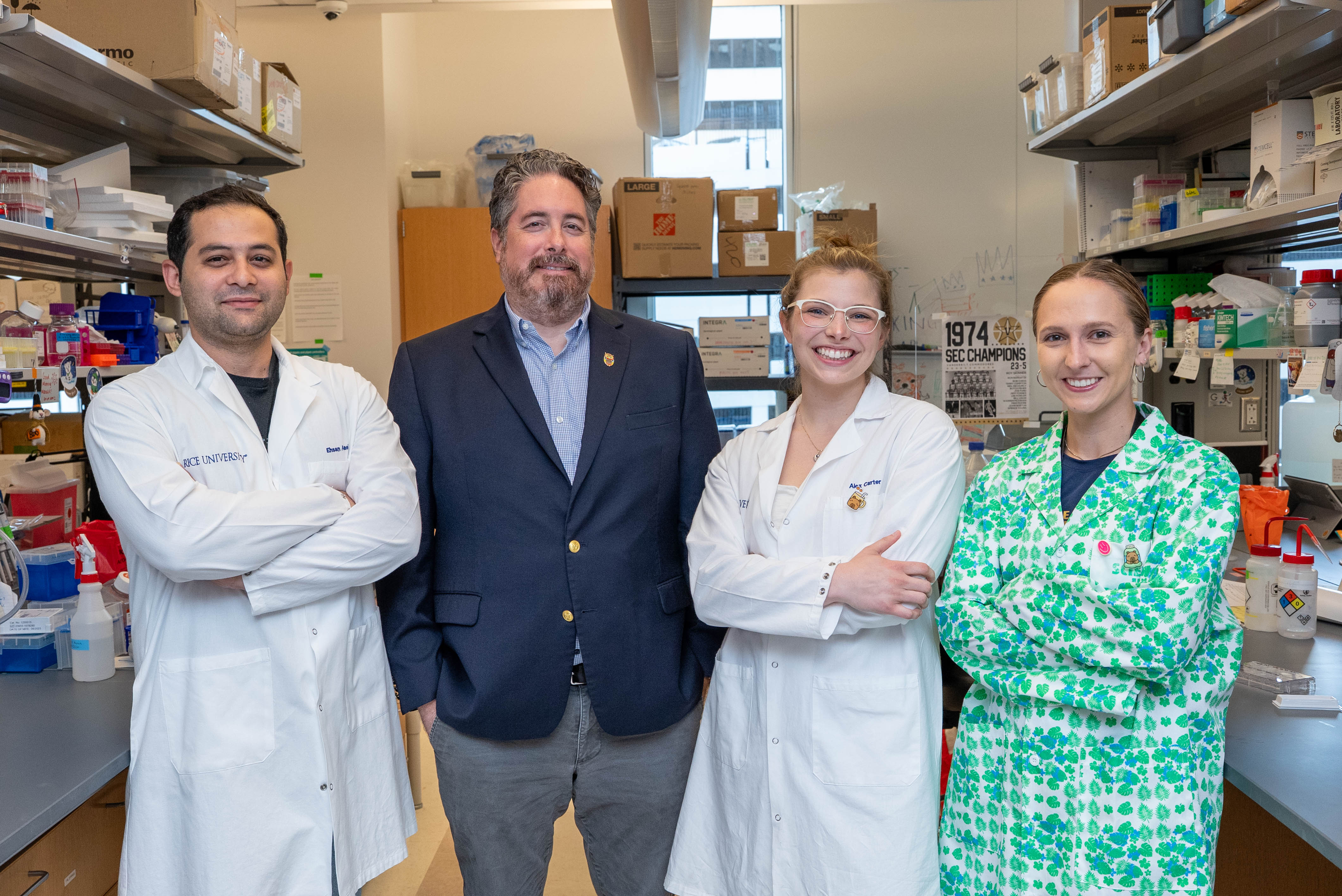
Rice University bioengineers report a new platform designed to streamline one of the major challenges for metastasis research: Called the Advanced Tumor Landscape Analysis System, or ATLAS, the platform makes it easier to generate large quantities of cancer cell clusters that accurately model those involved in metastasis. Using the platform, the Rice team gained new insights into the mechanisms that enable cancer clusters to survive in the bloodstream during the metastatic process.

Scalable platform sheds light on how cancer spreads

Developed in the lab of Michael King, Rice’s E.D. Butcher Professor of Bioengineering, ATLAS builds on earlier work using superhydrophobic surfaces, i.e. materials that strongly repel water. When droplets containing cells are placed on these surfaces, they bead up rather than spread out, encouraging cells to stick to each other and produce three-dimensional clusters.

“Metastasis is still poorly understood because adequate laboratory techniques to recreate this complex process are lacking,” said King, a Cancer Prevention and Research Institute of Texas Scholar who also serves as special adviser to the provost on life science collaborations with the Texas Medical Center.

The King lab has been working for years on new high-throughput approaches of creating clusters of cancer cells, both on their own and alongside stromal cells, which are noncancerous but are frequently found in the tumor microenvironment. To study what happens during the metastatic process, the researchers expose these models to conditions that closely resemble those in the body ⎯ either via animal models or laboratory blood flow experiments.

Compared to earlier methods, ATLAS takes less time to deploy and costs less to produce. It uses 3D-printed microwell arrays that are treated to create the same kind of water-repelling effect seen in nature, such as on a lotus leaf.

“The way this is achieved, both in nature and in the laboratory, is to create a surface that is rough on a nanoscale level, and then to coat the nanoscale bumps with a nonwetting substance such as Teflon or wax,” said Alexandria Carter, a doctoral student in the King lab who is the first author on the study. “Here, we achieved this for the first time through 3D printing, which means the method is scalable and easily adoptable by other labs.”

Going beyond method development into actual testing, the researchers used ATLAS to create clusters of prostate cancer cells, including ones containing a type of stromal cell called cancer-associated fibroblasts, or CAFs. Testing revealed that cancer clusters are more likely to survive when traveling in groups, especially when CAFs are present. These support cells actively help cancer cells withstand the stresses of circulation and continue to grow.

“One of the most exciting elements of our paper is that it does not just report on a new experimental method for other researchers to use, but it also reports new fundamental biological results,” Carter said. “Perhaps in the future the next generation of prostate cancer drugs will target these CAF ‘escorts’ as a way to prevent metastasis.”

Carter recently completed the Rice Innovation Fellows program and is working on establishing a startup company called Bionostic to commercialize ATLAS. Run by Rice’s Liu Idea Lab for Innovation and Entrepreneurship (Lilie), the program trains doctoral students and postdoctoral researchers to translate their research into breakthrough solutions for real-world problems.

Kyle Judah, Lilie executive director, said “a pre-requisite for bringing research beyond the bench is to be deeply passionate about the problem space, and Carter is the perfect example of an exceptionally driven and committed engineer willing this idea into reality.”

Models that are both realistic and practical make possible research that would otherwise take longer and be costlier to undertake.

“ATLAS makes it easier to study one of the most dangerous aspects of cancer,” King said.