Archives June 2025

Alike Launches Free Visa Holidays to Dubai, Abu Dhabi & Bali for Indian Travelers

Travel Tech Startup Alike Introduces Free Visa Holidays to Dubai, Abu Dhabi, & Bali, Making International Travel Hassle-Free for Indians

India, 13 June, 2025: Alike, a travel-tech platform, has announced its Free-Visa Holidays campaign, aimed at making international travel more accessible for Indian travellers. The initiative unlocks free tourist visa access to three of India’s most sought-after international destinations – Dubai, Abu Dhabi and Bali.

Today’s busy Indian traveler prefers to travel to destinations free of hassles and costs related to visa processes. An increasing number of countries and territories are offering Indian passport holders the opportunity to travel, without the need of a prior visa, underscoring the growing global recognition of India’s outbound travel potential. With this initiative, Alike represents the reimagination of international travel in 2025 by making it effortless, inclusive and instantly bookable.

Delighted with the initiative, Ashish Sidhra, Co-founder of Alike said, “The visa has long been the first friction point in international travel which is expensive, opaque and inconvenient for many travellers. We’re removing that completely, making this campaign not about savings alone but giving Indian travellers the confidence to say yes to global experiences, without the red tape.”

Indians undertook about 28 million international trips in 2024, yet for many, the visa process remained a bottleneck both in cost and complexity. By eliminating this step, Alike is helping accelerate spontaneity from a dream into a real travel option.

As part of Alike’s Free-Visa Holidays campaign, it simplifies more than just entry and delivers free visa access to Dubai, Abu Dhabi, and Bali (limited period) with no hidden fees or paperwork. Additionally, it assists travellers with instant end-to-end digital trip planning with optional travel expert support. It curates flexible itineraries and curated packages for couples, families and solo explorers.

Built for modern Indian travellers who don’t fit into fixed departure dates and brochure templates, Alike sits at the intersection of tech convenience and human curation.

“We aren’t just here to help you book flights and hotels. We’re here to make international travel something you do more often, with less friction and more joy,” Sidhra added.

Livpure partners with UniOne Group to launch 100+ brand stores across India

Mumbai, 13th June 2025 – Livpure, one of India’s leading and most trusted customer-centric brands dedicated to consumer well-being, has announced a strategic partnership with UniOne Group to accelerate its retail expansion across India. This collaboration aims to strengthen Livpure’s brand equity and bring its innovative, wellness-focused products to a broader consumer base through a robust network of exclusive brand stores, backed by a seamless omnichannel experience. The alliance will see Livpure launch over 100 brand stores within the next 18–24 months, with an initial rollout of 50+ stores across Gujarat, Maharashtra, Hyderabad, and Karnataka in the first year. This expansion targets metros, tier-1, tier-2 cities, and district headquarters, ensuring Livpure’s cutting-edge products like Water Purifiers, Kitchen Appliances and Air Coolers, are accessible to diverse Indian households. UniOne Group’s expertise in omnichannel distribution and retail operations will drive this ambitious growth, delivering an elevated shopping experience that aligns with the aspirations of modern Indian consumers.

“Livpure has always prioritized innovation and consumer well-being, establishing itself as a leader in water purifiers. In just two years, we’ve also become one of the top brands in kitchen appliances and air coolers,” said Rakesh Kaul, Managing Director, Livpure. “Our partnership with UniOne Group marks a significant step in expanding our retail footprint across India. Through exclusive Livpure brand stores, we will create immersive, service-led experiences where consumers can explore, interact with, and understand our full portfolio of wellness-driven products. These stores will not only strengthen brand presence but also bring our promise of ‘crafted for your well-being’ closer to every Indian household.”

UniOne Group, with over six decades of experience, brings unparalleled expertise in retail operations and a legacy rooted in iconic brand like Crown TV. Its proven ability to build robust digital infrastructure and manage large-scale retail networks makes it the ideal partner for Livpure’s vision of becoming a household name. The partnership leverages UniOne’s integrated approach to omnichannel expansion, ensuring Livpure’s products are available both online and offline with unmatched speed and scale.

Mr. Saurabh Jhaveri, the spokesperson of UniOne Group, highlighted the shift in consumer preferences, stating, “Today’s Indian consumer seeks immersive brand experiences, moving away from multi-brand outlets to exclusive stores where they can engage with a brand’s full range. This collaboration with Livpure strengthens our shared commitment to delivering quality and innovation, positioning Livpure as an omnichannel leader in India’s evolving retail landscape.”

Livpure’s extensive product portfolio is designed with a focus on sustainability and quality, catering to the growing demand for wellness-driven solutions. With over 1 million happy customers and a PAN-India distribution network supported by 1,000+ certified engineers, Livpure continues to set benchmarks in the industry. The company’s mission is to make Livpure synonymous with health, convenience, and well-being delivered across Indian households.

This partnership marks a pivotal step in reshaping India’s retail landscape, reinforcing Livpure’s position as a trusted market leader. By combining UniOne Group’s retail expertise with Livpure’s innovative products, the alliance is set to create a lasting impact, bringing wellness-focused solutions closer to consumers nationwide.

Moscow invites to a mesmerising historical journey

From 11 to 15 June, Moscow will host the historical festival ‘Times and epochs’.This is not just a festival, but an unforgettable journey through time, which will be a unique experience to get to know the past of Moscow and Russia a little bit better.

In the most beautiful mansions, ancient and modern parks, as well as on many city boulevards and venues of the capital, guests will be able to plunge into the past and feel the atmosphere of Russia’s historical epochs. Thanks to the festival’s numerous reenactments and immersive performances, guests will be taken back tens and hundreds of years, as if in a time machine, and learn more about the people and events of those times.

Historical venues will be located throughout Moscow, where thousands of reenactors not only from Russia, but also from abroad, will recreate the events of different eras – from ancient times to the 20th century. For example, in Moskino Cinema Park, images of key events in world history will come to life in front of the audience’s eyes. And in Pokrovskoye-Streshnevo Park there will be a performance of street theatre of the early 20th century, where each visitor will become not just an invited guest, but a member of a full-fledged participant of the performance.

A rich and informative programme has been prepared for children. For example, everyone can take part in creative and craft master-classes, try their skills at ancient folk games and even take part in historical quests. And if you want to get to know Russia even closer, spectacular horse shows and open-air museums will be perfect locations for it.

The ‘Times and epochs’ festival is a great opportunity to get a little closer to the cultural and historical past of Moscow and Russia. The festival is one of many events within the framework of the Summer in Moscow project, including at the district venues Moscow Seasons. Mesmerizing seasonal festivals of the project will be the perfect destination for a family trip or solo travel and will provide an unforgettable experience for all visitors from India.

Renewable energy firms face over 2,700 compliance: Reports TeamLease Regtech

New Delhi, 13th June, 2025: TeamLease Regtech, India’s leading Regulatory Technology (Regtech) solutions company, has released its report titled ‘Decoding Compliance Management for the Renewable Energy Sector’. The report examines the complex regulatory challenges faced by companies operating in India’s renewable energy space. It analyses regulatory frameworks, discusses key challenges, and offers actionable recommendations for staying on the right side of the law by design.

Mr. Rishi Agarwal, Co-Founder and CEO, TeamLease RegTech

As of April 2025, India’s solar power installed capacity stands at 107.94 GW, making it the world’s third-largest generator of solar power. In terms of generation, India produced 75.57 billion units (BU) of solar power in the first eleven months of FY24 (April 2023 to February 2024). The market size was valued at USD 10.4 billion in 2023, projected to reach USD 24.9 billion by 2030 at a CAGR of 13.4%.

The report finds that a standalone solar energy producing plant in Maharashtra where the electricity is generated and transmitted through the grid, along with a corporate office in Haryana must comply with 799 unique regulatory obligations spread across 646 central, 153 state, and municipal requirements. These translate into 2,735 total compliance instances for a year.

From a regulatory category standpoint, labour-related compliances make up the largest share at 244, followed by secretarial (238), finance and taxation (84), environment, health, and safety (58) and industry-specific regulations (106). These are followed by commercial (38) and general (31) compliance requirements. These are just the unique number of obligations, that inflate once factored with different frequencies. A company also needs to manage obligations such as maintaining registers, making periodic payments, testing equipment, displaying statutory notices, handling audits, and reporting to various authorities.

The labour category entails 244 distinct compliances, which expand to 1,071 when accounted for their required frequency. These cover critical legislation, including the Employees’ Provident Fund Act, Maternity Benefit Act, Payment of Wages Act, Sexual Harassment of Women at Workplace Act, and others. Under the Factories Act and Maharashtra Factories Rules, for example, pressure plants must be tested every four years, a requirement that is often overlooked but carries legal consequences. Of the 83 compliance provisions that include imprisonment, 77.1% are from the labour category, making it the most criminalised category of law.

Rishi Agrawal, Co-Founder and CEO, TeamLease RegTech “India’s renewable energy sector is thriving, fueled by robust policies and private investment. However, managing over 2,700 annual regulatory requirements at three levels of legislation and seven categories of the law requires a combination of people, process, technology, and partnerships. As the company expands its geographical footprint from a single state to multiple states, the numbers grow exponentially. Managing them in an ad-hoc, paper-based, people-dependent compliance program leaves an organisation vulnerable. 9,331 annual regulatory changes compound the problem. The first step for organisations is to raise their awareness of the regulatory obligations. Proactively monitoring regulatory updates and maintaining a detailed compliance checklist can ensure adherence. Our goal is to provide the right tools, skills, and knowledge to reduce the information asymmetry, fostering a “Zero Tolerance” compliance culture.”

The report shows how complex compliance management is for renewable energy companies. These challenges grow significantly as businesses scale up operations and expand into new regions, and are further compounded by the absence of centralised regulatory visibility, inconsistent net metering policies across states, and lengthy approval processes requiring nearly 51 licenses and permits. To enable ease of compliance, the report recommends fostering collaboration with regulatory and industry stakeholders, maintaining a dynamic, digital compliance checklist, proactively tracking legal and regulatory changes, and conducting sector-specific due diligence and risk-based audits. It also emphasises the importance of building a strong culture of compliance driven by leadership and leveraging digital tools to streamline processes, enhance visibility, and reduce operational risk.

Annapoorna Trust Initiative Transforms Morning Nutrition for Over 21 Lakh Children Across Telangana

Bengaluru, June 13, 2025 — In a remarkable demonstration of kindness, cooperation, and dedication, the Annapoorna Morning Nutrition Program, under the aegis of SMSGHM’s Annapoorna Trust, has attained a notable milestone in Telangana. At the close of the academic year 2024–25, the program was serving healthy morning meals to over 21 lakh children in the state—16 lakh school-going children and 5 lakh Anganwadi children covering all 32 districts.

What was initially a small initiative to feed merely 50 children is today a national movement reaching more than 10 million children across India, taking up the cause of morning hunger. Numerous children in rural and semi-urban areas tend to go without food for nearly 18 hours, enormously affecting their physical development as well as cognitive growth. Annapoorna Morning Nutrition Program is transforming this reality into one of providing access to healthy food that reinforces body and mind.

A milestone in this process was the state-level inauguration of the SaiSure Ragi Multi-Nutrient Health Mix for Anganwadi children on September 30, 2024. The program was launched at the Poshan Arogya Jathara at Manakondur Girls’ High School, conducted as a part of the Village Health, Sanitation, and Nutrition Day. The occasion was graced with the attendance of various important dignitaries and stakeholders such as Smt. Dansari Anasuya (Seethakka), Hon’ble Minister for Women and Child Welfare; Sri Ponnam Prabhakar, Hon’ble Transport Minister of Telangana; Dr. Kavvampally Satyanarayana, MLA, Manakondur Assembly Constituency; Smt. Vakati Karuna, IAS, Secretary, Department of Women, Children, Disabled, and Senior Citizens; Smt. A. Nirmala Kanthi Wesley, Director, Juvenile Welfare & Street Children; Shobha Rani Bandru, Chairperson, Telangana Women’s Co-operative Development Corporation; and UNICEF representatives, along with senior IAS officials.

Corporate partners have played a vital role in extending the program to government schools, reinforcing the message of shared responsibility. Amazon Web Services provided SaiSure Ragi Mix, Chikki and Multigrain Cookies to 8,866 children across the district of Rangareddy, making way for more than 16.78 lakh servings. HDFC Bank facilitated the distribution of SaiSure to 2,38,090 students at 3,401 schools in various districts including Adilabad, Hanumakonda, Jayashankar Bhupalpally, Medchal Malkajgiri, and other districts during the months of January and February 2025. In parallel, Rise Against Hunger collaborated with Annapoorna Trust and corporate volunteers for packaging and distribution of thousands of pre-packaged food kits—of rice, pulses and fortified powders—to government schools and Sai Swasthya Wellness Centres in districts.

Additionally, the SaiSure Ragi Multi-Nutrient Health Mix with Jaggery, a morning drink that comprises vital vitamins and minerals, is one of the most important factors behind healthier physical and mental growth in children. Such a healthy blend of Ragi (finger millet) and jaggery has proved to tackle both visible and hidden hunger. The daily consumption of this blend has been linked to impressive improvement in school attendance, activity, and child health.

With this continued emphasis on nation-building through nutrition, the Annapoorna Morning Nutrition Program is not only serving children—it is fostering potential, diminishing inequality, and building a foundation for a healthier, more empowered generation. As the program continues to grow its reach, it stands as a beacon of what can be achieved through concerted action by government, corporate sponsors, and dedicated individuals to create lasting social change.

This Father’s Day, Here’s A Look At 5 Revelations on Modern Parenting from Karan Johar’s Podcast on Audible

There is no one correct way of being a family as long as there is true understanding and support,” says Karan Johar — and that’s exactly the kind of heart-led honesty that runs through his conversations on his podcast ‘Live Your Best Life with Karan Johar’ on Audible.in. From raising twins as a single dad to finding strength in his “found family,” Karan chats about all things modern parenting on Episode 4 of the series, called Modern Families, with Ira Khan, Neha Dhupia and Avantika and Durjoy Dutta.

He shares, “My chat with Ira and Neha has reaffirmed my belief that there is no cookie cutter, one size fits all approach to modern families. It’s about what works for you, it’s about evolving with time and having the awareness, compassion and courage to do what it takes so that everyone in your family can thrive and live their best life.

This Father’s Day, we turn to five moments where Karan reflects on what it means to parent with empathy:

On Facing The Imminent Questions From His Kids: “I will have to have a chat with my twins, about how they came into this world…

In an emotional moment with Masaba, Karan opens up on the honest conversations that lie ahead with his kids, Yash and Roohi about their birth. He discusses with Masaba the importance of leading those talks with truth and love, “Those questions have started. And while I’ve been poetic so far about it with them, I’ve said, “You’ve come from Dada’s heart.” He adds, “I will have to have a chat with my twins, about how they came into this world…” as they begin to ask deeper questions about their birth.

On Fashion Feedback From His Kids: “Dada, You Look Like a Clown!

Even one of Bollywood’s most stylish dads isn’t safe from the brutal honesty of his kids. Karan recalls the times Yash and Roohi have roasted his outfits and how he wouldn’t trade those playful jabs (or warm hugs) for anything. He shares, “Because dressing up back home is an altogether different scenario. I’ll sometimes have my mum telling me to go back to my room and change while Yash and Roohi tell me, “Dada, you look like a clown.” But when I’m traveling, I miss their brutal honesty, their hugs and, most of all, the joy of our little family unit of four.

On Parenting His Way: “Raising Roohi and Yash with Mum is the single best decision I’ve made in my life

Karan opens up about building a home with his mother by his side and raising a different-looking family with pride, strength, and unconditional love, proving that what matters most isn’t structure, but support. Speaking of raising a differently structured family, he shares, “Raising Roohi and Yash with Mum is the single best decision I’ve made in my life. Best. But it was certainly not the easiest.

On Found Families and Forever Bonds: “One of the greatest joys of my life that my children benefit so much from is that the tribe I’ve built through my life. I have this army of really strong relationships 

From Gauri Khan to Farah Khan and Neha Dhupia, Karan celebrates his chosen family who’ve stood by him and his children like a rock. He shares, “I had no siblings, but I did have… a found family. One of the greatest joys of my life that my children benefit so much from is that the tribe I’ve built through my life I have this army of really strong relationships – family who are close to me and to my mom and my kids and they’ve been there for me they’ve been my friends who’ve been so supportive.

He adds, “for my kids, they couldn’t be further from lacking “a mother’s love” – they have my mum and they have an endless shower of love and support of my found family – Putlu (Kajal Anand), Shweta (Bachchan), Gauri (Khan), Farah (Khan), Neha (Dhupia).

On Sports Day Jitters and Stepping Up: “I have to kind of figure out how do I balance my strengths and weaknesses so that my children have an all-around existence

In conversation with Neha Dhupia, Karan Johar tells her, “…one day Yash told me, why don’t you run this race with me? And I was like, oh my God, I’ll lose to my seven-year-old. And then he told me all the other dadas ran the parents’ race.” 

He speaks about the small ways he’s challenging himself—to be present, to learn, and to give his children the balanced upbringing he always wished for. Karan says “I have to kind of figure out how do I balance my strengths and weaknesses so that my children have an all-around existence. Dance is my thing but football is not my strength. So, on sports day, I find myself so lost because I feel like how do I make my kids more sporty than I was? Because I know being sporty is amazing. The spirit of sportsmanship, or the health and fitness attached to it is critical. I knew I combated weight issues because I was not sporty and I didn’t play sport. And now I’m like trying very hard to bring in football in their life, or try and bring in athletics in their life.

Shiprocket Partners with Fynd to Transform Last-Mile Delivery for D2C Brands

National, 13 June, 2025: Shiprocket Limited (“Shiprocket”), an eCommerce enablement platform in India, has announced a strategic partnership with Fynd, an AI-native commerce platform powering over 2,300 brands across India and beyond. This partnership brings Shiprocket’s courier aggregation and ecommerce intelligence directly into Fynd’s Order Management System (OMS), improving last-mile fulfilment for growing D2C brands with the power of automation and AI-driven logistics.

With this partnership, Fynd will also integrate Shiprocket’s logistics provider aggregation services, including courier selection, price comparisons, and order tracking, enabling brands on Fynd to fulfil orders using Shiprocket’s logistics partners.

The service is already live for over 300 active D2C brands on Fynd’s OMS, With Shiprocket’s network of logistics providers, the partnership is expected to improve delivery timelines, especially in Tier 2 and Tier 3 markets, and enhance customer satisfaction.

Powering scalable commerce

The API-based integration enables seamless syncing of order data, AI-driven courier selection, and order tracking—all within Fynd’s dashboard. Shiprocket’s technology stack provides brands access to broader pin code coverage, an open, intelligent ecosystem, and the operational flexibility to meet customer demands. Fynd’s AI-native operations and Shiprocket’s intelligent logistics provider allocation system will bring greater automation to the order fulfilment journey.

“This partnership brings logistics automation and delivery optimisation to the fingertips of Fynd’s brand ecosystem. At Shiprocket, we’re focused on building the infrastructure that enables India’s brands to scale faster and serve customers better, especially in Tier 2 and 3 cities. Partnering with Fynd brings that vision to life for hundreds of growing D2C businesses,” said Atul Mehta, Chief Executive Officer (Domestic Shipping), Shiprocket.

This partnership will strengthen Fynd’s strategy, which is centred around enabling brands to scale seamlessly across channels while optimising operations.

“At Fynd, we’re embedding intelligence and flexibility into the final leg of commerce. For D2C brands expanding beyond metros, this partnership means fewer trade-offs, broader reach, and a faster path to scale. It’s infrastructure that thinks—so brands can focus on building what’s next” said Ragini Varma, Chief Business Officer – India, Fynd.

Why Semiconductor Jobs Are the Next Big Thing for Indian Engineers

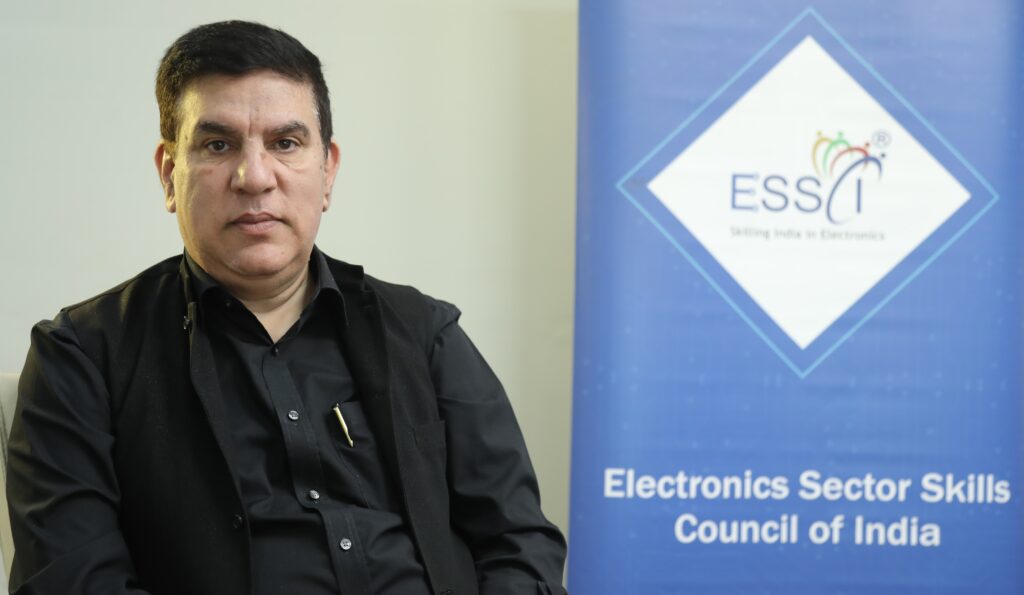
By Mr. Saleem Ahmed, Officiating Head, ESSCI

In the next ten years, India will witness a tectonic shift in its technological landscape, one that will decisively shape the nation’s economic destiny and global standing. At the heart of this transformation lies the semiconductor industry, often referred to as the “new oil” in the global economy. For Indian engineers, the semiconductor revolution isn’t just a story of factories and chips—it’s a gateway to high-value, future-ready careers that promise innovation, growth, and national impact.

With multiple large-scale semiconductor fabrication and assembly projects underway, and policy support at an all-time high, semiconductor jobs are rapidly becoming the next big thing for engineering talent in India. And at the forefront of this workforce transformation stands the Electronics Sector Skills Council of India (ESSCI)—tasked with equipping the Indian workforce for this high-tech future.

A Nation on the Verge of a Chip Revolution

India’s dependence on imported chips—used in everything from mobile phones to fighter jets—has long been a strategic vulnerability. But that reality is now changing. Recently Union Cabinet’s approved  approved a new semiconductor plant in Uttar Pradesh’s Jewar to be jointly set up by HCL Group and Foxconn. The newly approved facility will come up at an investment of Rs 3,700 crore.

This is the sixth unit approved under the India Semiconductor Mission, with five semiconductor facilities in advanced stages of construction. Three of these units—by Micron Technologies, Kaynes Technologies and a combination of CG Power-Renesas Electronics and Star Microelectronics—are based in Sanand, Gujarat. The Tata Group is building one semiconductor facility in Dholera, Gujarat and another in Assam.

These developments are backed by the Government of India’s India Semiconductor Mission (ISM), a ₹76,000 crore policy initiative that provides incentives for design, manufacturing, and packaging of semiconductor chips.

This growing ecosystem will need a massive talent pool—and that’s where India’s engineers come in.

Why Semiconductors Are a Game-Changer for Engineers

Semiconductors power almost every modern device—from smartphones and laptops to electric vehicles, smart appliances, 5G infrastructure, defense systems, and even satellites. As the world shifts toward AI, IoT, and smart mobility, the demand for chips is set to explode. According to recent estimates, India’s semiconductor market will triple in size—from US$22.7 billion in 2019 to over US$80 billion by 2028.

This explosion is not just about demand—it’s about job creation.

According to ESSCI’s analysis, the semiconductor industry is set to witness a dramatic rise in employment demand. The sector, which is projected to employ 1.70 lakh individuals by 2025, is expected to rise to 1.87 lakh in 2026, and add a total of 1.03 lakh new jobs by 2030. This includes roles in chip design, fabrication, testing, quality control, equipment maintenance, and advanced manufacturing processes.

The rapid expansion of this sector has created an urgent need for a highly skilled workforce. ESSCI is committed to bridging the skill gap through targeted training programs, collaborating with industry and academia to equip young professionals with expertise in chip design, fabrication, and advanced packaging. These initiatives will empower the next generation to drive India’s semiconductor revolution.

Such roles are not only high-paying but also globally portable, offering Indian engineers access to both domestic and international job markets.

The Many Doors Semiconductor Jobs Open

The semiconductor industry is uniquely interdisciplinary, requiring expertise in electronics, mechanical, chemical, computer science, materials engineering, and more. Here’s a breakdown of the top career tracks Indian engineers can pursue:

  1. Design Engineers

Design engineers work on creating the architecture and layout of chips. They use Electronic Design Automation (EDA) tools to ensure chips are efficient, reliable, and ready for fabrication.

  1. Process Engineers

These engineers fine-tune the manufacturing process, often working in cleanroom environments. They handle wafer processing, lithography, etching, doping, and deposition.

  1. Packaging and Testing Experts

Once chips are fabricated, they need to be tested, assembled, and packaged. Engineers in this field ensure performance and durability under various operating conditions.

  1. R&D Scientists

Research roles offer cutting-edge work in developing new semiconductor materials like gallium nitride or silicon carbide, and technologies like FinFET or EUV lithography.

  1. Equipment and Maintenance Technicians

Fabrication units run on precision equipment that needs constant monitoring and maintenance—critical work for mechanical and electronics engineers.

  1. Quality and Safety Officers

Given the strict standards in chip manufacturing, QA engineers ensure compliance, while safety experts handle protocols in chemical and electrical hazards.

Enter ESSCI: Building the Backbone of India’s Semiconductor Workforce

With this exponential growth comes the challenge of creating a skilled and job-ready workforce. The Electronics Sector Skills Council of India (ESSCI), under the aegis of the Ministry of Skill Development and Entrepreneurship, plays a crucial role in bridging this gap.

ESSCI has already developed 25 NSQF-aligned qualifications for semiconductor design, packaging, and manufacturing. These qualifications are designed to cater to:

  • Engineering graduates seeking specialization
  • Diploma and ITI students entering the job market
  • Working professionals seeking upskilling or domain switch

ESSCI offers focused a range of qualifications covering the complete value chain of the semiconductor industry. Short Term courses such as VLSI Design Engineer, concentrating on designing SOC-module functions using software, Embedded Full Stack Engineer, IoT Hardware Analyst are some of the top courses offered for pursuing engineering graduates to gain the knowledge of EDA Tools and system design. ESSCI also provides qualifications for Wafer Back Grinding Engineer and Wafer Dicing Engineer, specialising in wafer manufacturing tasks which can be taught to ITI / Diploma students. ESSCI also has foundation / upskilling courses in the field of Nano Science & Advance Nano Science which is also in great demand. Also, there are some basic courses on the Industrial Safety – Electrical & Hazchem which are very crucial & important for the industrial safety requirements. The complete list of our qualifications along with their model curriculum are all uploaded on our website – https://essc-india.org/qualification-packs.php

Career Opportunities in Semiconductor Technology:

As the semiconductor industry evolves in response to these mega trends, it creates exciting career opportunities for professionals across the value chain – designing, fabrication and packaging. From semiconductor design and manufacturing to research and development, there is a growing demand for skilled professionals who can innovate and drive technological advancements in the industry.

The sector is expected to see more than 800,000 to 1 million job openings over the next five years, says staffing company Randstad. The government recently approved $15 billion worth of investments into the sector including from the Tata group. India’s burgeoning semiconductor sector is facing a surge in demand for talent, fuelled by new investments and the government’s ambitious plan to transform the country into a chip manufacturing hub.

  1. Semiconductor Design Engineer:Semiconductor design engineers play a crucial role in developing the architecture and circuitry of semiconductor chips. They utilize tools like Electronic Design Automation (EDA) software and simulation tools to design and optimize chip layouts for performance, power efficiency, and manufacturability.
  2. Process Engineer:Process engineers are responsible for developing and optimizing semiconductor manufacturing processes. They work closely with equipment vendors and manufacturing teams to ensure the smooth operation of semiconductor fabrication facilities, improve yield rates, and reduce production costs.
  3. Research Scientist:Research scientists in the semiconductor industry focus on exploring new materials, devices, and technologies to push the boundaries of semiconductor innovation. They conduct experiments, analyze data, and collaborate with cross-functional teams to develop next-generation semiconductor solutions.
  4. Material Engineers:Material engineers in the semiconductor industry are pivotal in researching, selecting, and optimizing the materials used in semiconductor device fabrication. Their expertise spans a wide range of materials, including silicon, gallium arsenide, and various compound semiconductors. Material engineers work closely with semiconductor design teams to ensure that the chosen materials meet the performance requirements of the intended applications while also considering factors such as cost, scalability, and reliability. Additionally, they play a crucial role in developing new materials and processes to push the boundaries of semiconductor technology, enabling advancements in areas such as miniaturization, power efficiency, and functionality.
  5. Product Marketing Manager:Product marketing managers play a vital role in bringing semiconductor products to market. They conduct market research, develop marketing strategies, and collaborate with sales teams to promote semiconductor products and drive revenue growth.
  6. Quality Assurance Engineer:Quality assurance engineers ensure that semiconductor products meet the highest standards of quality and reliability. They develop and implement test plans, conduct performance testing, and analyze data to identify and address any issues or defects in semiconductor products.
  7. Packaging experts:Packaging experts in the semiconductor industry are instrumental in developing and implementing packaging solutions that safeguard semiconductor chips. Their role entails meticulous selection of packaging materials, designing efficient packaging structures to ensure protection against environmental factors and mechanical stresses, and optimizing designs for thermal management and electrical performance. They collaborate closely with design and manufacturing teams to ensure that packaging solutions meet stringent industry standards while balancing factors such as cost-effectiveness and manufacturability.
  8. Clean room specialists:They play a pivotal role in maintaining the pristine conditions necessary for semiconductor fabrication processes. They are responsible for meticulously managing and monitoring cleanroom environments to prevent contamination that could compromise the quality and reliability of semiconductor devices. Clean room specialists enforce strict cleanliness protocols, perform regular inspections, and oversee cleaning procedures to ensure compliance with industry standards and regulations. Their expertise ensures that semiconductor manufacturing facilities operate in controlled environments conducive to high-quality production.
  9. Machine maintenance technicians:They are essential for sustaining the operational efficiency and reliability of semiconductor manufacturing equipment. Their responsibilities include conducting routine maintenance tasks, performing diagnostics, troubleshooting equipment issues, and executing repairs as needed to minimize downtime and optimize production throughput. Machine maintenance technicians also play a crucial role in implementing preventive maintenance schedules, identifying opportunities for equipment upgrades or optimizations, and ensuring compliance with safety regulations and operational standards. Their expertise contributes to the overall efficiency and longevity of semiconductor manufacturing operations.
  10. Safety protocol checkers:These people are integral to maintaining a safe and secure work environment within semiconductor manufacturing facilities. They are responsible for enforcing safety regulations, conducting regular inspections to identify potential hazards, and implementing corrective measures to mitigate risks and prevent accidents. Safety protocol checkers also play a vital role in developing and implementing safety training programs, conducting safety audits, and promoting a culture of safety awareness among employees. Their diligence and vigilance help to safeguard the well-being of personnel, protect semiconductor manufacturing equipment, and maintain the integrity of semiconductor processes.

Career Opportunities Across the Ecosystem

  • Global Semiconductor Giants: Intel, Micron, AMD, Qualcomm, NXP
  • Indian Startups & Design Houses: Saankhya Labs, Steradian Semiconductors, Signalchip
  • Manufacturing Units: Tata Group, Vedanta-Foxconn, ISMC
  • Government & Defense: DRDO, ISRO, SCL (Semiconductor Lab)
  • Academia & R&D: IITs, IIITs, National Labs

India’s Policy Ecosystem: Creating the Right Conditions

India’s semiconductor journey isn’t just market-driven—it’s backed by clear, consistent policy action:

  • Production Linked Incentive (PLI) Scheme to support manufacturers.
  • Design Linked Incentive (DLI) Scheme for fabless startups and institutions.
  • Modernization of the Semiconductor Laboratory (SCL) in Mohali into a full-fledged fab.
  • State-level incentives, like Odisha’s offer of 25% subsidy on capex for fabs and 20% for fabless companies.

Moreover, global giants like Applied MaterialsLam Research, and Samsung Semiconductor India Research (SSIR) are expanding operations in India—indicating long-term confidence in India’s talent and policy framework.

A Strategic Moment for Indian Youth

The rise of India’s semiconductor sector presents a rare, perhaps once-in-a-generation, opportunity. Engineers who upskill today can become:

  • The designers of India’s next chip
  • The technicians behind India’s first fab line
  • The entrepreneurs launching fabless startups
  • The leaders driving India’s tech sovereignty

At a time when countries are scrambling to secure chip supply chains, India is carving a unique place for itself—not just as a consumer but as a creator. But this vision hinges on talent.

That’s why engineers—especially young graduates and final-year students—must look seriously at semiconductors. With government support, ESSCI’s training programs, and private sector momentum, the time to act is now.

Conclusion: From Potential to Powerhouse

India is no longer at the sidelines of the global chip race. With strong policy, infrastructure investment, and a strategic location, it is emerging as a serious contender. But no chip factory can run without engineers. The success of India’s semiconductor mission will ultimately depend on its people—its skilled, driven, and future-ready engineers.

Cool dads have a strong digital game, these Visa tips will make it stronger

Dads never really got why we said “YOLO” back in the day, but it is crucial they speak the language of safe digital payments. This Father’s Day, Visa shares easy-to-remember acronyms to help all fathers make smarter and safer payment decisions.

  1. TAP (Trust, Avoid, Protect)Trust only verified and secure terminals, Avoid unsecure public Wi-Fi networks and Protect your funds with two-factor authentication (2FA).
  2. LOCK (Learn, Observe, Check, Keep): Stay ahead of fraud by learning about emerging scams. Observe payment pages with misspelled URLs or suspicious requests to steer clear of scams. Check your transaction alerts religiously. Keep payments in control via app passwords, card control features and travel-mode settings.
  3. CARE (Check, Authenticate, Review, Ensure privacy): Before online purchases, check for the padlock icon and “https://” in the URL to verify the merchant is legitimate. Authenticate payments with a fingerprint or face scan. Review bank statements each month and ensure privacy — never save card information on unreliable sites.
  4. ACT Fast (Alert, Contact, Terminate Fast): When fraud strikes, alert your bank immediately and contact relevant local authorities like Cybercrime Helpline (dial 1930). Terminate access to your funds by freezing your card and preventing further loss.

This Father’s Day, give your super dad the power of smart, secure digital payments. Bonus points for the coolest dads who tap to pay!

HRX Expands Fitness Offerings with Launch of Oat Milk Protein Shakes

Bengaluru, 13th June 2025 — HRX, fitness and lifestyle brand, has entered the nutrition space with the launch of its new plant-based Oat Milk Protein Shakes. HRX’s first product in the range, is now available on Curefoods partner cloud kitchens on Swiggy and Zomato, Amazon, Swiggy Instamart, and across HRX’s online & offline retail outlets nationwide.

HRX’s Oat Milk Protein Shake is a 100% dairy-free and lactose-free beverage, specially crafted for today’s health-conscious and active individuals. Using oat milk as its base, this plant-powered shake delivers 25g of protein per 200ml serving, making it a clean and effective option for daily protein intake. It contains no processed sugar, making it an ideal choice for those seeking a natural, nutritious boost.

In addition to its high protein content, the shake offers solid nutritional value per 100ml: 12.52g of protein (25.04% of the Recommended Dietary Allowance), 120mg of calcium (12% RDA), 415mg of sodium (20.75% RDA), and 114.54 kcal of energy. These benefits make it not only a convenient post-workout option but also an addition to a balanced, active lifestyle.

The product packaged in a glass bottle is enhancing nutrient retention and reducing plastic waste. With the brand’s core fitness mantra, HRX is redefining what it means to live well and fuel better.

Ankit Nagori, Curefoods, said, “The HRX Protein Shake reflects our commitment to creating convenient, clean-label nutrition that fits today’s active lifestyles. With 25g of plant-based protein and no processed sugar, it offers a practical and wholesome option for those looking to refuel on the go. It’s a product born from the growing demand for accessible, dairy-free, and performance-driven nutrition.”

HRX plans to expand the range with Vanilla (25g), Cold Coffee (18g), and a lighter Chocolate (18g) protein shake. All upcoming products will continue to follow the brand’s commitment to plant protein, oat milk, and natural sweeteners.