Archives February 2026

The New-Age AU Credit Card Redefines Everyday Payments in India

Business Wire India

India’s digital payments landscape has expanded rapidly over the last few years, and credit cards have moved from being occasional-use instruments to becoming part of everyday financial behaviour. Consumers now rely on them not just for high-value purchases but for groceries, fuel, online shopping, entertainment, and recurring monthly payments. This shift has been supported by AU Small Finance Bank, which is making credit cards simpler, more accessible, and more rewarding for day-to-day use. AU Small Finance Bank (AU SFB) is the India’s largest Small Finance Bank and the first in over a decade to receive in principle approval to transition into a Universal Bank.

A major factor behind this transformation is the rise of digital tools that give customers complete control over their card experience. The modern credit card app has become a central hub for viewing transactions, managing limits, redeeming rewards, and securing the card at any time. Customers also look for simple and intuitive digital interfaces, often searching for a credit card app, reflecting the growing expectation for user-friendly, mobile-first financial management. For business owners and professionals, tailored solutions like the commercial credit card help separate personal and business expenses, streamline accounting, and provide rewards suited to business needs.


What’s Driving This Change at AU

  • Digital onboarding lets customers start using their credit cards almost immediately.
  • Lifestyle-focused rewards in categories like fuel, dining, travel, lounge access, and e-commerce make it practical to use credit cards for everyday expenses.
  • Greater security through biometric login, tokenisation, and instant lock/unlock options increases confidence across online and offline transactions.
  • Convenient access to short-term liquidity through features like Xpress loan on credit card provides customers with quick funds during urgent situations, enhancing the utility of credit cards beyond payments.
  • Tap-to-pay and wearable payment innovations make transactions faster and more seamless, creating a habit of using credit cards for routine purchases.


The growing acceptance of digital payments in Tier-2 and Tier-3 cities has further accelerated credit card adoption. With smartphone penetration increasing and digital literacy improving, more consumers across India are turning to credit cards for their flexibility and convenience. By offering simplified eligibility, transparent features, and mobile-first onboarding, AU Small Finance Bank is enabling this broader adoption by catering to users who are new to formal credit.

Credit cards are also playing a role in helping customers manage their finances more effectively. Spending insights and category tracking help users make informed decisions about their money. This evolution has positioned credit cards not only as payment tools but as instruments that support financial planning and discipline. At the same time, subscription-based payments, whether for OTT platforms, fitness memberships, or digital tools, are now commonly linked to credit cards, offering uninterrupted service and convenience.

A new generation of credit cards is redefining how Indians transact every day. With digital convenience, stronger security, smarter rewards, and flexible credit options, they have become indispensable tools for today’s digitally active consumers. AU Small Finance Bank’s new-age credit cards are set to play an even more prominent role in India’s journey toward a more confident, credit-enabled digital economy.


‘Swarajya’, A Themed Residential Project Launched on Shivaji Jayanti

Mumbai, Feb 23: Marking the auspicious occasion of the birth anniversary of Chhatrapati Shivaji Maharaj, Bhagwati Group and Haware Properties jointly announced the launch of an ambitious and culturally significant residential project titled ‘Swarajya’ in Dombivli, near Mumbai. The Guardians Real Estate Advisory has been mandated to market and sell the project.

Positioned under the ‘MyFirst Home’ category, the launch follows the super-successful editions of the brand at Shil Phata and Kalyan, where over 3,000 families placed their trust in the offering. With ‘Swarajya’, the developers introduce the third edition of ‘MyFirst Home’ in Dombivli, aiming to extend the platform’s promise of aspirational yet accessible homeownership to a wider base of first-time buyers.

‘Swarajya’ is conceptualised as more than just a housing development. It seeks to create a living experience rooted in heritage and identity. Drawing inspiration from the valour, governance principles and visionary leadership of Chhatrapati Shivaji Maharaj, the project aims to reflect themes of courage, integrity and self-rule through its architectural design, landscaping elements and curated community spaces.

Located in the fast-evolving micro-market of Dombivli, the project aspires to offer modern amenities and thoughtfully designed residences while reinforcing a deep sense of cultural belonging. The developers have indicated that the project will integrate elements inspired by Maratha architecture and symbolism, creating a distinctive address that resonates with Maharashtra’s cultural ethos.

On the occasion, a ‘Swarajya’ song was also released, already making a powerful cultural and digital impact across Maharashtra. Featuring vocals by Rohit Raut and music by composer Prashant Nakti, the track was filmed at the historic Chhatrapati Shivaji Maharaj Temple. With Nick Shinde’s star presence, a 110-member crew and 4.5 million organic views within 24 hours, the song has quickly emerged as a state-wide sensation.

Speaking on the development, Mr. Ram Naik, Co-Founder and CEO, The Guardians Real Estate Advisory said, “The ‘Swarajya’ project represents a distinctive evolution in thematic real estate development. In a competitive residential market, differentiation is increasingly driven by storytelling, cultural alignment and emotional connection. By drawing inspiration from the legacy of Chhatrapati Shivaji Maharaj, Bhagwati Group and Haware Properties have created a concept that resonates deeply with the people of Maharashtra. It is not merely a housing project, but an identity-driven community proposition that blends heritage with aspirational living.”

He further added, “Dombivli has steadily emerged as a strong residential destination due to its improving connectivity, infrastructure upgrades and relatively affordable pricing compared to central Mumbai markets. A culturally themed project such as ‘Swarajya’, especially within the MyFirst Home category, adds a powerful layer of brand recall and emotional engagement, which can significantly enhance buyer interest and long-term value perception.”

Over the past few years, Dombivli has witnessed consistent residential demand, supported by expanding rail connectivity, road infrastructure improvements and the region’s growing social ecosystem. Developers are increasingly focusing on differentiated offerings to stand out in a market characterised by rising consumer expectations and aspirational homebuyers.

Professor’s Pathology Slides Will Teach Residents, Fellows for Generations colleen.

It’s often said that when veteran employees leave an institution like Yale School of Medicine, a wealth of knowledge goes out the door with them. That was that case last year when Peter A. Humphrey, MD, PhD, retired after a long and distinguished career as a pathology professor and internationally recognized genitourinary (GU) pathologist.

But some of the knowledge Humphrey amassed over four decades—in the form of hundreds of slides—is being converted to digital form, so training pathologists at Yale and beyond will continue to learn from the rare cases he diagnosed.

“You’re preserving an important piece of a long career of experience and wisdom,” says Andrea Barbieri, MD, associate professor of pathology and director of the Yale Pathology Residency Program. “The digital piece of it allows it to live infinitely, because slides, as you know, are tangible and break.”

Roxanne Wadia, MD, assistant professor of pathology, is overseeing the digital transformation of Humphrey’s slide collection, which numbers in the high hundreds. “We envision this as something that can be shared with our residents, our fellows, and hopefully, as a pathology atlas,” she says.

‘An amazing resource’

So far, around 200 slides have been digitized. The de-identified slides will reside on a secure platform where Yale residents and fellows can access them. It’s still too early to know all the ways in which this resource will be utilized, but it’s expected to initially be used to supplement resident learning as they participate in the GU service.

“We’re being selective about which ones we are uploading in terms of clarity. We may not need 50 examples of one thing, but there are many useful cases,” Wadia says. “We all know Dr. Humphrey was one of the premier GU pathologists of his generation. He’s co-editor of the World Health Organization book Classification of Tumors of the Urinary System and Male Genital Organs. He’s such an expert in the field that he would receive referral cases, some extremely rare entities that he has saved and preserved. It’s an amazing resource.”

Humphrey used the slide collection to teach residents and fellows throughout his career.

“These teaching sessions included daily GU pathology sign-outs and unknown conferences,” Humphrey says. “I also used these teaching slides and static digital images of them in teaching courses at national and international pathology meetings and in presentations for pathology residents when I was a visiting professor at other institutions.”

Humphrey says he’s pleased that future generations will learn from his slides.

“This is very gratifying. And I am very thankful that Dr. Roxanne Wadia is leading this project.”

See disease in full environment

Residents and fellows will view the slides via PathPresenter, software for digital pathology image viewing and management that’s used by many medical education institutions.

“It allows us, without any identifiers on the slide, to share it an educational way, including making presentations with it,” Barbieri says.

“A lot of the teaching materials tend to zoom in on a specific point of the slide,” Wadia adds. “PathPresenter allows us to interact with the sample more, to look around and see it in its full environment.”

Rajendra Singh, MD, PathPresenter co-founder and professor of pathology at University of Pennsylvania, said sharing knowledge—like Humphrey’s slides—is exactly what they had in mind when they created the software.

“Dr. Humphrey’s slide collection represents a lifetime of mastery, an extraordinary legacy that deserves to be more than preserved; it deserves to be shared,” Singh says. “This reflects the vision we set out to achieve—opening access to world-class pathology knowledge so it can continue to guide and inspire the next generation.”

Significant educational value

Pathology Resident Ujunwa Korie, MD, MS, says the slides will have a significant educational value.

“Having access to carefully selected cases with expert annotations helps us understand not just the final diagnosis, but the specific morphologic features that support it and how an experienced pathologist thinks through a case,” Korie says. “The annotations highlight key diagnostic features, subtle findings, and potential pitfalls that are especially helpful for a trainee. When annotation is done right, it’s almost like sitting at a multi-headed scope with an attending as they walk you through a case.”

Although some of the slides are 40 years old, Korie says they remain a useful learning tool.

“While diagnostic criteria and therapies continue to evolve, the fundamental histologic principles underlying many diagnoses have not changed. In some cases, advances in treatment mean that we may not see certain classic disease presentations as frequently during training,” she says. “So, digitizing historical slide collections helps preserve those classic examples so trainees can still study and recognize them, even if they are no longer commonly seen. This is especially important because these entities may still be common in other regions, depending on where trainees end up practicing.”

‘Like sitting there with him’

Wadia, who did her Pathology residency at Yale, had the opportunity to learn from Humphrey.

“I think of all the residents and fellows who have sat with him and used his slides in the past have gained from his knowledge,” she says. “We’re trying to create that on another platform. Unfortunately, Dr. Humphrey won’t be sitting across from you at the microscope. But with his annotations and his guidance, it will be like you’re sitting there with him and he’s talking you through a case.”

Although he won’t be there to teach in person, Humphrey’s timeless advice for training pathologists is imbedded in his work.

“Your diagnoses can change the lives of patients forever,” he says. “Pathologists and GU pathologists should be leaders in diagnostic medicine, teaching, and research. GU pathologists should be innovators and should be on the cutting edge of discovery—and should translate those discoveries into the practice of medicine and pathology.”

Americium, Curium and Californium — Oh My! Crystallizing the Rarest Elements at LLNL

Actinides are a group of heavy, radioactive elements that include uranium, plutonium, americium, curium, berkelium and californium. Understanding how these elements bond with other atoms (known as coordination chemistry), how they behave in water and how they can be separated from one another is crucial for safer nuclear waste management, new reactor technologies and advanced materials.

However, because heavier elements, like curium and californium, do not occur naturally and must be synthesized in specialized nuclear reactors through long, multistep processes, only tiny amounts are available for research. As a result, they are exceptionally difficult to study. Since californium’s discovery in 1950, only a handful of its coordination compounds have ever been structurally characterized. Californium is the heaviest element on the periodic table for which pure compounds can be synthesized and characterized in laboratories.

Despite californium being one of the most elusive elements on Earth, chemists at Lawrence Livermore National Laboratory (LLNL) are putting it on the chemical map by using a novel nanoscale synthesis and crystallization approach to create, isolate and structurally characterize a pure californium-containing compound — the first time this has been achieved at LLNL. The research, conducted by Ian Colliard and Gauthier Deblonde, follows a companion study on americium and curium, making up a set of “twin” papers published in the journal Chemical Communications.

To study these elements, the researchers used a class of inorganic molecules called polyoxometalates (POMs) — large, cage-like clusters made primarily of metal and oxygen atoms. They used a specific type of POM, called Wells–Dawson, which provides a carefully shaped “pocket” within a large structure that can sandwich a single metal ion of interest, such as americium, curium or californium, in a very reproducible way.

This pocket does two crucial things. First, it stabilizes the radioactive element in a solution. Second, it allows scientists to grow tiny but well-ordered crystals — small enough to be made from nanogram quantities of material, yet detectable enough for single-crystal X-ray diffraction, the gold standard technique for determining atomic structure. With this LLNL-developed approach, the researchers only needed about 300 nanograms of californium to perform the chemical synthesis and subsequent characterization experiments.

Colliard and Deblonde first tested this strategy on non-radioactive elements (rare earths) to isolate and crystallize new compounds, eventually extending the same method to americium and curium and then californium. The californium result is particularly noteworthy, as it represents the heaviest element ever crystallized within a POM molecule.

The first paper on americium and curium reveals that these elements can form nearly identical molecular structures under carefully controlled conditions. Americium was found to adopt two slightly different crystal arrangements, while curium formed just one. These subtle differences, which can be linked to the way each compound absorbs light, helped the researchers understand how atomic size and electronic structure influence bonding.

The second paper builds directly on this foundation by adding californium to the series. Because all three elements were studied using the same techniques, the researchers were able to make clear, side-by-side comparisons, allowing them to observe predictable trends in bond lengths and geometry as the elements get heavier — and smaller — across the series. Based on these experimental trends, the authors were also able to predict how berkelium would likely bond and crystallize, even without directly studying it.

Unexpectedly, the work also revealed major differences in solubility, or how readily these compounds dissolve in water. The authors found that when different metals (such as rare earths or actinides) are bound to the POM, they can be separated from each other by adding potassium chloride (a chemical similar to table salt) to the solution.

Potassium chloride causes some metal-POM complexes to precipitate (form solids), while others stay dissolved. For example, californium’s compound remained soluble under conditions that caused americium and curium to crystallize. This difference in solubility allows scientists to separate the metals efficiently. These findings open the door to a new, potentially simpler way of separating heavy elements — an important challenge in nuclear science.

Beyond the individual discoveries, the real novelty of this work lies in the method itself, demonstrating that meaningful structural chemistry for the rarest elements on the periodic table can be done with quantities of material that are invisible to the human eye. Efforts are currently underway to apply these techniques to other radioactive elements and explore whether the newly observed solubility differences can be developed into practical separation technologies for nuclear energy and critical minerals.

The Winners of Creators of Tomorrow, a Unique Challenge Organized for Civil Engineering Students, Announced


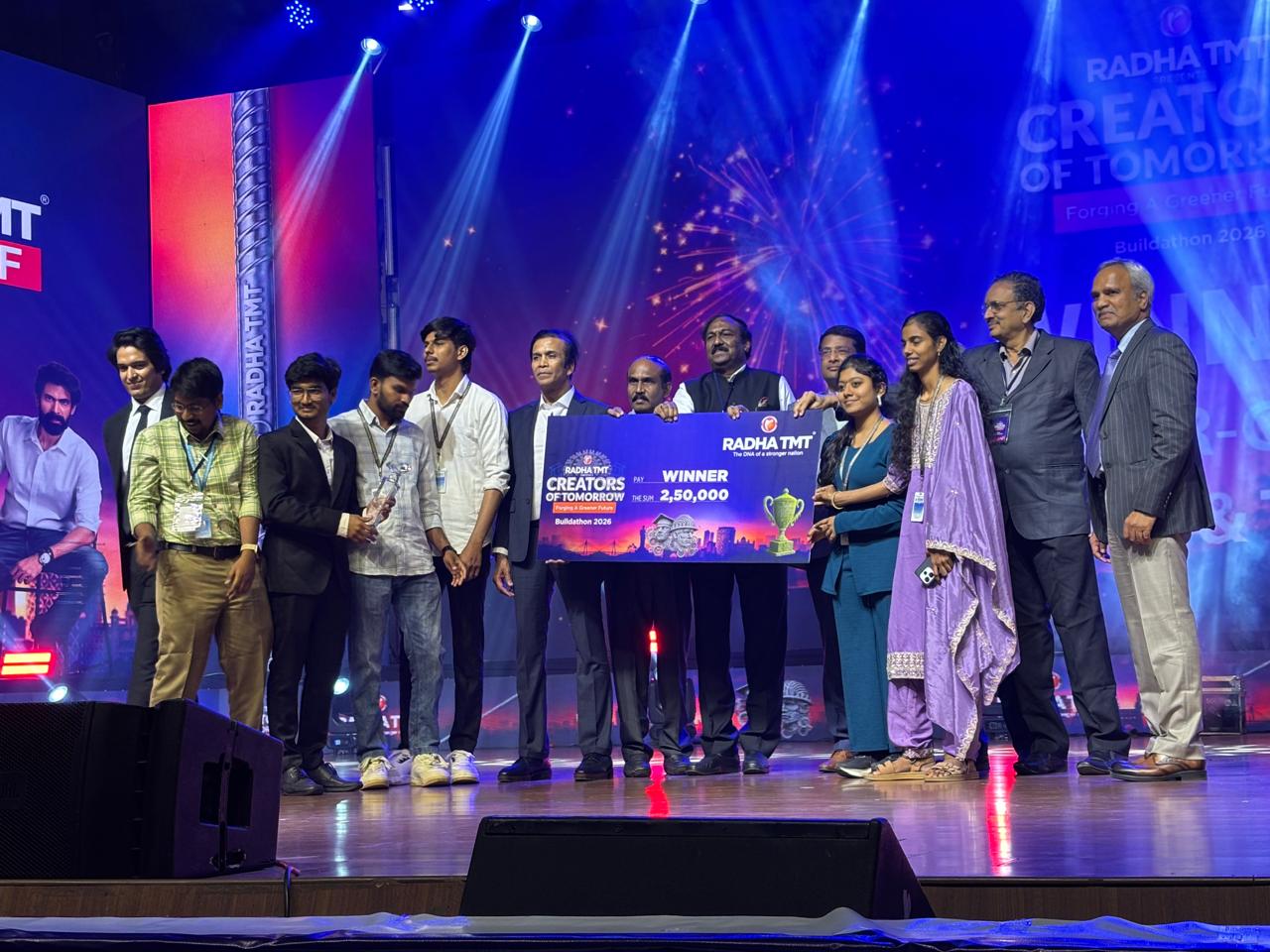
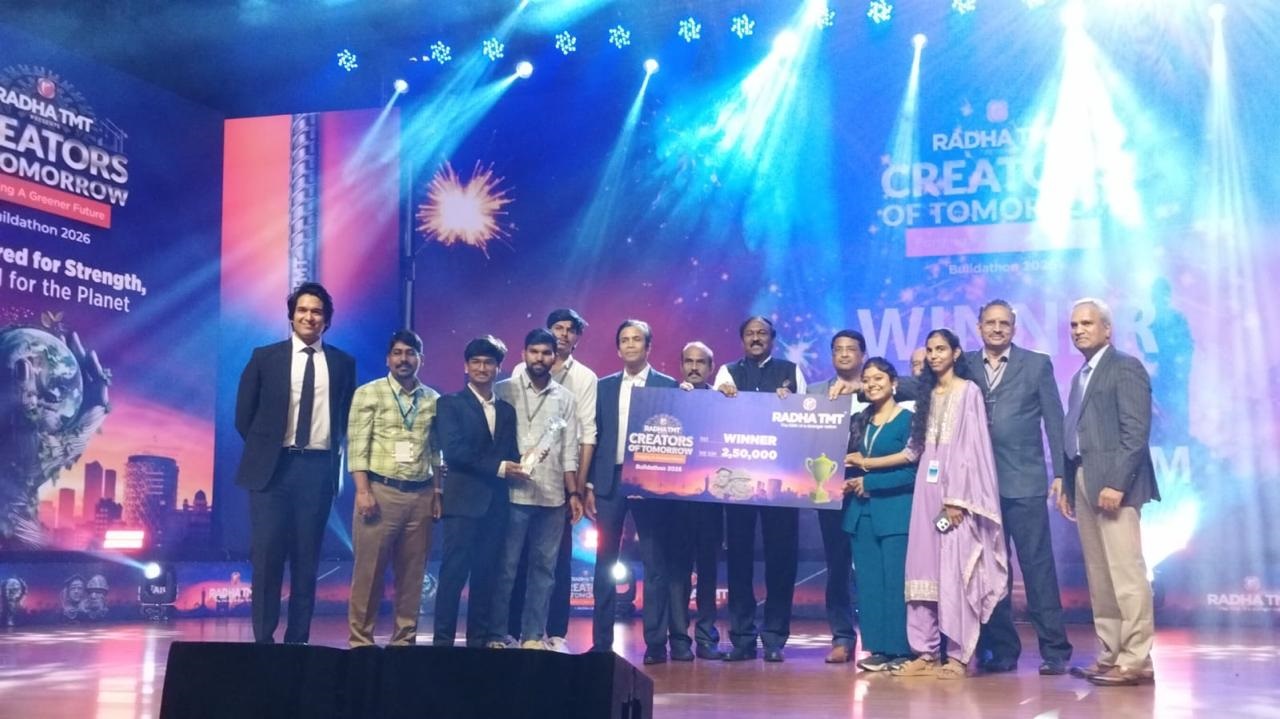
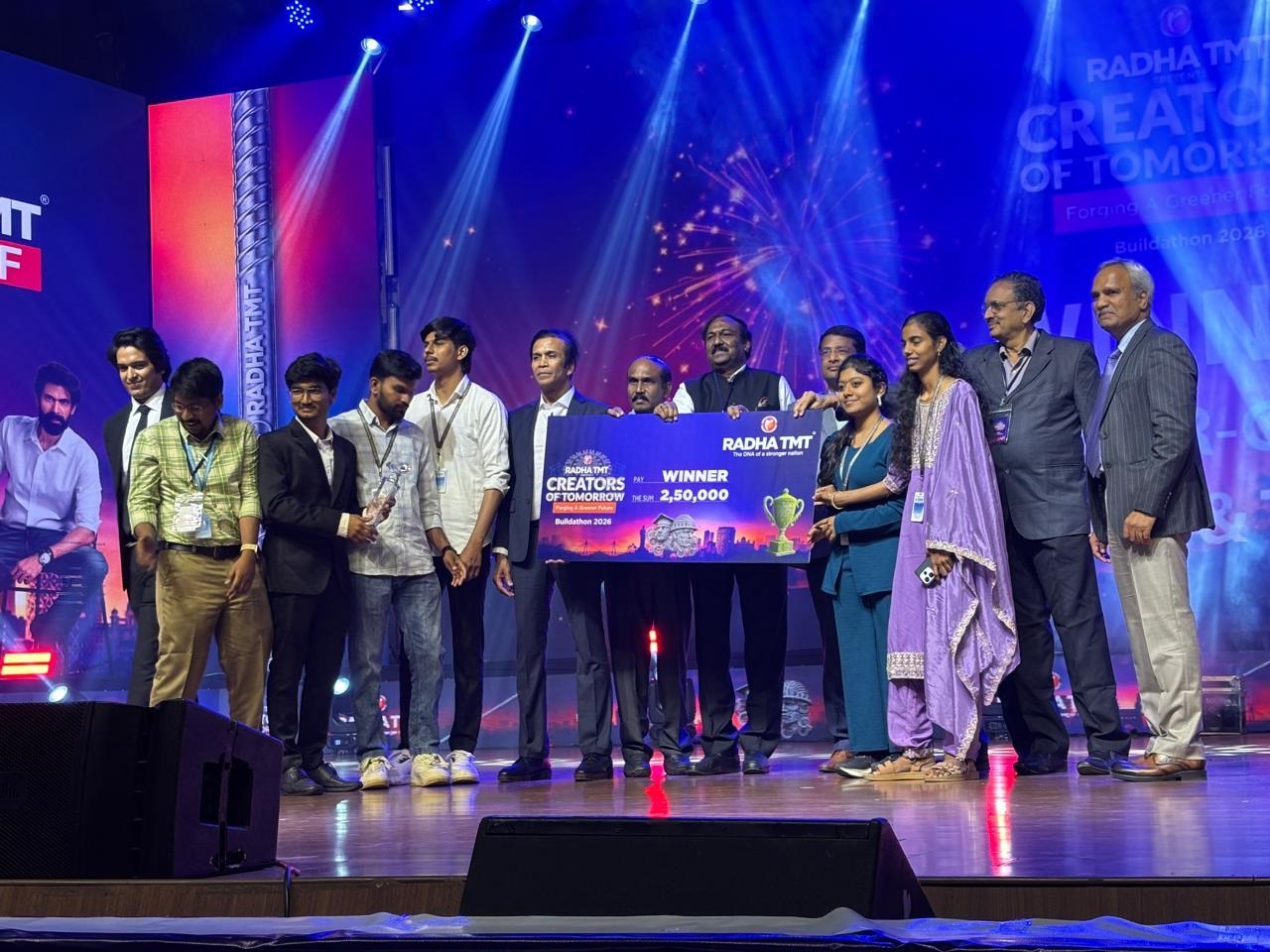
Hyderabad, Feb 23: The grand finale of Radha TMT’s unique initiative, “Creators of Tomorrow – Buildathon 2026,” a first-of-its-kind Civil Engineering Innovation Platform organised exclusively for civil engineering students across Telangana held on Saturday night at Shilpakala Vedika, Madhapur.

 CVR College of Engineering emerged as the winner for their innovative proposal titled “Water Treatment Waste into Sustainable Building Solutions.” The team was declared the winner of the challenge and walked away with a cash prize of Rs 2.5 lakh.

 Rajiv Gandhi University of Knowledge Technologies (RGUKT), Basara, secured the first runner-up position and bagged Rs 1 lakh, while JNTU Hyderabad was declared the second runner-up and received Rs 50,000. Consolation prizes of Rs 25,000 each were awarded to Sreenidhi Institute of Science and Technology (SNIST), University College of Engineering (Osmania University), Gokaraju Rangaraju Institute of Engineering and Technology (GRIET), and VNR Vignana Jyothi Institute of Engineering and Technology (VNR VJIET).

 Over 100 engineering colleges and a couple of hundred civil engineering students participated in the multi-level competition, culminating in seven finalist teams. The finalists included teams from JNTU Hyderabad, University College of Engineering–Osmania University, GRIET, VNR VJIET, SNIST, RGUKT Basara, and CVR College of Engineering.

 The competition showcased pioneering and practical ideas addressing real-world infrastructure challenges. One of the notable presentations focused on pothole-free roads. Highlighting that nearly 2,161 people die annually due to pothole-related accidents and that the government spends between Rs 1,000 crore and Rs 3,000 crore annually on maintenance, students proposed a preventive solution using micro-encapsulation technology with waste and used cooking oil. Their approach targeted micro-level cracks in roads, aiming to prevent crack expansion, block water penetration, maintain structural integrity, and eliminate the root causes of potholes.

 Students from OU College of Engineering presented “Alga Nova,” an algae-based cement additive that reduces cement usage by 2.5 percent. While not a complete replacement for cement, the team positioned it as a sustainable alternative component. A jury member remarked that while the Romans invented concrete, a well-developed alternative cement innovation could create history.

 An all-women team from GRIET showcased “Sugarcrete,” lightweight bricks made from sugarcane bagasse, presenting it as a sustainable and viable construction material. The VNR VJIET team proposed algae-based sustainable paints, claiming the product to be 40 percent cheaper and a biodegradable alternative to conventional paints.

SNIST students proposed Geopolymer Concrete, a 100 percent cement-free concrete solution capable of reducing carbon emissions by 70–80 percent. Meanwhile, RGUKT students presented Green Concrete reinforced with natural bamboo fibre to reduce cracks and enhance structural performance. During the discussion, a jury member noted that bamboo has been recognised as a national building material and represents the future of sustainable construction.

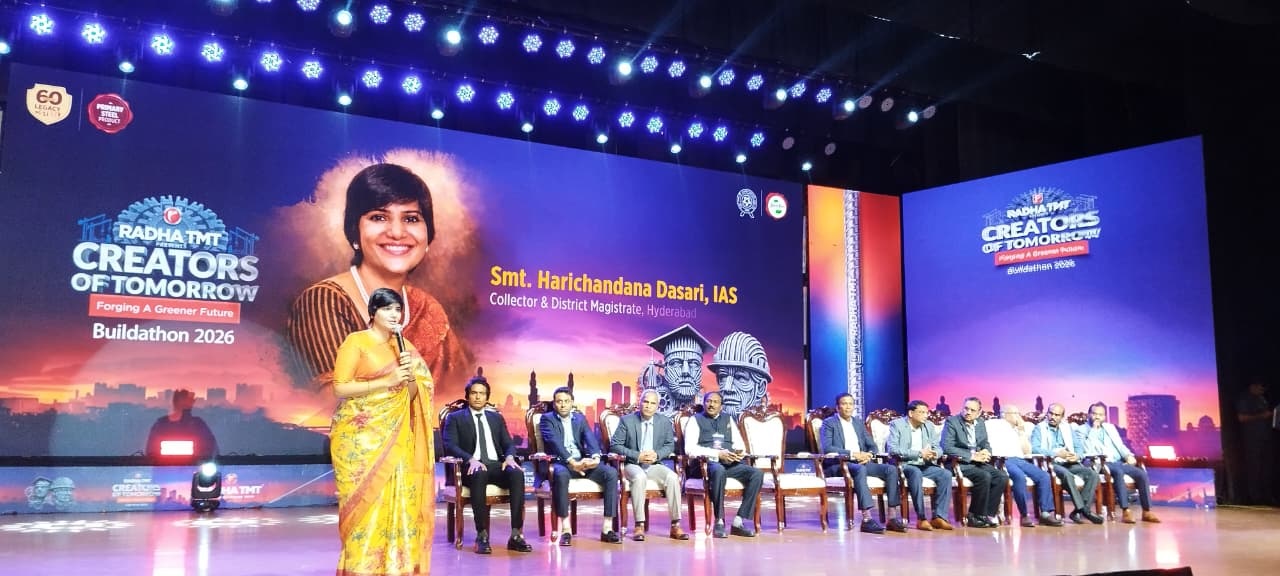
 Smt. Harichandana Dasari, IAS, District Collector of Hyderabad, graced the occasion as Chief Guest. Addressing more than 1,000 students, she said that the problems identified and solutions proposed by the finalist teams addressed real-life challenges awaiting scalable solutions. She expressed admiration for the innovative and industry-first nature of several ideas and said that with further development and persistence, many of these concepts could solve perennial infrastructure challenges in the country.

 Describing the initiative as the need of the hour, she emphasised the importance of industry–academia collaboration and urged students to build a better tomorrow and a more liveable world. “Big buildings are not great buildings; buildings that are liveable are great,” she remarked, encouraging students to pursue their ideas with persistence until they are commercialised.

 Sunil Saraf, Chairman of Radha TMT, stated that the Creators of Tomorrow initiative was conceptualised to celebrate young engineering talent and foster innovation. He highlighted that civil engineering forms the backbone of national development, as infrastructure such as roads, bridges, dams, buildings, and water systems is fundamental to trade, public health, water security, and economic growth. In this context, Radha TMT launched the Buildathon to inspire the next generation of nation-builders.

 Akshat Saraf, Director of Radha TMT, added that centred on the theme “Green & Sustainable Construction for a Greener Future,” the competition aimed to bridge the gap between academic knowledge and real-world industry requirements. Students were encouraged to propose innovative, scalable, and practical solutions addressing modern infrastructure challenges.

 The competition offered cash prizes worth over Rs 5 lakh, along with internship opportunities, industry-recognised certifications, factory visits, ISO training exposure, and direct interaction with leading construction professionals.

 As a leading TMT bar manufacturer associated with the construction ecosystem, Radha TMT reaffirmed its commitment to nurturing future-ready civil engineers, promoting sustainable construction practices, strengthening industry–academia collaboration, and contributing responsibly to India’s infrastructure growth.

 The jury members comprised: Mr Sridhar Gopisetti – Founder & Principal Architect, Team One India Pvt. Ltd.; Mr Zaki Ahmed – Founder, Zaki & Associates; Mr Surya Prakash – Managing Director, SatyaVani Projects & Consultants Pvt. Ltd.; Dr Mahendra Kumar Madhavan – Professor, Civil Engineering, Indian Institute of Technology Hyderabad; Mr C. Shekar Reddy – Vice Chairman, IGBC; Managing Director, CSR Estates Ltd.; Mr Rajkumar Kancherla – Managing Director, Kancherla Projects Pvt. Ltd.

  •  

Surya Brasil Accelerates India Expansion after 30% growth in the US; Launches New Hair Care Range

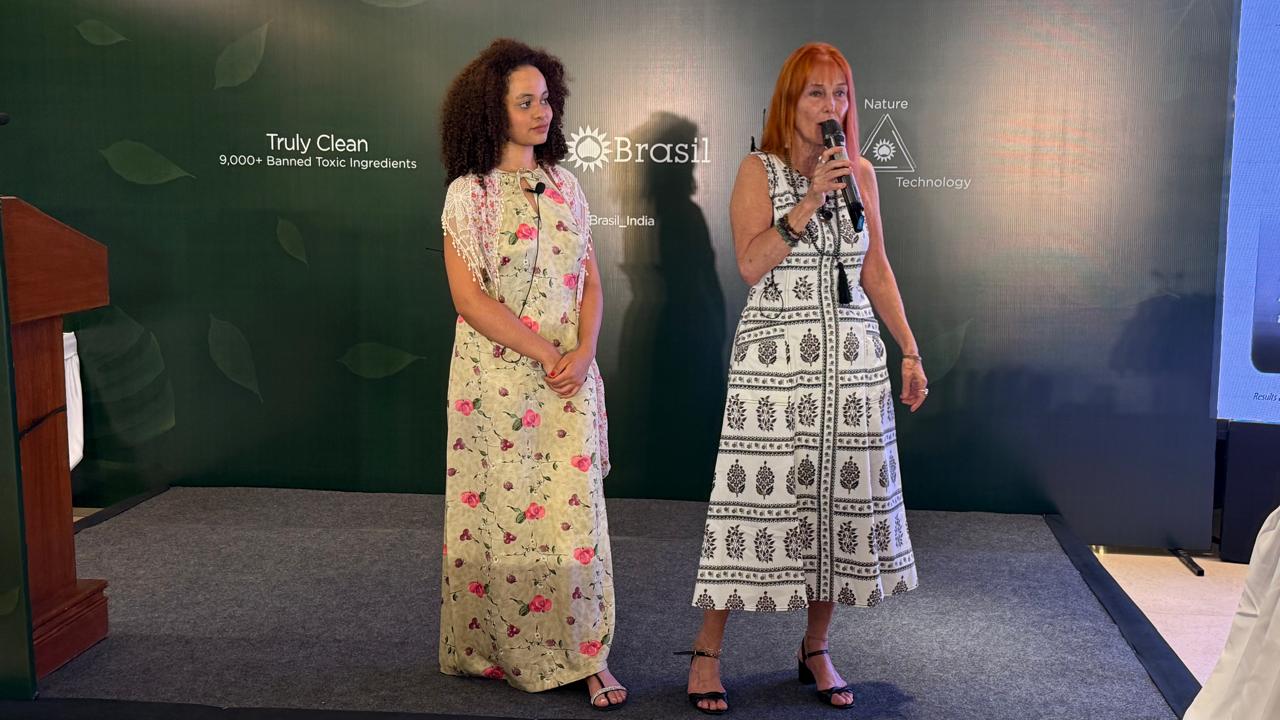
New Delhi: Feb 23:Surya Brasil, the Brazilian clean beauty brand known globally for its natural henna-based hair colour solutions, has announced the expansion of its product portfolio in India. The company aims to further reinforce and amplify its flagship Henna Cream while introducing a wider range of hair care and treatment products tailored for the Indian market.

With a presence in over 40 countries, Surya Brasil is strengthening its focus on key growth markets including India, supported by increased investments in marketing and trade engagement to deepen reach and visibility.

The expansion builds on Surya Brasil’s strong growth momentum in the United States, where the brand recorded 30% growth last year and outpaced the hair colour category by 16 percentage points, according to NielsenIQ data. This performance reflects rising consumer preference for natural and clean beauty alternatives.

The timing aligns with the rapid growth of the global natural cosmetics industry, which is projected to reach USD 74 billion by 2028. Increasing consumer awareness around ingredient transparency and sustainability is reshaping buying behaviour in India, particularly in the hair care segment. Surya Brasil’s expanded range aims to serve both professional salons and conscious consumers looking for effective, plant-based alternatives.

“At Surya Brasil, we have always believed that what you apply to your hair and skin matters,” said Clelia Angelon, Founder and CEO of Surya Brasil. “India has been an inspiration to us through Ayurveda, and expanding our portfolio here feels both strategic and meaningful.”

As part of its expansion, Surya Brasil is introducing a broader portfolio of complementary hair care and treatment products designed to create a complete clean beauty routine. The new additions include The Color Fixation line, The Hair Therapy range, The Balanced Cleansing Shampoo, The Nourishment & Protection conditioner, Brazilian Vegetable Keratin, The Force line and The Bio Finishers range. Henna Clean and Henna Force further extend the brand’s offering with treatment-focused solutions aimed at improving scalp health and strengthening hair from root to tip.

The flagship product Henna Cream remains at the centre of Surya Brasil’s India strategy. Formulated with up to 98% natural ingredients, the product offers full grey coverage while nourishing and strengthening the hair. Free from harsh chemicals such as ammonia and its by-products, including ethanolamine and triethanolamine, as well as PPD, Surya Brasil is aiming for a considerable market penetration in the natural hair care category with this flagship product.

With manufacturing headquartered in São Paulo and operations in Houston and Milan, Surya Brasil brings international quality standards and long-standing clean beauty credentials to the Indian market. The company says it remains committed to ethical formulations, responsible sourcing, and long-term investment in the region.

Language: The Core of Identity and Connection

Language is the foundation of identity, the bridge of opportunity, and the heartbeat of human connection — Dr. Birbal Jha

birbal

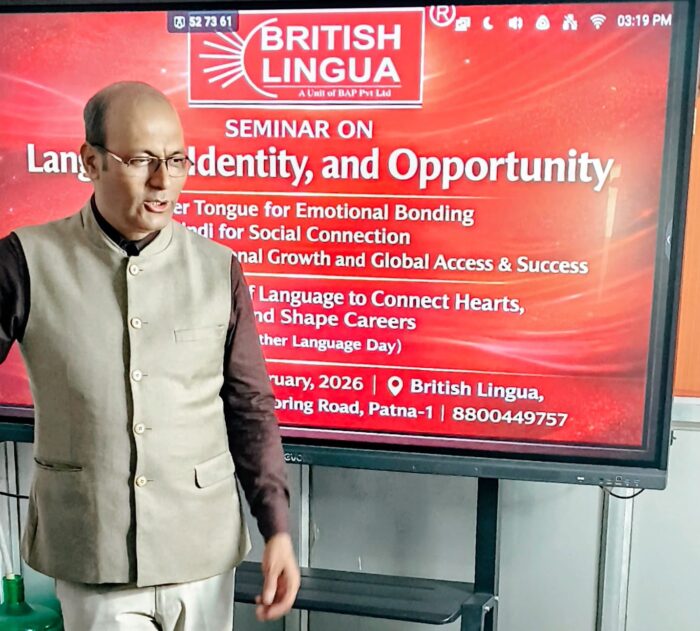
Patna, Feb 23: On the solemn and globally observed occasion of International Mother Language Day, the auditorium of British Lingua resonated with ideas that transcended grammar and vocabulary. The seminar, titled “Language, Identity, and Opportunity,” evolved into a compelling reflection on how words shape worlds and how language can transform lives.

Delivering the keynote address, noted educationist and social reform advocate Dr. Birbal Jha offered a sweeping vision of multilingual empowerment. His central thesis was both simple and profound:
“Language is not only a medium of communication; it is the foundation of identity, the bridge of opportunity, and the heartbeat of human connection.”

The audience — comprising educators, students, and thought leaders — listened in rapt attention as Dr. Jha unfolded what he described as the three pillars of linguistic strength: mother tongue, Hindi, and English.

The Mother Tongue: Where Identity Takes Root

In a deeply evocative passage, noted author Dr Birbal Jha described the mother tongue as “the first music we hear” — the language of lullabies, affection, and formative dreams. It is here, Dr Jha argued, that identity is first forged and confidence begins to grow.

Dr Jha reminded the gathering that linguistic roots anchor emotional stability and cultural continuity. “Modernity should expand our horizons, not erase our roots,” he observed, urging families and institutions alike to safeguard indigenous languages as repositories of collective memory.

The mother tongue, Dr Jha said, does not merely communicate thought; it nurtures self-respect and strengthens the psychological foundation upon which future aspirations stand.

Hindi: A Bridge Across Diversity

Turning to Hindi, Dr. Jha underscored its role as a vital instrument of social cohesion in India’s vast linguistic landscape. From public discourse to marketplaces, from governance to cinema, Hindi connects diverse communities without demanding uniformity.

“Language is the bridge between diversity and unity,” Dr Jha declared, emphasizing that inclusive communication reduces prejudice and fosters cooperation. In his view, Hindi in India enables participation and strengthens democratic dialogue by amplifying voices from villages, towns, and cities alike.
In a country of many tongues, Dr Jha suggested, a shared language of connection strengthens the social fabric.

English: A Gateway to Global Possibility

If the mother tongue roots identity and Hindi binds society, English, Dr. Jha argued, unlocks the world. In an age defined by globalization, English serves as the language of science, technology, business, and international collaboration.

“English does not define your identity; it multiplies your opportunity,” Dr Birbal Jha asserted, challenging the perception of English as a marker of superiority. Instead, he described it as a pragmatic tool — one that converts talent into visibility and ambition into achievement.

At British Lingua, Dr Jha noted, English education is not about imitation of accents but about articulation, clarity, confidence, and employability. Fluency, he stressed, empowers youth from small towns to compete on global platforms.

Language as Social Justice

Perhaps the most resonant moment of the address came when Dr. Jha framed language education as an instrument of social justice.

“Language education is social justice in action,” Dr Jha proclaimed. When individuals cannot express themselves, he said, their abilities remain hidden. When communication improves, confidence rises — and with confidence comes opportunity.

By equipping young minds with linguistic competence, educational institutions are not merely teaching grammar; they are dismantling barriers and expanding socio-economic mobility.

A Vision for a Multilingual Future

As the seminar drew to a close, Dr. Jha called upon the audience to embrace multilingualism as strength rather than confusion.

“Multilingualism is not confusion; it is competence,” Dr Birbal affirmed.
Dr Jha urged citizens to preserve their mother tongues, strengthen Hindi for national harmony, and master English for global excellence. A nation that values its languages, Dr concluded, secures its intellectual richness and social cohesion.

The applause that followed was not merely for a speech well delivered, but for an idea powerfully conveyed — that language is identity, dignity, and destiny intertwined.
On this International Mother Language Day, the message from British Lingua was clear and compelling:
Language connects hearts, builds society, and shapes careers — and in doing so, it shapes the future.

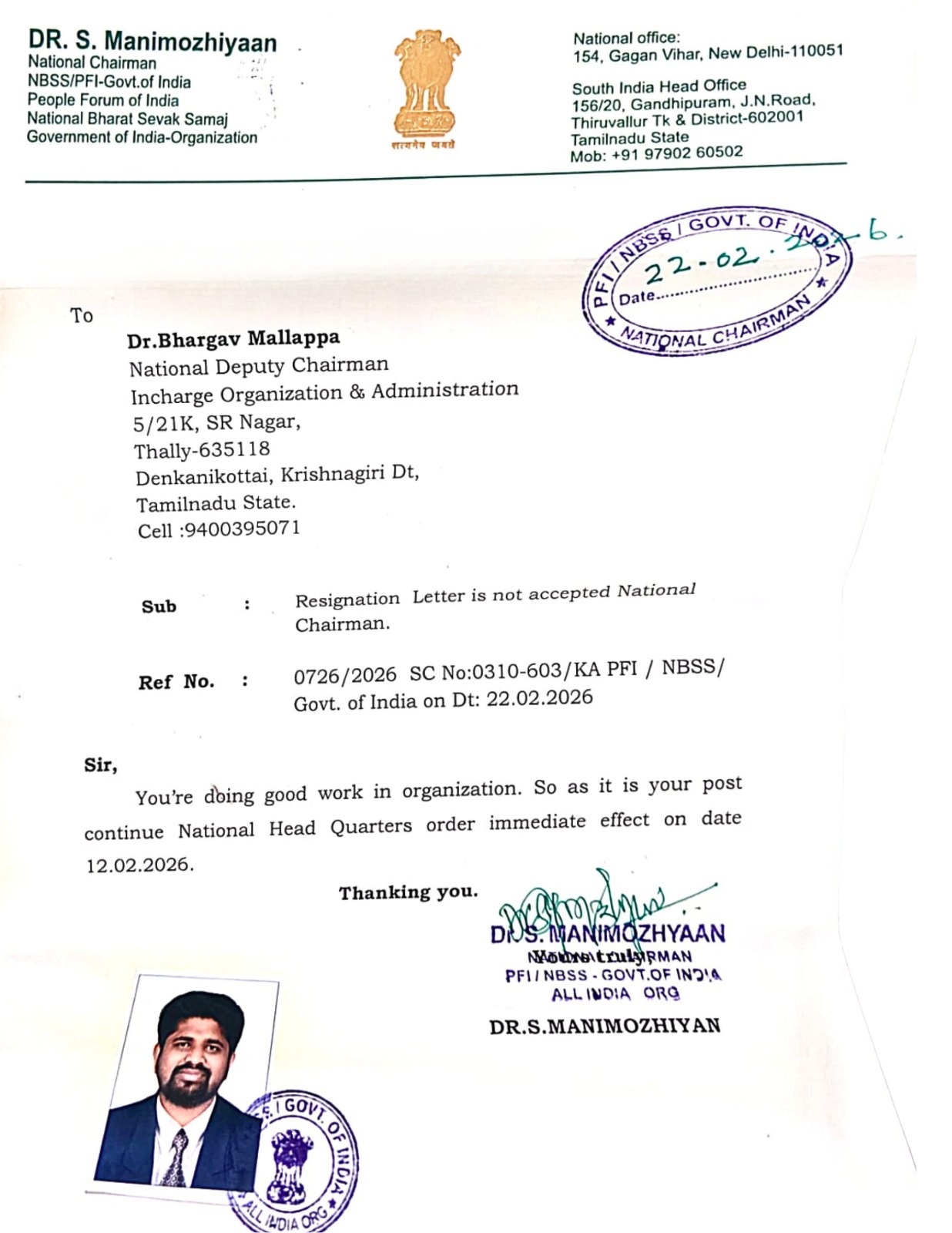
Dr. Bhargav Mallappa to Continue National Deputy Chairman Role, Reinforces Vision for Social Change

Delhi, Feb 22: Dr. Bhargav Mallappa will continue serving as the National Deputy Chairman of the People Forum of India after the National Chairman Dr. S. Manimozhyaan, formally declined to accept his resignation and urged him to remain in office in view of the organisation’s ongoing social responsibilities and long-term mission.

In an official communication issued on Sunday, the National Chairman acknowledged Dr. Mallappa’s sustained contributions to the organisation’s administrative strengthening and grassroots social initiatives, expressing confidence in his leadership and requesting him to continue his responsibilities in the larger interest of the mission.

Responding to the development, Dr. Bhargav Mallappa said the decision to step back from his resignation was guided not by position, but by purpose. He said, “Public service is not about titles; it is about responsibility. The trust shown by the organisation carries moral weight. After thoughtful reflection, I felt it was important to prioritise continuity and collective vision over personal considerations. Our shared objective remains the upliftment of society, and that commitment must remain uninterrupted.” 

Dr. Mallappa further said that moments of introspection often strengthen institutions rather than weaken them. “This phase has brought clarity. It has reinforced why we began this journey — to build structured, accountable, and impactful social initiatives. With renewed focus and stronger coordination, we will move forward with greater discipline and deeper engagement at the grassroots level.”

He expressed optimism that the organisation will now work with sharper alignment and enhanced energy, ensuring that its social outreach efforts expand in both scale and substance.

Dr. Mallappa will continue to serve as National Deputy Chairman with immediate effect, reaffirming his dedication to strengthening institutional processes and advancing meaningful social change.

Creators of Tomorrow – Buildathon 2026 Grand Final Empowers Aspiring Change-Makers

Hyderabad, February 21, 2026:

The grand finale of Radha TMT’s unique initiative, “Creators of Tomorrow – Buildathon 2026,” a first-of-its-kind Civil Engineering Innovation Platform organised exclusively for civil engineering students across Telangana, was held on Saturday evening at Shilpakala Vedika, Madhapur.

CVR College of Engineering emerged as the winner for their innovative proposal titled “Water Treatment Waste into Sustainable Building Solutions.” The team was declared the winner of the challenge and walked away with a cash prize of Rs 2.5 lakh.

Rajiv Gandhi University of Knowledge Technologies (RGUKT), Basara, secured the first runner-up position and bagged Rs 1 lakh, while JNTU Hyderabad was declared the second runner-up and received Rs 50,000. Consolation prizes of Rs 25,000 each were awarded to Sreenidhi Institute of Science and Technology (SNIST), University College of Engineering (Osmania University), Gokaraju Rangaraju Institute of Engineering and Technology (GRIET), and VNR Vignana Jyothi Institute of Engineering and Technology (VNR VJIET).

Over 100 engineering colleges and a couple of hundred civil engineering students participated in the multi-level competition, culminating in seven finalist teams. The finalists included teams from JNTU Hyderabad, University College of Engineering–Osmania University, GRIET, VNR VJIET, SNIST, RGUKT Basara, and CVR College of Engineering.

The competition showcased pioneering and practical ideas addressing real-world infrastructure challenges. One of the notable presentations focused on pothole-free roads. Highlighting that nearly 2,161 people die annually due to pothole-related accidents and that the government spends between Rs 1,000 crore and Rs 3,000 crore annually on maintenance, students proposed a preventive solution using micro-encapsulation technology with waste and used cooking oil. Their approach targeted micro-level cracks in roads, aiming to prevent crack expansion, block water penetration, maintain structural integrity, and eliminate the root causes of potholes.

Students from OU College of Engineering presented “Alga Nova,” an algae-based cement additive that reduces cement usage by 2.5 percent. While not a complete replacement for cement, the team positioned it as a sustainable alternative component. A jury member remarked that while the Romans invented concrete, a well-developed alternative cement innovation could create history.

An all-women team from GRIET showcased “Sugarcrete,” lightweight bricks made from sugarcane bagasse, presenting it as a sustainable and viable construction material. The VNR VJIET team proposed algae-based sustainable paints, claiming the product to be 40 percent cheaper and a biodegradable alternative to conventional paints.

SNIST students proposed Geopolymer Concrete, a 100 percent cement-free concrete solution capable of reducing carbon emissions by 70–80 percent. Meanwhile, RGUKT students presented Green Concrete reinforced with natural bamboo fibre to reduce cracks and enhance structural performance. During the discussion, a jury member noted that bamboo has been recognised as a national building material and represents the future of sustainable construction.

Smt. Harichandana Dasari, IAS, District Collector of Hyderabad, graced the occasion as Chief Guest. Addressing more than 1,000 students, she said that the problems identified and solutions proposed by the finalist teams addressed real-life challenges awaiting scalable solutions. She expressed admiration for the innovative and industry-first nature of several ideas and said that with further development and persistence, many of these concepts could solve perennial infrastructure challenges in the country.

Describing the initiative as the need of the hour, she emphasised the importance of industry–academia collaboration and urged students to build a better tomorrow and a more liveable world. “Big buildings are not great buildings; buildings that are liveable are great,” she remarked, encouraging students to pursue their ideas with persistence until they are commercialised.

Sunil Saraf, Chairman of Radha TMT, stated that the Creators of Tomorrow initiative was conceptualised to celebrate young engineering talent and foster innovation. He highlighted that civil engineering forms the backbone of national development, as infrastructure such as roads, bridges, dams, buildings, and water systems is fundamental to trade, public health, water security, and economic growth. In this context, Radha TMT launched the Buildathon to inspire the next generation of nation-builders.

Akshat Saraf, Director of Radha TMT, added that centred on the theme “Green & Sustainable Construction for a Greener Future,” the competition aimed to bridge the gap between academic knowledge and real-world industry requirements. Students were encouraged to propose innovative, scalable, and practical solutions addressing modern infrastructure challenges.

The competition offered cash prizes worth over Rs 5 lakh, along with internship opportunities, industry-recognised certifications, factory visits, ISO training exposure, and direct interaction with leading construction professionals.

As a leading TMT bar manufacturer associated with the construction ecosystem, Radha TMT reaffirmed its commitment to nurturing future-ready civil engineers, promoting sustainable construction practices, strengthening industry–academia collaboration, and contributing responsibly to India’s infrastructure growth.

The jury members comprised:

Mr. Sridhar Gopisetti – Founder & Principal Architect, Team One India Pvt. Ltd.; Mr. Zaki Ahmed – Founder, Zaki & Associates; Mr. Surya Prakash – Managing Director, SatyaVani Projects & Consultants Pvt. Ltd.;

Dr. Mahendra Kumar Madhavan – Professor, Civil Engineering, Indian Institute of Technology Hyderabad;

Mr. C. Shekar Reddy – Vice Chairman, IGBC; Managing Director, CSR Estates Ltd.; Mr. Rajkumar Kancherla – Managing Director, Kancherla Projects Pvt. Ltd.

Harpic Launches New Harpic Bathroom Ultra Cleaner, Its Biggest Innovation in Bathroom Cleaning in a Decade; Welcomes Rohit Shetty as Brand Ambassador

Business Wire India

Harpic, India’s No. 1 toilet and bathroom cleaner and a pioneer in home hygiene solutions trusted by over 100 million households*, announced the launch of its most advanced bathroom cleaning innovation yet – New Harpic Bathroom Ultra Cleaner. Marking Harpic’s biggest innovation in the bathroom cleaning category in over a decade, the product is designed to remove the toughest and most prevalent bathroom stains to deliver an Ultra Clean bathroom. Bollywood Film-maker Rohit Shetty joins as brand ambassador, reinforcing the product’s promise of powerful and confident stain removal.


Indian households across urban regions struggle with persistent yellow stains, limescale buildup and tough stains like rust. Over time, consumers increasingly believe that these stains are impossible to remove, and with no trusted solution that can truly tackle them, many rely on generic solutions such as detergents, bleach and phenyl. These products, however, are often ineffective against hard water stains and can be abrasive on surfaces, leaving bathrooms looking dull.


Addressing this long-standing consumer need for a trusted, versatile and effective cleaning solution, New Harpic Bathroom Ultra Cleaner has been purpose-built for Indian bathrooms. As India’s toughest stain removal specialist#it removes everyday stains like yellow hard water marks and limescale, as well as tough stains such as rust, delivering a visibly Ultra Clean and shiny bathroom. Living up to its promise, “New Harpic Bathroom Ultra Cleaner – Kaisa bhi ho daag, poora bathroom ULTRA saaf,” the launch campaign reinforces Harpic’s leadership in the bathroom cleaner category by offering consumers a powerful solution.


Speaking about his association with the brand, Rohit Shetty said, “I know what’s it like when people associate you with a certain style, it means they trust you to deliver every single time. And that trust pushes you to do more, do better and to raise the bar. Whether it’s comedy, action or in the case of Harpic, solid safaai. Harpic has been a trusted name in hygiene for years, even being synonymous with bathroom hygiene. With New Harpic Bathroom Ultra Cleaner, the brand is taking bathroom cleaning to the next level. I am glad to be associated with a product that is tough, dependable and designed for real Indian homes.”


Commenting on the launch, Gautam Rishi, Marketing Director, Hygiene, Reckitt – South Asia, said, “Harpic Bathroom Ultra Cleaner is a strong new innovation engineered to tackle India’s toughest hard‑water stains, where most generic cleaners fall short. This launch strengthens Harpic’s stain‑removal leadership and raises the bar for bathroom hygiene. With Rohit Shetty onboard, we’re delivering a tougher, high‑performance solution designed for Indian homes.”


Anupama Ramaswamy, MD and Chief Creative Officer, Havas Creative India, said, “Harpic has a new hero in its universe – Harpic Bathroom Ultra Cleaner. It’s tough and effective. And that is why it needed a launch that is unmissable and larger-than-life, just like Rohit Shetty, who is the face of the brand. Team Havas Creative India has created yet another power-packed campaign that hits the screens very soon.”


With this launch, Harpic continues to lead the bathroom cleaner category by combining deep consumer insights, advanced innovation and powerful communication, helping Indian consumers move beyond ordinary cleaners to solutions that truly deliver superior bathroom cleanliness.


Link to TVC: https://youtu.be/O3vecQ8Er5U


Agency Credits:


Anupama Ramaswamy, Managing Director and Chief Creative Officer

Ajitesh Verma, Executive Creative Director

Aman Chaubey, Group Head – Copy

Binesh Sharma, Group Creative Director

Sandeep Bagga, Senior Creative Director – Art

Ravinder Kumar, Creative Director – Art

Krittika Chakraborty, EVP – Strategy & Planning (North & West)

Dhananjoy Ray, AVP- Strategy & Planning

Himanshi Bakshi, Planning Supervisor

Avinash Chandra, Senior Vice President

Annie Joshi, Account Director

Akshita Kakkar, Account Director

Dawa Lama, Head of Production