Archives February 2026

Budget 2026 Prioritizes Inclusive Growth and Youth Empowerment: Prerrit Mansingh

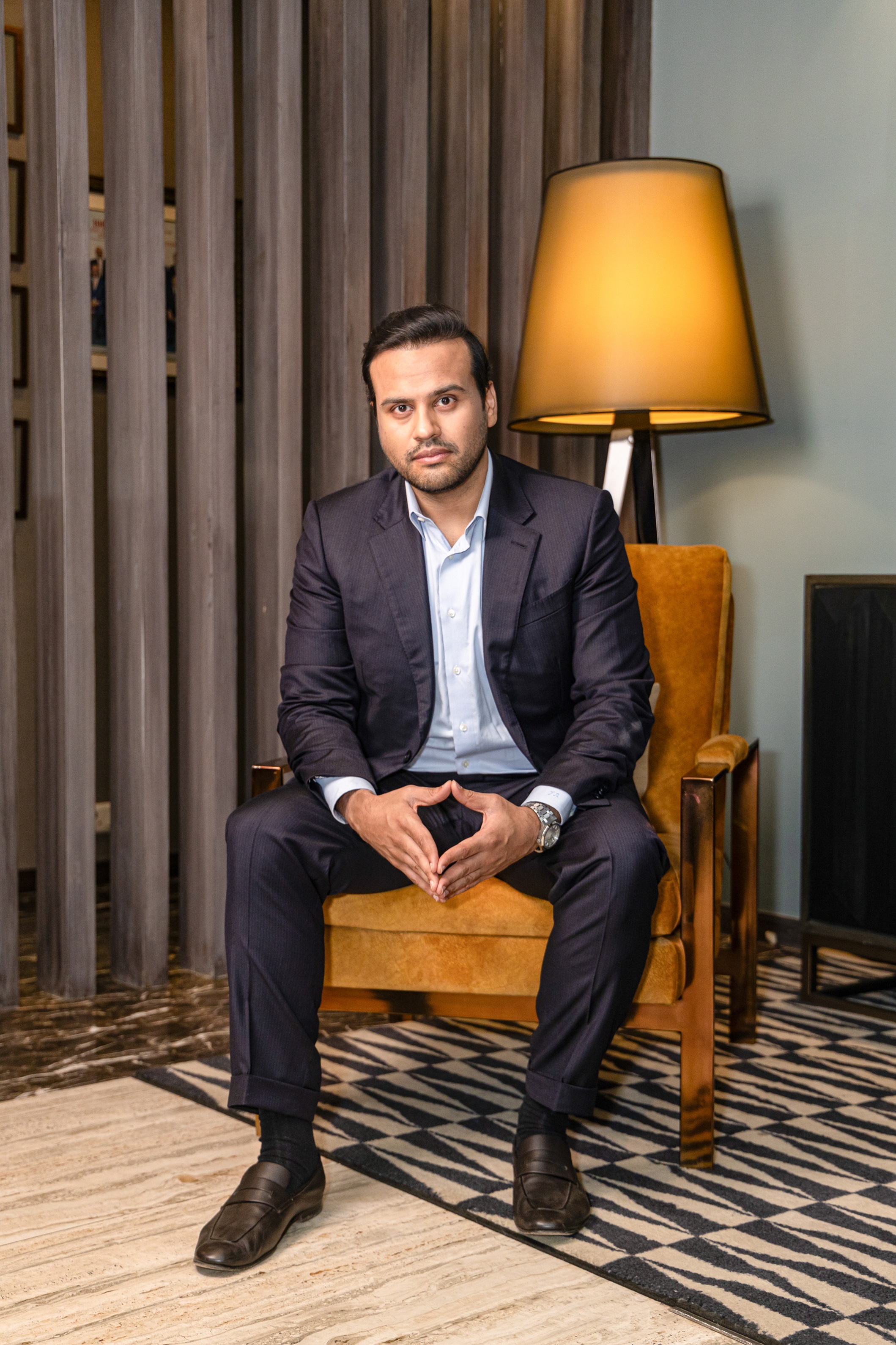
Mr. Prerrit Mansingh, Secretary of Aayom Welfare Society
 “Support for the SMEs, infrastructure investments in Tier-2 and 3 cities, and attention to emerging technologies like AI toward job creation and skill development are strategic and growth-oriented moves. The focus on youth with skill-building, along with provisions for elderly care, animal welfare, and greater access to women to essential services and education are commendable.

From a civil society perspective, the real test will be how effectively these initiatives reach to the people on ground. Meaningful partnerships, strong and strategic implementation, and fair access through community-based and grassroots organizations will be essential to ensure that growth translates into lasting impact. This year’s budget laid out a clear push for economic growth along with the importance of inclusion.”

Budget 2026 Charts a ‘New Urban India’, Powers Tier-2 and Tier-3 Growth: Santosh Agarwal

Santosh Agarwal, CFO & Executive Director, Alpha Corp Development Limited

“The Union Budget 2026 is a definitive blueprint for a ‘New Urban India.’ By scaling public capital expenditure to ₹12.2 lakh crore, the government isn’t just building roads it’s building the future of our Tier-2 and Tier-3 cities. This ₹5,000 crore annual commitment to emerging urban hubs is a masterstroke for balanced growth. For the real estate sector, this translates to more than just connectivity; it enhances ‘liveability’ as a core asset, turning rising cities into primary economic engines. We are moving away from metro-centricity toward a more inclusive, high-growth urban reality.”

Budget 2026 De-Clogs Legal Framework, Boosts Ease of Doing Business: Abhinav Saxena

Mr. Abhinav Saxena, Founding Partner at Saxenas And Kumar Law Chambers LLP

“The Union Budget 2026 is a definitive step towards de-clogging India’s legal and regulatory arteries. We specifically welcome the proposal to implement a comprehensive New Income Tax Act to replace the six-decade-old law. For the legal fraternity and our corporate clients, this simplification is a long-awaited reform that will drastically reduce interpretation disputes and compliance friction.

Furthermore, the focus on digitizing NCLT tribunals and the introduction of a Customs Amnesty Scheme signal a clear shift towards a Trust-Based governance model. By smoothing out the insolvency process and reducing legacy tax litigation, the Government is allowing firms to focus on value creation rather than courtroom battles. For startups and MSMEs, this Ease of Doing Business is the most valuable capital of all.”

Union Budget 2026 Strengthens MSMEs, Accelerates Manufacturing Growth

By:- Mr. Hiren Shah, Managing Director, Jyoti Global Plast

We welcomed the Union Budget 2026, highlighting the government’s renewed focus on strengthening the MSME ecosystem and advancing manufacturing-led growth. He noted that the Budget delivers a decisive structural push by improving access to capital, enhancing liquidity, and easing compliance—three long-standing challenges faced by MSMEs.

“The ₹10,000 crore MSME Growth Fund, along with the enhanced allocation to the Self-Reliant India Fund, directly addresses the risk-capital gap for micro and small enterprises. Mandatory participation of CPSEs on TReDS, backed by credit guarantees for invoice discounting and securitisation of TReDS receivables, is a significant reform that will materially improve cash-flow certainty for MSMEs,” he said.

He further added that the integration of GeM with TReDS and the introduction of ‘Corporate Mitras’ to support compliance readiness will enhance transparency and ease of doing business. “Coupled with sustained public capital expenditure and infrastructure development across tier 2 and tier 3 cities, the Budget lays a strong foundation for a scalable, resilient, and competitive MSME sector—enabling Indian manufacturers to emerge as global value-chain leaders.”

Budget 2026 Eases Overseas Travel: TCS on International Tour Packages Slashed to 2%

By:- Supreme kothari, Partner, Economic Laws Practice.

”Budget 2026 has provided significant relief for Indians planning to travel abroad, with a major proposal to reduce the Tax Collected at Source on overseas tour packages to 2% from the existing slab-based rates of 5% and 20%, with no minimum limit. This move is expected to make international bookings cheaper, simpler, and more accessible, easing the financial burden on travelers while encouraging more Indians to explore foreign destinations. By standardizing the TCS rate and eliminating minimum thresholds, the Budget also simplifies compliance for both travelers and tour operators, potentially boosting outbound tourism and benefiting allied sectors such as airlines, hotels, and travel agencies. Experts believe this reform aligns with the government’s broader goal of promoting ease of travel and transparency in pricing, making international vacations more financially feasible for families, students, and young professionals alike. Overall, the reduction in TCS is a tourism-friendly measure that not only supports travelers but also strengthens India’s global tourism footprint”

Budget 2026: AYUSH Hubs to Boost India’s Global Healthcare Leadership

Dr. Puneet Dhawan Hails Budget 2026: “AYUSH-Integrated Medical Hubs to Make India the Global Holistic Healthcare Capital”

New Delhi, Feb 01: Dr. Puneet Dhawan, Co-Chair of the PHDCCI AYUSH Committee and renowned Ayurvedic specialist, today welcomed the government’s announcement in Budget 2026 to establish five new Medical Hubs across India. The initiative aims to integrate AYUSH centers with modern medical infrastructure, promoting holistic healthcare and boosting India’s Medical Value Tourism (MVT) ecosystem.

“This is a transformative step toward ‘Heal in India’,” said Dr. Dhawan. “By integrating AYUSH within these hubs, the long-standing challenge of fragmented care is addressed. International patients can now access both modern diagnostics and traditional healing under one roof.”

Dr. Dhawan highlighted the strategic benefits of the initiative:

  • Scientific Validation: Building a data-driven environment for Ayurvedic clinical outcomes.

  • Global Trust: Leveraging private-sector efficiency and international accreditation for traditional medicine.

  • Economic Growth: Enhancing foreign exchange inflow through specialized wellness and rehabilitation tourism.

“The integration of AYUSH into modern medical hubs not only strengthens India’s healthcare capabilities but also positions the country as a global leader in holistic wellness,” he added.

MSME Growth Fund and SRI Fund Boost Equity Support for Scaling Businesses

By:- Snhkumar Purohit, Chief Strategist, EVM India.e

Most MSMEs struggle because cash cycles are tight and balance sheets are stretched. Too much debt leaves little room to absorb shocks or invest in growth. The ₹10,000 crore MSME Growth Fund finally recognises this gap by bringing equity into the picture. The ₹2,000 crore addition to the Self-Reliant India Fund supports businesses that are ready to scale, not just start. This helps MSMEs move from managing liabilities to building capability. This addresses a real structural constraint on the ground.

Experts Call for Pragmatic Digital Asset Reforms in Union Budget 2026

Aishwary Gupta, Global Head of Payments and RWAs at Polygon Labs

“With the Union Budget 2026, there is an opportunity to rationalize India’s digital asset framework through targeted, pragmatic refinements. The current 1% TDS and 30% flat tax, without loss set-off provisions, have constrained liquidity and pushed activity offshore. Reducing TDS to a workable range, allowing loss set-off within VDAs, and clarifying cost basis treatment, including transaction costs, would help keep activity onshore while maintaining compliance.

A pragmatic starting point would be to set clear rules for rupee-linked digital instruments, whether that means tokenized bank deposits issued under existing banking oversight or a regulated stablecoin model with strict requirements around reserves, disclosures, audits, redemption rights, and licensed issuers.

Countries across the Middle East, Singapore, and Japan are moving decisively on this front. India’s young, tech-savvy population and strong fintech ecosystem make it naturally positioned to lead, provided the right tax and policy signals are in place.”

Himanshu Tyagi, a professor at the Indian Institute of Science and co-founder of Sentient

“India’s strength has always been its ability to create outsized impact at unprecedented scale—often by scaling within chaos rather than waiting for perfect conditions. From universal suffrage to digital payments and physical infrastructure, the country has built systems that serve 1/5th of the world’s population and unlocked opportunity at a speed few nations have ever matched. This ability to operate, adapt, and compound within complexity is deeply embedded in India’s institutional DNA.

However, there is a natural ceiling to how far scale alone can take us. Over time, other economies matched and surpassed India by relying on rigid, rule-based structures designed for predictable environments. AI now changes that equation. Intent-driven, adaptive systems align far more closely with India’s strength of scaling within chaos than traditional software ever could. Union Budget 2026 can focus on sustained investment in AI research, compute, and deployment across government and industry, enabling India to once again turn its unique approach to scale into a durable global advantage.”

Dubai emerges as wellness real estate hub as wealthy buyers seek quality of life

MENA region outpaces Europe as second-fastest-growing market in global wellness real estate boom

Dubai, UAE, Feb 1: Dubai has become the regional hub in a trend reshaping the luxury real estate market as wealthy global buyers make quality of life their main investment goal.

The global wellness real estate market, which has more than doubled since 2019, is projected to reach $1.1 trillion by 2029, with the Middle East playing its own part in this transformation.

Talal M. Al Gaddah, CEO & Founder of the Keturah luxury brand - says today's buyers seek homes to improve their health and wellbeing.

According to the Global Wellness Institute (GWI), the MENA region is the second fastest-growing market worldwide, expanding at just over 22% annually, just behind Latin America–Caribbean (24%), and ahead of Europe (22.4%).

“Over the last few years, there has been a big change in the way luxury real estate is defined and valued,” says Talal M. Al Gaddah, CEO and Founder of the Keturah luxury brand. “No longer is it just driven by well-known names, size, or prestige. Today, buyers seek homes to improve their health and wellbeing.”

“They are now asking, ‘Is this home going to make me healthier? Will it help me sleep better, improve my mood, my family’s well-being? Will it connect me to nature, and give us all the quality of life we need?”

“This was our motivation in developing Keturah Reserve as the first community of its kind in the region where wellness science shapes every architectural decision.”

Interiors across the AED5.7 billion luxury Keturah Reserve development in Meydan feature natural materials and rich greenery to promote daily wellness. Bio-living features include sophisticated air and water purification systems, as well circadian lighting to improve sleep, mood, and energy levels.

Dubai’s luxury market is shifting from volume-driven growth to innovation-led development, with new projects addressing real lifestyle and health needs that challenge conventions, capture global attention, and reinforce the city’s reputation as a forward-thinking destination.

Most luxury buyers are long-term (5+ years) or medium-term (2-4 years) investors, though the distinction is increasingly based on purpose rather than timeframe, with two distinct profiles emerging.

“The lifestyle investor acquires a unit as a primary or secondary residence, considering it as a long-term sanctuary,” says Talal. “They are committed to holding for at least five years because they are investing in their family’s health and happiness, not merely capital appreciation.

“The strategic investor acknowledges the scarcity value of wellness-focused luxury assets, and recognizes that as the wellness real estate market grows annually in this region, early entrants will appreciate significantly. Generally, they hold for 3-5 years before exiting with substantial returns.”

Both categories of investors are quality-focused and prepared to pay a premium. They also seek assurances that the developer will deliver, that the asset will appreciate, and that they will have viable exit options.

As Dubai’s luxury real estate market continues to flourish, rather than worrying investors, they perceive it as evidence of the market’s vitality and Dubai’s standing as a global luxury destination.

Budget 2026: Industry Looks for Policy Stability, Tax Relief and Growth-Driven Reforms

Chandigarh, Feb 01: As the Union Budget 2026–27 approaches, leaders across sectors have shared their perspectives on policy priorities that can accelerate India’s economic growth, strengthen global competitiveness, and support innovation-led development.

Accounting, Compliance, and Global Business Structuring
Mr. Satya Yeruva, Co-Founder & CEO, FinStackk, highlighted the importance of tax certainty and procedural simplification for startups and global businesses.

“Faster and fully automated GST refunds, clearer guidance on transfer pricing and foreign remittances, and rationalised compliance timelines would significantly ease the burden on businesses. Additional incentives for SaaS and fintech-led service providers, investment in digital public infrastructure for finance, and continued support for MSME formalisation will strengthen India as a preferred base for global entrepreneurship. A stable policy environment enables businesses to scale confidently while maintaining strong governance and financial transparency,” he said.

Digital Marketing and AI Adoption
Mr. Akhil Nair, Founder & CEO, BigTrunk Communications, emphasised the need for the Budget to align with modern marketing realities.

“Marketing is now a core driver of India’s digital economy, and policy support must enable AI-led innovation and advanced analytics. Allocations supporting AI/ML research for marketing, along with incentives for MSMEs to adopt MarTech tools like CRM, automation, and analytics, can accelerate ecosystem maturity. Simpler compliance and clearer taxation for digital service exports will help Indian agencies compete globally, while continued investment in Digital Public Infrastructure will strengthen omnichannel growth and export-readiness,” he said.

Food Processing and Frozen Foods
Mr. Ekansh Garg, Co-founder & CEO, Cravicious Foods, called for stronger policy support for value-added agriculture and food processing.

“With rising demand for hygienic, convenient, and ready-to-cook foods, the Budget should prioritise cold-chain infrastructure, modern processing facilities, and advanced freezing technologies. Incentives for in-house manufacturing, quality certification, and energy-efficient cold storage will help domestic brands scale sustainably and reduce wastage. Simplified compliance, GST rationalisation, and easier access to working capital will accelerate growth for bootstrapped manufacturers, positioning India as a global hub for high-quality frozen foods,” he said.

Gems and Jewellery
Mr. C Vinod Hayagriv, Managing Director & Director, C. Krishniah Chetty Group of Jewellers, stressed pragmatic reforms to restore sector momentum.

“A reduction in gold import duty to 3% would ease cost pressures and revive livelihoods across the value chain. Greater transparency through publication of gold bar numbers on customs portals and more flexible inventory management can help mitigate challenges from high metal prices and lower sales. These steps are critical to sustaining small and medium jewellery businesses in a challenging global environment,” he said.

Electronics and Original Design Manufacturing
Mr. Shishir Gupta, Co-founder & CEO, Oakter, urged the Budget to support India’s journey from assembly-led production to innovation-driven manufacturing.

“Priority areas should include design-linked incentives, deeper component localisation, easier access to working capital, and expansion of PLI support for ODM-led manufacturing. Incentives for batteries, power electronics, IoT hardware, and semiconductor supply chains, coupled with stable GST structures and faster input tax credits, will help Indian manufacturers move up the value chain, create IP-driven products, and emerge as trusted global suppliers,” he said.

Electric Mobility
Mr. Sameer Moidin, Founder & CEO, EVeium Smart Mobility, called for policies that scale domestic EV manufacturing.

“The Union Budget must focus on Make-in-India electric two-wheelers that are designed, manufactured, and scaled domestically. Incentives should support battery localisation, affordable financing, mass production, and robust charging infrastructure, making EVs practical for all users. This will strengthen supply chains, create jobs, and position India as a global EV leader,” he said.

Healthcare
As India’s healthcare sector evolves, industry leaders emphasised that the Budget should strategically support digital health, medical infrastructure, skill development, and research-led innovation to improve access, quality, and affordability for all citizens.