Archives February 2026

VISWAM.AI, SFLC.in Release Draft License to Protect Open-Source AI

VISWAM.AI and SFLC.in Release Draft License for Consultation Aimed at Safeguarding Open Source AI and Community Ownership

Hyderabad, Feb 04: VISWAM.AI (A Joint initiative of Swecha and IIIT Hyderabad), jointly with SFLC.in released the new Draft License for consultation aimed to address critical gaps in current open Source licenses, regarding data usage, attribution, and the definition of openness in the age of AI. This License Draft Release was announced at the roundtable event “Understanding Trust and Safety in AI: From Code to Creativity” stakeholder consultation held at IIIT Hyderabad, jointly by VISWAM.AI, SFLC.in, FOSS United and The Linux Foundation.
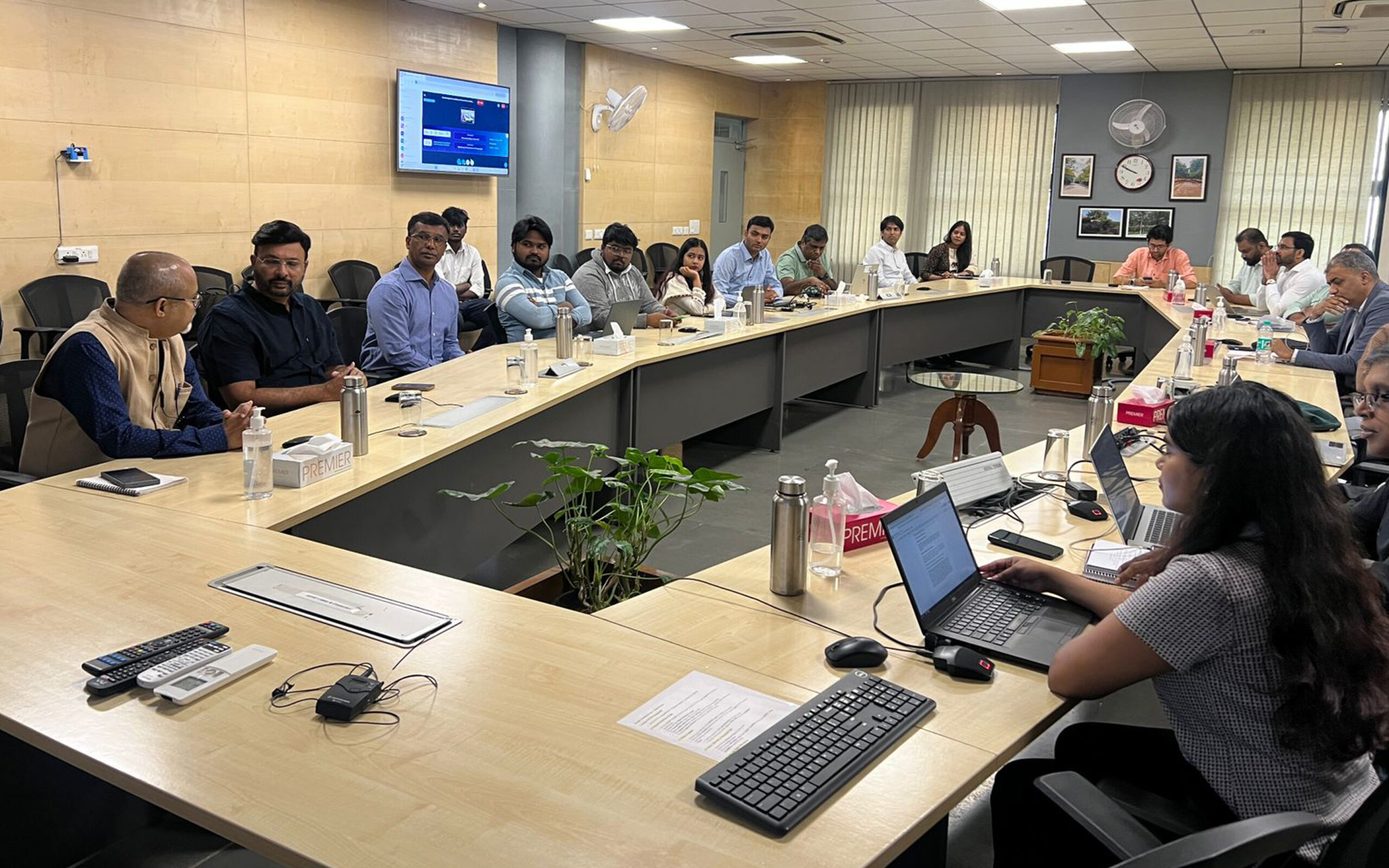
Photo 1

Various community initiatives for the publication of datasets for public use have gained traction, exemplified by the community model pioneered by VISWAM.AI and Swecha for Telugu datasets. Nonetheless, the absence of suitable licensing frameworks presents a risk that these datasets could be appropriated by large organisations without appropriate attribution or reciprocal contribution to the community. The consultation highlighted that existing open-source licenses are insufficient for AI. While they cover source code, they fail to protect the training data which is the fuel of modern AI, from appropriation by proprietary giants.

The Key Objectives of the Draft License:

Community Ownership and Reciprocity: The license is designed to prevent the extraction of community-generated data by large corporations without attribution, with the central tenet to ensure that the value generated from the community-owned contributions flows back to the community. This is based on the principles of copy-left licenses like GNU GPL which are popular in the field of software.

Verifiability: It introduces the concept that for an AI to be truly open, the data provenance must be verifiable to detect bias and ensure safety. If the dataset is biased, the “openness” of the source code alone is insufficient.

In the following days, VISWAM.AI and SFLC.in will be conducting a series of online and in-person public consultations to gain feedback on the draft of the license. The draft license for consultation is available at: https://discuss.sflc.in/d/SBNXHa9k/viswam-ai-data-set-license-draft-for-discussion

“The Free and Open Source Software movement has been one of the most successful collaborative efforts in history. However, the licenses that powered this movement like the GPL and Creative Commons were written for a world of copying and distribution. They were designed to answer: “Can I copy this code?” They were never built to answer: “Can I train a neural network on this culture?

Even in the internet era, “to train or not to train” was a context the pre-AI world never envisaged. We are releasing this Draft License for consultation to ensure proprietary models cannot simply appropriate our work without attribution. This paves the way for the release of community-contributed, crowdsourced datasets under a framework that guarantees community ownership and verifiability” said Kiran Chandra Yarlagadda, Center Head and Chief Technologist, VISWAM.AI, Founder, Swecha.

Prasanth Sugathan, Legal Director, SFLC.IN said “We need a license to ensure that the rights of creators are protected and big tech companies do not appropriate the work of individuals and the community without even attributing them.”

United by Unique: A Call for Awareness and Early Action This World Cancer Day 2026

Hyderabad, Feb 04: February 4 is observed globally as World Cancer Day, a moment to reflect on the growing cancer burden and renew commitment to prevention, early detection and compassionate care. The 2026 – 2027 theme, “United by Unique,” highlights that while every cancer journey is different shaped by biology, background and personal circumstances no one should face it alone. Cancer is not a single disease but a complex spectrum, and behind every diagnosis is a person with hopes, fears and responsibilities.
Dr Geetha Nagasree
India continues to see a steady rise in cancer incidence, including in Telangana. Among women, breast, cervical and ovarian cancers are predominant, while oral, lung and gastrointestinal cancers remain common among men, often linked to tobacco and lifestyle factors. Late diagnosis remains a major challenge, driven not just by medical reasons but also by fear, stigma, financial concerns and social priorities. Warning signs such as new lumps, abnormal bleeding, persistent cough, non-healing oral ulcers, unexplained weight loss or changes in bowel habits should never be ignored. Early evaluation often leads to simpler treatment and better outcomes.
Speaking on the occasion, Dr Geetha Nagasree N. Sr, Surgical Oncologist and Associate Clinical Director at CARE Hospitals Gachibowli, said,
“Cancer care today is deeply personalised two patients with the same diagnosis may need very different treatments based on tumour biology and individual circumstances. ‘United by Unique’ reminds us that while every journey is different, compassion, early detection and multidisciplinary care can dramatically improve outcomes. Listening to your body and seeking timely medical advice can save lives.”
Modern oncology has transformed cancer outcomes through personalised approaches including targeted therapies, immunotherapy, advanced radiation techniques and minimally invasive surgeries. Beyond treatment, survivorship care, counselling, nutrition support and rehabilitation address the emotional and social impact of cancer. This World Cancer Day 2026, the message is collective: prevent what we can, detect early, treat scientifically and compassionately, and support every patient as an individual not merely a diagnosis. When medicine respects individuality and society offers solidarity, we truly embody the spirit of United by Unique. 

iLEAD Hosts ‘Nidhi Aapke Nikat 2.0’ PF Awareness Program in Kolkata

Kolkata, Feb 04: iLEAD successfully organized ‘Nidhi Aapke Nikat 2.0’ in association with EPFO Regional Office, Kolkata on January 27, 2026. The district-level outreach program saw active participation from all teachers and staff of the college and addressed PF-related issues like withdrawal, claim settlement, UAN activation, and KYC updates.

Pic 1 (3)

Sri Ashis Kumar Das, Enforcement Officer and Sri Satyaki Basu, Assistant led the event.

The program emphasized the importance of PF savings for a secure future, especially for middle-income groups.

Pidilite Posts Double-Digit Growth on Strong Volumes, Margin Expansion

Pidilite Industries Reports Double-Digit Revenue Growth with Strong Volume Momentum and Margin Expansion

Mumbai, Feb 04: Pidilite Industries Limited, India’s leading manufacturer of adhesives, sealants, and construction chemicals, today announced its financial results for the quarter and nine months ended December 31, 2025, reporting strong double-digit growth across revenue and profitability, supported by robust underlying volume growth and improved margins.

Standalone Financial Performance

During the third quarter of FY26, Pidilite recorded net sales of ₹3,425 crore, registering a growth of 11.0% compared to the same quarter last year. This performance was driven by healthy underlying volume growth (UVG) of 9.3%, reflecting sustained demand across key categories.

Earnings before interest, tax, and depreciation (EBITDA) for the quarter stood at ₹840 crore, marking a 12.1% year-on-year increase. EBITDA margin improved to 24.5%, expanding by 24 basis points over Q3 FY25. Profit after tax for the quarter rose by 12.5% to ₹601 crore.

For the nine months ended December 2025, standalone net sales grew by 10.7% to ₹10,165 crore. EBITDA increased by 12.6% to ₹2,535 crore, with margins improving to 24.9%. Profit after tax for the period rose by 12.8% to ₹1,837 crore.

Gross margins during the quarter improved by 200 basis points compared to last year, aided by lower input costs. This benefit was partially offset by a one-time provision related to the new labour code and increased investments in advertising, sales, and promotion.

Consolidated Financial Performance

On a consolidated basis, Pidilite reported net sales of ₹3,699 crore for Q3 FY26, reflecting a growth of 10.2% over the corresponding quarter of the previous year. EBITDA before non-operating income rose by 12.0% to ₹894 crore, while EBITDA margin expanded to 24.2%.

Profit after tax for the quarter increased by 12.0% to ₹624 crore.

For the nine-month period ended December 2025, consolidated net sales stood at ₹10,982 crore, up 10.2% year-on-year. EBITDA grew by 12.9% to ₹2,686 crore, with margins improving to 24.5%. Profit after tax rose by 13.1% to ₹1,887 crore.

Gross margins at the consolidated level improved by 222 basis points during the quarter, driven by favorable input cost trends.

Business Segment Performance (Standalone)

Consumer & Bazaar (C&B):
The Consumer & Bazaar segment delivered strong performance, with revenue growing by 12.4% to ₹2,802 crore during Q3 FY26, supported by an underlying volume growth of 9.7%. Segment EBIT increased by 14.4% to ₹873 crore, with EBIT margin expanding to 31.2%.

For the nine months ended December 2025, C&B segment revenue grew by 11.1% to ₹8,276 crore, while EBIT rose by 13.5% to ₹2,597 crore, reflecting continued strength in brand-led demand and premium product mix.

Business-to-Business (B2B):
The B2B segment reported revenue of ₹667 crore for the quarter, growing by 2.9% year-on-year, with underlying volume growth of 7.4%. Performance was partially impacted by lower exports of industrial products. EBIT for the quarter stood at ₹116 crore.

For the nine-month period, B2B revenue increased by 7.7% to ₹2,048 crore, indicating gradual recovery in industrial demand.

Outlook

Pidilite continues to focus on driving profitable growth through innovation, brand investments, and operational efficiencies, while maintaining a strong balance sheet. The company remains well-positioned to capitalize on improving demand trends across consumer and construction-related segments.

From SDVs to AI-Native Cars: The Software Shift Reshaping the Automotive Industry

By:-  Sharad Bairathi, Managing Director, Embitel Technologies

Bengaluru, India, Jan 04: The global automotive industry is entering a decisive phase in its evolution towards Software-Defined Vehicles (SDVs), with 2026 expected to emerge as a key inflection point. Central-compute and zonal architectures—once limited to premium vehicles—are now set to penetrate the affordable ₹15–25 lakh mass-market segment, fundamentally reshaping vehicle design, manufacturing economics, and user experience.

Original Equipment Manufacturers (OEMs) are rapidly moving away from fragmented Electronic Control Unit (ECU) silos towards unified diagnostics, shared perception data, and end-to-end over-the-air (OTA) coverage. This architectural shift enables the rollout of advanced SDV features while simultaneously reducing system complexity. By cutting ECU counts by 20–40 per cent and lowering wiring weight by nearly 30 per cent, OEMs can scale SDV platforms without significantly increasing vehicle costs.

Today, automotive OEMs and engineering service providers are already deploying ASIL-ready zonal controllers, production-grade SDV middleware, and robust OTA stacks. These platforms are reinforced by stringent regulatory security mandates, ensuring compliant, continuous OTA pipelines with real-time cybersecurity monitoring, a critical requirement as vehicles become increasingly software-centric.

Data Governance Emerges as the Backbone of SDVs

As vehicles transform into software-driven platforms, data governance has become mission-critical. SDVs generate massive volumes of data through real-time telemetry, behavioural analytics, infotainment systems, and location services. To manage this complexity, Master Data Management (MDM) platforms are playing a pivotal role by creating a single, trusted view of each vehicle across its entire lifecycle.

MDM frameworks enable secure OTA updates, reliable AI model training, and scalable connected services. As SDVs transition from concept to large-scale production in 2026, they are also laying the groundwork for the next evolutionary leap in mobility—AI-native vehicles.

From Smart Features to Learning Machines

AI-native vehicles will redefine in-cabin comfort, safety, and intelligence. Features such as micro-adjustments to seating, dynamic climate control, lighting, audio, and display settings will adapt in real time to driver behaviour and preferences. Over time, vehicles will learn autonomously, reducing the need for manual configuration.

The AI co-pilot will unify human-machine interface (HMI), navigation, and personalisation systems, transforming user interaction from menu-driven commands to conversational intelligence.

Safety will see a major leap forward as AI-native vehicles are trained and validated using millions of computer-generated driving scenarios before deployment. These synthetic scenarios allow engineers to test Advanced Driver Assistance Systems (ADAS)—including automatic emergency braking and lane-keeping—against rare and hazardous conditions such as sudden pedestrian crossings, wrong-way driving, and low-visibility environments. By learning from these simulated situations, AI systems can respond more effectively in real-world conditions, even when sensor inputs are imperfect.

Redefining the Future of Mobility

As software-defined vehicles evolve into truly AI-native machines, cars are no longer just driven by code—they are learning, adapting, and improving with every mile. This transformation is redefining automotive safety, intelligence, and mobility, setting the stage for a new era in transportation over the coming decade.

Bring Romance to the Table with SALT’s Exclusive Valentine’s Day Menu

Valentine’s Day at SALT Indian Restaurant & Grill is all about sharing great food and celebrating love through flavours that feel both familiar and exciting. This year, the restaurant introduces a thoughtfully curated Valentine’s Day menu, designed to offer couples an intimate dining experience rooted in Indian cuisine, elevated with a modern sensibility.

Created exclusively for the occasion, the limited-edition menu brings together comforting classics and inventive presentations. Guests can begin with vibrant starters such as Dilwalon Ki Papdi Chaat and the indulgent Paneer Dilbahar Tikka, while seafood lovers can opt for the refreshing Grilled Prawns and Avocado Salad. The main course offerings continue the romance with standout dishes like Rasella Murgh Musallam, Surf ‘N’ Turf and the luxurious Lobster Angara, each crafted to be rich, flavourful and perfect for sharing.

Complementing the menu is a special selection of Valentine’s cocktails and mocktails that add a playful touch to the evening. Signature cocktails like Good Night Kiss, featuring vodka with hints of pink grapefruit and lychee, and Cupid’s Arrow, a creamy blend of white rum and strawberry, set the mood effortlessly. For non-alcoholic indulgence, mocktails such as Be My Valentine and Love Song bring together fruity and dessert-inspired notes, making every sip feel celebratory.

Desserts like the Baked Rasgulla Mille-Feuille and Gulab Anjeer Ki Kulfi provide a sweet conclusion to the meal, rounding off the experience on a nostalgic yet contemporary note. Paired with SALT’s warm lighting, refined interiors, the Valentine’s offering is ideal for couples looking to enjoy a relaxed yet special evening together.

Whether marking a milestone or simply spending quality time with someone special, SALT’s Valentine’s Day menu promises an experience where romance is served at every course.

Study Highlights Early Health Risks in Children Born Prematurely

A comprehensive longitudinal study by researchers at Vilnius University’s Faculty of Medicine reveals that nearly 80 per cent of all medical diagnoses in children born prematurely are identified before the age of seven, underscoring the urgent need for early, long-term and personalised follow-up care.

Ruta Morkuniene

Led by Dr Rūta Morkūnienė and Prof. Dr Janina Tutkuvienė, the research traces health trajectories from birth through adolescence and into adulthood, demonstrating that the impact of prematurity extends far beyond the neonatal period. The findings carry global relevance: according to the World Health Organization, an estimated 15 million babies are born preterm each year worldwide. While survival rates have improved significantly, the study challenges the assumption that prematurity-related health issues are limited to infancy, highlighting instead a prolonged and evolving health burden.

Most health risks emerge early in life

One of the most extensive analyses of long-term outcomes in preterm children conducted in Lithuania to date, the study draws on medical records from primary healthcare institutions to map health patterns from birth through adolescence.

Unlike many previous studies, the researchers did not restrict their analysis to conditions traditionally linked to prematurity, such as respiratory or neurological disorders.

“I did not set out to record only diagnoses already described in the literature as typical for preterm children,” explains Dr Morkūnienė, a physician and lecturer at Vilnius University. “I documented everything that each child accumulated over time. What emerged was a very broad spectrum of conditions, often involving multiple organ systems and differing greatly from one child to another.”

The findings show that children born prematurely experience a substantially higher overall disease burden than those born at term. Congenital anomalies, nervous system and mental health disorders, tumours, and diseases of the urinary and reproductive systems were diagnosed three to four times more often than in the general population. Disorders of the immune and blood systems occurred up to ten times more frequently, indicating vulnerabilities that persist well beyond early childhood.

A critical window from birth to age seven

Perhaps the study’s most striking insight relates to the timing of diagnosis.

“More than 45 per cent of all diagnoses are made during the first three years of life,” notes Dr Morkūnienė, “and over 30 per cent more are identified between the ages of three and seven.”

By the age of seven, children born prematurely have already accumulated nearly 80 per cent of all diagnoses they are likely to receive by adulthood. The heaviest disease burden falls on children born with very low birth weight (below 1,500 grams), who not only develop more health conditions overall but also a wider range of them.

“Even children born at the same gestational age and with the same birth weight can follow very different health trajectories,” Dr Morkūnienė adds. “Still, the most premature and smallest infants tend to accumulate both more numerous and more diverse health problems.”

Birth weight outweighs gestational age

A key methodological strength of the study lies in its decision to analyse birth weight and gestational age separately, rather than combining them into a single indicator. This distinction revealed that birth weight is more strongly associated with long-term disease burden than gestational age alone.

Children born with lower birth weight grew more slowly and remained shorter and lighter than their peers into adolescence. While their body mass index (BMI) was initially lower, it began to rise sharply from around the age of nine, eventually surpassing that of children born at term.

“This pattern is increasingly recognised internationally,” explains Prof. Tutkuvienė. “Children born prematurely face a higher risk of long-term metabolic conditions, including obesity and diabetes. By analysing birth weight and prematurity separately, we were able to identify which factor plays a more significant role in specific metabolic processes—one of the key novelties of our research.”

Why population-specific growth standards matter

Beyond individual outcomes, the study highlights a broader challenge in paediatric care: the reliance on outdated or poorly adapted growth standards.

“Until recently, Lithuania did not have head circumference reference values for newborns,” says Dr Morkūnienė. “Height and weight standards were often based on limited or decades-old data.”

Using advanced statistical methods developed by Prof. Tim Cole of the UCL Institute of Child Health, the research team established new, population-specific growth norms for Lithuanian newborns, including preterm infants. While international standards are useful for comparison, the researchers warn that they may misrepresent clinically meaningful thresholds in specific populations, potentially leading to delayed or inaccurate diagnoses.

Survival is not the endpoint

Survival outcomes for preterm infants have improved dramatically. In Lithuania, nine out of ten children born prematurely now survive, placing the country among the global leaders in neonatal care. However, the researchers stress that survival alone should not be viewed as the endpoint.

“Prematurity is not a life sentence,” emphasises Prof. Tutkuvienė. “The human body is remarkably resilient. What truly matters is whether health systems provide timely, personalised and long-term support that allows children to reach their full potential.”

Children born preterm, the researchers argue, require extended, multidisciplinary follow-up, involving not only neonatologists and neurologists but also psychologists, speech therapists, physiotherapists and other specialists who can monitor physical, cognitive and emotional development.

“Early childhood is a period of exceptional developmental flexibility,” says Dr Morkūnienė. “When difficulties are identified early, targeted interventions can make a profound difference. Timely support during these formative years can significantly shape long-term health and wellbeing.”

BC Jindal Group Welcomes Budget 2026 Push for Clean Energy Manufacturing

Mr. Shyam Sunder Jindal, Promoter, BC Jindal Group.

In the Budget 2026, it is encouraging to note the Government’s focus on domestic manufacturing of lithium-ion batteries and solar glass to augment India’s goal of installing 500 GW of non-fossil energy capacity by 2030. Extending the exemption of the basic customs duty on capital goods used for manufacturing lithium-ion cells for battery energy storage systems and on sodium antimonate used in solar glass are welcome steps. This move is poised to play a constructive role in building a power sector that is capable of seamlessly catering to India’s growing energy needs while supporting the country’s clean energy transition,

BC Jindal Group’s Jindal (India) Limited Earns Great Place To Work Certification™ for 2026-27

New Delhi, Feb 04:– BC Jindal Group’s Jindal (India) Limited, led by Shyam Sunder Jindal, Promoter, BC Jindal Group, is proud to be Certified™ by Great Place To Work® for the period Jan 2026 – Jan 2027. The prestigious award is based entirely on what current employees say about their experience working at Jindal (India) Limited. 96% of employees said it’s a great place To Work which is 8% higher than the average of Top 100 benchmark companies in India. The survey was undertaken by more than 2800 employees of Jindal India working across 2 manufacturing plants and offices at multiple locations in India.

Great Place To Work® is the global authority on workplace culture, employee experience, and the leadership behaviors proven to deliver market-leading revenue, employee retention and increased innovation.

“Great Place To Work Certification is a highly coveted achievement that requires consistent and intentional dedication to the overall employee experience,” says Sarah Lewis-Kulin, the Vice President of Global Recognition at Great Place To Work. She emphasizes that Certification is the sole official recognition earned by the real-time feedback of employees regarding their company culture. “By successfully earning this recognition, it is evident that Jindal (India) Limited stands out as one of the top companies to work for, providing a great workplace environment for its employees.”

“Since inception, Jindal (India) Limited’s efforts have tenaciously been directed towards offering a rewarding experience to its employees, and we are elated to become a Great Place To Work-Certified™ company,” said official spokesperson, Jindal (India) Limited“This recognition underscores the dedication and commitment of all our employees at Jindal (India) Limited. We acknowledge and appreciate their efforts in achieving this prestigious recognition,” he added

In last few years, Jindal India has extensively worked on its people centric initiatives leading to empowerment, improved responsiveness, recognition of value-driven behaviors and performance driven work culture, which created an inclusive environment where people feel respected, supported, and connected to the organization’s success.

According to Great Place To Work research, job seekers are 4.5 times more likely to find a great boss at a Certified great workplace. Additionally, employees at Certified workplaces are 93% more likely to look forward to coming to work, and are twice as likely to be paid fairly, earn a fair share of the company’s profits and have a fair chance at promotion.

RevealDx Receives FDA Clearance for AI-Powered Lung Nodule Risk Assessment

Seattle, WA – Feb 04: RevealDx, a leader in artificial intelligence solutions for lung nodule characterization, today announced that it has received U.S. Food and Drug Administration (FDA) clearance for RevealAI-Lung, its AI-powered lung nodule risk assessment software. The announcement follows the company’s MDR Certification, received in November 2025.

RevealAI-Lung is designed to assist radiologists in the evaluation of incidental lung nodules by generating a Malignancy Similarity Index (mSI™)—a clinically relevant score that supports more informed follow-up recommendations and aids in earlier and more accurate cancer diagnosis. The technology has been validated on data from more than 1,500 patients across diverse clinical cohorts.

The RevealAI-Lung CADx device offers several differentiated capabilities, including:

  • Significant improvement in radiologist reader performance (AUC delta)

  • Use of real-world National Lung Screening Trial (NLST) data as the reference population

  • Clinically meaningful malignancy risk scoring

  • Industry-first direct integration into PACS, enabling seamless workflow integration

  • Strong generalizability across exam types and patient populations

RevealAI-Lung is available for purchase directly from RevealDx or through its U.S. distributor, Sirona. The company has also announced integrations with Riverain, the leading lung nodule detection company in the U.S., as well as FUJIFILM PACS, further expanding clinical accessibility.

With FDA clearance, RevealAI-Lung is now eligible for Medicare reimbursement under CPT codes 0721T and 0722T, supporting broader clinical adoption.

Commenting on the milestone, Chris Wood, CEO of RevealDx, said,

“We are excited to announce that RevealAI-Lung is now available in the United States. We would like to thank our clinical collaborators for their invaluable support in achieving this milestone. Most importantly, we are enthusiastic about the positive impact RevealAI-Lung can have on patient care by enabling more confident and timely clinical decision-making.”