Archives March 2026

Empowering Families: Managing Childhood Epilepsy with Confidence and Care

Epilepsy is a neurological disorder characterized by recurrent seizures. Importantly, seizures do not always look dramatic. Some children may simply stare blankly for a few seconds, pause mid-sentence, or appear briefly confused. Others may experience jerking movements or full-body convulsions. Recognizing your child’s specific seizure pattern reduces panic and allows for calm, appropriate action. Knowledge replaces fear.

Epilepsy is a neurological disorder characterized by recurrent seizures

 One of the most important aspects of epilepsy care is understanding seizure triggers. While triggers vary from child to child, certain patterns are commonly observed. Lack of sleep is among the most powerful triggers; even a single late night can lower the brain’s seizure threshold. Dietary factors also play a role; skipping meals, prolonged fasting, dehydration, and sudden fluctuations in blood sugar levels may increase susceptibility. Emotional stress, excitement, and anxiety can also provoke seizures in some children. Missing medication doses or taking them irregularly significantly increases risk. Fever and infections may trigger seizures in younger children, especially those prone to febrile episodes. In a small percentage of children, flashing lights or prolonged screen exposure may act as triggers, especially when screen time interferes with adequate sleep.

Medication adherence remains the cornerstone of seizure control. Anti-seizure medicines work effectively when taken consistently at the same time each day. Establishing a routine—perhaps linking medication time with brushing teeth or meal times—helps maintain regularity. Parents should monitor for side effects such as drowsiness, mood changes, dizziness, or skin rashes and promptly consult their doctor if concerns arise. Abruptly stopping medication without medical supervision can precipitate severe seizures and must always be avoided.

Knowing how to respond during a seizure builds confidence. During a convulsive episode, gently placing the child on their side, cushioning the head, and clearing nearby objects prevents injury. Nothing should be placed in the mouth, and movements should not be restrained. Most seizures stop within a few minutes. Emergency medical attention is required if a seizure lasts longer than five minutes, repeats without recovery, or causes breathing difficulty or serious injury.

Safety measures at home provide reassurance without restricting independence. Simple precautions in bathrooms, supervision during swimming, and informing teachers and caregivers about seizure first aid create a supportive safety net. However, children with epilepsy should not be unnecessarily limited. Participation in school, sports with reasonable precautions, hobbies, and social activities fosters confidence and emotional strength.

The emotional dimension of epilepsy is equally significant. Some children may feel embarrassed or fearful about having a seizure in public. Open conversations at home allow them to express these feelings freely. When parents respond with calm reassurance rather than visible anxiety, children develop resilience. In situations where anxiety or low mood persists, professional counseling can provide valuable support.

Consistency in daily routines often translates into better seizure control. Regular sleep, balanced meals, adequate hydration, stress management practices such as yoga or light exercise, and limited late-night screen exposure all contribute to neurological stability. Small daily habits can make a meaningful difference over time.

Finally, parents must care for their own emotional well-being. Supporting a child with a chronic condition can be demanding. Seeking guidance from healthcare professionals, connecting with support groups, and sharing responsibilities within the family can prevent caregiver burnout. When parents feel informed and supported, children sense that stability.

Epilepsy is not a limitation on dreams. Many children with epilepsy excel academically, pursue creative talents, participate in sports, and grow into independent adults. With medical care, healthy lifestyle practices, and compassionate family support, epilepsy becomes a manageable part of life rather than its defining feature.

With knowledge, preparation, and steady encouragement, families empower their children not only to live with epilepsy—but to live confidently and well despite it.
Study Reveals Extensive Benefits of Emergency Department Clinical Trials

A new study published in JAMA Network Open reveals that participation in emergency department-based clinical trials delivers substantial benefits that extend far beyond improved patient outcomes. The study, co-led by Gail D’Onofrio, MD, MS, Albert E. Kent Professor of Emergency Medicine at Yale School of Medicine, offers compelling evidence that clinical research can be a catalyst for positive change across multiple domains.

The cross-sectional survey, co-led by Joseph E. Carpenter, MD, from Emory University School of Medicine, examined investigators who participated in the ED-INNOVATION (Emergency Department–Initiated Buprenorphine and Validation Network) Trial, which spanned 33 emergency departments (EDs) across 23 states. The trial compared initiation of extended-release injectable buprenorphine with traditional sublingual buprenorphine and treatment engagement after the emergency department visit, addressing evidence-based care for opioid use disorder (OUD) in acute care settings.

Strengthening the research pipeline

According to D’Onofrio, ED INNOVATION lead investigator, “Participation in clinical trials can improve patient care while also strengthening the emergency medicine research pipeline—an area in need of sustained support and development. By engaging emergency department physicians in research activities, the trial built capacity, expanded investigator expertise, and positioned sites for future federally funded studies.”

Transforming institutional culture

The study documented remarkable institutional impacts from trial participation. One survey respondent noted that involvement in the clinical trial “completely changed the culture of our ED,” highlighting how research engagement can fundamentally reshape clinical practice environments. Participating institutions reported widespread practice changes that extended well beyond the trial’s specific focus, demonstrating how clinical trials can drive sustainable quality improvement in emergency care.

Career advancement and professional development

Individual clinicians experienced significant professional benefits from their involvement in the multi-site emergency medicine clinical trial. Site directors became more research-active, submitting additional funding proposals following their participation. Some clinicians obtained advanced certification in addiction medicine as a direct result of their trial participation, demonstrating that National Institutes of Health-supported clinical research can serve as a pathway to specialized expertise, leadership development, and career advancement.

Community engagement and partnership

The ED-INNOVATION trial successfully engaged a diverse array of community partners, including organizations and settings that could reach at-risk patients. This community-oriented approach demonstrates how clinical research can extend its impact beyond hospital walls to support broader public health initiatives and address social determinants of health.

Implications for the future

The findings come at a crucial time when clinical research infrastructure faces mounting pressures. The study underscores the multifaceted value of investing in emergency medicine clinical trials, suggesting that research funding generates returns not only through improved patient care but also through institutional development, workforce enhancement, and community strengthening.


Why Wealth Changes How We Think About Fair Prices

By Kirsten Hilgeford

When it comes to the price of financial services such as loans, mortgages, and insurance, the perception of what is “fair” has a lot to do with how wealthy you are. In the study “Seeing Like a Company or a Customer: Selective Empathy in Pricing,” appearing in the February 2026 issue of the American Sociological Review, authors Barbara Kiviat (Columbia University) and Carly R. Knight (New York University) examine how Americans evaluate the fairness of risk-based pricing—where consumers who are predicted to be high-risk/costly are charged more. 

Grounding their approach in previous sociological research on empathy, Kiviat and Knight demonstrate that either side of an economic transaction—company or customer—can become the object of empathy. To establish this, Kiviat and Knight conducted three studies on risk-based pricing, focusing on transactions between customers and companies. In the first study, they analyzed two nationally representative surveys to examine the relationship between household income and beliefs about the fairness of charging high-risk people more for insurance and credit. The authors uncovered a pattern in which wealthier individuals, regardless of their economic self-interest or ideology, were more likely to accept the moral legitimacy of tying prices to a person’s behavior.  

The authors then proposed the new lens of “selective empathy” to apply to their remaining two studies. Selective empathy is when an individual disproportionately directs their empathy to and takes the perspective of either the company or the customer in evaluating pricing arrangements. Kiviat and Knight found that wealthier individuals are more likely than lower-income individuals to empathize with companies—and less likely to empathize with high-risk consumers. 

“Our findings show that support for pro-business pricing practices is not simply about self-interest,” said the authors. “Instead, wealthier Americans more easily see things from a company’s ‘point of view,’ making these practices appear fair even when they consistently burden high-risk consumers. This class-based split in perspective matters to how people judge the fairness of our economy.” 

The authors note that their findings ultimately “reveal that risk-based pricing—even in its most institutionalized, ostensibly innocuous form—reflects a class-based understanding of market fairness.” 

America’s First X-Ray: How Yale Advanced Medical Imaging

Mar 02: The discovery of X-rays in 1895 by German physicist Wilhelm Conrad Röntgen marked a major advance in science and medicine, making it possible for physicians to see inside the human body for the first time without surgery. Medical scientists quickly recognized the potential of X-rays as a diagnostic tool, particularly for identifying broken bones and other internal injuries. Röntgen’s first X-ray, of his wife’s hand, clearly revealed bones and joints, offering an early demonstration of how X-ray imaging could transform medical diagnosis.

News of Röntgen’s discovery quickly spread through the global scientific community, generating widespread excitement and experimentation. Scientists around the world were excited about Röntgen’s work. In the United States, Yale physicist Arthur Wright was among the first to explore the new technology. In January 1896, barely a month after Röntgen introduced X-rays to the world, Wright successfully produced an X-ray image, making him the first in the country to work with the technique. He published hist findings in Engineering and Mining Journal and Electrical Engineer magazine, helping to introduce X-ray imaging to American scientific and medical audiences.

Interest in Wright’s work was immediate and intense, drawing widespread attention from both the scientific community and the popular press. An X-ray image he produced of coins and other metal objects, along with a photo of his X-ray machine, appeared on the cover of Scientific American on Feb. 15, 1896, introducing many readers to the emerging technology for the first time.

Public interest was equally strong on campus. When Wright presented his findings at Yale, the auditorium was filled beyond capacity. According to one newspaper account, students continued climbing through the windows more than 30 minutes into the lecture, even though only those in the first few rows could hear.

X-rays lead to the rise of medical imaging

Within just four years, by 1900, X-rays had become indispensable in diagnosing fractures and locating foreign objects within the body. Over time, the technology evolved into advanced imaging tools such as CT scans and MRIs, transforming clinical decision-making, and saving countless lives. Today, seven out of 10 Americans undergo some form of medical or dental imaging each year, according to the Food and Drug Administration.

While Wright’s X-ray experiments captured national attention and marked a turning point in medical imaging, they represented just one facet of his broader scientific legacy. His career began long before the advent of X-rays and continued through decades of innovation and leadership in building Yale’s physics department.

No stranger to firsts, Wright received the first doctoral degree awarded in the United States from Yale University in 1861. From 1863 to 1868, he taught Latin and later physics at Yale, returning in 1872 as professor of molecular physics and chemistry—a title later changed to experimental physics.

In the 1880s, Wright played a key role in securing funding for the nation’s first dedicated physics, Yale’s Sloane Physics Laboratory, where he later produced his X-ray images. In 1966, Yale expanded this legacy by establishing the A.W. Wright Nuclear Structure Laboratory, enabling the study of medium-mass and heavy nuclei. Today, research in experimental nuclear physics, particle physics, and astrophysics continues at the Yale Wright Laboratory, which opened its current facility in 2017.

From diagnosing disease to imaging health

More than a century after Wright’s first X-ray photograph, the technology he helped pioneer remains central to modern medical practice. From routine chest X-rays to complex interventional procedures, X-ray imaging continues to provide a noninvasive window into the body, supporting diagnosis, guiding treatment, and shaping generations of clinical decision-making.

Wright’s early work at Yale not only brought Röntgen’s discovery to American scientists and physicians but also helped establish a foundation for continued advances in medical imaging.

Today. Yale remains at the forefront of imaging science. In June 2025, the University marked another major milestone with the launch of the Yale Biomedical Imaging Institute. The institute brings together advanced imaging research centers—including its PET and MRI laboratories, the scientific descendants of Wright’s early X-ray experiments—with experts in artificial intelligence and data science.

The institute focuses on developing new imaging tools that can detect disease earlier and with greater precision, using advanced computational methods to help predict and track illnesses. This work reflects a broader shift in medicine—from diagnosing disease after it appears to understanding, monitoring, and protecting health. Rather than identifying illness only once it has progressed, researchers aim to detect subtle changes before symptoms emerge and to better define what healthy organs and tissues look like over time.

“Part of the paradigm shift is to move from imaging disease to imaging health,” says Georges El Fakhri, PhD, Elizabeth Mears and House Jameson Professor of Radiology and Biomedical Imaging, professor of therapeutic radiology, and of biomedical informatics and data science at Yale School of Medicine.

The future of medical imaging owes much to a scientist who, inspired by a sudden discovery in Germany, helped lay the groundwork for radiology as a transformative tool in medicine. Today, Yale carries that legacy forward—uniting advanced technologies, artificial intelligence, and clinical insight to extend and reimagine what Wright began.


PHCbi Launches LiCellGrow™ Cell Expansion System to Support High-Quality and Efficient Production of Cell and Gene Therapies

Business Wire India

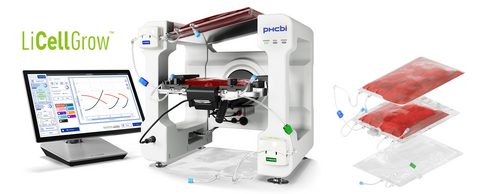
PHC Corporation’s Biomedical Division (Head Office: Chiyoda-ku, Tokyo; President: Nobuaki Nakamura; hereinafter “PHCbi”), a global provider of laboratory sample storage and cell cultivation solutions and subsidiary of PHC Holdings Corporation (Head Office: Chiyoda-ku, Tokyo), today announced the launch of its new cell expansion system LiCellGrow™ (*1) for research use in Japan and other select countries worldwide(*2). The system is designed to improve quality and efficiency in the production of new advanced therapies by allowing therapy developers to visualize metabolic changes in cells in real time and automatically control culture conditions.


This press release features multimedia. View the full release here: https://www.businesswire.com/news/home/20260301429276/en/


Controller and processor, Filter-less culture bag and reservoir/waste bags *Controller and other accessories sold separately, but all of them required for operating the system.

Controller and processor, Filter-less culture bag and reservoir/waste bags *Controller and other accessories sold separately, but all of them required for operating the system.


PHCbi will exhibit LiCellGrow™ at the 25th Congress of the Japanese Society for Regenerative Medicine, March 19-20 at the Kobe International Conference Center and Kobe International Exhibition Center in Kobe, Japan.


Cell and gene therapies (CGT), in which cells or genetic material are used to create personalized medical treatments, are rapidly advancing as promising treatment options for hard-to-treat diseases such as genetic disorders and cancer. In the manufacturing of CGT products, however, variations in cell characteristics and complexity of manufacturing are challenges to maintaining a consistent quality product. As a result, therapy developers are faced with reduced production efficiency, lower yields, and increased manufacturing costs compared to conventional therapies. To overcome these challenges, it is essential for therapy developers to be able to identify critical process parameters (CPPs) and critical quality attributes (CQAs) in CGT product manufacturing. The ability to monitor cell status and control culture conditions based on cell status are indispensable to developing quality CGT products at scale efficiently and at a lower cost.


PHCbi developed LiCellGrow™ to address these challenges and support CGT manufacturing at scale by helping to identify optimal culture conditions during the manufacturing process development. The system is equipped with proprietary In-Line monitoring technology that continuously measures, in real time, glucose and lactate concentrations, two key indicators of cell metabolism. It also incorporates culture control technology that adjusts cell culture medium at the optimal time based on these measurements. This technology is built on PHCbi’s proprietary electrochemical measurement platform, cultivated through more than 30 years of blood glucose sensor development. By visualizing the metabolic state of cultured cells, which is traditionally difficult to assess, and enabling precise control of culture conditions, LiCellGrow™ supports improved cell quality and enhanced efficiency as well as lower costs through reduced losses in the manufacturing of CGT products.


Under PHC Group’s Value Creation Plan 2027, which includes a focus on Diagnostics and Life Sciences, PHCbi is developing solutions to enhance efficiency and reduce costs in the manufacturing of CGT products. LiCellGrow™ builds on the In-Line monitoring technology introduced in LiCellMo™ (*3), a live cell metabolic analyzer launched in 2024 for research use only. From late 2026 through early 2028, PHCbi plans to expand its product lineup in phases, including culture bags with filtration functions that enhance cell recovery, pH/DO (dissolved oxygen) meter units, and cGMP-compliant dedicated consumables. These enhancements will support seamless scaling of CGT from basic research to commercial manufacturing in products such as CAR-T cell therapy.


[Key Features of the Product]


1. Automated Control and Optimization of Culture Conditions Using In-Line Monitoring Technology
By utilizing In-Line monitoring technology, LiCellGrow™ continuously tracks real-time changes in culture conditions and cell status, and automates medium exchange based on the acquired metabolic data. This enables the culture environment to be consistently maintained in an optimal state, contributing not only to improved cell quality and uniformity but also enhanced manufacturing efficiency. Furthermore, this process control approach aligns with the concept of Quality by Design (QbD) (*4), which embeds quality scientifically at the design stage rather than relying solely on final product testing. The system therefore supports the development of scientifically robust and highly reproducible manufacturing processes.


2. Single-Use Design Ensuring Aseptic Conditions and Highly Reproducible Cell Culture
LiCellGrow™ employs easy-to-attach, single-use dedicated culture bags. With automated measurement of culture conditions using In-Line sensors, the sampling tasks previously required to check glucose and lactate concentrations are no longer necessary. This reduces the risk of cross-contamination and enables closed-system cell culture that maintains aseptic conditions. In addition, the device can be placed inside a standard CO₂ incubator commonly used in laboratories, eliminating the need for special facility investments and allowing users to easily establish a reliable and highly reproducible culture environment.


Chikara Takauo, Director of PHC Corporation and Head of the Biomedical Division, commented:
“We are excited to launch LiCellGrow™ and offer therapy developers a new way to solve common challenges in quality, cost, and delivery of cell and gene therapies. Building on the success of our research-use system LiCellMo™, LiCellGrow™ represents an important step forward in making CGT manufacturing efficient, reliable, and scalable. We are committed to expanding our PHCbi offerings to continue to contribute to the adoption of CGT and other advanced therapy options for hard-to-treat conditions.”


****************************************************************
Overview of the 25th Congress of the Japanese Society for Regenerative Medicine
Dates: March 19 – 20, 2026
Venue: Kobe International Exhibition Hall, Building No. 2, 1st Floor (PHCbi Booth No.: T31)
Official Website: The 25th Congress of the Japanese Society for Regenerative Medicine
******************************************************************


(*1) https://www.phchd.com/jp/biomedical/incubation/cell-expansion-system-en
This product is intended for research use only and not for medical or clinical purposes.
(*2) Not available for purchase in the United States. Expected U.S. launch in the summer of 2026.
(*3) Live Cell Metabolic Analyzer | PHCbi
(*4) An approach to quality assurance defined in the ICH (International Council for Harmonisation of Technical Requirements for Pharmaceuticals for Human Use) guidelines (ICH Q8–Q11) and widely adopted in the pharmaceutical field.


About the Biomedical Division of PHC Corporation


Established in 1969, PHC Corporation is a Japanese subsidiary of PHC Holdings Corporation (TSE 6523), a global healthcare company that develops, manufactures, sells, and services solutions across diabetes management, healthcare solutions, life sciences and diagnostics. The Biomedical Division supports the life sciences industry helping researchers and healthcare providers in around 110 countries and regions through its laboratory and equipment and services including CO2 incubators and ultra-low temperature freezers.
www.phchd.com/global/phc


About PHC Holdings Corporation


PHC Holdings Corporation (TSE 6523) is a global healthcare company with a mission of contributing to the health of society through healthcare solutions that have a positive impact and improve the lives of people. Its subsidiaries include PHC Corporation, Ascensia Diabetes Care, Epredia, LSI Medience Corporation, Wemex Corporation, and Mediford Corporation. Together, these companies develop, manufacture, sell and service solutions across diabetes management, healthcare solutions, diagnostics and life sciences. The consolidated net sales in FY2024 were JPY 361.6 billion with global distribution of products and services in more than 125 countries and regions. PHC Group is a collective term referring to PHC Holdings Corporation and its subsidiaries.
www.phchd.com


House of McDowell’s Soda’s Yaari Jam: Holi on Wheels Transforms the Festival into an Unforgettable Adventure

Business Wire India

House of McDowell’s Soda has always celebrated the magic of yaari – championing the joy of first-time experiences made unforgettable with friends. From everyday milestones to once-in-a-lifetime moments, the brand believes that every “first” becomes iconic when shared with your yaars.


This Holi, that philosophy took center stage in the most unique format. With Yaari Jam: Holi on Wheels, House of McDowell’s Soda reimagined one of India’s most celebrated festivals through the lens of friendship- creating a spectacle that’s never been done before.


Conceptualized by Publicis Groupe India’s ‘Team Spirit’, the activation brought together real-life friends and comedians Tanmay Bhat and Aaditya Kulshreshtha (Kullu), alongside creators Anuj Gupta and Aishwarya Mohanraj – for a Holi celebration unlike any other. Set inside a sprawling arena, two high-performance cars became unexpected protagonists in a high-octane game of colour tag.


What followed was a riot of movement and mischief: drifting tyres triggering paint explosions, colour bombs bursting mid-chase, dash cams capturing unfiltered reactions as clouds of colour engulfed the gang. The empty concrete expanse slowly transformed into a living, breathing canvas – not just of colour, but of shared adrenaline, laughter and the electric thrill of doing something wildly new, together, for the very first time with yaars.


Speaking about the activation, Aanandita Datta, Vice President Marketing & Category Head, Diageo India, said, “At House of McDowell’s Soda, we see friendship not just as an emotion, but as a cultural force that shapes how young India lives life. Building on our ‘Firsts with Friends’ philosophy launched last year, Yaari Jam: Holi on Wheels brings that spirit to life in a new way. It reimagines a deeply rooted festival through a more contemporary lens. We wanted to move beyond celebration as ritual and create celebration as a shared experience – something immersive and unforgettable. Our ambition is to build House of McDowell’s Soda into a brand that doesn’t just participate in culture, but actively shapes it by curating elevated, first-of-its-kind moments that friends can truly call their own.”


Aaditya Kulshreshtha (Kullu), Actor & Comedian, part of the experience, shared, “I’ve played Holi my whole life – galli wali, terrace wali, all of it. But this? This was unreal. The second the cars started drifting and colour just exploded everywhere, it felt like I was in an actual movie action sequence… except with my closest yaars roasting me in the background. The banter was non-stop, the chaos was beautiful and doing something this cool together made it genuinely special. It wasn’t just another Holi – it was our first time doing Holi like this.”


Kartik Smetacek, Chief Creative Officer, Saatchi & Saatchi India, added, “This is the second big campaign under our new platform idea for McDowell’s – Firsts With Friends. Holi is the perfect occasion for friends to come together and unleash some madness. This high-octane reimagining of a Holi party has just the right mix of surprise and spectacle.”


Catch all the drifts, colour bursts and unfiltered yaari in action – watch the Yaari Jam: Holi Edition film here.

Resolve, Resurgence, Results: TERI’s WSDS 2026 Closes with a Blueprint for the Climate Decade

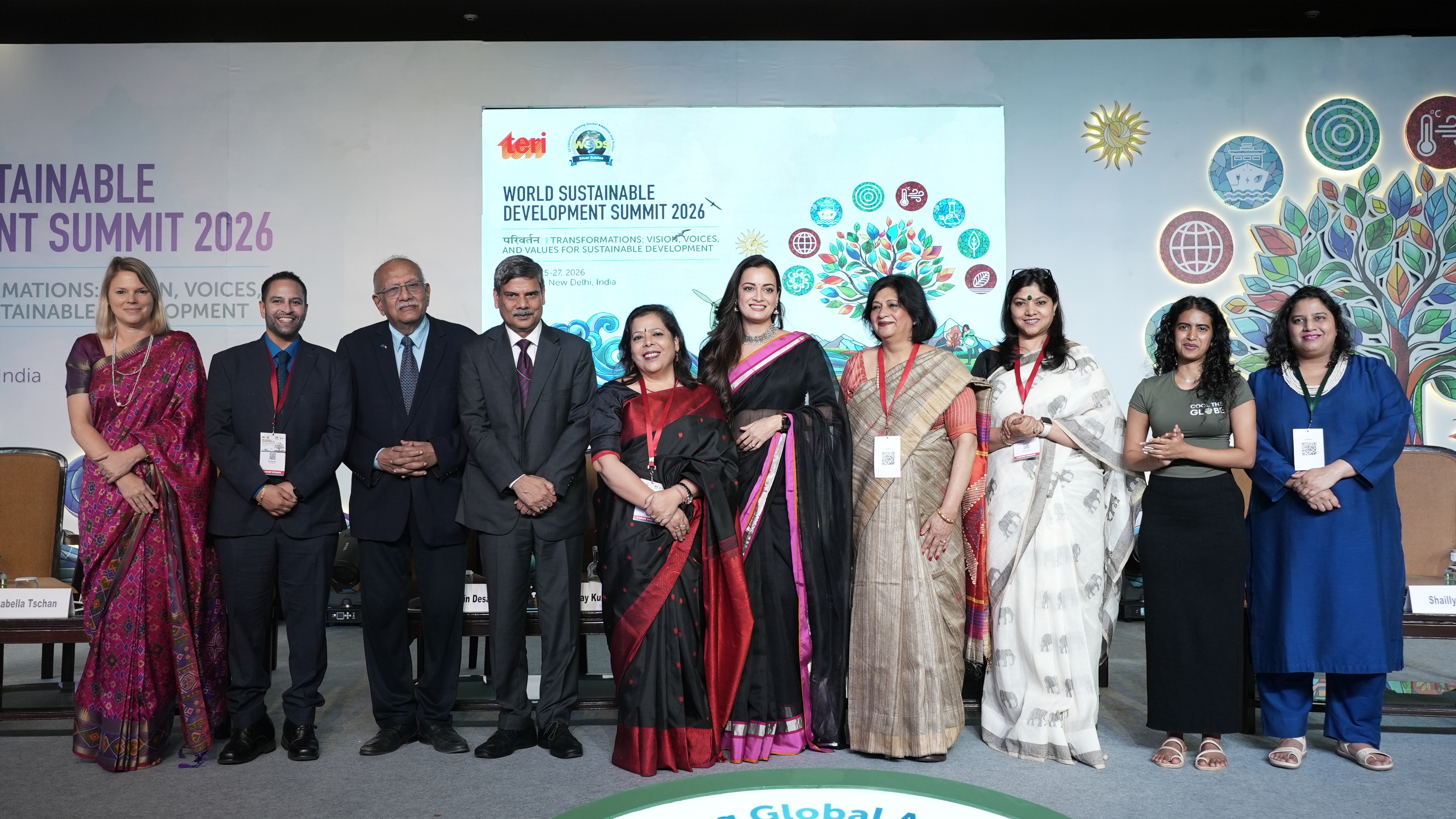
Chandigarh, Mar 02: The final day of the World Sustainable Development Summit (WSDS) 2026, organised by The Energy and Resources Institute (TERI), closed on a powerful note of reflection and renewed commitment, as leaders from government, multilateral institutions, business, and civil society gathered for the Valedictory Session titled, “Reflections, Resurgence, and Resolve for Our Common Future.”

Resolve, Resurgence, Results: TERI’s WSDS 2026 Closes with a Blueprint for the Climate Decade

 Held at the iconic Durbar Hall, the concluding session reinforced WSDS 2026 as a platform that not only convenes global voices but catalyses tangible climate action.

The Valedictory brought together a distinguished line-up of speakers who underscored that the next phase of climate action must be defined by accountability, implementation, and intergenerational leadership.

Mr Tanmay Kumar, Secretary (Environment, Forest and Climate Change), Ministry of Environment, Forest and Climate Change (MoEFCC), Government of India, shared,

“Climate change is no longer a subject of environmental debate alone. It is a defining challenge of development, governance, security, and human well-being. India’s approach is science-anchored and equity-aware, where we align clean energy with livelihood security, embed resilience in rural and urban schemes, and ensure those responsible for emissions are the ones who must change. While the developed world industrialized through high emissions and cleaned up later, India is attempting something far more complex to grow, eradicate poverty, urbanize, industrialize, and decarbonize simultaneously. We refuse to solve yesterday’s poverty by creating tomorrow’s ecological crisis. Our journey with per capita emissions at just ~2 tonnes per year (far below global averages) proves that clean energy is not charity. It is competitiveness driven by economics. We have achieved our 2030 target of 50% non-fossil installed power capacity in June 2025, five years ahead of schedule, with the share now exceeding 51%. We believe the future is not inherited by accident but is secured by intention. Together, with humility, science, and justice, we will secure it.”

Ms Dia Mirza, Goodwill Ambassador, United Nations Environment Programme, said,

“Climate change is not gender neutral. Women and girls experience its impacts most acutely, even as they grow much of the world’s food and sustain families and communities. Yet they remain underrepresented in climate and energy decision-making. Sustainability today is no longer a choice but the foundation of survival, dignity, and peace. Engaging with nature is not a luxury but a necessity for every individual.”

Ms Isabelle Tschan, Deputy Resident Representative, United Nations Development Programme, shared,

“With nearly 65% of India’s population under the age of 35, youth participation and leadership are central to shaping how sustainability is practised across communities and institutions. In this spirit, UNDP is partnering with the Ministry of Environment, Forest and Climate Change, and TERI to launch the Mission LiFE Youth Ambassadors programme”.

Ms Vaishali Nigam Sinha, Co-Founder & Chairperson, Sustainability, ReNew, observed,

“Development and climate are no longer parallel agendas; they are the same agenda. Clean energy is not a nice-to-do; it is an economic imperative. The global South is no longer asking for permission; it is offering solutions. What we commit to matters, but what we do collectively, and between summits, matters even more. This Summit is not a moment; it is a mandate to act.”

Dr Ash Pachauri, Co-Founder and Senior Mentor, POP (Protect Our Planet) Movement,

 “As we come together to mark 25 years of WSDS at the very place where it began, we celebrate not only a remarkable legacy, but a shared responsibility for what lies ahead. This journey has been shaped by vision, wisdom, values, and powerful voices that have built awareness and endurance over the years. Yet, this moment asks a deeper question: what will we do with all that we have learned? Today is not just a celebration of the past; it is the first day of the rest of our lives.”

Ms Prachi Shevgaonkar, Founder, Cool The Globe, shared,

“My journey with the World Sustainable Development Summit began when I was a young student who felt overwhelmed by the scale of climate change and unsure of what one ordinary person could do. I chose to begin with small, practical actions and to make sustainability part of daily life. What started as a personal effort in my dorm room grew into a shared mission, supported by citizens across 150 countries.”

Mr Nitin Desai, Chairman, TERI, said,

“At WSDS, we reaffirm that sustainable development cannot be driven by uniform goals alone. Governments cannot act in isolation; progress requires shared learning among institutions, researchers, businesses, and communities working on the ground. This platform enables the exchange of experiences, builds understanding, and strengthens cooperation.”

Dr Vibha Dhawan, Director General, TERI, said,

“WSDS is about building pathways of opportunity, not merely responding to crisis. In today’s complex world with shrinking resources, partnerships are essential – we cannot reinvent the wheel. We must adapt existing research to our requirements and move forward collaboratively. The outcome of this summit holds perhaps even greater significance than recent global forums.”

Dr Shailly Kedia, Curator, WSDS; Director, TERI, highlighted,

“This year, we broke all records with 2,381 unique participants, 10 plenaries, 14 thematic tracks, and a defining feature Him-CONNECT which showcased not just voices but solutions from the Himalayas, one of the world’s most vulnerable regions. Over these years, we’ve evolved from broad agenda-setting conversations to sharper, solution-oriented engagement”.

The Valedictory featured a series of significant knowledge and youth-led launches. The 18th edition of Vasundhara“Climate Capital” — the student-led sustainability magazine of TERI School of Advanced Studies, was unveiled, spotlighting fresh youth perspectives on climate, environment, and sustainable development. The Summit also marked the release of the Act4Earth Manifesto, reinforcing collective commitments towards accelerated climate action emanating from the Summit. Adding to the intellectual discourse, The Politics of Sustainable Development authored by Mr Nitin Desai, Chairman, TERI, was formally launched. The WSDS 2026 Summit Report was presented by Dr Shailly Kedia, Curator, WSDS, & Director, TERI, which captured key insights and outcomes from the three-day deliberations.

Running parallel through the day, TerraZone, WSDS’s sustainability expo, showcased transformative initiatives by partners and TERI across clean technology, nature-based solutions, and circular economy models.

Him-CONNECT, curated by the Ministry of Environment, Forest and Climate Change, spotlighted Himalayan innovation and resilience, bringing mountain ecosystems and community-led solutions into the global sustainability discourse.

As WSDS 2026 drew to a close, the message was unequivocal: the climate decade demands convergence — of finance and fairness, innovation and inclusion, ambition and accountability.

With renewed resolve and strengthened partnerships, WSDS once again reaffirmed its role as a global platform advancing transformative climate action for a shared and sustainable future.

Tata Motors Limited Registers 32 Percent YoY Growth with 42,940 Commercial Vehicle Sales in February 2026

Bengaluru, Mar 02: Tata Motors Limited reported strong sales performance across domestic and international markets in February 2026, recording total commercial vehicle sales of 42,940 units, compared to 32,533 units in February 2025 — a robust 32% year-on-year growth.

Segment-wise Performance – February 2026

  • HCV Trucks: 13,559 units (up 37.1% from 9,892 units)

  • ILMCV Trucks: 7,577 units (up 34.1% from 5,652 units)

  • Passenger Carriers: 5,548 units (up 27.4% from 4,355 units)

  • SCV Cargo and Pickup: 14,209 units (up 30.4% from 10,898 units)

Domestic and International Sales

  • Domestic Sales: 40,893 units (up 32.8% from 30,797 units)

  • International Business: 2,047 units (up 17.9% from 1,736 units)

  • Total Sales: 42,940 units (up 32.0% YoY)

Domestic sales of MH&ICV in February 2026 stood at 21,423 units, compared to 15,940 units in February 2025, reflecting a 34.4% YoY growth.

Combined Domestic & International sales for MH&ICV reached 22,512 units, up from 16,693 units in the same month last year — registering a 34.9% growth.

The consistent growth across heavy, intermediate, light, and small commercial vehicle segments highlights strong demand momentum and the company’s continued focus on product innovation, operational excellence, and market expansion.

Lenovo Unveils Adaptive AI PCs, Modular Concepts, and Lenovo Qira Rollout at MWC 2026

Business Wire India

At MWC® 2026, Lenovo™ introduces a new generation of adaptive AI devices and forward-looking concepts designed for business professionals, creators, students, and gamers. Headlined by new modular PC architecture, a glasses-free 3D laptop concept, a foldable gaming handheld device, and the initial rollout of Lenovo Qira, Lenovo’s showcase reflects a broader shift in personal computing toward systems that adapt intelligently to people and their environments.


This press release features multimedia. View the full release here: https://www.businesswire.com/news/home/20260301217460/en/


Across its portfolio, Lenovo continues to focus on delivering technology that is more personalized, proactive, and protected, while building a unified AI ecosystem that works naturally across devices.


“The AI era will not be defined by a single device or application, but by intelligent systems that work seamlessly across everything we use,” said Luca Rossi, President, Intelligent Devices Group, Lenovo. “We are demonstrating how Lenovo and Motorola are bringing that vision to life, combining adaptive hardware innovation with a single, unified system-level AI integration that works naturally across PCs, smartphones, tablets, wearables, and beyond. From premium mobile devices and transformative form factors, to the rollout of Lenovo Qira, we are building the widest AI portfolio that delivers more connected, more intuitive personal computing experiences designed around people.”


Lenovo Qira: Personal Ambient Intelligence


Lenovo Qira is a Personal Ambient Intelligence built at the system level and integrated directly into Lenovo and Motorola devices rather than layered on as a standalone application. Operating across supported PCs, tablets, smartphones, and wearables, Lenovo Qira is designed to help maintain continuity between tasks and devices while assisting based on user intent.


In the coming weeks, Lenovo Qira will roll out across more than 20 devices within Lenovo’s PC portfolio, spanning Yoga™, IdeaPad™, Legion™, and ThinkPad™ families, through a combination of over-the-air updates and preloads. This includes the launch of the Idea Tab Pro Gen 2 as Lenovo’s first tablet to feature the experience. First wave support on PCs includes six languages across nine regions: English (U.S., U.K., India), Spanish (U.S./Latin America, Spain), French (France), Italian (Italy), German (Germany), and Portuguese (Brazil).


Lenovo Qira is designed to continuously evolve, expanding across more devices while enabling new experiences and partnerships. In 2026, that evolution will extend to additional languages and devices, including its debut on Motorola smartphones, further advancing a unified AI ecosystem across Lenovo and Motorola.


Breakthrough Concepts: Exploring Adaptive Form Factors


ThinkBook Modular AI PC Concept


Lenovo is showcasing a modular AI PC concept that explores a selectively modular approach to business computing built around the idea of “carry small, use big.”


The concept features a 14-inch ultra-thin base system designed to support interchangeable display configurations, detachable input components, and modular I/O elements. A secondary display can attach in multiple orientations or replace the keyboard, enabling workspace expansion to approximately 19 inches while maintaining portability. The concept illustrates how modular architecture could support evolving workflows and extended device lifecycles in AI-ready environments.


Yoga Book Pro 3D Concept


Lenovo is also presenting a glasses-free 3D laptop concept designed to enable creators to view and manipulate depth directly on screen.


By combining dual displays, AI-powered 2D-to-3D conversion, gesture interaction, and intuitive creative controls, the concept reduces friction in immersive content creation and highlights Lenovo’s exploration of spatial computing experiences.


Legion Go Fold Concept


A foldable gaming handheld concept further expands Lenovo’s exploration of adaptable hardware.


The device transitions from a compact handheld format into a larger immersive screen and supports multiple usage modes, including handheld play, split-screen multitasking, expanded display gaming, and desktop-style interaction. The concept demonstrates how flexible display technology could enable hybrid gaming and productivity experiences in a single device.


Commercial Portfolio: AI-Ready Platforms for Modern Work


Lenovo continues evolving its commercial PC portfolio to support organizations adopting AI-enabled workflows at scale.


The updated ThinkPad T-Series introduces enhancements focused on serviceability, usability, and AI readiness, with select models achieving class-leading iFixit repairability scores. These updates reinforce Lenovo’s commitment to lifecycle value, reduced downtime, and sustainable fleet management.


The ThinkPad X13 Detachable extends flexible, mobile-first productivity with integrated pen support and field-replaceable components in a lightweight design suited for frontline and hybrid professionals.


Lenovo is also expanding into rugged mobility with the introduction of the ThinkTab X11, a durable Android tablet designed for demanding industrial and frontline environments.


For small and medium-sized businesses, the ThinkBook 14 2-in-1 Gen 6 delivers multimode versatility and AI-enabled collaboration features, while the ThinkVision M16 portable monitor provides lightweight screen expansion to support flexible workstyles.


Across its commercial portfolio, Lenovo integrates security, manageability, and lifecycle services to help organizations adopt AI-enabled devices with confidence and control.


Consumer and Gaming Portfolio: Intelligent Experiences for Everyday Use


For creators, students, and gamers, Lenovo’s latest devices balance performance, portability, and intelligent features designed to simplify everyday experiences.


The Yoga 9i 2-in-1 Aura Edition (14”, 11) combines premium convertible design with immersive OLED visuals and intelligent features that streamline creative workflows. The Yoga Pro 7a (15”, 11) and IdeaPad Slim 5i Ultra (14”, 11) expand Lenovo’s AI-enabled laptop portfolio, balancing performance and portability for productivity and content creation.


In tablets, the Idea Tab Pro Gen 2 introduces intelligent learning and productivity experiences in a versatile form factor and marks Lenovo’s first tablet to feature Lenovo Qira.


Within gaming, Lenovo expands its lineup with the Legion 7a (15”, 11) gaming laptop and the Legion Tab (8.8”, 5), a high-performance gaming tablet featuring a 3K display and advanced cooling.


Advancing Smarter AI for All


At MWC 2026, Lenovo underscores a clear strategy towards the democratization of AI. By combining forward-looking hardware exploration with the deployment of Lenovo Qira, Lenovo continues shaping a more connected and intuitive computing future, one where intelligent systems adapt to people, not the other way around.


For more details about all Lenovo’s new devices, solutions, and proofs of concept announced at MWC 2026, visit the Lenovo MWC 2026 Press Kit:


About Lenovo


Lenovo is a US$69 billion revenue global technology powerhouse, ranked #196 in the Fortune Global 500, and serving millions of customers every day in 180 markets. Focused on a bold vision to deliver Smarter Technology for All, Lenovo has built on its success as the world’s largest PC company with a full-stack portfolio of AI-enabled, AI-ready, and AI-optimized devices (PCs, workstations, smartphones, tablets), infrastructure (server, storage, edge, high performance computing and software defined infrastructure), software, solutions, and services. Lenovo’s continued investment in world-changing innovation is building a more equitable, trustworthy, and smarter future for everyone, everywhere. Lenovo is listed on the Hong Kong stock exchange under Lenovo Group Limited (HKSE: 992) (ADR: LNVGY). To find out more visit https://www.lenovo.com, and read about the latest news via our StoryHub.


GIGABYTE Powers Telecom AI Transformation with End-to-End Infrastructure at MWC 2026

Business Wire India

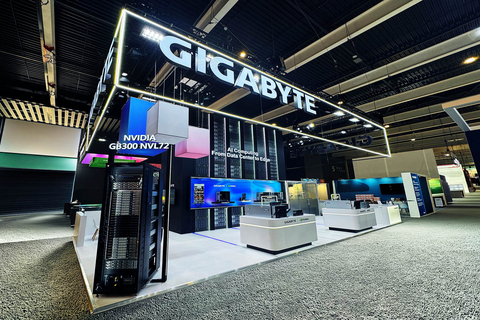
GIGABYTE Technology, a global leader known for its engineering excellence in high-performance computing and AI servers, extends its comprehensive end-to-end AI infrastructure portfolio designed specifically for the telecommunications industry at MWC 2026. GIGABYTE’s end-to-end product solutions enable operators to convert massive volumes of network data into intelligence, automation, and new revenue streams, as telecommunications networks evolve from data carriers into AI-powered digital platforms.


This press release features multimedia. View the full release here: https://www.businesswire.com/news/home/20260223386188/en/


GIGABYTE Powers Telecom AI Transformation with End-to-End Infrastructure at MWC 2026

GIGABYTE Powers Telecom AI Transformation with End-to-End Infrastructure at MWC 2026


From Network Data to AI Value: Building Telco’s AI Factory


At the core of the telco-to-AI transformation is the AI Factory, where network and subscriber data are converted into operational intelligence and commercialized AI services. GIGABYTE addresses this need with GB300 NVL72, a liquid-cooled rack-scale platform integrating 72 NVIDIA Blackwell Ultra GPUs and 36 NVIDIA Grace™ CPUs in a single system. Connected via NVIDIA Quantum-X800 InfiniBand or NVIDIA Spectrum-X™ Ethernet and NVIDIA ConnectX®-8 SuperNIC™s, GB300 NVL72 is optimized for large-scale AI training and inference workloads, enabling operators to automate operations, optimize network planning, and deploy AI-driven services at telecom scale.


Powering the Data-to-AI Pipeline with AI and HPC Supercomputing


To eliminate bottlenecks across the data-to-AI pipeline, GIGABYTE extends its AI and HPC portfolio into the telecom domain with platforms built on NVIDIA and AMD accelerator architectures. The G894-SD3-AAX7, powered by NVIDIA HGX™ B300, supporting workloads such as real-time traffic analytics, reasoning models, and large-scale AI training. For converged AI and HPC environments, the XN24-VC0-LA61, based on NVIDIA MGX™ architecture and NVIDIA GB200 Grace Blackwell NVL4 Superchips, uses direct liquid cooling to enable dense, energy-efficient deployment.


GIGABYTE also showcases G893-ZX1-AAX4, combining AMD EPYC™ 9005/9004 CPUs with AMD Instinct™ MI355X GPUs, delivering high performance-per-watt for inference, simulation, and advanced modeling while helping operators manage power and cost.


Digital Twins for Intelligent, AI-Driven Network Operations


Digital twins are becoming a critical tool for AI-driven network operations. GIGABYTE enables high-fidelity, real-time simulation with XL44-SX2-AAS1, built on NVIDIA MGX™ architecture and configured with eight NVIDIA RTX PRO™ 6000 Blackwell Server Edition GPUs. With 800 GB/s bandwidth via NVIDIA ConnectX®-8 SuperNIC™ and PCIe Gen6 connectivity, the platform enables higher throughput and better scale-out capabilities, making it the perfect choice for round-the-clock high-availability assignments.


Enabling Efficient Cloud Hosting at Telco Scale


As telecom operators expand into AI cloud and neocloud services, GIGABYTE’s high-density blade servers provide a scalable foundation for AI and HPC hosting. At MWC, GIGABYTE introduces B683-Z80-LAS1, a 6U, 10-node blade system powered by AMD EPYC™ processors with a 1:1 CPU-to-NIC configuration. Featuring full-system direct liquid cooling, the integrated piping removes over 90% of system heat, achieving sustainable green computing and optimized power usage effectiveness (PUE).


Extending AI from Core to Edge


AI transformation extends to the network edge, where low latency, data proximity and privacy are essential. GIGABYTE’s AI workstations enable local AI development, inference, and deployment across enterprise and private network environments. The W775-V10-L01, powered by the NVIDIA GB300 Grace™ Blackwell Ultra Desktop Superchip, supports up to 775 GB of coherent memory for large-scale AI workloads at the desk. Additional platforms, including AMD EPYC™-based and Intel® Xeon®-based workstations, provide flexibility for diverse edge AI and private network scenarios. The compact AI TOP ATOM, delivering up to one petaFLOP of AI compute, further enables rapid prototyping and edge AI deployment in a palm-sized form factor.


End-to-end Solutions from Data Center to Edge
https://www.gigabyte.com/Events/MWC
#5F60, Hall 5, Fira Gran Via