Archives 2026

GVRP and Yurogen Biosystems Announce Partnership to Enhance Biologics Drug Discovery in India

Business Wire India

GV Research Platform (GVRP) today announced a strategic distribution partnership with Yurogen Biosystems, a global life sciences company specialising in custom biologics development. The collaboration is aimed at expanding access for Indian biotechnology and pharmaceutical companies, as well as academic research institutions, to advanced antibody discovery capabilities supporting early-stage drug discovery and translational research.

Under this partnership, GVRP will serve as the commercial interface for Yurogen Biosystems in India, enabling streamlined market access, client engagement, and program coordination, while all scientific execution and service delivery will continue to be carried out by Yurogen Biosystems.

The collaboration responds to the growing demand within India’s life sciences ecosystem for globally benchmarked antibody discovery services, particularly in areas requiring deep biological insight at early stages of research. By combining Yurogen’s scientific expertise with GVRP’s understanding of the Indian research ecosystem, the partnership enables smoother and more efficient engagement for domestic innovators.

Partnership Highlights

Advanced antibody discovery platform: Access to Yurogen Biosystems’ proprietary SMab™ single B-cell technology, enabling rapid generation of high-affinity monoclonal antibodies to support early discovery and translational research programs.

End-to-end antibody development capabilities: Customised antibody engineering and production supported by comprehensive antibody-based solutions for research, diagnostics, and antibody-related drug development applications.

Broad monoclonal antibody capabilities: Development of rabbit, camelid (llama), and fully human monoclonal antibodies tailored for diverse biological targets and therapeutic strategies.

Accelerated discovery timelines: Optimised workflows designed to reduce development timelines while maintaining high performance, reproducibility, and scientific rigor required for early-stage biologics research.

Flexible and clearly structured programs: Engagement models designed to ensure clarity on ownership and freedom to operate, with antibody clones and related research outputs delivered without IP encumbrances from the platform.

Commenting on the partnership, Kalyan Korisapati, Co-Founder & CEO of GV Research Platform, said: “This partnership with Yurogen Biosystems reflects our focus on expanding meaningful access to advanced monoclonal antibody discovery platforms such as SMab™. By enabling faster and more precise early discovery, we aim to support Indian innovators in advancing targeted therapies efficiently. As the local commercial interface, GVRP will simplify engagement and facilitate access to globally benchmarked discovery capabilities.”

Dr. Yang Lou, CEO of Yurogen Biosystems, added: “India is emerging as an important centre for early-stage biomedical research. Partnering with GVRP allows us to engage more closely with the Indian biopharma community through a trusted local presence, while continuing to deliver our services with the same scientific rigour and quality standards.”

Through this partnership, GVRP and Yurogen Biosystems aim to strengthen global scientific collaboration and support the continued growth of India’s drug discovery ecosystem by improving access to specialised early discovery capabilities.

Thermography helps leading bike fitter find optimal cyclist position

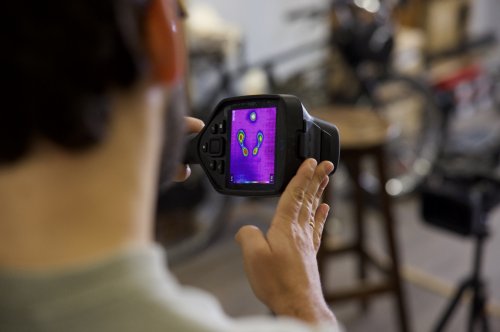
One of the most advanced bike-fitting studios worldwide is tapping into the benefit of Flir thermal imaging technology to push the boundaries of sports science and biomechanics at all levels of cycling.


Located in Antwerp, Belgium, Bikefit Van Staeyen uses Flir-generated infrared images to visualize body heat and pressure distribution in real time, subsequently optimizing rider position and bike set up.

Bikefit Van Staeyen offers professional bike fitting based on more than 20 years of experience in cycling. Founded by brothers Kevin and Michael Van Staeyen (a former professional road racing cyclist), the business has built its success on extensive expertise in sports science, biomechanics and cycling. What started as a passion for precision and performance evolved into one of the world’s most advanced bike-fitting studios.

The principal differentiator of Bikefit Van Staeyen is its dual-expert approach: every bike fit is performed by both brothers working together, merging technical analysis and professional cycling experience with medical understanding.

“This synergy allows us to identify patterns and dysfunctions far beyond what conventional systems can capture,” explains Kevin.

Real-time insight

Central to the process is the use of advanced thermal imaging technology from Flir, which provides a real-time view into physiological asymmetries, pressure distribution, and underlying muscular imbalances. 


“We use a Flir infrared camera to study a heat map of a rider pedaling to optimize body position and bike set up,” says Kevin. “By combining thermography with motion tracking, force analysis, and EMG [electromyographic] data, we can see what others can only guess: how the rider’s body reacts, compensates, and adapts under load. We’ve named our thermography application ‘Lava.flow’, a process that allows us to understand and optimize injury-prone areas, muscle activation, and pressure points in a completely new way.”

Bikefit Van Staeyen initially used a Flir E76 thermal imaging camera but has since migrated to the newer E96. The E96 is Flir’s first pistol-grip camera with 640 × 480 thermal resolution, allowing users to survey targets safely and quickly. This advanced sensor offers complete coverage of near and distant targets through a range of lens options. In addition, Flir Ignite provides the automatic uploading of E96 images directly from the camera to the cloud for easy, secure storage and sharing.

As pioneers in thermal analysis for cycling applications, Bikefit Van Staeyen works in close collaboration with Thermal Focus, a Flir Platinum Partner and stockist of the largest selection of Flir infrared cameras in the Benelux (Belgium, Netherlands, Luxemburg) region.

Temperature in focus

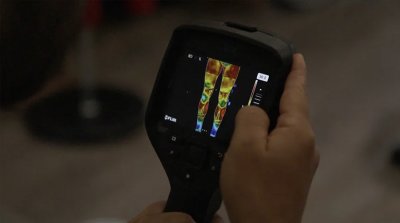
The hot spots and cold spots identified by Flir thermal cameras serve as direct indicators of how a cyclist’s body functions on the bike. An excessive temperature increase in certain areas can indicate overexertion, friction, or poor posture. 


Using the Flir E96, Bikefit Van Staeyen can: detect hot spots and elevated pressure zones on the saddle, shoes, or handlebars; identify asymmetric muscle loading and unbalanced activation patterns; analyze vascular restrictions that may lead to numbness or reduced performance; and detect thermal irregularities that could indicate overload.

With this in-depth thermal analysis, the brothers are able to identify a range of issues that prompt adjustments for the optimal riding experience. For instance, asymmetric heat distribution around the kneecap points to a possible biomechanical problem, while too much heat in the ball of the foot typically means incorrect positioning of the cleat position. Similarly, increased temperature in the lower back could be the result of a compensatory mechanism or incorrect saddle adjustment.

“While traditional bike fits are often based on observation and feel, we use objective, data-driven measurements from the Flir thermal camera,” reveals Kevin. “Our Lava.flow process gives us unique, real-time insight into how a rider’s body responds while cycling. By way of example, we recently helped a cyclist experiencing unexplained knee pain during rides. Using our Flir infrared imaging technology, we observed excessive heat accumulation in the tibia [tibialis anterior muscle]. Thanks to the Flir imaging of this increased heat and our leg length software, we discovered that this leg was structurally shorter and that the rider had to pull the pedal excessively upward when cycling, resulting in knee pain.”

All levels of cyclist

Cyclists turning to Bikefit Van Staeyen for assistance range from dedicated amateurs to World Tour professionals. They trust the company for the same reason: attention to detail. From saddle pressure to neural load; from crank dynamics to thermal asymmetry – no variable is left unexplored. The company is also pioneering the bike-fit domain at university level, a first in Europe, by collaborating with the University of Antwerp to integrate data-driven approaches.

“We want to serve as the fundamental partner and reference point for thermal camera technology within the sport of cycling,” concludes Kevin. “Our ambition is to help shape the future of performance diagnostics, not just for our own athletes, but as a knowledge and technology hub for teams and riders worldwide. With our expertise and experience we can demonstrate the immense potential of thermography in biomechanical and performance analysis.”

UK Education Hub Launched at British Council to Advance India–UK Vision 2035

Kolkata, Feb 20 : Advancing the education objectives of the India–UK Vision 2035, David Lammy, UK Deputy Prime Minister inaugurated the UK Education Hub at the British Council, the UK’s international organisation for educational opportunities and cultural exchange, in the presence of Lindy Cameron OB CBE, British High Commissioner to India, Alison Barrett MBE, Country Director India, British Council, Prof. Eloise Philips, the Academic Provost of the Southampton University Delhi, and dignitaries from India and UK, including Sir Steve Smith, the UK’s Champion for International Education.

The British Council, with over 78 years leading education cooperation between the UK and India, has established the UK Education HUB to help deliver this shared vision – enabling engagement, collaboration, and alignment to India’s National Education Policy and the UK International Education Strategy through a single, structured platform.

UK Deputy Prime Minister David Lammy said:

“To build a better future, we must invest in the next generation who will shape it and expanding access to education will create lasting change.

“By bringing together governments, universities and institutions, the UK Education Hub in New Delhi will forge deeper partnerships with India – sharing expertise, sparking innovation and growing our economies. This demonstrates our shared ambition of turning the UK-India Vision 2035 into a reality.

“Delivering quality education today will change the world of tomorrow – empowering new ranks of entrepreneurs, scientists and leaders who will transform our shared future.”

The Hub will manage the Annual Ministerial India-UK Education Dialogue and support achievement of the education objectives of India-UK Vision 2035. It will act as a platform for structured engagement between UK universities, Indian government ministries, regulators, and sector bodies ensuring smooth two-way transfer of information and a stronger partnership between the education sectors of the two nations.

Looking ahead

The UK Education Hub will:

  • support delivery of the Annual Ministerial India-UK Education Dialogue
  • coordinate requests for information and support for all UK universities seeking to engage in India
  • create and manage the UK Universities in India Members Programme
  • support progress on mutual recognition of qualifications
  • provide continued support for inward and outward education and skills missions between the two countries.

By creating a single, coordinated interface for engagement, the UK Education Hub reinforces India and the UK’s shared ambition to deepen collaboration in education, research, and skills development, strengthening people-to-people ties and supporting inclusive, sustainable growth.

BC Jindal Foundation’s Skill Centre Strengthens Employability of Youth and Women Through Industry-Relevant Training in Howrah

Feb 20th: The BC Jindal Foundation, the social arm of India’s leading business conglomerate, the BC Jindal Group, is empowering youth and women in Howrah by imparting high-demand skill training, boosting their employability, and building sustainable livelihoods. As part of this initiative, the foundation is committed to improving participants’ socio-economic conditions through assured placement opportunities. 

The BC Jindal Group, led by Shyam Sunder Jindal, Promoter BC Jindal Group, through its foundation’s initiative “BC Jindal Skill Centre, Belur, Howrah”, aims to train 1,000+ candidates from marginalized and deprived communities annually across nine vocational trades of 5 sectors (Healthcare, Hospitality, Apparel, IT, and Industrial Tech) that include Industrial Electrician, Multi Skill Technician, Sewing Machine Operator, Domestic Data Entry Operator, Child Caretaker, Housekeeping, Food and Beverages Services, Phlebotomy Technician, and General Duty Assistant. 

Through this initiative, the foundation plans to ensure more than 70% placement across batches, promote women’s participation, and create a skilled workforce aligned with local and regional industry needs while simultaneously supporting long-term economic self-reliance. 

“The BC Jindal Foundation remains committed to creating value for people, society, and the environment through strategically designed social impact programs. Our Howrah skill centre aims to provide industry-relevant, short-term vocational skill training across high-demand trades to youth and women from underserved communities who lack access to quality skill training aligned with industry requirements. Through such initiatives, we will continue to work towards bridging the skill gap by providing structured vocational training and placement support, to achieve socio-economic growth,” said the spokesperson of BC Jindal Foundation. 

The foundation’s skill centre is working toward achieving the Sustainable Development Goals of ‘Quality Education’ of SDG 4 to ensure students acquire quality knowledge, ‘Decent Work and Economic Growth’ of SDG 8, which focuses on skilled youths, better employment and ‘Gender Equality’ of SDG 5 by empowers women and ensuring equal access to economic resources, skills, and opportunities. In addition, the initiative also aims to realize SDG 10 (Reduced Inequalities) by creating a skilled workforce, which is essential for technological advancement and industrial development, and offering skills training for vulnerable groups (disabilities, indigenous peoples) that promotes inclusivity. 

“Our centre has the capacity to train 1,000+ candidates annually and facilitates placement for nearly 70% candidates in relevant trades. After receiving an encouraging response, we plan to scale the program by expanding trade offerings, strengthening industry partnerships, and increasing training capacity,” added the spokesperson. 

The BC Jindal Foundation has planned a Rs 40 crore investment for various CSR projects across India during FY26. Through this, the foundation plans to focus on improving healthcare, skill development, animal welfare, and nutrition by expanding its ongoing initiatives and introducing new projects under its CSR program. The BC Jindal Group plans to intensify its CSR operations in the states of Delhi, West Bengal, Haryana, and Maharashtra, among others. 

Founded in 1952 by Shri B.C. Jindalthe BC Jindal Group, led by Shyam Sunder Jindal, Promoter, BC Jindal Group, is one of India’s leading conglomerates and is engaged in a diverse portfolio of businesses that includes packaging films, energy & steel products.

TATA.ev Accelerates EV Adoption with New Punch.ev

Chandigarh, Feb 20: In a decisive step towards accelerating EV mainstreaming, TATA.ev, India’s leading provider of zero emission personal mobility solutions, today launched the new avatar of its popular Punch.ev, ushering in the next wave of mass EV adoption in India. Designed to democratize entry level electric mobility, the new Punch.ev brings together everything customers seek in not just their first electric car but also their first household car, by holistically addressing the key barriers limiting EV ownership—affordability, range confidence, charging convenience, and battery assurance; thereby solving the full equation for mainstream EV adoption at scale.

Launched at an attractive introductory price of just INR 9.69 lakh the new Punch.ev brings EV ownership to near on‑road price parity with ICE offerings in the entry‑level small‑car segment

TATA.ev is also offering the option of BaaS, starting at INR 6.49 lakh with a Battery EMI of INR 2.6 / km, enabling an alternative financing option for customers.

Launching the new Punch.ev, Shailesh Chandra, Managing Director, Tata Motors Passenger Vehicle Ltd. and Tata Passenger Electric Mobility Ltd., said,

“The new Punch.ev, makes electric mobility truly accessible, practical and worry free for every household. With a real-world range of ~355 km, fast charging capability, a lifetime HV battery warranty and a highly accessible price point, it resolves the core concerns that have thus far held customers back from choosing an entry level EV as their primary car. By bringing together everything customers seek in their preferred car for both daily and long-distance travel, the new Punch.ev marks a significant leap forward in the democratization of electric mobility in India.”

Beyond Limits

Built on the advanced acti.ev architecture, the new Punch.ev takes pure EVs to the next level. Having pioneered the subcompact SUV category while retaining its spot as one of India’s most loved SUVs, the Punch in its EV avatar is an undeniable choice for a wide spectrum of buyers.

Addressing Range Anxiety with longer real-world range and a larger battery pack

With a larger 40 kWh LFP prismatic cell battery pack delivering a higher and more meaningful real-world C75 range ~355 km and ARAI certified (P1+P2) range 468 kms, the new Punch.ev is ideal for everyday city use and short intercity trips, with reduced need for frequent charging stops. Additionally, the new Punch.ev will also be offered with a new 30kWh battery pack option. With these two options combined, the new Punch.ev enables a seamless transition for customers from ICE to electric, delivering superior drive quality, lower running and maintenance costs, and uncompromised every day or long distance travel on a single charge.

Faster charging, more driving:

With fast charging support, the battery can quickly charge from 20% to 80% in just 26 minutes. Furthermore, it easily tops up the battery with 135 Km of real-world range in just 15 minutes, roughly the time of a quick tea or coffee break on long drives

Lifetime Battery Warranty covering unlimited km:

The new Punch.ev comes with a Lifetime HV Battery Warranty covering unlimited KM, providing long-term coverage on the most critical EV components, giving first time owner customers added reassurance during ownership.

Rapidly Expanding Charging Ecosystem:

TATA.ev’s charging network covers over 2.3 lakh charging points across 1,500 cities through home, community and partners’ public charging. TATA.ev has aggregated over 30,000 public chargers in collaboration with over 30 charge point operators. Customers can check for the real time availability/status of active chargers via IRA.ev app for seamless navigation and end to end payments. TATA.ev monitors the reliability of public chargers and has curated a ‘.ev Verified’ charger network, comprising of 2,500+ fast, secure and highly reliable charging points across 500 cities and towns. Elevating the charging experience to world class levels, TATA.ev has established India’s largest superfast charging network- 450+ charging points across 130+ Mega Charging Hubs on 80 highways- this footprint will expand to 800 charging points by FY26.

Blue Machines AI and Cartesia partner to bring India-Resident, Low-Latency Voice AI solutions to Indian Enterprises

Bengaluru, Feb 20: Blue Machines AI and Cartesia today announced a strategic partnership to deliver India-first conversational AI solutions for Indian enterprises, with an initial focus on regulated sectors such as BFSI and healthcare.

As Indian enterprises shift from pilots to production-scale conversational AI, two priorities have become clear: the need for natural multilingual voice experiences that reflect India’s linguistic diversity and India-resident processing aligned with regulatory expectations. Together, Blue Machines and Cartesia deliver enterprise-grade intelligent voice agents that seamlessly understand intent, execute complex workflows, integrate with existing systems, and respond naturally with ultra-low latency across regional languages. By uniting state-of-the-art voice technology with advanced real-time orchestration capabilities – the partnership enables organizations to deploy scalable, context-aware voice solutions that drive operational efficiency and enhanced customer experiences.

India-resident data processing ensures compliance with regulatory, governance, and auditability requirements – critical for enterprises operating in highly regulated sectors. Multilingual capabilities spanning Tamil, Telugu, Kannada, and Marathi enable enterprises to deliver culturally relevant and hyper localized interactions across customer care, onboarding, and collections workflows.

The partnership enables enterprises to deploy multichannel voice agents across telephony and digital platforms. Real-time speech generation and intelligent workflow execution minimize response times, enhance operational efficiency, and maintain consistent brand voice quality – even during high-volume interactions. Through this collaboration, customers gain access to Cartesia’s full suite of enterprise-grade offerings, including flexibility with on-premise or cloud-hosted deployment options. The companies have developed a jointly tested deployment architecture tailored for regulated environments, with attention to latency management, audio handling, interruption control, fallback behaviour, and operational governance. The solution emphasises production readiness, monitoring, and observability to ensure reliability at enterprise scale.

Blue Machines’ Voice AI stack manages the end-to-end call lifecycle – from telephony connectivity and real-time audio streaming to dialogue orchestration and integrations with CRM, banking systems, messaging platforms, and internal APIs. Cartesia’s conversational AI model infrastructure is the first to enable ultra-low-latency speech processing for Indian languages, hyper-realistic voice generation, and streaming responses that allow smooth conversational flow, even during interruptions.

Select Examples of Enterprise Applications and Measured Results

BFSI – Multilingual collections and service: Banks can reduce collections operating costs by up to 45% while improving promise-to-pay conversion by 15-25% by deploying a collections voice agent. The agent engages customers in their preferred language, retrieves EMI and account details from backend systems, and provides immediate payment pathways – all within an India-resident processing environment that ensures regulatory compliance and eliminates manual follow-ups.

Healthcare – Appointment management and follow-ups:

Hospital networks can cut no-show rates by 25-40% and achieve 30-50% faster appointment confirmations by automating appointment confirmations, rescheduling, and patient reminders through low-latency, natural voice interactions. This frees staff to focus on high-value care delivery while maintaining governance standards for data processing of confidential patient information.

Enterprise customer support – High-volume inbound queries

Telecom and utility providers can increase Tier 1 query automation rates by 60-80% and drive down call center costs by 30-50% while boosting CSAT scores. This is achieved by deploying voice agents that authenticate customers, execute workflows in real time, and resolve billing queries, service requests, and plan changes in regional languages.

Arjun Desai, Co-Founder of Cartesia, said,

“Enterprises expect voice experiences that are fast, natural, and expressive, without compromising on control and reliability. Sonic 3 delivers ultra low latency, human quality speech across the top 9 Indic languages. We power millions of daily voice interactions for global customers including ServiceNow, Gupshup, and Magicbricks. We are thrilled to partner with Blue Machines and double down on our commitment to the Indian market through our new Bangalore office. As voice becomes the primary interface for Indian enterprises and consumers, we look forward to building that future alongside daring and innovative partners.”

Nirmit Parikh, Founder and CEO of Blue Machines AI, added,

“For Indian enterprises, compliance and regional language support are foundational. This partnership enables organisations to deploy India-resident, multilingual Voice AI workflows with the performance, governance, and scale required for regulated industries.”

Looking ahead, the companies plan to expand support for additional Indian languages, introduce new enterprise workflows, and closely partner on evaluation and model improvements. The collaboration aims to improve customer satisfaction, increase deployment speed, and deliver measurable business impact for enterprises adopting Voice AI.

Faster same & next-day deliveries as Unicommerce’s Shipway onboards ElasticRun

Mumbai, Feb 20th: Shipway, the shipping and logistics SaaS platform of Unicommerce has onboarded ElasticRun, to strengthen same-day and next-day delivery capabilities for e-commerce and D2C brands, enabling faster deliveries across metropolitans and tier-1 cities.

Rising expectations around fulfilment speed

Same-day and next-day fulfilment – once restricted to select quick-commerce use cases, is now becoming a broader requirement across brand websites, marketplaces, and hybrid retail models. Delivery timelines for everyday categories such as FMCG, personal care, fashion, and are increasingly shaping purchase decisions and overall customer experience. The Shipway-ElasticRun integration is designed to address this shift at scale.

Quicker reach across six cities

The integration combines Shipway’s logistics technology with ElasticRun’s locally operated delivery network, allowing brands to deliver faster last-mile deliveries without setting up their own hyperlocal infrastructure.

Brands using Shipway’s platform can now deliver faster across 6 cities including Delhi, Mumbai, Bengaluru, Hyderabad, Pune and Kolkata while accessing real-time tracking, issue management, and performance insights. Those operating through a mix of warehouses, dark stores, and local hubs can also reduce logistics costs through Shipway’s smart routing. For ElasticRun, the integration opens access to Shipway’s ecosystem of digital-first brands and sellers, helping expand adoption of its delivery network and increase shipment volumes.

The current rollout covers intra-city hyperlocal movements across the six cities. Going forward, the integration is expected to support faster inter-city movements as well, enabling brands to serve cross-city demand with greater speed and efficiency while expanding use cases beyond last-mile into broader fulfilment flows.

Sandeep Deshmukh, Co-Founder & CEO, ElasticRun said, “At ElasticRun, we operate as a technology-first, speed-led fulfilment partner, using AI-driven intelligence to enable faster, more reliable same-day and next-day deliveries at scale. Our integrated platform leverages AI for smarter inventory placement, routing, and last-mile execution across the country. Partnering with Shipway allows us to extend these capabilities to more digital-first brands, helping them meet rising consumer expectations for speed without the complexity of building their own infrastructure.”

Kapil Makhija, MD & CEO of Unicommerce, added, “As everyday-use categories such as FMCG, personal care, fashion, and essentials become a growing part of India’s retail and e-commerce market, consumer expectations around faster deliveries are increasing. With ElasticRun’s hyperlocal network integrated with Shipway, brands are better placed to meet these needs.”

Designed to support diverse fulfilment needs, Shipway enables standard parcel deliveries, hyperlocal shipments, time-bound movements, and B2B logistics through a wide courier network and automation-led orchestration. As brands look to balance speed, cost, and reliability, such integrations are expected to play a larger role in shaping next-gen fulfilment strategies across India.

Indian, Regional & Global Partners Launch Initiatives to Combat Extreme Heat in South Asia

Mumbai ,Feb 20 :At Mumbai Climate Week, the WHO-WMO Climate and Health Joint Programme, The Rockefeller Foundation, and Wellcome announced two new integrated initiatives to protect South Asians from extreme heat a rapidly escalating threat to human health and economic stability in the subcontinent.

The two new initiatives, funded by The Rockefeller Foundation and Wellcome, will strengthen South Asia’s ability to detect, prepare for, and respond to extreme heat and other weather- and climate-related health impacts.

The South Asia Climate–Health Desk, established as part of the WHO–WMO Climate and Health Joint Programme and implemented with the Indian Institute of Tropical Meteorology (IITM), India Meteorological Department (IMD), and other partners will improve how climate and weather information is translated into action to protect health.

Complementing this work, the South Asia Scientific Research Consortium, supported through a Rockefeller Foundation grant to the Indian Institute of Science Education and Research (IISER) Pune, will deepen the region’s scientific understanding of how heat affects different populations. These projects are the first two components of a broader, more ambitious regional strategy to address extreme heat risks to health. As part of a growing suite of Joint Programme initiatives, including regional activities of the Global Heat Health Information Network, these are first steps of coordinated science-driven efforts to protect communities, with more updates on the broader rollout coming soon.

“Extreme heat is a growing risk for lives and livelihoods in South Asia,”

said Dr. Mrutyunjay Mohapatra, IMD’s Director General of Meteorology and Permanent Representative of India to WMO.

“IMD welcomes this partnership with IITM under the South Asia Climate-Health Desk, which will strengthen the science-to-services pathway, improve early warning support for health, and help decision-makers act in time to protect communities during severe heat events.”

UN Secretary-General António Guterres has called for urgent global action to address the growing risk of extreme heat worldwide, which takes a heavy toll on health in South Asia – the world’s most populated region. According to WMO, Asia is warming nearly twice as fast as the global average, intensifying extreme weather and placing growing pressure on lives and livelihoods, health systems, economies, and ecosystems across the region, putting the most vulnerable and exposed communities at critical risk.

In India and Pakistan, pre-monsoon temperatures regularly rise above 50°C, and heat-related mortality in the region today exceeds 200,000 deaths per year. At the same time, extreme heat undermines economic stability and productivity. In 2024 alone, heat exposure in India led to 247 billion potential labor hours lost – reducing labor capacity and leading to an estimated 194 billion loss in income, according to the Lancet Countdown.

“Few regions feel the impacts of extreme heat as sharply as South Asia, and I welcome the clear determination to respond. We all know that every death primarily due to excess heat can be prevented and heat health action plans are saving lives,” said Professor Celeste Saulo, Secretary-General of the World Meteorological Organization. “By uniting science, government leadership and support, and community action, countries here are proving that this challenge can be met.”

Addressing extreme heat requires coordinated, transdisciplinary action. This integrated effort equips governments, public services, communities, and health systems with the actionable knowledge they need to prevent avoidable illness and save lives. The two coalition initiatives include:

1.South Asia Climate–Health Desk: Led by IITM in partnership with IMD, this new unit will help meteorological institutions and health partners in South Asia work closely together to develop more robust decision support tools, such as early warning and risk assessments. Representing one of the first units to be launched as part of the Joint Programme spanning Research and Development (R&D) and operational domains in climate and health, it will strengthen the ability of a wide range of stakeholders to co-develop, validate, and share health‑relevant and fit-for-purpose weather and climate information, so communities, health authorities, and health services can build resilience and act quickly before and during dangerous heat events and other climate-related health risks including disease outbreaks.

2.South Asia Scientific Research Consortium: Led by IISER Pune, this consortium of research institutions, including MS Swaminathan Research Foundation and IITM, will deepen understanding of how heat affects people across South Asia—depending on where they live, the work they do, and the different conditions they face. By developing tailored heat‑risk thresholds, this consortium aims to ultimately strengthen heat action planning, early warning systems, and preparedness efforts, helping communities and institutions better adapt to rising temperatures in one of the world’s most heat-vulnerable regions.

This announcement is the first in a series of rollouts planned in 2026, highlighting work being carried out in the region. The Rockefeller Foundation and Wellcome’s US $11.5 million investment in the WHO-WMO Climate and Health Joint Programme aims to expand climate‑informed health action in vulnerable regions. The two philanthropies committed the funds to pioneer new models of science-driven collaboration between health partners and meteorological departments, aiming to bridge a gap that often leaves health systems without critical climate information that can protect communities and save lives.

Through the establishment of these initiatives, South Asia is leading the way in implementing this integrated climate and health approach that connects research, climate monitoring and forecasting, and health responses to protect people from the health risks of climate variability and change.

“After a decade of punishing and increasingly deadly heatwaves across India and the wider South Asia region, it’s clear that business‑as‑usual public health approaches are no longer enough. Protecting India’s most vulnerable communities requires rethinking how we deliver care and invest in the solutions frontline providers and patients urgently need today,” said Dr. Naveen Rao, Senior Vice President of Health at The Rockefeller Foundation. “Through our support to the Joint Programme, we aim to help turn cutting‑edge science into real‑world impact, helping India and the region build a resilient, climate‑ready health system fit for the 21st century.”

“Rising temperatures due to climate change are a public health threat, endangering people’s lives and livelihoods throughout the world. In South Asia, extreme heat is hitting communities hard – in particular children, pregnant people, older people, outdoor workers and those communities with the least resources to respond,” said Dr. Alan Dangour, Director of Climate and Health at Wellcome. “We need to invest in science-led solutions that both cut emissions and build resilience, with public health at the core of decision-making. Wellcome is proud to work with partners and communities across South Asia to develop the evidence, tools and solutions that will ultimately improve health and save lives.”

Positive Phase 3 Data Demonstrate Potential for ENTYVIO® (vedolizumab) to Address Treatment Gap for Children and Adolescents with Moderate to Severe Ulcerative Colitis

Business Wire India

  • Pivotal Phase 3 global KEPLER study of vedolizumab intravenous (IV) in pediatric patients ages 2 to 17, who had an inadequate response to either conventional treatment options or tumor necrosis factor (TNF) antagonists, found nearly half (47.3%) of randomized patients achieved primary endpoint of clinical remission at 54 weeks
  • Vedolizumab’s safety profile was generally consistent with its known safety profile in adults
  • Results were presented at the 21st Congress of the European Crohn’s and Colitis Organisation (ECCO)


Takeda (TSE:4502/NYSE:TAK) today announced positive data from the pivotal Phase 3 KEPLER trial, which demonstrated that ENTYVIO® (vedolizumab) can offer the possibility of clinical remission for patients ages 2 and older with moderately to severely active ulcerative colitis (UC), a chronic inflammatory disease of the gastrointestinal tract and one of the two most common types of inflammatory bowel disease.1,2 The results, presented at the 21st Congress of the European Crohn’s and Colitis Organisation (ECCO), show vedolizumab’s promising efficacy and safety profile in a patient population where therapy options remain limited.With KEPLER, Takeda is continuing to generate deeper scientific insights and identify additional patient populations who may benefit from vedolizumab, a cornerstone therapy for adults with ulcerative colitis. Vedolizumab is marketed under the trade name ENTYVIO®*.


“Ulcerative colitis is a life-altering diagnosis for young patients and their families, often leaving them searching for effective options. In the KEPLER study, we observed clinically meaningful improvements with vedolizumab in an especially difficult-to-treat patient population—children and adolescents who had failed on the current standard of care, including conventional therapies and/or tumor necrosis factor (TNF) antagonists,” said Ramalingam Arumugam, MD, study investigator and pediatric gastroenterologist at MNGI Digestive Health in Minnesota. “Study data showed nearly half of patients were in remission after one year and safety was generally consistent with vedolizumab’s profile in adults, suggesting that vedolizumab could become important in addressing pediatric UC in those 2 years of age and older.”


The KEPLER Phase 3 study included 120 children and adolescents 2 to 17 years-old with moderately to severely active UC who had an inadequate response to conventional treatments (such as steroids and immunomodulators) and/or tumor necrosis factor (TNF) antagonists. Study participants received open-label intravenous (IV) vedolizumab during a 14 week open-label induction period.1 Ninety-three (93) of 120 patients who achieved a clinical response at Week 14 were then randomized to low dose (n=47) or high dose (n=46) maintenance therapy with vedolizumab every 8 weeks. Of these 93 patients:


  • Nearly half (47.3%) of participants achieved the primary endpoint of clinical remission at Week 54;
  • More than one-third (34.7%) of patients achieved clinical remission at 14 weeks (secondary endpoint); and
  • Greater than 1 in 4 (29%) participants attained the secondary endpoint of sustained clinical remission at both Weeks 14 and 54.
  • Additionally, the safety profile of vedolizumab in trial participants was generally consistent with its established safety profile in adults, with no new safety signals identified.1 The most frequently occurring treatment-emergent adverse events (≥10%) reported with vedolizumab in the KEPLER study were upper respiratory infection (30%), ulcerative colitis (disease worsening) (17.5%), and pyrexia (12.5%).3


“For too long, families and clinicians caring for children and adolescents with ulcerative colitis have had limited therapeutic options,” said Awny Farajallah, MD, chief medical officer of Takeda. “The Phase 3 KEPLER results are encouraging and suggest that ENTYVIO, a therapy with a well-established role in the treatment of ulcerative colitis, may offer a meaningful benefit for patients as young as two years old. These findings build on more than a decade of scientific study demonstrating the safety and efficacy of ENTYVIO and reflect Takeda’s continued leadership in advancing evidence-based care across the full spectrum of inflammatory bowel disease. Importantly, this study underscores our commitment to supporting some of the most vulnerable patient populations in gastroenterology.”


Takeda plans to submit marketing applications in the United States, the European Union and other markets for intravenous ENTYVIO for the treatment of moderately to severely active ulcerative colitis in children and adolescents ages 2-17.


About the Phase 3 KEPLER Study
KEPLER (NCT 04779307; EudraCT 2020-004300-34) is a Phase 3, global, randomized, double-blind, multi-center study to evaluate the efficacy and safety of vedolizumab IV in patients ages 2 to 17 with moderately to severely active ulcerative colitis (modified Mayo score of 5-9 with endoscopic subscore ≥2) with inadequate response to conventional therapy, such as steroids, immunomodulators, and/or tumor necrosis factor (TNF) antagonists.4,1 The study included a 14-week open-label induction period—all participants received IV vedolizumab—followed by a 40-week, randomized, double-blind maintenance period comparing two dose levels: low dose (LD) and high dose (HD). Ninety-three (93) participants were randomized to LD (n=47) or HD (n=46) arms, according to patient weight:


  • Participants ≥30 kg: vedolizumab 300 mg (HD) or 150 mg (LD)
  • Participants >15 to <30 kg: vedolizumab 200 mg (HD) or 100 mg (LD)
  • Participants 10 to 15 kg: vedolizumab 150 mg (HD) or 100 mg (LD)


The primary endpoint was clinical remission at Week 54 in patients who achieved clinical response following open-label vedolizumab IV induction, defined here by symptomatic improvement and endoscopic evidence of no or minimal disease activity (modified Mayo Score).4 Secondary outcome measures included safety and tolerability across induction and maintenance, sustained clinical remission (clinical remission at Weeks 14 and 54), endoscopic outcomes, the impact of dose escalation for loss of response, and long-term safety and disease control assessed in follow-up periods.


About ENTYVIO® (vedolizumab)
Vedolizumab is the only gut-selective biologic therapy available for ulcerative colitis and Crohn’s disease. It specifically binds to the alpha4beta7 integrin and blocks its interaction with MAdCAM-1, which is mainly expressed on the gut endothelial cells.5 Vedolizumab is approved for IV and subcutaneous (SC) administration in adults with moderately to severely active ulcerative colitis and Crohn’s disease who have had an inadequate response with, lost response to, or were intolerant to either conventional therapy or a tumor necrosis factor-alpha (TNFα) antagonist (approvals vary by market).6,7 Vedolizumab IV has been granted marketing authorization in more than 80 countries, including the United States and European Union. Vedolizumab SC has been granted marketing authorization in more than 50 countries, including the United States and European Union. Globally, vedolizumab IV and SC have more than one million patient years of exposure to date.3


*In most markets worldwide.


EUROPEAN UNION IMPORTANT SAFETY INFORMATION


Please consult the ENTYVIO (Vedolizumab) Summary of Product Characteristics (SmPC) before prescribing, particularly in relation to dosing and treatment monitoring.


GUIDANCE FOR USE: Entyvio should be initiated and supervised by a specialist healthcare professional experienced in diagnosis and treatment of ulcerative colitis, Crohn’s disease or pouchitis. Patients should be given the package leaflet.


CONTRAINDICATIONS: include Hypersensitivity to the active substance or to any of the excipients. Active severe infections such as tuberculosis (TB), sepsis, cytomegalovirus, listeriosis, and opportunistic infections such as Progressive Multifocal Leukoencephalopathy (PML).


UNDESIRABLE EFFECTS: The most commonly reported undesirable effects with ENTYVIO are nasopharyngitis, headache, arthralgia, pneumonia, Clostridium difficile infection, bronchitis, gastroenteritis, upper respiratory tract infection, influenza, sinusitis, pharyngitis, Herpes Zoster, paraesthesia, hypertension, oropharyngeal pain, nasal congestion, cough, anal abscess, anal fissure, nausea, dyspepsia, constipation, abdominal distension, flatulence, haemorrhoids, rectal haemorrhage, liver enzyme increased, rash, pruritus, eczema, erythema, night sweats, acne, muscle spasms, back pain, muscular weakness, fatigue, pain in the extremity, pyrexia, infusion related reaction, infusion site reaction and injection site reaction (subcutaneous administration only).


No clinically relevant differences in the overall safety profile and adverse reactions were observed in patients who received subcutaneous vedolizumab compared to the safety profile observed in clinical studies with intravenous vedolizumab with the exception of injection site reactions (with subcutaneous administration).


Please click for the full EU SmPC.


U.S. IMPORTANT SAFETY INFORMATION 


CONTRAINDICATIONS
ENTYVIO is contraindicated in patients who have had a known serious or severe hypersensitivity reaction to ENTYVIO or any of its excipients. 


WARNINGS AND PRECAUTIONS 


  • Infusion-Related and Hypersensitivity Reactions: Infusion-related reactions and hypersensitivity reactions including anaphylaxis, dyspnea, bronchospasm, urticaria, flushing, rash, and increased blood pressure and heart rate have been reported. These reactions may occur with the first or subsequent infusions and may vary in their time of onset from during infusion or up to several hours post-infusion. If anaphylaxis or other serious infusion-related or hypersensitivity reactions occur, discontinue administration of ENTYVIO immediately and initiate appropriate treatment.


  • Infections: Patients treated with ENTYVIO are at increased risk for developing infections. Serious infections have been reported in patients treated with ENTYVIO, including anal abscess, sepsis (some fatal), tuberculosis, salmonella sepsis, Listeria meningitis, giardiasis, and cytomegaloviral colitis. ENTYVIO is not recommended in patients with active, severe infections until the infections are controlled. Consider withholding ENTYVIO in patients who develop a severe infection while on treatment with ENTYVIO. Exercise caution in patients with a history of recurring severe infections. Consider screening for tuberculosis (TB) according to the local practice.
  • Progressive Multifocal Leukoencephalopathy (PML): PML, a rare and often fatal opportunistic infection of the central nervous system (CNS), has been reported with systemic immunosuppressants, including another integrin receptor antagonist. PML typically only occurs in patients who are immunocompromised. One case of PML in an ENTYVIO-treated patient with multiple contributory factors has been reported. Although unlikely, a risk of PML cannot be ruled out. Monitor patients for any new or worsening neurological signs or symptoms that may include progressive weakness on one side of the body or clumsiness of limbs, disturbance of vision, and changes in thinking, memory, and orientation leading to confusion and personality changes. If PML is suspected, withhold dosing with ENTYVIO and refer to neurologist; if confirmed, discontinue ENTYVIO dosing permanently.
  • Liver Injury: There have been reports of elevations of transaminase and/or bilirubin in patients receiving ENTYVIO. ENTYVIO should be discontinued in patients with jaundice or other evidence of significant liver injury.
  • Live and Oral Vaccines: Prior to initiating treatment with ENTYVIO, all patients should be brought up to date with all immunizations according to current immunization guidelines. Patients receiving ENTYVIO may receive non-live vaccines and may receive live vaccines if the benefits outweigh the risks.


ADVERSE REACTIONS
The most common adverse reactions (incidence ≥3% and ≥1% higher than placebo) were: nasopharyngitis, headache, arthralgia, nausea, pyrexia, upper respiratory tract infection, fatigue, cough, bronchitis, influenza, back pain, rash, pruritus, sinusitis, oropharyngeal pain, pain in extremities, and injection site reactions with subcutaneous administration.


DRUG INTERACTIONS
Because of the potential for increased risk of PML and other infections, avoid the concomitant use of ENTYVIO with natalizumab products and with TNF blockers. Upon initiation or discontinuation of ENTYVIO in patients treated with CYP450 substrates, monitor drug concentrations or other therapeutic parameters, and adjust the dosage of the CYP substrate as needed. 


INDICATIONS
Adult Ulcerative Colitis (UC):
ENTYVIO is indicated in adults for the treatment of moderately to severely active UC. 


Adult Crohn’s Disease (CD):
ENTYVIO is indicated in adults for the treatment of moderately to severely active CD. 


DOSAGE FORMS & STRENGTHS: 


  • ENTYVIO Intravenous (IV) Infusion: 300 mg vedolizumab 
  • ENTYVIO Subcutaneous (SC) Injection: 108 mg vedolizumab


Please click for Full U.S. Prescribing Information.


About Takeda
Takeda is focused on creating better health for people and a brighter future for the world. We aim to discover and deliver life-transforming treatments in our core therapeutic and business areas, including gastrointestinal and inflammation, rare diseases, plasma-derived therapies, oncology, neuroscience and vaccines. Together with our partners, we aim to improve the patient experience and advance a new frontier of treatment options through our dynamic and diverse pipeline. As a leading values-based, R&D-driven biopharmaceutical company headquartered in Japan, we are guided by our commitment to patients, our people and the planet. Our employees in approximately 80 countries and regions are driven by our purpose and are grounded in the values that have defined us for more than two centuries. For more information, visit www.takeda.com.


Important Notice
For the purposes of this notice, “press release” means this document, any oral presentation, any question and answer session and any written or oral material discussed or distributed by Takeda Pharmaceutical Company Limited (“Takeda”) regarding this release. This press release (including any oral briefing and any question-and-answer in connection with it) is not intended to, and does not constitute, represent or form part of any offer, invitation or solicitation of any offer to purchase, otherwise acquire, subscribe for, exchange, sell or otherwise dispose of, any securities or the solicitation of any vote or approval in any jurisdiction. No shares or other securities are being offered to the public by means of this press release. No offering of securities shall be made in the United States except pursuant to registration under the U.S. Securities Act of 1933, as amended, or an exemption therefrom. This press release is being given (together with any further information which may be provided to the recipient) on the condition that it is for use by the recipient for information purposes only (and not for the evaluation of any investment, acquisition, disposal or any other transaction). Any failure to comply with these restrictions may constitute a violation of applicable securities laws.


The companies in which Takeda directly and indirectly owns investments are separate entities. In this press release, “Takeda” is sometimes used for convenience where references are made to Takeda and its subsidiaries in general. Likewise, the words “we”, “us” and “our” are also used to refer to subsidiaries in general or to those who work for them. These expressions are also used where no useful purpose is served by identifying the particular company or companies.


Forward-Looking Statements
This press release and any materials distributed in connection with this press release may contain forward-looking statements, beliefs or opinions regarding Takeda’s future business, future position and results of operations, including estimates, forecasts, targets and plans for Takeda. Without limitation, forward-looking statements often include words such as “targets”, “plans”, “believes”, “hopes”, “continues”, “expects”, “aims”, “intends”, “ensures”, “will”, “may”, “should”, “would”, “could”, “anticipates”, “estimates”, “projects” or similar expressions or the negative thereof. These forward-looking statements are based on assumptions about many important factors, including the following, which could cause actual results to differ materially from those expressed or implied by the forward-looking statements: the economic circumstances surrounding Takeda’s global business, including general economic conditions in Japan and the United States; competitive pressures and developments; changes to applicable laws and regulations, including global health care reforms; challenges inherent in new product development, including uncertainty of clinical success and decisions of regulatory authorities and the timing thereof; uncertainty of commercial success for new and existing products; manufacturing difficulties or delays; fluctuations in interest and currency exchange rates; claims or concerns regarding the safety or efficacy of marketed products or product candidates; the impact of health crises, like the novel coronavirus pandemic, on Takeda and its customers and suppliers, including foreign governments in countries in which Takeda operates, or on other facets of its business; the timing and impact of post-merger integration efforts with acquired companies; the ability to divest assets that are not core to Takeda’s operations and the timing of any such divestment(s); and other factors identified in Takeda’s most recent Annual Report on Form 20-F and Takeda’s other reports filed with the U.S. Securities and Exchange Commission, available on Takeda’s website at: https://www.takeda.com/investors/sec-filings-and-security-reports/ or at www.sec.gov. Takeda does not undertake to update any of the forward-looking statements contained in this press release or any other forward-looking statements it may make, except as required by law or stock exchange rule. Past performance is not an indicator of future results and the results or statements of Takeda in this press release may not be indicative of, and are not an estimate, forecast, guarantee or projection of Takeda’s future results.


Medical Information
This press release contains information about products that may not be available in all countries, or may be available under different trademarks, for different indications, in different dosages, or in different strengths. Nothing contained herein should be considered a solicitation, promotion or advertisement for any prescription drugs including the ones under development.


References


1 Turner D, Kierkuś J, Korczowski B, Strisciuglio C, Chen J, Takaki Y, et al. J Crohns Colitis. 2026 Jan 1;20(Supplement_1):i181-183.
2 Vuijk SA, et al. J Crohns Colitis. 2024;18(Supplement_2):ii31-ii45.
3 Data on file. Takeda Pharmaceuticals.
4A Study of Vedolizumab in Children and Teenagers With Moderate to Severe Ulcerative Colitis (UC).
ClinicalTrials.gov. https://clinicaltrials.gov/study/NCT04779307. Last accessed January 20, 2026.
5 Soler D, Chapman T, Yang LL, et al. J Pharmacol Exp Ther. 2009;330(3):864-875.
6 ENTYVIO (vedolizumab) Prescribing Information. Takeda Pharmaceuticals. Available at: https://content.takeda.com/?contenttype=PI&product=ENTY&language=ENG&country=USA&documentnumber=1.
7 ENTYVIO Summary of Product Characteristics (SmPC). Takeda Pharmaceuticals. Available at: https://www.ema.europa.eu/en/documents/product-information/entyvio-epar-product-information_en.pdf.


CBRE Brings FlexGrade to India, Sets New Industry Standard for Country’s Record-Breaking Flex Workspace Market

Business Wire India

CBRE South Asia Pvt. Ltd., India’s leading real estate consultancy, on Friday announced a strategic partnership with FlexGrade in the Indian market. The collaboration reflects how clients are increasingly evaluating quality, consistency, and transparency across flexible workspace options, as flex becomes a more embedded component of long-term real estate strategy.

As the Indian office sector undergoes rapid institutionalisation, the flex segment has emerged as a core pillar for global occupiers and large enterprises. As the enterprise use of flexible workspace matures, the way quality and consistency are evaluated is becoming more structured, exposing the absence of a centralised reference to support portfolio-level assessment. Moreover, the ability to reference comparable, external quality indicators is becoming increasingly relevant in broker-led shortlisting and portfolio discussions.

CBRE recognises the growing importance of independent quality references in flexible workspace decision-making and is engaging with the FlexGrade framework to support clearer, more consistent advisory conversations across the market.

Anshuman Magazine, Chairman & CEO – India, Southeast Asia, Middle East & Africa, CBRE, said that “flight to quality” continues to define occupier behaviour across the office market.

“With global occupiers accounting for over 50% of office absorption, occupiers are asking more sophisticated questions around transparency, consistency, and operational excellence in flexible workspace,” he said. “As flex becomes part of longer-term portfolio strategy, independent quality references help bring greater confidence and clarity into decision-making for both occupiers and operators.”

Ram Chandnani, Managing Director, Leasing, CBRE India, said, that the flexible office segment in India has undergone a fundamental change, evolving from a post-pandemic contingency into a cornerstone of modern corporate portfolio strategy.

“This is a sign of a transition from the era of simple co-working to a sophisticated landscape dominated by managed offices and enterprise-grade solutions that prioritize agility, scalability, and employee experience,” he said.

Sherri Tao, Co-founder, FlexGrade, said, “Across global markets, we’re seeing quality and consistency in flexible workspace evaluated more explicitly as enterprise use matures. That shift is now becoming increasingly relevant in India given the scale and sophistication of demand.”

FlexGrade works with operators, brokers, and advisory partners across EMEA, APAC, and the United States. In India.