

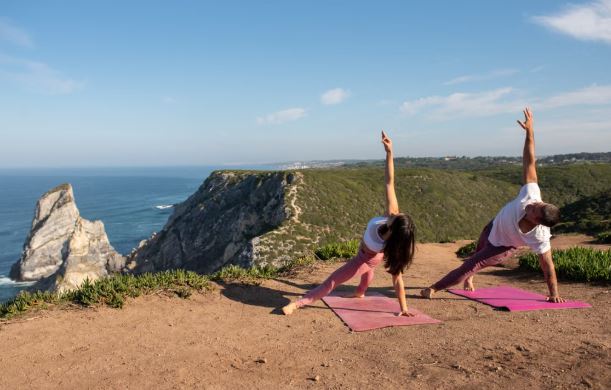
The travel industry is entering a new phase in which the value of a holiday is increasingly measured by the experience it offers, rather than simply the destination a traveller visits. Wellness retreats are emerging as an important part of this shift, attracting people who want to unwind, reconnect with nature, improve their fitness or take a break from the pressures of everyday life.
For businesses, this changing preference is creating opportunities across hospitality, food services, fitness, tourism and local experiences. Resorts are developing wellness packages, boutique hotels are introducing restorative stays, and smaller tourism operators are building experiences around yoga, meditation, outdoor activities and regional traditions.
The scale of the opportunity is considerable. Global wellness tourism was valued at approximately $894 billion in 2024 and is projected to reach $1.4 trillion by 2029, according to industry research. The growth reflects the increasing overlap between travel and personal well-being, opening a market that extends far beyond conventional spa holidays.
Why Wellness Retreats Are Becoming a Business Opportunity
Traditional holidays have largely focused on sightseeing, shopping and entertainment. Wellness-led travel adds another dimension by placing relaxation, physical activity and personal enrichment at the centre of the experience.
Busy work schedules, digital fatigue and growing interest in healthier lifestyles are encouraging some travellers to choose holidays that offer a more deliberate break from routine. Instead of spending a trip moving between tourist attractions, they may prefer a quiet retreat, guided nature walks, yoga sessions or programmes designed around rest and recreation.
This shift is changing how hospitality businesses approach their customers. A hotel can sell a room, but a carefully designed retreat can offer a complete experience that includes accommodation, meals, activities and opportunities to disconnect from everyday pressures.
For operators, combining these services can create additional revenue opportunities and help distinguish a property from competitors. It can also encourage repeat bookings when guests find the experience worthwhile.
However, commercial success depends on understanding the target customer. A luxury retreat catering to travellers seeking privacy has different requirements from an affordable weekend programme designed for working professionals. Businesses that identify a clear audience and build services around its needs are more likely to develop a sustainable offering.
Personalised Experiences Are Changing the Wellness Market
One of the most important developments in wellness tourism is the move towards more specialised experiences. Travellers are showing interest in programmes focused on sleep, fitness, stress management, mindfulness and spending time in natural surroundings.
The Global Wellness Institute’s 2026 trend analysis highlights growing interest in deeper rest, privacy, urban recovery breaks and personalised wellness travel. These developments suggest that businesses may need to move beyond standard spa packages and offer experiences that feel relevant to individual preferences.
For hospitality operators, personalisation does not necessarily require expensive technology or elaborate facilities. It can begin with flexible activity schedules, healthy food options, guided outdoor experiences and programmes suited to different levels of fitness.
Some premium properties may also offer specialist consultations or structured fitness and recovery programmes through qualified professionals. Such services require appropriate expertise, transparent pricing and realistic descriptions of what guests can expect.
The opportunity lies in creating experiences that feel thoughtful and distinctive without making unsupported health claims. In a competitive market, trust and service quality can be just as important as luxury amenities.
India’s Wellness Traditions Offer a Competitive Advantage
India has considerable potential in wellness tourism because of its established traditions of yoga, Ayurveda, meditation and holistic living. These practices provide a foundation for travel experiences that combine personal well-being with cultural discovery.
Destinations such as Kerala and Rishikesh already attract visitors interested in wellness, spirituality and nature. Other regions can develop offerings based on local food, traditional practices, forest landscapes, coastal settings and rural experiences.
For businesses, the opportunity extends beyond resort owners. Local instructors, farmers, food suppliers, guides, transport operators and artisans can all participate in the wider tourism economy.
A retreat that sources food locally, employs regional practitioners and includes cultural activities can distribute visitor spending across the surrounding community. This can create a stronger local economic connection than a business model that depends entirely on accommodation revenue.
India’s long-term opportunity, however, will depend on consistent service standards, convenient transport, professional hospitality and clear information for visitors. Cultural heritage provides a valuable foundation, but delivering a dependable guest experience is essential to building a lasting reputation.
Hotels and Resorts Are Expanding Their Revenue Models
Wellness retreats are also changing the economics of hospitality. Accommodation remains central to the business, but properties can generate additional income through food and beverage services, guided activities, fitness sessions, workshops and specialised packages.
A resort may introduce weekend wellness stays, while an urban hotel could offer short recovery breaks for guests who cannot take extended holidays. Properties located near forests, mountains, rivers or coastlines can build programmes around the natural features of their surroundings.
These offerings may help businesses appeal to different customer groups and create demand outside traditional sightseeing seasons. Corporate retreats and small-group bookings can provide another potential source of business, particularly when packages combine relaxation with structured activities.
The financial benefits are not automatic. Wellness facilities require investment, trained staff and ongoing maintenance. Operators must assess whether the expected demand can support these expenses before committing to major renovations or specialised infrastructure.
For smaller properties, partnerships with independent instructors and local service providers can be a practical way to test demand without building every capability in-house.
Small Businesses and Local Communities Stand to Benefit
The wellness tourism economy creates opportunities for businesses that may not own hotels or resorts. Independent yoga instructors, nutrition professionals, nature guides, local food producers and transport providers can contribute to the guest experience.
Small operators can also develop focused offerings, such as guided nature weekends, regional food experiences, outdoor fitness programmes or meditation sessions. These services may require less initial investment than establishing a full-scale retreat.
Partnerships can help businesses reach customers more effectively. A local guide working with a resort, for example, can gain access to visitors, while the property can expand its activities without employing a large permanent team.
Responsible development is equally important. Excessive construction, waste generation and pressure on local water supplies can damage the natural environment that attracts visitors in the first place. Businesses that manage resources carefully and respect local communities can help protect the long-term appeal of their destinations.
Affordability and Credibility Will Determine Growth
Despite the expanding market, wellness retreats face practical challenges. Premium packages can be beyond the budgets of many travellers, while seasonal demand and high operating costs can put pressure on business margins.
Affordable short stays, flexible packages and activities that do not require expensive infrastructure can help operators reach a wider market. Not every traveller needs a luxury spa or an extensive treatment programme; for many, a comfortable stay, nutritious meals and time in nature may be enough.
Credibility is another important factor. Businesses should clearly communicate what a package includes, employ appropriately qualified practitioners and avoid presenting wellness experiences as substitutes for medical care.
Travellers are paying for more than a room or an activity. They are placing their time, money and expectations in the hands of a service provider. Transparent pricing, attentive service and a well-organised experience can therefore play a major role in customer satisfaction and repeat business.
The Future of Experience-Led Travel
Wellness retreats reflect a broader change in the way people approach leisure. Travellers are increasingly looking for experiences that combine comfort, personal interests, nature and a meaningful break from daily routines.
For the tourism industry, this creates opportunities to diversify revenue, support local businesses and develop distinctive travel products. India is particularly well placed to build on its wellness traditions, while destinations worldwide can develop offerings suited to their landscapes, cultures and customer bases.
The next stage of growth will depend on how effectively businesses balance personalisation with affordability, quality and responsible tourism. Investment alone will not guarantee success; operators must create experiences that justify their cost and encourage visitors to return.
Ultimately, the business of wellness retreats is about more than selling relaxation. It is about creating well-designed travel experiences that meet changing customer expectations while generating sustainable value for hospitality businesses and local communities.

