

Pic Credit: Pexel
Diwali is one of India’s most important gifting seasons, bringing a significant rise in demand for decorative products, home accessories, festive hampers and personalised presents. While conventional gift items continue to attract buyers, handcrafted products are gaining attention as consumers and businesses look for gifts that offer something more distinctive. From hand-painted diyas and terracotta décor to traditional textiles, wooden artefacts and customised gift hampers, India’s craft-based products are finding new commercial opportunities in the festive marketplace.
This changing preference is creating a promising space for the handcrafted Diwali gifts business in India. What was once largely associated with local exhibitions, traditional markets and small artisan shops is increasingly becoming part of organised retail, online commerce and corporate gifting. Startups, independent designers and established retailers are exploring partnerships with craft communities to develop festive collections that combine traditional skills with contemporary designs.
For India’s artisan economy, this shift could create more consistent access to customers and new sources of income. For entrepreneurs, it presents an opportunity to build businesses around product curation, customisation, branding, digital sales and festive gifting services. The larger opportunity lies in connecting India’s rich craft heritage with the changing expectations of modern consumers.
Changing Gifting Preferences Are Creating Space for Handmade Products
Festive gifting is gradually moving beyond standardised products. Many consumers now look for presents that feel personal, reflect cultural traditions and offer a distinct identity. Handcrafted products appeal to this demand because they often carry individual design details and represent the skill involved in making them.
A hand-painted diya, a locally crafted decorative piece or an embroidered accessory can offer a more personal gifting experience than a mass-produced item. Buyers may also appreciate knowing where a product was made and the craftsmanship behind it.
This does not mean that price and convenience have become less important. Consumers continue to compare product quality, design, packaging and affordability before making a purchase. Businesses entering this segment must therefore offer products that are attractive and meaningful without making them inaccessible to the wider market.
For retailers and emerging brands, the opportunity is to develop collections that combine traditional craftsmanship with contemporary styling, practical use and convenient purchasing options.
India’s Artisan Economy Offers a Strong Foundation for Festive Retail
India’s handicraft industry has a diverse production base, supported by skilled artisans, family-run workshops, regional craft clusters and small manufacturing enterprises. Pottery, woodwork, metal crafts, embroidery, handloom textiles, painting and decorative accessories are among the many categories that can serve the festive gifting market.
These craft traditions provide businesses with a wide range of products to develop seasonal collections. Instead of relying entirely on imported or factory-produced decorations, retailers can source locally made products and introduce customers to regional craftsmanship.
For artisan communities, stronger market connections can help expand sales beyond local buyers. Regular orders from retailers, online brands and corporate gifting companies can also create opportunities to plan production and improve income stability.
However, the commercial potential depends on how effectively these products are brought to market. Design development, quality control, packaging, pricing and reliable distribution are essential if handmade products are to compete in an increasingly organised retail environment.
Handcrafted Product Categories Attracting Festive Buyers
The Diwali gifting market offers opportunities across several product categories. Businesses can develop a specialised range or bring together products from different artisan communities to create curated festive collections.
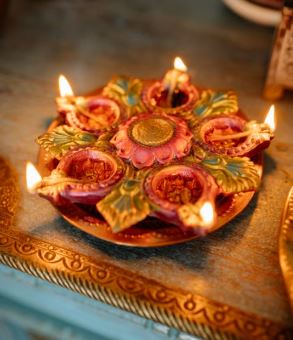
Handmade diyas and festive lighting: Terracotta lamps, hand-painted diyas, decorative oil lamps and handcrafted lanterns remain closely connected with Diwali celebrations. Pottery businesses and small manufacturers can develop coordinated collections with different finishes, colours and designs.
Traditional home décor: Wooden artefacts, decorative torans, wall hangings, brass accessories, miniature sculptures and handcrafted table décor can appeal to customers preparing their homes for the festival. Contemporary designs inspired by regional craft traditions can help these products reach a wider audience.
Handmade candles and fragrance products: Decorative candles, handcrafted holders, incense products and fragrance accessories can be packaged as individual gifts or included in premium festive hampers. Product presentation and distinctive designs can help small brands stand out.
Textile-based gifts: Handprinted scarves, embroidered pouches, cushion covers, table runners and fabric accessories create opportunities for weaving, printing and embroidery enterprises. These products are also suitable for customised corporate gifting.
Personalised festive products: Engraved wooden items, customised nameplates, hand-painted keepsakes and personalised gift boxes can attract buyers looking for presents tailored to individual recipients. Customisation also allows businesses to differentiate their offerings from standard festive merchandise.
For businesses, the key is to select products based on customer demand, production capacity and price positioning rather than simply expanding the catalogue.
Corporate Gifting Is Opening a Larger Market for Artisan Products
Corporate gifting is becoming an important business channel for handcrafted Diwali products. Companies regularly purchase festive gifts for employees, clients, vendors and business associates. Many are exploring alternatives to conventional gift boxes, creating an opportunity for artisan-made products and customised collections.
A corporate Diwali hamper can include handmade diyas, decorative accessories, locally produced food items, textile products and personalised keepsakes. Businesses can also develop collections around regional craftsmanship, local sourcing or traditional Indian designs.
The advantage for suppliers is the possibility of handling larger orders through a single corporate relationship. Unlike individual retail sales, corporate orders can involve multiple units and customised packaging, creating an opportunity to generate substantial seasonal business.
However, bulk gifting requires strong operational planning. Suppliers must ensure consistent product quality, confirm order quantities, manage customisation and meet delivery deadlines. Companies placing large orders generally expect dependable service alongside attractive products.
This creates a role for startups that can act as sourcing and fulfilment partners. By working with multiple artisan groups, they can curate gift collections, manage branding, coordinate packaging and deliver orders to corporate customers.
For artisan businesses, such partnerships can provide access to customers they may find difficult to reach independently.
E-Commerce Is Expanding the Market Reach of Small Craft Businesses
Digital platforms are changing how customers discover and purchase handcrafted products. Artisans and small businesses are no longer limited to local exhibitions, physical stores or wholesale networks. Online marketplaces, social commerce and independent websites offer additional routes to reach customers across India.
This is particularly relevant during the festive season, when buyers often search online for gift ideas, decorative products and customised hampers. Businesses that present their products effectively can attract customers looking for something different from conventional retail collections.
Social media also offers an opportunity to communicate the value of handmade products. Videos showing the creation of a terracotta diya, the printing of a textile or the finishing of a wooden artefact can help customers understand the craftsmanship involved.
For startups, digital commerce can support a business model built around artisan sourcing, product curation and direct customer engagement. However, online visibility alone does not guarantee sales. Product photography, accurate descriptions, transparent pricing, customer support and timely delivery all influence purchasing decisions.
Packaging is especially important for fragile products such as pottery and decorative lamps. Businesses must invest in suitable protective materials and reliable logistics to minimise damage and returns.
Startups Are Finding New Ways to Build Businesses Around Festive Gifting
The handcrafted gifting segment offers several opportunities for entrepreneurs who understand the relationship between product design, customer preferences and supply-chain management.
One opportunity is the development of curated gifting brands. These businesses can source products from different craft clusters and bring them together under a single brand, offering customers ready-to-gift collections at different price points.
Another emerging model is corporate gifting management. Startups can work with companies to develop customised hampers, coordinate artisan suppliers and manage bulk delivery. Their value comes from simplifying the process for corporate buyers.
Digital platforms can also help artisans display their products and connect with customers directly. Meanwhile, personalised gifting businesses can focus on custom-made products, including engraved accessories, decorative pieces and branded merchandise.
There is also scope for businesses focused on regional craft collections. By presenting products from particular states or artisan communities, entrepreneurs can build differentiated offerings around India’s cultural diversity.
These business models do not necessarily require entrepreneurs to establish their own manufacturing units. In many cases, the focus can be on developing reliable supplier relationships, improving product presentation and building an efficient sales and distribution network.
Regional Craftsmanship Can Become a Competitive Advantage
India’s regional craft traditions offer a valuable source of product differentiation in the festive gifting market. Different communities bring distinctive techniques, materials and artistic styles that can help businesses create collections with a recognisable identity.
Odisha, for instance, offers opportunities through its traditional painting, appliqué, terracotta, stone and wood craft traditions. Pattachitra-inspired decorative products, handcrafted accessories and regionally made home décor can appeal to customers interested in culturally distinctive gifts.
Similar opportunities exist across other states, where local weaving, pottery, metalwork, embroidery and woodcraft can be adapted for contemporary gifting requirements.
For businesses, working directly with artisan communities can create a stronger product story and support more transparent sourcing. However, regional identity alone is not enough to ensure commercial success. Products must also meet expectations around quality, design, packaging and pricing.
Partnerships between designers, retailers and artisan groups can help bridge this gap by adapting traditional techniques to modern consumer preferences without losing their cultural character.
Branding and Packaging Are Influencing the Value of Handmade Gifts
In the gifting business, presentation is an important part of the purchasing experience. A well-crafted product can attract greater attention when supported by thoughtful packaging, clear branding and an appealing product story.
Businesses can develop festive packaging using coordinated colours, reusable boxes, fabric wrapping and informative product cards. Such details can improve the presentation while helping customers understand the origin and craftsmanship of the item.
For corporate buyers, packaging also offers an opportunity to incorporate company branding and personalised messages. This can make artisan products suitable for employee appreciation and client gifting programmes.
At the same time, businesses must ensure that packaging does not unnecessarily increase costs or create operational difficulties. The objective should be to protect the product, improve its presentation and support the overall value proposition.
Credibility is equally important. Brands should communicate handmade, locally sourced or environmentally responsible claims accurately. Clear information about materials, production and artisans can help establish trust with customers.
Challenges That Could Affect Business Growth
Despite the opportunities, the handcrafted Diwali gifting market has several practical challenges. The first is production capacity. Many artisan enterprises operate on a small scale, and large orders can place pressure on their ability to maintain consistent quality and meet deadlines.
Pricing is another concern. Handmade products often require more labour and individual attention than factory-produced alternatives. Businesses must balance fair payments to artisans with prices that customers are willing to pay.
Seasonal demand can also create inventory risks. Producing too much stock may result in unsold merchandise after the festival, while insufficient stock can lead to missed sales opportunities. Pre-orders, demand forecasting and careful product selection can help reduce these risks.
Logistics and packaging require equal attention. Fragile decorative products need protective packaging, and customised orders require additional time for design approval and production.
For startups, building a dependable supplier network is essential. A business may have attractive products and strong marketing, but inconsistent quality or delayed deliveries can affect its reputation. Long-term growth will depend on operational discipline as much as creative product development.
Government Support Can Help Strengthen Artisan Market Access
Government programmes supporting handicrafts, skill development, cluster infrastructure and marketing can help artisans improve their production capabilities and access wider markets. Initiatives such as the National Handicrafts Development Programme and the Comprehensive Handicrafts Cluster Development Scheme focus on areas including training, design support, infrastructure and market linkages.
For businesses, these initiatives highlight the importance of connecting with organised craft clusters and established artisan networks. Partnerships can help improve sourcing, product development and access to skilled production communities.
However, wider market access also requires private-sector participation. Retailers, online platforms, designers and corporate gifting companies can contribute by creating consistent demand and developing commercially viable products with artisan groups.
A stronger connection between traditional producers and modern businesses can help ensure that the benefits of festive retail reach beyond the final seller.
Building a Year-Round Business Beyond the Diwali Season
One of the biggest opportunities for entrepreneurs is to use Diwali as an entry point for a broader gifting and lifestyle business. Depending entirely on festive sales can make revenue unpredictable, particularly for startups with limited working capital.
The same artisan products can be positioned for weddings, birthdays, housewarming ceremonies, corporate events and other regional festivals. Home décor, textile accessories and handcrafted lifestyle products can also be sold throughout the year.
Corporate relationships developed during Diwali may lead to repeat orders for employee milestones, annual events and customer appreciation programmes. Similarly, customers who discover a brand through festive hampers may return for other gifting occasions.
Businesses that plan beyond the festive season can build more stable relationships with artisans, manage inventory more efficiently and reduce their dependence on short-term demand.
Handcrafted Diwali Gifts Could Create Lasting Opportunities for India’s Small Businesses
The growing interest in handcrafted Diwali gifts reflects an opportunity that extends well beyond seasonal retail. India’s traditional craft ecosystem, combined with changing consumer preferences and the expansion of digital commerce, is creating new possibilities for artisans, startups, designers and gifting businesses.
For artisans, stronger commercial partnerships can provide access to larger markets and more consistent orders. For startups, the opportunity lies in connecting producers with customers through branding, customisation, online sales and corporate gifting services. Retailers can also use handcrafted collections to diversify their festive offerings and build stronger relationships with consumers.
The market will continue to face challenges involving production capacity, pricing, quality control and delivery. Businesses that address these issues through better planning and reliable partnerships will be better positioned to turn seasonal interest into sustained demand.
Ultimately, the future of handcrafted Diwali gifting in India will depend on how effectively businesses connect traditional craftsmanship with modern retail. By creating commercial value around handmade products, the festive gifting market can support small enterprises, expand opportunities for artisans and give India’s craft heritage a stronger place in the modern economy.

