

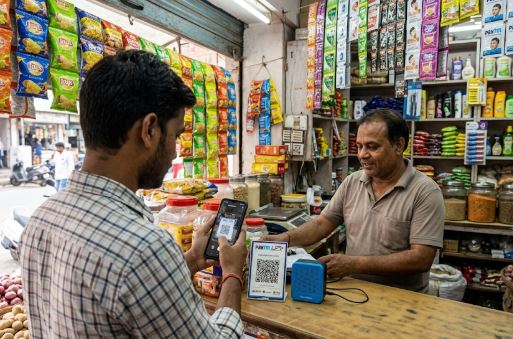
Paying through a mobile phone has become an everyday habit for millions of Indians. Whether it is buying groceries, ordering food, booking travel or paying a small shopkeeper, digital transactions are now part of daily life. Digital payments in India are moving beyond convenience and becoming an important driver of business innovation, helping companies improve customer experiences, manage transactions and explore new ways to grow.
The rapid adoption of the Unified Payments Interface (UPI), QR-code payments, mobile banking and digital wallets has changed how businesses receive money. Even small retailers and local service providers can now accept payments without investing heavily in traditional payment infrastructure. This shift is also encouraging businesses to rethink how they manage sales, customer relationships and financial operations.
UPI Has Changed Everyday Business Transactions
UPI has played a major role in bringing digital payments into everyday commerce. Customers can transfer money directly between bank accounts within seconds, while merchants can receive payments through simple QR codes.
Its growing reach is reflected in its transaction scale. UPI processed more than 24,161 crore transactions worth approximately ₹314 lakh crore in FY2025–26, highlighting how deeply digital payments have become part of India’s economy.
For businesses, faster payment collection can make everyday operations more convenient. Retailers, restaurants, transport operators and service providers can accept payments without handling large amounts of cash. Customers also benefit from quicker transactions and greater payment flexibility.
Small Businesses Are Becoming Part of the Digital Economy
One of the biggest changes is visible among small businesses. Kirana stores, street vendors, independent professionals and neighbourhood service providers are increasingly using QR codes to accept payments.
Earlier, many small merchants depended mainly on cash because card machines and other payment systems involved additional costs and infrastructure. Mobile-based payment options have made digital acceptance easier for businesses with limited resources.
Digital transactions can also help merchants maintain clearer records of money received. This makes it easier to review daily collections, track business activity and organise financial information.
For small enterprises, digital payment records may also support their efforts to demonstrate business activity when approaching banks or other financial institutions. However, digital transaction history alone does not guarantee access to credit; lenders still consider other financial and eligibility factors.
Digital Payments Are Creating New Business Opportunities
The growth of digital payments is creating opportunities across the financial technology sector. Payment service providers, banks, software companies and startups are developing solutions that help businesses manage transactions more efficiently.
Businesses are also looking beyond basic payment acceptance. They are exploring integrated billing systems, automated payment reminders, digital accounting tools, customer loyalty programmes and online payment links.
For example, a retailer can combine QR payments with billing software to maintain sales records. A service provider can send payment links to customers, while an online business can offer multiple payment options during checkout.
These services are creating demand for technology solutions that connect payments with wider business operations. Companies that make these tools affordable and easy to use can find opportunities among India’s large base of small and medium-sized enterprises.
Payment Data Is Supporting Better Business Decisions
Digital payments are also changing how businesses understand their customers and manage their finances. Transaction records can help merchants identify busy periods, review sales patterns and understand how customers prefer to pay.
When integrated with suitable accounting and business management software, payment information can reduce manual work and improve financial visibility.
For growing businesses, this can make routine activities such as reconciling payments, checking collections and preparing financial reports more organised. It also creates opportunities for technology providers to develop tools that combine payment services with business analytics.
However, businesses must handle customer information responsibly and ensure that payment data is protected.
The Next Phase: Smarter and More Connected Payments
The next stage of digital payment innovation will involve connecting payment systems with other financial and business services. Artificial intelligence, automation and improved payment infrastructure could make transactions more personalised, efficient and secure.
Businesses may increasingly use automated systems to identify unusual transaction patterns, manage recurring payments and simplify reconciliation. Payment platforms could also become more closely connected with lending, insurance, accounting and merchant management services.
Cross-border payment connectivity is another area of development. As India’s payment infrastructure gains international links, businesses and travellers may benefit from more convenient payment options in selected overseas markets.
These developments could create opportunities for fintech startups and established financial institutions to build services for consumers, merchants and businesses operating across different markets.
Challenges That Businesses Cannot Ignore
Despite the growing adoption of digital payments, challenges remain. Online fraud, phishing, fake payment confirmations and unauthorised transactions can create financial risks for customers and merchants.
Small businesses may also face difficulties related to payment settlement, technical support and understanding digital financial systems. For merchants operating on tight margins, transaction costs and service charges can influence their choice of payment solutions.
Businesses need to adopt basic safeguards, verify payment confirmations, protect access credentials and train employees to recognise suspicious activity. Payment providers must continue investing in security, reliable infrastructure and customer support.
Building trust will be essential to the next phase of digital payment growth.
Digital Payments Are Becoming a Business Growth Tool
Digital payments in India have moved well beyond replacing cash. They are becoming part of a wider business ecosystem that connects customers, merchants, banks and technology providers. As adoption expands, businesses have an opportunity to use payment technology not only to collect money but also to improve operations, understand customers and develop new services.
For small businesses, easier payment acceptance can support participation in the digital economy. For larger companies, integrated payment systems can improve efficiency and customer convenience. For fintech firms, the expanding market offers opportunities to develop solutions around security, automation and financial services.
The next phase of digital payment innovation will be shaped by how effectively businesses turn faster transactions into better operations and stronger customer relationships. Companies that combine convenient payment options with secure technology and practical business solutions will be better positioned to benefit from India’s growing digital economy.

