Pakhala Dibasa Goes Global as Odisha Celebrates Food, Culture and Sustainability

Observed on March 20 each year, Pakhala Dibasa has grown from a simple culinary tradition into a vibrant cultural celebration for Odias across the globe. What was once a humble summer meal is now a symbol of identity, heritage, and community bonding.

Pakhala Dibasa Goes Global as Odisha Celebrates Food, Culture and Sustainability

Pic Credit:https://x.com/MohanMOdisha

Pakhala—fermented rice soaked in water and often mixed with curd—is cherished for its cooling properties and probiotic benefits, making it ideal for the hot summer months. Beyond its nutritional value, it represents a way of life deeply rooted in Odisha’s traditions.

This year, the scale of celebrations has expanded significantly. Leading hospitality brands such as Nimantran, Mayfair, and Swosti Premium are offering elaborate “Gourmet Pakhala Thalis,” some featuring up to 20 traditional side dishes. These curated spreads are drawing food lovers and tourists, giving the traditional dish a modern and luxurious presentation.

What truly stands out is the global participation. With millions of households and members of the Odia diaspora across more than 20 countries observing the day, Pakhala Dibasa has evolved into an unofficial “national day” for Odias worldwide. As temperatures rise, people come together over a bowl of pakhala, celebrating not just food but shared heritage and collective memory.

The festivities also include cultural events such as the two-day Pakhala Paraba held at Panthanivas, where Odisha’s culinary richness is showcased alongside discussions on sustainability and traditional food practices. The event was inaugurated by Deepankar Mohapatra and will be attended by key leaders including Chief Minister Mohan Charan Majhi and Deputy Chief Minister Pravati Parida.

A major highlight this year is the state’s attempt to set a Guinness World Records benchmark by preparing the largest serving of pakhala—estimated at 800–850 kg. Organised in collaboration with the Robin Hood Army, the initiative emphasizes sustainability and a zero-waste approach.

Meanwhile, Cuttack is hosting vibrant community celebrations at Barabati Fort, bringing people together from midnight through the afternoon. Local leaders, including Subhash Singh, have highlighted how pakhala has evolved from a modest household dish to one that is widely appreciated for both its health benefits and cultural significance.

In my own home, the preparation of pakhala remains a cherished ritual. Cooked rice is cooled and soaked in water, often with a touch of curd, allowing it to ferment slightly and develop its signature tang. For lunch, it is served with a variety of traditional sides such as aloo bharta, saga bhaja, badichura, and roasted dishes like baigana poda and bilati poda. Sometimes, crispy sukhua bhaja is added for an extra burst of flavor, along with simple accompaniments like green chilies and onions.

More than just a meal, Pakhala Dibasa is a reminder of Odisha’s rich food heritage and sustainable eating practices. Whether enjoyed at home, in restaurants, or at community gatherings, a bowl of pakhala continues to unite people—offering comfort, nourishment, and a deep connection to cultural roots.

NASA’s Chandra Observatory Captures ‘Stellar Nurseries’ in Bloom, Revealing Cosmic Spring Across the Universe

By: Megan Watzke 

Mar 20: As the Northern Hemisphere transitions from winter to spring, scientists are highlighting a different kind of bloom—one that unfolds across the cosmos. New imagery from NASA’s Chandra X-ray Observatory showcases vibrant star-forming regions, often called “stellar nurseries,” where new stars are continuously born from clouds of gas and dust.

These cosmic “gardens” provide a unique glimpse into the early stages of star formation. Using powerful X-ray imaging, Chandra can penetrate dense interstellar material, revealing young stars and high-energy activity hidden within. The images also offer insights into how such environments influence planet formation and evolution.

A Cosmic Spring in Stages

The collection presents stellar nurseries at different stages of development, much like the progression of spring:

  • Early-stage regions such as the Pelican Nebula and Cat’s Paw Nebula contain stars roughly one million years old—extremely young compared to our Sun, which is over 4.5 billion years old. These images combine X-ray data from Chandra with optical and infrared observations from Hubble Space Telescope and James Webb Space Telescope.

  • Mid-stage regions, including NGC 346, the Flame Nebula, and Westerlund 2, host stars between one and three million years old, revealing increasingly complex stellar environments.

  • Later-stage systems are represented by Cygnus X-1, a powerful binary system where a black hole interacts with a massive companion star. This region illustrates the later phases of stellar evolution.

The Cycle of Stellar Life

The companion star in Cygnus X-1, more than 20 times the mass of the Sun, is expected to eventually explode in a supernova, dispersing essential elements into space. These elements become the building blocks for future generations of stars and planets—mirroring the cycles of renewal seen in nature on Earth.

Scientists note that such supernova events play a crucial role in shaping galaxies by enriching the cosmic environment with materials necessary for life.

Advancing Our Understanding of the Universe

Managed by NASA Marshall Space Flight Center, the Chandra program continues to provide groundbreaking insights into high-energy phenomena in the universe. Scientific operations are conducted by the Smithsonian Astrophysical Observatory.

These latest observations not only highlight the beauty of the universe but also deepen our understanding of how stars—and ultimately planetary systems—are formed, evolve, and give rise to new cosmic beginnings.

Odisha Shines on Day 1 of National Para Athletics Championship

Bhubaneswar witnessed an energetic start to the 24th National Para Athletics Championship 2026, with Odisha’s para-athletes delivering an impressive performance on the opening day at Kalinga Stadium.

The host state secured a total of five medals, including two gold, one silver, and two bronze, setting a strong tone for the competition ahead. Athletes from Odisha showcased determination and skill across multiple events, earning early recognition among participants from across the country.

The championship has drawn top para-athletes nationwide, creating a vibrant and competitive atmosphere. Spectators were treated to high-energy performances as participants pushed their limits in pursuit of excellence.

Odisha’s strong start not only reflects the state’s growing focus on inclusive sports but also highlights the rising standards of para-athletics in India. With several events still to unfold, expectations remain high for more standout performances in the coming days.

Odisha to Host 2028 World Athletics Indoor Championships

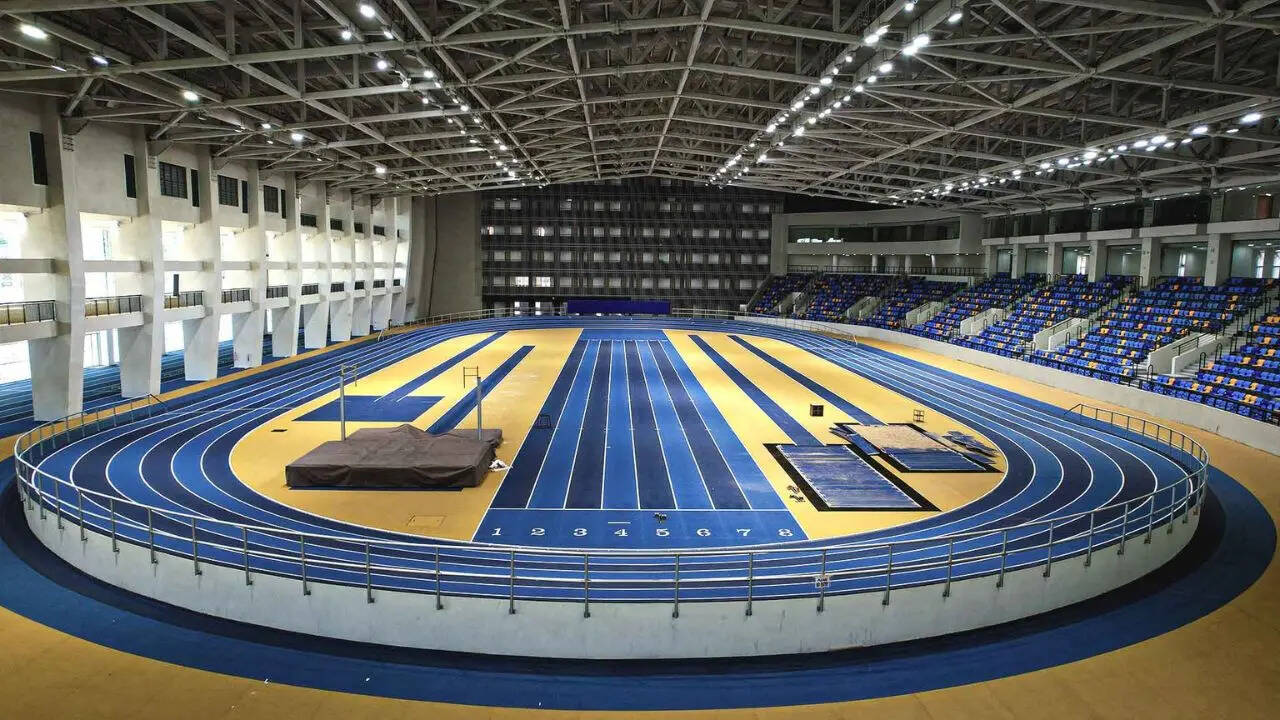
In a defining moment for Indian athletics, the state of Odisha has been selected to host the prestigious World Athletics Indoor Championships 2028. This announcement marks a major milestone in India’s journey toward becoming a global sporting powerhouse.

Odisha to Host 2028 World Athletics Indoor Championships

Pic Credit: https://x.com/IPR_Odisha

The championship’s return to India after more than two decades highlights the country’s growing reputation for successfully organizing international sporting events. For Odisha, in particular, this achievement reflects years of focused investment in sports infrastructure and athlete development.

The decision is being seen as a strong endorsement of India’s ability to deliver world-class sporting experiences. Odisha has already earned recognition for hosting major hockey events and nurturing grassroots talent, and this new responsibility further cements its status as a leading sports hub in the country.

Leaders across the nation have expressed pride in this accomplishment, emphasizing how it showcases India’s emergence on the global stage. The support and vision of Narendra Modi have also been acknowledged as instrumental in strengthening the country’s sporting ecosystem.

Beyond the competition itself, the 2028 championships present an opportunity to display India’s rich culture, warm hospitality, and organizational excellence to a global audience. Athletes and fans from around the world can expect not just high-quality sporting action, but also an immersive experience of Indian traditions and spirit.

As preparations begin, anticipation is already building. The event is expected to inspire a new generation of athletes while boosting India’s ambitions of hosting even larger global competitions in the future.

With this announcement, Odisha take another confident step forward on the world sporting map.

EisnerAmper India Expands Mumbai Office at Nesco IT Park, Becomes Maharashtra’s Largest U.S. Accounting GCC

Mumbai, Mar 20:  EisnerAmper India announced the opening of additional office space at Nesco IT Park in Goregaon, expanding its Mumbai footprint to approximately 75,000 sq. ft. and increasing seating capacity to more than 1,000. The milestone makes EisnerAmper India the largest U.S. accounting firm global capability centre (GCC) in Maharashtra—strengthening its ability to serve global teams and build long-term relationships with clients.

Located within Nesco IT Park—known for its Class-A infrastructure and on-campus amenities—the new space supports EisnerAmper India’s AI enabled infrastructure and helps teams collaborate closely with colleagues and international clients. 

“This new office is a clear signal of our momentum and our long-term commitment to India,” said Hiren Modi, Managing Partner, EisnerAmper India. “As demand for high-quality services continues to rise, we’re investing in AI-first capabilities, our people and a workplace built for collaboration—so we can deliver at scale while staying close to the teams and clients who count on us.”

The workplace is purpose-built for modern delivery, with multiple collaboration rooms, huddle spaces and quiet focus zones that make it easy for teams to connect, share ideas and strengthen day-to-day working relationships.

EisnerAmper India supports the firm’s global operations with professionals across Mumbai, Bengaluru, Hyderabad and Ahmedabad. Over the past year, the organisation has continued to grow in capacity and capability. In addition to building its own GCC, EisnerAmper India has helped several companies setup their GCCs in Mumbai and other parts of India, leveraging on their deep local expertise, its international relationships and its high-quality reputation.  

Swaranjali Delhi Presents “Swar–Dhwani Festival 2026” in Collaboration with Dhwani Foundation


New Delhi, India/Mar 20– Swaranjali Delhi, in collaboration with Dhwani Foundation, is delighted to announce the much-anticipated “Swar–Dhwani Festival 2026”, a grand celebration of Indian classical music bringing together some of the finest maestros and emerging talents on a single मंच.

Scheduled for Sunday, 19th April 2026, the festival will take place at the prestigious Muktadhara Auditorium, located within Banga Sanskriti Bhawan (18-19, Bhai Vir Singh Marg, Sector 2, Gole Market, New Delhi – 110001). The event will run from 1:00 PM to 9:00 PM, offering an immersive day-long musical experience.

Swaranjali

The festival will commence with a soulful Vandana by the disciples of Shri Partha Sarathi Lenka, setting a devotional tone for the evening. The program features an exceptional lineup of renowned artists across diverse classical genres:

  • Flute: Shri Aanjaneya Joshi

  • Santoor: Pt. Raj Kumar Majumdar

  • Vocal: Pt. Ashish Narayan Tripathi

  • Sitar: Pt. Smarajit Sen

  • Vocal Duet: Dr. Prabhakar Kashyap & Dr. Diwakar Kashyap

  • Tabla Solo: Pt. Biplab Bhattacharya

Accompanying Artists:

  • Tabla: Pt. Subh Maharaj, Ustad Babar Latif, Shri Shubhendu Das, Shri Rudraksha Shrivastava

  • Harmonium: Pt. Vinay Mishra & Shri Lalit Sisodia

“Swar–Dhwani Festival 2026” aims to celebrate the richness of Indian classical traditions while fostering cultural exchange and appreciation among audiences of all ages. The event promises an enriching confluence of melody, rhythm, and artistry.

You are cordially invited to be part of this musical journey.

RSVP:
Swaranjali Delhi | Dhwani Foundation
Website: www.swaranjali.org

PHDCCI’s quotes on Government’s RELIEF initiative

President, PHDCCI

“The Government’s RELIEF (Resilience & Logistics Intervention for Export Facilitation) initiative provides timely support to exporters facing problems due to heightened geopolitical risks in West Asia. The government’s response, to disruptions around the Strait of Hormuz causing increase in freight costs, and insurance premia, will ensures continuity of trade flows. The inclusion of both past and prospective shipments, along with focused support for MSMEs, reflects a much needed nuanced and balanced policy response said Mr. Rajeev Juneja, President, PHDCCI.”

 CEO & Secretary General, PHDCCI

The provision of enhanced ECGC risk coverage and partial reimbursement for MSMEs facing extraordinary freight and insurance costs under RELIEF will provide much needed comfort to exporters. Initiative of dashboard-based monitoring and periodic review of trade framework will help both industry and government to take appropriate proactive action to mitigate supply chain risks, amid ongoing global uncertainties Dr. Ranjeet Mehta, CEO & SG, PHDCCI.”


Kaida BioPharma Announces Executive Leadership Team to Advance KAD-101, Built for the Ovarian Cancer Gap

FORT LAUDERDALE, Fla., Mar 20 – Kaida BioPharma, a biotechnology company developing targeted therapies for women with hard-to-treat gynecologic cancers, announced its executive leadership team and board. Each member brings decades of experience in biotechnology, clinical development, regulatory strategy, manufacturing, finance, and commercialization to help advance Kaida’s lead product candidate, KAD-101, toward first-in-human clinical evaluation. The company is developing KAD-101 for recurrent ovarian cancer, where treatment options narrow quickly and durable control remains limited.

Kaida BioPharma is building KAD-101, a next-generation prolactin receptor antagonist for the ovarian cancer gap, the space where patients are too often left cycling through treatment with too few durable options.

In addition to her role as Chairperson of the Board, Kaida founder Dr. Stella Vnook has been named Acting Chief Executive Officer. Dr. Vnook is an accomplished biotechnology founder, executive, and advisor with extensive experience guiding early-stage therapeutics from scientific foundation through capital formation. At Kaida, she leads corporate strategy, development planning, and investor engagement.

“The science brought me here, and the women out there still fighting are why I stay. At Kaida, we are building for the ovarian cancer gap, for patients whose options narrow too fast and whose disease still outpaces available therapies,” said Dr. Vnook. “By targeting the survival signals that keep these tumors alive, we believe KAD-101 has the potential to help overcome treatment resistance and create a new path toward more durable control. More options mean more time, and more time means everything.”

Craig Pierson, a founder alongside Dr. Vnook, has been appointed Director at Kaida BioPharma. Mr. Pierson is a life sciences investor and company builder with more than 25 years of experience in investment banking and private capital formation. He provides strategic oversight and financing expertise.

George E. Peoples, MD, FACS has been appointed fractional Chief Medical Officer. Dr. Peoples is a surgical oncologist with decades of experience in translational oncology and clinical development. He is also the founder of the Cancer Vaccine Development Program, Cancer Insight, and LumaBridge. At Kaida, he helps guide clinical strategy and IND planning.

John Langenheim, PhD has been appointed fractional Chief Scientific Officer. Dr. Langenheim is a molecular biologist with more than 20 years of experience in therapeutic protein design and preclinical development. His scientific leadership has been instrumental in advancing KAD-101 toward clinical evaluation.

Pamela Swiggard has been appointed Head of Regulatory Affairs. She is a pharmaceutical executive with prior experience at companies including Pfizer and Endo Pharmaceuticals. She brings deep expertise across the product lifecycle, from development through regulatory approval and commercialization. At Kaida, she leads regulatory strategy and FDA engagement in support of IND readiness for KAD-101.

Eric Hacherl, PhD has been appointed Head of Manufacturing. Dr. Hacherl is a senior pharmaceutical operations leader with more than 25 years of experience in biologics manufacturing, cGMP compliance, and process development. At Kaida, he is responsible for helping ensure clinical supply readiness for KAD-101.

Mark Booth has been appointed Chief Commercial Officer. Mr. Booth is a seasoned pharmaceutical and biotechnology executive with more than 25 years of experience building commercial strategies for oncology and rare disease products. His background includes leadership across launch planning, brand strategy, access, and market development for important oncology products, including EMEND, EMEND IV, Zolinza, vintafolide, KEYTRUDA, and the avutometinib plus defactinib combination for low grade serous ovarian cancer. At Kaida, he is responsible for commercial strategy for KAD-101, including positioning, market development, and long-term access planning.


India’s Bioeconomy Grows to $195 Billion, Targets $300 Billion by 2030: Jitendra Singh

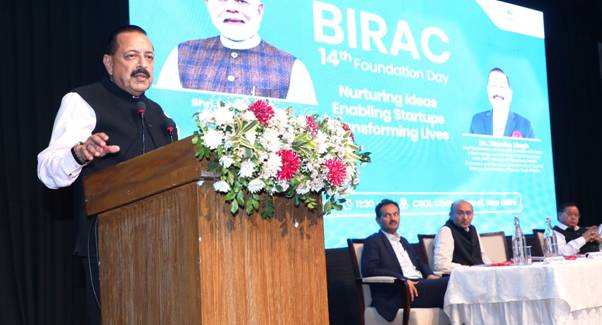
NEW DELHI, March 20: Jitendra Singh on Thursday said India’s bioeconomy has expanded from about $10 billion in 2014 to over $195 billion in 2025, registering an annual growth of 17–18 per cent and emerging as a major global biotechnology hub.

Addressing the 14th Foundation Day of the Biotechnology Industry Research Assistance Council (BIRAC) in New Delhi, the minister said the country is on track to achieve a $300 billion bioeconomy by 2030.

He highlighted that biotechnology is becoming central to India’s growth, driving innovation in healthcare, agriculture, climate solutions and sustainable manufacturing. He credited BIRAC for playing a key role in bridging research and industry, enabling the translation of scientific ideas into market-ready solutions.

India’s Bioeconomy Grows to $195 Billion, Targets $300 Billion by 2030: Jitendra Singh

Referring to policy initiatives, Singh said the BioE3 Policy will promote sustainable biomanufacturing and innovation in areas such as precision biotherapeutics, smart proteins, climate-resilient agriculture, bio-based chemicals and carbon capture technologies.

He also pointed to the ₹1 lakh crore Research, Development and Innovation (RDI) Fund as a major step to support biotechnology ventures and strengthen India’s deep-tech ecosystem.

The minister noted that India’s bioeconomy now contributes nearly 5 per cent to GDP, citing findings from the India Bioeconomy Report (IBER) 2026 released at the event. The sector, supported by over 11,800 startups, has more than doubled in size since 2020.

Officials said BIRAC’s initiatives in funding, incubation and mentorship have facilitated industry-academia collaboration, leading to the development of affordable healthcare solutions, sustainable technologies and job creation.

Singh emphasised the need to nurture young scientific talent, particularly from smaller cities, and called for continued collaboration among researchers, industry and policymakers to drive innovation-led growth and support the vision of a self-reliant India.

India Records Highest-Ever 200 Mineral Block Auctions in FY 2025–26

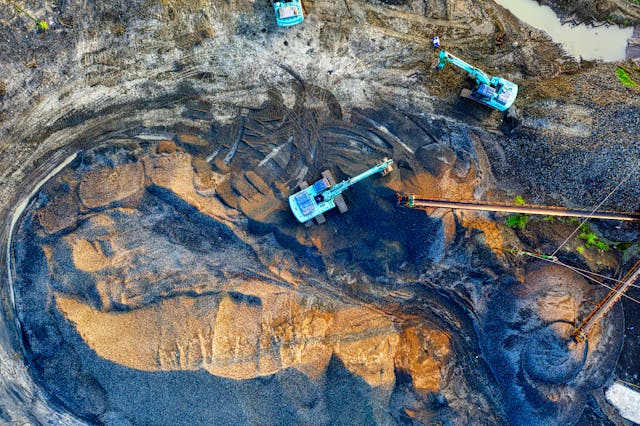
NEW DELHI, March 20: India has achieved a record milestone in its mineral sector with the successful auction of 200 mineral blocks during the financial year 2025–26, marking the highest number of auctions conducted in a single year.

According to the Ministry of Mines, the achievement reflects strong coordination between the Centre and states, as well as the growing maturity of the country’s auction-based mineral allocation system.

Of the total blocks auctioned, 123 are Mining Lease (ML) blocks and 77 are Composite Licence (CL) blocks, indicating a balanced approach between operational mining and exploration activities. In addition, tenders for 70 more blocks—38 ML and 32 CL—are currently underway.

India Records Highest-Ever 200 Mineral Block Auctions in FY 2025–26


Among states, Gujarat led with 32 blocks, followed by Rajasthan with 30 and Tamil Nadu with 22 blocks. Tamil Nadu conducted its first-ever mineral block auctions, while Uttarakhand entered the framework with the successful auction of its first magnesite block.

Limestone accounted for the largest share with 76 blocks, followed by iron ore (40 blocks) and bauxite (30 blocks), highlighting their importance for core industries.

The year also saw the auction of 22 critical mineral blocks, underlining a strategic push towards securing key resources. States including Rajasthan, Chhattisgarh, Odisha, Karnataka and Maharashtra played a significant role in offering these blocks.

The Ministry said the milestone underscores India’s commitment to building a transparent, efficient and future-ready mineral allocation framework to support long-term economic growth.