RIR Power Electronics Limited expands product portfolio with advanced SiC MOSFETs

Mumbai, Mar 16: RIR Power Electronics Limited (Bombay Stock Exchange: BSE)today announced expansion of its product portfolio with the introduction of New Silicon Carbide (SiC) Metal-Oxide-Semiconductor Field-Effect Transistors (MOSFETs) used for high efficiency and reliability.

MOSFETs are widely deployed in EV onboard chargers & charging infrastructure, traction inverters, MW Charging System (MCS), solar inverters, energy storage, UPS, power supplies, motor drives, test equipment, welding, industrial equipment.

Along with MOSFETs, RIR recently introduced Merged-PiN Schottky (MPS) Diodes designed for demanding applications including electric vehicles (EVs & HEVs), data centres and AI infrastructure, renewable energy and grid systems, industrial drives, aerospace and defence, and green hydrogen and electrolysis systems, where efficiency, ruggedness, and thermal performance are critical. 

Dr. Harshad Mehta, Non-Executive Chairman, RIR Power Electronics Ltd, said: 

“With the addition of 1200V SiC MOSFET to our portfolio, we are advancing the accessibility and reliability of high-performance Silicon Carbide solutions for next-generation power applications. Backed by decades of expertise in high-power semiconductors, we empower designers globally to confidently unlock the full potential of SiC efficiently and at scale across demanding segments such as electric vehicles, data centres, renewable energy, and industrial systems.

Decades of high-power semiconductor leadership

RIR brings over 55 years of high-power semiconductor expertise to its SiC portfolio and is uniquely positioned as India’s only player with existing high-power semiconductor fabrication capability, with proven experience in devices rated up to 20,000V and 12,000A. Supported by global development operations in the U.S. and its forthcoming first-of-its-kind SiC manufacturing campus in Odisha, India, RIR is building a vertically integrated SiC ecosystem spanning device design, wafer processing, packaging, and application support, enabling the delivery of high-voltage, high-reliability SiC MOSFETs and diodes optimized for electrical performance, manufacturability, and long-term system reliability.

India Gate launches India’s 1st-ever Oil Control Pack with India Gate Uplife Go Less Range

New Delhi, Mar 16: India Gate Uplife, the health-focused foods brand from India Gate Foods, part of KRBL Limited, has announced the launch of its innovative ‘Go Less’ oil control packaging format under its India Gate Uplife range of healthy oils. Designed for urban, health-conscious consumers- the new packaging aims for precision pouring and mindful consumption. With this format, India Gate addresses an often-overlooked concern in the Indian kitchen which is uncontrolled usage of oil. 

India Gate launches India's 1st-ever Oil Control Pack with India Gate Uplife Go Less Range

 Building on its promise of making the health journey easier to follow consistently, India Gate Uplife has introduced a breakthrough packaging innovation designed to translate intent into everyday action. Recognising that oil consumption is often difficult to monitor in routine cooking, the brand identified a clear gap between health aspirations and actual kitchen behaviour. This insight led to the development of India’s first-ever ‘Go Less’ oil control pack in a PET bottle, purpose-built to enable measured pouring and greater control with every use. By combining functional design with behavioural insight, the innovation empowers consumers to make more mindful choices effortlessly, helping reduce excess usage while supporting long-term health and wellness goals.

On the packaging launch, Ayush Gupta, Head India Business, KRBL Limited, said

“Building on the successful launch of India Gate Uplife, we are committed to expanding the brand with a clear ambition to establish a meaningful presence in the proactive health and wellness space, evolving into a trusted lifestyle partner for young, emerging India. Anchored in the enduring trust of India Gate, our focus is on purposeful innovations that make healthier living simpler and more accessible in everyday routines. The introduction of the Go Less packaging format is a natural extension of this vision- it is not just about offering the right oil, but also about enabling mindful consumption through thoughtful design.” 

Commenting on the packaging launch, Kunal Sharma, Vice President – Marketing and Organised Trade, KRBL Limited, said,

“At India Gate Uplife, we are focused on health-conscious consumers, and this new packaging has been thoughtfully designed to help them use less oil in their everyday cooking. As a brand, we have listened closely to our customers’ feedback and introduced this product to address their need for better portion control and mindful consumption.”

The India Gate Uplife Oil range is available in both the oil variants, India Gate Uplife Weight Watchers and India Gate Uplife Gut Pro. Exclusively launched on Swiggy Instamart, the new pack is rapidly gaining traction and is prepared to expand across major modern trade and e-commerce platforms over the next few months. Designed for convenience and control, the bottle features a precision cap for measured pouring and textured grip with ergonomic curves that ensure firm and comfortable handling, along with a transparent oil scale on the side to help consumers easily track usage. Its unbreakable and reusable format enhances durability while minimising contact with air and water, thereby reducing the risk of oxidation and helping maintain the oil’s freshness and quality.

Experts Share Practical Tips to Help Patients Overcome Fear of Dental Visits

Many people feel anxious about visiting the dentist, but experts say understanding and addressing that fear can make dental appointments far less stressful. According to a recent report published in the Journal of the American Dental Association, nearly 72% of American adults experience some level of dental anxiety, while about 27% report severe fear related to dental visits.

Dental specialists emphasize that anxiety surrounding dental procedures is common and manageable with proper communication and preparation. Christina Pastan, assistant clinical professor in the Department of Endodontics and director of mind-body wellness at Tufts University School of Dental Medicine, notes that fear often stems from the vulnerability and sensitivity of the mouth.

“Fear is a real thing. The mouth is a very vulnerable and very sensitive part of our bodies, and people are afraid of the possibility of feeling pain,” Pastan explains.

Along with Edward Lahey, chair of the Department of Oral and Maxillofacial Surgery at Tufts University School of Dental Medicine, Pastan highlights several strategies that can help patients feel more comfortable during dental visits.

Open communication with your dentist
Experts stress the importance of discussing fears and concerns with dental professionals before treatment begins. Dentists can explain procedures step by step and discuss pain-management options, helping patients feel more confident and informed.

Prepare by noting concerns in advance
Patients who anticipate anxiety are encouraged to write down worries, past dental experiences, or medication concerns ahead of their appointment. This helps ensure important details are shared clearly with the dentist.

Share complete medical information
Providing a full medical history—including medications and existing conditions—is essential, particularly if anesthesia or sedatives are involved. This helps dentists avoid drug interactions and choose appropriate anxiety-management approaches.

Use simple relaxation techniques
Closing the eyes during procedures and practicing slow nasal breathing can reduce stress. Controlled breathing, especially exhaling longer than inhaling, activates the body’s calming response and may help patients relax during treatment.

Ask questions and discuss pain management
Experts emphasize that patients should never hesitate to ask questions—even during the procedure. Understanding what to expect, including post-treatment discomfort and medication options, can significantly reduce anxiety.

Both specialists stress that trust and communication are essential components of the dentist-patient relationship. When dentists acknowledge patients’ fears and adjust their approach accordingly, visits can become far less intimidating.

“Don’t feel that you’re the victim in the chair,” Pastan says. “The patient is the most important part of the interaction.”

Health professionals encourage individuals with dental anxiety to communicate openly with their providers and seek supportive dental care environments that prioritize comfort and reassurance.

Metro Momentum: How India’s Rail Expansion Is Transforming Urban Mobility

Metro Momentum: How India’s Rail Expansion Is Transforming Urban Mobility

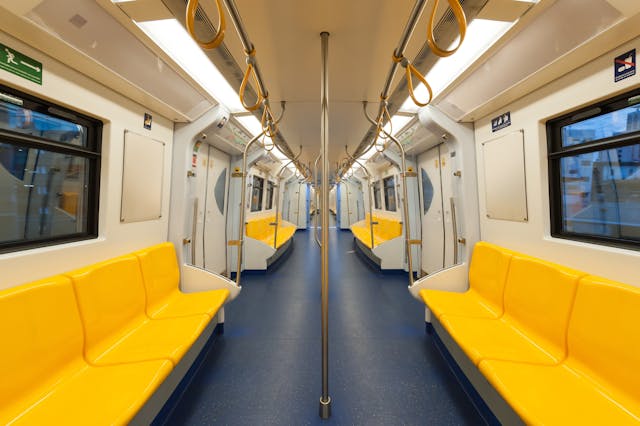
Pic Credit: Pexel

India’s cities are in the midst of a quiet but transformative mobility revolution. Beneath busy streets and along rising elevated corridors, metro rail systems are reshaping the daily movement of millions of people. What was once limited to a few major metropolitan areas has rapidly expanded into a nationwide urban transport strategy.

Over the past decade, metro rail development has emerged as one of the most ambitious infrastructure initiatives in India’s urban history. As cities grapple with population growth, traffic congestion, and environmental challenges, mass rapid transit systems are increasingly being seen as the backbone of sustainable urban mobility.

More than just a transportation solution, the metro boom is redefining how cities function—improving economic efficiency, easing financial pressure on households, and helping urban centers move toward a cleaner and more organized future.

A Decade of Rapid Expansion

India’s metro network has expanded dramatically since 2014, reflecting a major policy shift toward modern public transport infrastructure. In this period, 38 metro rail projects covering about 1,051 kilometres have been sanctioned, representing an estimated investment of ₹3.44 lakh crore.

Government support for metro infrastructure has also grown significantly. Annual allocations for metro rail projects have risen from ₹5,798 crore in 2013–14 to nearly ₹29,550 crore in 2025–26, highlighting the scale of commitment to transforming urban transport systems.

The results of this investment are increasingly visible across the country. Metro services now operate in over two dozen Indian cities, compared to only a handful a decade ago. New lines, extensions, and construction projects continue to expand connectivity, linking residential areas with business districts, educational institutions, and commercial hubs.

This rapid expansion has positioned India among the fastest-growing metro rail markets in the world.

Reducing the Cost of Urban Living

While metro systems are often celebrated for engineering and infrastructure achievements, their most meaningful impact can be seen in the everyday lives of urban commuters.

Transportation is a major expense for many city households. Dependence on private vehicles, taxis, and auto-rickshaws can make commuting costly and unpredictable. Metro rail systems offer a reliable and affordable alternative, significantly reducing daily travel costs.

For millions of commuters, metro travel provides a stable and economical means of transportation. The predictability of fares and travel times allows families to better manage their monthly budgets.

Time savings are another crucial benefit. Faster travel means workers spend less time stuck in traffic and more time at home, at work, or pursuing personal activities. In this way, metro connectivity not only improves mobility but also enhances quality of life.

Moreover, efficient transit expands access to employment opportunities. Workers can travel across longer distances quickly, allowing them to seek better jobs in different parts of the city without relocating.

Fueling Urban Economic Growth

Metro rail networks are increasingly becoming powerful drivers of urban economic development.

Large-scale construction projects generate employment and stimulate demand in industries such as steel, cement, engineering, and technology. The economic ripple effects extend far beyond the transportation sector.

Once operational, metro corridors often become focal points for new commercial and residential development. Retail centers, office spaces, and housing projects frequently emerge around stations, creating vibrant economic zones.

Urban planners are also embracing transit-oriented development, which encourages high-density mixed-use neighborhoods near metro stations. This model promotes efficient land use, reduces dependence on private vehicles, and strengthens urban economic ecosystems.

Improved connectivity benefits businesses as well. Companies gain access to a larger workforce, while customers can reach commercial districts more easily.

Advancing Environmental Sustainability

India’s urban areas face growing environmental challenges, particularly rising air pollution and traffic congestion. Metro rail systems play an important role in addressing these concerns.

Unlike most road transport, metro trains operate on electric power and produce significantly fewer emissions. As more commuters shift from cars and motorcycles to metro systems, cities benefit from reduced fuel consumption and lower greenhouse gas emissions.

Fewer vehicles on the road also mean less congestion, improved traffic flow, and quieter urban environments.

These environmental advantages align with broader national goals of building sustainable cities and reducing carbon emissions. In this context, metro systems are not only transport infrastructure but also key components of India’s climate and sustainability strategy.

The Future of Urban Mobility

Despite impressive progress, India’s metro journey is still evolving. With urban populations continuing to grow rapidly, the demand for efficient public transport will only increase.

Future development will likely focus on expanding metro coverage, improving integration with buses and suburban rail networks, and strengthening last-mile connectivity through shared mobility and electric transport options.

Innovative transit models designed for smaller cities are also being introduced, ensuring that modern rapid transit systems are not limited to major metropolitan centers.

At the same time, technological advancements such as integrated ticketing systems and smart mobility cards are helping create seamless travel experiences across multiple transport modes.

Reimagining Indian Cities

The rapid rise of metro rail systems represents far more than an infrastructure expansion. It reflects a broader transformation in how India imagines the future of its cities.

Efficient public transport has the potential to reshape urban lifestyles—reducing commute times, improving air quality, and making cities more accessible for millions of residents.

Metro networks influence patterns of development, guide the growth of neighborhoods, and strengthen the economic vitality of urban centers.

As new lines continue to emerge across the country, metro rail is gradually redefining the pace and structure of urban life in India.

In many ways, the metro revolution is not just about trains and tracks—it is about building cities that are smarter, greener, and better connected for the generations to come. 🚇🏙️


 

Gemini TV unveils its novel and mega weekend comedy entertainment show: Mass Jathara

Gemini TV unveils its novel and mega weekend comedy entertainment show:   Mass Jathara

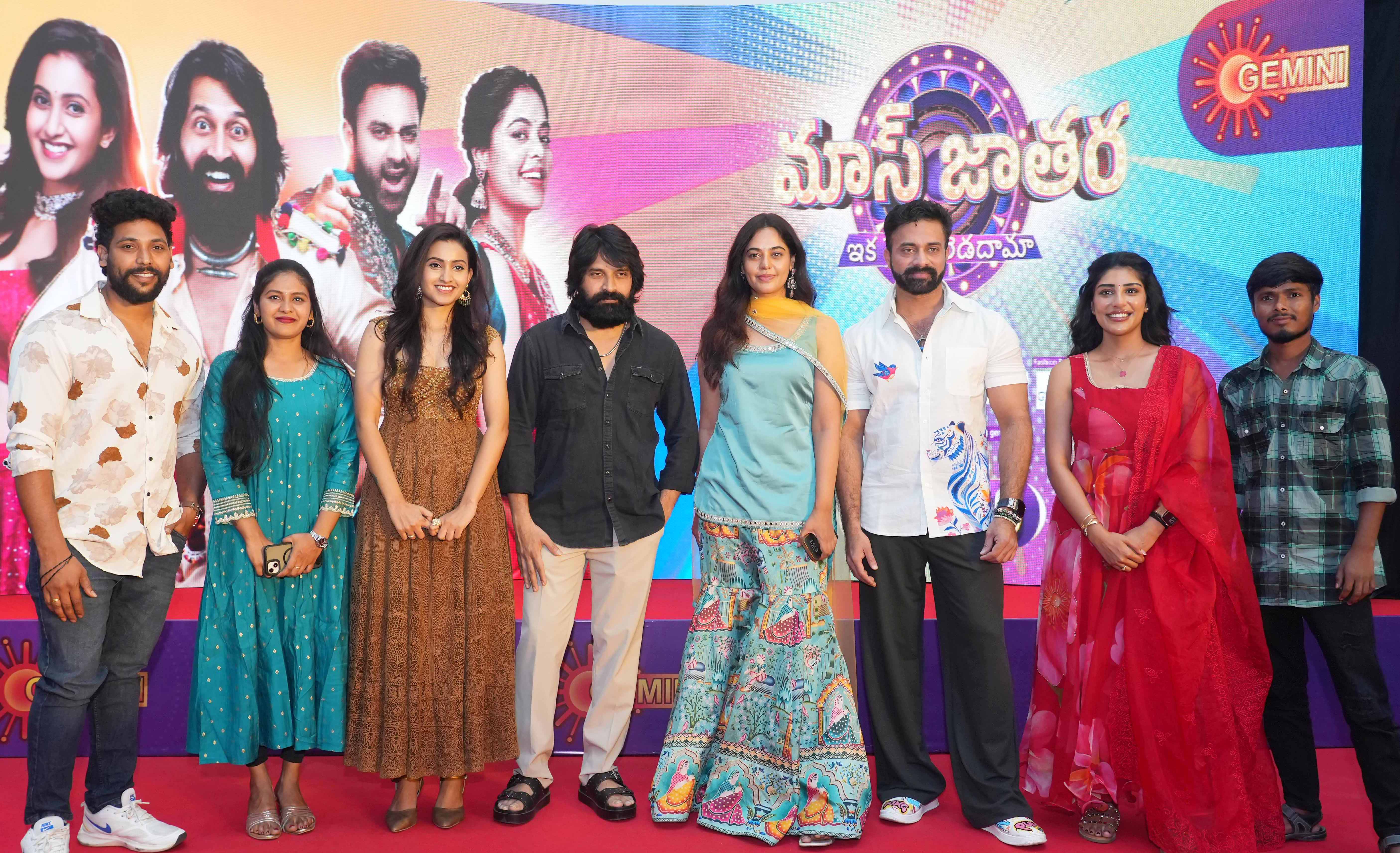
Hyderabad, Mar 16th: Gemini TV unveiled its novel and mega weekend comedy entertainment show MASS JATHARA at a lively launch event held today at Nexus Mall. The show, promising waves of laughter and high-energy entertainment, will be telecast every Saturday and Sunday at 9 PM. 

Mass Jathara is a vibrant skit-based comedy competition designed to deliver wholesome weekend entertainment. The format features multiple teams of comedians performing entertaining stage skits and competing for judges’ scores, while keeping the audience thoroughly engaged and amused. 

The show brings together a strong pool of talented social media influencer comedians, YouTubers and performers in every episode, ensuring fresh, engaging and laughter-packed content for viewers. The show will be judged by Jani Master, Hero Navdeep and Bindhu Madhavi, while Deepika Pilli will host the programme. 

On this occasion Tollywood Choreographer Jani Master, said, “This show is going to be a mega hit. During the preview itself, we were left in splits of laughter. The show will relieve you from stress and make your evening truly pleasant. We will leave no stone unturned to ensure a laughter riot for the viewers. It’s going to be a pure and neat, family-oriented comedy show. If any of you wish to showcase your talent, the doors of Mass Jathara will be open for you to win the hearts of the audience and elevate your talent from the small screen to the 70 mm screen. With elimination rounds, the show is designed to encourage new and richer talent, Mass Jathara is expected to throw up several new and talented individuals in the coming days”. 

Tollywood Hero Navadeep, said, “Mass Jathara on Gemini TV is a clean comedy show that the entire family can watch together. It promises wholesome entertainment, plenty of laughter, and a truly pleasant evening on Saturdays and Sundays for viewers of all age groups”. 

Tollywood Actress Deepika Pilli, said, “Mass Jathara will be a very lively, energetic and fun-filled show. It features not only popular comedians but also talented social media influencers, making it easy for audiences to connect with them and enjoy the show together with their families. I am hosting the show, which also has a popular panel of judges. It is going to be a great platform for emerging talent”. 

Tollywood Actress Bindu Madhavi, said, “Mass Jathara on Gemini TV, airing between 9.00 pm and 10.30 pm on Saturdays and Sundays, promises to be a grand comedy extravaganza. With no drama and no unnecessary bitching, it is packed with a laughter riot and pure, unadulterated comedy. The show brings together popular comedians and talented influencers from social media who will keep viewers thoroughly engaged. Do give Mass Jathara a try, I promise, once you watch it, you will be hooked”. 

Tollywood Actress Supritha, said, “Being a mentor on Mass Jathara is going to be both exciting and challenging, given the abundance of talent on the show. I will be mentoring two teams, while Deepika will lead the other two. It will be a competition between the four teams, and as mentors, our role is to bring out the very best in them. This is my maiden attempt on television, and the show promises unlimited laughter and entertainment”. 

Mentors Deepika Rangaraju and Supritha will actively guide the contestants and help elevate their performances, while also adding to the entertainment through lively interactions and on-stage banter, making Mass Jathara, a vibrant weekend comedy destination. 

As part of the launch event, popular comedians Saddam and Pavithra, Yadamma Raju, Venky and Yodha’s team, entertained the audience with live comedy interactions and performances. Judges Jani Master, Hero Navdeep and host Deepika Pilli were also present and interacted with the audience. The event featured energetic stage performances, audience engagement activities and promotional announcements about the upcoming show.

Sheraton Hyderabad Brings Karaikudi’s Boldest Table to the City

Hyderabad, Mar 16 This March, Sheraton Hyderabad is turning up the heat, quite literally. Feast, the hotel’s all-day dining restaurant, will host the Karaikudi Food Festival from March 18 – 22, 2026, bringing one of India’s most distinctive and least-diluted regional cuisines to the heart of the city. At the helm is Chef Athi Lakshmi, a home chef from Madurai whose cooking is as rooted in tradition as the recipes themselves.

There are few cuisines in India as unapologetically bold and layered as the food from Karaikudi. Nestled in the Sivaganga district of Tamil Nadu, Karaikudi is the cultural heart of the Chettiar community, a merchant clan historically known for their trade routes, grand mansions, and, above all, their extraordinary food. Chettinad cooking is defined by a generous hand with freshly ground spices like kalpasi (black stone flower), marathi mokku (dried flower pods), star anise, pepper, and sesame oil, many of which are native to the region and rarely found in other Indian cuisines. The result is food that is deeply aromatic, layered in heat and fragrance and unlike anything that can be replicated with shortcuts.

Chef Athi Lakshmi with an array of traditional Karaikudi ingredients

Chef Athi Lakshmi carries that philosophy into everything she cooks. Deeply rooted in the culinary traditions of South Tamil Nadu, she has spent years mastering the bold gravies, hand-pounded masalas, and slow-cooked preparations that define this cuisine. For her, cooking is not just about feeding people.

“For me, food has never been just nourishment. Every dish I cook is a celebration of culture, of tradition, of love. I want every plate at Hyderabad to carry that same authenticity and pride,” says Chef Athi Lakshmi.

At Feast, guests can expect a spread that does full justice to the Karaikudi table: Chettinad Chicken, Karaikudi Mutton Chops, Kola Urundai, Pepper Crab, Kuzhi Paniyaram, Vazhai Poo Vadai, and a traditional Chettinad Vegetable Curry served alongside rice and dosa. The restaurant will be dressed in a Karaikudi-themed setup with think textures, colours, and details that draw from the region’s visual identity, making the experience as atmospheric as it is delicious.

For a cuisine that has quietly influenced Indian cooking for centuries without ever quite getting the spotlight it deserves, this festival is a long overdue moment. Hyderabad, a city that takes its food seriously, is perhaps the perfect stage for it.


From festivity to family moments: Sony SAB artists celebrate the spirit of Gudi Padwa

Gudi Padwa is celebrated with joy, tradition, and the promise of new beginnings. From raising the traditional Gudi outside homes to preparing festive delicacies and gathering with loved ones, the festival carries a sense of renewal that brings families and communities together. While each household celebrates it in their own way, the spirit of Gudi Padwa often lies in the small rituals that make the day special, decorating homes, sharing festive meals, and taking a moment to welcome the year ahead with hope and gratitude.

From festivity to family moments: Sony SAB artists celebrate the spirit of Gudi Padwa


This Gudi Padwa, Sony SAB artists Akshaya Hindalkar, Shrenu Parikh, Rishi Saxena, Deeksha Joshi and Rajat Verma share how they connect with the spirit of the festival and the traditions or memories that make the occasion meaningful for them.

Akshaya Hindalkar, playing Rashi Patel in Pushpa Impossible, shares,“This Gudi Padwa feels special for me as it marks my first one after marriage. Growing up, the festival always symbolised new beginnings, positivity, and the joy of welcoming a fresh chapter. This year, that sentiment feels even more meaningful as I celebrate it with my new family and embrace new traditions, love and togetherness. There is something very heartwarming about waking up early, helping decorate the house, preparing festive dishes together and watching the Gudi being hoisted with so much faith and happiness. I am excited to create new memories and continue the traditions that make this festival so meaningful. I wish everyone a very happy and prosperous Gudi Padwa.”

Shrenu Parikh, playing Goddess Parvati in Ganesh Kartikey, shares,“Gudi Padwa has become a very special festival for me over the last few years. Being a Gujarati, I grew up celebrating our own beautiful traditions, but after getting married into a Maharashtrian family, I’ve had the chance to experience the joy and significance of Gudi Padwa up close. It’s been such a wonderful cultural exchange within the family and I truly cherish how festivals bring together different traditions in the most heartwarming way. Wishing everyone a very happy and prosperous Gudi Padwa. May this new year bring positivity, good health and many beautiful moments with your loved ones.”

Rishi Saxena, playing Sanjay Bhosale in Itti Si Khushi, shares,“Gudi Padwa has always been a festival that carries a beautiful sense of positivity and new beginnings. Over the years, having worked closely in the Marathi industry, I’ve had the chance to experience the warmth and vibrancy with which this festival is celebrated. Many of my closest friends are Maharashtrian, and through them I’ve come to truly appreciate the traditions and emotions attached to Gudi Padwa. From seeing the beautifully decorated Gudis outside homes to enjoying festive meals and the overall festive spirit in the air, it’s always wonderful to witness how families come together to welcome the Marathi New Year with so much joy and faith. Being around friends who celebrate it with such pride has made me feel connected to the festival in a very special way. Wishing everyone celebrating a very happy and prosperous Gudi Padwa.”

Deeksha Joshi, playing Deepti in Pushpa Impossible, shares,“Even though I’m a Gujarati at heart, living in Mumbai has made me appreciate and connect deeply with the beautiful traditions that the city celebrates with so much pride and enthusiasm. I love seeing the city come alive with colourful rangolis, beautifully decorated Gudis outside homes and families coming together to welcome the new year with so much joy and hope. Having spent time shooting a film in Pune as well, I’ve had the chance to experience the warmth and authenticity with which Gudi Padwa is celebrated, and it’s something that stayed with me. Wishing everyone a very happy and prosperous Gudi Padwa.”

Rajat Verma, playing Virat in Itti Si khushi, shares,Living in Mumbai I can really feel the festival around you. I get to see the colourful Gudis outside homes, rangolis at the entrance, and there’s a certain festive buzz in the neighbourhood from the morning itself. Over time I’ve started appreciating those little details and the positivity the day brings. It feels like a fresh start in many ways. I’d like to wish everyone a very happy Gudi Padwa and hope the new year brings lots of happiness and good energy.”

Tune in to watch Itti Si Khushi, Ganesh Kartikey and Pushpa Impossible, only on Sony SAB 

Bahrain and Saudi Arabian Grands Prix will not take place in April

FIA Statement

It has been confirmed today that, after careful evaluations, due to the ongoing situation in the Middle East region, the Bahrain and Saudi Arabian Grands Prix will not take place in April.

While several alternatives were considered, it was ultimately decided that no substitutions will be made in April. The FIA Formula 2, FIA Formula 3 and F1 Academy rounds will also not take place during their scheduled times.

The decision has been taken in full consultation with Formula One Group, local promoters and our Member Clubs in the region.  

Mohammed Ben Sulayem, FIA President, said: “The FIA will always place the safety and wellbeing of our community and colleagues first. After careful consideration, we have taken this decision with that responsibility firmly in mind. 

“We continue to hope for calm, safety and a swift return to stability in the region, and my thoughts remain with all those affected by these recent events. 

“Bahrain and Saudi Arabia are incredibly important to the ecosystem of our racing season, and I look forward to returning to both as soon as circumstances allow. My sincere thanks to the promoters, our partners, and our colleagues across the championship for the collaborative and constructive approach that has led to this decision.” 

Stefano Domenicali, Formula One Group President and CEO, said: “While this was a difficult decision to take, it is unfortunately the right one at this stage considering the current situation in the Middle East. 

“I want to take this opportunity to thank the FIA as well as our incredible promoters for their support and total understanding as they were looking forward to hosting us with their usual energy and passion. We cannot wait to be back with them as soon as the circumstances allow us to do so.” 

Sheikh Salman bin Isa Al Khalifa, Chief Executive of the Bahrain International Circuit, said: “We fully support the decision by Formula 1, and we are grateful to them and to the FIA for their support and enduring partnership. We look forward to welcoming fans from all around the world back to Bahrain when F1 returns. 

“On behalf of all of us at BIC, I take this opportunity to offer our sincere thanks to all those in the F1 community who have taken the time to send us messages of support.” 

HRH Prince Khalid bin Sultan Al-Abdullah Al-Faisal, Chairman of the Saudi Automobile and Motorcycle Federation (SAMF) and Chairman of the Saudi Motorsport Company (SMC), said: “The Saudi Automobile and Motorcycle Federation respect the decision taken by Formula 1 regarding the 2026 race calendar. 

“Fans across the Kingdom were once again looking forward to the Formula 1 STC Saudi Arabian Grand Prix in Jeddah this April, but we understand the considerations behind this decision and remain in close partnership with Formula 1.”

PM Mudra Yojana Offers Collateral-Free Loans up to Rs.20 Lakh to Small Entrepreneurs

New Delhi: The Pradhan Mantri Mudra Yojana (PMMY), launched in 2015 to support small businesses and entrepreneurs, provides collateral-free loans of up to ₹20 lakh through banks and financial institutions, the government informed Parliament.

According to information provided by the Department of Financial Services (DFS), the scheme was launched on April 8, 2015, to extend credit support to small enterprises engaged in manufacturing, trading, services and agriculture-allied activities. Loans under the scheme are provided by Member Lending Institutions, including Scheduled Commercial Banks, Non-Banking Financial Companies and Micro Finance Institutions.

Individuals with viable business plans for small enterprises are eligible to apply for loans under the scheme. The loans are categorised into four segments based on the amount required.

Under the Shishu category, loans of up to ₹50,000 are provided, while the Kishor category covers loans above ₹50,000 and up to ₹5 lakh. The Tarun category offers loans above ₹5 lakh and up to ₹10 lakh.

To encourage successful borrowers, the government introduced a new category called Tarun Plus from October 24, 2024. Under this category, entrepreneurs who have successfully repaid their earlier loans under the Tarun category can avail collateral-free loans ranging from ₹10 lakh to ₹20 lakh.

The scheme has played an important role in supporting small businesses, traditional enterprises, handicrafts and agriculture-allied activities. It has also helped women entrepreneurs who often face challenges in accessing credit due to lack of collateral or credit history.

To simplify the loan application process and ensure timely disbursal, the government has also launched digital platforms such as the Jan Samarth portal, which integrates multiple credit-linked schemes and enables applicants to apply for loans through a self-service or assisted process.

This information was provided by Minister of State for Micro, Small and Medium Enterprises Shobha Karandlaje in a written reply in the Lok Sabha on March 12, 2026.

MSME Ministry Completes 364 MSE-CDP Projects; SFURTI Scheme Strengthens Traditional Industry Clusters

New Delhi: The Ministry of Micro, Small and Medium Enterprises (MSME) has completed 364 projects under the Micro and Small Enterprises–Cluster Development Programme (MSE-CDP), aimed at enhancing productivity and competitiveness of micro and small enterprises across the country.

The MSE-CDP scheme focuses on establishing Common Facility Centres (CFCs) and creating or upgrading infrastructure facilities in existing industrial clusters. These initiatives provide financial support to improve technology access, production capacity and overall efficiency of micro and small enterprises.

Since the inception of the scheme, a total of 606 projects have been approved by the Ministry. Of these, 364 projects have been completed while 242 projects are currently under implementation.

Meanwhile, the Scheme of Fund for Regeneration of Traditional Industries (SFURTI) has also made significant progress in promoting cluster-based development and strengthening traditional industries.

According to the Ministry, 513 clusters have been approved across the country since 2015-16 under the SFURTI scheme, with a total committed assistance of ₹1,332.95 crore from the Government of India. These clusters are expected to benefit around 3.03 lakh traditional artisans engaged in sectors such as handicrafts, handloom, agro-processing, coir, honey and other related activities.

Out of the total clusters approved, 378 clusters are currently functional, while 135 clusters are at different stages of implementation.

Officials said the initiative has contributed to infrastructure development, skill enhancement, value addition and improved market linkages for traditional artisans at the grassroots level.

The schemes are part of the government’s broader efforts to promote rural entrepreneurship, strengthen traditional industries and generate sustainable livelihoods for artisans across the country.