Airbnb Supports Eight Indian Nonprofits Through the 2026 Airbnb Community Fund

Airbnb Supports Eight Indian Nonprofits Through the 2026 Airbnb Community Fund

Bengaluru, March 02: Airbnb today announced the latest recipients of Airbnb Community Fund donations, including eight nonprofit organizations across India that are driving meaningful change across communities.

Launched in 2020, the Airbnb Community Fund is a $100 million USD initiative designed to support local communities and the people who live there. This year, Airbnb donated nearly $10 million USD to nonprofits globally, supporting organizations working to strengthen communities around the world.

Airbnb hosts are deeply connected to their communities, and each year we proudly partner with the host community to identify important issues and many of the nonprofit organizations that will receive donations. Globally, Host Advisory Board members helped select economic empowerment, sustainable and rural tourism, environmental sustainability, and ending abuse and exploitation as focus areas for this year’s donations. They also reviewed nominations in their regions, bringing host perspective to every decision.

Amanpreet Bajaj, Country Head, Airbnb India and Southeast Asia, said, “Community is at the heart of everything we do at Airbnb. Through the Airbnb Community Fund, we are proud to support organizations across India that are creating sustainable opportunity and building resilience at the grassroots level. These nonprofits are addressing some of the most critical challenges facing local communities today from livelihoods and education to sustainability and protection for vulnerable groups, and we are honored to support their work alongside our host community.”

Airbnb Community Fund Recipients in India

The nonprofit organizations receiving donations in India are:-

  • Goonj, supporting community-led development and empowering livelihoods with dignity across urban and rural India.
  • Forum for Integrated Development and Research, empowering rural and marginalized communities in Goa through sustainable livelihood and youth entrepreneurship initiatives.
  • Access Development Services, supporting female entrepreneurs’ incomes through community-based tourism programs including homestays and craft enterprises, as well as promoting support for women’s entrepreneurship.
  • Keystone Foundation, working with Indigenous and marginalized communities to build sustainable livelihoods through eco-tourism and craft-based micro-enterprises .
  • Stree Mukti Snaghatana, advancing gender justice for female waste pickers through education, promoting mental health, and supporting women facing violence.
  • Aasman Foundation, enabling students from underserved communities to transition successfully into higher education and skill pathways.
  • Protsahan India Foundation, supporting adolescent girls impacted by violence and exploitation through trauma-informed care, rehabilitation, and education.
  • Navgurukul Foundation for Social Welfare, offering affordable, high-quality education and holistic support to at-risk youth. 

Vipin Sharma, CEO, ACCESS Development Services, said, “Airbnb’s support will help expand women’s entrepreneurship and community-based tourism initiatives, helping us mentor women from low-income households to strengthen decision-making, build sustainable livelihoods rooted in their local contexts, and expand their incomes.”

Siddhant Vernekar, Director, Forum for Integrated Development and Research, “With growing interest in Goa’s hinterlands as tourism destinations, we aim to nurture tourism-linked enterprises that can meaningfully contribute to local economic growth, while also protecting their natural surroundings. By acting early and investing in people, not just projects, we envision a new generation of rural leaders — especially women from Goa’s rural and tribal regions — who will lead the holistic development of their villages where livelihood and sustainability thrive together.”

Anshu Gupta, Founder, Goonj, shared, “This support recognises the power of communities to shape their own futures, with dignity and local wisdom at the center. It will go a long way to sustain and strengthen our work building deeper connections and respect between urban and rural communities across India.”

The Airbnb Community Fund in action : To date, more than 640 organizations in nearly 70 countries have benefited from the Airbnb Community Fund, with hosts providing input each year. To learn more about the Airbnb Community Fund and this year’s recipients, please visit the Airbnb Community Fund website.

The 2025-2026 Airbnb Community Fund donations will be distributed from November 2025 through March 2026. Airbnb works with grantmaking partners including Goodstack to support due diligence and facilitate payment to many non-profit recipients.

Tanvi Palshikar Joins JW Marriott Goa as Pastry Chef, Bringing Design-Led Creativity to Desserts

Goa, Mar 02: JW Marriott Goa is delighted to announce the appointment of Tanvi Palshikar as Pastry Chef, marking a remarkable journey from interior designer to culinary visionary. Tanvi’s transition from spatial design to the art of pastry highlights her creativity, precision, and dedication to craft, making her an ideal fit for the resort’s award-winning culinary team.

Tanvi Palshikar Joins JW Marriott Goa as Pastry Chef, Bringing Design-Led Creativity to Desserts

 With over a decade of experience, Tanvi has led pastry operations at JW Marriott Pune and other hospitality ventures, excelling in menu planning, dessert R&D, large-format banquets, and mentoring talent. Her signature creations, including the fully edible ‘Paithani Saree’ cake, have received national and regional acclaim, with features on BBC Marathi and History TV18. Recognized as a Leading Lady Chef within Marriott International, she has also completed specialized training through the Lavonne × Marriott collaboration.

At JW Marriott Goa, Tanvi will lead the pastry team, crafting elevated dessert experiences that combine refined flavors with artistic presentation. Guests can look forward to personalized celebration cakes, bespoke pastries, and a reimagined dessert philosophy rooted in creativity, consistency, and craftsmanship.

Her expertise spans cakes, pastries, entremets, petite gâteaux, chocolate work, and custom confectionery design. Inspired by travel, sketching, and art, Tanvi infuses her desserts with a sense of color, texture, and storytelling, elevating every culinary creation into an experience.

Tanvi Palshikar’s arrival reinforces JW Marriott Goa’s commitment to innovation, excellence, and a memorable culinary journey for every guest.

Radisson Hotel Group strengthens presence in Madhya Pradesh with the opening of Park Inn by Radisson Jabalpur

Radisson Hotel Group strengthens presence in Madhya Pradesh with the opening of Park Inn by Radisson Jabalpur

Radisson Hotel Group continues to expand its footprint in Madhya Pradesh with the opening of Park Inn by Radisson Jabalpur. With a growing portfolio across key cities in the state, RHG is deepening its reach in central India’s high-potential markets. The new hotel reflects its focus on bringing internationally benchmarked hospitality to emerging tier-2 and tier-3 destinations, catering to both business and leisure travelers. 

Strategic Location with Strong Regional Connectivity

Strategically located opposite Bargi Hills Colony, the hotel offers convenient access to the city’s key landmarks and transport hubs. Situated approximately 30 minutes from Jabalpur Airport, the property ensures seamless connectivity for domestic travellers. Guests can explore nearby attractions such as Tilwara Ghat and Pisan Hari ki Madiya Jain Temple, while the hotel also serves as a gateway to renowned wildlife destinations including Kanha, Pench, and Bandhavgarh national parks, all within a three- to five-hour drive. 

Strengthening Presence in Central India

“With the opening of Park Inn by Radisson Jabalpur, we are strengthening our presence in central India and responding to the rising demand for quality hospitality in fast-growing cities like Jabalpur. The city is witnessing steady growth across business, social celebrations, and leisure travel, supported by improving infrastructure and connectivity. The Park Inn by Radisson brand is particularly well-suited for such a market, offering globally benchmarked hospitality experiences with strong local relevance. We are confident that it will become a preferred choice for travelers seeking contemporary comfort and seamless service,” said Nikhil Sharma, Managing Director and COO, South Asia, Radisson Hotel Group. 

Contemporary Stay and Dining Experiences

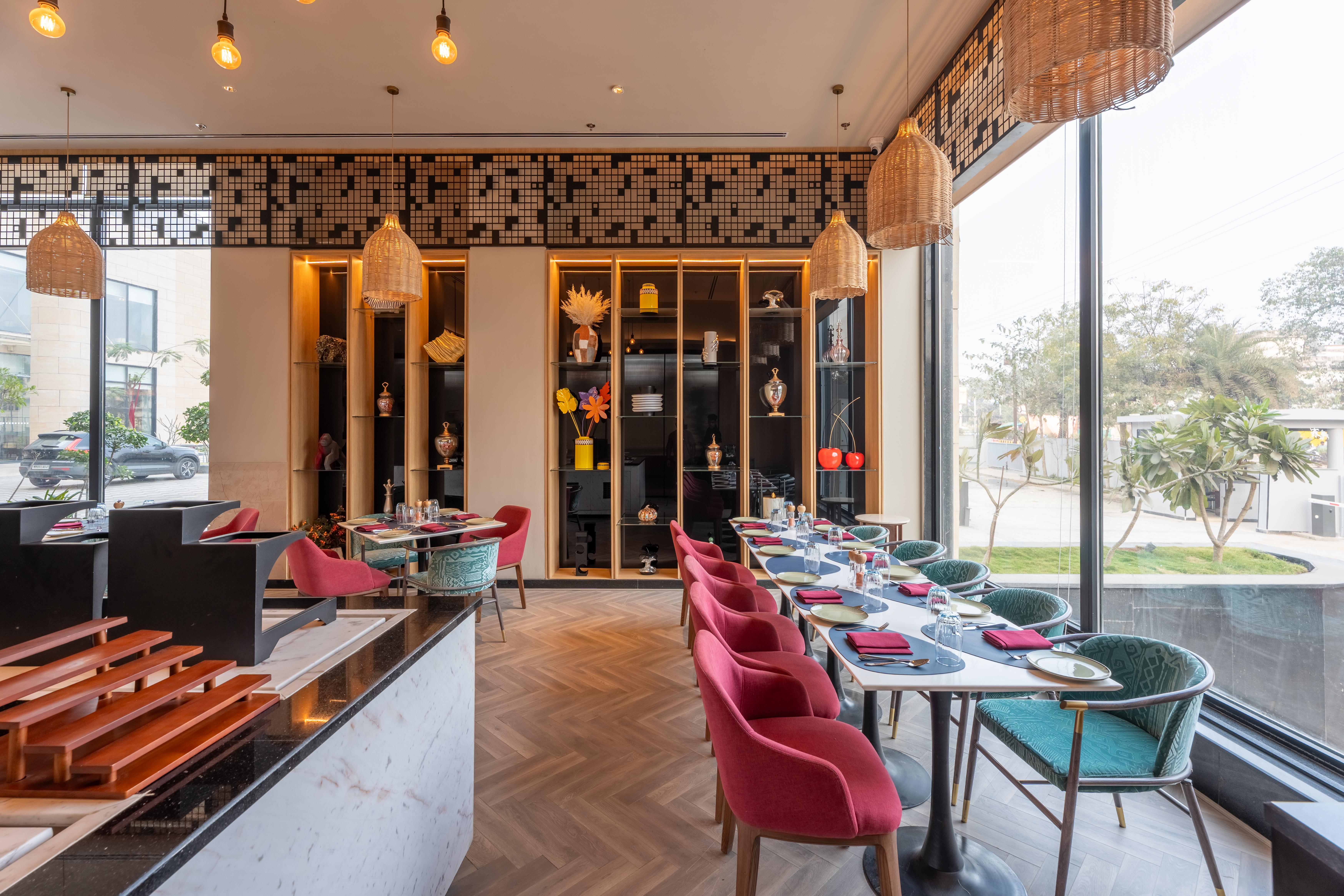
The hotel features 107 well-appointed rooms and suites designed with contemporary interiors and modern comforts to cater to both business and leisure travellers. Guests can enjoy all-day dining at RBG, the brand’s signature restaurant serving a curated mix of local and international cuisine. 

Positioned as a leading venue for weddings, conferences, and social gatherings, the hotel offers versatile banquet and meeting spaces, including indoor halls and an outdoor lawn. Additional facilities include a fully equipped fitness centre and an infinity swimming pool, providing guests with opportunities to relax and unwind. 

Shaping Strong Partnerships

“We are proud to partner with Radisson Hotel Group to introduce Park Inn by Radisson to Jabalpur. This development reflects our long-term vision of contributing to the city’s growth by introducing high-quality hospitality infrastructure that meets international standards. With the spaces designed to support large-scale weddings and MICE events, along with contemporary accommodations for modern travellers, we believe the hotel will play a significant role in elevating Jabalpur as a destination for both social and business gatherings,” said Mahesh Kemtani, Managing Director, Kemtani Projects Private Limited. 

“We are thrilled to open Park Inn by Radisson Jabalpur and offer guests a welcoming and refreshing hospitality experience. Our team is committed to delivering thoughtful service, comfortable stays, and memorable moments for every guest who walks through our doors,” said Santosh Pandey, General Manager, Park Inn by Radisson Jabalpur. 

Radisson Hotel Group continues to command a leading presence in the Indian market and is one of the country’s largest international hotel operators with over 200 hotels in operation and development. It continues to be the largest hotel operator in a tier-1 market like Delhi NCR, while over 50% of its portfolio is in tier-2 and 3 markets. The Group has successfully introduced various brands to the growing Indian market, including Radisson Collection, Radisson Blu, RadissonRadisson RED, Park Inn by RadissonPark Plaza, and Radisson Individuals and its extension Radisson Individuals Retreats.

RSS Chief Mohan Bhagwat to inaugurate Jaisalmer’s Chadar Mahotsav; 10.8 million Devotees Worldwide to Recite Collective DadaGuru Ektisa Path on March 7

RSS Chief Mohan Bhagwat to inaugurate Jaisalmer’s Chadar Mahotsav; 10.8 million Devotees Worldwide to Recite Collective DadaGuru Ektisa Path on March 7

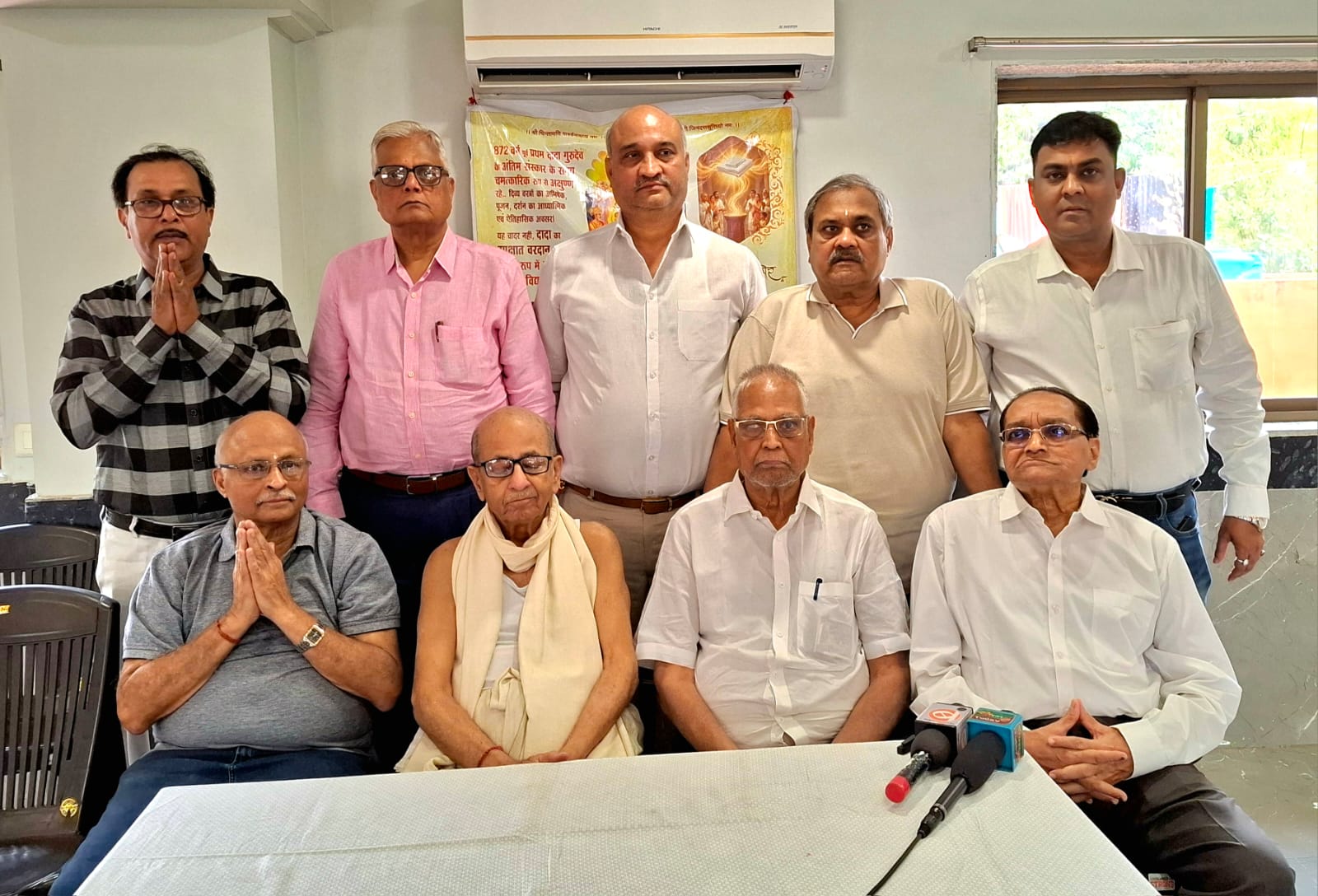
Kolkata, March 02: A three-day Chadar Mahotsav and DadaGuru Ektisa Path will be organized from March 6 to 8, 2026, in Jaisalmer, Rajasthan. Preparations at the Mahotsav venue in Jaisalmer are in full swing. The three-day programme will be inaugurated by RSS Chief Mohan Bhagwat.

The special highlight of the programme will be the historic Mahasankalp on March 7, when (1 Crore 8 Lakh) devotees across the world will collectively recite the DadaGuru Ektisa Path simultaneously. The programme is being organized under the aegis of Dada Gurudev Shri Jindattsuri Chadar Mahotsav Samiti. Representatives from Rashtriya Swayamsevak Sangh, Vishwa Hindu Parishad, Hindu Adhyatmik evam Seva Sansthan, Vidya Bharati, and several social and cultural organizations will participate in the event.

The programme will be conducted in the pavan nishra of Gachchhadhipati Acharya Shri Maniprabh Suri Ji. The inspirational force behind this grand Mahotsav is Pujya Acharya Shri Jinmanojna Sagar Ji. The Chairman of Chadar Mahotsav Samiti is Maharashtra Government Minister Mangal Prabhat Lodha, and the Convener is former JITO Chairman Tejraj Golecha. Nearly 400 saints representing various Indian traditions will be present at the Mahotsav. Around 20,000 devotees are expected to attend the three-day programme.

First-ever Vidhi-Vidhan Abhishek after 871 Years

According to Chadar Mahotsav Samiti Chairman Mangal Prabhat Lodha, this campaign is not merely a religious ritual but a global movement of faith, unity, and spiritual awakening. At the designated time, devotees across cities in India and abroad will simultaneously perform the DadaGuru Ektisa Path, creating a collective spiritual resonance worldwide.

Under the inspiration of Pujya Acharya Shri Jinmanojna Sagar Ji, this initiative is taking the form of a global spiritual movement. During the Dada Gurudev Shri Jindattsuri Chadar Mahotsav, the Chadar will undergo a vidhi-vidhan Abhishek for the first time in 871 years. Prior to this, the Chadar will be brought from Jaisalmer Fort to the Mahotsav venue in a grand Varghoda procession. On March 8, Upadhyay Mahendrasagar Maharaj will be conferred with the Acharya Pad.

Devotees from Across the World to Join the Collective DadaGuru Ektisa Path

National Chairman of the DadaGuru Ektisa programme, Prakash Chandra Lodha, stated that the central highlight of the three-day Chadar Mahotsav, being held from March 6 to 8, 2026, in the pavan nishra of Gachchhadhipati Acharya Shri Jinmaniprabha Suri Ji, will be the historic Mahasankalp on March 7, 2026.

At the designated time, 10.8 million devotees worldwide will recite the DadaGuru Ektisa Path together, generating a powerful wave of spiritual energy at the global level. 

Key Programmes Over Three Days

On March 6, the first day of Chadar Mahotsav in Jaisalmer, the Mahotsav will commence with the Mangal Pravesh of Gachchhadhipati Shri, Acharyas, Upadhyays, and Bhagwants. During the subsequent Dharma Sabha, RSS Sarsanghchalak Mohan Rao Bhagwat will be present. On this occasion, the Chadar Ceremony coin and a Special Postal Stamp will be released. In the evening, for the first time, a live theatrical presentation based on the life of Dada Gurudev will be staged.

On March 7, a Chadar Varghoda will proceed from Jaisalmer Fort. Following this, 10.8 million devotees worldwide will perform the DadaGuru Ektisa Path. In the afternoon, the Chadar Abhishek and Puja will take place. During the cultural evening, renowned musicians will present devotional performances at the Bhakti Mahotsav.

On March 8, Upadhyay Mahendrasagar Maharaj will be conferred with the Acharya Pad, along with the Ganini Pad ceremony. On the same day, Chadar Ok, Jal, and Vasakshep will be distributed.

Massive Dome Tents Under Preparation for a Month

Mahendra Singh Bhansali, President of Jaisalmer Jain Trust, stated that preparations for this historic programme of the Jain community are underway at Dedansar Ground, where massive dome tents have been under construction for the past month. Additionally, a museum is being developed at the venue. Around 20,000 devotees of DadaGuru Jindattsuri from across India and abroad are expected to arrive in Jaisalmer for this occasion. Notably, Jaisalmer district holds immense religious significance for the Jain community.

Sacred Chadar: A Centre of Unwavering Faith

According to Organizing Committee Secretary Padam Tatia, the first DadaGuru, Acharya Shri Jindattsuri, is regarded as a great spiritual Acharya of the 11th century. As per tradition, his Agni-Sanskar was performed on land granted by King Arnoraj in Ajmer. It is believed that during the Agni-Sanskar, the Chadar did not burn — an extraordinary and divine occurrence that remains a symbol of unwavering faith for devotees even today.

Historical references suggest that approximately one and a half centuries ago, the Maharawal of Jaisalmer had this Chadar brought from Anhilpur Patan to mitigate a devastating epidemic. Presently, the Chadar is preserved at Shri Jinbhadra Suri Gyan Bhandar located within Jaisalmer Fort. The Chadar Mahotsav is organized based on this sacred tradition.

Two-Day National Vidwat Sangoshthi

On March 7 and 8, 2026, a National Vidwat Sangoshthi will be organized on the theme: “Bharat ki Sanskritik Ekta, Samajik Sadbhav evam Samrasta mein DadaGuru Parampara ka Yogdan.”

Jodhpur University, Rajasthan University, Prakrit Bharati Sansthan, and the Centre for Society and Culture Studies, among other prestigious academic institutions, will participate as Knowledge Partners. Eminent Acharyas, Jain Sadhus and Sadhvis, and subject experts will be present during the Sangoshthi.

Shift Into Overdrive: Vehicle Specialization Powers Up BGMI

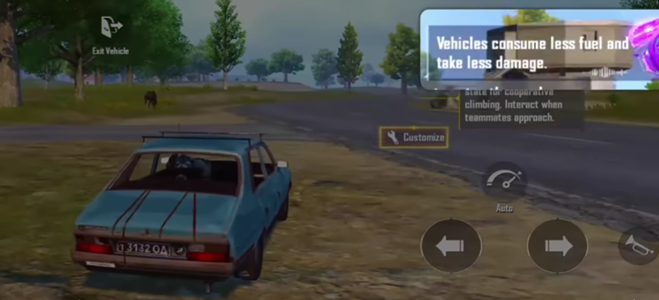
Vehicle Specialization is soon expected to come to BATTLEGROUNDS MOBILE INDIA (BGMI) as a mobility-focused power that turns cars from simple transport into strategic assets. What does this mean for players? It means every vehicle on the map could become a calculated advantage rather than just a quick getaway. Instead of adding a new driving mode, the system introduces passive vehicle buffs like reduced fuel consumption, improved durability, and Nitro boosts that allow squads to rotate faster and survive longer on open roads.

Shift Into Overdrive: Vehicle Specialization Powers Up BGMI

 Designed to complement the update’s faster gameplay loop, the power encourages aggressive movement and rewards players who treat vehicles as part of combat strategy rather than just an escape tool.

Here’s What Powering your Drive:

  • Vehicle Specialization Power: Passive buffs that improve fuel efficiency, durability, and speed bursts through Nitro
  • Mobility-Focused Gameplay: Faster rotations and stronger vehicle survivability change mid-game pacing
  • Strategic Driver Role: Vehicles evolve from transport tools into active combat and positioning assets

Alongside it, the new Customize button appears when players enter certain vehicles, acting as an in-match interface for activating themed upgrades. Rather than permanent tuning or garage-style modifications, these enhancements are temporary gameplay boosts tied to the update’s specialization system, reinforcing quick decisions and situational plays during matches.

Together, Vehicle Specialization and the Customize feature signal BGMI’s growing shift toward class-based mechanics that blend mobility, risk, and tactical control without breaking the core battle royale experience.

Empowering Families: Managing Childhood Epilepsy with Confidence and Care

Epilepsy is a neurological disorder characterized by recurrent seizures. Importantly, seizures do not always look dramatic. Some children may simply stare blankly for a few seconds, pause mid-sentence, or appear briefly confused. Others may experience jerking movements or full-body convulsions. Recognizing your child’s specific seizure pattern reduces panic and allows for calm, appropriate action. Knowledge replaces fear.

Epilepsy is a neurological disorder characterized by recurrent seizures

 One of the most important aspects of epilepsy care is understanding seizure triggers. While triggers vary from child to child, certain patterns are commonly observed. Lack of sleep is among the most powerful triggers; even a single late night can lower the brain’s seizure threshold. Dietary factors also play a role; skipping meals, prolonged fasting, dehydration, and sudden fluctuations in blood sugar levels may increase susceptibility. Emotional stress, excitement, and anxiety can also provoke seizures in some children. Missing medication doses or taking them irregularly significantly increases risk. Fever and infections may trigger seizures in younger children, especially those prone to febrile episodes. In a small percentage of children, flashing lights or prolonged screen exposure may act as triggers, especially when screen time interferes with adequate sleep.

Medication adherence remains the cornerstone of seizure control. Anti-seizure medicines work effectively when taken consistently at the same time each day. Establishing a routine—perhaps linking medication time with brushing teeth or meal times—helps maintain regularity. Parents should monitor for side effects such as drowsiness, mood changes, dizziness, or skin rashes and promptly consult their doctor if concerns arise. Abruptly stopping medication without medical supervision can precipitate severe seizures and must always be avoided.

Knowing how to respond during a seizure builds confidence. During a convulsive episode, gently placing the child on their side, cushioning the head, and clearing nearby objects prevents injury. Nothing should be placed in the mouth, and movements should not be restrained. Most seizures stop within a few minutes. Emergency medical attention is required if a seizure lasts longer than five minutes, repeats without recovery, or causes breathing difficulty or serious injury.

Safety measures at home provide reassurance without restricting independence. Simple precautions in bathrooms, supervision during swimming, and informing teachers and caregivers about seizure first aid create a supportive safety net. However, children with epilepsy should not be unnecessarily limited. Participation in school, sports with reasonable precautions, hobbies, and social activities fosters confidence and emotional strength.

The emotional dimension of epilepsy is equally significant. Some children may feel embarrassed or fearful about having a seizure in public. Open conversations at home allow them to express these feelings freely. When parents respond with calm reassurance rather than visible anxiety, children develop resilience. In situations where anxiety or low mood persists, professional counseling can provide valuable support.

Consistency in daily routines often translates into better seizure control. Regular sleep, balanced meals, adequate hydration, stress management practices such as yoga or light exercise, and limited late-night screen exposure all contribute to neurological stability. Small daily habits can make a meaningful difference over time.

Finally, parents must care for their own emotional well-being. Supporting a child with a chronic condition can be demanding. Seeking guidance from healthcare professionals, connecting with support groups, and sharing responsibilities within the family can prevent caregiver burnout. When parents feel informed and supported, children sense that stability.

Epilepsy is not a limitation on dreams. Many children with epilepsy excel academically, pursue creative talents, participate in sports, and grow into independent adults. With medical care, healthy lifestyle practices, and compassionate family support, epilepsy becomes a manageable part of life rather than its defining feature.

With knowledge, preparation, and steady encouragement, families empower their children not only to live with epilepsy—but to live confidently and well despite it.

Study Reveals Extensive Benefits of Emergency Department Clinical Trials

A new study published in JAMA Network Open reveals that participation in emergency department-based clinical trials delivers substantial benefits that extend far beyond improved patient outcomes. The study, co-led by Gail D’Onofrio, MD, MS, Albert E. Kent Professor of Emergency Medicine at Yale School of Medicine, offers compelling evidence that clinical research can be a catalyst for positive change across multiple domains.

The cross-sectional survey, co-led by Joseph E. Carpenter, MD, from Emory University School of Medicine, examined investigators who participated in the ED-INNOVATION (Emergency Department–Initiated Buprenorphine and Validation Network) Trial, which spanned 33 emergency departments (EDs) across 23 states. The trial compared initiation of extended-release injectable buprenorphine with traditional sublingual buprenorphine and treatment engagement after the emergency department visit, addressing evidence-based care for opioid use disorder (OUD) in acute care settings.

Strengthening the research pipeline

According to D’Onofrio, ED INNOVATION lead investigator, “Participation in clinical trials can improve patient care while also strengthening the emergency medicine research pipeline—an area in need of sustained support and development. By engaging emergency department physicians in research activities, the trial built capacity, expanded investigator expertise, and positioned sites for future federally funded studies.”

Transforming institutional culture

The study documented remarkable institutional impacts from trial participation. One survey respondent noted that involvement in the clinical trial “completely changed the culture of our ED,” highlighting how research engagement can fundamentally reshape clinical practice environments. Participating institutions reported widespread practice changes that extended well beyond the trial’s specific focus, demonstrating how clinical trials can drive sustainable quality improvement in emergency care.

Career advancement and professional development

Individual clinicians experienced significant professional benefits from their involvement in the multi-site emergency medicine clinical trial. Site directors became more research-active, submitting additional funding proposals following their participation. Some clinicians obtained advanced certification in addiction medicine as a direct result of their trial participation, demonstrating that National Institutes of Health-supported clinical research can serve as a pathway to specialized expertise, leadership development, and career advancement.

Community engagement and partnership

The ED-INNOVATION trial successfully engaged a diverse array of community partners, including organizations and settings that could reach at-risk patients. This community-oriented approach demonstrates how clinical research can extend its impact beyond hospital walls to support broader public health initiatives and address social determinants of health.

Implications for the future

The findings come at a crucial time when clinical research infrastructure faces mounting pressures. The study underscores the multifaceted value of investing in emergency medicine clinical trials, suggesting that research funding generates returns not only through improved patient care but also through institutional development, workforce enhancement, and community strengthening.


Why Wealth Changes How We Think About Fair Prices

By Kirsten Hilgeford

When it comes to the price of financial services such as loans, mortgages, and insurance, the perception of what is “fair” has a lot to do with how wealthy you are. In the study “Seeing Like a Company or a Customer: Selective Empathy in Pricing,” appearing in the February 2026 issue of the American Sociological Review, authors Barbara Kiviat (Columbia University) and Carly R. Knight (New York University) examine how Americans evaluate the fairness of risk-based pricing—where consumers who are predicted to be high-risk/costly are charged more. 

Grounding their approach in previous sociological research on empathy, Kiviat and Knight demonstrate that either side of an economic transaction—company or customer—can become the object of empathy. To establish this, Kiviat and Knight conducted three studies on risk-based pricing, focusing on transactions between customers and companies. In the first study, they analyzed two nationally representative surveys to examine the relationship between household income and beliefs about the fairness of charging high-risk people more for insurance and credit. The authors uncovered a pattern in which wealthier individuals, regardless of their economic self-interest or ideology, were more likely to accept the moral legitimacy of tying prices to a person’s behavior.  

The authors then proposed the new lens of “selective empathy” to apply to their remaining two studies. Selective empathy is when an individual disproportionately directs their empathy to and takes the perspective of either the company or the customer in evaluating pricing arrangements. Kiviat and Knight found that wealthier individuals are more likely than lower-income individuals to empathize with companies—and less likely to empathize with high-risk consumers. 

“Our findings show that support for pro-business pricing practices is not simply about self-interest,” said the authors. “Instead, wealthier Americans more easily see things from a company’s ‘point of view,’ making these practices appear fair even when they consistently burden high-risk consumers. This class-based split in perspective matters to how people judge the fairness of our economy.” 

The authors note that their findings ultimately “reveal that risk-based pricing—even in its most institutionalized, ostensibly innocuous form—reflects a class-based understanding of market fairness.” 

America’s First X-Ray: How Yale Advanced Medical Imaging

Mar 02: The discovery of X-rays in 1895 by German physicist Wilhelm Conrad Röntgen marked a major advance in science and medicine, making it possible for physicians to see inside the human body for the first time without surgery. Medical scientists quickly recognized the potential of X-rays as a diagnostic tool, particularly for identifying broken bones and other internal injuries. Röntgen’s first X-ray, of his wife’s hand, clearly revealed bones and joints, offering an early demonstration of how X-ray imaging could transform medical diagnosis.

News of Röntgen’s discovery quickly spread through the global scientific community, generating widespread excitement and experimentation. Scientists around the world were excited about Röntgen’s work. In the United States, Yale physicist Arthur Wright was among the first to explore the new technology. In January 1896, barely a month after Röntgen introduced X-rays to the world, Wright successfully produced an X-ray image, making him the first in the country to work with the technique. He published hist findings in Engineering and Mining Journal and Electrical Engineer magazine, helping to introduce X-ray imaging to American scientific and medical audiences.

Interest in Wright’s work was immediate and intense, drawing widespread attention from both the scientific community and the popular press. An X-ray image he produced of coins and other metal objects, along with a photo of his X-ray machine, appeared on the cover of Scientific American on Feb. 15, 1896, introducing many readers to the emerging technology for the first time.

Public interest was equally strong on campus. When Wright presented his findings at Yale, the auditorium was filled beyond capacity. According to one newspaper account, students continued climbing through the windows more than 30 minutes into the lecture, even though only those in the first few rows could hear.

X-rays lead to the rise of medical imaging

Within just four years, by 1900, X-rays had become indispensable in diagnosing fractures and locating foreign objects within the body. Over time, the technology evolved into advanced imaging tools such as CT scans and MRIs, transforming clinical decision-making, and saving countless lives. Today, seven out of 10 Americans undergo some form of medical or dental imaging each year, according to the Food and Drug Administration.

While Wright’s X-ray experiments captured national attention and marked a turning point in medical imaging, they represented just one facet of his broader scientific legacy. His career began long before the advent of X-rays and continued through decades of innovation and leadership in building Yale’s physics department.

No stranger to firsts, Wright received the first doctoral degree awarded in the United States from Yale University in 1861. From 1863 to 1868, he taught Latin and later physics at Yale, returning in 1872 as professor of molecular physics and chemistry—a title later changed to experimental physics.

In the 1880s, Wright played a key role in securing funding for the nation’s first dedicated physics, Yale’s Sloane Physics Laboratory, where he later produced his X-ray images. In 1966, Yale expanded this legacy by establishing the A.W. Wright Nuclear Structure Laboratory, enabling the study of medium-mass and heavy nuclei. Today, research in experimental nuclear physics, particle physics, and astrophysics continues at the Yale Wright Laboratory, which opened its current facility in 2017.

From diagnosing disease to imaging health

More than a century after Wright’s first X-ray photograph, the technology he helped pioneer remains central to modern medical practice. From routine chest X-rays to complex interventional procedures, X-ray imaging continues to provide a noninvasive window into the body, supporting diagnosis, guiding treatment, and shaping generations of clinical decision-making.

Wright’s early work at Yale not only brought Röntgen’s discovery to American scientists and physicians but also helped establish a foundation for continued advances in medical imaging.

Today. Yale remains at the forefront of imaging science. In June 2025, the University marked another major milestone with the launch of the Yale Biomedical Imaging Institute. The institute brings together advanced imaging research centers—including its PET and MRI laboratories, the scientific descendants of Wright’s early X-ray experiments—with experts in artificial intelligence and data science.

The institute focuses on developing new imaging tools that can detect disease earlier and with greater precision, using advanced computational methods to help predict and track illnesses. This work reflects a broader shift in medicine—from diagnosing disease after it appears to understanding, monitoring, and protecting health. Rather than identifying illness only once it has progressed, researchers aim to detect subtle changes before symptoms emerge and to better define what healthy organs and tissues look like over time.

“Part of the paradigm shift is to move from imaging disease to imaging health,” says Georges El Fakhri, PhD, Elizabeth Mears and House Jameson Professor of Radiology and Biomedical Imaging, professor of therapeutic radiology, and of biomedical informatics and data science at Yale School of Medicine.

The future of medical imaging owes much to a scientist who, inspired by a sudden discovery in Germany, helped lay the groundwork for radiology as a transformative tool in medicine. Today, Yale carries that legacy forward—uniting advanced technologies, artificial intelligence, and clinical insight to extend and reimagine what Wright began.


Resolve, Resurgence, Results: TERI’s WSDS 2026 Closes with a Blueprint for the Climate Decade

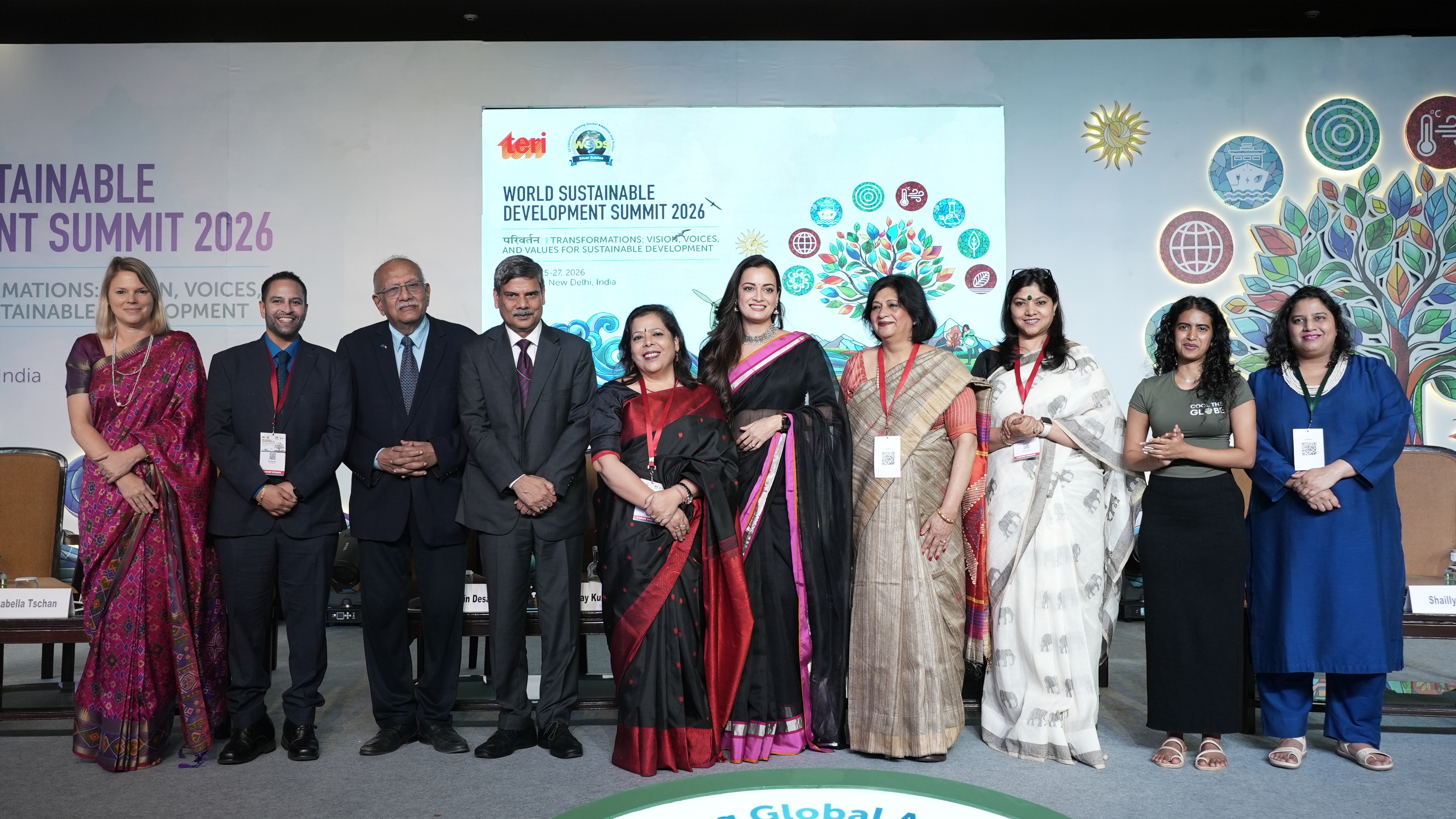
Chandigarh, Mar 02: The final day of the World Sustainable Development Summit (WSDS) 2026, organised by The Energy and Resources Institute (TERI), closed on a powerful note of reflection and renewed commitment, as leaders from government, multilateral institutions, business, and civil society gathered for the Valedictory Session titled, “Reflections, Resurgence, and Resolve for Our Common Future.”

Resolve, Resurgence, Results: TERI’s WSDS 2026 Closes with a Blueprint for the Climate Decade

 Held at the iconic Durbar Hall, the concluding session reinforced WSDS 2026 as a platform that not only convenes global voices but catalyses tangible climate action.

The Valedictory brought together a distinguished line-up of speakers who underscored that the next phase of climate action must be defined by accountability, implementation, and intergenerational leadership.

Mr Tanmay Kumar, Secretary (Environment, Forest and Climate Change), Ministry of Environment, Forest and Climate Change (MoEFCC), Government of India, shared,

“Climate change is no longer a subject of environmental debate alone. It is a defining challenge of development, governance, security, and human well-being. India’s approach is science-anchored and equity-aware, where we align clean energy with livelihood security, embed resilience in rural and urban schemes, and ensure those responsible for emissions are the ones who must change. While the developed world industrialized through high emissions and cleaned up later, India is attempting something far more complex to grow, eradicate poverty, urbanize, industrialize, and decarbonize simultaneously. We refuse to solve yesterday’s poverty by creating tomorrow’s ecological crisis. Our journey with per capita emissions at just ~2 tonnes per year (far below global averages) proves that clean energy is not charity. It is competitiveness driven by economics. We have achieved our 2030 target of 50% non-fossil installed power capacity in June 2025, five years ahead of schedule, with the share now exceeding 51%. We believe the future is not inherited by accident but is secured by intention. Together, with humility, science, and justice, we will secure it.”

Ms Dia Mirza, Goodwill Ambassador, United Nations Environment Programme, said,

“Climate change is not gender neutral. Women and girls experience its impacts most acutely, even as they grow much of the world’s food and sustain families and communities. Yet they remain underrepresented in climate and energy decision-making. Sustainability today is no longer a choice but the foundation of survival, dignity, and peace. Engaging with nature is not a luxury but a necessity for every individual.”

Ms Isabelle Tschan, Deputy Resident Representative, United Nations Development Programme, shared,

“With nearly 65% of India’s population under the age of 35, youth participation and leadership are central to shaping how sustainability is practised across communities and institutions. In this spirit, UNDP is partnering with the Ministry of Environment, Forest and Climate Change, and TERI to launch the Mission LiFE Youth Ambassadors programme”.

Ms Vaishali Nigam Sinha, Co-Founder & Chairperson, Sustainability, ReNew, observed,

“Development and climate are no longer parallel agendas; they are the same agenda. Clean energy is not a nice-to-do; it is an economic imperative. The global South is no longer asking for permission; it is offering solutions. What we commit to matters, but what we do collectively, and between summits, matters even more. This Summit is not a moment; it is a mandate to act.”

Dr Ash Pachauri, Co-Founder and Senior Mentor, POP (Protect Our Planet) Movement,

 “As we come together to mark 25 years of WSDS at the very place where it began, we celebrate not only a remarkable legacy, but a shared responsibility for what lies ahead. This journey has been shaped by vision, wisdom, values, and powerful voices that have built awareness and endurance over the years. Yet, this moment asks a deeper question: what will we do with all that we have learned? Today is not just a celebration of the past; it is the first day of the rest of our lives.”

Ms Prachi Shevgaonkar, Founder, Cool The Globe, shared,

“My journey with the World Sustainable Development Summit began when I was a young student who felt overwhelmed by the scale of climate change and unsure of what one ordinary person could do. I chose to begin with small, practical actions and to make sustainability part of daily life. What started as a personal effort in my dorm room grew into a shared mission, supported by citizens across 150 countries.”

Mr Nitin Desai, Chairman, TERI, said,

“At WSDS, we reaffirm that sustainable development cannot be driven by uniform goals alone. Governments cannot act in isolation; progress requires shared learning among institutions, researchers, businesses, and communities working on the ground. This platform enables the exchange of experiences, builds understanding, and strengthens cooperation.”

Dr Vibha Dhawan, Director General, TERI, said,

“WSDS is about building pathways of opportunity, not merely responding to crisis. In today’s complex world with shrinking resources, partnerships are essential – we cannot reinvent the wheel. We must adapt existing research to our requirements and move forward collaboratively. The outcome of this summit holds perhaps even greater significance than recent global forums.”

Dr Shailly Kedia, Curator, WSDS; Director, TERI, highlighted,

“This year, we broke all records with 2,381 unique participants, 10 plenaries, 14 thematic tracks, and a defining feature Him-CONNECT which showcased not just voices but solutions from the Himalayas, one of the world’s most vulnerable regions. Over these years, we’ve evolved from broad agenda-setting conversations to sharper, solution-oriented engagement”.

The Valedictory featured a series of significant knowledge and youth-led launches. The 18th edition of Vasundhara“Climate Capital” — the student-led sustainability magazine of TERI School of Advanced Studies, was unveiled, spotlighting fresh youth perspectives on climate, environment, and sustainable development. The Summit also marked the release of the Act4Earth Manifesto, reinforcing collective commitments towards accelerated climate action emanating from the Summit. Adding to the intellectual discourse, The Politics of Sustainable Development authored by Mr Nitin Desai, Chairman, TERI, was formally launched. The WSDS 2026 Summit Report was presented by Dr Shailly Kedia, Curator, WSDS, & Director, TERI, which captured key insights and outcomes from the three-day deliberations.

Running parallel through the day, TerraZone, WSDS’s sustainability expo, showcased transformative initiatives by partners and TERI across clean technology, nature-based solutions, and circular economy models.

Him-CONNECT, curated by the Ministry of Environment, Forest and Climate Change, spotlighted Himalayan innovation and resilience, bringing mountain ecosystems and community-led solutions into the global sustainability discourse.

As WSDS 2026 drew to a close, the message was unequivocal: the climate decade demands convergence — of finance and fairness, innovation and inclusion, ambition and accountability.

With renewed resolve and strengthened partnerships, WSDS once again reaffirmed its role as a global platform advancing transformative climate action for a shared and sustainable future.