

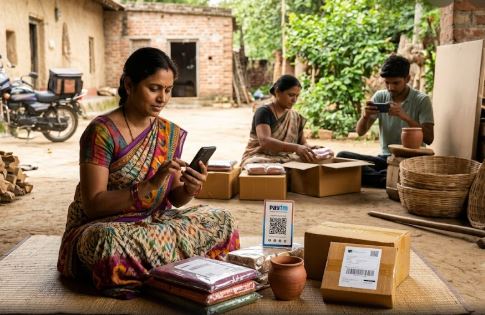
Rural entrepreneurship is entering a new phase as digital technology changes how small businesses find customers and generate revenue. Business growth no longer depends entirely on the size of a local market or the availability of a nearby retail outlet. With digital marketplaces, rural entrepreneurs can present their products to a wider audience, respond to changing consumer demand and explore opportunities beyond their immediate surroundings.
This shift is creating fresh possibilities for small producers, independent sellers and traditional businesses. By reducing some of the barriers associated with distance and distribution, digital commerce is helping rural enterprises become more connected to India’s expanding online economy.
Digital Marketplaces Expand Business Reach
Access to customers has traditionally been one of the biggest challenges for rural businesses. Limited distribution networks, transportation expenses and dependence on intermediaries can restrict sales and make expansion difficult.
Digital marketplaces offer an alternative by allowing businesses to display their products online and connect with customers across different regions. Greater visibility can help entrepreneurs explore new markets, attract repeat buyers and build recognition for their products.
For small enterprises, this wider reach can create opportunities to increase sales without immediately investing in physical stores. However, success depends on more than simply listing products. Competitive pricing, product quality, clear descriptions and timely delivery remain essential to building customer confidence.
New Possibilities for Business Growth and Profitability
Digital commerce gives rural entrepreneurs additional control over how they promote and sell their products. Direct interaction with customers can provide useful feedback, helping businesses understand preferences and improve their offerings.
Selling through online channels may also reduce reliance on traditional intermediaries. Yet higher sales do not automatically translate into higher profits. Platform charges, shipping, packaging, returns and promotional expenses must be considered when setting prices and planning expansion.
Entrepreneurs who track these costs carefully can make better decisions about which products to sell, how much inventory to maintain and where to focus their marketing efforts.
Strengthening Women-Led and Small Enterprises
Digital marketplaces can help rural women and small business owners reach customers without the need for a large retail presence. This can make it easier to explore entrepreneurship, develop independent income streams and build business confidence.
Online selling also encourages the development of practical skills, including digital communication, product presentation, order management and customer service. These capabilities can strengthen day-to-day operations and prepare small enterprises for future growth.
With appropriate training and access to technology, rural entrepreneurs can use digital platforms to build more organised businesses while retaining the local knowledge and skills that distinguish their products.
Digital Payments Support Better Financial Management
The growth of digital commerce is closely linked to the adoption of electronic payments. Receiving payments digitally can make transactions more convenient and help entrepreneurs maintain clearer records of their sales and cash flow.
Consistent financial records can support better budgeting, inventory planning and business decisions. They may also help eligible entrepreneurs demonstrate their financial activity when applying for formal credit, subject to lenders’ requirements.
For businesses moving from informal sales towards more structured operations, digital payments and basic bookkeeping can be important steps towards long-term financial stability.
Employment Opportunities Beyond Online Selling
Digital marketplaces create demand for a wider range of services that support online business operations. Product photography, catalogue management, packaging, inventory handling, digital marketing and delivery coordination can provide additional work in rural and semi-urban communities.
These activities can help local workers develop useful skills and participate in the growing digital economy. As more rural enterprises adopt online sales, opportunities may also emerge for service providers who help businesses manage technology, logistics and customer communication.
Overcoming the Barriers to Digital Growth
Despite the opportunities, rural entrepreneurs may face challenges such as limited digital literacy, unreliable internet access, costly deliveries and difficulty meeting online marketplace requirements. Strong competition can also make it harder for new sellers to attract customers.
Addressing these issues requires more than access to a selling platform. Practical training, affordable digital tools, dependable logistics and greater awareness of online business practices can help entrepreneurs participate more effectively.
Small businesses must also understand platform policies, protect customer information and maintain consistent product standards. Building trust and delivering a dependable customer experience are crucial to achieving repeat sales and sustainable growth.
Digital Commerce Can Shape the Next Phase of Rural Entrepreneurship
The future of rural entrepreneurship will depend increasingly on the ability of small businesses to combine local strengths with digital capabilities. Marketplaces can help entrepreneurs reach new customers, understand demand and create additional income opportunities, but lasting success requires sound financial planning, reliable service and a clear understanding of customer needs.
As digital access and business skills improve, rural enterprises can become more competitive and better connected to wider markets. The opportunity extends beyond online sales: it lies in building stronger local businesses, developing new skills and creating economic activity that supports rural communities over the long term.

