

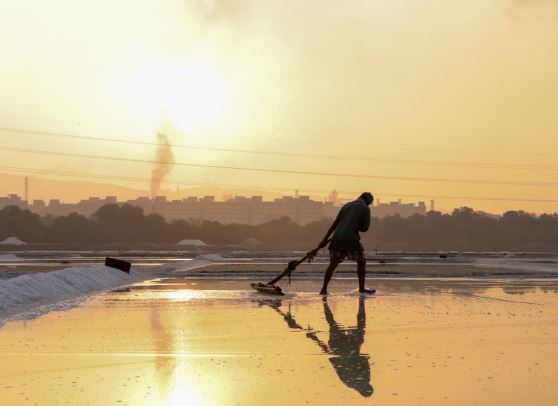
Extreme heat is emerging as a major economic challenge for India, affecting everything from workers’ daily earnings and business productivity to household expenses and public health. As heatwaves become a recurring concern, the cost of rising temperatures is extending far beyond the environment, raising important questions about livelihoods, affordability and the country’s long-term economic resilience.
For a construction worker, a hotter afternoon can mean fewer hours on the job and a smaller daily wage. For a street vendor, it can mean fewer customers during peak heat. Farmers may face pressure to protect crops and livestock, while businesses must manage higher electricity bills, workplace disruptions and delivery delays. These individual challenges are adding up to a wider economic concern that India can no longer afford to treat as a seasonal problem.
The burden of extreme heat, however, is not shared equally. Households with air conditioning, secure incomes and access to healthcare are better positioned to cope. Daily-wage workers, small traders, migrant labourers and low-income families often have fewer options, even when their health and earnings are directly at risk.
The Hidden Economic Cost of Rising Temperatures
Extreme heat acts like an invisible tax on the economy. It reduces working hours, affects productivity, increases healthcare expenses and places additional pressure on electricity and water supplies. Some estimates suggest that heat-related losses in India could amount to around 2% of GDP annually, although estimates vary depending on the period and methodology used.
The economic impact is particularly significant in sectors that depend on physical labour. Agriculture, construction, manufacturing, transportation and logistics all face risks when temperatures rise beyond comfortable or safe working levels. Workers may need more frequent breaks, outdoor tasks may have to be rescheduled, and equipment can become harder to operate under intense heat.
These disruptions can affect entire supply chains. Delays in construction projects can increase costs, while interruptions to transport and agricultural operations can affect the movement of goods. Businesses may also spend more on cooling, electricity and workplace safety, putting additional pressure on operating margins.
Consumers can feel the consequences as well. Heat-related crop losses and supply disruptions may put upward pressure on food prices, while higher cooling requirements can increase household electricity bills. The result is a chain reaction in which an environmental challenge becomes a question of income, business costs and purchasing power.
Daily-Wage Workers Face the Sharpest Financial Blow
For India’s large informal workforce, the economic consequences of extreme heat can be immediate. Many workers earn according to the hours they work or the tasks they complete. When high temperatures make outdoor work unsafe, reducing working hours can mean losing income on the same day.
Construction workers, agricultural labourers, delivery personnel, street vendors and small workshop employees often have limited control over their schedules. Some may continue working despite dangerous conditions because missing a day’s earnings could affect their ability to pay rent, purchase food or meet loan repayments.
This creates a difficult choice between protecting health and maintaining financial stability. Prolonged exposure to high temperatures can cause dehydration, exhaustion and reduced concentration, increasing the risk of illness and workplace accidents. Yet access to paid leave, insurance and reliable income support remains limited for many informal workers.
The consequences can extend beyond the individual. When household earnings fall, families may cut discretionary purchases, postpone essential spending or borrow money to cover routine expenses. This weakens local consumption, which is an important source of revenue for neighbourhood shops, small businesses and service providers.
Protecting workers from extreme heat is therefore not simply a matter of occupational safety. It is also essential to preserving household incomes and sustaining economic activity.
Women and Migrant Workers Need Greater Protection
The effects of extreme heat can be particularly difficult for women working in agriculture, informal services and home-based occupations. Alongside paid work, many also carry significant household responsibilities, including cooking, caring for children and collecting water. When homes remain hot and access to cooling is limited, the combined burden can become more difficult to manage.
Migrant workers also face substantial challenges. Crowded accommodation, heat-absorbing roofs, inadequate ventilation and limited access to healthcare can make recovery from a hot working day difficult. High nighttime temperatures can disrupt sleep, leaving workers tired and less able to work safely the following day.
These conditions highlight the connection between workplace safety and affordable housing. Heat resilience cannot be achieved through weather alerts alone. Workers also need safe accommodation, clean drinking water, shaded rest areas and access to medical assistance.
For employers, providing these basic protections can help reduce illness, absenteeism and disruptions. For governments, improving housing and public infrastructure can strengthen worker welfare while supporting productivity.
Healthcare Costs Add to Household Pressure
Heatwaves also place additional demands on healthcare systems. Dehydration, heat exhaustion and heatstroke can require urgent treatment, while prolonged exposure to extreme temperatures may aggravate existing health problems.
For low-income families, the financial consequences can be severe. Medical bills, travel expenses and lost working days can quickly strain a household budget. If the main income earner becomes ill, the family may face a double burden: higher expenses and lower earnings.
Prevention can help reduce these avoidable costs. Timely weather warnings, public awareness campaigns, accessible drinking-water points and shaded rest facilities can help people respond before heat exposure becomes dangerous. Healthcare centres also need the capacity to identify and treat heat-related illnesses, particularly during prolonged heatwaves.
Employers have a role to play by adjusting work schedules, providing regular breaks and ensuring that workers can access water and first aid. Such measures can protect lives while reducing the financial consequences of preventable illness.
Indian Cities Must Adapt to a Hotter Future
Urban development will play a major role in determining how severely communities experience rising temperatures. Concrete surfaces, dense construction and limited tree cover can cause neighbourhoods to retain heat, while buildings and roads may continue releasing stored heat after sunset.
For families living in poorly ventilated homes, the absence of affordable cooling can make it difficult to rest, study or work comfortably. Children may struggle to concentrate, older residents may face greater health risks, and working adults may begin the next day without adequate recovery.
Cities can reduce these pressures through better planning and building design. Expanding tree cover, protecting water bodies, improving ventilation and creating shaded pedestrian routes can help reduce exposure. Cool roofs and heat-reflective construction materials can also improve indoor comfort when properly designed and installed.
Public cooling spaces, drinking-water facilities and shaded rest points are particularly important near markets, transport hubs, construction sites and densely populated settlements.
Such investments can produce economic benefits beyond immediate heat protection. More comfortable streets can support local commerce, while energy-efficient buildings can reduce cooling demand and help households manage electricity costs.
Why Heat Resilience Makes Business Sense
For Indian businesses, extreme heat is increasingly an operational risk rather than a problem confined to the summer months. High temperatures can affect employee safety, machinery, storage facilities, delivery schedules and energy consumption. Companies that fail to prepare may face higher expenses and lower productivity.
Practical changes can make a meaningful difference. Businesses can schedule physically demanding work during cooler hours, improve workplace ventilation, provide drinking water and introduce suitable rest breaks. Factories, warehouses and commercial buildings can also review insulation, shading and cooling systems to reduce heat exposure.
Small businesses require particular attention. Street vendors, workshops, transport operators and neighbourhood enterprises often operate with limited financial reserves. Investing in cooling equipment, modifying premises or absorbing temporary income losses can be difficult without affordable finance or public support.
This creates an opportunity for targeted assistance through accessible loans, technical guidance and improvements to public infrastructure. Helping smaller enterprises prepare for heat can protect local employment and reduce the risk that climate-related costs widen the gap between large companies and small businesses.
At the same time, adaptation can create new commercial opportunities. Demand for energy-efficient cooling systems, improved building materials, water-management technologies and climate-resilient infrastructure could support innovation and employment. The challenge is to make these solutions affordable and accessible, rather than allowing the benefits of adaptation to remain concentrated among wealthier households and larger companies.
From Heat Alerts to Practical Economic Protection
India has strengthened heat preparedness through weather warnings, public-awareness campaigns and local heat action plans. However, the effectiveness of these measures depends on whether people have the resources to act on the information they receive.
A worker who cannot afford to lose a day’s income may continue working despite a heat warning. A household without reliable electricity may be unable to keep indoor temperatures manageable. A small business may understand the risks but lack the money to improve its premises.
Closing these gaps requires a coordinated response involving governments, employers, healthcare providers and local communities. Heat action plans should connect weather forecasting with workplace safety, healthcare access, water availability, housing improvements and urban planning.
Authorities can prioritise shaded public spaces, accessible drinking water, cooling facilities and green infrastructure in areas where exposure is highest. Clear workplace safety requirements and appropriate rest arrangements can help reduce risks for outdoor and labour-intensive workers.
Income protection also deserves attention. Carefully designed emergency assistance or insurance arrangements could help vulnerable workers manage periods of severe heat when earnings are disrupted. Such programmes would need reliable funding, transparent eligibility rules and effective delivery to reach those who need support most.
Building an Economy That Can Withstand Extreme Heat
India’s economic ambitions depend on a productive workforce, reliable infrastructure and resilient businesses. As extreme heat becomes a more persistent challenge, the ability to protect workers and maintain economic activity will become increasingly important.
The response cannot rely on emergency measures alone. Safer workplaces, better housing, energy-efficient buildings, accessible healthcare and climate-sensitive urban planning must become part of long-term development.
The cost of preparation may appear substantial, particularly for cash-strapped local authorities and small enterprises. However, failing to prepare can bring its own expenses through lost earnings, lower productivity, higher medical costs and repeated disruptions to business operations.
Ultimately, extreme heat is not only an environmental issue. It is a question of economic security and fairness. The people who keep India’s farms, construction sites, markets, factories and delivery networks running should not be left to bear the greatest cost of a hotter climate.
India’s success in managing extreme heat will depend not just on the accuracy of its forecasts, but on whether workers can earn safely, businesses can remain productive and families can protect their health without sacrificing their financial stability.

