

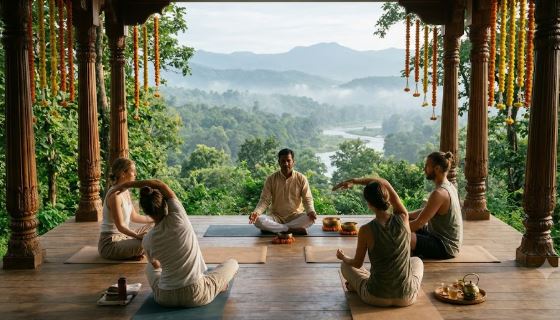
India’s tourism industry is entering a new phase as travellers increasingly look for holidays that offer more than sightseeing and comfortable accommodation. From Ayurveda retreats and yoga programmes to meditation stays and nature-based experiences, wellness tourism is gaining attention among people seeking a slower, more refreshing way to travel.
India’s wellness tourism market is estimated at USD 30.95 billion in 2026 and is projected to reach USD 43.76 billion by 2031. This growth presents an opportunity for the hospitality industry to tap into changing consumer preferences while creating new sources of income for hotels, resorts, wellness centres and local businesses.
With its rich wellness heritage, diverse landscapes and regional traditions, India has the potential to build a distinctive tourism offering. The real opportunity lies in turning these natural and cultural advantages into meaningful experiences that travellers value and businesses can sustain.
Changing Travel Preferences Are Driving Demand
The meaning of a holiday is changing for many travellers. Busy work schedules, urban lifestyles and constant digital connectivity have increased interest in experiences that offer time to relax, reconnect with nature and step away from everyday routines.
This shift is creating demand for yoga retreats, meditation sessions, wellness-oriented accommodation and holidays centred on outdoor activities. Travellers are also showing interest in local food, traditional practices and experiences that allow them to understand a destination beyond its popular attractions.
For tourism businesses, these preferences create opportunities to develop more personalised services. A hotel can offer guided nature walks, yoga sessions and regional meals alongside its regular accommodation packages. A smaller resort can attract visitors through weekend retreats, farm stays or cultural experiences.
Such offerings can help businesses stand out in a competitive market. By giving visitors more reasons to stay longer and explore local experiences, operators can create additional revenue streams while building lasting customer relationships.
India’s Traditional Wellness Heritage Offers a Unique Advantage
India’s long association with yoga, Ayurveda and meditation gives it a distinctive position in the global wellness tourism market. Combined with its varied landscapes and cultural traditions, this heritage provides a foundation for experiences that appeal to both domestic and international visitors.
Kerala has built a strong identity around Ayurveda-oriented retreats, while Rishikesh attracts travellers interested in yoga, meditation and spiritual experiences. Uttarakhand, Karnataka and Rajasthan also offer opportunities to combine wellness activities with nature, heritage and regional hospitality.
The potential extends beyond established tourist destinations. Smaller towns and rural communities can develop experiences around traditional cuisine, local crafts, agricultural activities and outdoor recreation. With suitable training and investment, these services can help local entrepreneurs reach new customers and create additional employment.
However, cultural heritage alone cannot guarantee success. Travellers increasingly expect professional service, qualified practitioners and clear information about what a programme includes. Businesses that combine authentic experiences with reliable standards are better placed to earn customer trust and encourage repeat visits.
Wellness Tourism Opens New Revenue Streams for Hotels
For hotels and resorts, wellness tourism offers an opportunity to expand beyond conventional room bookings and food services. Yoga classes, spa treatments, fitness programmes, wellness-focused menus and curated local activities can provide additional sources of income.
Larger hotels may invest in dedicated wellness facilities, while boutique properties can build their offerings around peaceful surroundings, personalised service and local traditions. Not every business needs an expensive spa to enter this market.
For example, a resort could introduce morning yoga, guided walks, healthy regional meals and sessions with qualified local practitioners. These services can make a stay more attractive without requiring a complete change to the property’s existing business model.
The financial benefits, however, depend on careful planning. Businesses must consider staffing, training, operating expenses, seasonal demand and the willingness of customers to pay for additional services. A well-designed offering that matches the needs of its target audience is more likely to deliver lasting value than a wellness package introduced simply to follow a trend.
Digital Detox and Nature-Based Holidays Gain Ground
As smartphones and digital platforms occupy more of people’s daily lives, some travellers are seeking opportunities to disconnect and spend time outdoors. Digital-detox retreats, forest stays and slow-travel experiences respond to this preference by encouraging visitors to enjoy quieter surroundings and a less hurried schedule.
For smaller tourism operators, these experiences can provide a way to compete without matching the facilities of large luxury hotels. Properties with access to suitable natural surroundings can develop packages featuring walking trails, local cuisine, outdoor activities and optional periods away from digital devices.
These experiences can also bring economic opportunities to lesser-known destinations. Yet growth needs to be managed responsibly. An increase in visitor numbers can put pressure on water supplies, waste management and sensitive natural environments. Protecting these resources is essential to maintaining the very qualities that attract visitors.
Local Businesses Can Share in the Benefits
The economic impact of wellness tourism extends well beyond hotels and retreat centres. Visitors create demand for transport, food, accommodation, local guides, handicrafts and agricultural produce, allowing smaller enterprises to participate in the tourism supply chain.
A retreat that purchases vegetables from nearby farms, hires local residents and works with regional practitioners can help direct more visitor spending into the surrounding community. Local artisans and food producers may also find new customers when their products and traditions become part of the visitor experience.
This creates opportunities for small businesses, independent service providers and women-led enterprises, particularly in rural areas where tourism can provide an additional source of income.
For these benefits to last, local communities need to be involved in business planning and decision-making. Fair payments, reliable partnerships and access to training can help ensure that tourism growth creates meaningful opportunities rather than concentrating its gains among a few large operators.
International Travellers Present Further Opportunities
India’s established wellness traditions can appeal to international visitors looking for yoga, meditation and Ayurveda-based experiences. By combining these traditions with comfortable accommodation, clear communication and professional service, Indian destinations can strengthen their position in the wellness travel market.
However, international competitiveness requires more than cultural appeal. Visitors need transparent pricing, dependable booking arrangements, trained staff and consistent service quality. Businesses must also communicate clearly about the services they provide and avoid making unsupported claims about health benefits.
Building confidence through professional standards can help operators attract overseas customers, improve word-of-mouth recommendations and develop a more dependable source of demand.
The Future of Wellness Tourism in India
India’s wellness tourism opportunity is not simply about building more retreats or adding spa services to hotels. It is about understanding why people travel, what they value during their stay and how those expectations can support viable businesses and local livelihoods.
The market’s projected growth offers encouragement, but long-term success will depend on the quality of the experiences being created. Hotels will need to offer genuine value, entrepreneurs will need to understand their customers, and destinations will need to protect their natural and cultural assets. Local communities must also have a meaningful share in the opportunities tourism creates.
**For India, the strongest opportunit

