Timex Elevates the Runway: Mysore Fashion Week Lights Up the City with Leading Designers and Celebrity Showstoppers

Business Wire India

Mysore witnessed three days of high fashion, celebrity glamour and design excellence as Timex Presents Mysore Fashion Week (MFW) Season 8 concluded in spectacular style from March 13 to 15, 2026, at the picturesque Silent Shores Resort, Spa & Convention Centre.

Timex helmed the fashion week as the Title Sponsor, celebrating the synergy between fashion and watchmaking. The runway came alive with over 15 designers showcasing their latest collections across three days, where Timex watches were reimagined beyond the wrist, incorporated into the styling as distinctive design elements within the garments and accessories.

“We are delighted to come on board as the Title Sponsor of Mysore Fashion Week Season 8 and place Timex at the center of a platform that celebrates creativity and craftsmanship. This association reflects our commitment to being an active part of India’s evolving fashion narrative. Today, a watch is more than an accessory; it defines personal style, and Timex is proud to see watches take their place as bold style statements. Through this partnership, we aim to inspire confident self‑expression by seamlessly blending timeless design with contemporary aesthetics,” said Mr. Deepak Chhabra, Managing Director, Timex Group India.

Day One concluded with the grand finale collaboration between Timex and designer Gagan Kumar, who presented a dreamy palette of white and ivory accented with pearls. The collection blended Indo-western ensembles with contemporary silhouettes, exuding elegance. Timex watches were seamlessly woven into the styling, emerging as a striking design element on the runway. Actor Archana Gautam brought star power to the showcase as the showstopper, elevating the finale with her commanding runway presence.

The mood witnessed a bold shift on Day Two with the Rehan Shah x Timex collaboration, unveiling an edgy and contemporary collection featuring sharp cuts, statement jumpsuits and modern silhouettes. Actor Ritu Shivpuri lit up the runway as the showstopper, adding a dramatic flourish to the high-energy showcase, with a striking showcase of Timex watches integrated into the styling narrative.

Day Three celebrated tailored sophistication and heritage craftsmanship. Bengaluru-based designer Pankaj Soni presented Timex watches alongside a sharply tailored collection of suits and blazers in tones of black, beige and white, highlighting understated sophistication and modern tailoring. Jayanthi Ballal showcased an opulent mood board of luxurious silks and elegant sarees reflecting the richness of Indian craftsmanship. Actor Aditi Pohankar took center stage as the showstopper, embodying the timeless elegance of the collection. Each look was thoughtfully styled with Timex watches, reinforcing the timepieces as a central style statement on the runway.

Speaking about the success of the event, Jayanthi Ballal, Founder of Mysore Fashion Week, said, “Mysore Fashion Week continues to grow as a vibrant platform that celebrates creativity, craftsmanship, and emerging talent. Season 8 brought together designers with unique voices, inspiring collections, and incredible energy from the audience. It is rewarding to see Mysore steadily evolving into a destination for fashion, design, and cultural expression.”

The event featured collection showcase from other celebrated designers, including Rosy Ahluwalia, Riyaz Ganji, Aynaa Worrld, Suresh Menon, Bhargavi Kunam, and Kingshuk Bhadhuri alongside showcases by emerging design talent. Over the three days, the runway was further elevated by the presence of celebrity showstoppers, including Actors Mannara Chopra, Anupriya Goenka, Vatsal Sheth, and Ishita Dutta, creating a visually captivating fashion spectacle for guests, designers, and industry insiders alike.

With its seamless blend of couture, celebrity presence and brand experiences, Timex Presents Mysore Fashion Week Season 8 once again celebrated creativity while spotlighting the city of Mysore, with Timex timepieces ensuring that every moment on the runway was truly timeless.

Nestavia Home Finance Launches NestCFirst, A Customer-First Digital Housing Loan Mobile Application to Transform Housing Loan Servicing Nationwide

Chennai, Mar 20th:  On the auspicious occasion of Ugadi, the fledgling Home Finance Company, Nestavia Home Finance Private Limited, unveiled its new-age Customerfirst Mobile Application, ‘NestCFirst’. Designed to simplify and streamline loan servicing, the unified platform brings together critical loan functions into a single, digital interface, enabling borrowers to track, access, and manage their critical loan information and service requests, without waiting periods or charges.

Nestavia envisions a world where every individual and family has a place to call home. The launch of NestCFirst marks a significant step in this journey, combining customerfirst design with a robust, technology-driven backbone to simplify loan servicing and enhance transparency, speed, and convenience.

Speaking on the launch, Mr Suchindran VG, MD & CEO of Nestavia Home Finance Private Limited, said, “Ugadi symbolizes new beginnings and prosperity, and we are delighted to launch NestCFirst on this special occasion. At, Nestavia, this is a big step for us in enhancing customer experience and delivering quality services with Customer First Approach”

A key differentiator of NestCFirst lies in its ability to provide customers with instant, self-service access to all loan-related documents, including loan agreements, sanction letters, repayment schedules, insurance policies, tax certificates, statements of account, and even original property documents, without waiting periods or charges. This significantly enhances transparency while placing greater control directly in the hands of the borrower. The platform also offers real-time visibility into tranche disbursements, EMI schedules, transaction history, and service request tracking. Customers can seamlessly initiate requests for subsequent disbursements, top-up loans, and support services, including grievance redressal, through a unified interface. Additionally, the platform enables users to refer friends and family for new loans, further extending its functionality beyond servicing into engagement.

Mr Ravi Kumar Jayanthi, CTO of Nestavia, said, “The application has been built with a user-friendly interface and robust security features to ensure a safe, seamless digital experience for our customers. We are pleased to have partnered with Novac Technology Solutions to bring this to life.”

Developed by Novac Technology Solutions, NestCFirst integrates core servicing capabilities within a secure and scalable ecosystem. The application enables borrowers to instantly access loan information, repayment status, service requests, and critical documentation without delays, eliminating the need for multiple touchpoints, or manual requests. 

Speaking on the collaboration, Mr N S Nandakishore, Managing Director & CEO, Novac Technology Solutions said, Housing finance in India is at a pivotal point where customer expectations are shifting rapidly toward real-time, self-service experiences. Platforms today need to go beyond digitisation and enable true accessibility, transparency, and speed at scale. We have worked closely with Nestavia to translate this vision into a robust, customer-centric solution. “

With operations across Tamil Nadu, Andhra Pradesh, and Telangana, Nestavia is making home ownership increasingly accessible and convenient for borrowers. With this app, Nestavia demonstrates how strategic partnerships and innovative digital solutions can transform housing finance, giving millions of borrowers greater control and confidence over their loan experience.

Mrida serves summer gently with ‘Scoop Of Summer 2026’ collection

Mumbai, Mar 20: Mrida, a premium handloom saree label, has announced the launch of its Spring/Summer 2026 collection titled ‘Scoop Of Summer’, a thoughtfully curated range of pure linen sarees inspired by the softer, more mindful side of the season.

Rooted in the philosophy of slow craft and everyday elegance, the collection reimagines summer dressing through breathable fabrics, artisanal detailing, and playful hand block prints. Each saree is handwoven and dyed in Bhagalpur, a region renowned for its expertise in linen weaving, using 100% pure linen that becomes softer over time while retaining its natural texture and character.

The collection showcases exclusive in-house developed hand block prints, featuring motifs such as florals, fruits, birds, stripes, and checks. These designs are brought to life in a soothing palette of pista green, periwinkle blue, mint, peach, cream, and citrus-toned pinks, striking a balance between vibrancy and subtlety.

Adding to the tactile appeal, each saree is finished with handcrafted embellishments including lace borders, crochet trims, tassels, pom-poms, and delicate bead accents. The meticulous process—from weaving and dyeing to printing and finishing—takes approximately 10 to 15 days per piece, reflecting the brand’s commitment to craftsmanship and detail.

Commenting on the launch, Shriya Nagi said,

“Scoop Of Summer is our ode to slower days and softer dressing. We wanted to explore linen as a breathable, living textile and pair it with motifs that feel joyful yet grounded. These sarees are designed to be lived in, whether at work, at home, or during unhurried summer afternoons.”

Moving beyond occasion-led fashion, the collection positions sarees as an integral part of everyday wardrobe choices—lightweight, versatile, and easy to wear. With Scoop Of Summer, Mrida invites consumers to embrace comfort, craftsmanship, and quiet elegance, celebrating the season with effortless style and mindful living.

NITI Aayog Plans INR 7,500 Crore Push to Boost India’s Sports Goods Industry

India is preparing for a major industrial upgrade in its sports goods and equipment sector, with NITI Aayog proposing ₹7,500 crore in structural reforms and fiscal incentives for the period 2027–2031. The initiative aims to position India as a globally competitive hub for sports manufacturing while significantly boosting exports, employment, and innovation.

This ambitious roadmap is built around a seven-pronged strategy designed to strengthen production capacity, modernise infrastructure, and integrate Indian manufacturers into global supply chains.

India’s Sports Manufacturing Sector Set for Major Expansion

The sports goods industry in India has traditionally been driven by small and medium enterprises, but global demand for fitness equipment, sportswear, and performance gear is rising rapidly. Recognising this opportunity, the proposed policy framework focuses on scaling up domestic manufacturing capabilities.

The goal is clear: transform India from a cost-based supplier into a quality-driven global exporter of sports equipment.

Key Objectives of the ₹7,500 Crore Reform Plan

The proposed strategy focuses on long-term structural transformation rather than short-term subsidies. Key priorities include:

  • Expansion of modern manufacturing clusters

  • Technology upgradation in production units

  • Improved testing, certification, and quality standards

  • Better logistics and supply chain efficiency

  • Incentives to attract private and foreign investment

  • Strengthening export-oriented production systems

These reforms are designed to improve efficiency, reduce costs, and enhance global competitiveness.

Boosting Exports and Global Market Share

A major focus of the initiative is to increase India’s presence in the global sports goods market. Currently, India holds a relatively small share despite strong domestic manufacturing potential.

The policy aims to:

  • Increase exports of sports equipment and fitness products

  • Improve international quality compliance standards

  • Promote “Made in India” branding in global markets

  • Strengthen trade competitiveness against established exporters

If successfully implemented, India could emerge as a key alternative manufacturing hub for global sports brands.

MSMEs at the Core of Growth Strategy

Micro, small, and medium enterprises form the backbone of India’s sports manufacturing ecosystem. The reform plan places strong emphasis on supporting MSMEs through:

  • Easier access to credit and incentives

  • Skill development and workforce training

  • Cluster-based industrial development

  • Integration into global value chains

This is expected to create large-scale employment opportunities, especially in traditional manufacturing regions.

Economic and Employment Impact

The sports goods sector has the potential to become a high-employment industry, particularly for semi-skilled and skilled workers. The proposed reforms are expected to:

  • Generate new manufacturing jobs

  • Strengthen export-linked income opportunities

  • Encourage entrepreneurship in small-scale industries

  • Support regional industrial development

States with existing manufacturing clusters are likely to benefit significantly from this growth push.

Conclusion

NITI Aayog’s proposed ₹7,500 crore reform package marks a strategic step toward transforming India’s sports goods industry into a globally competitive manufacturing powerhouse. By combining infrastructure development, export promotion, and MSME support, the initiative aims to unlock long-term growth potential in a sector with rising global demand.

If implemented effectively, this vision could place India firmly on the global map as a leading exporter of sports goods and equipment by the end of the decade.

PUMA Reveals Its Most Powerful International Football Kit Lineup yet on the Streets of New York City

Business Wire India

Reinforcing its status as a leading force in football kits at this summer’s competition, PUMA unveiled jerseys for 11 nations, including the most prominent African partner federations of any brand in the tournament, in a community-first celebration of football, music, and culture in New York City


Global sports company PUMA unveiled its new national team kits for 11 nations with a street-level event at Domino Square in New York City, that placed football, music, food, and culture at the center stage in a celebration of the game. Rather than launching in a stadium setting or in a cinematic brand film, PUMA chose to reveal the kits in play, worn first by local community players from each nation on the streets of New York.


This press release features multimedia. View the full release here: https://www.businesswire.com/news/home/20260320641449/en/


Reinforcing its status as a leading force in football kits at this summer’s competition, PUMA unveiled jerseys for 11 nations, including the most prominent African partner federations of any brand in the tournament, in a community-first celebration of football, music, and culture in New York City.

Reinforcing its status as a leading force in football kits at this summer’s competition, PUMA unveiled jerseys for 11 nations, including the most prominent African partner federations of any brand in the tournament, in a community-first celebration of football, music, and culture in New York City.


Four continents are united under 11 nations: Portugal, Morocco, Ghana, Paraguay, Senegal, Côte d’Ivoire, Czech Republic, Switzerland, New Zealand, Austria, and Egypt. This confirms PUMA’s position as a leading force in international football, dressing close to a quarter of all nations heading into this summer’s biggest competition, with the most prominent African teams of any kit brand in the sport.


“We wanted to connect with the fan communities by showing up in the places and moments that matter to them. This event was built on that belief, offering local football players the chance to experience these fresh new kits in action before anyone else: on their own city pitch,”said Nadia Kokni, PUMA Vice President Global Brand Marketing.

The event, centered around a series of custom-designed trucks, each represented one of PUMA’s 11 nations through visual identity, local food, music, and cultural artefacts — several brought to life by artists from the communities themselves. Fans could see and wear the national jerseys before anyone else, with the kits revealed for the first time on the city’s pitch through a structured 4v4 tournament, facilitated by NYC Footy.


Football legends Ricardo Quaresma (Portugal), Asamoah Gyan (Ghana), and El Hadji Diouf (Senegal) were present as representatives of their nations, connecting generations of the sport.


A live music corner powered the pulse of the event, soundtracking the action from start to finish, featuring a DJ lineup representing several of the nations and a live performance by acclaimed Ghanaian artist Black Sherif. Social media streamer Fanum and the Daily Paper collective (Jefferson & Abde) also joined as special guests.


“The culture of Football is what drives us, and this collection reflects that commitment. Equipping nations across four continents, with close to a quarter of all nations heading into this summer’s biggest competition wearing PUMA, we’re showing up at football’s biggest moment, reinforcing PUMA’s position as one of the leading brands in international football. Combining cutting-edge performance innovation with cultural identity, this collection unites technical excellence and the spirit that brings nations together on the world’s biggest stage,” said Dominique Gathier, PUMA Vice President Teamsport.


With up to 11 nations potentially wearing PUMA on the international stage this summer, the company goes into this summer’s tournament strongly. PUMA’s African partner federations, featuring Ghana, Senegal, Côte d’Ivoire, Morocco, and Egypt, is the most prominent in the upcoming tournament, whilst Portugal, widely considered to have one of its best teams ever assembled, is amongst the favourite European nations.


PUMA has dressed football legends including Pelé, Eusébio, Maradona, Cruyff, and Matthäus, and that rich archive heritage is woven into the DNA of every kit unveiled at the event.


The 2026 collection will be available from March 24th and this event marks the first public look at PUMA’s full national team kit range, featuring the brand’s innovative ULTRAWEAVE technology and dryCELL sweat-wicking fabric across all jerseys. Replica jerseys are produced using PUMA’s RE:FIBRE initiative, reflecting the brand’s commitment to responsible product innovation.


Full product and innovation details will be available in a dedicated product press release on March 24th.


Visual content from the event: LINK

For more information, please visit: https://mediahub.puma.com


PUMA


PUMA is one of the world’s leading sports brands, designing, developing, and selling footwear, apparel and accessories. Founded in 1948, PUMA helps the world’s best athletes and teams perform at their best with its innovative products. Known for its iconic cat logo and the Formstrip, the company offers performance products in categories such as Football, Running and Training. Its Sportstyle collections are rooted in sports and inspire consumers by celebrating sports culture. With its long history and strong heritage, PUMA is proud of having one of the strongest archives in the industry, with many iconic products such as the Suede and the Speedcat. The PUMA Group owns the brands PUMA, Cobra Golf and stichd. The company distributes its products in over 120 countries, employs more than 20,000 people and is headquartered in Herzogenaurach/Germany. For more information, please visit https://about.puma.com.


View source version on businesswire.com: https://www.businesswire.com/news/home/20260320641449/en/

BLR Airport Named ‘Best Regional Airport in India & South Asia’ for Third Consecutive Year at Skytrax Awards 2026

Bengaluru, Mar 20: Kempegowda International Airport Bengaluru (BLR Airport) has once again been recognised as the ‘Best Regional Airport in India & South Asia’ at the Skytrax World Airport Awards 2026, marking its third consecutive win and reinforcing its position as a leading aviation hub in the region.

BLR Airport Named ‘Best Regional Airport in India & South Asia’ for Third Consecutive Year at Skytrax Awards 2026

 Further strengthening its global standing, BLR Airport has climbed the global airport rankings from 48 to 41 in 2026, securing its place among the world’s top 50 airports. This achievement reflects the airport’s continued focus on delivering a world-class passenger experience and operational excellence.

Widely regarded as a benchmark for airport quality, the Skytrax World Airport Awards recognise excellence across key passenger touchpoints, including check-in, arrivals, transfers, retail, security, immigration, and departures. BLR Airport’s consistent performance across these areas has contributed to its sustained recognition on the global stage.

The airport has also earned multiple global accolades in recent years, including being named ‘Best Airport in Arrivals Globally’ for the fourth time. Terminal 2 at BLR Airport became the first in India to receive a 5-star Skytrax rating. Additionally, the airport has achieved the highest Level 5 Accreditation under ACI’s Airport Carbon Accreditation programme and Level 3 Accessibility Accreditation, highlighting its leadership in sustainability, inclusivity, and customer experience.

Commenting on the achievement, Hari Marar, Managing Director & CEO of Bangalore International Airport Limited (BIAL), said,

“Our continued recognition at the Skytrax World Airport Awards reflects the strength of our long-term vision and consistent focus on passenger experience. It is a testament to the collective effort of our teams and partners who continue to push the boundaries of what a modern airport experience can be. As we scale and strengthen our position as a key transfer hub in the region, we remain committed to continuously raising the bar on service and experience.”

Edward Plaisted, CEO of Skytrax, added,

“Winning this award for a third consecutive year is a fantastic achievement for Bangalore Airport and highlights strong appreciation shown by passengers. Terminal 2 has strengthened the airport’s reputation, and Bangalore is now positioned among the region’s most recognisable airports.”

BLR Airport continues to witness strong growth across both passenger and cargo operations. In calendar year 2025, the airport served 43.82 million passengers and handled 520,985 metric tonnes of cargo. Backed by network expansion and infrastructure enhancements, the airport is further strengthening its position as a key transfer hub in the region.

With a continued commitment to innovation, sustainability, and passenger-centric design, BLR Airport is poised to redefine the future of airport experiences in India and beyond.

Sandhills Calving System Continues to Protect Calf Health, Ranch Profitability

On cold spring mornings in the Nebraska Sandhills, calving season can test even the most experienced ranchers.

Twenty-five years ago, a collaboration between a Sandhills ranch family, a rural veterinarian and University of Nebraska–Lincoln researchers led to a management innovation that transformed how cattle producers prevent calf scours. Known today as the Sandhills Calving System, the approach has become one of the most widely recommended strategies for preventing neonatal calf diarrhea — a disease that historically caused significant illness, death loss and treatment costs in beef calves.

The system was first developed through a partnership between Tim Knott, a veterinarian in Arthur, Nebraska; Mart and Cindy McNutt at the McNutt Ranch west of Tryon, Nebraska; and former Husker veterinarians David Smith and Dale Grotelueschen.

Together, they sought a practical solution to outbreaks of calf scours that many ranchers across the Great Plains faced during the spring calving season.

“When you lose 10% of your calf crop and it starts hurting your financial business because you’re spending so much money trying to save them, you get willing to try something different,” Mart McNutt said.
Rather than relying solely on medical treatment, the team focused on changing how cattle were managed during calving.

The resulting system emphasizes separating calves by age and regularly moving pregnant cows that have not yet calved to clean pastures, preventing younger calves from being exposed to pathogens shed by older animals.

“Management practices can have a profound effect on the health of cattle,” said Smith, a veterinarian and epidemiologist who helped investigate the original outbreaks.

Research showed that calf scours was not typically caused by a single new disease. Instead, common pathogens built up in the environment as the calving season progressed, exposing younger calves to higher disease pressure.

“The first calves are exposed to a relatively small dose of pathogens,” Smith explained. “But later in the calving season, those pathogens accumulate in the environment, and younger calves can be exposed to much higher levels.”

By separating calves by age and moving pregnant cows to clean pastures during the calving season, producers could interrupt that cycle.

Research-backed results Initial research conducted in commercial Sandhills ranch herds demonstrated dramatic improvements in calf health after adopting the system.

In early case studies, illness and death from calf scours dropped significantly. Some herds reported no calf deaths due to scours after implementing the system, while veterinary treatment costs during calving declined sharply.

“When we first started trying it, we didn’t know if it would work,” McNutt said. “But once you learn the basics of it, it’s just like turning the scours switch off.”

The system works by reducing the buildup and transmission of pathogens that cause scours — including viruses, bacteria and protozoa — which commonly spread from older calves to younger animals during the calving season.

According to Grotelueschen, the system emerged through close collaboration between veterinarians and ranchers working through the problem together.

“There was never a grant or funding attached to this work,” he said. “It was veterinarians and ranchers working together in a problem-solving mode.”

A Nebraska innovation with national impact Although the Sandhills Calving System was developed and first tested in Nebraska ranch herds, its impact has extended far beyond the state.

The management approach has since been widely shared through veterinary conferences, extension programs and beef industry education efforts. Today it is commonly taught in veterinary schools and recommended by extension specialists and veterinarians across North America.

For Brian Vander Ley, a veterinarian and epidemiologist at Nebraska, the system remains one of the best examples of how applied science can solve real-world problems.

“This is bringing science to bear on a real-world problem to generate solutions that actually work for producers,” Vander Ley said.

Unlike many disease-control strategies that rely on medications or vaccines alone, Vander Ley said the Sandhills Calving System demonstrates the power of management decisions.
“In veterinary medicine, we sometimes talk about solutions delivered through needles,” he said. “This was the opposite of that — understanding the disease, how it spreads and how ranch operations work, and adapting management to solve the problem.”

A legacy of applied research Twenty-five years later, the Sandhills Calving System remains a cornerstone of calf health management in the beef industry. Its success highlights the power of applied research rooted in the needs of producers — and the role Nebraska’s land-grant university continues to play in developing practical solutions for ranchers.

“These guys made a real difference for a lot of people,” Vander Ley said.

What began as a practical solution tested on a Sandhills ranch has grown into a management approach now used by cattle producers across North America — improving calf health, reducing treatment costs and helping ranchers raise more healthy calves each year.

India Launches INR 497 Crore RELIEF Scheme to Safeguard Exporters Amid West Asia Trade Disruptions

India Launches INR 497 Crore RELIEF Scheme to Safeguard Exporters Amid West Asia Trade Disruptions

Pic Credit: Pexel

In a significant move to protect India’s export ecosystem from rising global uncertainties, the government has rolled out a ₹497 crore initiative titled Resilience & Logistics Intervention for Export Facilitation (RELIEF). The scheme is designed to cushion exporters particularly MSMEs against escalating logistics costs, shipping disruptions, and insurance pressures triggered by ongoing instability in West Asia.

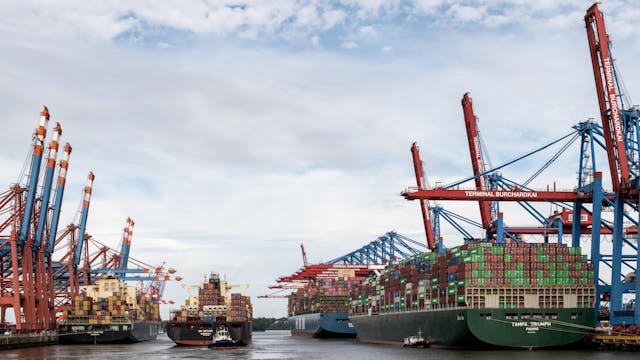
With key trade routes passing through the Gulf region facing repeated disruptions, Indian exporters have been dealing with delayed shipments, rerouted cargo vessels, and sharply increased freight and insurance charges. The new intervention aims to provide immediate financial and operational relief during this volatile period.

A Response to Rising Global Trade Pressure

West Asia remains one of India’s most critical export corridors, connecting major markets such as the UAE, Saudi Arabia, Qatar, Oman, Kuwait, Bahrain, Iraq, Iran, Israel, and Yemen.

However, recent geopolitical tensions have led to:

  • Increased shipping time due to route diversions

  • Significant rise in freight and logistics costs

  • Higher marine insurance and war-risk premiums

  • Contract uncertainties for small exporters

The RELIEF scheme has been introduced as a time-sensitive buffer mechanism to ensure that export activity continues smoothly despite these disruptions.

What the RELIEF Scheme Offers

The ₹497 crore package is structured around three targeted support mechanisms designed to reduce financial stress and improve export stability.

1. Flexible Export Compliance

Exporters operating under Advance Authorisation and EPCG schemes will benefit from automatic extension of export obligations without penalties, reducing regulatory pressure during disrupted trade cycles.

2. Strengthened Insurance Coverage

The Export Credit Guarantee Corporation of India (ECGC) will expand coverage for shipments between March 16 and June 15, ensuring:

  • Stable insurance premiums despite global volatility

  • Protection against war-risk and disruption-related losses

  • Greater confidence for exporters engaging in high-risk routes

3. MSME-Centric Support

Recognising the vulnerability of small exporters, the scheme offers:

  • Assistance for MSMEs previously outside formal insurance coverage

  • Partial relief for rising freight and logistics expenses

  • Easier access to export credit protection mechanisms

This targeted approach is expected to stabilise the most affected segment of India’s export community.

Why MSMEs Stand at the Centre

Micro, Small and Medium Enterprises form the backbone of India’s export sector, but they are also the most exposed to sudden global shocks. Rising shipping costs and delayed payments can severely impact their cash flow and competitiveness.

By directly supporting MSMEs, the RELIEF scheme aims to:

  • Prevent order cancellations

  • Maintain liquidity flow

  • Ensure continuity in international contracts

  • Strengthen resilience against external shocks

Broader Economic Impact

Beyond immediate relief, the scheme carries wider implications for India’s trade strategy:

Protecting Export Competitiveness

India’s exporters can continue servicing global markets without losing ground to competitors affected by similar disruptions.

Stabilising Supply Chains

By reducing uncertainty in shipping and insurance, the scheme helps maintain smoother trade flows.

 Strengthening Global Trust

Consistent government backing enhances India’s reputation as a stable and reliable export partner.

Supporting Recovery in Volatile Times

The intervention ensures that temporary geopolitical shocks do not translate into long-term business losses.

Conclusion

The ₹497 crore RELIEF scheme marks a timely and strategic intervention aimed at insulating India’s export sector from external shocks in West Asia. By combining compliance flexibility, insurance protection, and MSME-focused support, the initiative provides a crucial safety net for exporters navigating an increasingly uncertain global trade environment.

In essence, it is not just a financial package—it is a stabilisation effort to ensure that India’s export engine continues to run smoothly even amid global turbulence.


ICMAI Concludes RISE India Leadership Summit 2026, Charts Roadmap for CMAs in Advancing Viksit Bharat Mission

 Summit emphasises bridging institutional and industry gaps to accelerate value creation, strengthen GCCs, and support India’s journey towards becoming a developed economy


GBC


New Delhi, Mar 20: The Institute of Cost Accountants of India (ICMAI), a statutory body established under an Act of Parliament under the administrative control of the Ministry of Corporate Affairs, Government of India, successfully concluded the RISE India Leadership Summit 2026 in New Delhi, bringing together policymakers, industry leaders, and financial experts to deliberate on the role of strategic leadership in advancing India’s vision of Viksit Bharat 2047, as envisioned by the Hon’ble Prime Minister Shri Narendra Modi.

ICMAI, the largest Cost and Management Accounting body in the world and in Asia, with nearly five lakh students and over one lakh qualified CMAs globally, continues to play a pivotal role in strengthening governance systems, ensuring transparency, and promoting financial discipline across India’s economic ecosystem. 

Held at Shangri-La Eros, the summit centred around the theme “Strategic Leadership for Global Capability Centre – CMAs as Architects of Value Creation & Capability Augmentation”, with a strong focus on identifying institutional, regulatory, and operational gaps that must be addressed to accelerate India’s transformation into a developed economy.

v


In his address, CMA T.C.A. Srinivasa Prasad, President, ICMAI, underscored the pivotal role of Cost and Management Accountants in driving efficiency, transparency, and value-based decision-making across sectors. He highlighted that CMAs are uniquely positioned to act as strategic enablers in bridging gaps between policy formulation and on-ground implementation, particularly in emerging areas such as Global Capability Centres (GCCs), digital finance, and sustainable growth frameworks.

The summit witnessed the presence of distinguished dignitaries including Shri Beeda Mastan Rao, Hon’ble Member of Parliament; Shri D Prasada Rao Hon’ble Member of Parliament. CMA Anand Kumar Pal, Advisor Manistry of finance, Shri CMA L.V. Sudhakar Babu, Managing Director, Sagarmala Finance Corporation; Shri Vivek Chandrakant Tongankar, Director (Finance), ONGC; CMA Rajesh Kumar Dwivedi, Director (Finance), BHEL; CMA Rakesh Yadav, Chairman, NIRC, ICMAI; and Shri CMA Sanjay Jindal, Director (Finance), Engineers India Limited, among others.

The event also reflected the collective leadership of ICMAI, including CMA Neeraj Dhananjay Joshi, Vice President; CMA Vinayaranjan P, Chairman, Career Counselling & Placement Committee; CMA B B Nayak , CMA Manoj Kumar Anand, CMA Rajendra Singh Bhati, CMA Navneet Kumar Jain, CMA Chittranjan Chattopadhyaya, CMA Avijit Goswami and Council Members; and CMA Dr D.P. Nandy, Secretary, along with other Council Members who contributed to the success of both the summit and the preceding press conference. 

Deliberations throughout the summit focused on strengthening India’s institutional capacity to support the Viksit Bharat mission by enhancing financial discipline, improving cost competitiveness, and fostering innovation-led growth. Speakers highlighted the need for robust policy alignment, capacity building, and deeper industry-academia collaboration to address skill gaps and ensure that India’s GCC ecosystem evolves into a global benchmark for efficiency and value creation.

The summit served as a high-level platform for dialogue, collaboration, and knowledge exchange, bringing together CEOs, CFOs, Directors, senior corporate leaders, HR professionals, senior government officials, and industry representatives to collectively shape strategies for strengthening India’s global business and capability ecosystem. 

A key takeaway from the discussions was the critical importance of CMAs in enabling data-driven governance, optimizing resource allocation, and supporting regulatory frameworks that align with global standards. The summit also stressed the need to institutionalise best practices in cost management and performance measurement to enhance India’s competitiveness in global markets.

Industry leaders from organisations such as Microsoft India, Indian Oil Corporation Limited, Accenture, Apple India Private Limited, Power Finance Corporation Limited, BHEL, NSIC, REC Limited, Central Warehousing Corporation, Cement Corporation of India Limited, KRIBHCO Green Energy Pvt Ltd,  Accenture, HCL, Samsung, Orange Business and TPM Consultants Pvt Ltd shared insights on building resilient and future-ready enterprises aligned with national priorities.

The RISE India Leadership Summit 2026 concluded with a collective commitment from ICMAI and participating stakeholders to actively contribute towards bridging systemic gaps, strengthening institutional frameworks, and enabling a robust economic architecture—reinforcing the role of CMAs as key drivers in achieving the vision of a Viksit Bharat by 2047.

Galderma Publishes Invitation and Agenda for Its 2026 Annual General Meeting

Business Wire India


  • The Board of Directors proposes a dividend of 0.35 CHF per registered share
  • Harry Kirsch proposed as new independent member of the Board of Directors
  • Delphine Viguier-Hovasse and Samuel du Retail proposed as two non-independent board members from L’Oréal


Galderma Group AG (SIX: GALD), the pure-play dermatology category leader, today published the invitation and agenda for its 2026 Annual General Meeting (AGM), which will be held virtually on April 22, 2026, at 3:00pm CEST.


Dividend proposal


The Board of Directors proposes a dividend of 0.35 CHF per registered share of Galderma following its record 2025 performance. If approved by shareholders, the dividend will be paid out of reserves from capital contributions and, in accordance with applicable tax regulations, will be free from Swiss withholding tax.


Proposed elections to the Board of Directors of Galderma Group AG


As previously announced, and in connection with L’Oréal’s increased investment in Galderma, the Board members representing the consortium led by EQT, Michael Bauer and Marcus Brennecke, will not stand for re-election and will step down from the Board at the conclusion of the 2026 AGM. Delphine Viguier-Hovasse, Chief Innovation & Prospective Officer at L’Oréal, and Samuel du Retail, Managing Director of Artificial Intelligence, Data and Shared Services at L’Oréal, will be proposed by L’Oréal to shareholders for election as non-independent members.


The Board of Directors will also propose the appointment of Harry Kirsch, former Chief Financial Officer of Novartis, as a new independent member, as well as the re-election of the following current members, each for a one-year term until the completion of the next AGM:


  • Thomas Ebeling (Chair)
  • Daniel Browne
  • Maria Teresa Hilado
  • Karen Lee Ling
  • Roberto Marques
  • Sherilyn McCoy
  • Flemming Ørnskov, M.D., MPH


“On behalf of the Board, I would like to sincerely thank Michael Bauer and Marcus Brennecke for their commitment and valuable contributions throughout their tenure. The proposed elections of Harry Kirsch, Delphine Viguier-Hovasse and Samuel du Retail bring a strong and complementary range of experience to Galderma, spanning financial and strategic leadership, consumer and sustainability-focused perspectives, and innovation and advanced technology. The Board looks forward to the contributions they would bring as Galderma advances its ambition to be the undisputed dermatology powerhouse.”


THOMAS EBELING


CHAIR OF THE BOARD OF DIRECTORS


GALDERMA


For further details please consult the 2025 Annual Report and 2026 AGM invitation at https://investors.galderma.com/.


About Galderma


Galderma (SIX: GALD) is the pure-play dermatology category leader, present in approximately 90 countries. We deliver an innovative, science-based portfolio of premium flagship brands and services that span the full spectrum of the fast-growing dermatology market through Injectable Aesthetics, Dermatological Skincare and Therapeutic Dermatology. Since our foundation in 1981, we have dedicated our focus and passion to the human body’s largest organ – the skin – meeting individual consumer and patient needs with superior outcomes in partnership with healthcare professionals. Because we understand that the skin we are in shapes our lives, we are advancing dermatology for every skin story. For more information: www.galderma.com.


Forward-looking statements


Certain statements in this announcement are forward-looking statements. Forward-looking statements are statements that are not historical facts and may be identified by words such as “plans”, “targets”, “aims”, ” believes”, “expects”, “anticipates”, “intends”, “estimates”, “will”, “may”, “continues”, “should” and similar expressions. These forward-looking statements reflect, at the time, Galderma’s beliefs, intentions and current targets/ aims concerning, among other things, Galderma’s results of operations, financial condition, industry, liquidity, prospects, growth and strategies and are subject to change. The estimated financial information is based on management’s current expectations and is subject to change. By their nature, forward-looking statements involve a number of risks, uncertainties and assumptions that could cause actual results or events to differ materially from those expressed or implied by the forward-looking statements. These risks, uncertainties and assumptions could adversely affect the outcome and financial consequences of the plans and events described herein. Actual results may differ from those set forth in the forward-looking statements as a result of various factors (including, but not limited to, future global economic conditions, changed market conditions, intense competition in the markets in which Galderma operates, costs of compliance with applicable laws, regulations and standards, diverse political, legal, economic and other conditions affecting Galderma’s markets, and other factors beyond the control of Galderma). Neither Galderma nor any of their respective shareholders (as applicable), directors, officers, employees, advisors, or any other person is under any obligation to update or revise any forward-looking statements, whether as a result of new information, future events or otherwise. You should not place undue reliance on forward-looking statements, which speak of the date of this announcement. Statements contained in this announcement regarding past trends or events should not be taken as a representation that such trends or events will continue in the future. Some of the information presented herein is based on statements by third parties, and no representation or warranty, express or implied, is made as to, and no reliance should be placed on, the fairness, reasonableness, accuracy, completeness or correctness of this information or any other information or opinions contained herein, for any purpose whatsoever. Except as required by applicable law, Galderma has no intention or obligation to update, keep updated or revise this announcement or any parts thereof.