IIT Kharagpur Collaborates with Charnock Hospital to Advance Research and Clinical Excellence

IIT Kharagpur Collaborates with Charnock Hospital to Advance Research and Clinical Excellence


Kolkata, Mar 26Indian Institute of Technology Kharagpur has entered into a strategic Memorandum of Understanding (MoU) with Charnock Hospital on March 26, 2026, marking a significant step toward fostering innovation, research, and technological advancement in the healthcare sector. The MoU was signed in the presence of Prof. Suman Chakraborty, Director of the Indian Institute of Technology Kharagpur and Mr. Prashant Sharma, MD of Charnock Hospital.

This collaboration aims to bridge the gap between cutting-edge research in healthcare and its application in clinical practice. IIT Kharagpur will leverage its academic and research outcomes pertaining to healthcare in the clinical setting of Charnock Hospital. The partnership will focus in the following areas:

  • Validation and benchmarking of diagnostic & digital health-tech developed by IIT
  • Collection & analysis of clinical data for AI, ML and translational research
  • Joint research, training, outreach programs for Clinicians & Engineers 
  • Acceleration of technology development in clinical & community settings

On this Occasion, Prof. Suman Chakraborty, Director of IIT Kharagpur, said, “This collaboration with Indian Institute of Technology Kharagpur and Charnock Hospital represents a meaningful step toward integrating scientific research with clinical practice. At IIT Kharagpur, we are committed to developing technologies that have real societal impact, and this partnership provides a vital platform to translate our innovations into accessible, patient-centric healthcare solutions. By combining interdisciplinary research with clinical expertise, we aim to accelerate advancements in diagnostics, digital health, and translational medicine, ultimately contributing to a more resilient and future-ready healthcare ecosystem.

”Speaking to the media, Mr. Prashant Sharma, MD of Charnock Hospital, said, “We are delighted to partner with IIT Kharagpur, a premier institution known for its excellence in research and innovation. This collaboration represents a significant milestone for Charnock Hospital as we strive to integrate advanced technologies into clinical practice. By combining IIT Kharagpur’s cutting-edge research capabilities with our clinical expertise, we aim to accelerate the development of impactful, patient-centric healthcare solutions and set new benchmarks in quality care.


Zuellig Pharma Reinforces Commitment to Japan through Its New Misato Depot, Advancing Clinical Logistics and Sourcing Excellence

MISATO, JAPAN – 26 March 2026 – Zuellig Pharma today announced the successful relocation of its new clinical depot to Misato, strengthening its ability to deliver global quality standards with local operational agility and further strengthening its clinical supply capability across Asia Pacific. Japan remains one of the region’s preferred locations for clinical research, underpinned by its strong focus on medical advancement, rigorous ethical standards and commitment to healthcare.

Medical innovation across the region continues to accelerate, with China, India, Australia, Japan, South Korea, Taiwan and Singapore emerging as key pillars of Asia Pacific’s clinical trial ecosystem over the past five years[1]. Against this backdrop, the move in Japan reinforces Zuellig Pharma’s commitment to supporting sponsors and clients with reliable, compliant and seamless access to Japan – advancing its broader mission to make healthcare more accessible.

The new depot will bring together Zuellig Pharma’s established knowledge assets, operational excellence, and clinical logistics and sourcing expertise. Backed by a highly experienced and expert-led local team, the depot delivers precision project management tailored to Japan’s intricate regulatory and logistical requirements, while enabling smoother coordination for multi-market studies as the clinical landscape continues to evolve.

“As sponsors and clients increasingly run multi-market studies, they need clinical supply partners that can deliver consistency across borders while navigating local complexity,” said John Graham, Chief Executive Officer, Zuellig Pharma. “This relocated depot will strengthen access to Japan within our regional network, helping us execute with greater reliability, compliance, and speed across the region.”

The Misato clinical depot will also provide a streamlined, turnkey solution for global sponsors seeking rapid and compliant market entry into Japan. Sponsors will benefit from the same rigorous operational excellence, regulatory adherence, and service consistency delivered by Zuellig Pharma’s strategic network of clinical depots, without the overhead of building or managing costly standalone facilities. This milestone supports Zuellig Pharma’s ongoing efforts to accelerate clinical development and improve patient access to innovative therapies across Asia Pacific.

With this strategic move, Zuellig Pharma further strengthens its position as a trusted partner for global clinical development, combining scale, expertise, and agility whilst delivering high-quality, compliant clinical logistics and sourcing solutions across Asia Pacific.

End of a Long Wait: Harish Rana Passes Away After 13 Year Coma

Harish Rana, known as one of the first individuals in India to be permitted passive euthanasia, passed away on Tuesday at the All India Institute of Medical Sciences (AIIMS), bringing an end to a long and difficult chapter that spanned over 13 years.

Rana, 31, had been in a coma since 2013 following a severe medical condition that left him unresponsive. For more than a decade, his life was sustained through continuous medical care, largely managed at his home in Ghaziabad by family members who remained by his side through the prolonged ordeal.

Earlier this month, on March 14, he was shifted to the palliative care unit of Dr. B.R. Ambedkar Institute Rotary Cancer Hospital at AIIMS-Delhi as his condition required specialized end-of-life support. Medical teams provided comfort care during his final days.

Rana’s case had drawn attention for its legal and ethical dimensions, particularly around the issue of passive euthanasia in India. It highlighted the emotional and financial strain faced by families caring for patients in prolonged vegetative states, while also bringing focus to the need for compassionate end-of-life care policies.

Despite the legal and medical complexities surrounding his condition, at the heart of the story was a family’s unwavering commitment. For years, his loved ones continued to hope, care, and advocate, navigating both personal grief and public attention.

His passing marks not just the end of a life, but the conclusion of a deeply human story—one that sparked conversations about dignity, medical ethics, and the realities of long-term critical care.

Harish Rana is remembered not only for the circumstances of his case but also for the quiet resilience shown by those who stood beside him throughout his journey.

India Unveils Multi-Centre Study on Ayurveda Support in TB Care

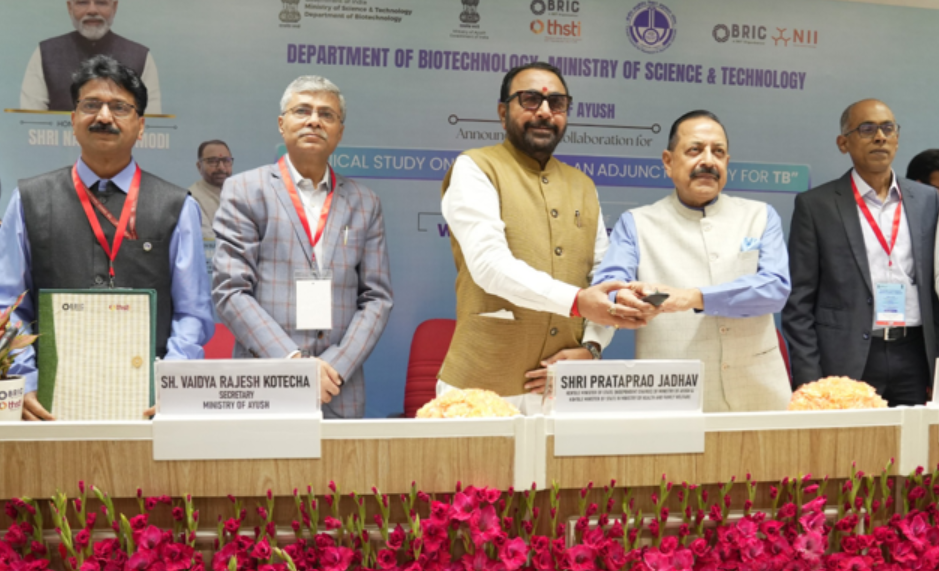
New Delhi, Mar 25 (BNP): The Ministry of Ayush, in collaboration with the Department of Biotechnology (DBT), has announced a joint clinical study to evaluate Ayurveda as an adjunct therapy in tuberculosis (TB) treatment, marking a step toward integrative healthcare in India.

The announcement was made on World Tuberculosis Day at a high-level event held at Vigyan Bhawan, attended by senior policymakers, scientists, and healthcare experts.

Union Minister of State (Independent Charge) for Science and Technology, Dr. Jitendra Singh, said India is making steady progress in its fight against TB through science-driven innovation and integrated healthcare approaches.

India Unveils Multi-Centre Study on Ayurveda Support in TB Care

“The collaborative clinical study reflects our commitment to evidence-based innovation, combining modern biomedical research with traditional knowledge systems,” he said, adding that efforts are also focused on addressing challenges such as drug resistance and undernutrition.

Minister of State (Independent Charge) for Ayush, Prataprao Jadhav, emphasised that TB treatment must go beyond eliminating infection to ensuring complete patient recovery and improved quality of life.

“With this approach, Ayurveda and other Ayush systems can play a supportive role in enhancing recovery, nutrition, and overall well-being,” he said.

The study, titled “Clinical Study on Ayurveda as an Adjunct Therapy for Tuberculosis”, will be conducted as a multi-centre trial across premier institutions, including AIIMS, JIPMER, and NEIGRIHMS.

Led by the Central Council for Research in Ayurvedic Sciences (CCRAS) in partnership with DBT, the 24-month study aims to assess the efficacy, safety, and tolerability of an Ayurveda regimen alongside standard anti-tuberculosis treatment (ATT), combined with nutritional support.

Officials said the initiative is expected to generate scientific evidence on improving recovery rates, nutritional outcomes, and quality of life among TB patients.

The programme also witnessed the exchange of a memorandum of understanding between BRIC-Translational Health Science and Technology Institute (THSTI) and CCRAS to formalise institutional collaboration.

The government reaffirmed its commitment to advancing evidence-based integrative healthcare solutions to tackle public health challenges and accelerate progress toward TB elimination.

Mayo Clinic Researchers Use Milk-Derived Nanoparticles to Target Aggressive Bile Duct Cancer

Rochester, Minn, Mar 23: Researchers at Mayo Clinic have unveiled a promising new approach to treating Cholangiocarcinoma, a rare and aggressive cancer with limited treatment options. The study, published in JHEP Reports, highlights an innovative targeted therapy using milk-derived nanoparticles to deliver gene-silencing treatment directly to cancer cells.

The research introduces a novel method that combines precision targeting with genetic therapy. By leveraging small interfering RNA (siRNA), scientists aim to selectively switch off cancer-driving genes while minimizing damage to healthy tissue.

“One significant challenge in treating these cancers is the lack of therapies targeting specific genetic alterations,” said Dr. Rory Smoot, surgical oncologist at Mayo Clinic and senior author of the study. “Our approach is designed to silence those genes in cancer cells while sparing normal cells.”

To achieve this, the multidisciplinary team screened an extensive library of DNA molecules using a technique known as Cell-SELEX. This led to the discovery of a specialized DNA strand, or aptamer, capable of selectively binding to cholangiocarcinoma cells, acting as a molecular “homing device.

The aptamer was then attached to biocompatible, milk-derived nanoparticles developed by Dr. Tushar Patel. These tiny fat-based particles were loaded with siRNA and engineered to deliver the gene therapy precisely to tumor cells.

“We demonstrated that this system can deliver gene-silencing therapy directly into cancer cells,” said Dr. Brandon Wilbanks, first author of the study. “This resulted in reduced tumor growth and increased cancer cell death, without harming surrounding healthy tissue.”

While the findings are currently preclinical, the technology has been patented by Mayo Clinic. Researchers are now focused on refining gene targets and evaluating the approach across multiple forms of cholangiocarcinoma, with the long-term goal of developing personalized gene therapies for patients.

“These advances offer real hope,” added Dr. Smoot. “They suggest a future where safer, more targeted treatments can be developed for patients with very limited options.”

The research was supported by multiple Mayo Clinic programs and collaborating institutions, reinforcing ongoing efforts to advance precision medicine and innovative cancer therapies.


IHCL Hotels in Tamil Nadu Reinforce Responsible Hospitality, Mark Four Years of Paathya with Bharat Eksaath Walkathon

CHENNAI, MARCH 22, 2026: Indian Hotels Company (IHCL), India’s largest hospitality company, continues to advance its sustainability and social impact agenda through Paathya, its ESG+ framework.

IHCL Hotels in Tamil Nadu Reinforce Responsible Hospitality, Mark Four Years of Paathya with Bharat Eksaath Walkathon

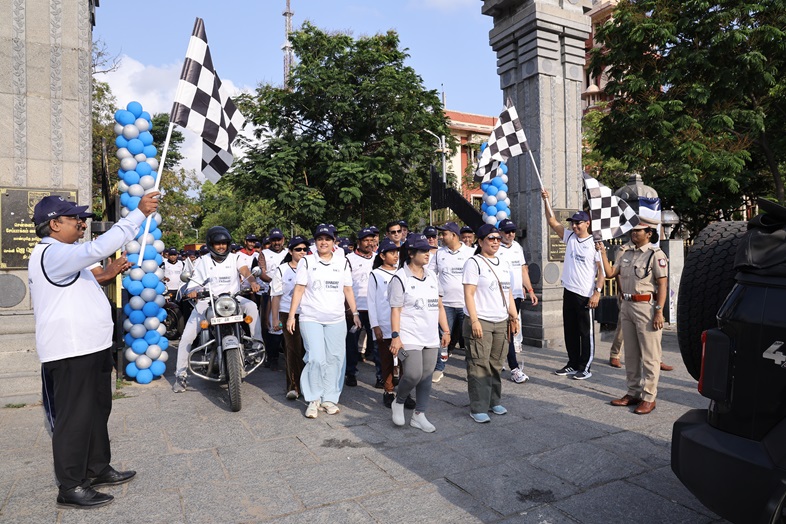
Photo caption: Dr. S. Armstrong, Vice-Chancellor Convener Committee, University of Madras, Megalina Iden, DC Traffic – East, and Ian Dubier, Area Director Operations for Tamil Nadu and General Manager of Taj Coromandel, flagging off IHCL’s Bharat EkSaath Walkathon at University of Madras in Chennai.

Marking its fourth year, IHCL reinforced its commitment to responsible tourism with Bharat EkSaath Walkathon – Tamil Nadu edition, an inclusive 3 km walk that brought together associates, their families, local partners, vendors and community members. This was held simultaneously across 14 countries in over 200 locations. The funds raised through the walkathon support the Taj Public Service Welfare Trust (TPSWT), reinforcing IHCL’s approach to social impact.

Teams from Taj Coromandel, Taj Connemara, Taj Club House, Taj Fisherman’s Cove Resort & Spa Chennai, Taj Wellington Mews Chennai, Vivanta Chennai IT Expressway, Ginger Chennai, OMR, Ginger Chennai, Vadapalani, Ginger Chennai, IITM, TajSATS, Vivanta Coimbatore, Savoy, Ooty – IHCL SeleQtions, Gateway Madurai and Gateway Coonoor participated in the 3-km walk.

The Walkathon commenced from the University of Madras and was flagged off by distinguished guests, Dr. S. Armstrong Vice-Chancellor Convener Committee, University of Madras, and Megalina Iden, DC Traffic – East. The route began at the University of Madras, proceeded along Madras Beach Road, and concluded back at the University campus.  The event concluded with a hearty breakfast, followed by the distribution of medals and certificates to all participants.

Ayushman Bharat: From Health Access to Health Security in India

For decades, India’s healthcare system faced a difficult balancing act—expanding access while keeping care affordable. Millions of families, especially in rural and low-income communities, often delayed or avoided treatment due to high costs. A single hospitalization could push households into debt, turning a health crisis into a financial one.

The launch of Ayushman Bharat in 2018 marked a turning point in this journey. More than just a government scheme, it introduced a new vision—one where healthcare is not limited to access, but extends to security, dignity, and long-term well-being.

From Health Access to Health Security: Ayushman Bharat is reshaping Indian public healthcarehttps://t.co/byAyCzSSVf

via NaMo App pic.twitter.com/1FHPwT0tvr

— PMO India (@PMOIndia) March 20, 2026

A Transformative Vision for Public Health

Ayushman Bharat reimagines healthcare as a continuous system rather than a one-time service. It connects prevention, treatment, infrastructure, and digital innovation into a unified framework. This integrated approach ensures that individuals are not only treated when they fall ill but are also supported in staying healthy.

Today, it stands as one of the largest publicly funded healthcare initiatives in the world, reflecting India’s commitment to inclusive and equitable healthcare.

The Four Pillars of Ayushman Bharat

At the heart of this transformation are four key pillars that work together to deliver comprehensive care:

1. Ayushman Arogya Mandirs: Bringing Care Closer to Communities

Formerly known as Health and Wellness Centres, Ayushman Arogya Mandirs have reshaped primary healthcare in India. Spread across villages and towns, these centers provide essential services right at the community level.

They focus on:

  • Maternal and child healthcare
  • Immunization and nutrition
  • Screening for non-communicable diseases such as diabetes, hypertension, and cancers
  • Basic medicines and diagnostic services
  • Wellness activities, including yoga

By prioritizing early detection and prevention, these centres reduce the need for costly treatments later.

2. Pradhan Mantri Jan Arogya Yojana (PM-JAY): Financial Protection for Millions

The insurance component of Ayushman Bharat ensures that healthcare is affordable. It provides cashless treatment coverage of up to ₹5 lakh per family per year for secondary and tertiary hospitalization.

This has been especially significant for economically vulnerable families, who previously had limited access to quality healthcare. Today, they can seek treatment in empaneled hospitals without worrying about immediate financial burden.

3. Building Stronger Systems with PM-ABHIM

The Pradhan Mantri Ayushman Bharat Health Infrastructure Mission focuses on strengthening the healthcare system itself.

Investments under this mission include:

  • Development of critical care blocks in districts
  • Expansion of diagnostic and laboratory networks
  • Strengthening disease surveillance systems
  • Improving emergency response capabilities

This pillar ensures that healthcare delivery is not only accessible but also reliable and prepared for future challenges.

4. Digital Health Revolution

Technology is playing a key role in making healthcare more efficient and transparent. The Ayushman Bharat Digital Mission aims to create a seamless digital ecosystem.

Through digital health IDs and integrated records:

  • Patients can access their medical history anywhere
  • Doctors can make better-informed decisions
  • Services become faster and more coordinated

Telemedicine platforms like eSanjeevani have further expanded access, especially in remote areas, enabling millions of consultations without the need for travel.

Measurable Impact: Changing Lives at Scale

The scale of Ayushman Bharat is matched by its real-world impact:

  • Financial Relief: Families are saving substantial amounts on medical expenses, reducing dependence on loans or selling assets.
  • Wider Coverage: Tens of crores of citizens have been enrolled, including a major expansion to cover senior citizens above 70 years.
  • Stronger Public Hospitals: Government hospitals are being revitalized through better funding and increased patient flow.
  • Preventive Healthcare: Large-scale screenings are helping detect diseases early, improving health outcomes and reducing long-term costs.

This shift towards prevention marks a significant evolution in India’s healthcare approach.

From Treatment to Prevention

One of the most important changes brought by Ayushman Bharat is the growing focus on preventive care. Instead of reacting to illness, the system now emphasizes early diagnosis and regular health monitoring.

Screenings for conditions like diabetes, hypertension, and cancer are becoming more common at the community level. This not only improves quality of life but also reduces the overall burden on hospitals.

Strengthening Healthcare for the Future

Beyond immediate benefits, Ayushman Bharat is building long-term resilience in India’s healthcare system. New infrastructure, improved digital connectivity, and community participation are creating a foundation for sustainable growth.

The government’s continued investment and policy support indicate a strong commitment to expanding and improving the scheme in the coming years.

Challenges and the Road Ahead

While the progress is significant, challenges remain. Ensuring consistent quality across regions, addressing gaps in rural infrastructure, and increasing awareness about available services are ongoing priorities.

However, the direction is clear—towards a system that is inclusive, efficient, and centered on people’s needs.

Conclusion: A Healthier, More Secure India

Ayushman Bharat represents a bold step in India’s development journey. It moves beyond the idea of healthcare as a service and embraces it as a right and a safeguard for every citizen.

By combining financial protection, accessible services, strong infrastructure, and digital innovation, it is creating a healthcare system that is not only larger but also better.

As India continues to evolve, Ayushman Bharat stands as a powerful example of how thoughtful policy and collective effort can transform lives—ensuring that health is not a privilege, but a promise fulfilled for all.

 

Centre Holds ‘Suraksha Sankalp’ Workshop to Strengthen HIV Response in Delhi, Haryana

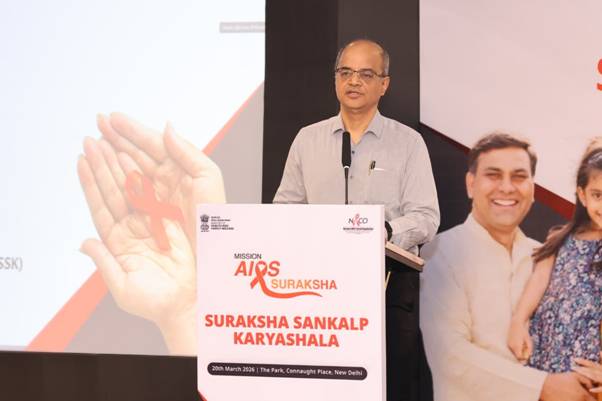
New Delhi, March 21 (BNP): The Ministry of Health and Family Welfare, through the National AIDS Control Organisation (NACO), convened the ‘Suraksha Sankalp Karyashala’ in Delhi to accelerate district-level HIV/AIDS response, with a focused approach on Haryana and the national capital.

The workshop, chaired by Rakesh Gupta, aimed to strengthen data-driven, district-specific strategies to improve prevention, testing, treatment, and overall service delivery for HIV/AIDS.

Centre Holds ‘Suraksha Sankalp’ Workshop to Strengthen HIV Response in Delhi, Haryana


In his keynote address, Dr. Gupta stressed that HIV/AIDS continues to be a significant public health challenge, requiring coordinated and sustained efforts across all levels of governance. He highlighted the global 95:95:95 targets, which aim to ensure that 95 per cent of people living with HIV know their status, 95 per cent of those diagnosed receive treatment, and 95 per cent of those on treatment achieve viral suppression.

Reviewing current progress, officials noted that Delhi faces critical gaps, with only about 70 per cent of identified individuals linked to treatment, while Haryana has achieved an encouraging cascade of approximately 81:83:95, though further improvements are needed in diagnosis and treatment linkage.

The workshop also emphasised the elimination of mother-to-child transmission of HIV, which can be prevented through timely testing, counselling, and treatment during pregnancy, childbirth, and breastfeeding.

Officials said 219 districts across the country have been identified as priority areas for intensified HIV interventions, including 7 districts in Delhi and 11 in Haryana. District-level teams participated in the workshop to present progress, identify challenges, and develop targeted action plans.

Dr. Gupta called for a “whole-of-system” approach, urging stronger coordination between national, state, and district stakeholders to address gaps in awareness, testing, and treatment adherence.

He also outlined India’s goal of bringing HIV/AIDS under control by World AIDS Day 2027, with an enhanced target of achieving 95:95:99 metrics in the coming years.

The workshop forms part of India’s broader strategy to end AIDS as a public health threat by 2030, focusing on evidence-based interventions, improved treatment access, and reducing stigma and discrimination.

Centre Sets Up National Dental Commission, Replaces Dental Council of India

New Delhi, March 21 (BNP): The Government of India has constituted the National Dental Commission (NDC), marking a major reform in dental education and regulation, with the aim of improving quality and aligning standards with global benchmarks.

The new framework, notified on March 19, 2026, replaces the Dental Council of India and comes into effect immediately. With this, the Dentists Act, 1948 has been repealed, and the existing regulatory structure has been dissolved.

Officials said the move represents a shift towards a transparent, accountable, and quality-driven regulatory system, replacing the earlier elected body with a more streamlined governance model.

Centre Sets Up National Dental Commission, Replaces Dental Council of India


The NDC will function through three autonomous boards to oversee key areas. The Undergraduate and Postgraduate Dental Education Board will regulate academic standards, while the Dental Assessment and Rating Board will handle accreditation and institutional evaluation. The Ethics and Dental Registration Board will be responsible for professional conduct and registration of practitioners.

Dr. Sanjay Tewari has been appointed as Chairperson of the Commission, with Dr. Mousumi Goswami as a part-time member.

Other key appointments include Dr. Chandrashekhar Janakiram as President of the Education Board, Lt. Gen. (Retd.) Nanda Kishore Sahoo heading the Assessment and Rating Board, and senior professionals appointed across all boards to ensure effective implementation.

The Commission will be responsible for framing regulations, assessing and rating dental institutions, promoting research, evaluating human resource requirements, and setting standards for education, community dental care, and professional ethics.

It will also frame guidelines for fee regulation in private dental colleges, a move aimed at improving transparency and affordability in dental education.

Officials said the reform is expected to enhance the quality of dental education, strengthen healthcare delivery, and expand access to affordable oral healthcare services across the country.

Government Pushes Integration of Ayush with Modern Medicine Through National Initiatives

New Delhi, March 20 (BNP): The Government of India is actively promoting the integration of traditional Ayush systems with modern medicine through a series of coordinated national initiatives, the Ministry of Ayush informed in Parliament.

The government has adopted a co-location strategy, placing Ayush facilities alongside Primary Health Centres (PHCs), Community Health Centres (CHCs), and District Hospitals (DHs), enabling patients to access multiple systems of healthcare under one roof.

Support for staffing and training of Ayush practitioners is being provided by the Ministry of Health and Family Welfare under the National Health Mission (NHM), while infrastructure, equipment, and medicines are funded by the Ministry of Ayush through the National Ayush Mission (NAM).

As part of institutional strengthening, an Ayush vertical has been established under the Directorate General of Health Services (DGHS) to oversee planning, monitoring, and implementation of Ayush-related public health programmes. Integrated Ayush departments have also been set up in central government hospitals, including Safdarjung Hospital and Lady Hardinge Medical College, to promote integrative healthcare practices.

Under NAM, the government is supporting a wide range of initiatives, including the operationalisation of Ayush Health and Wellness Centres, upgrading existing hospitals and dispensaries, establishing integrated Ayush hospitals, and supplying essential medicines. Awareness campaigns through Information, Education and Communication (IEC) activities are also being carried out to promote preventive healthcare practices based on Ayush systems.

The Ministry is also expanding international cooperation through a dedicated scheme aimed at promoting Ayush globally. This includes support for exports, academic collaborations, and the establishment of Ayush chairs in foreign institutions. To date, multiple memorandums of understanding have been signed at country and institutional levels to strengthen global outreach.

The information was provided by Minister of State (Independent Charge) for Ayush, Prataprao Jadhav, in a written reply in the Lok Sabha.