

Rayagada, July 1 (UDN): Nestled amid the dense forests and rolling hills of Niyamgiri, the Dongria Kondh community continues to preserve a centuries-old artistic tradition that remains central to its cultural identity. From vibrant wall paintings to intricately embroidered textiles, the tribe’s indigenous art forms continue to flourish despite the growing influence of modern lifestyles.
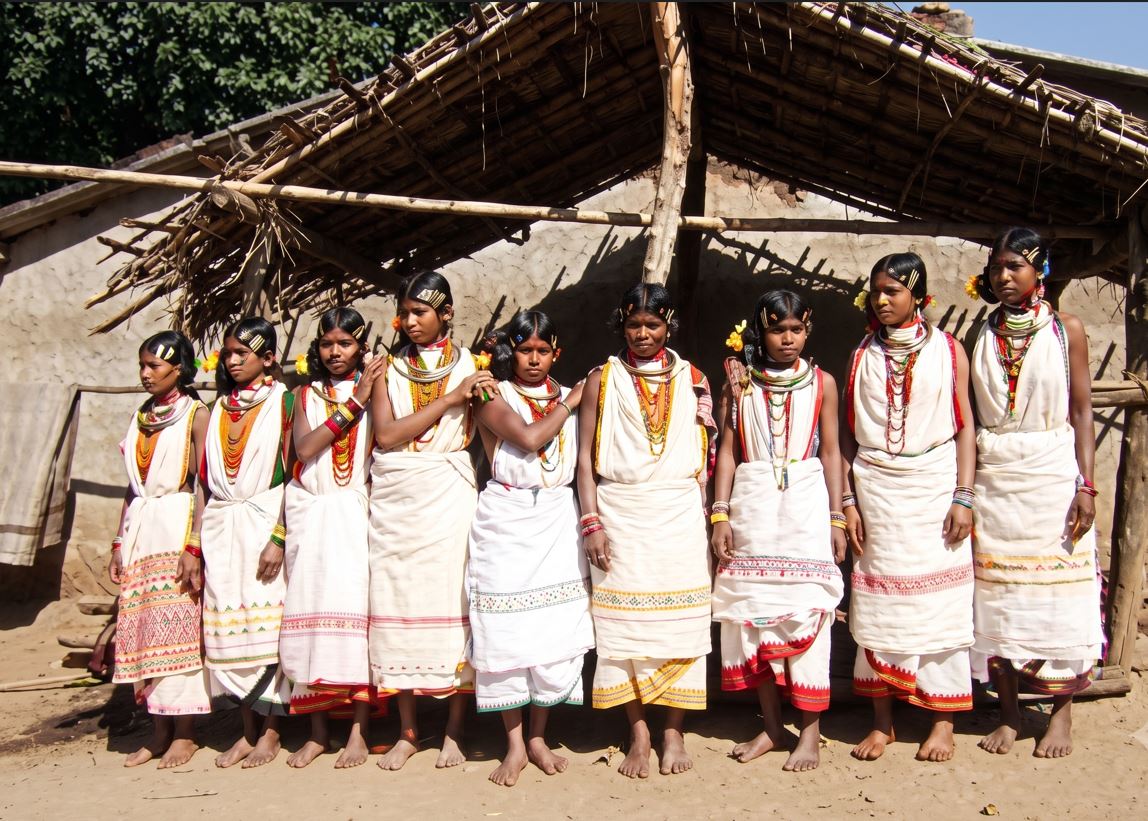
Representational image
At the heart of this cultural legacy is Kapdaganda, a hand-embroidered traditional textile adorned with motifs inspired by nature, agriculture and the community’s spiritual beliefs. Crafted entirely by hand, each piece requires months of meticulous work by tribal women, who pass down the intricate embroidery techniques from one generation to the next.
The same symbolic designs are reflected in Linga, the colourful murals that decorate the walls of Dongria Kondh homes across villages in the Niyamgiri region. The motifs, featuring representations of the moon, crops and other elements of nature, change with festivals and rituals, serving as visual expressions of the community’s customs and beliefs.
According to members of the community, each pattern carries a distinct meaning. Green motifs symbolise prosperity and nature, circular designs represent the full moon, while yellow patterns inspired by turmeric reflect the tribe’s deep connection with agriculture. These traditional symbols are woven into Kapdaganda, making the textile a living record of the community’s heritage.
The craft has gained wider recognition in recent years after Kapdaganda received a Geographical Indication (GI) tag, highlighting its uniqueness and cultural significance. The traditional fabric is now recognised beyond Odisha, creating new opportunities for tribal artisans while strengthening efforts to preserve the community’s rich artistic heritage.
Researchers working with the Dongria Kondhs say government initiatives and increasing public awareness have helped promote the textile as both a cultural symbol and a sustainable source of livelihood. Even today, members of the tribe proudly wear Kapdaganda during festivals, weddings, religious ceremonies and community gatherings, reaffirming their connection to centuries-old traditions.
For the Dongria Kondhs, Kapdaganda is far more than a handcrafted fabric. It is a symbol of identity, history and resilience, reflecting a way of life that continues to thrive in the hills of Niyamgiri despite the passage of time.

